
The Social War: Why Rome’s Italian Allies Took Up Arms
Rome’s Italian allies had fought in its armies for generations. In 91 BCE, disputes over citizenship, equality and Roman power led them to revolt.

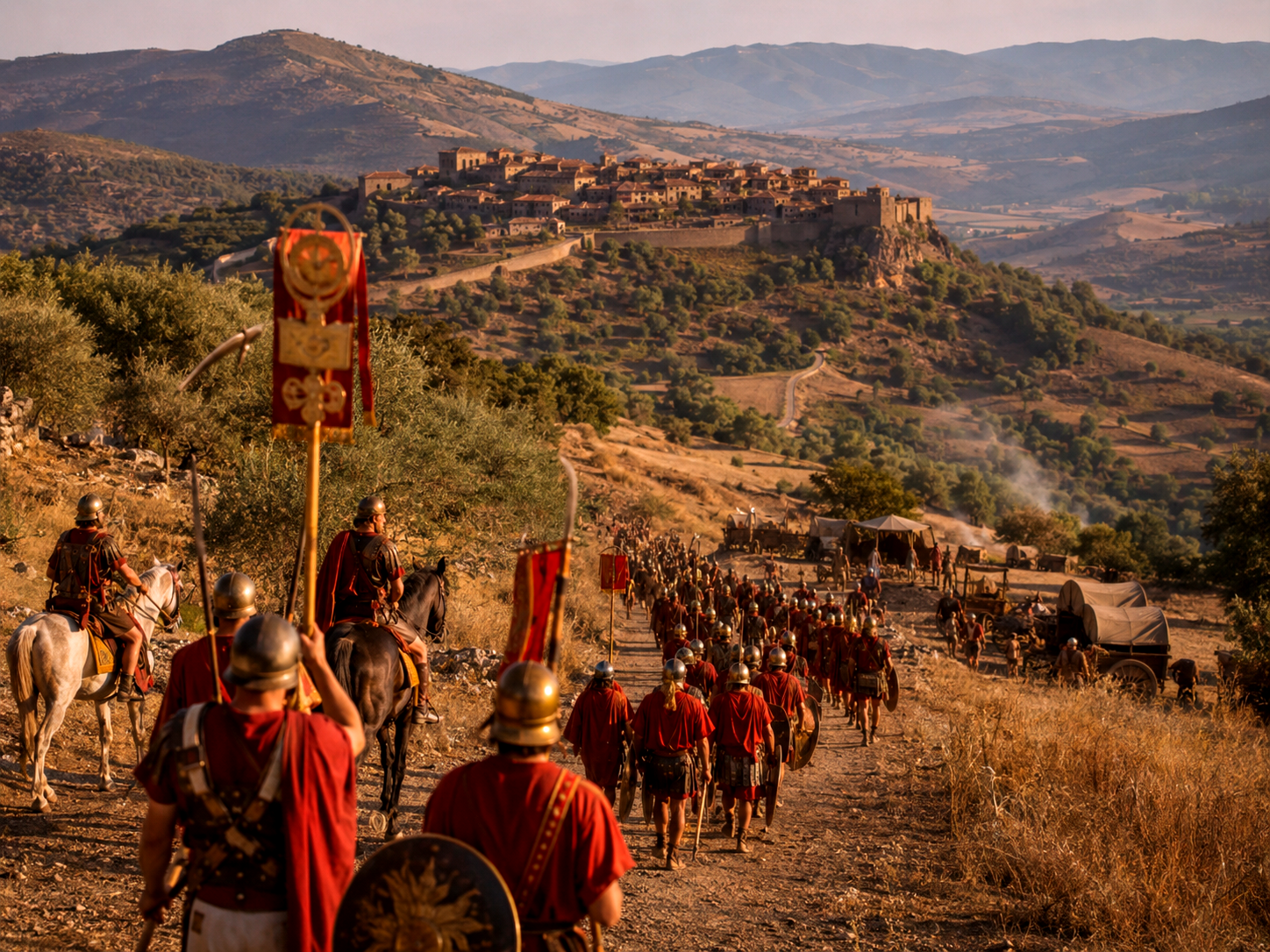
For generations, Rome’s Italian allies supplied troops for campaigns throughout the Mediterranean. Their contingents fought beside Roman legions in Italy, Spain, North Africa, Greece and Asia. These communities helped provide the manpower through which Rome defeated its major rivals and extended its power overseas, but they remained outside the Roman citizen body and had no direct share in the political decisions made at Rome.
The relationship was not identical throughout Italy. Some communities possessed Latin rights, others held treaties negotiated under different circumstances, and many retained their own laws, magistrates and local citizenship. Their common obligation was military service in wars declared and directed by Rome.
By the beginning of the first century BCE, the difference between their contribution to Roman power and their position within the Roman system had become a source of repeated political conflict.
The war that began in 91 BCE is commonly called the Social War, from the Latin socii, meaning allies. Its principal campaigns were fought in 90 and 89 BCE, although resistance continued into 88 and became connected with the civil conflicts that followed.
The surviving sources associate the revolt with citizenship, political equality, liberty and resistance to Roman domination. Those references do not produce one consistent account, and the same ancient passages have led modern historians to different reconstructions of what the insurgents intended.
Allies in Rome’s Armies, but Not Roman Citizens
Rome’s domination of Italy rested on a network of alliances rather than the uniform government of the peninsula as a single territory. Allied communities generally remained responsible for their internal affairs, but their treaties placed military manpower at Rome’s disposal. They were required to provide contingents in accordance with arrangements controlled by Rome, while the policies for which those troops were used were decided by Roman authorities.
Allied contingents could equal or exceed the number of Roman citizens serving in Roman armies. The system gave Rome access to a much larger reserve of manpower than its citizen body alone could have provided. It also meant that communities without a formal share in Roman political decisions carried a substantial part of the military burden created by Roman expansion.
Military service did not by itself produce one Italian political programme. Christopher Dart treats the army as one setting in which close cooperation with Rome and the inequalities of allied status existed side by side. Seth Kendall similarly places military obligations among several grievances that made citizenship attractive, including the treatment of allied soldiers and the inability of allied communities to influence decisions made by Roman authorities.
Velleius Paterculus presented the allies’ military contribution and demand for citizenship together. His account also preserves the ancient tradition that Drusus’ death released tensions that had existed for some time:
“The long smouldering fires of an Italian war were now fanned into flame by the death of Drusus. One hundred and twenty years ago, in the consulship of Lucius Caesar and Publius Rutilius, all Italy took up arms against the Romans. The rebellion began with the people of Asculum, who had put to death the praetor Servilius and Fonteius, his deputy; it was then taken up by the Marsi, and from them it made its way into all the districts of Italy.
The fortune of the Italians was as cruel as their cause was just; for they were seeking citizenship in the state whose power they were defending by their arms; every year and in every war they were furnishing a double number of men, both of cavalry and of infantry, and yet were not admitted to the rights of citizens in the state which, through their efforts, had reached so high a position that it could look down upon men of the same race and blood as foreigners and aliens. This war carried off more than three hundred thousand of the youth of Italy.”— Velleius Paterculus, Roman History 2.15, translated by Frederick W. Shipley.
Velleius’ statement that “all Italy” took up arms cannot be read literally, since many communities remained loyal. His claim that the allies furnished double the Roman manpower and his total of more than 300,000 deaths are also ancient estimates rather than independently verified figures.
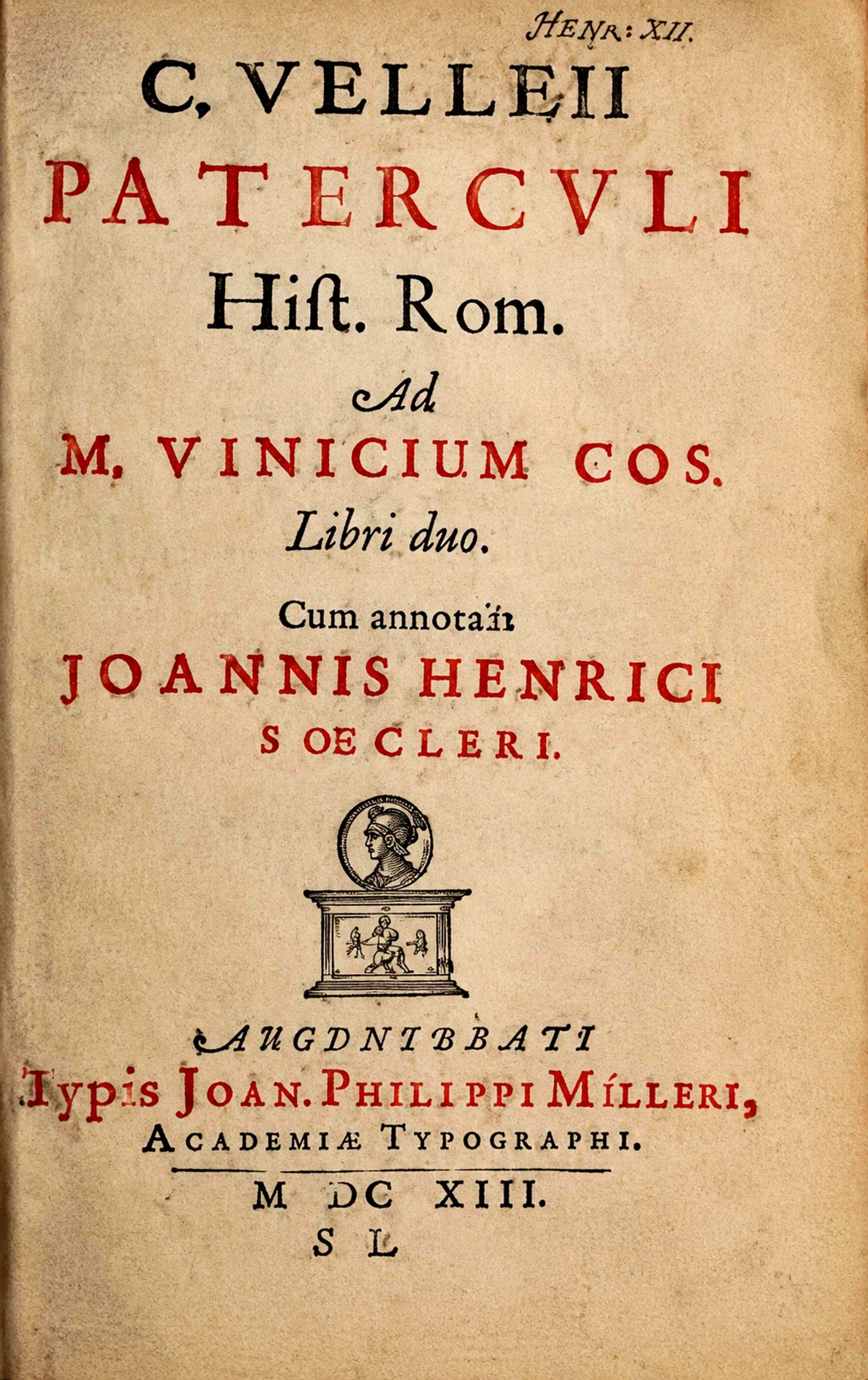
The passage is nevertheless important evidence for the tradition that connected the allies’ military contribution with their exclusion from citizenship and remembered the war as exceptionally destructive.
P. A. Brunt regarded citizenship as a demand for parity of rights, not simply a change in legal title. For him, the allies sought the vote, eligibility for Roman office and a share in the government of the empire they had helped create. Henrik Mouritsen challenges the assumption that this desire had become general throughout Italy before the war. He argues that later writers knew the eventual outcome—the incorporation of the peninsula into the Roman citizen body—and may have explained the earlier revolt through the settlement that followed it.
Earlier Attempts to Change the Allies’ Status
The position of the allies had entered Roman politics decades before the outbreak of war. In 125 BCE, the consul Marcus Fulvius Flaccus proposed legislation concerning Italian citizenship. The precise terms are uncertain. The surviving tradition associates it with a grant of citizenship and also refers to a right of appeal for those who did not accept the offer, but the scope and relationship of these provisions remain disputed.
The proposal failed. Soon afterwards, the Latin colony of Fregellae revolted against Rome and was captured by a Roman army. The city was destroyed, demonstrating the danger faced by an individual community that challenged Rome without wider support.
Gaius Gracchus later returned to the status of the Latins and other allies. His proposals also encountered strong resistance. Roman citizens could regard the admission of large numbers of Italians as a threat to their political privileges and to benefits attached to citizenship.
Land disputes added another source of conflict. Italians occupied Roman public land in several parts of the peninsula, sometimes under arrangements that had existed for generations. Agrarian legislation passed at Rome could subject that land to surveys, litigation and redistribution. Those affected by the decisions did not possess a vote on the legislation that authorised them.
Brunt treats the controversies surrounding Flaccus, Fregellae, Gaius Gracchus and the agrarian laws as stages in the development of a wider demand for equality. He does not argue that all Italians already wanted citizenship in 125 BCE, but that the proposal had introduced an idea that became more powerful over time.
Mouritsen questions this linear reconstruction. He argues that the surviving evidence does not securely establish one continuous Italian citizenship movement extending from 125 to 91 BCE. Earlier proposals may have concerned the Latins more directly, and the interests of communities with different legal statuses should not automatically be combined into a single programme.
He also rejects the assumption that cultural assimilation had made all allied peoples willing to abandon their own citizenship in favour of Roman status. The communities that later revolted differed considerably in language, institutions and exposure to Roman culture.
The evidence therefore preserves several political disputes involving citizenship, land and allied status, but does not provide a complete account of how opinion developed within each Italian community. The relationship among those disputes has to be reconstructed from later and fragmentary sources.
Drusus, Poppaedius Silo and the Approach of War
Marcus Livius Drusus became tribune of the plebs in 91 BCE. His legislative programme addressed the courts, public land, colonies and grain distributions. At some stage, he also became associated with a proposal to extend Roman citizenship to the allies.
The sources do not establish whether citizenship formed part of his plans from the beginning or was introduced later as his political position deteriorated. They do show that influential Italian leaders expected him to act on their behalf.
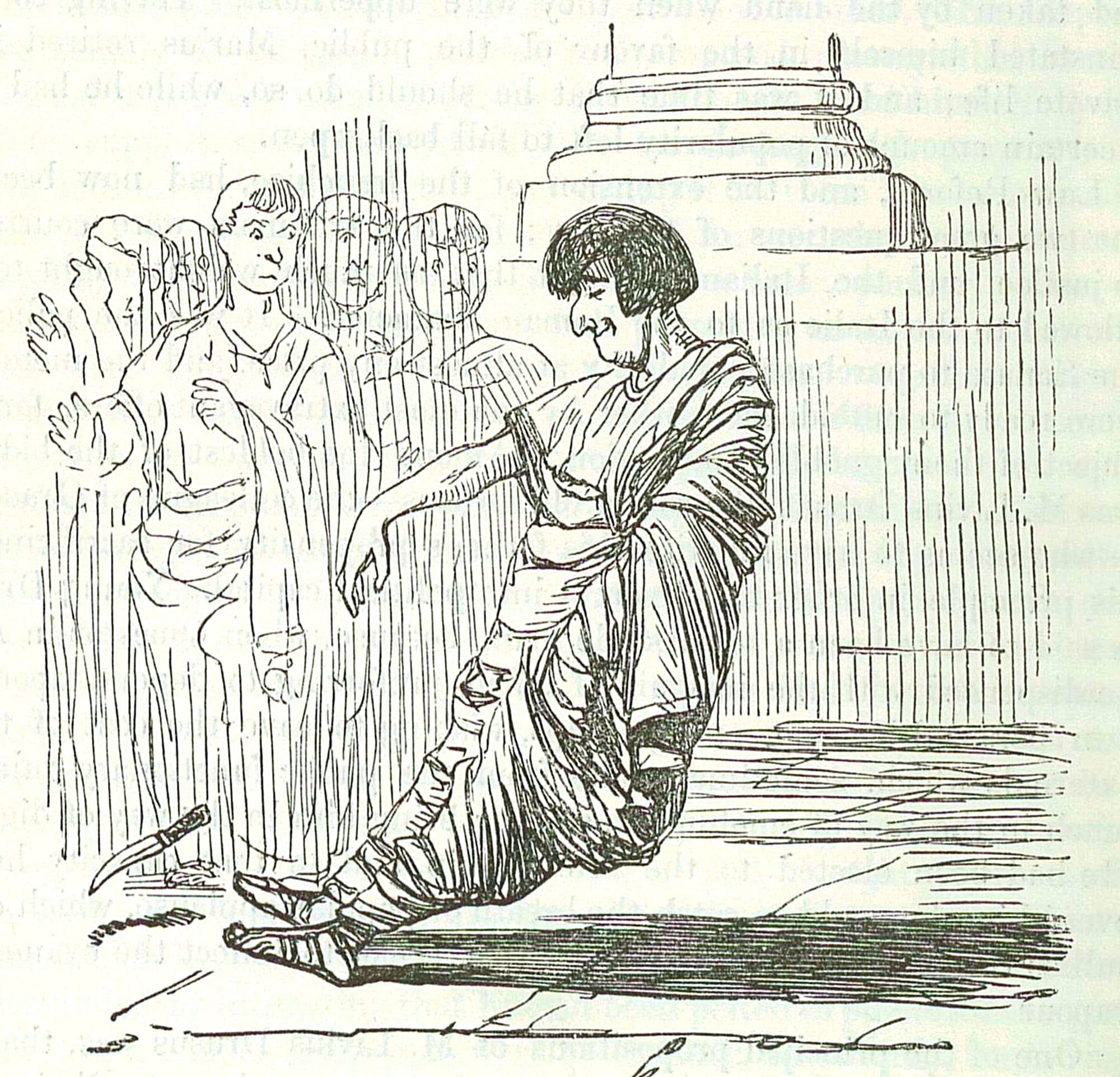
The most prominent was Quintus Poppaedius Silo, a Marsian who later became one of the principal insurgent commanders. Plutarch places him in the household of Drusus and explicitly connects him with the demand for citizenship:
“While Cato was still a boy, the Italian allies of the Romans were making efforts to obtain Roman citizenship. One of their number, Pompaedius Silo, a man of experience in war and of the highest position, was a friend of Drusus, and lodged at his house for several days.
During this time he became familiar with the children, and said to them once: ‘Come, beg your uncle to help us in our struggle for citizenship.’ Caepio, accordingly, consented with a smile, but Cato made no reply and gazed fixedly and fiercely upon the strangers.”— Plutarch, Life of Cato the Younger 2.1–2, translated by Bernadotte Perrin
Plutarch wrote long after the event, and the anecdote serves primarily to illustrate the character of the young Cato. It nevertheless preserves a tradition in which Silo, one of the future leaders of the revolt, described the Italian cause as a struggle for citizenship.
Diodorus preserves another account in which Silo advanced towards Rome with approximately 10,000 armed followers before being persuaded to pursue the Italian request peacefully. The dating and details remain disputed, but Brunt regards the episode as evidence that armed pressure was contemplated before open hostilities began.
Dart argues that preparations for a revolt must already have been under way while Drusus was alive. The coordination of several peoples, the exchange of hostages, the accumulation of supplies and the appointment of commanders could not have been arranged only after his death. Livy’s surviving summary also places Italian meetings and a conspiracy before the tribune was killed.
Kendall reconstructs Drusus as the final opportunity to secure citizenship without war. He proposes that Silo may have persuaded the allies to delay action while Drusus’ programme remained possible and that the failure of the legislation and Drusus’ death then allowed the planned withdrawal from Rome to proceed. The surviving sources do not state this sequence in full.
Mouritsen agrees that the revolt required preparation but disputes the citizenship-centred explanation. He argues that Appian arranged the conspiracy, prosecutions and war in a sequence that made the failure of Drusus’ citizenship proposal appear more directly responsible for the uprising than the chronology permits.
Drusus’ legislation was annulled, and he was stabbed at his home before the end of his tribunate. His killer was never securely identified. His death removed the Roman politician most closely associated with the allied request for citizenship, but the organisation behind the revolt was already developing.
Asculum and the Formation of Italia
The first mass killing occurred at Asculum in Picenum late in 91 BCE. A Roman official, usually identified as the praetor Quintus Servilius, learned of Italian preparations and confronted a public gathering.
The ancient accounts differ over the circumstances. Appian presents Servilius as discovering a conspiracy and addressing the inhabitants threateningly. Diodorus places greater emphasis on his conduct and the anger of the crowd. Servilius and his legate Fonteius were killed, followed by the other Romans present in the town.
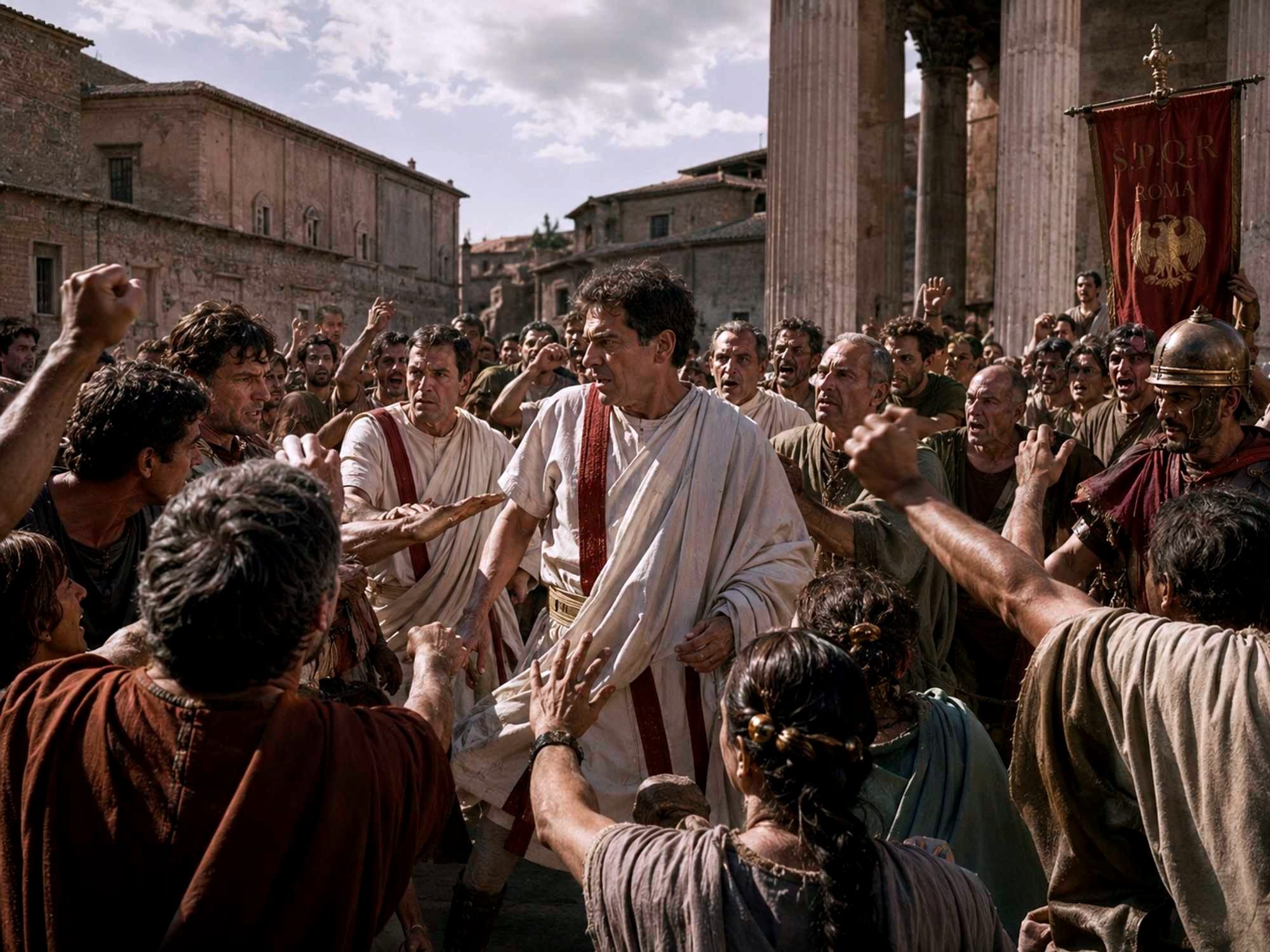
The killings altered the position of those already involved in the preparations. Rome could not ignore the murder of its officials and citizens, while the implicated communities could expect prosecution and military punishment if they submitted without terms.
Appian alone preserves an embassy sent to Rome after the massacre:
“They sent ambassadors to Rome to complain that although they had co-operated in all ways with the Romans in building up the empire, the latter had not been willing to admit their helpers to citizenship. The Senate answered sternly that if they repented of what they had done they could send ambassadors, otherwise not. The Italians, in despair of any other remedy, went on with their mobilization.”— Appian, Civil Wars 1.39, translated by Horace White
Dart accepts this as evidence of a final attempt at negotiation. In his reconstruction, even the killings at Asculum were followed by an effort to reach terms, and the Senate’s refusal to discuss the Italian complaint unless the allies first submitted marked the final failure of that effort. Kendall is more cautious because no other surviving source confirms the embassy.
The revolt spread among the Marsi, Paeligni, Vestini, Marrucini, Picentes, Samnites, Frentani and other peoples of central and southern Italy. It did not include the whole peninsula. Most Latin colonies remained loyal, and Etruria and Umbria did not initially join the insurgency.
Individual communities could also be divided internally. Brunt points to cases in which local leaders supported Rome against members of their own cities or delivered towns to the insurgents against the wishes of other inhabitants.
The insurgents established a common centre at Corfinium, a Paelignian town renamed Italia in Latin and Viteliú in Oscan. They gathered troops and supplies there, appointed commanders, maintained central political and military coordination, and issued silver coinage.
Strabo brings together political rights, liberty, revolt and the new Italian centre in one passage:
“These tribes are small, it is true, but they are very brave and oftentimes have exhibited this virtue to the Romans: first, when they went to war against them; a second time, when they took the field with them as allies; and a third time when, begging for freedom and political rights without getting them, they revolted and kindled what is called the Marsic War, for they proclaimed Corfinium (the metropolis of the Peligni) the common city for all the Italiotes, instead of Rome, making it their base of operations for the war and changing its name to Italica; and here it was that they mustered all their followers and elected consuls and praetors.” — Strabo, Geography 5.4.2, translated by H. L. Jones
Diodorus describes a body of 500 councillors, two senior commanders and twelve subordinate commanders. The existence of central political and military coordination is clear, but the precise size, membership and constitutional powers of these bodies depend largely on later literary descriptions.
Dart warns that the Greek and Roman terminology used by later writers may make the insurgent organisation appear more exactly modelled on Rome than the evidence proves. Kendall interprets Corfinium primarily as a directory and military centre needed to coordinate armies, supplies and diplomacy. He argues that the sources do not securely establish a full Roman-style senate or popular voting assembly.
Brunt gives the arrangement greater political significance. He argues that the allies had sought equality and political unity within a system centred on Rome. After Rome rejected them, they established Italia as an alternative framework for political unity and equality outside Rome.
Mouritsen treats the common city and its institutions as evidence of a more direct challenge to Roman supremacy. For him, the creation of Italia is difficult to reconcile with a war fought merely to obtain ordinary admission into the existing Roman state.
The Same Evidence, Different Reconstructions
The disagreement among modern historians is not caused simply by the absence of evidence. Several ancient sources contain language that appears to support more than one interpretation.
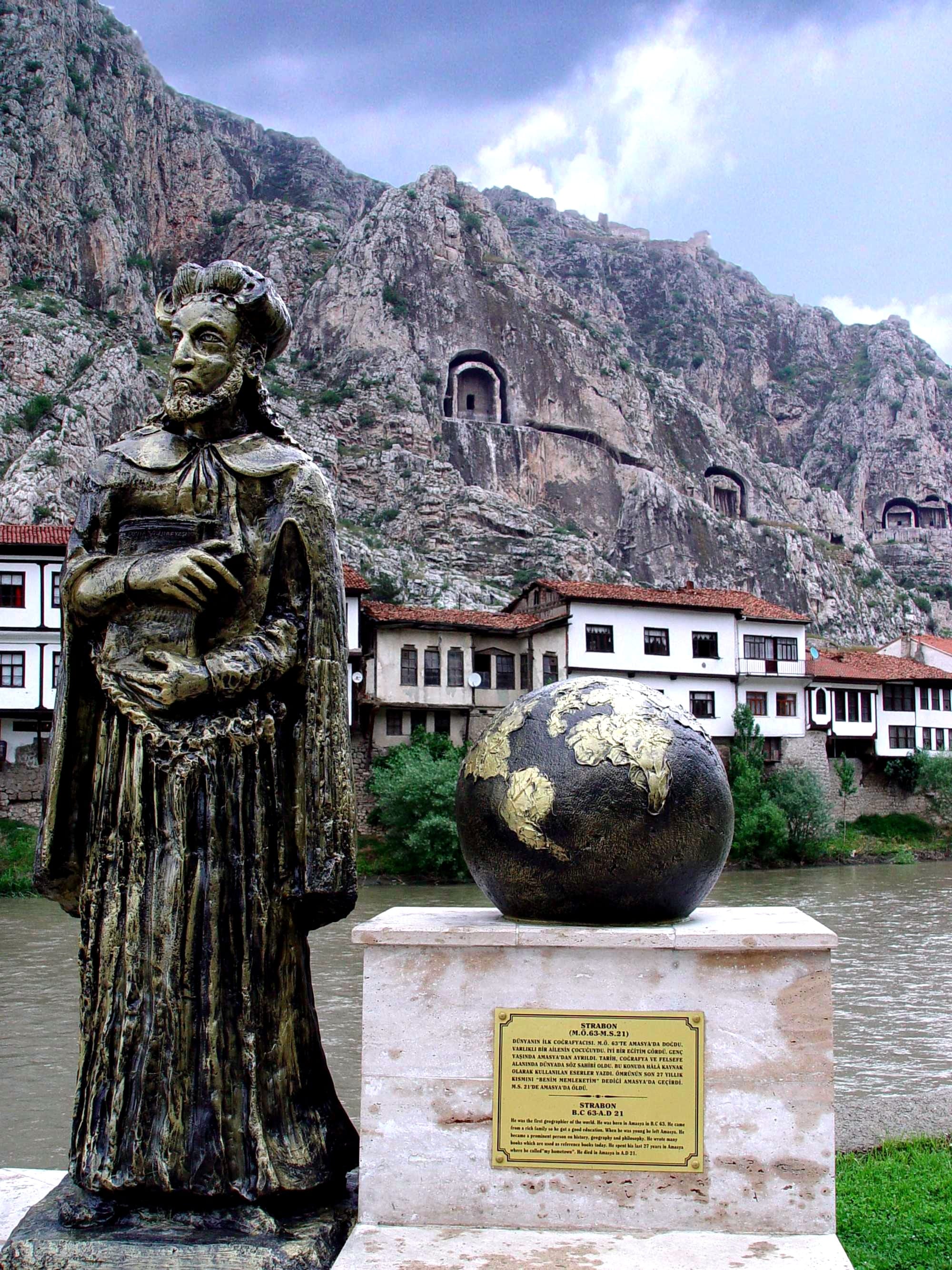
Appian, Velleius Paterculus, Plutarch and parts of the Livian tradition connect the Italians with citizenship. Diodorus preserves references both to the longed-for citizenship and to freedom, Italian power and revolt against Roman domination. Strabo combines “freedom and political rights” in the same sentence and then describes the creation of a common Italian city in place of Rome.
Brunt interprets the evidence as showing that the allies sought citizenship with effective political rights. Once that demand was rejected, they established Italia as an alternative framework for political unity and equality outside Rome. Their creation of a separate centre did not mean that independence had always been their original objective.
Mouritsen argues that the citizenship-centred account may have been shaped by the later incorporation of Italy. He gives greater weight to references to liberty, secession and the overthrow of Roman domination. His position is not simply that every insurgent held one clearly documented independence programme. His broader argument is that the traditional narrative has treated a later Roman settlement as though it revealed the original cause of the war.
Kendall defends citizenship as the central and continuing issue. He argues that freedom from unequal Roman power could be achieved through admission to the citizen body and that references to liberty do not therefore exclude citizenship. He also treats the later political conduct of the new citizens as evidence that formal admission without full voting rights did not satisfy their aims.
Dart adopts a more cautious reconstruction. The ancient sources repeatedly associate the pre-war movement with citizenship, but different peoples, communities and individuals may have supported the insurgency for different reasons. Their aims could also change as peaceful efforts failed and the military situation developed.
The insurgent coinage cannot settle the disagreement. It provides the most important contemporary evidence produced by the insurgents themselves, but it also had the practical function of paying troops. The coins followed the Roman denarius standard and used forms familiar from Roman currency, making them suitable for payments and circulation during the war.
Some issues carried the names Italia or Viteliú. Their designs included oath scenes, the personification of Italy, Victory and the Dioscuri. One well-known type showed an Italian bull attacking the Roman wolf. The imagery demonstrates collective identity and hostility towards Rome during the conflict, but it does not establish what every insurgent community had wanted before the war began.
War Across Italy
The fighting began in earnest in 90 BCE. Rome faced armies composed of men who had served within its own military system and knew Roman equipment, camp organisation and methods of campaigning.
The war is often reconstructed through northern and southern theatres, although that division is a modern way of organising fragmentary accounts rather than proof of a fixed command structure from the beginning. In the north, fighting centred on Picenum, Asculum and the central Apennines. In the south, insurgent forces operated through Campania, Samnium, Apulia and Lucania.
The insurgents achieved serious early successes. Roman armies were defeated, towns changed allegiance and the revolt threatened to spread. The consul Publius Rutilius Lupus was killed in 90 BCE, while other senior Roman officers also died. Pompeius Strabo suffered an early defeat and was placed under pressure around Firmum before recovering his position.
In the south, Gaius Papius Mutilus led Samnite forces through Campania. Aesernia was besieged and captured, Nola joined the revolt, and communities were won through political agreement, internal betrayal or force.
Rome distributed command among several experienced officers, including Gaius Marius, Lucius Cornelius Sulla, Pompeius Strabo and members of the Julian family. The campaigns involved sieges, ambushes, raids and repeated engagements rather than one decisive battle. Roads, mountain passes and fortified towns determined the movement of armies.
By 89 BCE, Rome had regained much of the initiative. Pompeius Strabo continued operations around Asculum, while Sulla campaigned successfully in Campania and Samnium. The consul Lucius Porcius Cato was killed, but many insurgent armies were losing commanders, territory and access to important routes. The decline did not occur uniformly, and Samnite and Lucanian resistance continued after many central Italian communities had been defeated or neutralised.
Citizenship as Part of Rome’s War Strategy
Rome combined military recovery with a change in citizenship policy. A citizenship measure conventionally identified as the lex Julia was passed in 90 BCE and applied principally to allied communities that had remained loyal. It helped prevent the spread of the revolt, particularly in Etruria and Umbria, while offering hostile communities the prospect of different treatment if they abandoned resistance.
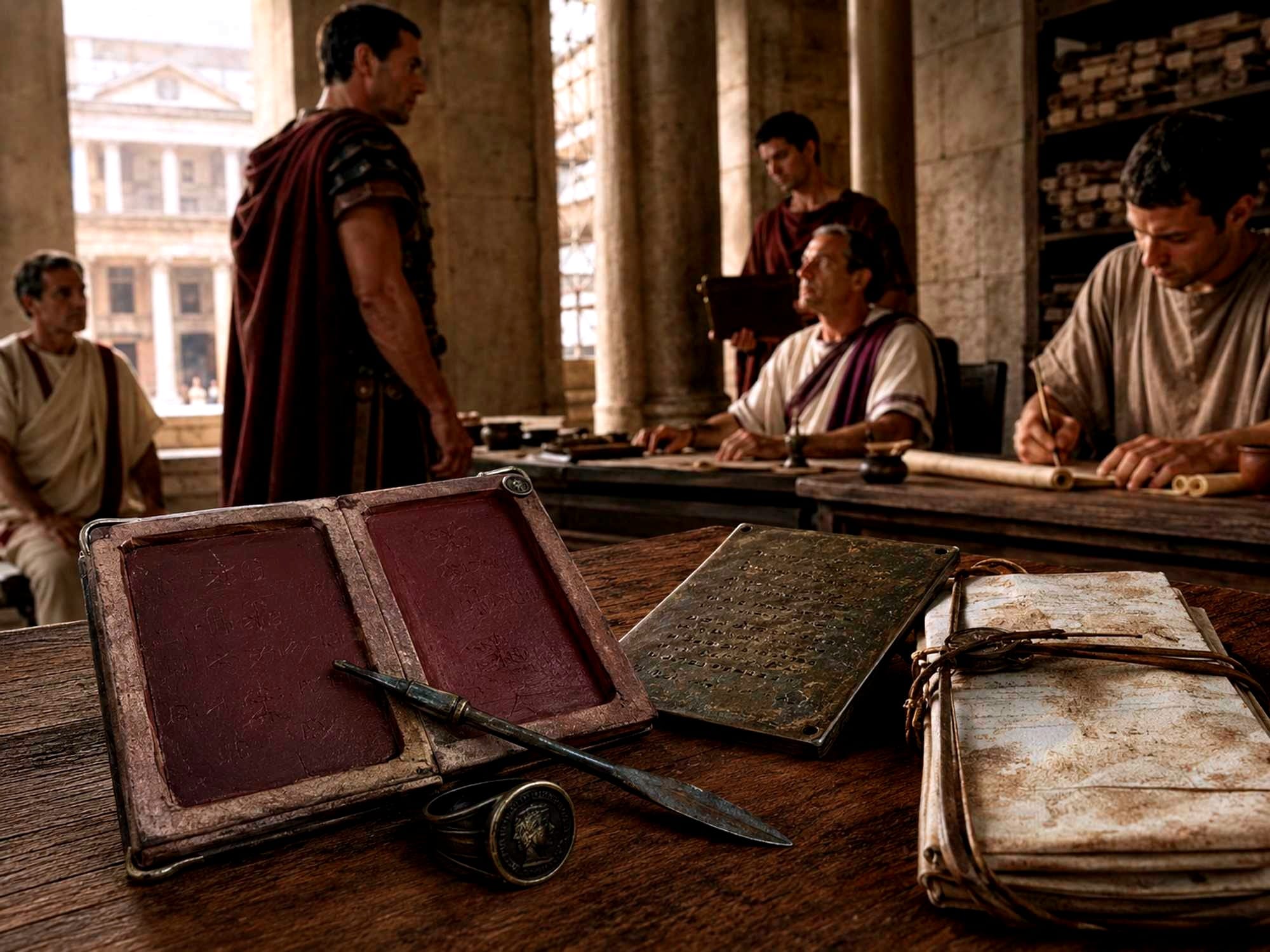
Appian describes both the concession and its intended effects:
“The Senate also voted that those Italians who had adhered to their alliance should be admitted to citizenship, which was the one thing they all desired most. They sent this decree around among the Etruscans, who gladly accepted the citizenship. By this favour the Senate made the faithful more faithful, confirmed the wavering, and mollified their enemies by the hope of similar treatment.” — Appian, Civil Wars 1.49, translated by Horace White
Velleius also presents citizenship as part of Rome’s recovery:
“Then little by little the strength of the Romans was recruited by admitting to the citizenship those who had not taken arms or had not been slow to lay them down again, and Pompeius, Sulla, and Marius restored the tottering power of the Roman people.” — Velleius Paterculus, Roman History 2.16.4, translated by Frederick W. Shipley
These passages show that citizenship was used to preserve loyalty, encourage surrender and reduce support for the insurgency. They do not identify the precise law or administrative procedure by which every community entered the citizen body.
The lex Plautia Papiria is often described as completing the enfranchisement of Italy, but Cicero’s surviving account gives specific conditions:
“For by the law of Silvanus and Carbo, citizenship was given to all those who had been enrolled as citizens in any of the confederate cities, if at the time when the law was passed they had a residence in Italy, and if within sixty days they made a return of themselves to the praetor.” — Cicero, Pro Archia 4.7, translated by C. D. Yonge
The law required enrolment in an allied community, residence in Italy and registration before a praetor within 60 days. Brunt, Mouritsen and Kendall interpret the provision as applying to a more restricted category than the entire former allied population. Dart allows that its formal reach may have been broader but stresses that access depended on the claimant’s ability to report before a Roman praetor within the prescribed period.
Kendall goes further, arguing that the law could not practicably have been the mechanism for the mass enfranchisement of allied Italy. He points to the difficulty of moving a large population through a war-torn peninsula and processing claimants before a small number of praetors within two months.
He proposes that an otherwise unnamed measure may have allowed Roman commanders or authorities to register surrendered communities collectively. He states explicitly that this is conjecture and that the law responsible cannot be identified from the surviving evidence.
The settlement therefore cannot be reduced to the claim that the lex Julia enfranchised the loyalists and the lex Plautia Papiria enfranchised everyone else. The surviving evidence indicates several laws, individual grants and collective arrangements, but does not preserve one complete legislative account.
Citizenship Without a Settled Political Position
By 88 BCE, many of the principal insurgent centres had been captured or neutralised, while Samnite and Lucanian forces continued the struggle. The surviving evidence does not provide a complete record of the terms under which other communities ceased resistance or entered the citizen body.
Admission to citizenship also left unresolved questions about registration and voting. New citizens had to be assigned to Roman tribes, and each tribe cast one collective vote regardless of the number of citizens enrolled in it. Concentrating the Italians in a limited number of voting units would therefore restrict their influence in the assemblies.
Appian describes the creation of 10 new tribes for the Italians, but the meaning and reliability of this account remain disputed. It should be treated as Appian’s version rather than as an uncontested constitutional arrangement.
The issue reappeared in 88 BCE, when the tribune Publius Sulpicius Rufus proposed distributing the new citizens across all 35 existing tribes. His legislation became connected with the contest between Marius and Sulla over the command against Mithridates. Sulla’s march on Rome then turned the political crisis into civil war.
Brunt treats the limitation of the Italians’ voting power as evidence that the struggle for effective citizenship continued after the main campaigns. Legal admission without a genuine share in political decision-making did not provide the equality he identifies as the central Italian demand.
Mouritsen argues that the tribal dispute was also a Roman political conflict over the mobilisation of new voters. Since only a minority of citizens could travel to Rome and participate in assemblies, the issue should not automatically be treated as the collective priority of all former allies throughout the peninsula.
Kendall places the new citizens’ political status within a longer struggle that continued through the conflicts involving Sulpicius, Marius, Cinna and Sulla. His reconstruction treats the Social War and the civil wars of the 80s BCE as connected stages in the effort to obtain, exercise and preserve the rights attached to citizenship.
The principal campaigns were followed by the gradual admission of most allied communities into the Roman citizen body. The laws and administrative steps by which this occurred are only partly preserved, and disputes over registration, tribal enrolment and political influence continued into the civil conflicts of the 80s BCE. The ancient accounts connect the war with citizenship, liberty and resistance to Roman power, but they do not present the relationship among those aims in one consistent form.
Christopher J. Dart, The Social War, 91 to 88 BCE: A History of the Italian Insurgency against the Roman Republic
Seth Kendall, The Struggle for Roman Citizenship: Romans, Allies, and the Wars of 91–77 BCE
Henrik Mouritsen, Italian Unification: A Study in Ancient and Modern Historiography
P. A. Brunt, “Italian Aims at the Time of the Social War,” in The Fall of the Roman Republic and Related Essays
Appian, Civil Wars, translated by Horace White
Velleius Paterculus, Roman History, translated by Frederick W. Shipley
Plutarch, Life of Cato the Younger, translated by Bernadotte Perrin
Strabo, Geography, translated by H. L. Jones
Cicero, Pro Archia, translated by C. D. Yonge

About the Roman Empire Times
See all the latest news for the Roman Empire, ancient Roman historical facts, anecdotes from Roman Times and stories from the Empire at romanempiretimes.com. Contact our newsroom to report an update or send your story, photos and videos. Follow RET on Google News, Flipboard and subscribe here to our daily email.
Follow the Roman Empire Times on social media: