Roman Empire Anecdotes
For Rome, No War Was Worse Than Civil War
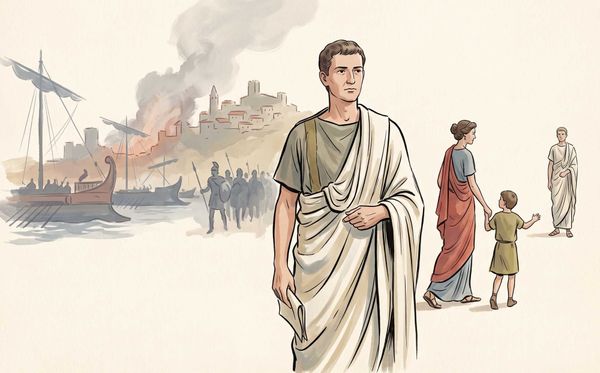
For the Romans, no war was more terrifying than civil war. It turned citizens into enemies, stripped victory of glory, and threatened the bonds holding Roman society together.
Roman Empire Anecdotes
For the Romans, no war was more terrifying than civil war. It turned citizens into enemies, stripped victory of glory, and threatened the bonds holding Roman society together.
Roman Empire Anecdotes
In ancient Rome, reputation was not just a matter of image. It shaped status, ambition, public life, and the constant fear of shame under the eyes of others.
Roman Empire Historical Facts
To the Romans, weakness in a man was never just physical. It could be seen in softness, luxury, dress, gesture, desire, and the failure to master oneself.
Roman Empire Historical Facts
Romans did not see luxury as harmless pleasure or refined taste. They feared it as a force that could soften character, blur social boundaries, and turn the rewards of conquest into the seeds of decline.
Roman Empire Historical Facts
Ancient Rome still lives in stories people repeat with complete confidence. But some of its most famous details – from Nero’s fiddle to Caesar’s birth – turn out to be far less certain, and far more revealing, than the myths that replaced them.
Roman Empire Historical Facts
Lucretius left behind only one surviving work, but it was enough to reshape how later ages thought about nature, fear, and the place of humanity in the universe. His poem challenged superstition, questioned power, and gave Rome one of its boldest philosophical voices.
Roman Empire Historical Facts
The Romans did not leave one fixed doctrine of the universe. Ovid, Lucretius, Cicero, and Manilius offered competing answers about creation, human origins, cosmic order, and fate—showing that Roman cosmology was a field of argument, not a single creed.
Roman Empire Historical Facts
In 255 BCE, as Rome advanced toward Carthage itself, a Spartan mercenary took command of a collapsing army. One battle later, the Roman invasion lay in ruins — and Xanthippus vanished from history almost as suddenly as he had appeared.
Roman Empire Anecdotes
From tyrants mocked for their bellies to scholars ridiculed for vanishing thinness, Roman writers turned body size into moral theatre. Fatness and emaciation were never neutral traits, but visible signs of luxury, weakness, discipline, or decline.
Roman Empire Historical Facts
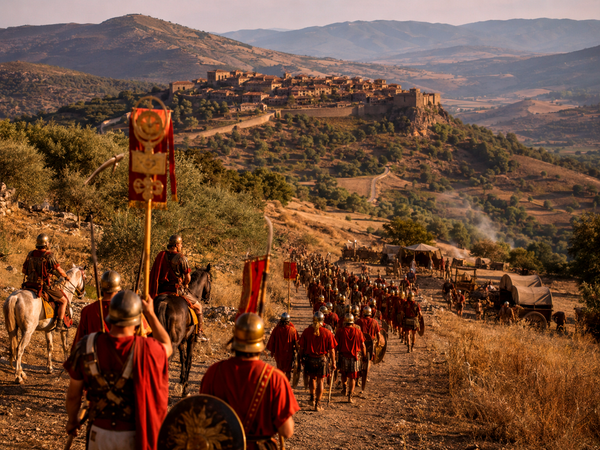
Rome’s deepest advance into Germania was led not by a veteran general, but by a man in his twenties. Nero Claudius Drusus carried Roman power farther north than any commander before him, before his sudden death froze an unfinished conquest into legend.
Roman Empire Historical Facts
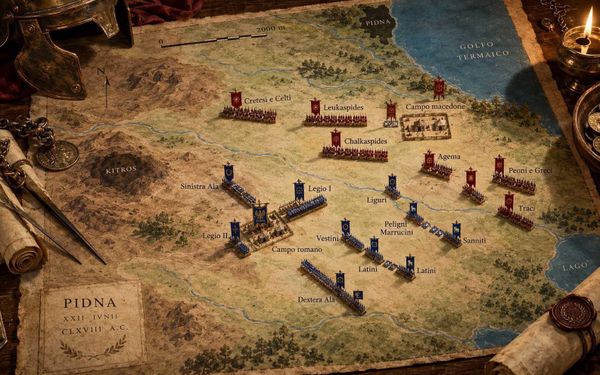
The defeat at Arausio in 105 BCE was more than a battlefield disaster. It exposed deep fractures in Roman command, reshaped military power, and left a psychological legacy that influenced Roman responses to crisis for generations.
Roman Empire Anecdotes
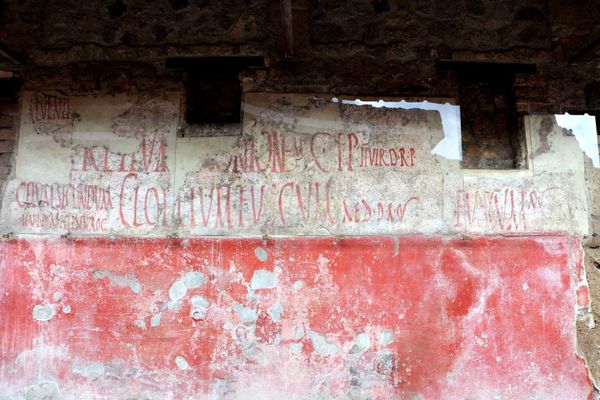
Some societies spoke their news aloud. Others fixed it in place, allowing it to be encountered, consulted, and remembered. In Rome, public information followed a path shaped by visibility, authority, and daily life.
Roman Empire Historical Facts
Some Roman decisions were made quietly, but their effects were permanent: names changed, heirs appeared, and obligations shifted hands. Behind the formal language of law stood a society trying to protect continuity in a world marked by mortality, status, and competing claims.
Roman Empire Anecdotes
Some stories survive not through monuments or manuscripts, but through objects so small they could be hidden in a closed hand—yet they carried entire lives upon them.
Roman Empire Historical Facts
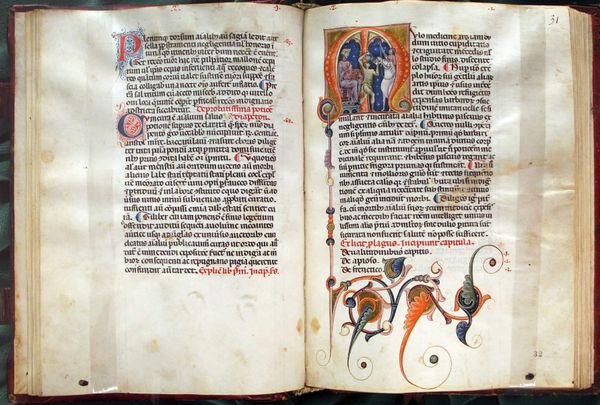
What if one man, standing at the twilight of Rome, believed that the fate of peace depended on the art of war? His words, written more than 1,500 years ago, became the backbone of medieval strategy and echoed in the training grounds of emperors and knights alike.
Roman Empire Historical Facts
By using from simple to ingenious techniques, Romans managed to keep warm during the winter months.