
The Roman Navy: The Forgotten Force That Helped Rule the Sea
Rome is remembered for roads and legions, but its navy helped defeat Carthage, protect sea routes, move armies, and turn the Mediterranean into a Roman highway.

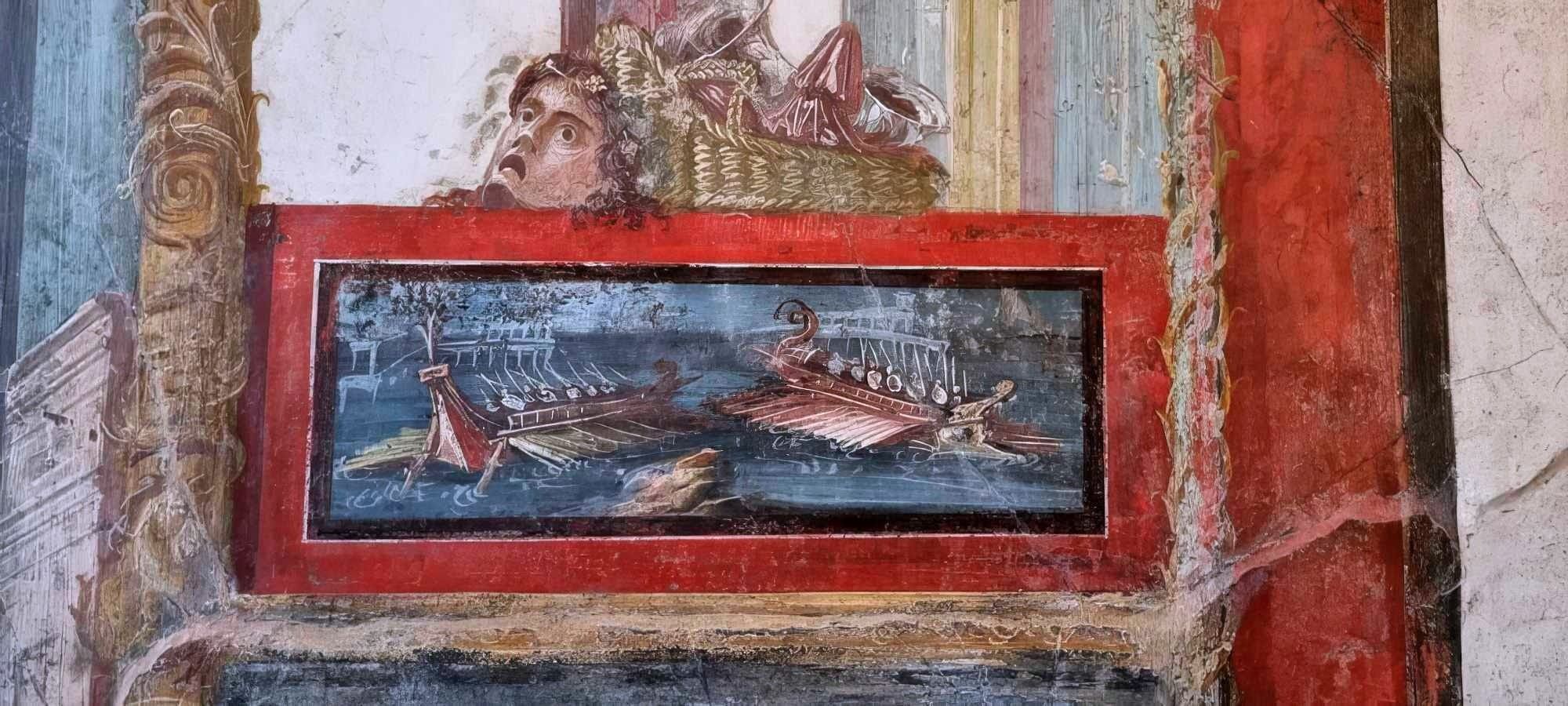
Rome is usually imagined on land: legions marching under standards, roads cutting through provinces, engineers building bridges, emperors watching the frontiers. Yet Roman power also moved by water.
It travelled through harbours, sea lanes, river fleets, naval bases, grain routes, patrol ships, and oared warships crossing the Mediterranean.
The Roman navy never became as famous as the legions. Its men lived in the army’s shadow, and its victories were less often turned into heroic memory. But Rome could not have ruled the Mediterranean world without ships.
The navy helped Rome defeat Carthage, limit Hannibal, enter the Greek East, suppress piracy, protect trade, transport armies, guard river frontiers, and hold together an empire built around the sea.
Rome Was Not Born Afraid of the Sea
A familiar ancient story presents Rome as a sudden naval beginner. According to this view, the Romans had scarcely thought about the sea before the First Punic War. Then, faced with Carthage, they copied an enemy ship, trained rowers on land, created a fleet, and turned themselves almost overnight into a naval power.
It is a memorable story, but it is too simple.
Rome did not begin as a great Mediterranean naval power. Carthage was far more experienced, better established, and more deeply maritime. But Rome was not a city that had ignored the sea until 260 BC.
Its position on the Tiber already connected it to the coast. The river mouth mattered. Ostia mattered. Coastal colonies mattered. So did treaties, docks, naval officials, maritime allies, and the slow accumulation of practical experience.
By the mid-fourth century BC, Rome had secured access to the sea and placed itself in coastal positions that could not be defended without ships. Ostia, Antium, and Tarracina were not decorative possessions. They were strategic points. A state that settled citizens near the coast had to think about raids, piracy, enemy fleets, landing places, and the movement of goods and troops.
The existence of Roman navalia, or docks, by 338 BC is especially important. A navy is never only a fleet of ships. It is timber, rope, sails, pitch, metal fittings, repairs, crews, commanders, navigators, stores, and places where ships can be built and maintained. Such systems do not appear in a single campaign. They need preparation and habit.
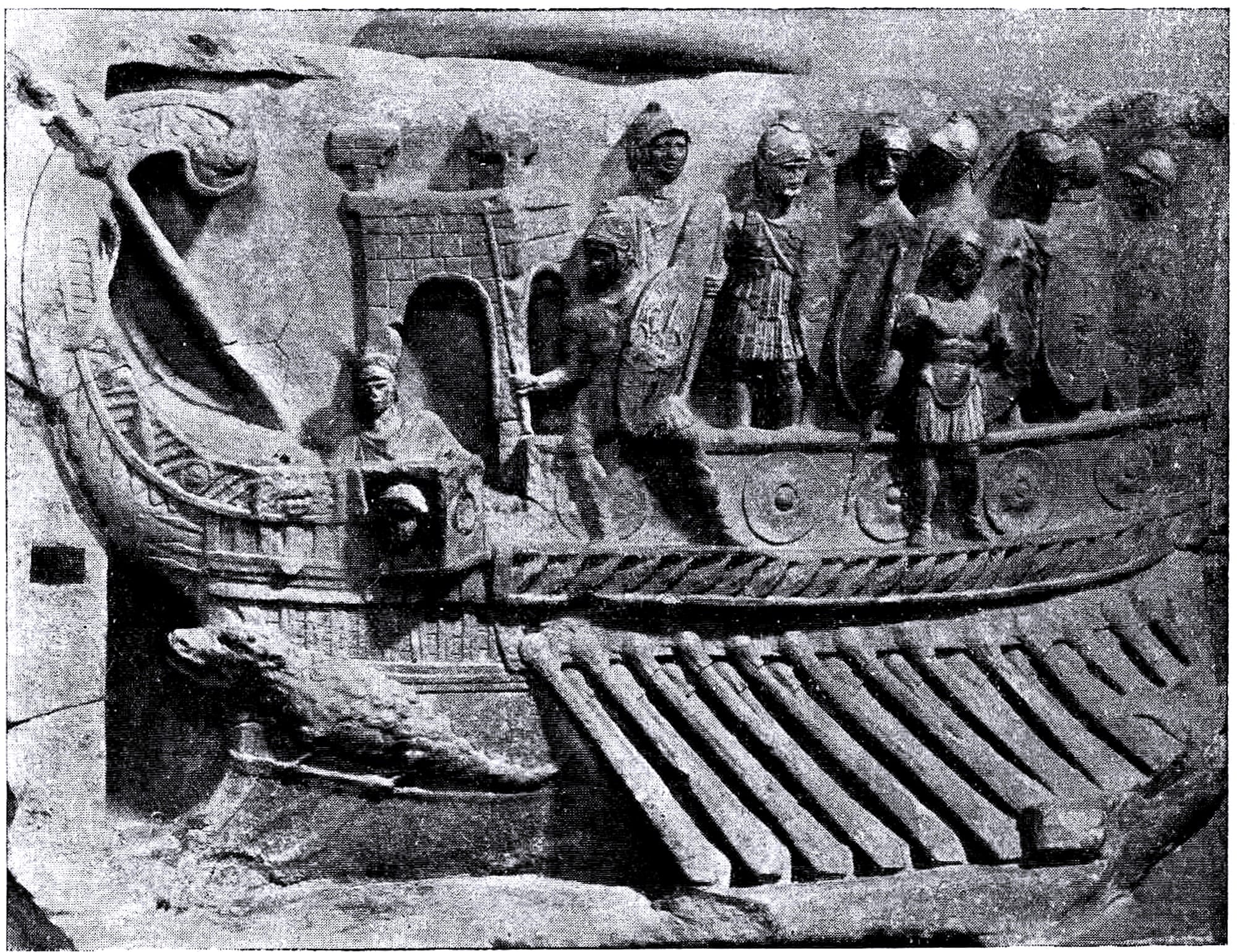
The appointment of the duoviri navales in 311 BC points in the same direction. These officials were connected with preparing and maintaining naval forces. Their creation suggests that Rome had begun to treat naval affairs as part of public business. This was not yet the great navy of the Punic Wars, but it was more than indifference.
Rome’s wider activity also shows a state increasingly drawn toward maritime concerns. The island colony at Pontiae, founded in 313 BC, could not survive without sea access. Roman movement along the Campanian coast and toward southern Italy required some command of coastal routes. The Adriatic and the Strait of Messina became more important as Roman ambitions grew.
The relationship with Rhodes is another clue. Rhodes was a serious naval power, deeply involved in maritime politics and the suppression of piracy. Roman friendship with Rhodes around the end of the fourth century BC suggests that Rome was already visible to established seafaring states. It does not mean that Rome was already mistress of the sea, but it does mean that Rome had entered a wider maritime world.
The older Polybian picture of Rome as almost innocent of naval affairs can therefore be softened. Rome had not yet mastered the sea. It did not yet possess the naval experience of Carthage. But it had already developed coastal interests, naval infrastructure, shipbuilding capacity, maritime obligations, and strategic reasons to look beyond the shore.
The First Punic War did not create Roman naval ambition from nothing. It forced Rome to turn an earlier, developing maritime capacity into a full military instrument. Rome did not suddenly discover the sea. It learned, under pressure, how to fight for it. (“Rome at Sea: The Beginnings of Roman Naval Power” by W. V. Harris)
The War That Turned Rome Into a Naval Power
The First Punic War changed the scale of Rome’s naval world. Carthage was not simply another enemy. It was a sea-based power, with ships, harbours, trade routes, naval tradition, and experience across the western Mediterranean. If Rome wanted Sicily, it could not avoid the water.
Rome had used ships before, but fighting Carthage required something different: a navy large enough and disciplined enough to confront a major maritime state. The contest for Sicily demanded warships, crews, supply systems, and commanders who could operate across the sea.
The most famous Roman response was the corvus, the boarding bridge. Carthaginian crews had long experience in naval manoeuvre, ramming, and ship handling. Roman strength lay in infantry combat.
The corvus allowed Roman soldiers to turn a sea battle into something closer to a fight on land. Once an enemy ship was fixed in place, Roman marines could cross and fight deck to deck.
The device did not make naval warfare easy. Roman ships still had to row, steer, approach, survive weather, avoid being outflanked, and keep discipline in chaos. But it helped Rome use its strongest weapon: trained infantry.
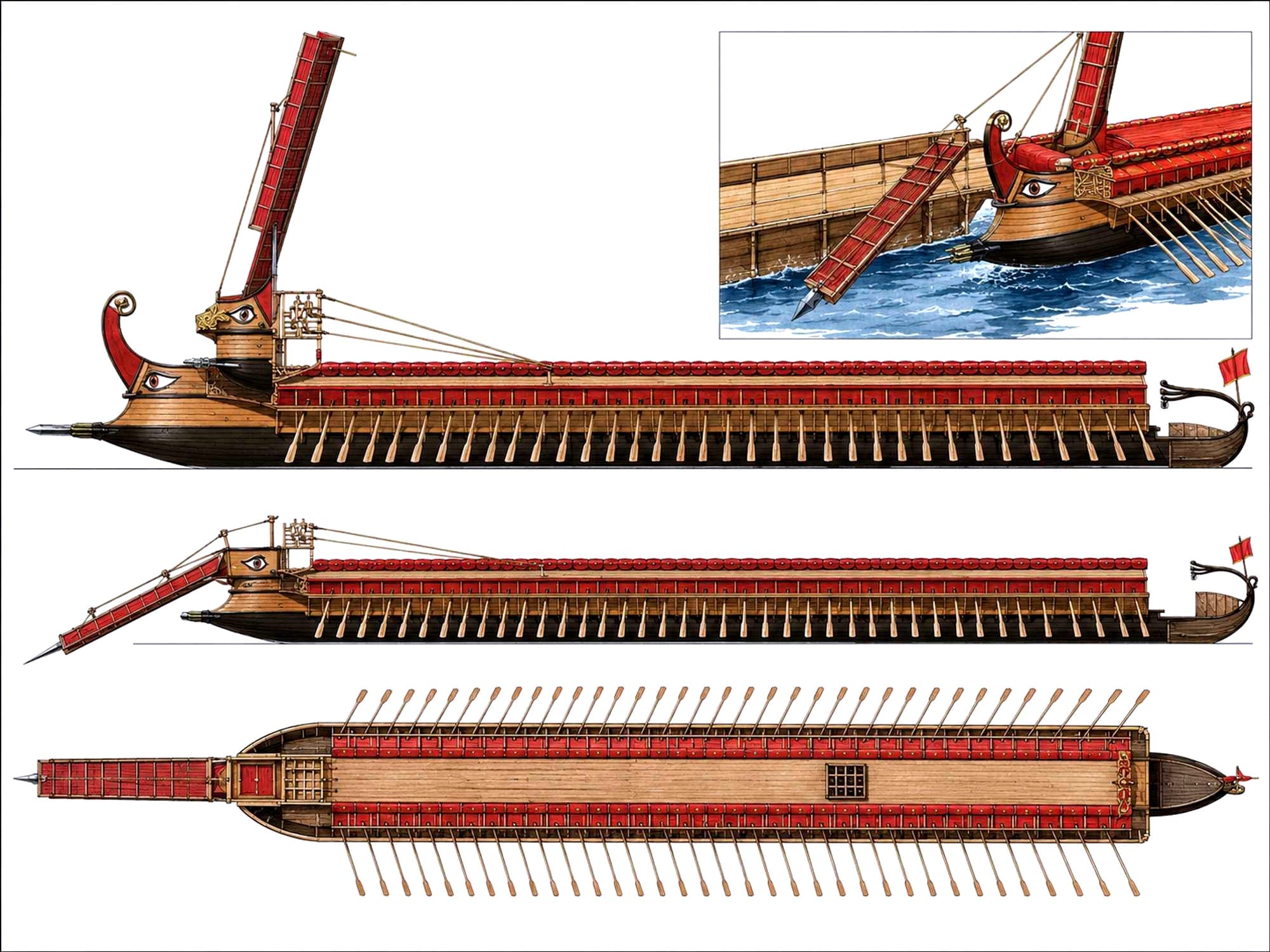
At Mylae in 260 BC, this new Roman approach produced a dramatic victory. Carthage could no longer assume that its command of the sea was unchallengeable.
The First Punic War also showed the terrible cost of naval war. Rome did not lose only to Carthaginian ships. Storms destroyed fleets and killed men on a scale that battles often did not. Ancient warships were vulnerable to weather, and the Mediterranean could be deadly. Ships could be rebuilt more quickly than experienced crews could be replaced.
Still, Rome kept rebuilding. That persistence became one of the decisive facts of the war. The Romans suffered losses, changed their methods, improved their ships, and trained new crews. Over time, they became less dependent on the corvus and more capable as a naval force in their own right.
By the Battle of the Aegates Islands in 241 BC, the Roman fleet was no longer merely improvising. It was prepared, trained, and able to defeat Carthage in the decisive naval action of the war. The victory forced Carthage to seek peace and left Rome with Sicily. Soon afterward, Sardinia and Corsica also came under Roman control.
This changed Rome’s place in the Mediterranean. Rome was no longer only the dominant power in Italy. It was now an island-holding, sea-crossing, maritime state. The navy had become central to expansion.
The Navy That Limited Hannibal
The Second Punic War is usually told through Hannibal: the Alps, the elephants, the ambushes, Cannae, and the long struggle in Italy. Yet the navy helps explain why Hannibal’s brilliance did not become Rome’s defeat.
Hannibal won extraordinary victories on land, but he never gained the secure maritime support that could have transformed his campaign. Rome’s control of sea routes made it difficult for Carthage to reinforce him, supply him, or unite his Italian war with other theatres. Naval power did not erase the danger Hannibal posed, but it helped contain it.
The importance of the navy in this war was not always spectacular. Great sea battles were not the whole story. Fleets mattered because they controlled harbours, coasts, supply lines, landing places, and the movement of armies. Ancient fleets needed shore access.
Crews needed food, water, and rest. Ships needed safe harbours and places for repair. Control of the sea meant control of the network that made movement possible.

Rome used that network effectively. Roman fleets guarded routes, transported troops, supplied armies, raided enemy coasts, and prevented Carthage from using the Mediterranean freely. Spain was a crucial theatre because Carthage depended heavily on it for resources. Roman naval operations helped threaten and eventually break that connection.
The capture of New Carthage in 209 BC showed the value of combined land and sea action. It was not only a dramatic assault; it struck at the infrastructure of Carthaginian power in Spain.
Sicily and Syracuse also mattered because a hostile Syracuse could threaten Roman communications and control of the central Mediterranean. Rome could not let the island become a Carthaginian naval platform.
The Adriatic and Greek world were part of the same picture. When Philip V of Macedon became a potential ally of Hannibal, Rome used sea power and diplomacy to prevent a dangerous joining of forces. The navy helped keep the war divided. Hannibal remained formidable, but he was never allowed to become the centre of a fully connected anti-Roman coalition.
That may be one of the navy’s greatest achievements in the war. It did not always produce famous scenes, but it limited what Rome’s enemies could do. Hannibal could defeat Roman armies in Italy. He could not make the Mediterranean serve him.
From Carthage to the Greek East
After Carthage, Rome’s naval story moved east. The Mediterranean was not yet a Roman sea. Macedon, the Seleucid kingdom, Rhodes, Pergamum, and other Hellenistic powers still lived in a world where fleets mattered. To enter that world, Rome needed ships, allies, bases, and supply routes.
The wars against Philip V of Macedon show why naval power remained essential after the Punic Wars. There were fewer famous sea battles, but that does not mean the navy became unimportant. Roman operations in Greece depended on maritime communications. Armies needed supplies. Fleets needed harbours. Allies had to be supported. Enemy coastal positions had to be threatened.
Rhodes and Pergamum were crucial allies, but not replacements for Roman naval effort. They worked with Rome while also pursuing their own interests. Coalition warfare at sea was not a sign that Rome lacked naval power. It was how Rome operated in a complex maritime theatre.
The war against Antiochus III made the issue sharper. Antiochus had naval ambitions in the Aegean and along the coast of Asia Minor. Rome could not allow a powerful Hellenistic king to dominate the waters through which Roman armies and allies had to move. The naval war against Antiochus was therefore central, not secondary.
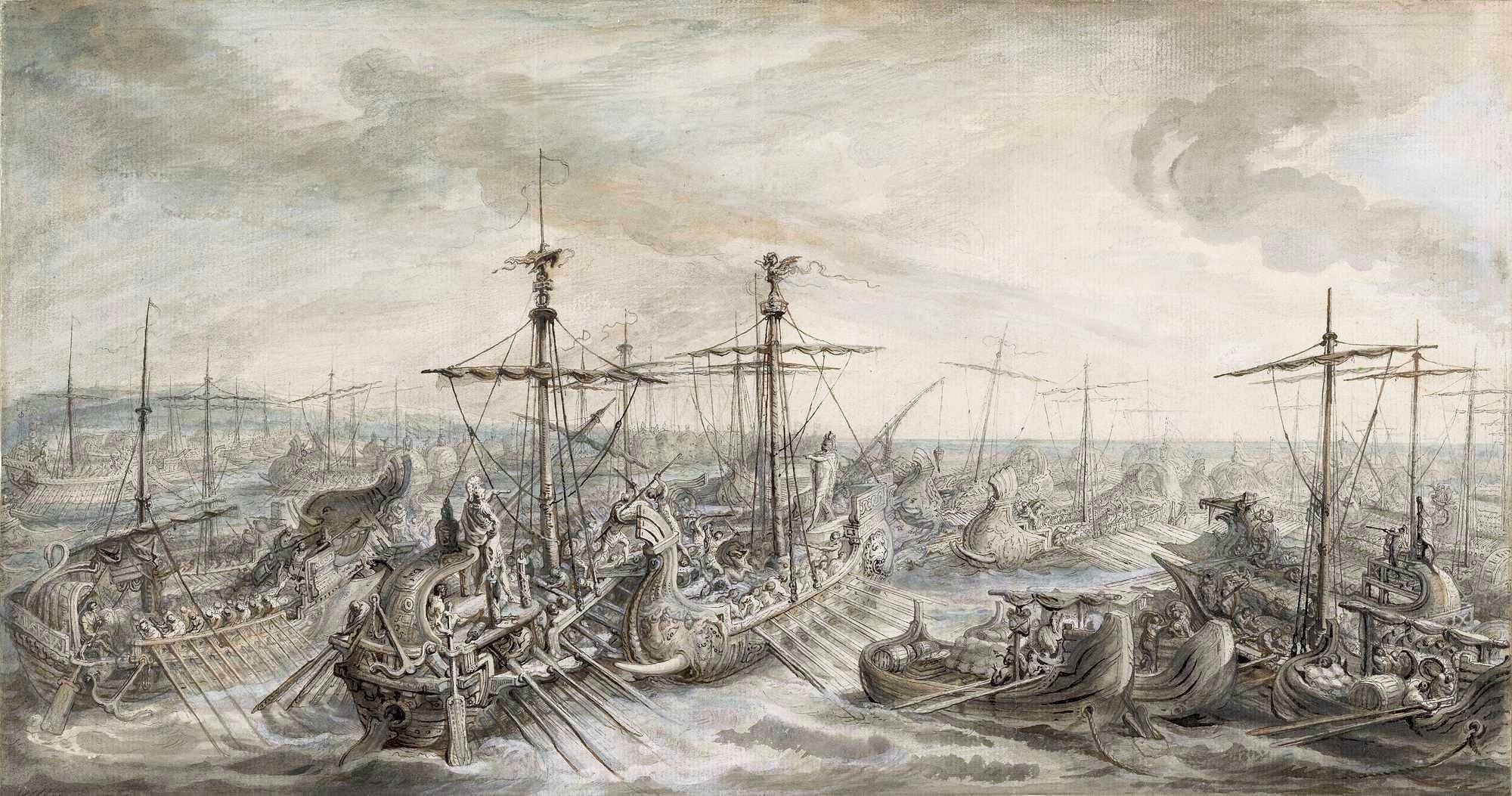
Battles such as Corycus, Side, and Myonnesus showed that Rome and its allies could defeat the Seleucid fleet. Myonnesus in 190 BC was especially important because it helped remove the last major naval challenge to Roman dominance in the eastern Mediterranean.
Between Mylae in 260 BC and Myonnesus in 190 BC, Rome had moved from challenging Carthage off Sicily to defeating a Hellenistic navy off Asia Minor.
This was the making of Roman thalassocracy, rule of the sea. It was not achieved in one moment. It came through repeated wars, alliances, logistics, coastal control, and the steady removal of rival fleets. Carthage, Macedon, and the Seleucid kingdom all lost the ability to challenge Rome at sea.
Rhodes and Pergamum remained important, but Rome increasingly became the power around which all others had to calculate.
The legions won glory, but the navy made expansion work. Armies could cross because ships carried them. Campaigns could continue because supplies reached them. Diplomacy carried weight because fleets gave Rome reach. The sea turned Roman power from Italian dominance into Mediterranean command. ("The Roman Republican Navy: From the Sixth Century to 167 B.C." by Christa Steinby)
Ships, Crews, and the Floating World of Rome
The Roman navy was not only a story of strategy. It was also a world of ships, men, routines, dangers, and skills. Every warship was a small floating community. It needed rowers, sailors, marines, helmsmen, officers, craftsmen, and men who understood coastlines, weather, stars, harbours, and the moods of the sea.
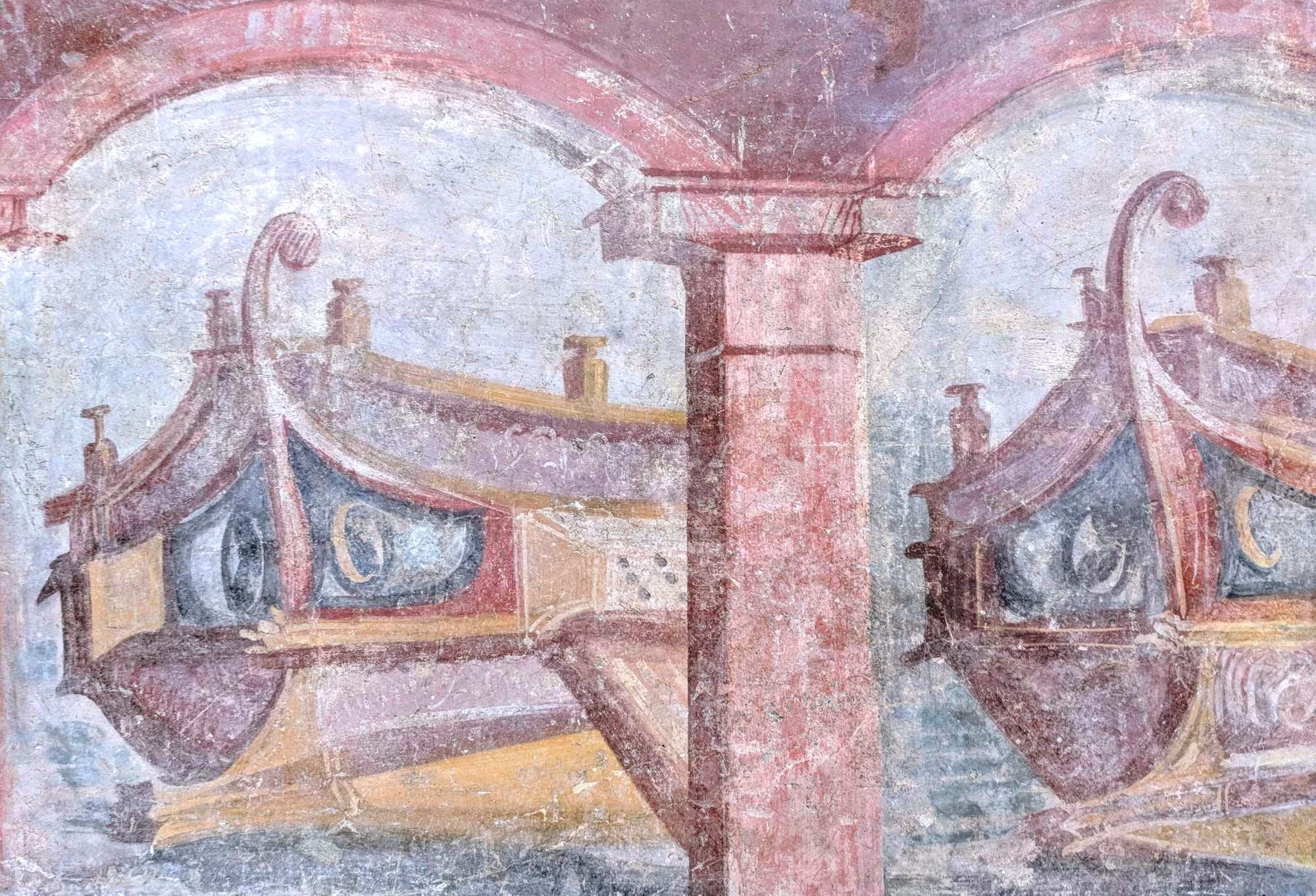
The ships changed over time. Republican fleets used large oared warships such as triremes, quadriremes, quinqueremes, and other types inherited from the wider Mediterranean tradition.
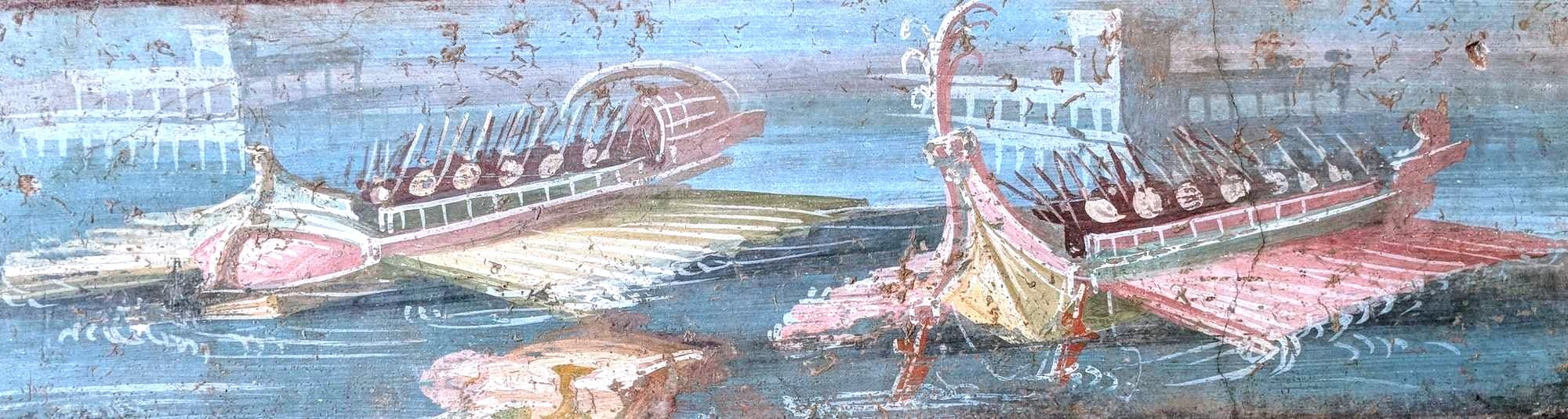
These ships were built for speed, ramming, manoeuvre, boarding, and carrying soldiers into close combat. They were not comfortable vessels. They were engines of war.
A warship depended on rhythm and discipline. Oars had to move together. Commands had to be understood quickly. Crews had to endure heat, exhaustion, fear, and cramped conditions. Commanders had to judge distance, wind, shoreline, enemy movement, and the condition of their own men.
A sea battle could become chaos in minutes.
Roman marines stood between land and sea. They fought aboard ships, guarded vessels, and landed when needed. Their equipment had to suit the deck. Naval service could not simply copy the army in every detail. The sea demanded adaptation.
Life in the fleet was practical and hard. Food, water, sleep, ship maintenance, and discipline mattered as much as courage. A fleet that could not feed its crews, repair its ships, or find safe anchorages could not operate for long.
Storms were sometimes deadlier than enemies. Ancient navigation depended on the sun, stars, landmarks, winds, experience, and local knowledge. The sailing season mattered. So did fog, winter weather, currents, shoals, and narrow straits.
Under the empire, naval life became more permanent. Bases such as Misenum and Ravenna were not just places where ships rested. They were military communities tied to supply systems, workshops, command structures, religious life, and the imperial state. Other fleets operated in provincial waters, on rivers, and along frontiers.
This daily world is easy to miss because ancient historical memory preferred generals, emperors, and battles. But Roman naval power depended on thousands of men doing difficult work again and again: rowing, repairing, loading, unloading, guarding, scouting, carrying messages, patrolling, and waiting.
To rule the sea was not simply to win naval battles. It was to keep ships moving year after year.
The Imperial Fleets and the Roman Sea
The civil wars of the late Republic brought naval power back to the centre of Roman politics. Caesar, Pompey, Sextus Pompey, Antony, Octavian, and Agrippa all understood that ships could decide who controlled Italy, Sicily, grain supplies, and the wider Roman world.
Sextus Pompey proved how dangerous sea power could be when used against Rome. From Sicily, his fleet threatened maritime trade and grain shipments to the capital. Control of the sea could become control of Rome’s stomach. Octavian could not rule securely while Sextus disrupted the waters around Italy.
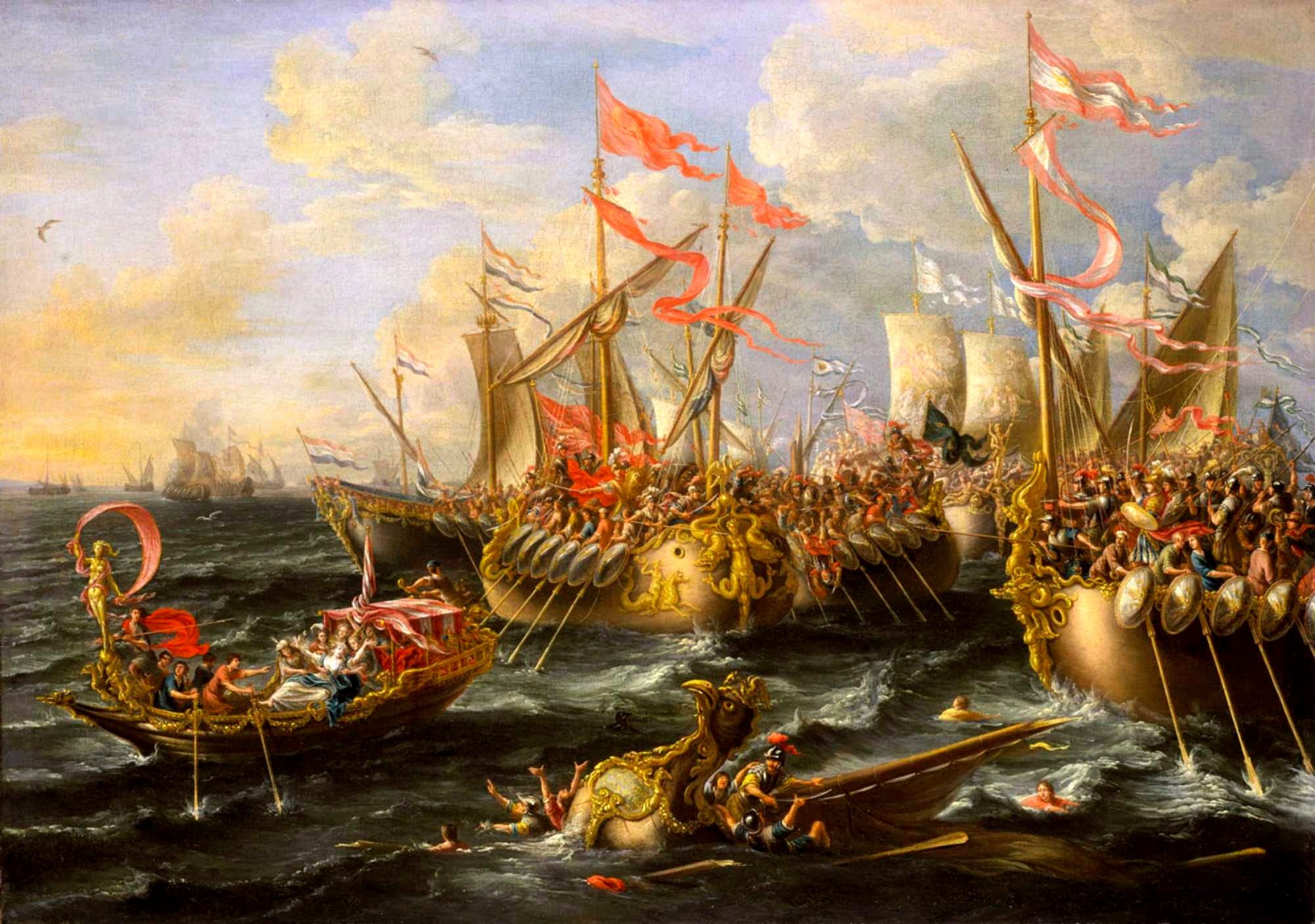
Agrippa’s naval reorganization and victories helped break that threat. Then came the final struggle with Antony and Cleopatra. At Actium in 31 BC, naval power helped decide the future of Rome. Octavian’s victory was not merely another civil war success. It cleared the way for the Augustan order. A sea battle helped make the first emperor.
After the civil wars, Augustus inherited an enormous naval force. Much of it was more than Rome needed in peacetime, but naval power could not simply disappear. Augustus and Agrippa reorganized the fleets into a more permanent imperial system.
The navy’s role changed. It was no longer mainly a force created for one great war against a rival Mediterranean fleet. It became a permanent guardian of movement, communication, trade, and security.
For roughly three centuries, Rome’s dominance in the Mediterranean was almost unchallenged. That success made the navy less visible. Safe movement rarely looks dramatic. Grain arriving on time, pirates kept away, soldiers transported, officials moved, and letters carried do not always produce heroic stories. They produce stability.
The imperial navy also reached beyond the Mediterranean. Fleets operated in the Black Sea, the Channel, the North Sea, and along the Rhine and Danube. River fleets supported frontier defence, transport, scouting, and communication. The navy was not only a force of the open sea. It was also a force of rivers, estuaries, coasts, and military corridors.
Its duties were many: patrol, convoy, transport, campaign support, anti-piracy work, intelligence, blockade, supply, and imperial communication. It moved emperors, officials, soldiers, animals, grain, equipment, messages, and sometimes whole armies. It helped make the Roman Empire function as a connected system.
Trade benefited from that security. Once piracy was suppressed and sea lanes were safer, maritime commerce could expand. Grain from Egypt and North Africa, goods from the East, military supplies, and ordinary cargo all moved through a world protected by Roman naval dominance.
The later weakening of that dominance mattered. The loss of control at sea was not the only reason the western empire declined, but it was a serious factor. An empire built around water could not remain secure if ships, routes, and coasts became vulnerable again.
Cicero’s old principle still captures the logic of Roman power:
“The master of the sea must inevitably be master of the empire.”
Rome’s own history repeatedly confirmed it. From Carthage to Actium, from piracy to grain routes, from imperial fleets to late Roman vulnerability, the sea was never secondary. (“The Roman Navy: Ships, Men & Warfare 350 BC–AD 475” by Michael Pitassi)
The Forgotten Force Behind Roman Power
The Roman navy is forgotten partly because its success often looked like normality. The legions fought visible wars on land. The navy made sure armies could cross, supplies could arrive, islands could be held, pirates could be checked, and provinces could remain connected.
Its work was not always glamorous. It was technical, exhausting, dangerous, and repetitive. Sailors rowed, repaired, loaded, unloaded, patrolled, and waited. Marines fought on decks and shores. Officers watched winds, coasts, harbours, and enemies. Shipwrights and supply officers kept the system alive.
But empires are not held together only by glory. They are held together by logistics.
Rome’s rise cannot be told without the navy. Before the First Punic War, Rome had already begun to face the sea. Against Carthage, it learned to fight for maritime power. Against Hannibal, it prevented enemy victory from becoming a connected Mediterranean strategy. In the East, it helped Rome enter the world of Hellenistic naval powers and gradually dominate it. Under Augustus, it became permanent, organized, and imperial.
The navy allowed Rome to think beyond the horizon. Islands could be occupied. Armies could be moved. Grain could reach the capital. Pirates could be suppressed. Rivers could be patrolled. Provinces could be linked. The Mediterranean could become not a barrier, but a Roman highway.
That is why the Roman navy deserves more than a few lines in the shadow of the legions. Rome’s soldiers conquered land, but ships helped make conquest durable. The sea carried power, food, news, soldiers, wealth, and fear.
The Roman Empire was built on roads, but it also floated.


About the Roman Empire Times
See all the latest news for the Roman Empire, ancient Roman historical facts, anecdotes from Roman Times and stories from the Empire at romanempiretimes.com. Contact our newsroom to report an update or send your story, photos and videos. Follow RET on Google News, Flipboard and subscribe here to our daily email.
Follow the Roman Empire Times on social media: