
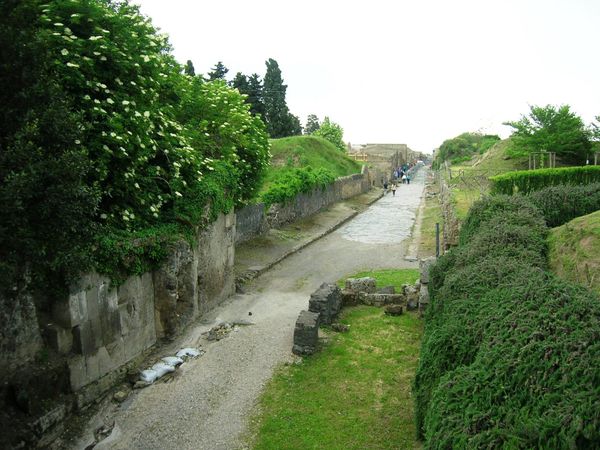
Pompeii Plans a Civic Museum Home for Via Fucci’s Ancient Finds
A new agreement brings an ancient cemetery and the Roman countryside into Pompei’s museum plans, with North African amphorae and a painted stone head among the excavation’s finds.

Roman Empire Times
Owner, explorer and history lover
Porto, Portugal
Hailing from the vibrant city of Athens, George's love for Ancient Greece and the Roman Empire drives him to write short stories inspired by the illustrious tales of these glorious times.
I write for Roman Empire Times about Roman archaeology, new discoveries and the research shaping our understanding of the ancient world. I’m from Athens, Greece, and based in Portugal.
I cover excavations, inscriptions, coins, monuments and the objects Romans left behind. My work follows new archaeological findings and revisits familiar historical stories through ancient evidence and modern scholarship.
My subjects range from a perfume bottle preserved at Pompeii to the networks revealed by millions of Roman coins. Across that coverage, I bring together the discovery, its historical setting and the people whose lives it helps illuminate.
My professional background spans digital publishing, technology and marketing. It includes digital revenue management and growth strategy at the Times of Malta, general management and digital strategy at Greek Reporter, and helping build ColombiaOne’s website and editorial team.
I studied geology and meteorology at Aristotle University of Thessaloniki. Alongside Christina Athanasiou, I co-own Sensei Minimal and help run Roman Empire Times, an independent publication launched in October 2023.
I follow Roman Empire Times’ editorial guidelines, grounding factual stories in reliable research and clearly attributed sources. I distinguish evidence from interpretation, explain significant historical disagreements and keep fictional storytelling clearly identified. I welcome corrections and information that helps improve our coverage. For factual corrections, please follow our corrections policy.
Saved articles stay in this browser. They do not sync across devices.
No saved articles yet.
A new agreement brings an ancient cemetery and the Roman countryside into Pompei’s museum plans, with North African amphorae and a painted stone head among the excavation’s finds.
An interview published by the University of Gdańsk follows the archaeologist’s work on Roman communities, rural landscapes and new field methods.

An American anthem and audience ballot framed Florida State University’s recent staging, which moved Shakespeare’s Roman conflict into a fractured near-future city.
The University of Tokyo's Somma Vesuviana team has secured its 2026 dig. Its longer programme will investigate seven furnaces and a possible connection with Augustus.
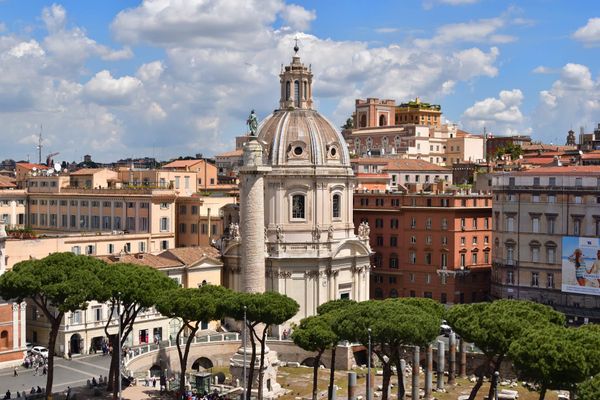
A restored hall beside Trajan’s Column has opened its doors. Ancient marble and a new museum display bring the room’s changing history into view.
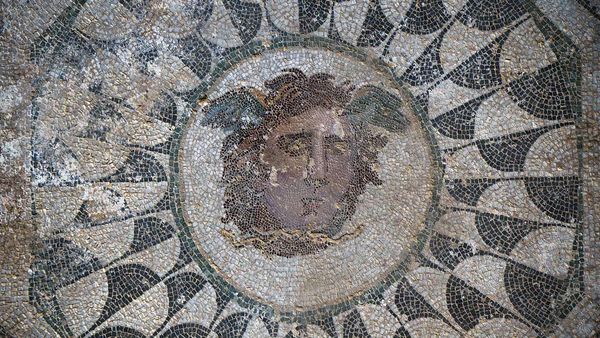
Excavation beside the Medusa mosaic has revealed painted courtyard walls, birds, a hunting scene and further mosaic flooring at Huerta de Otero.
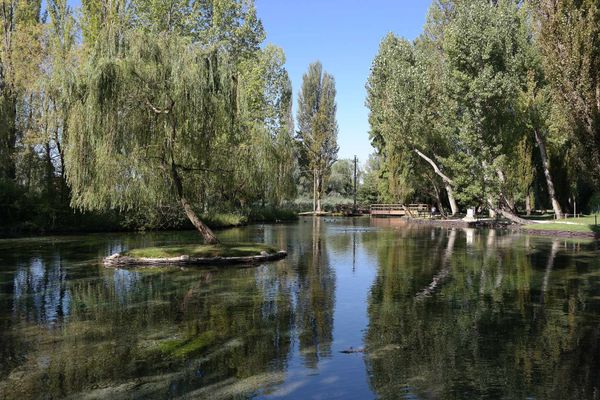
A polluted stream, a sacred spring and unstable riverbanks show how Roman authorities weighed health, worship, ownership and the work of cultivators.
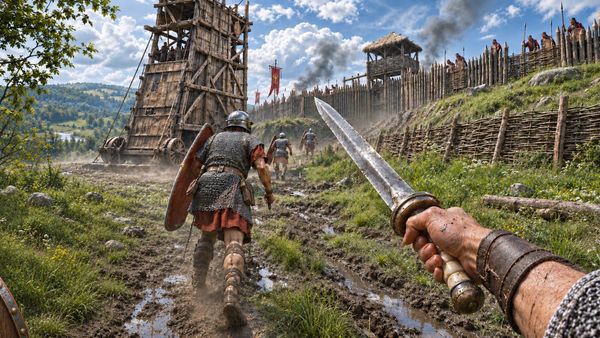
A Roman campaign would have put players among Caesar’s soldiers and commanders. Its development story includes competing accounts and a later pitch.
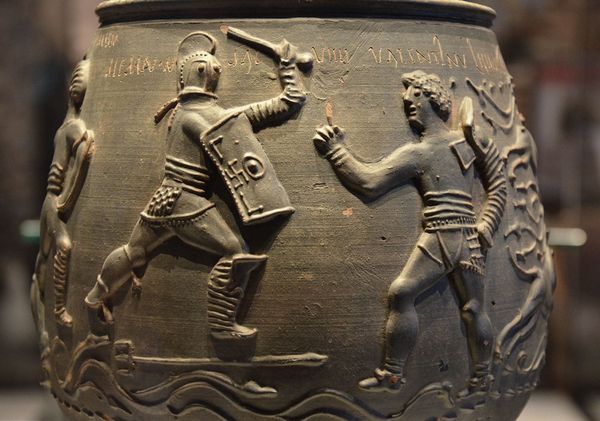
A study of 22 Roman cremation burials traces movement to Colchester and adds a new chapter to the story of its gladiator-decorated vase.

Three dry growing seasons preceded the crisis of 367. A published exchange disputes how rainfall, grain supplies and Roman accounts fit together.
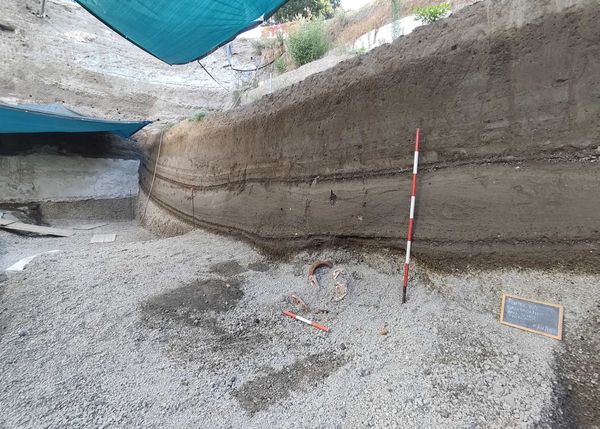
A broken mortar and a restored Roman house underpin two Pompeii projects that use AI to communicate archaeological findings and reconstruct ancient settings.
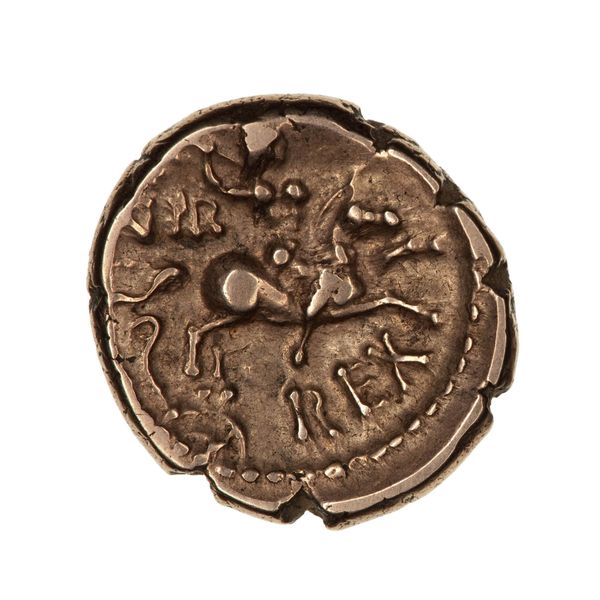
A new reading of Verica’s name and coins challenges a familiar account of Rome’s AD 43 invasion, while specialists dispute the identification.
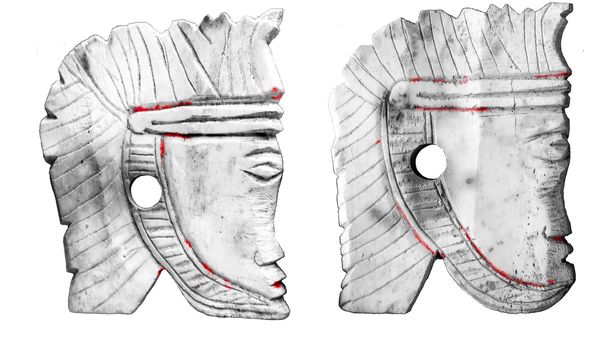
A new study compares bone ornaments from Porta Nola and the Casa del Fabbro, tracing military designs through Pompeii’s luxury furniture.
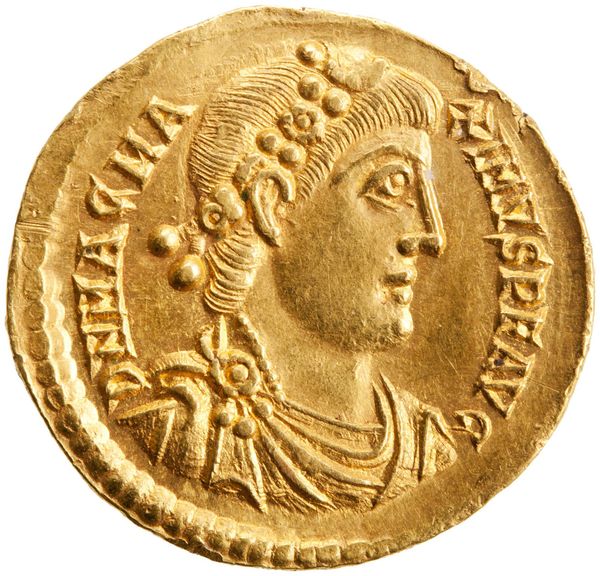
A reported fort near Crymych has renewed attention to Macsen Wledig, the emperor of Welsh legend. Excavated finds and the medieval tale tell different parts of the story.
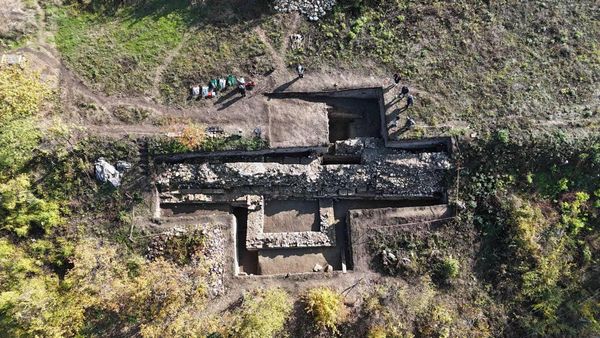
Excavations at Cuppae in Serbia reveal changing Roman defences and a funerary monument that gives ancient Golubac its first known named inhabitant.
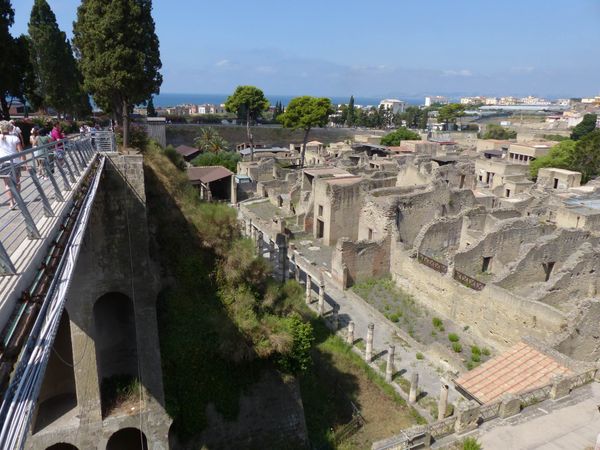
A November repeat follows the effort to read Herculaneum’s carbonised books. The library’s history explains why opening them became a conservation problem.