
Coriolanus Gave a Florida Theatre Audience a Vote on Power
An American anthem and audience ballot framed Florida State University’s recent staging, which moved Shakespeare’s Roman conflict into a fractured near-future city.


Florida State University’s recent production of Coriolanus invited its audience to vote on a Roman warrior’s political future. Staged at the Lab Theatre in Tallahassee from 6 to 15 November 2026, the Shakespeare tragedy placed the struggle over leadership in a near-future North American city following the collapse of civic order.
The School of Theatre’s production was directed by Jasmine Bracey. A report published by the independent student news service FSView & Florida Flambeau on 18 November described an American national anthem, red, white and blue lighting, and spectators asked to cast a yes-or-no vote for Caius Martius Coriolanus. The run followed the United States’ midterm elections.
The staging brought contemporary political imagery to a story traditionally placed in the Roman Republic’s first decades. Its central character, a legendary commander celebrated for his military service, struggles to obtain the consent required for political office. The conflict develops through disputes over food, social rank, public representation and public approval of a military leader.
A ballot inside the Lab Theatre
FSU’s official announcement described a city emerging from the breakdown of public order. That setting gave the production a specific contemporary framework. Its dramaturg, Ezra Ingram, identified power as the central subject, including military command, the Senate’s authority, the household and the people’s forum. Coriolanus moves through each of those competing centres of authority.
The audience’s invitation to vote made public approval part of the performance itself. FSView reported that spectators were asked to support or reject the celebrated general. An international relations student interviewed by the newspaper connected that participation with the instability portrayed onstage. These responses formed part of the newspaper’s account of how the production reached its audience.
The report also described actors moving through different parts of the theatre. Performers occupied the audience’s space as well as the stage, while the lighting supplied recognisable American colours. Together with the voting invitation, those choices brought the spectators into the production’s presentation of a city arguing over the distribution of power.
A war hero needs the citizens
Lucas Kirmsse played Coriolanus, with Brysen Bryant as his military rival, Tullus Aufidius. In the Roman story inherited by the play, Caius Martius receives the name Coriolanus after the capture of Corioli, a city of the Volscians. His reputation as a fighter helps bring him forward as a candidate for one of Rome’s two consulships.
The nomination brings him into a public setting he finds difficult to manage. The citizens whose support he needs also face his contempt. In Shakespeare’s treatment, political advancement involves displaying military wounds and submitting past achievements to the judgment of the people. Coriolanus resists the public performance required to turn his military reputation into consent.
His mother and Menenius Agrippa urge accommodation. FSU cast Veronica Else as Volumnia and Casey MacLeod as Menenius, two figures whose efforts to guide him connect the political struggle with personal relationships. Coriolanus’s confrontations with the citizens and their tribunes eventually lead to banishment, setting him on the road towards his former enemies.
Grain and the plebeians’ political voice
The Roman tradition behind the play joins military distinction to a dispute over grain. In Livy’s narrative, Coriolanus proposes using a food crisis to force the plebeians to surrender political concessions. The tribunes, elected to protect their interests, become central opponents of his position and bring him forward to answer accusations.
The struggle belongs to the traditions about conflict between Rome’s patricians and plebeians. Those narratives describe commoners seeking protection and representation against the power of the senatorial elite. Livy places the establishment of the tribunate after a plebeian withdrawal from the city, with reconciliation becoming necessary for Rome’s security and continued political life.
The details reach readers through later literary accounts, containing legendary material and anachronisms. Coriolanus’s career supplied subsequent writers with a story about the relationship between military command and civic authority. Grain, the tribunes’ interventions and the public response became elements through which those writers developed different accounts of how republican government could function.
How Rome’s commander reached Shakespeare
Livy and Plutarch preserved the commander’s story long before Shakespeare adapted it for the stage. Shakespeare used Thomas North’s English translation of Plutarch’s Life of Caius Martius Coriolanus, published in 1579. That transmission carried the Roman narrative into an English dramatic setting in which political representation and the conduct of leaders acquired fresh emphasis.
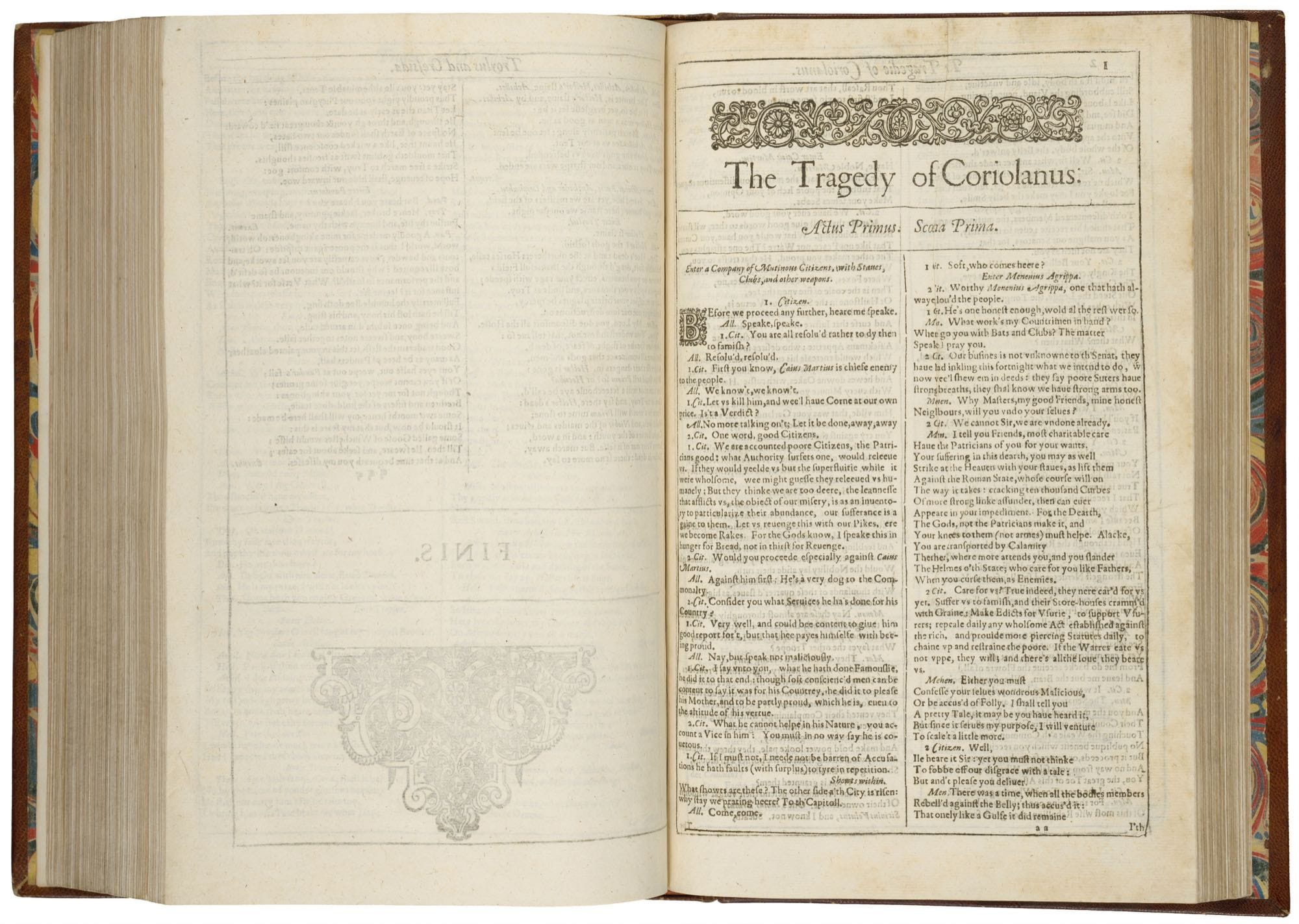
The play emerged in an England where arguments about authority reached both Parliament and local churches. The place of ordinary people in selecting parish leaders was one disputed question. These arguments concerned who could speak for a community, how representatives obtained their authority and how much participation those they represented should possess.
The citizens and their representatives also have different roles within the drama. Individual members of the crowd can express sympathetic or independent judgments, while the tribunes seek to organise their response. Coriolanus’s political failure unfolds through those interactions, alongside the competing advice of the people closest to him and his own resistance to compromise.
A different verdict on the tribunes
Coriolanus had already served another political purpose in Machiavelli’s Discourses on Livy, written in the sixteenth century. There, the tribunes’ handling of the crisis provides a way to consider how popular anger can be channelled through public institutions. Summoning Coriolanus to answer accusations gives the conflict a formal outlet within the Republic.
In that reading, the people’s discontent and the tribunes’ interventions help sustain republican government. Machiavelli contrasts Rome’s arrangements with political conditions in Florence, where citizens lacked comparable means to express their grievances. The Roman episode becomes part of his argument about institutions capable of restraining powerful individuals and managing conflict inside a city.
Shakespeare’s tribunes have prompted a different interpretation: representatives can manipulate the people whose voices they claim to protect. The play’s politics remain contested, encompassing criticism of the tribunes, the citizens and Coriolanus himself. FSU’s audience ballot placed the act of giving or withholding support inside that dramatic struggle over representation.
The family delegation at Rome’s gates
After his banishment, Coriolanus joins the Volscians and leads them against Rome. The story’s military and political conflicts converge when a family delegation appeals to him to spare the city. His mother, wife and young son confront him with the consequences of an attack on the community from which he has been expelled.
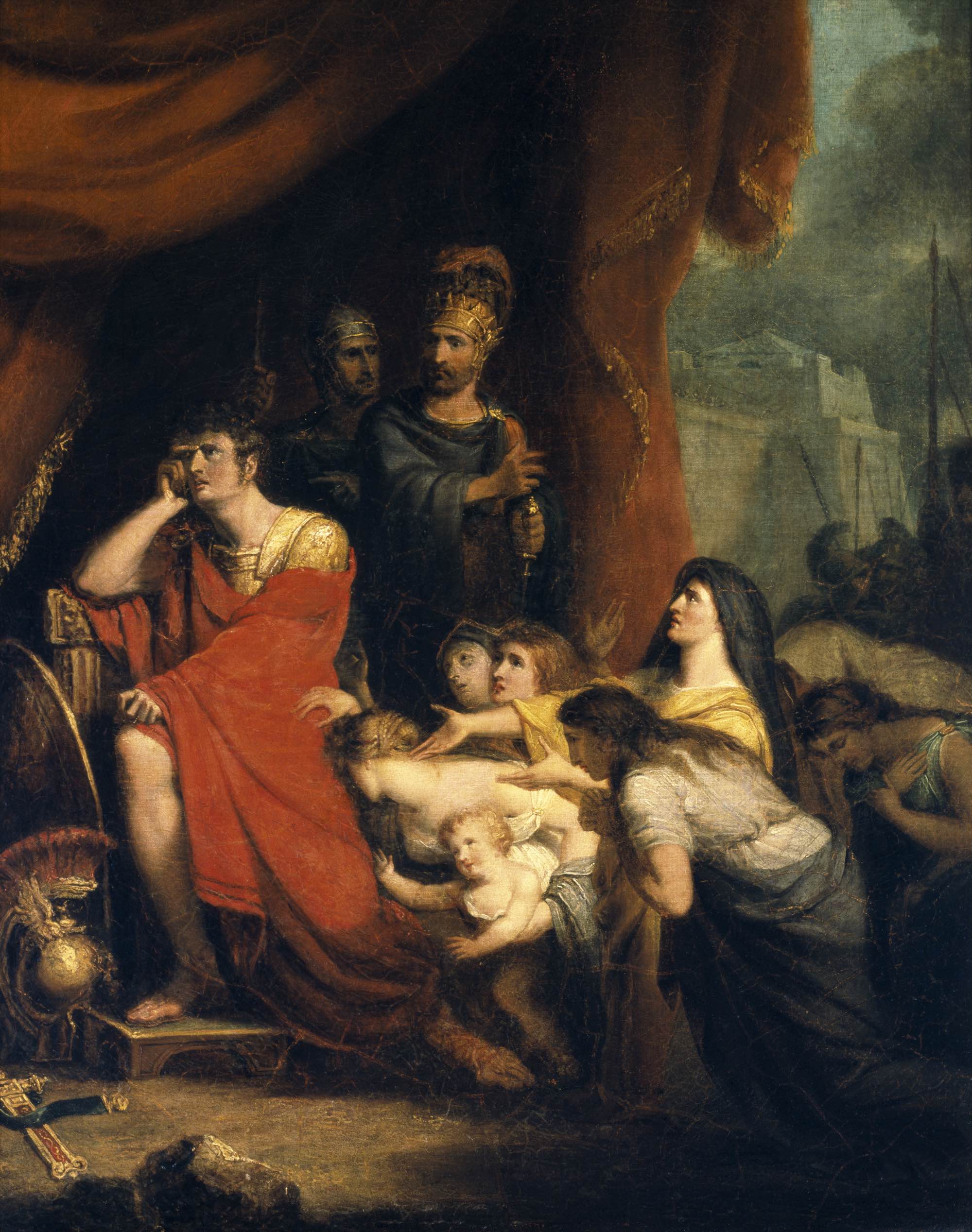
Taylor Moore played Virgilia, Coriolanus’s wife, in the FSU production. In her interview with FSView, she identified the family’s attempt to prevent the attack as the production’s emotional climax. Her account emphasised Virgilia’s wish to recover her husband and family, and the possibility that their final meeting would be their last.
In Shakespeare’s final movement, saving Rome destroys Coriolanus’s position among the Volscians. He has led Rome’s enemies to the city’s gates, then accepted his family’s plea to withdraw. The Volscian allies who had received him after his banishment turn against him and kill him.



About the Roman Empire Times
See all the latest news for the Roman Empire, ancient Roman historical facts, anecdotes from Roman Times and stories from the Empire at romanempiretimes.com. Contact our newsroom to report an update or send your story, photos and videos. Follow RET on Google News, Flipboard and subscribe here to our daily email.
Follow the Roman Empire Times on social media: