Roman Empire Anecdotes
Scipio Aemilianus: The Roman Who Destroyed Carthage and Numantia
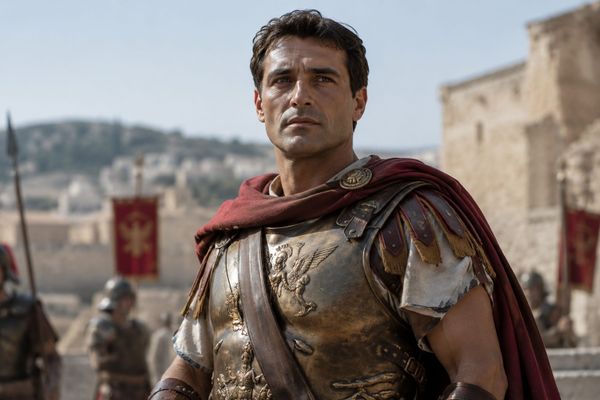
Born an Aemilius and adopted into the house of Scipio, Scipio Aemilianus built his reputation in Spain before becoming the conqueror of Carthage and Numantia.

Roman Empire Anecdotes
Born an Aemilius and adopted into the house of Scipio, Scipio Aemilianus built his reputation in Spain before becoming the conqueror of Carthage and Numantia.
Roman Empire Anecdotes
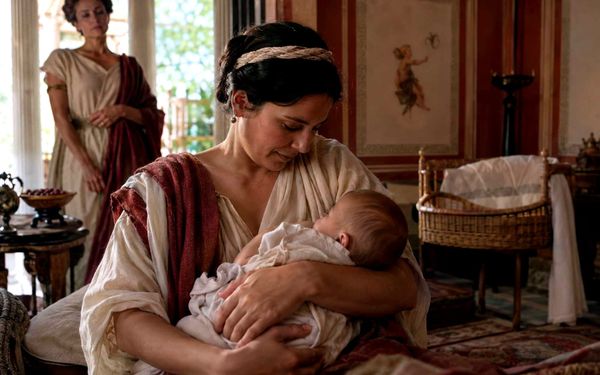
Roman wet nurses did far more than feed infants. They could shape a child’s speech, habits and earliest education, while sometimes remaining part of their lives for decades.
Roman Empire Historical Facts
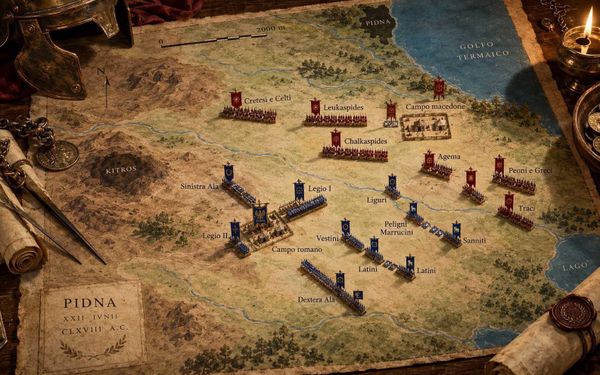
At Pydna in 168 BC, Aemilius Paullus defeated Perseus after the Macedonian phalanx lost cohesion and Roman troops entered the gaps in its line.
Roman Empire Historical Facts
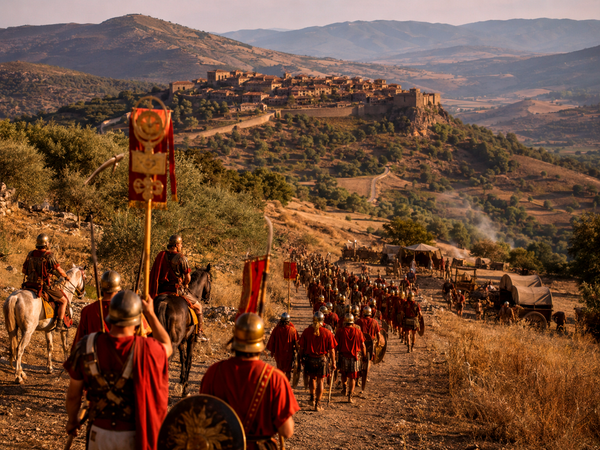
Rome’s Italian allies had fought in its armies for generations. In 91 BCE, disputes over citizenship, equality and Roman power led them to revolt.
Roman Empire Anecdotes
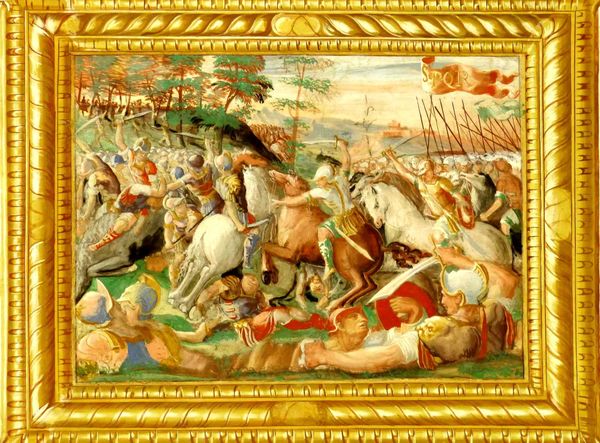
In 217 BC, Hannibal trapped and destroyed a Roman consular army between the hills and Lake Trasimene. Ancient accounts describe the ambush, the death of Gaius Flaminius and Rome’s response to the defeat.
Roman Empire Historical Facts
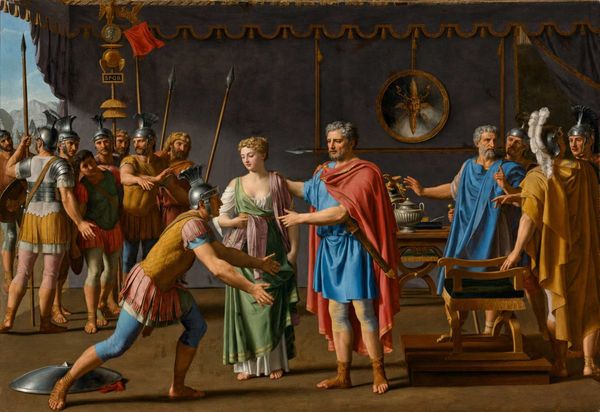
Fabius Maximus answered Hannibal’s invasion with caution, endurance and a strategy that earned him the enduring name Cunctator—the Delayer.
Roman Empire Historical Facts
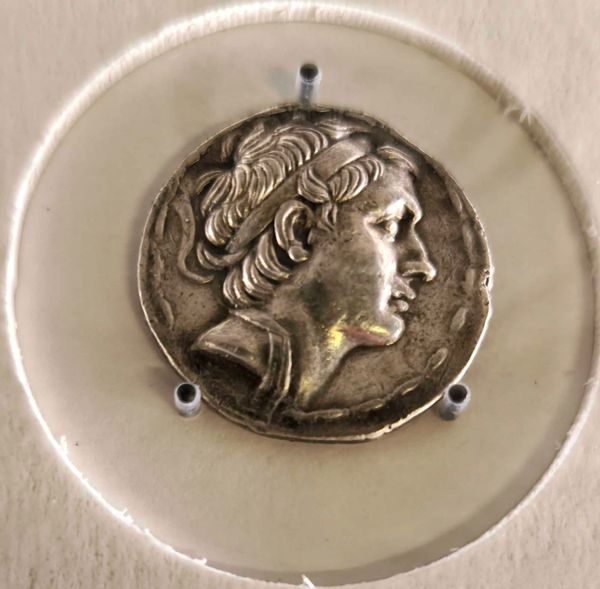
Antiochus III entered Greece as a would-be liberator and rival to Rome, but his campaign exposed the limits of Seleucid power against Rome’s armies, navy, and diplomacy.
Roman Empire Anecdotes
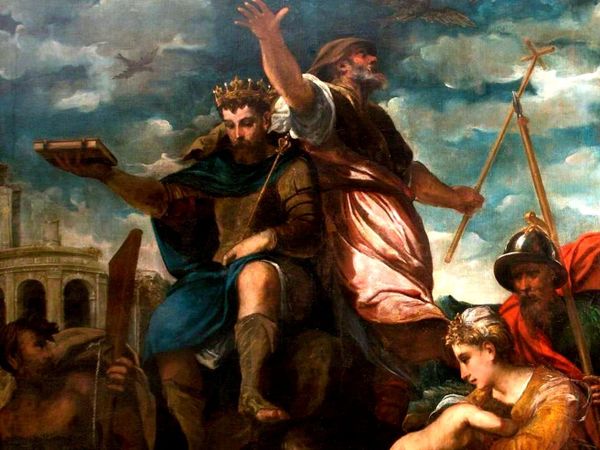
Rome’s legendary second king was not remembered for battles or conquest, but for priesthoods, ritual, sacred law, and a reign without war.
Opinion
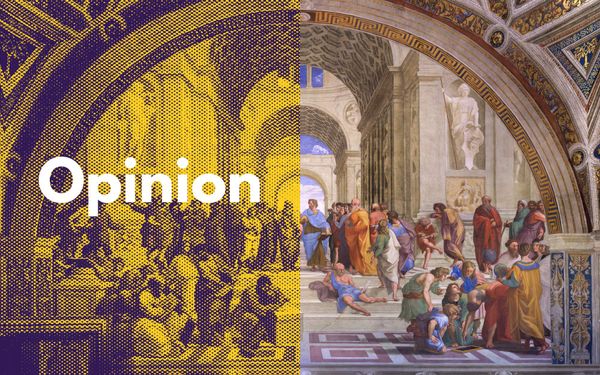
Plato believed that justice was impossible without a philosopher-king—a ruler who grasped the Form of the Good and governed by wisdom rather than appetite. He spent much of his life searching for such a ruler. He never found one.
Roman Empire Historical Facts
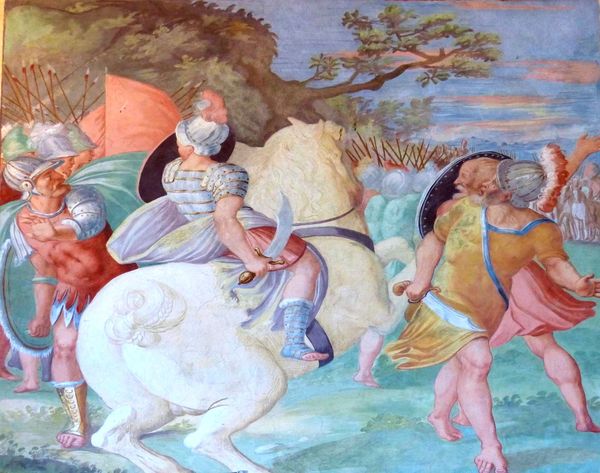
At Pharsalus, Caesar faced Pompey at his strongest — and won by turning the battle at the one moment when his own line seemed closest to collapse.
Roman Empire Historical Facts
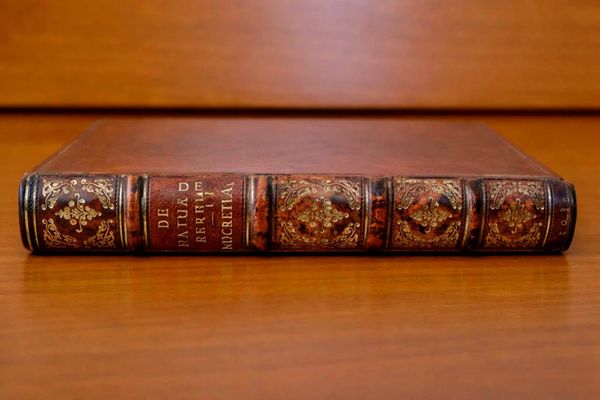
Lucretius left behind only one surviving work, but it was enough to reshape how later ages thought about nature, fear, and the place of humanity in the universe. His poem challenged superstition, questioned power, and gave Rome one of its boldest philosophical voices.
Roman Empire Historical Facts
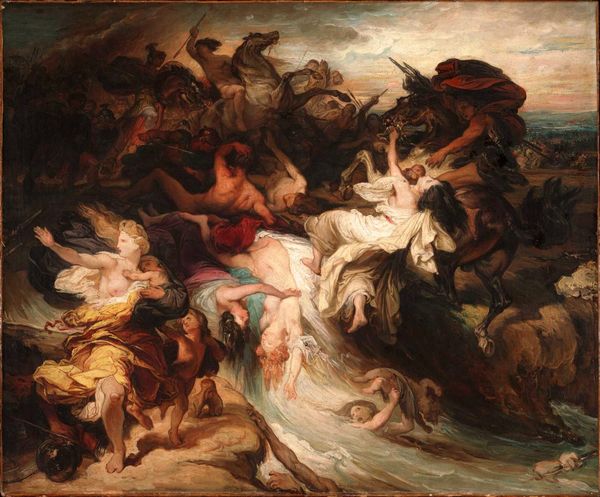
The defeat at Arausio in 105 BCE was more than a battlefield disaster. It exposed deep fractures in Roman command, reshaped military power, and left a psychological legacy that influenced Roman responses to crisis for generations.
Roman Empire Historical Facts
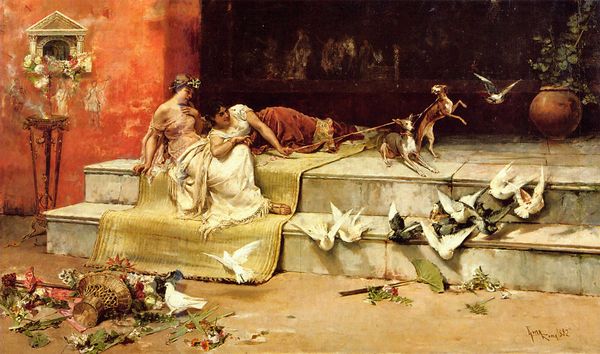
From loyal dogs to exotic monkeys, Romans shared their homes with creatures of every kind. Art, inscriptions, and archaeology reveal a world where animals were companions, protectors, and symbols of affection.
Roman Empire Historical Facts
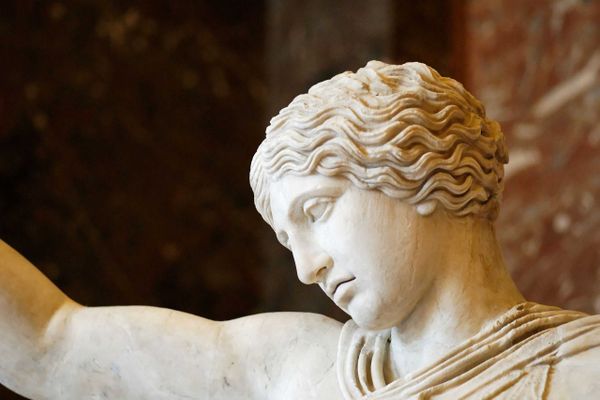
The Amazons, at once feared and admired, stood at the edges of Rome’s imagination. In poetry, art, and history, they became shifting symbols of conquest, gender, and empire—figures through whom Romans defined themselves against the “other.”
Roman Empire Anecdotes
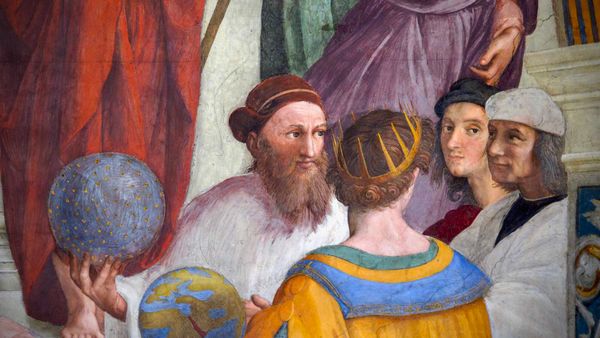
Strabo’s Geography stitched together mountains, rivers, and peoples into a vision of Rome’s dominion. His work, both silent and selective, mapped not just lands but identities, placing cities, cultures, and empire within concentric circles of belonging.
Roman Empire Anecdotes
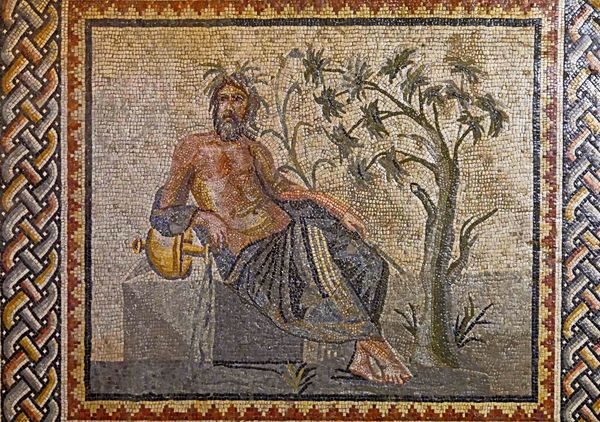
Old age in Rome was both feared and revered. Cicero praised its dignity, Juvenal mocked its weakness, and proverbs marked sixty as the threshold of decline. Between honor and ridicule, the elderly lived at the margins of Roman society.