
Japanese Team Seeks Funding to Continue Somma Vesuviana Excavation
The University of Tokyo's Somma Vesuviana team has secured its 2026 dig. Its longer programme will investigate seven furnaces and a possible connection with Augustus.

A University of Tokyo archaeological project investigating a possible connection with the emperor Augustus is seeking support for work beyond its funded 2026 excavation. Donations have allowed the team to continue at Somma Vesuviana, near Naples, while its longer research and conservation programme still requires substantial funding.
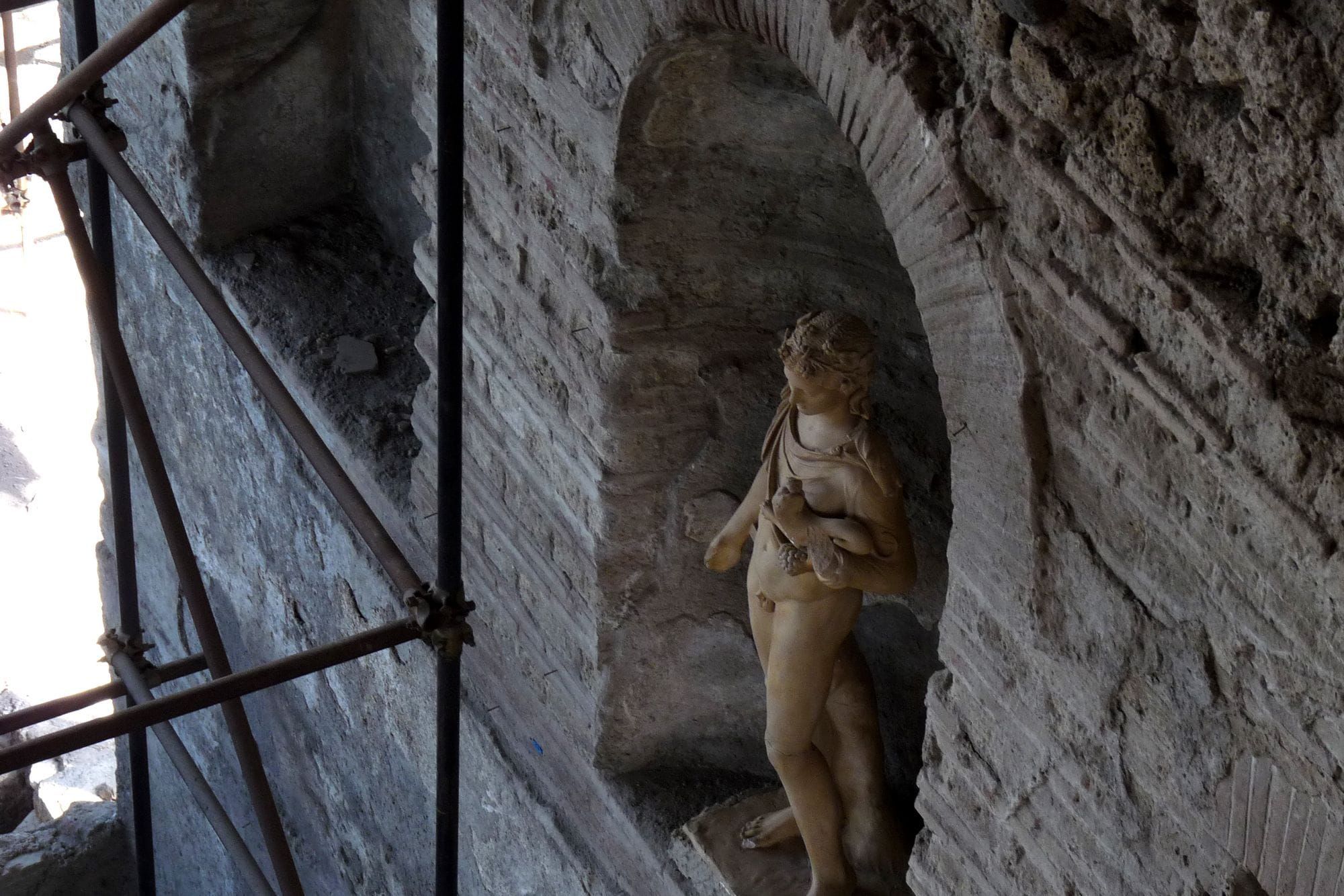
The excavation lies on the northern slopes of Mount Vesuvius, where Japanese and Italian researchers are uncovering Roman buildings buried beneath successive volcanic deposits. Work has continued since 2002. Beneath a monumental later complex, the team has identified an earlier building that it is investigating as a possible villa associated with Rome’s first emperor.
The university’s current Japanese fundraising page says that most of the emergency donations are allocated to the 2026 investigation. Its appeal now looks towards subsequent seasons, alongside the protection of exposed remains. The work combines excavation with the conservation of decorated buildings and scientific investigation of the landscape surrounding the volcano.
Japanese and Italian researchers return to the same site
The Somma Vesuviana project was founded by Masanori Aoyagi, now a professor emeritus at the University of Tokyo. Its current leader is Mariko Muramatsu, a professor in the university’s Graduate School of Arts and Sciences. The team’s records describe a collaboration extending across several generations of researchers.
The university coordinates the project through its Mediterranean area research division, with cooperation from other institutions. Archaeology brings together specialists in volcanology, history, cultural property science, past environments, remote sensing and surveying. Their shared subject is a site whose buildings were repeatedly altered, abandoned, rebuilt and eventually buried.
Several of the researchers have worked there since the excavation began. Satoshi Matsuyama describes responsibilities covering field supervision, local coordination and administration. Archaeologist Kohei Sugiyama works with natural scientists to investigate the accumulating layers, while Katsuhiro Iwaki has participated in the team’s Italian excavations since its earlier work near Tarquinia in 1995.
An earlier building beneath the monumental complex
The possible villa associated with Augustus, covered by RET in May 2024, has shaped the project’s research questions. The university describes local traditions of an imperial villa and the discovery of buried structures by a farmer in the 1920s. Early investigations uncovered architectural remains and sculpture before work stopped and the site was covered again.
Excavations resumed in 2002 with Italian cooperation. The substantial building first exposed proved to belong to the later second century AD, placing its construction well after Augustus’s lifetime. Continued investigation subsequently revealed an earlier structure beneath it, opening a new phase in the search for the site’s ancient history.
The team reports that this lower building was buried by the eruption of AD 79. Its proposed association with Augustus remains a hypothesis under investigation. The earlier and later structures also allow researchers to examine how people built again in a landscape repeatedly affected by Vesuvius, using the remains of previous occupation.
How scientists dated the later complex
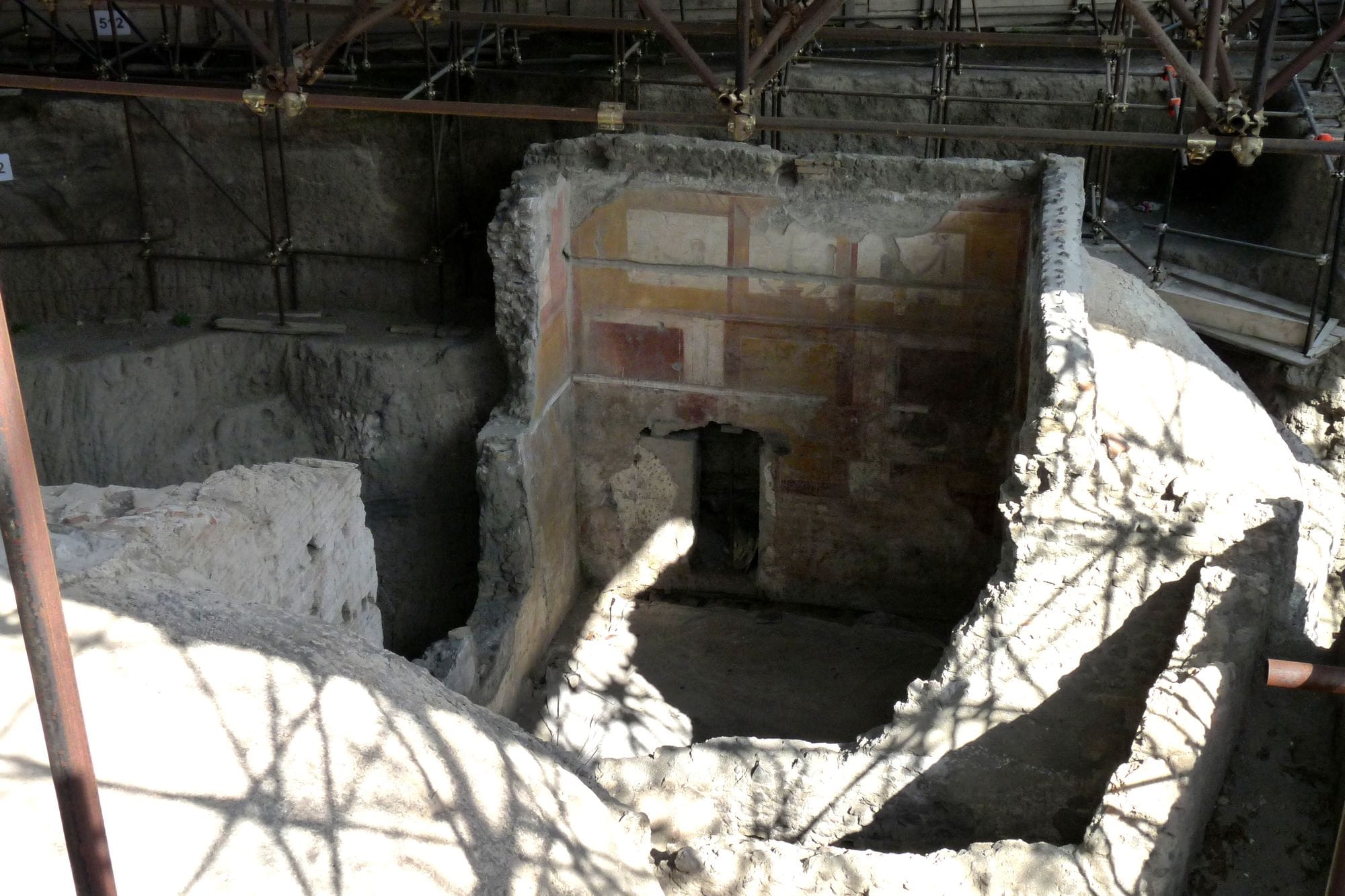
A study published in Geochemical Journal in 2005 established that the complex exposed in the project’s early campaigns was first buried by the eruption of AD 472. Researchers compared volcanic material from its lowest burial deposits with samples from known eruptions, while radiocarbon analysis supplied a second line of evidence.
The grey volcanic fragments at Somma Vesuviana closely matched the chemistry of material from the AD 472 eruption. Their composition differed from the pumice associated with the eruption that buried Pompeii in AD 79. The radiocarbon results supported the later date when considered alongside the geological evidence.
Deposits lay directly over already damaged building remains, leading the researchers to conclude that this complex had been abandoned before its burial. They reconstructed a sequence of falling volcanic material, surges and mudflows, followed by further deposition. Their investigation concerned the later complex exposed at that stage of excavation; the university’s subsequent work has reached the earlier building underneath.
Seven furnaces sharpen the research question
One of the project’s most prominent recent findings is a room containing at least seven furnaces. The university presents these installations as an important reason to continue investigating the earlier building and its function.
The project’s English account suggests a possible connection with heated bathing facilities. Identifying the room’s use is among the purposes of the proposed expanded investigation. The Japanese fundraising page specifically describes a plan to enlarge the excavation sufficiently to assess the character of the space containing the furnaces.
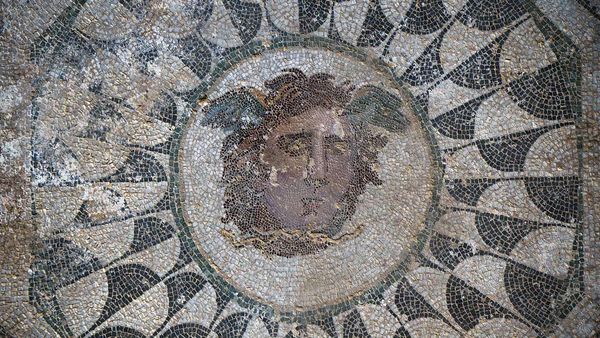
Other discoveries include marble sculpture and a broad range of pottery. The project records these objects alongside the surviving architecture, establishing a body of material for study across different disciplines. The university also identifies the conservation of floor mosaics and painted walls among the practical tasks requiring continued financial support.
Donations secured the 2026 excavation
The university’s Japanese project page records that the ¥30 million required for the 2026 excavation was reached on 2 July. This amount covers the investigation at its conventional scale. The page thanks supporters for making the season possible and explains that further donations are needed to maintain work in following years.
An enlarged programme is estimated at approximately ¥150 million over three seasons. Its objectives include examining changes to the buildings across the Republican and imperial periods and testing the possible connection with Augustus. This longer programme involves extending the area of investigation around the structures already emerging from the ground.
The fundraising account separates that excavation programme from the cost of repairing and installing protective roofs, estimated at approximately ¥15 million. These figures describe different parts of the project’s needs. The current appeal covers the continuing investigation, protection of the exposed buildings and the analysis of excavated material.
Keeping mosaics and walls protected
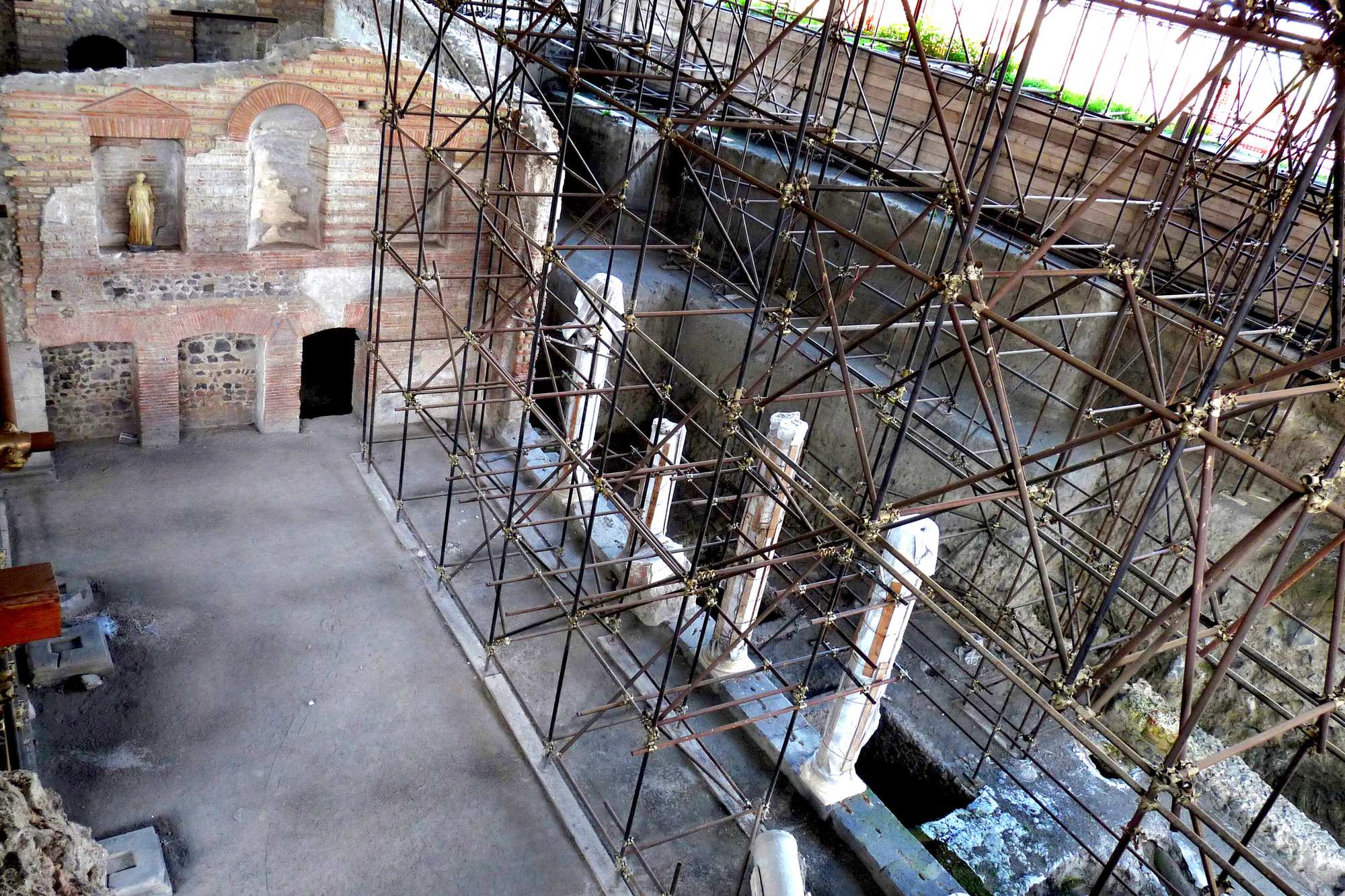
Conservation is a substantial part of the work described in the appeal. Structures exposed by excavation need protection, while decorated surfaces require specialist treatment. The university lists repairs to existing temporary roofing and new coverings for exposed remains, together with conservation of mosaic floors and wall paintings.
The site’s published cost examples include approximately ¥1.2 million a month for a crane to move excavated earth and materials, and approximately ¥6.5 million a year for disposing of excavated soil away from the site. Surveying, scientific analyses, security and the storage of finds each carry separate estimated annual costs.
Support also pays for researchers to work in Italy and for local research cooperation. These operating costs sit alongside the physical excavation itself. The project’s records describe an undertaking in which digging, recording, preserving buildings and storing objects all require resources throughout successive campaigns.
The plan for deeper excavation
The university’s plan for 2026–2028 identifies an area to be taken down to the construction level of the earlier building, approximately 15 metres (49 feet) below the surface. Reaching that level safely also requires surrounding areas to be excavated in steps, with heavy machinery used for part of the work.
The research extends to the sequence of volcanic destruction and rebuilding. The project’s overview describes substantial Roman structures passing through repeated reconstruction and abandonment before their burial. Examining the buildings together with the volcanic deposits allows the archaeological and environmental investigations to follow the same changing landscape.
Recording continues alongside excavation. The team uses photography, video, three-dimensional measurement and all-sky cameras to document buildings and objects and prepare virtual models. Its planned next stages combine this detailed record with a wider excavation of the earlier complex and the investigation of the room containing at least seven furnaces.


About the Roman Empire Times
See all the latest news for the Roman Empire, ancient Roman historical facts, anecdotes from Roman Times and stories from the Empire at romanempiretimes.com. Contact our newsroom to report an update or send your story, photos and videos. Follow RET on Google News, Flipboard and subscribe here to our daily email.
Follow the Roman Empire Times on social media: