
Call of Duty’s Roman Proposal Planned a Campaign with Caesar’s Army
A Roman campaign would have put players among Caesar’s soldiers and commanders. Its development story includes competing accounts and a later pitch.

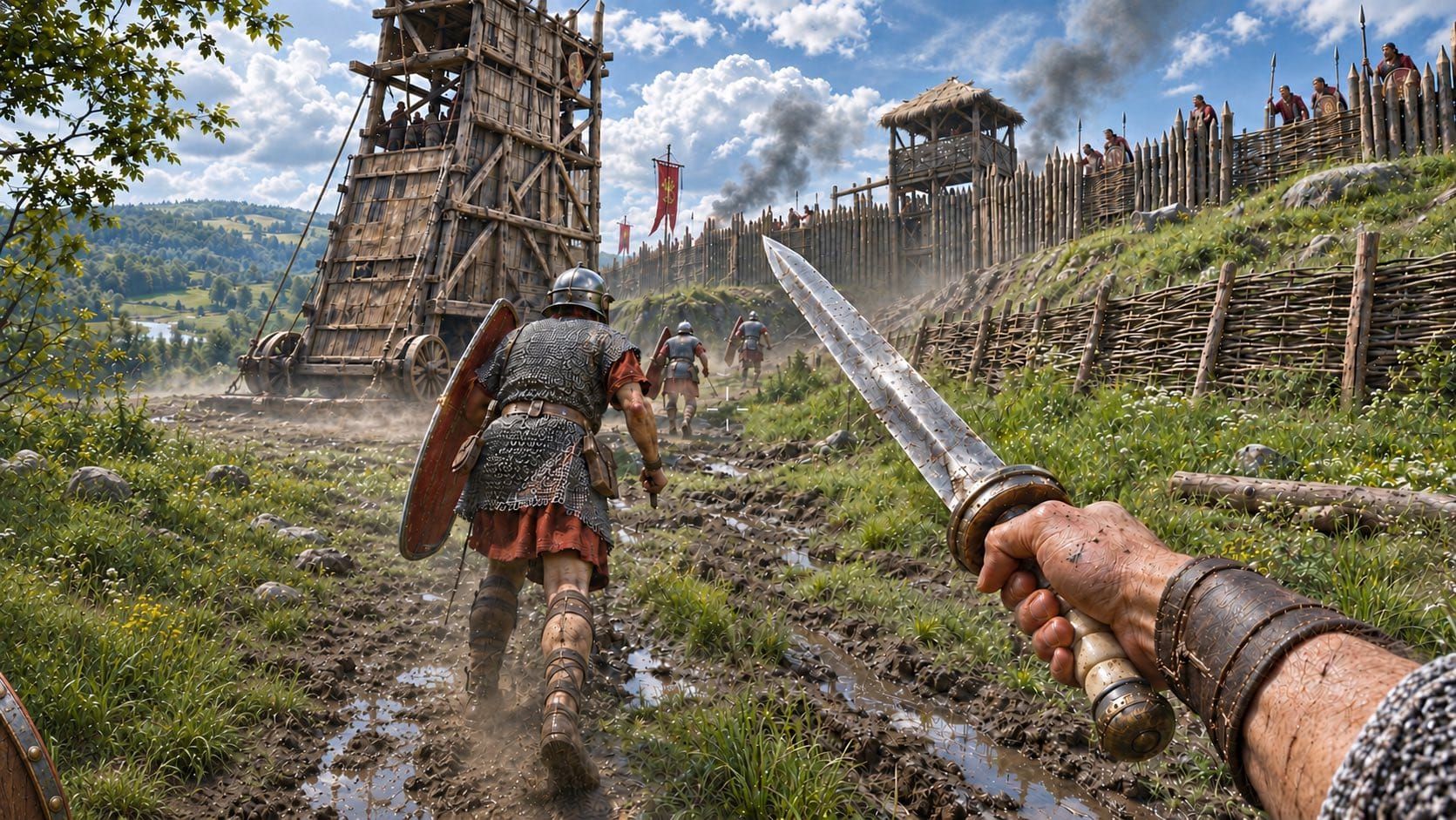
A proposal to take Call of Duty into ancient Rome has returned to attention as a developer described another experiment with the series: a medieval game featuring a knight and a sword. The Roman project, known as Roman Wars, envisaged fighting through Julius Caesar’s campaigns with a changing cast of soldiers and commanders.
The new interview, published by PC Gamer on 16 November, features Taylor Kurosaki, writer and co-director of Call of Duty: Infinite Warfare. He recalled that Infinity Ward’s team had prototyped a medieval version in which the player was a knight. For Kurosaki, the franchise’s central requirement was a war story, leaving room for settings beyond its familiar battlefields.
PCGamesN revisited the Roman proposal on 17 November. Its history reaches back to reporting published in July 2016, when GamesRadar described development work and Activision gave GameSpot a more limited account: an employee had proposed the concept, but the company had neither seriously considered it nor requested that it advance to a prototype.
Alesia, Siege Engines and Sword Combat
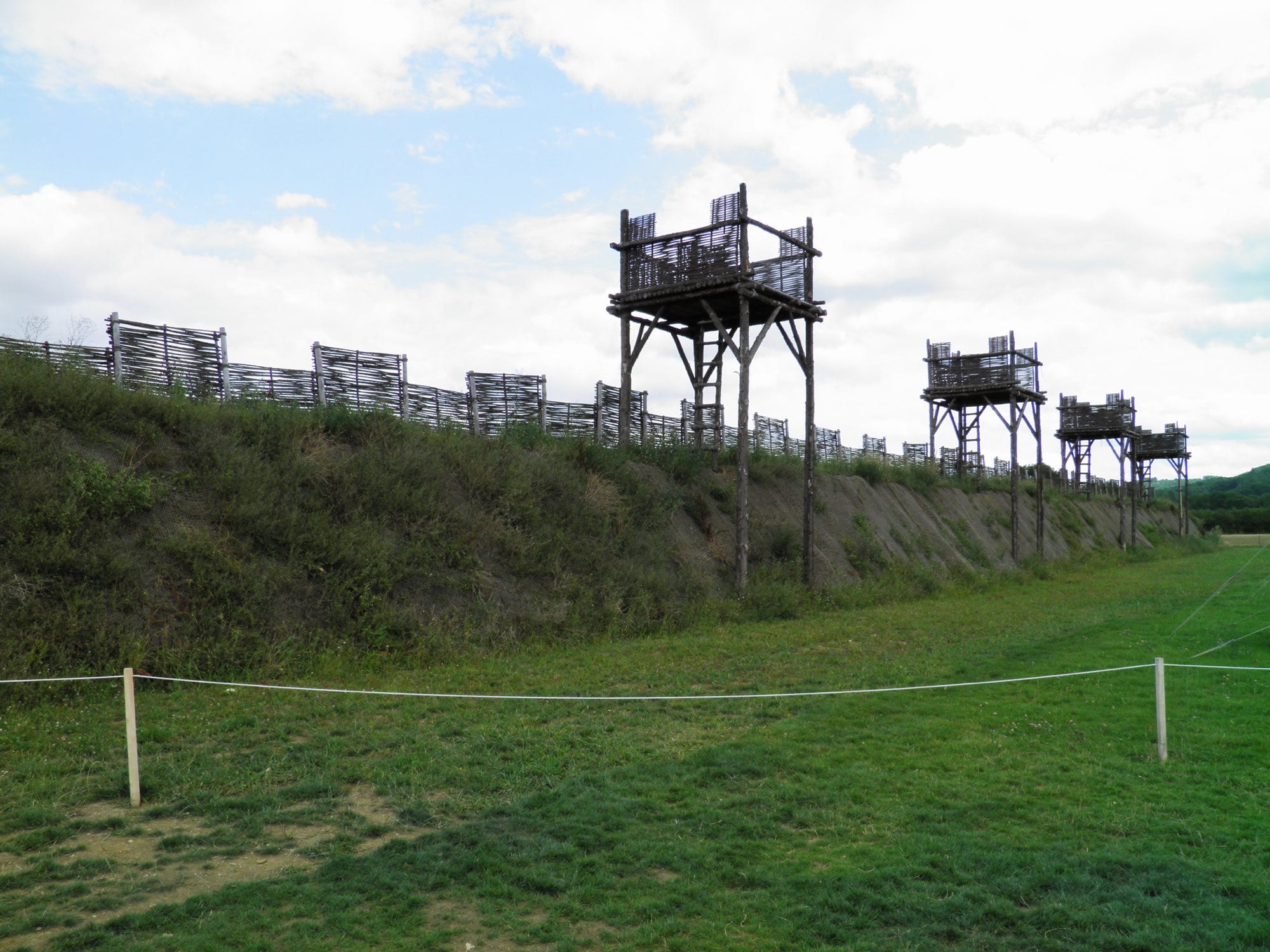
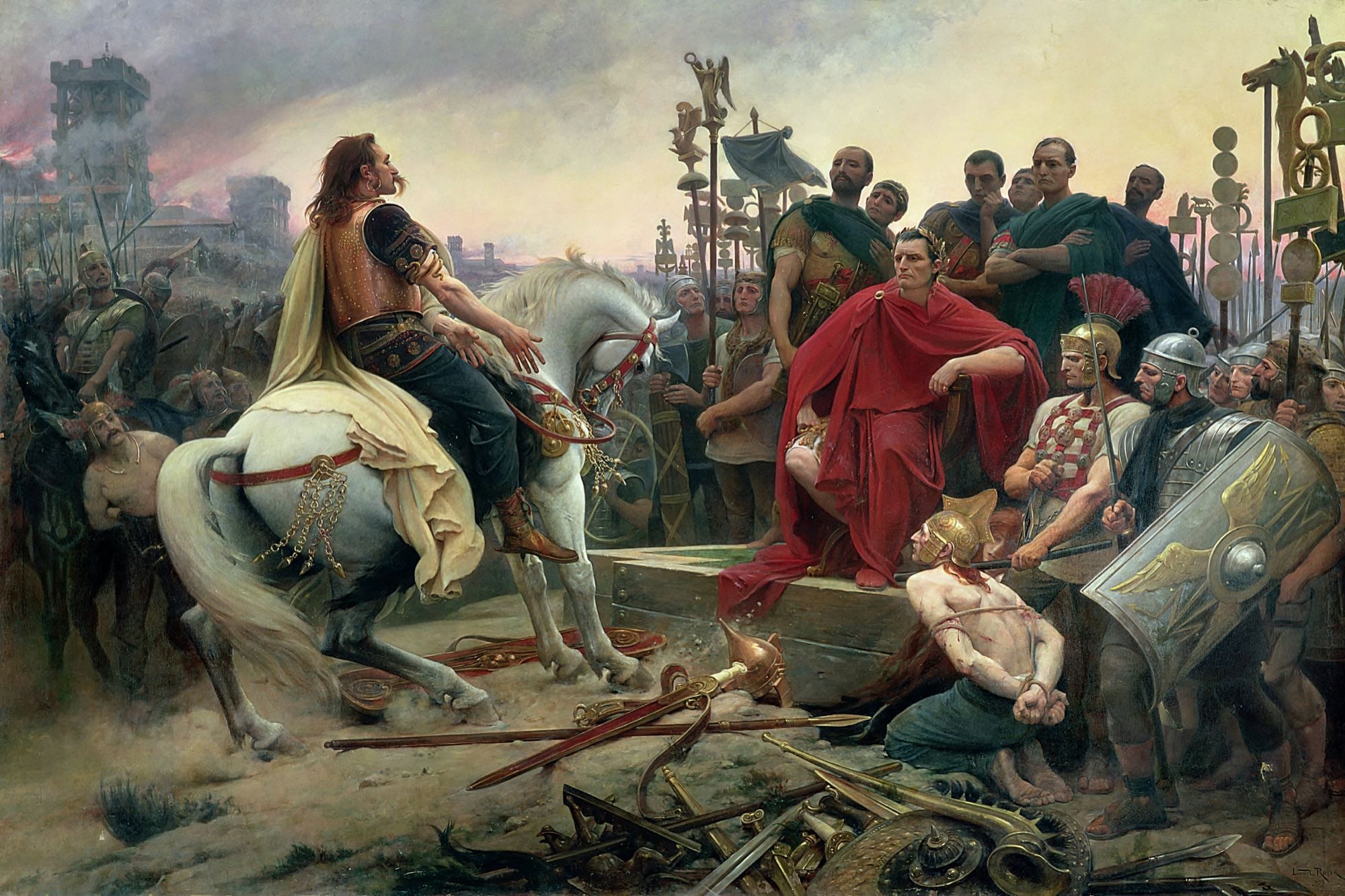
GamesRadar’s report placed the Roman experiment at Vicarious Visions around 2008. A development source using the pseudonym Polemos described a demonstration mission based on the siege of Alesia. The player controlled Titus Pullo, beginning with a horseback sequence and a speech by Caesar before receiving an objective to eliminate enemy archers.
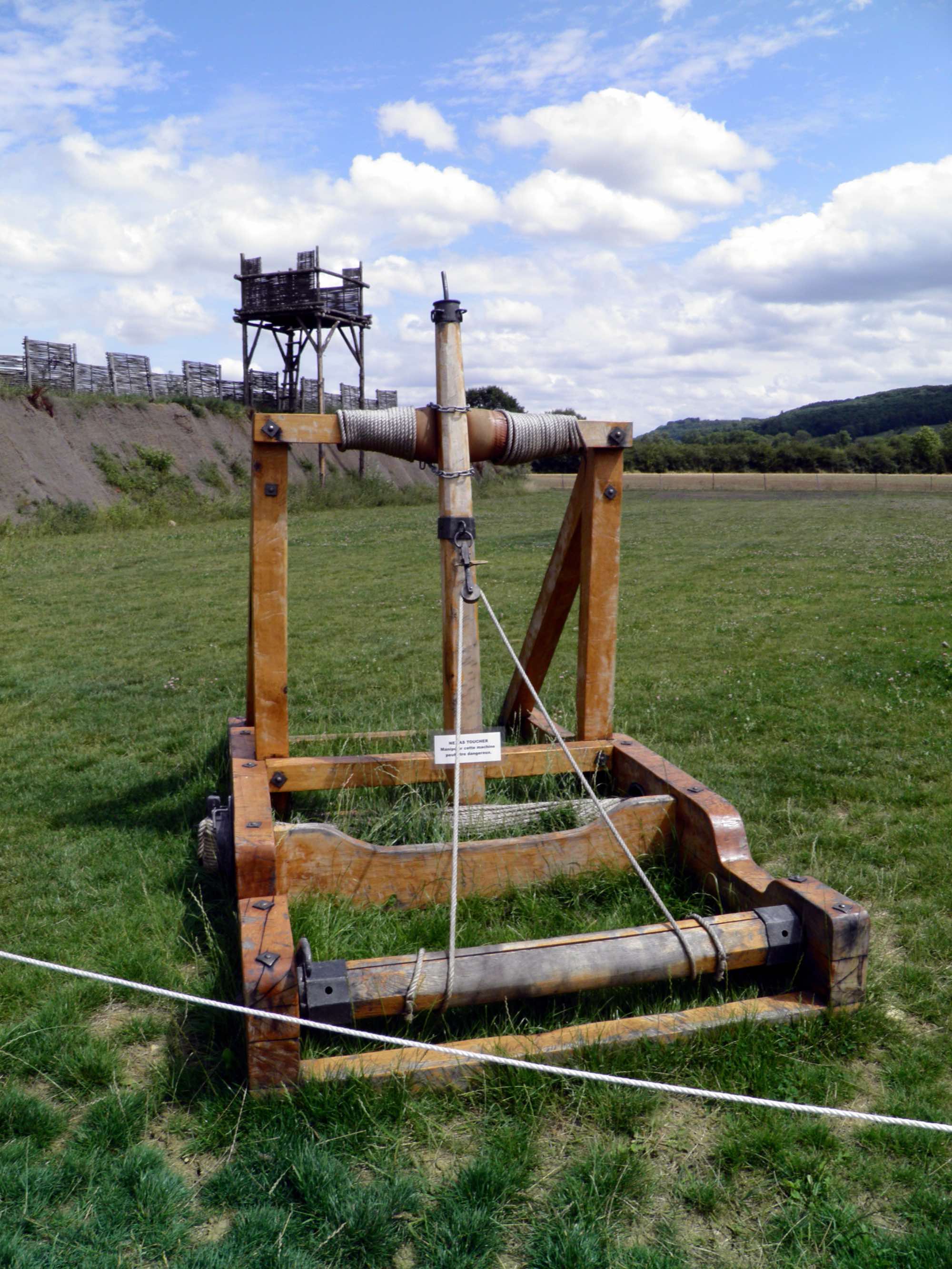
The proposed mission offered several routes to that objective. Players could operate catapults, climb siege towers or ride a war elephant. The developer described the elephant as a protected platform from which the player could survey the battlefield, with the animal also able to trample enemies. The elephant’s seat supplied cover, allowing the rider to duck down while moving across the battle area.
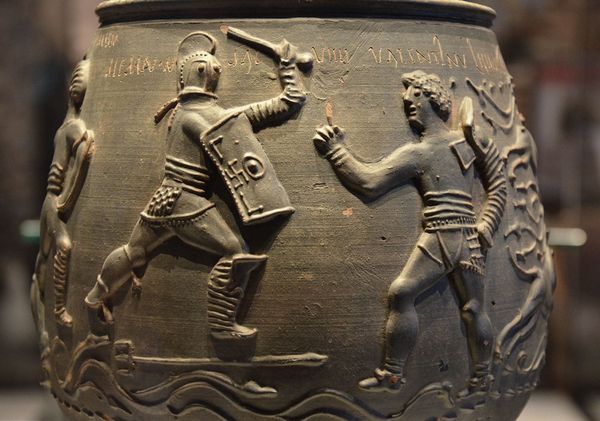
The combat experiments included sword-and-shield fighting built around blocking and parrying, alongside bows, spears and axes. A separate, shorter demonstration presented an arena encounter with a gladiatorial setting. Developers also considered letting players throw sand into opponents’ eyes to blind them during combat. The team showed both first-person and third-person perspectives, testing how close combat and movement could work within the proposed Roman setting.
The Footage Also Had a Later History
The developer told GamesRadar that Unreal Engine was used to build the Roman mission quickly. The third-person combat drew inspiration from Gears of War’s movement and melee, while the first-person approach took cues from Condemned: Criminal Origins. The source compared the third-person approach to straightforward melee with some strafing. Camera shake and movement were also part of the experiment, while the first-person system concentrated on the timing of attacks and defence.
GamesRadar subsequently added an update explaining the footage’s provenance. The Call of Duty logo came from an original pitch reel, while the gameplay showed a build later repurposed and presented to Ubisoft as Roman Wars after key members had left Activision. The update placed that subsequent pitch a few years after key members’ departures, during a period of disruption around Activision’s projects. The video therefore brought together material from the original proposal and a subsequent attempt to find a publisher.
The full-game plan described by the developer loosely followed Caesar’s account of the Gallic Wars. Players would move between ordinary soldiers, officers and Caesar himself, taking roles that included archers and cavalry. The intention was to carry Call of Duty’s changes of character into a Roman campaign, letting players experience the fighting from the ranks through to command.



About the Roman Empire Times
See all the latest news for the Roman Empire, ancient Roman historical facts, anecdotes from Roman Times and stories from the Empire at romanempiretimes.com. Contact our newsroom to report an update or send your story, photos and videos. Follow RET on Google News, Flipboard and subscribe here to our daily email.
Follow the Roman Empire Times on social media: