
Oak Rings Fuel a Debate Over Roman Britain's Military Crisis
Three dry growing seasons preceded the crisis of 367. A published exchange disputes how rainfall, grain supplies and Roman accounts fit together.


Oak growth rings have supplied a detailed record of dry weather before Roman Britain’s military crisis of 367 CE. A study published in Climatic Change reconstructs three successive dry growing seasons and proposes that pressure on harvests and army supplies helped turn existing provincial troubles into a major emergency.
The research appeared on 16 April 2025. Its historical explanation subsequently became the subject of a critical commentary and a reply, both published on 31 March 2026. The exchange centres on how to connect a climate reconstruction with Roman farming, military behaviour and the language of the surviving written account.
The event under discussion is the military crisis known as the Great Conspiracy. Roman authority was restored afterwards, decades before imperial government ended in Britain around 410. The oak study offers a proposed environmental explanation for the earlier crisis; its interpretation of the human response remains contested.
Oak Rings Recover a Lost Rainfall Record
The researchers assembled tree-ring measurements from living and old oak wood in southern Britain and northern France. Their combined chronology extends from 288 to 2009 CE and contains as many as 2,831 individual series at its most densely represented point. The series were drawn from material previously used for the Old World Drought Atlas.
To separate weather signals from the effects of a tree’s age, the team processed the measurements and compared the resulting chronology with modern climate observations. The strongest relationship was with rainfall between April and July. That four-month interval became the basis for reconstructing growing-season precipitation in southern Britain during late antiquity.
The model was calibrated and tested against instrumental observations, with Yeovilton providing the strongest station correlation. The result is an annually dated estimate of rainfall derived from tree growth. It supplies environmental evidence at a much finer chronological resolution than the broad dating ranges associated with many archaeological changes in the Roman countryside.
Three Dry Seasons Before the Raids
Across 350–500 CE, the reconstruction gives average monthly rainfall during April–July of approximately 51 millimetres (2.0 inches). The estimates fall to approximately 29 millimetres (1.1 inches) in 364 and 28 millimetres (1.1 inches) in 365. For both years, the model therefore indicates little more than half the period’s average growing-season rainfall.
The following year remained dry, at approximately 37 millimetres (1.5 inches). The first two years crossed the study’s threshold for unusually severe conditions; the third was less extreme. Together they form the prolonged sequence that the authors place immediately before the disturbances of 367.
The regional comparison also shaped the argument. A broader northwestern European drought record showed less pronounced dryness than the southern British reconstruction, consequently making the team favouring a scenario in which raiders exploited weakness inside Roman Britain.
From Fields to the Northern Garrison
Agriculture provides the connecting mechanism in the original paper. The authors argued that dry spring and summer weather would have damaged spring-sown cereals, reducing grain available to the army. They proposed that repeated shortages helped undermine military cohesion and created opportunities for attacks on a province already facing political and defensive pressures.
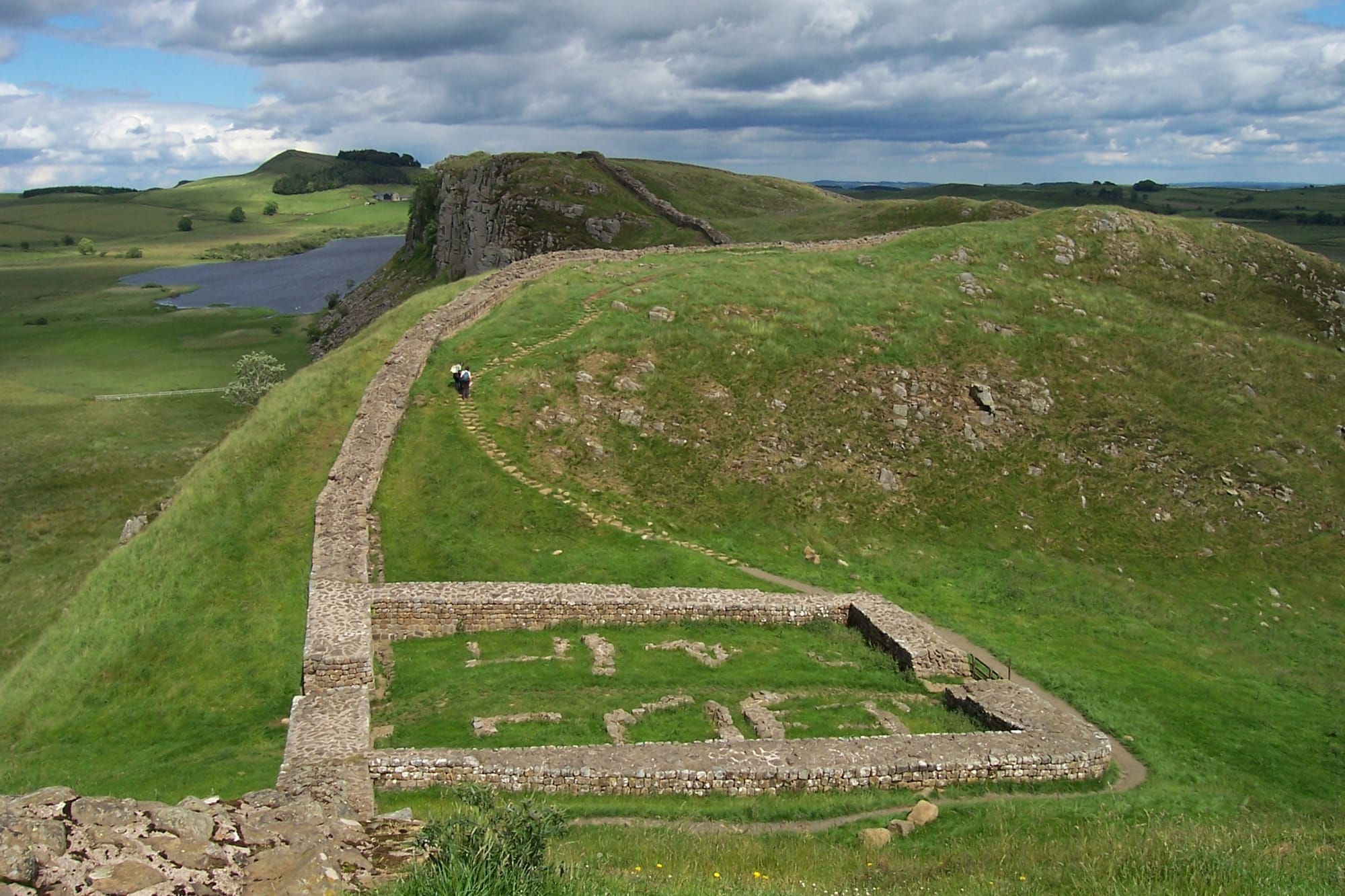
In this reconstruction, disruption of supplies to the frontier along Hadrian’s Wall helped explain failures of frontier security. Desertion and weakened command then made the countryside more vulnerable to raiding. The paper treated drought as a contributing pressure within a wider combination of circumstances, with food supply linking weather to military instability.
The later commentary challenges several steps in that sequence. It questions both the assumed farming regime and the use of Ammianus Marcellinus as confirmation of famine and rebellion. The disagreement concerns the historical support for the proposed chain of events, rather than simply whether the reconstructed summers were dry.
The Roman Account at the Centre of the Dispute
Ammianus supplies the central narrative of the crisis and the subsequent operations of Count Theodosius. The critical commentary stresses the circumstances of his writing: he composed his account after the events and praised the father of the later emperor Theodosius I. It argues that the narrative requires close attention to language and political context.
A crucial disagreement concerns a phrase describing Britain’s desperate condition. The original paper used it as evidence of famine. The commentary argues that the expression describes helplessness resulting from the disturbances, rather than documenting hunger as their cause. That reading directly challenges one of the textual supports used for the drought-to-conflict explanation.
The reply defends the original team’s historical reconstruction and its use of previous scholarship. On Saxon attacks, it cites a different passage in Ammianus describing repeated troubles in Britain. It also interprets the betrayal of Roman interests by frontier intelligence personnel as rebellion. These remain competing readings of the historical evidence within the published exchange.
Farming and Coin Hoards Complicate the Sequence
The commentary presents a more varied agricultural landscape than the original paper’s emphasis on spring sowing. It draws on archaeobotanical research to argue that sowing practices differed by region and that autumn sowing was probably more usual. Which crops were planted, and when, affects how an April–July rainfall deficit would translate into harvest losses.
It also emphasises grain-processing and storage facilities, taxation adjustments and state involvement in supplies. Such arrangements formed part of the province’s capacity to absorb poor harvests.
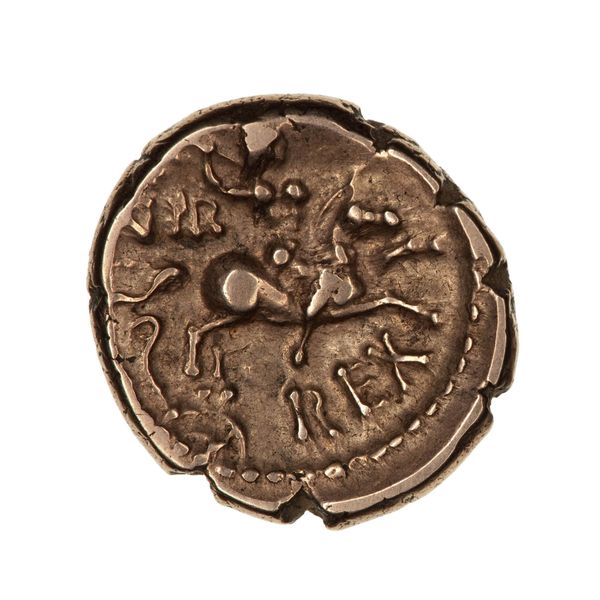
Buried money introduces a separate dating problem. The original study used coin hoards as supporting evidence of unrest. Its critics explain that the youngest coin establishes the earliest possible burial date, while deposition may have occurred much later. They also identify savings, ritual and other reasons for hoarding alongside responses to danger.
A Wider Pattern, and a Historical Question Still Open
The research extended beyond Britain to a compilation of 106 late Roman conflict events. The authors reported an association between western conflicts and preceding dry, warm summers. Their critics challenge the dataset’s completeness, its mixture of battles and other disturbances, and the geographical fit between some events and the selected climate records.
In response, the original team defends the statistical relationships and notes that the compilation draws on almost 300 ancient sources. It describes the investigation as exploratory and rejects an explanation based on a single inevitable cause. Both contributions support further work combining environmental reconstruction with rigorous analysis of historical evidence.
The oak chronology puts a sequence of dry growing seasons beside a major episode in Roman Britain’s history. The published debate focuses the next question on farming and institutions: how did changing rainfall affect the people and systems that supplied the army? Answering it will also help place the crisis of 367 within the longer history of the end of Roman government in Britain.



About the Roman Empire Times
See all the latest news for the Roman Empire, ancient Roman historical facts, anecdotes from Roman Times and stories from the Empire at romanempiretimes.com. Contact our newsroom to report an update or send your story, photos and videos. Follow RET on Google News, Flipboard and subscribe here to our daily email.
Follow the Roman Empire Times on social media: