
The Great Conspiracy of 367: When Roman Britain Nearly Collapsed
In 367, Roman Britain faced a major military crisis as Picts, Scots and Attacotti raided the provinces, commanders were lost and soldiers deserted. Count Theodosius was sent to restore Roman control.

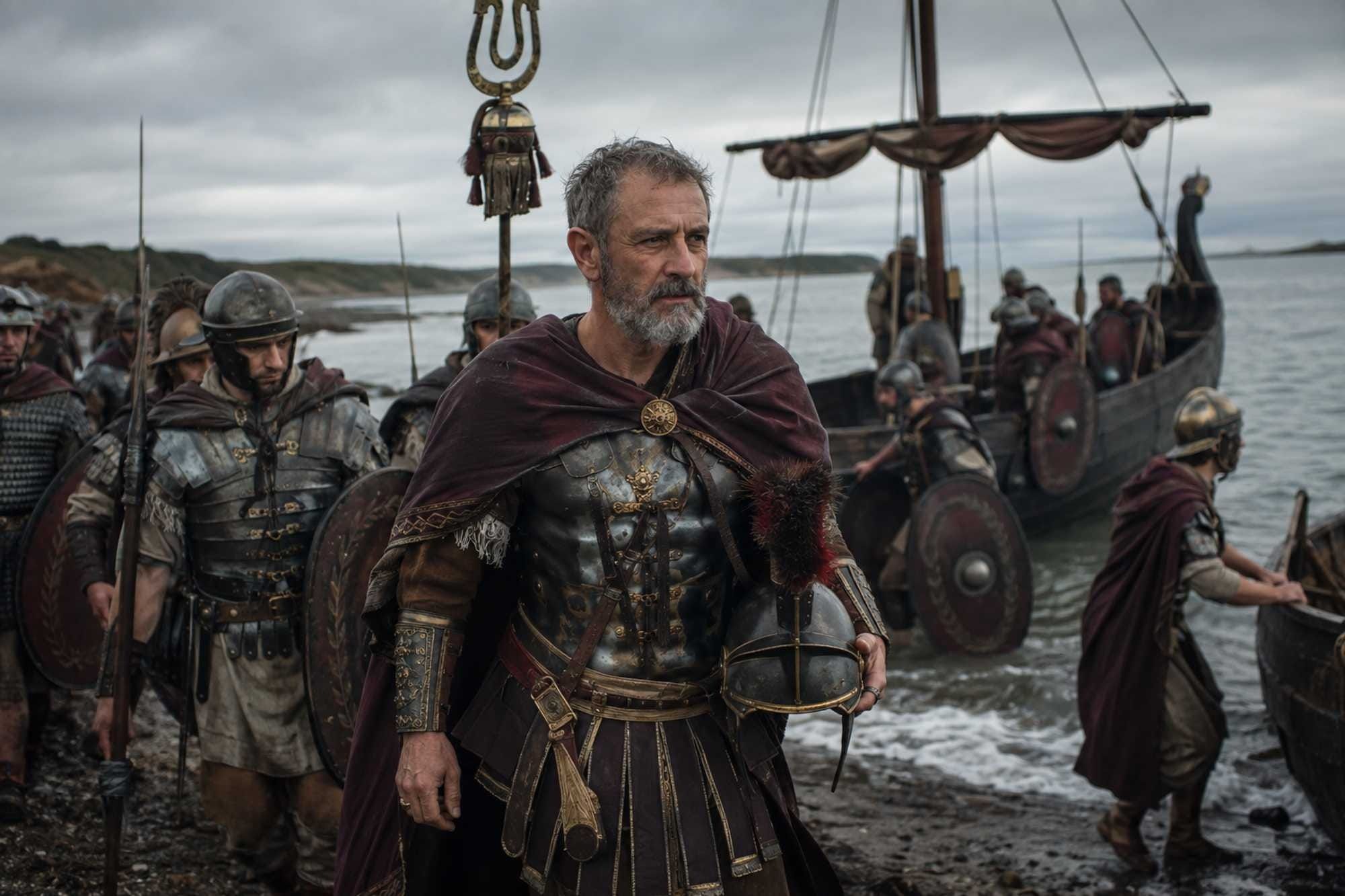
In the later fourth century, Roman Britain was struck by a crisis serious enough to force the imperial government to intervene repeatedly. By the time news reached Emperor Valentinian I, the island’s military command had already suffered severe losses. Nectaridus, the officer responsible for the coastal region, had been killed, while Fullofaudes, another senior commander, had fallen into an enemy ambush. Raiders were moving through the provinces, soldiers had deserted, and increasingly disturbing reports were reaching the imperial court.
Ammianus Marcellinus gave the emergency the name by which it is still known: the barbarica conspiratio, the “barbarian conspiracy.” His account opens with the alarming report received by Valentinian:
“Having set out then from Amiens and hastening to Treves, Valentinian was alarmed by serious news which showed that Britain was brought into a state of extreme need by a conspiracy of the savages, that Nectaridus, the commanding general of the seacoast region, had been killed, and that another general, Fullofaudes, had been ambushed by the enemy and taken prisoner.”
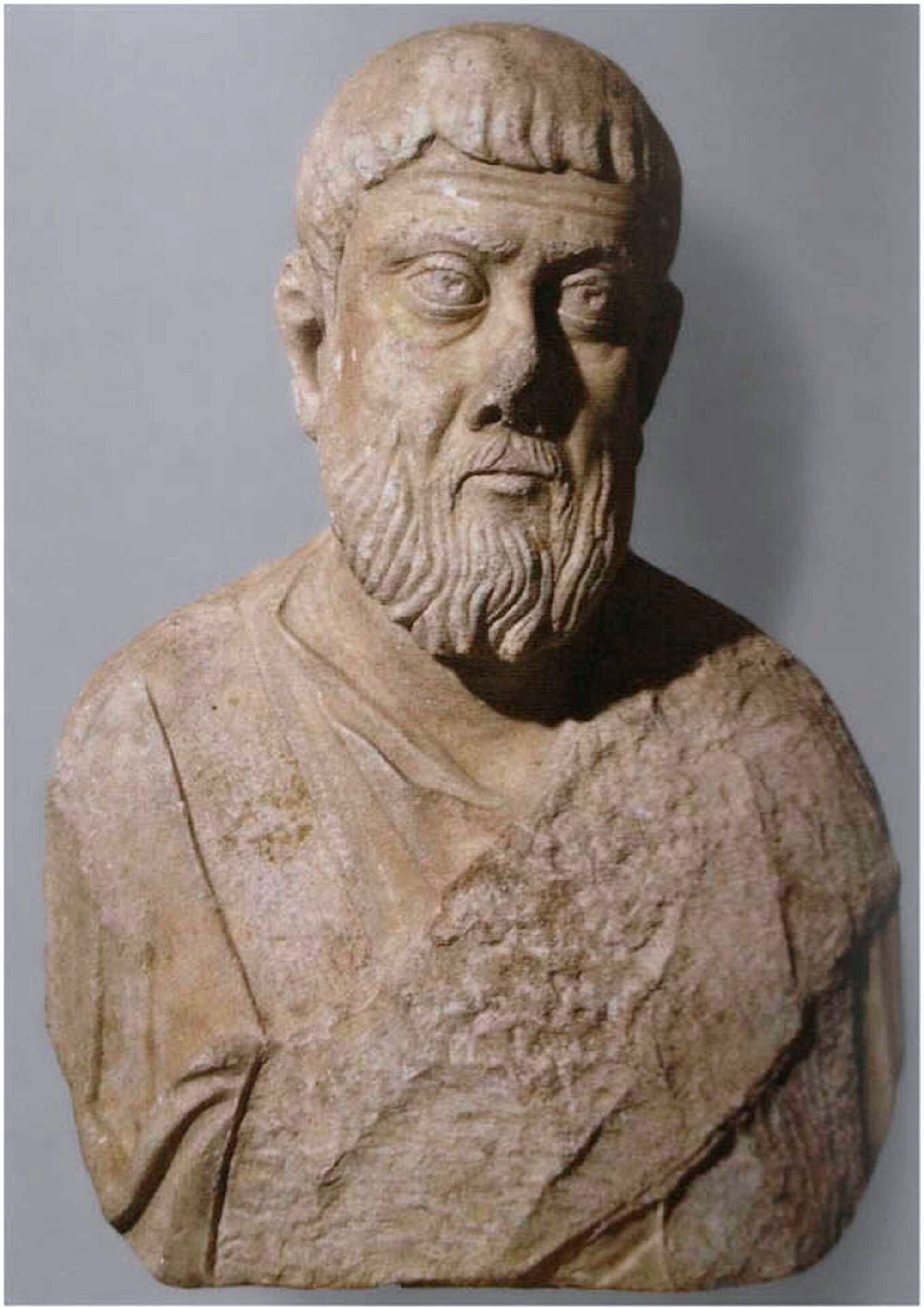
The description leaves little doubt that the situation was serious, but the word “conspiracy” has created a problem that remains unresolved. Ammianus describes Picts, Attacotti and Scots devastating Britain, while Franks and Saxons were attacking areas of Gaul. He does not describe representatives of these peoples meeting to arrange a common attack, identify a shared commander or agree upon a coordinated strategy. Nor does he explicitly say that the Frankish and Saxon forces operating in Gaul were also attacking Britain.
The surviving evidence therefore permits several reconstructions. The attacks may have formed part of a genuinely coordinated assault against Roman territory. They may instead have been overlapping waves of raiding, with different groups exploiting weaknesses created by attacks elsewhere.
What can be established much more securely is the scale of the Roman reaction. After earlier attempts failed to resolve the emergency, Valentinian eventually sent Count Theodosius, one of his experienced commanders and the father of the future emperor Theodosius I, together with troops drawn from the imperial field army.
Britain’s Military Command Was in Serious Trouble
The first reports reaching Valentinian revealed how badly the military situation had deteriorated. Nectaridus had been killed, while Fullofaudes had been caught in an enemy ambush. Ammianus does not give enough information to determine where these events occurred or whether they were part of a single attack. Even so, the removal of two senior officers at the height of the crisis indicates that Roman command had been seriously disrupted.
The enemy described by Ammianus was not a single people. He divides the Picts into two groups, the Dicalydones and Verturiones, and places alongside them the Attacotti and Scots. The precise origins of the Attacotti remain uncertain, while the Scots were associated with Ireland.
Ammianus describes these peoples ranging widely through Britain and causing extensive devastation rather than presenting them as one conventional army moving together through the provinces.
Across the Channel, a second wave of attacks was taking place. Frankish and neighbouring Saxon raiders were entering Gallic territory by land and sea. Ammianus describes robbery, burning and killing, but his geographical distinction is important: the Picts, Attacotti and Scots are associated directly with Britain, while the Franks and Saxons are associated directly with Gaul.
One reconstruction nevertheless considers Frankish and Saxon participation in Britain probable. Southeastern Britain had long been vulnerable to maritime raiding, and the coastal defensive system was an obvious target for forces approaching across the Channel and North Sea.
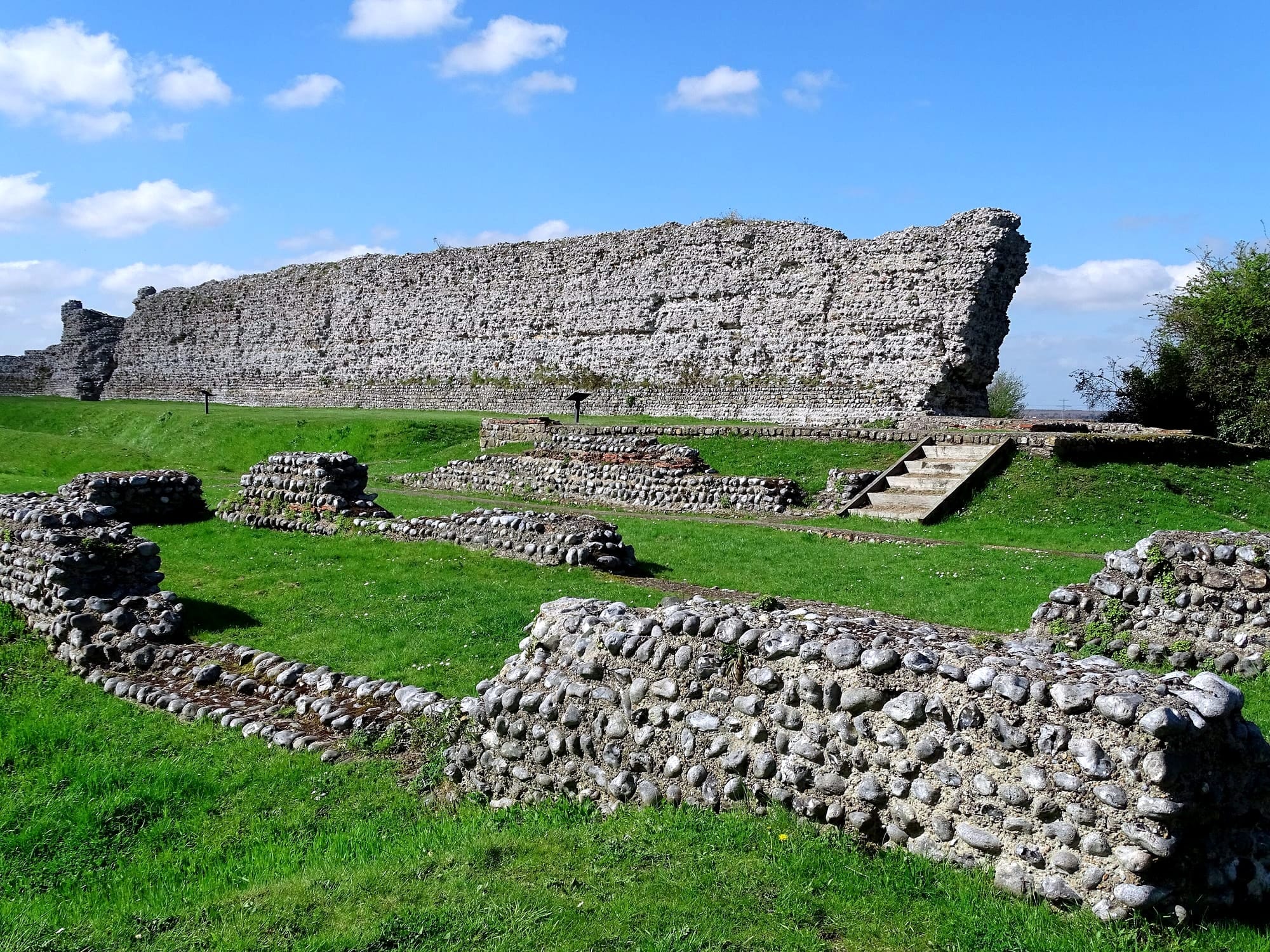
The route taken by Theodosius after landing at Richborough has also been used in support of the possibility that this region had been heavily affected. The argument is plausible, but it remains an interpretation of the evidence rather than something Ammianus explicitly states.
The archaeological record cannot provide a simple answer. Destruction and abandonment have been identified at numerous villas and settlements dating broadly to the later fourth century, and several have been connected with the events of 367–369. Some may indeed have suffered during the raids, but the dating is rarely precise enough to establish the connection securely.
Fire might have been accidental, settlements could have been abandoned for unrelated reasons, and a villa that was plundered but later reoccupied might preserve little archaeological evidence of the attack.
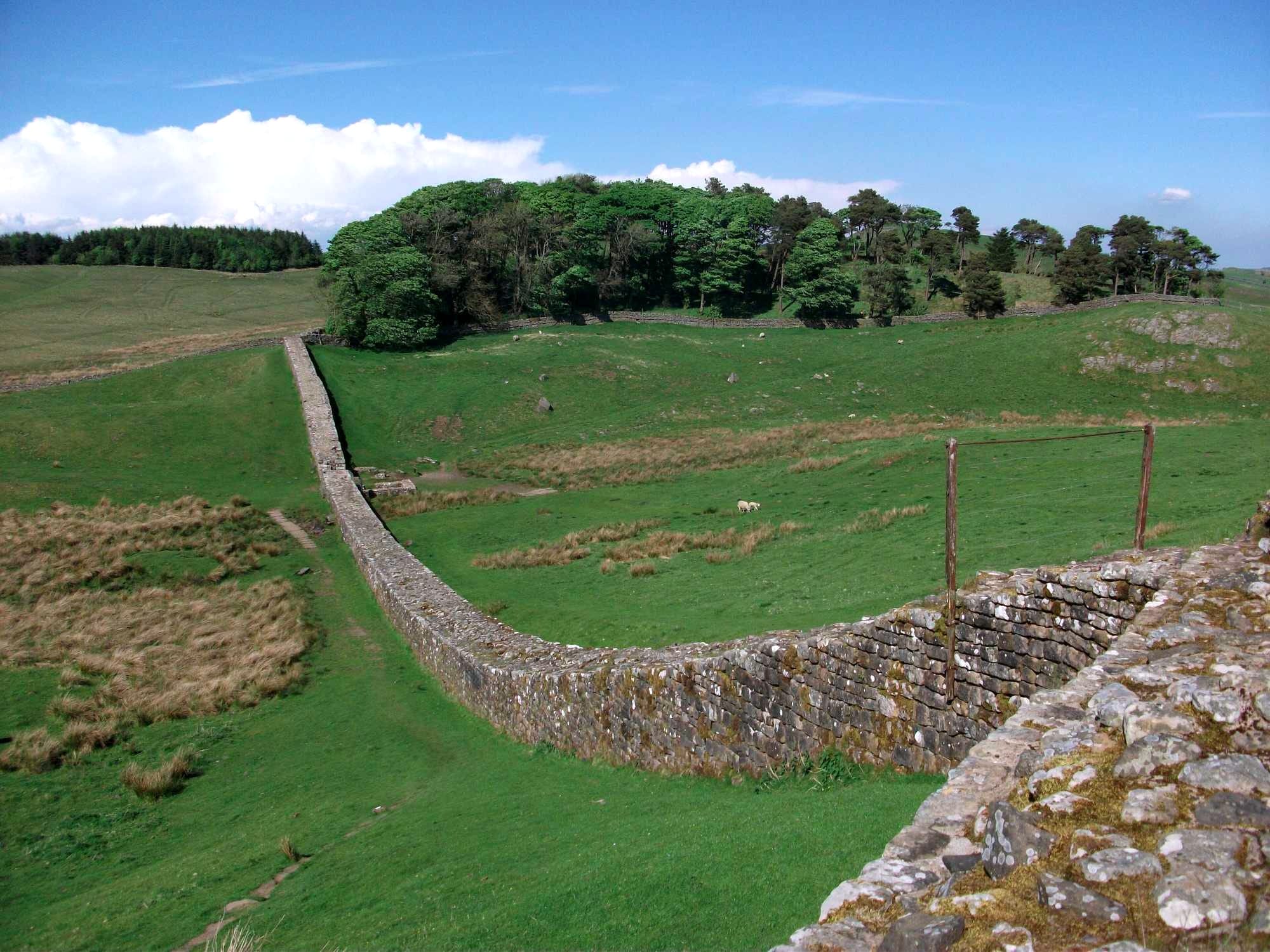
Hadrian’s Wall illustrates the difficulty particularly well. Earlier interpretations often linked widespread damage along the northern frontier directly with the conspiracy, yet the archaeology does not provide a straightforward destruction horizon that can confidently be assigned to the crisis.
The literary evidence demonstrates a serious military breakdown, but it does not justify using the conspiracy as an explanation for every archaeological disturbance dating to the later fourth century.
The condition of the army itself was another problem. Ammianus later refers to deserters scattered through Britain, while the scale of the subsequent recall suggests that the garrison had suffered substantial disruption. The surviving evidence does not reveal whether this followed one major defeat or a succession of smaller disasters, but the British army had clearly lost both manpower and cohesion by the time Theodosius began rebuilding it.
Valentinian I Escalates His Response
Valentinian did not immediately send Theodosius. His first response was to dispatch Severus, who at that time commanded the imperial household troops. Severus was soon recalled. Jovinus, one of Valentinian’s most senior military officers, was then involved, but the continuing reports from Britain indicated that stronger support would be necessary.
Theodosius was selected only after these earlier efforts. Ammianus describes him as already favourably known for his military service. His appointment was accompanied by the mobilisation of troops from outside Britain, demonstrating that the existing provincial forces could no longer be expected to restore the situation unaided.
Exactly when this sequence occurred remains disputed. One reconstruction moves the beginning of the crisis to June 367. It depends principally upon Valentinian’s movements in Gaul and on the different ranks Ammianus assigns to Severus at different moments. If the first news reached the emperor in June, there was enough time for Severus to be dispatched and recalled, Jovinus to follow him, and Theodosius to reach Britain before the campaigning season of 367 was over.
Under this chronology, Theodosius’s first campaign was comparatively short. He landed at Richborough, advanced to London and spent the winter there. The larger restoration then took place during 368, when he pursued the remaining raiders, restored towns and strongholds, dealt with internal unrest and reorganised the defensive system. On this reconstruction, Roman control was recovered in little more than a year.
An alternative chronology sees no need to compress the campaign so tightly. Theodosius could instead have reached Britain in 368, with his operations continuing into 369. The amount of work subsequently attributed to him was considerable. Raiders had to be dispersed, military manpower rebuilt, civil administration strengthened, cities and forts restored, frontier security re-established and territory recovered. A campaign extending across two campaigning seasons is therefore entirely compatible with the scale of the work described in the sources.
The surviving evidence does not allow the disagreement to be resolved conclusively. What it does show is that the Roman response escalated. Severus did not settle the emergency. Jovinus did not settle it. Theodosius was eventually sent with additional military resources because the situation in Britain required a considerably larger intervention.
Theodosius Crosses the Channel
Theodosius assembled his force at Bononia, modern Boulogne, before crossing the Channel to Rutupiae, modern Richborough. Ammianus names four units associated with his expedition: the Batavi, Heruli, Jovii and Victores. They belonged to the imperial field army rather than simply to Britain’s existing provincial garrison.
Their exact strength cannot be established. An estimate of around 2,000 soldiers has been proposed from the probable size of the four auxilia palatina, although the strength of individual units remains uncertain. The estimate should therefore not be treated as a firm figure.
What it does suggest is that Theodosius had not brought an enormous army to reconquer Britain. He arrived with a relatively compact and mobile reinforcement force that had to work with whatever Roman military resources could still be mobilised on the island.
The enemy he encountered on the road toward London also differed from the image of a great invading army. Ammianus describes predatory bands scattered through the countryside and burdened with captives, livestock and accumulated booty. Theodosius responded by dividing his own troops and striking these groups separately:
“There he divided his troops into many parts and attacked the predatory bands of the enemy, which were ranging about and were laden with heavy packs; quickly routing those who were driving along prisoners and cattle, he wrested from them the booty which the wretched tribute-paying people had lost.”
Most of what was recovered was restored to its previous owners, although Ammianus says that a small portion was distributed among the exhausted soldiers. The operation therefore appears less like a decisive battle against an invading army and more like the systematic clearing of raiding groups operating between Richborough and London.
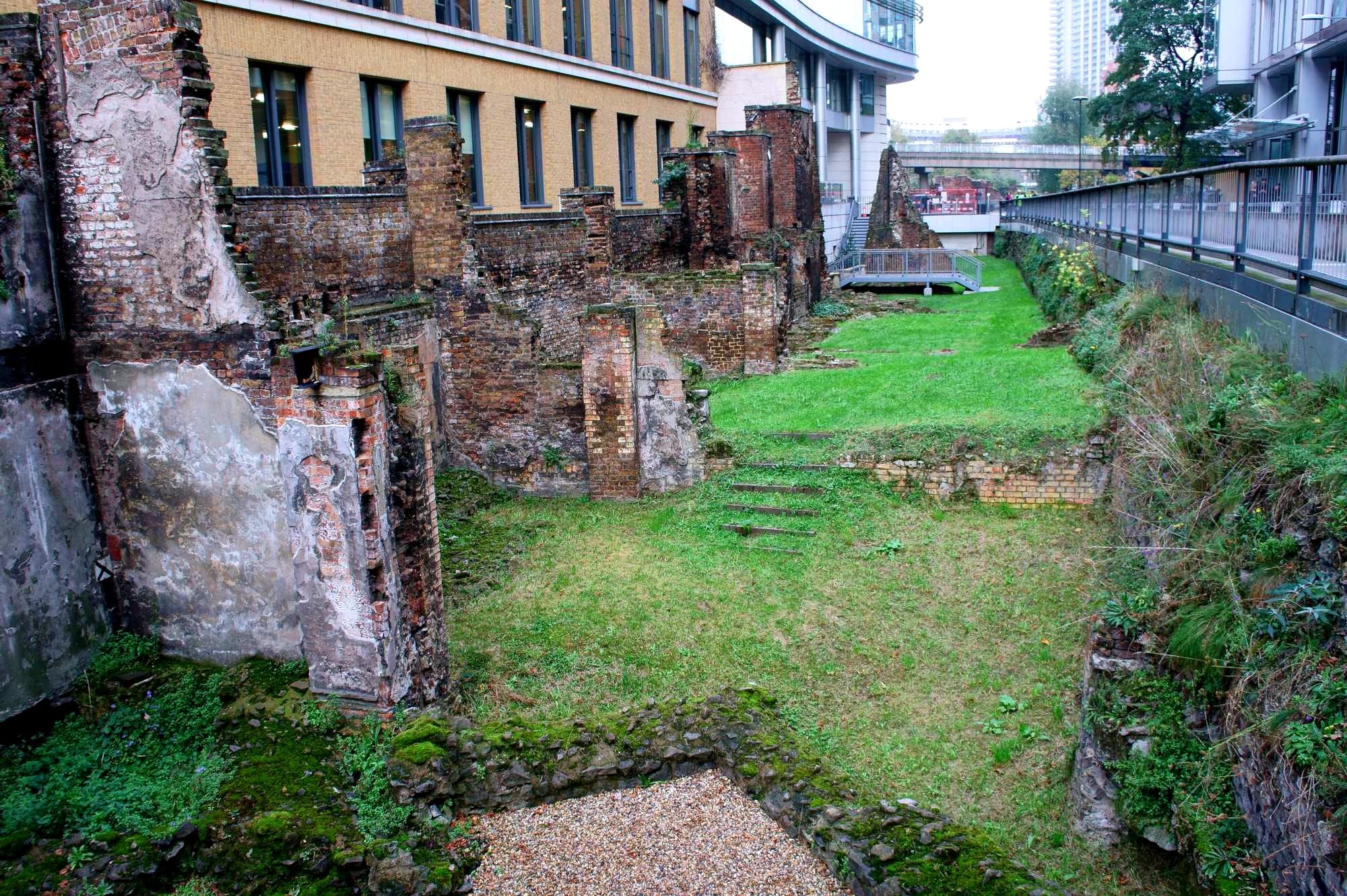
Theodosius then entered London. Ammianus says that the city had previously been plunged into very serious difficulties but had been restored more quickly than rescue could have been expected. He does not say that London had been captured or that it had undergone a formal siege. Its recovery nevertheless represented an important early stage in restoring Roman control and gave Theodosius a base from which to assess the wider situation.
Information obtained from prisoners and deserters showed that the remaining problem was substantial. The enemy was not gathered in one place where a single engagement could end the campaign. Ammianus describes the information reaching Theodosius:
“While he lingered there, encouraged by the successful outcome to dare greater deeds, he carefully considered what plans would be safe; and he was in doubt about his future course, since he learned from the confessions of the captives and the reports of deserters that the widely scattered enemy, a mob of various natives and frightfully savage, could be overcome only by secret craft and unforeseen attacks.”
The passage helps explain the character of the campaign that followed. Ammianus does not give us one great battle in which Theodosius destroyed the forces responsible for the conspiracy. He describes ambushes, attacks on dispersed groups and a prolonged effort to restore control over a wide area. The absence of a spectacular engagement should not therefore be confused with an absence of fighting.
Pardons, Deserters and an Army to Rebuild
Theodosius could not restore Britain simply by pursuing the raiders. He also had to rebuild the Roman forces expected to defend the island after his own field units eventually left.
Ammianus says that proclamations were issued offering pardon to deserters who returned to service. Soldiers who were absent on furlough were also recalled, and most responded. Rather than beginning the recovery with a large-scale punishment of men who had left their units, Theodosius gave them a way back into the army.
The measure shows the scale of the internal military problem. The exact events that had led to so much desertion are unknown, but the evidence has been interpreted as pointing to a disastrous defeat or a succession of defeats sufficiently severe to demoralise and disperse parts of the British garrison. The sources do not allow those missing engagements to be recreated in detail, and they should not be invented simply to explain the later state of the army.
Military recovery was accompanied by administrative reinforcement. Theodosius asked Valentinian to send Civilis to take charge of the civil government, while Dulcitius, whom Ammianus describes as distinguished for his knowledge of warfare, was brought into the military command. The recovery of Britain therefore involved more than defeating Picts, Scots and Attacotti. The civil and military structures responsible for governing the provinces had to be repaired together.
That instability became particularly clear when another conspiracy developed inside Britain. Valentinus, an exile from Pannonia, began attempting to recruit other exiles and soldiers into a plot against Roman authority. According to Ammianus, he offered rewards to men willing to join his plans, but the scheme was discovered before it could develop into a larger revolt.
Valentinus and a small number of close associates were handed over to Dulcitius and executed. Theodosius then deliberately stopped the investigation from spreading any further. Ammianus explains that he feared a wider inquiry would create alarm among large numbers of people and revive disturbances in provinces which had only recently begun to become quiet.
The plot was separate from the barbarica conspiratio, but its appearance during the recovery is important for understanding the condition of Roman Britain. Theodosius was not operating in provinces suffering only from external raids. Military desertion, administrative weakness and the possibility of internal revolt were all present at the same time.
The Campaign Beyond London
Once Theodosius had gathered additional manpower and strengthened the administrative structure, operations continued from London. Ammianus describes him leaving the city with a force he had assembled and personally participating in the difficult work of the campaign. He selected places suitable for ambushing the enemy and expected no task from ordinary soldiers that he was unwilling to undertake himself.
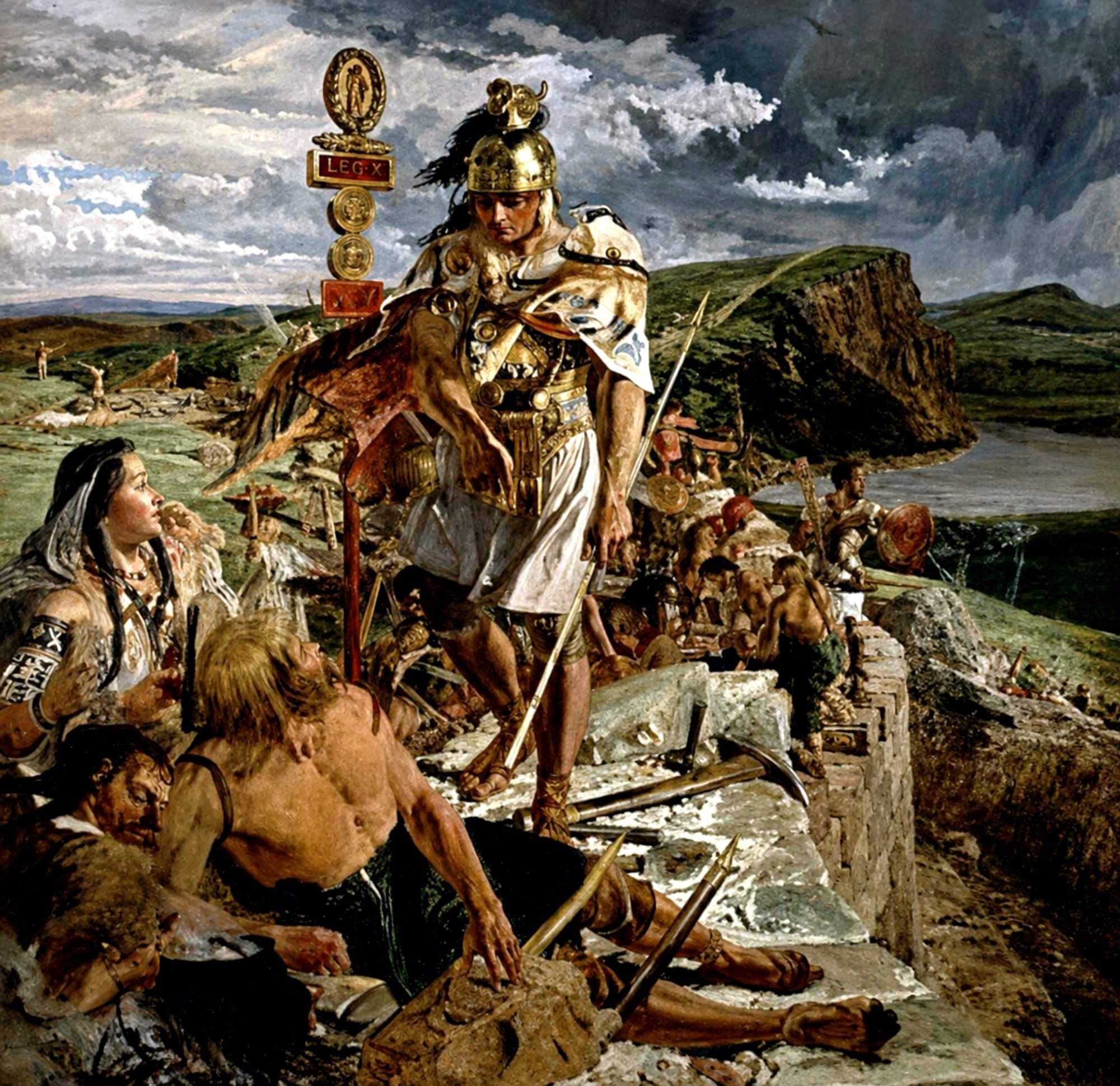
The fighting again appears as a campaign against mobile groups rather than a conventional war against a single concentrated army. Theodosius drove hostile peoples away and began restoring towns and strongholds damaged during the disturbances. Ammianus summarises the process:
“In this way, while he performed the duties of an active common soldier and observed the care of a distinguished general, after having routed and put to flight tribes which an insolence fostered by impunity was inflaming with a desire to attack the Romans, he completely restored the cities and strongholds which had been founded to secure a long period of peace, but had suffered repeated misfortunes.”
The surviving account does not identify those cities and strongholds individually. Later attempts to associate specific defensive works with Theodosius’s restoration therefore depend heavily on archaeological interpretation. Changes to coastal defences, signal stations, fortifications and urban walls have all been considered, but many cannot be dated closely enough to attribute them securely to these years.
There is nevertheless evidence for significant military reorganisation during the period. Defensive systems on the western and northeastern coasts have been connected with attempts to improve warning and response against maritime raiders.
The existing chain of installations in Cumbria may have been strengthened, while signal stations along the northeastern coast have also been associated with increased concern over seaborne attacks. These reconstructions remain more tentative than Ammianus’s broader statement that cities, strongholds and frontier security were restored.
The same caution is necessary when dealing with individual villas and settlements. Numerous destruction levels and abandonments have been proposed as traces of the conspiracy, particularly in western and southern Britain, but even the scholarship discussing these sites repeatedly acknowledges how difficult it is to distinguish hostile destruction from accidental fire, economic decline or rebuilding unrelated to the raids.
Valentia and the Restoration of Roman Control
Ammianus becomes clearer when describing the overall result of Theodosius’s work. Once the immediate danger had been removed, the general turned from active campaigning to the wider reconstruction of Britain’s defensive system. Cities and fortifications were repaired, the frontiers were guarded by sentinels and outposts, and territory previously lost to Roman control was recovered.
His account of the restoration is one of the most substantial descriptions of what Theodosius accomplished:
“Then, after the danger had been wholly removed, since it was common knowledge that propitious fortune had failed him in none of his undertakings, he turned his attention to making many necessary improvements, restoring the cities and defences, as we have said, and protecting the frontiers by sentinels and outposts. And so completely did he recover a province which had passed into the enemy's hands and restore it to its former condition, that, in the words of his report, it had a legitimate governor; and it was henceforth called Valentia, in accordance with the emperor's wish, who, one might almost say, celebrated an ovation in his joy on hearing the priceless news.”
Exactly what Valentia was remains uncertain. It has been placed in different parts of Britain and interpreted in several ways: as a newly created province, as territory separated from an existing administrative unit, as a renamed province, and even as a broader designation rather than a conventional new province. Ammianus provides too little geographical information to decide securely between these possibilities.
The statement that territory had passed into enemy hands is nevertheless significant. It indicates that the crisis was not confined simply to raiders entering Britain, stealing property and immediately departing. Some area had ceased to function under normal Roman administration sufficiently for Ammianus to describe its recovery and the appointment of a legitimate governor.
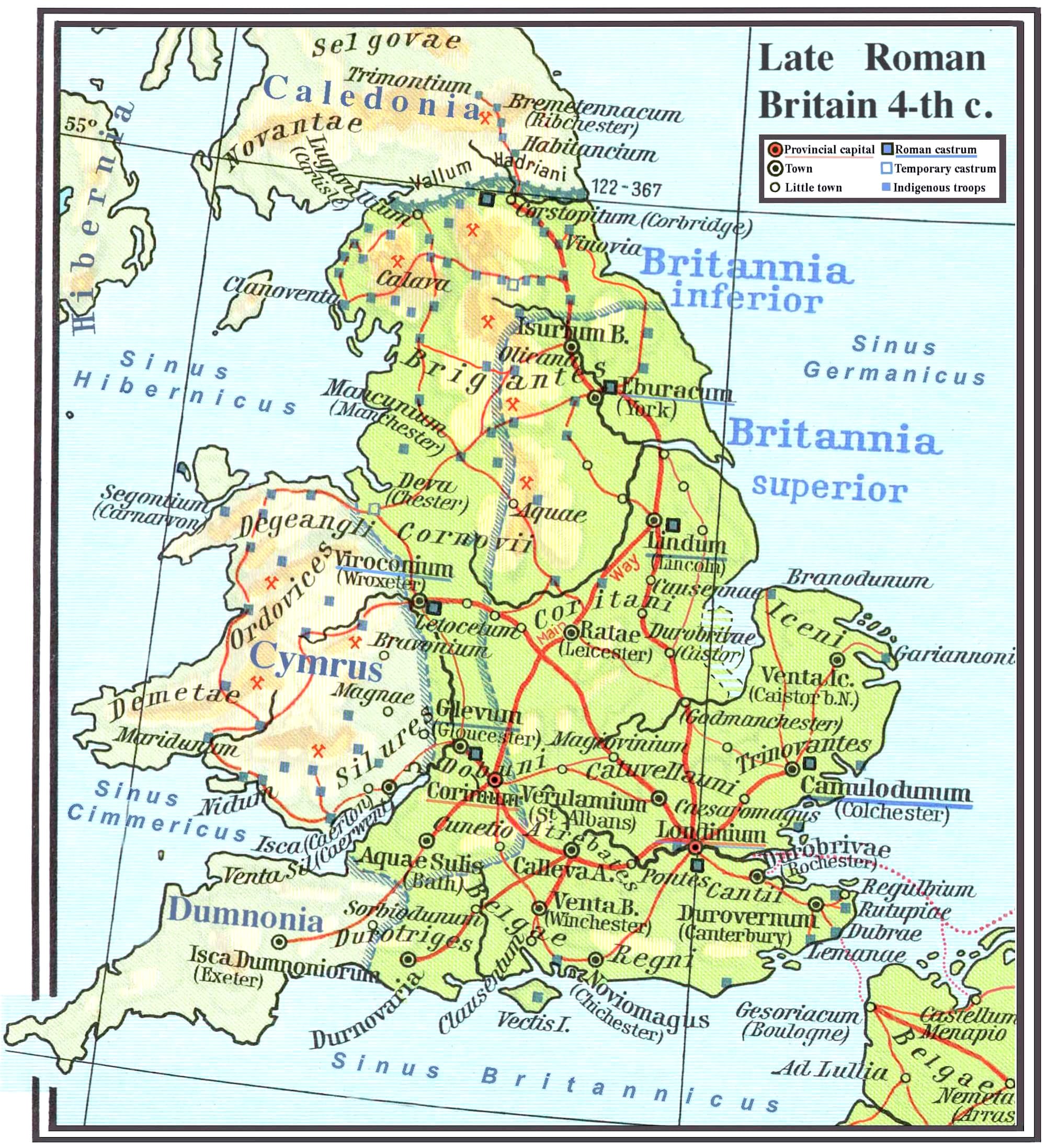
What cannot be established is exactly where that territory lay or how long it had been outside effective Roman control. Attempts to identify Valentia with specific northern or western regions remain reconstructions rather than information supplied by the ancient account itself.
A Compromised Roman Intelligence Network
As Theodosius rebuilt Britain’s military and defensive system, he also dealt with a serious failure in Roman intelligence. Ammianus refers to a group called the Arcani, although the alternative reading Areani has frequently been preferred. Their role required them to travel over substantial distances and report disturbances among neighbouring peoples to Roman commanders.
By the time of Theodosius’s campaign, the system had become compromised. Ammianus says that the men had accepted, or had been promised, booty in exchange for providing information to Rome’s enemies:
“In the midst of such important events the Arcani, a class of men established in early times, about which I said something in the history of Constans, had gradually become corrupted, and consequently he removed them from their posts. For they were clearly convicted of having been led by the receipt, or the promise, of great booty at various times to betray to the savages what was going on among us.”
Theodosius removed them from their positions. Ammianus then explains that their proper function had been to move over wide areas and inform Roman commanders about disturbances among neighbouring peoples.
The passage provides direct evidence that an intelligence network associated with the frontier had been corrupted. It does not, however, say that these men created the conspiracy, deliberately organised the attacks or arranged for invading forces to cross Roman defences. Their betrayal of information was part of the wider military breakdown, but the surviving source does not allow their role to be expanded beyond what Ammianus actually reports.
Their corruption nevertheless adds another element to the conditions Theodosius encountered. Britain’s difficulties involved enemy raids, the loss of commanders, desertion, weaknesses in civil and military administration, an internal conspiracy and the failure of men responsible for gathering frontier intelligence. The recovery described by Ammianus was therefore a reconstruction of the mechanisms of Roman control as much as a sequence of victories over external attackers.
Was There Really One Great Conspiracy?
The familiar modern expression “Great Conspiracy” can make the events sound more clearly organized than the surviving evidence permits. Ammianus unquestionably uses the word conspiratio, and he unquestionably presents Roman Britain as suffering an extreme emergency.
Several peoples were attacking Roman territory during approximately the same period, while the provincial command structure had suffered serious disruption.
What his account does not contain is the mechanism that would turn those attacks into a demonstrably coordinated military coalition.
Picts, Attacotti and Scots are explicitly described devastating Britain. Franks and Saxons are explicitly described attacking Gaul. No surviving passage describes representatives of all these peoples negotiating an alliance, choosing common commanders, deciding upon targets or synchronizing their movements.
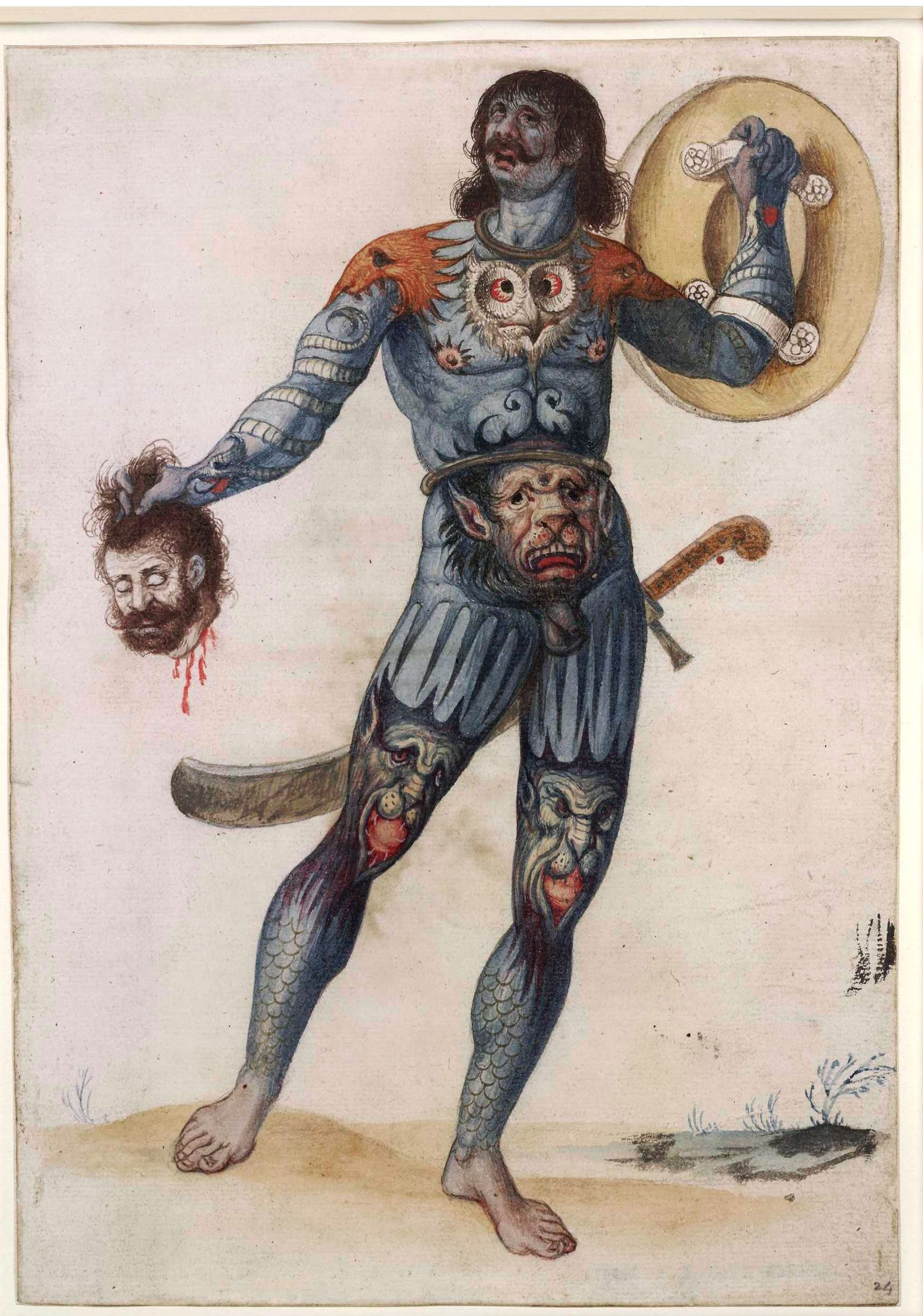
This does not mean coordination was impossible. Different groups may have known about Roman weakness and deliberately exploited it. Maritime raiders could have shared information, timed attacks to coincide with pressure elsewhere, or taken advantage of the collapse of coastal and frontier intelligence. A coordinated multi-front assault is therefore one possible reconstruction, and some of the surviving scholarship regards it as the most convincing explanation.
Other interpretations are more sceptical. The events may instead have represented several contemporary waves of raiding and military disturbance that became grouped together in Ammianus’s narrative. One reading treats conspiratio less as evidence for a formal alliance and more as a way of describing the coincidence of several threats in time and space.
The most sceptical interpretations go further, questioning whether the episode later acquired greater prominence because its suppressor became the father of an emperor. That possibility cannot simply be dismissed, because Ammianus’s presentation of Theodosius is conspicuously favourable and the later literary tradition became progressively more celebratory. At the same time, the Roman reaction makes it difficult to reduce the episode to a minor nuisance.
Senior commanders had been removed, soldiers had deserted, troops were brought from the continental field army, administrative officials were replaced or reinforced, defences were restored, frontier intelligence was reorganised, and territory was recovered. Whatever degree of coordination existed among the attackers, the Roman authorities were responding to a substantial military and governmental emergency.
Theodosius Becomes the Hero of the Story
A final problem lies in the way the story was remembered. The general who recovered Britain was not merely another fourth-century Roman commander. His son later became Emperor Theodosius I, and the achievements of the elder Theodosius became part of the prestige surrounding the ruling dynasty.
Ammianus already presents him admiringly. After describing the British restoration, he compares Theodosius with the celebrated Republican commanders Furius Camillus and Papirius Cursor. The provinces are said to have rejoiced at his departure, and he returned to the imperial court to receive praise and promotion.
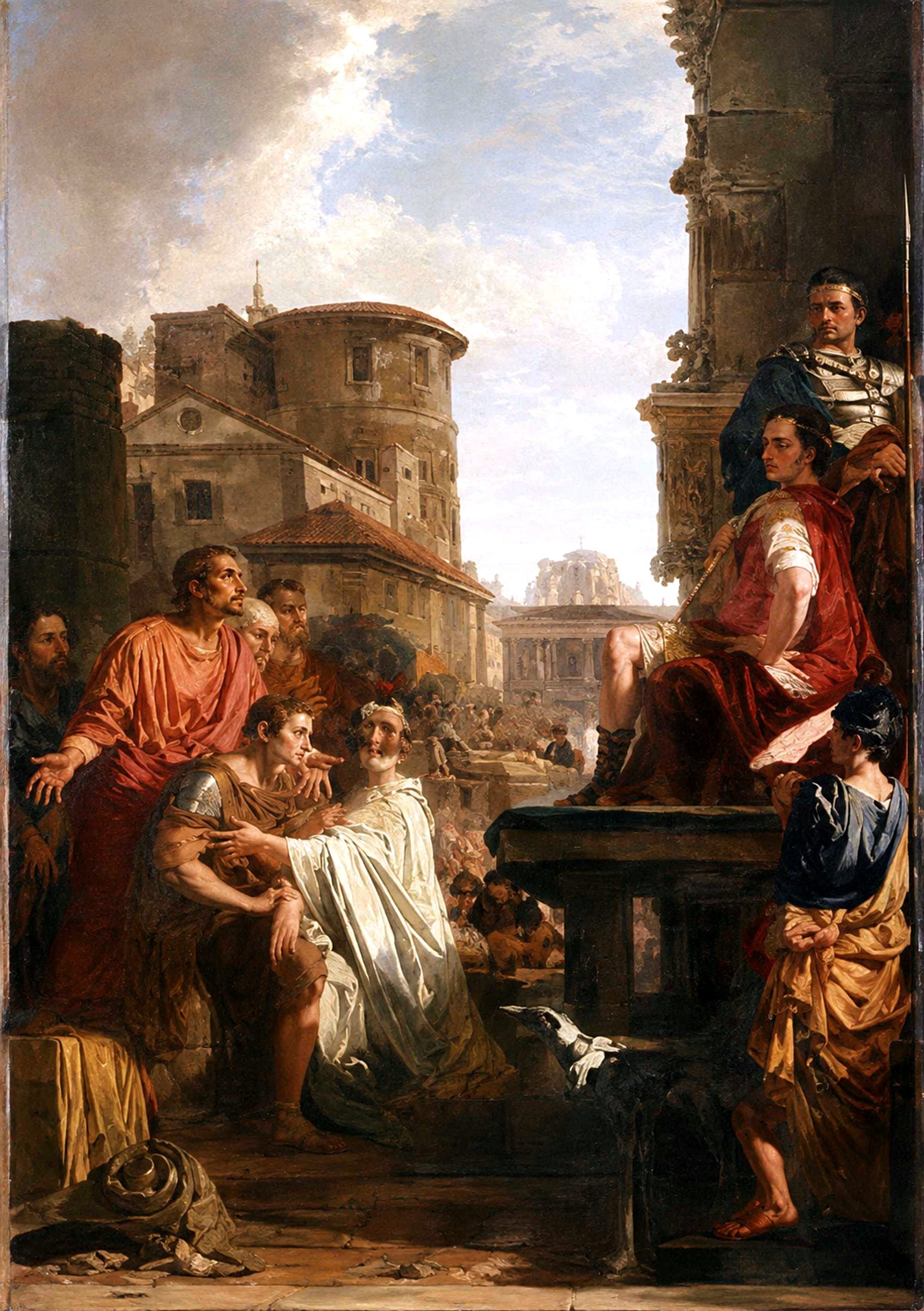
Symmachus later records senatorial honours commemorating Theodosius’s campaigns in Britain and Africa. By the 380s, the British campaign was therefore already part of his publicly celebrated military reputation. Later panegyric carried the claims considerably further.
By 398, Claudian was writing about the achievements of the elder Theodosius while celebrating his grandson Honorius. The result was a much more spectacular version of the British campaign:
“'Twas he who pitched his camp amid the snows of Caledonia, who never doffed his helmet for all the heat of a Libyan summer, who struck terror with the Moors, brought into subjection the coasts of Britain and with equal success laid waste the north and the south. What avail against him the eternal snows, the frozen air, the uncharted sea? The Orcades ran red with Saxon slaughter; Thule was warm with the blood of Picts; ice-bound Hibernia wept for the heaps of slain Scots.”
The language is striking, but its context has to be respected. Claudian was writing approximately three decades after the British crisis in a panegyric celebrating a dynasty descended from the commander whose achievements he describes. Caledonia, the Orkneys, Thule and Ireland cannot therefore be converted automatically into a literal itinerary of Roman campaigning.
The later evidence has nevertheless encouraged the possibility that some of this language might preserve memories of operations omitted from Ammianus’s compressed account. Punitive action against Pictish groups and maritime pursuit of raiders have both been considered, while the references to Ireland have prompted discussion of whether Roman naval forces may have pursued Scots towards their homeland. Even such interpretations do not provide evidence for a regular Roman invasion or conquest of Ireland.
The contrast with Ammianus remains important. Ammianus certainly praises Theodosius, but the actions he actually describes are far more practical. The general divides his forces to attack raiding groups, recovers prisoners and stolen property, recalls deserters, requests new civil and military officials, prepares ambushes, suppresses an internal plot, restores towns and strongholds, reorganises the frontier and removes a compromised intelligence network.
That more detailed account gives us a recovery based not upon one spectacular victory but upon a series of military and administrative measures carried out across a province whose mechanisms of defence had badly deteriorated.
Britain After the Conspiracy
By the end of the campaign, Roman government in Britain had survived the emergency. Raiders had been dispersed, military manpower had been restored, administration had been strengthened, towns and strongholds had been repaired, frontier protection had been reorganised and compromised intelligence personnel had been removed. A province described as having passed into enemy hands was again under Roman government and carried the name Valentia.
Important questions remain unanswered. The chronology of Theodosius’s operations cannot be established beyond dispute. The exact location and nature of Valentia remain uncertain. The archaeological evidence cannot provide a secure map of every area affected, and the role played by Saxons and Franks inside Britain itself remains a matter of reconstruction rather than explicit testimony.
Most importantly, the evidence does not reveal exactly what Ammianus meant by the barbarica conspiratio. The crisis involved several different enemies, but no surviving source describes the negotiations or shared command structure that would demonstrate a formal coalition. At the same time, the losses suffered by Roman command and the scale of the imperial response make clear that Britain was facing considerably more than an ordinary season of frontier raiding.
The later reputation of Theodosius complicates the picture further. Ammianus already admired him, and writers working under his descendants transformed the British campaign into an increasingly impressive family achievement. Those later accounts cannot simply be rejected, but neither can their panegyrical geography be read as straightforward military reporting.
What survives is therefore a serious but imperfectly documented crisis. Roman Britain experienced attacks from several directions at a moment when its military command, manpower, administration and intelligence system were all under severe strain. Theodosius restored Roman control through a mixture of mobile warfare, recruitment, administrative reconstruction and defensive reorganisation.
Ammianus called those events the barbarica conspiratio. That name is certain. Whether the peoples attacking Rome had actually constructed the single, carefully coordinated “Great Conspiracy” the expression can suggest remains something the surviving evidence does not allow us to establish with the same confidence.
Roger Tomlin, “The Date of the ‘Barbarian Conspiracy’,” Britannia 5 (1974), 303–309.
R. C. Blockley, “The Date of the ‘Barbarian Conspiracy’,” Britannia 11 (1980), 223–225.
David Álvarez-Jiménez, “Ammianus and Theodosius I concerning the Barbarica Conspiratio,” in The Theodosian Age (A.D. 379–455): Power, Place, Belief and Learning at the End of the Western Empire (2013).
Ammianus Marcellinus, Res Gestae XXVII.8 and XXVIII.3, trans. J. C. Rolfe.
Claudian, Panegyric on the Fourth Consulship of the Emperor Honorius, trans. Maurice Platnauer.
Symmachus, Relationes 9 and 43.
About the Roman Empire Times
See all the latest news for the Roman Empire, ancient Roman historical facts, anecdotes from Roman Times and stories from the Empire at romanempiretimes.com. Contact our newsroom to report an update or send your story, photos and videos. Follow RET on Google News, Flipboard and subscribe here to our daily email.
Follow the Roman Empire Times on social media: