
The Secular Games: Ludi Saeculares
Once in a lifetime, Rome celebrated the beginning of a new age. For three days and nights, extraordinary rituals and spectacles brought the city together in a festival unlike any other.

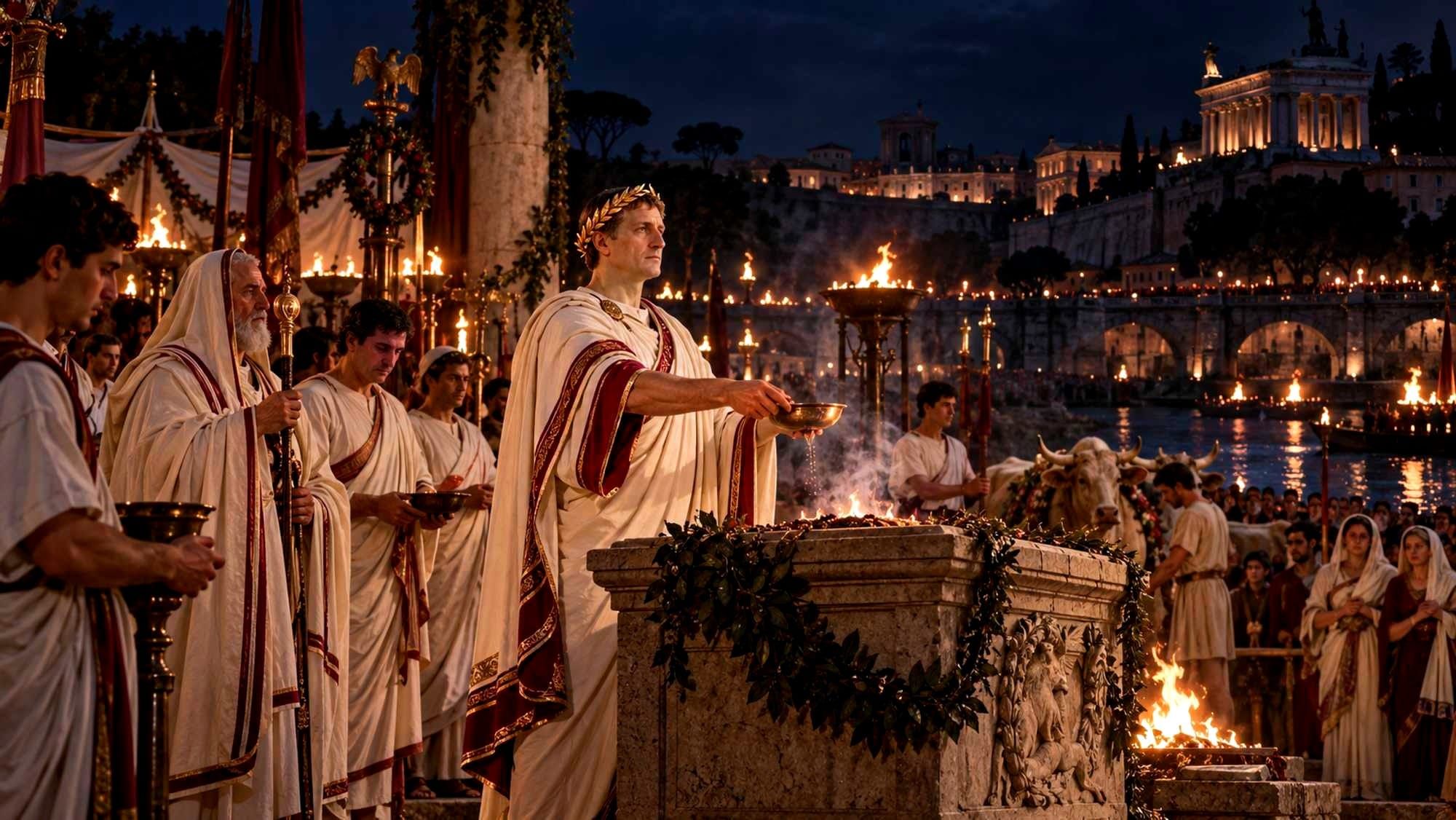
In 17 BC, Rome prepared for a celebration unlike its ordinary annual festivals. For three nights and three days, sacrifices, prayers, theatrical performances and religious ceremonies would mark the passing of one age and the beginning of another. The occasion was known as the Ludi Saeculares, or Secular Games, and Roman tradition held that a person should experience them only once in a lifetime.
The emperor Augustus presided over the celebrations alongside Marcus Agrippa, while priests, married women and specially selected children took part in ceremonies held across the city. Some rituals took place beside the Tiber, where the festival's oldest traditions were rooted. Others were performed on the Capitoline and Palatine hills, and the religious programme was accompanied by public entertainment that continued after the principal ceremonies had ended.
The Games had a history reaching back into the Roman Republic, although their earliest origins were surrounded by different traditions. Under Augustus, they became an elaborate public celebration of Rome's continued existence and its hopes for future generations.
The Legend of Valesius and the Underground Altar
One of the best-known accounts of the Games' origins concerned a Sabine man named Valesius, an ancestor of the Roman Valerian family. According to the story preserved by Valerius Maximus and Zosimus, his three children fell dangerously ill during a period when disease afflicted the surrounding countryside. Desperate to save them, Valesius prayed to the gods for help.
"When Rome and its countryside were being devastated by a tremendous pestilence, a rich man called Valesius, rustic in his style of life, had two sons and a daughter sick to the despair of the doctors. As he was getting hot water for them from the hearth, he fell on his knees and prayed to the household gods that they transfer the children’s peril onto his own head.
A voice then was heard, saying that he would have his children safe if he brought them forthwith down the river Tiber to Tarentum and there refreshed them with water from the altar of Dis Pater and Proserpine." -Valerius Maximus, Book II 4.5
He received instructions to take the children to Tarentum, obtain water from the Tiber and heat it before giving it to them. Believing that he had to travel to the Greek city of Tarentum in southern Italy, Valesius set out with his children. When he reached the Campus Martius beside the river, however, he learned that a place there was also called Tarentum.
The children drank the warmed water and recovered. Afterwards, Valesius discovered an altar buried beneath the ground, dedicated to Dis Pater and Proserpina, the rulers of the underworld. He offered sacrifices to the two deities and held celebrations over three nights.
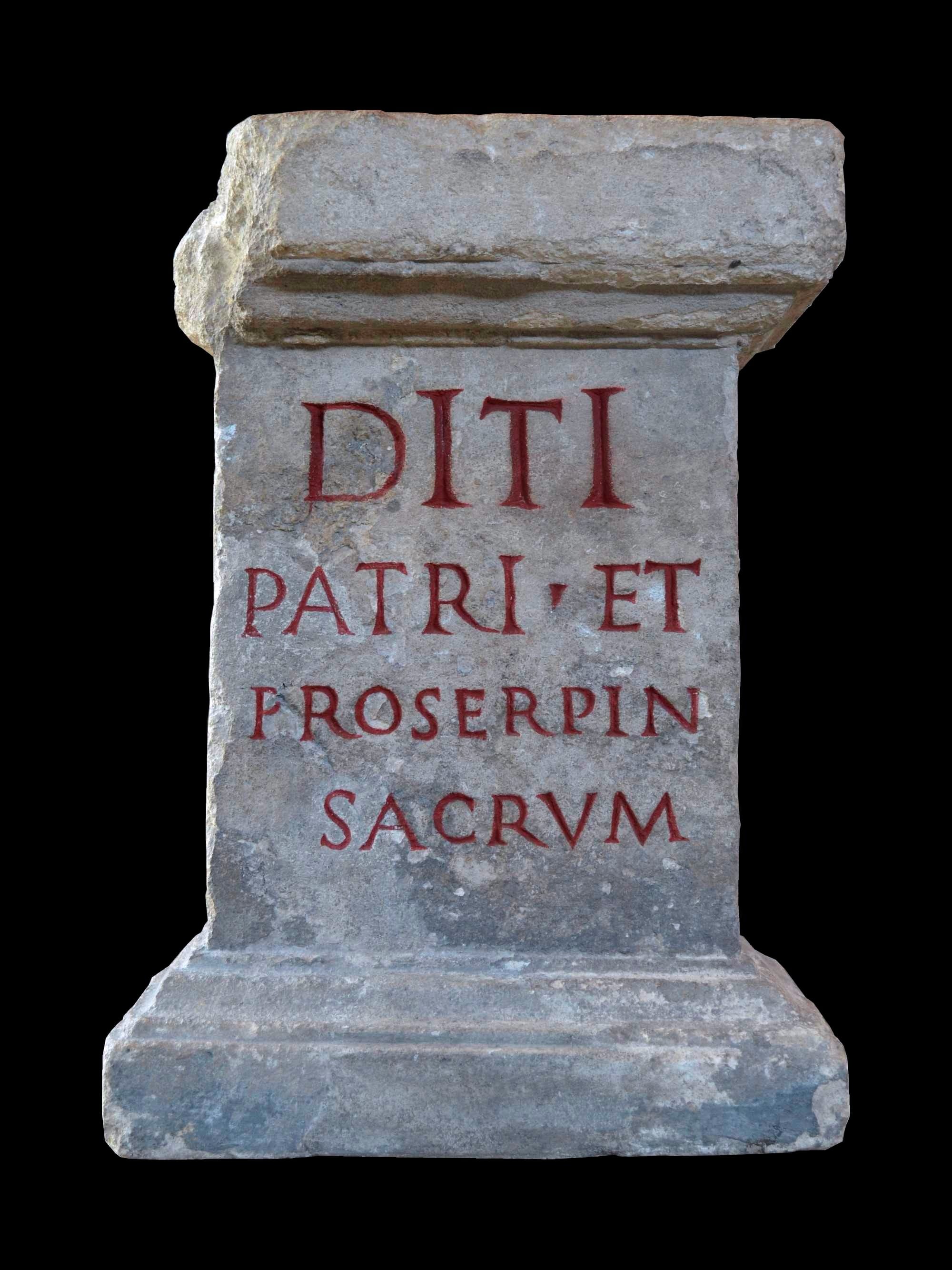
The story associated the festival with the protection of children, recovery from illness and a sacred place beside the Tiber. Another tradition attributed ceremonies at the same location to Publius Valerius Publicola, one of Rome's earliest Republican consuls, who was said to have sought divine assistance during a period of widespread illness.
The Valerian family remained closely associated with the traditions surrounding the Tarentum. The underground altar, the miraculous recovery of Valesius's children and Publicola's ceremonies became part of the legendary history through which Romans explained the origins of the Secular Games.
From the Republican Rites to the Secular Games
The earliest securely recorded public predecessor of the imperial Secular Games belongs to 249 BC, during the First Punic War. The Romans had experienced alarming portents, including damage to part of the city's walls by lightning, and the authorities consulted the Sibylline Books for religious guidance.
According to the tradition preserved by Varro, the prescribed ceremonies were called Ludi Tarentini. They took place over three nights in the Campus Martius, with dark-coloured sacrificial animals offered to Dis Pater and Proserpina. The rites were administered under the supervision of the decemviri sacris faciundis, the priestly College of Ten responsible for consulting the Sibylline Books.
Roman historical traditions also record another celebration in the middle of the second century BC, variously dated to 149 or 146 BC. An earlier celebration was attributed to 348 BC, during the consulship of Marcus Valerius Corvus, although its connection with the later Secular Games is less certain.
The Republican rites centred on nocturnal sacrifices to the underworld deities. The extensive programme of daytime ceremonies, public participation and processions known from Augustus's celebration belonged to the festival's subsequent development.
The idea of recurring celebrations became associated with the passage of a long period of time. Under Augustus, the Games were organised around a cycle of 110 years, a span understood to exceed an ordinary human lifetime. The ceremonies would mark the end of one saeculum and the beginning of another.
Augustus Prepares Rome for a New Age
The celebration of 17 BC was organised with considerable care. Augustus and Agrippa belonged to the quindecimviri sacris faciundis, the College of Fifteen responsible for the Sibylline Books, and the Roman Senate issued decrees concerning the festival's financing, arrangements and participants.
Much of this preparation survives in an extensive inscription recording the proceedings. Its fragments preserve decrees, public announcements, lists of priests, sacrificial prayers and descriptions of the ceremonies themselves.
Before the Games began, members of the priestly college distributed suffimenta, materials intended for ritual purification, to members of the population. They also received offerings of agricultural produce known as fruges. The distribution and collection took place at designated locations around the city, including the Capitoline, Palatine and Aventine.
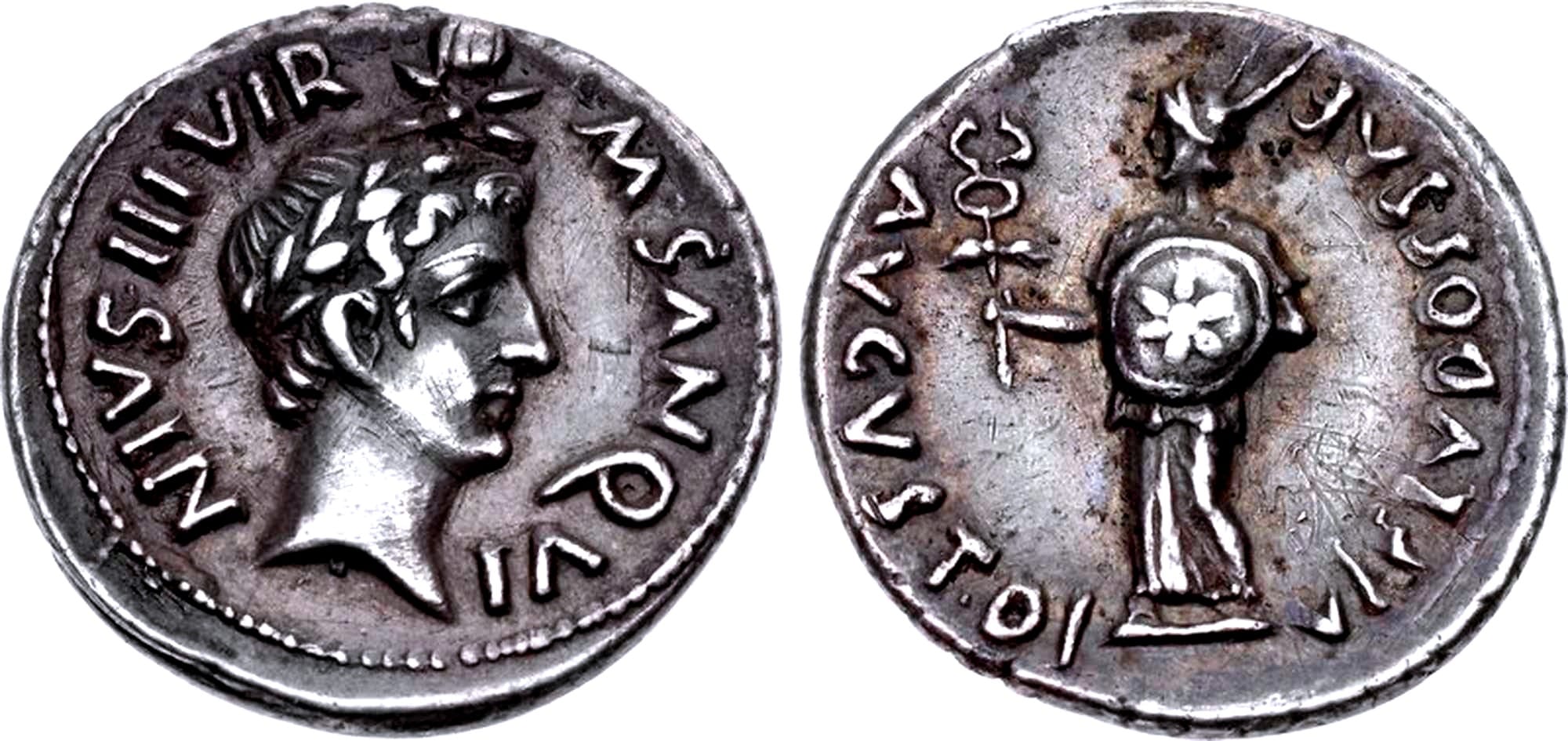
The organisers made special provisions so that the celebrations could be properly attended. One senatorial decree temporarily relaxed restrictions on unmarried people attending public spectacles, while another ordered that an official record of the Games should be inscribed on bronze and marble.
Women received particular attention in the arrangements. A public announcement instructed matrons to suspend their mourning observances during the festival, allowing them to participate in the ceremonies. Their presence was essential to an occasion in which marriage, childbirth and the continuation of Roman families occupied such an important place.
The principal celebrations began during the night leading into 1 June and continued through 3 June. Each night brought sacrifices beside the Tiber, while the daytime ceremonies took place at Rome's major temples.
The First Night: Sacrifices Beside the Tiber
The opening sacrifices were performed at the Tarentum in the Campus Martius, the location associated with the festival's oldest traditions. Augustus offered nine female lambs and nine female goats to the Moirae, the Fates, following the prescribed Greek rite. The animals were offered as whole burnt sacrifices.
The accompanying prayer invoked divine favour for the Roman people, their security, their military strength and the welfare of the state. Augustus also included petitions for himself, his household and the priestly college responsible for the ceremonies.
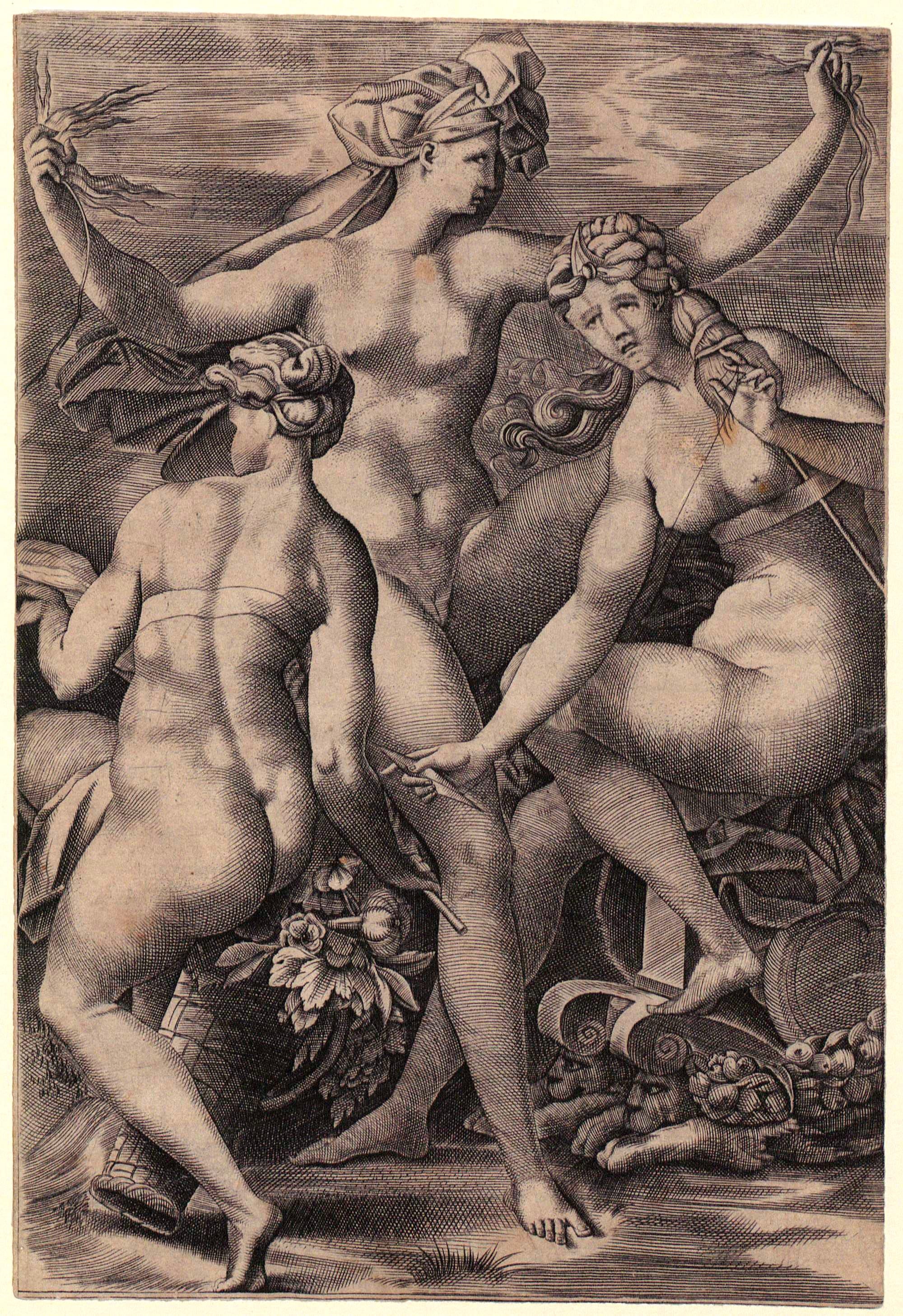
After the sacrifice, theatrical performances were presented on a stage beside the Tiber. No theatre was attached to the stage, and no seats had been placed for spectators, preserving an arrangement different from the permanent theatrical buildings available elsewhere in Rome.
The same night included the participation of 110 matrons, who performed sellisternia in honour of Juno and Diana. These observances involved preparing ceremonial places for the goddesses and participating in ritual meals offered in their honour.
The women's participation continued throughout the festival. Their ceremonies accompanied the principal sacrifices and occupied an important place in the religious programme concerned with the welfare of Rome and its future generations.
The First Day: Jupiter on the Capitoline
On 1 June, the celebrations moved to the Capitoline Hill, where Jupiter Optimus Maximus received the principal daytime sacrifice. Augustus and Agrippa each offered a bull to the god, bringing the ceremonies to one of Rome's most important religious sanctuaries.
The prayers requested the continued protection of the Roman people and the preservation of their state. The ceremonies linked the older sacred site beside the Tiber with the Capitoline, where Jupiter occupied a central position in Rome's public religion.
The day's programme also included theatrical entertainment in a temporary wooden theatre erected near the river. Latin performances formed part of the celebrations, while the religious observances of the women continued alongside the public entertainment.
During the following night, Augustus returned to the Tarentum to make offerings to the Ilithyiae, the goddesses associated with childbirth. Rather than animal victims, he presented three kinds of sacrificial cakes, nine of each, making twenty-seven offerings in total.
The attention given to childbirth was consistent with the festival's wider emphasis on family life and future generations. Rome's prosperity was represented not only through the strength of its state but also through the continued birth and upbringing of its children.
The Second Day: The Women Pray to Juno
On 2 June, Agrippa conducted the daytime ceremonies on the Capitoline. He sacrificed a female bovine animal to Juno Regina, one of the principal goddesses of the Roman state.
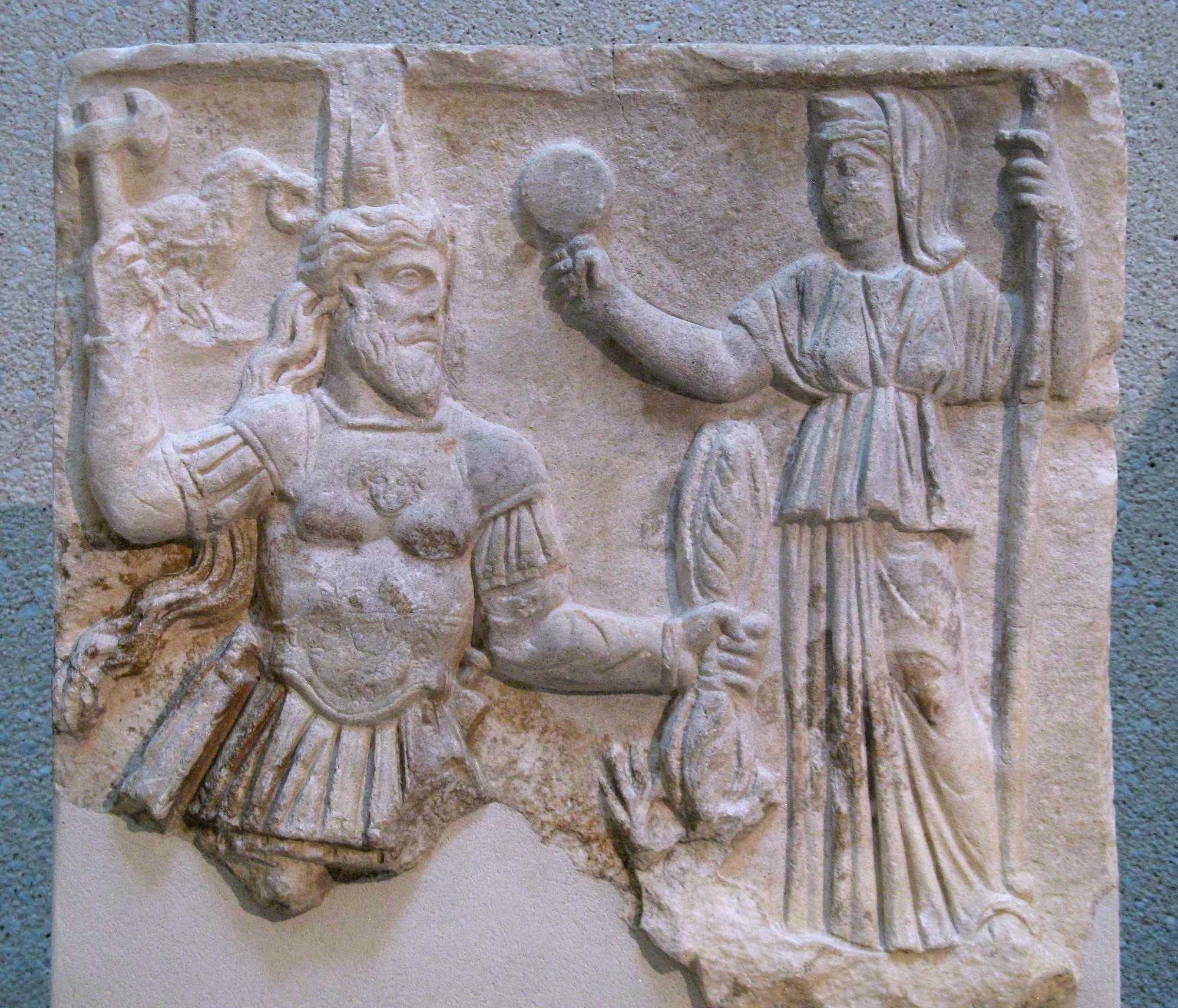
A particularly important observance followed the sacrifice. Agrippa led 110 married mothers in a formal supplicatio, speaking the prescribed prayer for the women to repeat before Juno.
These participants were identified as matres familiae nuptae, married mothers of families, a designation distinguished from the more general references to matrons participating in the sellisternia. The prayer was conducted collectively, with Agrippa directing the women through its ritual formula.
The prominence of the matrons was unusual in a major Roman state ceremony. Their participation was not confined to watching sacrifices performed by others; they took part in acts of worship intended to secure divine favour for the entire Roman community.
The importance of their role was reflected in the festival's arrangements. The organisers had made special efforts to ensure that the women could attend, and their number, 110, corresponded to the length of the cycle associated with the Games.
The second day's ceremonies were followed by another nocturnal sacrifice beside the Tiber. During the night leading into 3 June, Augustus offered a pregnant sow to Terra Mater, Mother Earth, whose worship was associated with the fertility of the land.
This sacrifice brought attention to the agricultural world on which Roman life depended. Together with the prayers for childbirth and the participation of married mothers, it formed part of a celebration concerned with the continuation and prosperity of the community.
The Third Day: Apollo, Diana and Horace's Hymn
The final day of the principal ceremonies began on the Palatine Hill, at the sanctuary of Apollo closely associated with Augustus. Here Augustus and Agrippa offered sacrificial cakes to Apollo and Diana, repeating the prescribed prayers as the offerings were made.
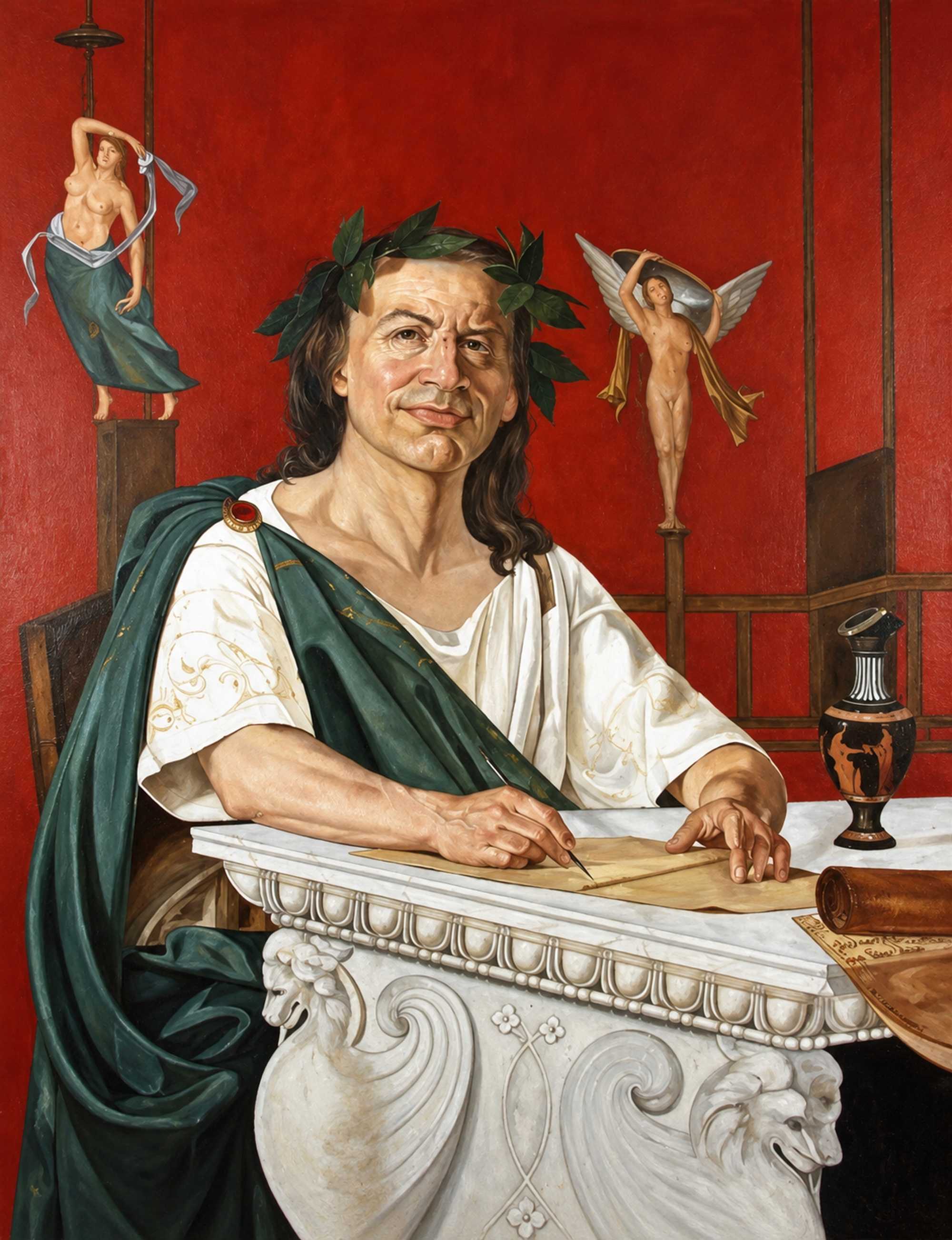
The ceremony was followed by one of the most memorable events of the entire festival. A chorus of 27 boys and 27 girls, each with both parents still living, performed a hymn specially composed for the occasion by the poet Horace.
The children's family circumstances formed part of their religious qualifications. Their selection emphasised the festival's concern with continuity between generations, while their singing brought young Romans directly into one of the state's most important ceremonies.
Horace's composition, known as the Carmen Saeculare, invoked Apollo and Diana and called upon the gods to grant Rome prosperity, healthy offspring, peace and protection. It also referred to the special cycle that distinguished the Secular Games from ordinary annual festivals:
So when a hundred years and ten
Bring round the cycle, game and song
Three days, three nights, shall charm again
The festal throng.
The hymn included prayers concerning marriage and the birth of children, along with references to Rome's legendary Trojan ancestry and its position among foreign peoples. Its language connected the religious ceremony with hopes for the city's future.
After the first performance on the Palatine, the children sang the hymn again on the Capitoline. The official record named Quintus Horatius Flaccus as the composer and identified the 54 children who performed his work collectively as a chorus.
Horace's hymn closed with an expression of confidence that Jupiter and the other gods had heard the children's prayers. Its final verses presented the chorus as bringing home the hope of divine favour, concluding the religious observance on behalf of Rome's community.
The Celebrations Continue
Although the principal religious ceremonies ended on 3 June, the public entertainment continued. The Games were accompanied by theatrical performances, equestrian displays and circus events, and additional spectacles known as ludi honorarii were organised after the main festival.
The Augustan programme included Latin theatrical performances in the temporary wooden theatre beside the Tiber, Greek musical entertainment at Pompey's Theatre and Greek dramatic performances in the area of the Circus Flaminius. Other events included racing and equestrian displays.
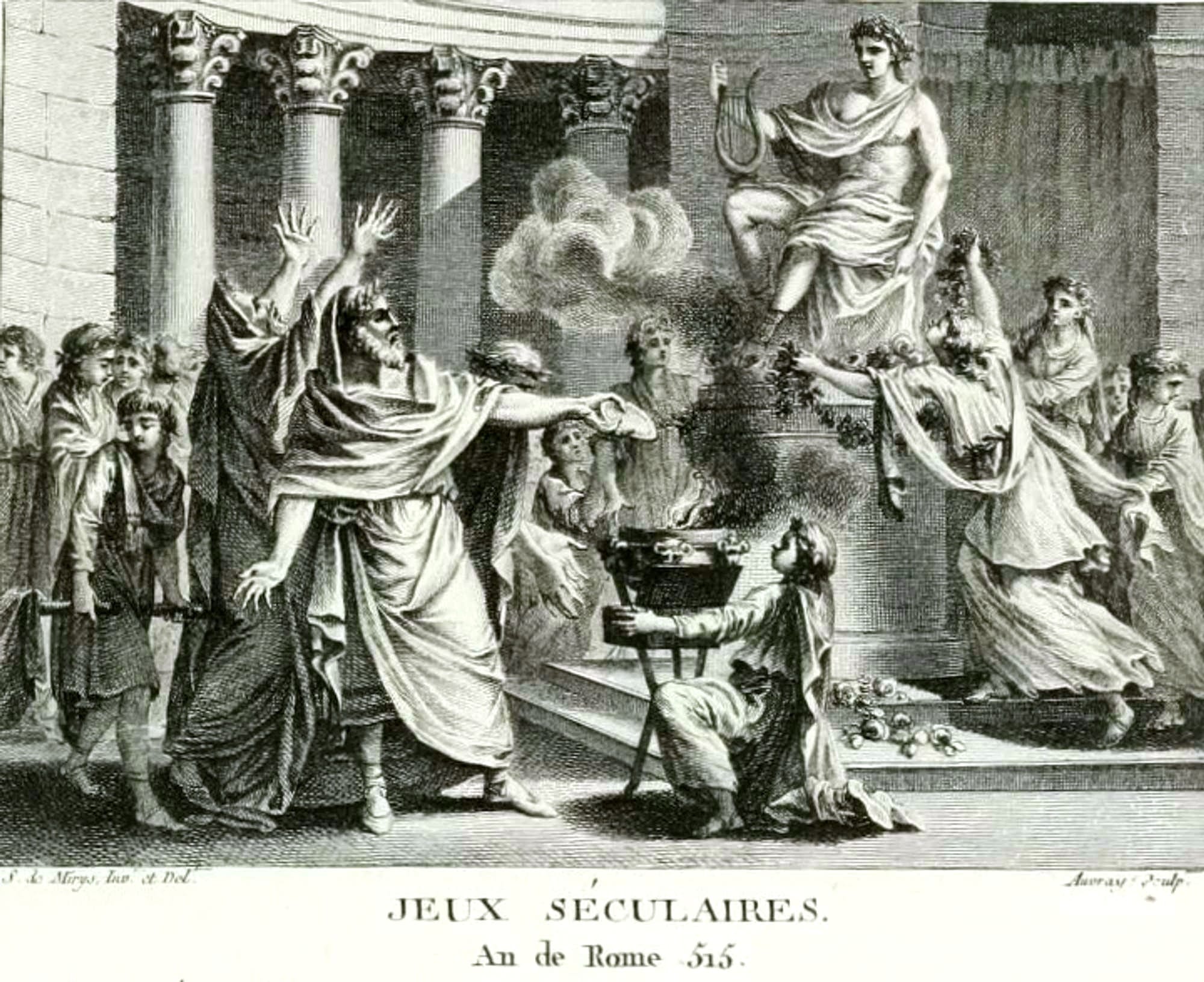
The sacrifices and prescribed ceremonies formed the core of the Ludi Saeculares, while the supplementary entertainment extended the festivities beyond those principal religious observances. The performances offered Romans further opportunities to participate in an occasion that was intended to be remembered for generations.
The scale of the celebration meant that activities took place across several different parts of Rome. Participants moved between the Tarentum, the Capitoline and the Palatine, while audiences attended performances at the city's theatrical venues.
When the festivities concluded, the organisers preserved an account of what had taken place. The inscription recorded not only the religious acts but also the administrative decisions and arrangements that had made the celebration possible.
Claudius and the Games That People Remembered
The principle that the Secular Games should occur only once in a human lifetime did not prevent later emperors from choosing different dates for their celebrations.
In AD 47, the emperor Claudius held Secular Games to mark the eight-hundredth anniversary of Rome's traditional foundation. His celebration came only 64 years after Augustus's festival, far short of the 110-year interval associated with the Augustan calendar.
Claudius maintained that Augustus had celebrated too early, although his own historical writing had acknowledged Augustus's careful calculation of the festival's date.
Suetonius records an amusing incident involving the herald who announced Claudius's Games. Following the traditional formula, he invited the public to attend celebrations:
“which no one had ever seen or would ever see again”
The proclamation provoked laughter. Some people were still alive who had attended Augustus's festival, and Suetonius adds that actors who had performed during the earlier Games appeared again under Claudius.
The anecdote captured the difficulty of maintaining a festival whose appeal depended partly on its supposed rarity. Claudius's celebration followed a different chronological principle, but the traditional language of an occasion experienced only once in a lifetime remained.
Further celebrations followed under Domitian in AD 88. Domitian associated his Games with the Augustan tradition, although his chosen date did not reproduce a precise 110-year interval. Coins issued during his reign commemorated several aspects of the ceremonies, including sacrifices and the distribution of ritual materials.
Later emperors also celebrated important anniversaries of Rome's foundation. These observances did not necessarily follow the same calendar as the Augustan Secular Games, but they retained the association between exceptional public festivities and the passage of a significant period in Roman history.
Septimius Severus Revives the Games in AD 204
In AD 204, Septimius Severus organised another elaborate celebration of the Secular Games. This time the date followed the Augustan system: 220 years had passed since the festival of 17 BC, representing two cycles of 110 years.
The ceremonies followed much of the Augustan programme, with nocturnal sacrifices beside the Tiber and daytime rituals on the Capitoline and Palatine. The emperor's family occupied a particularly prominent place in the proceedings.
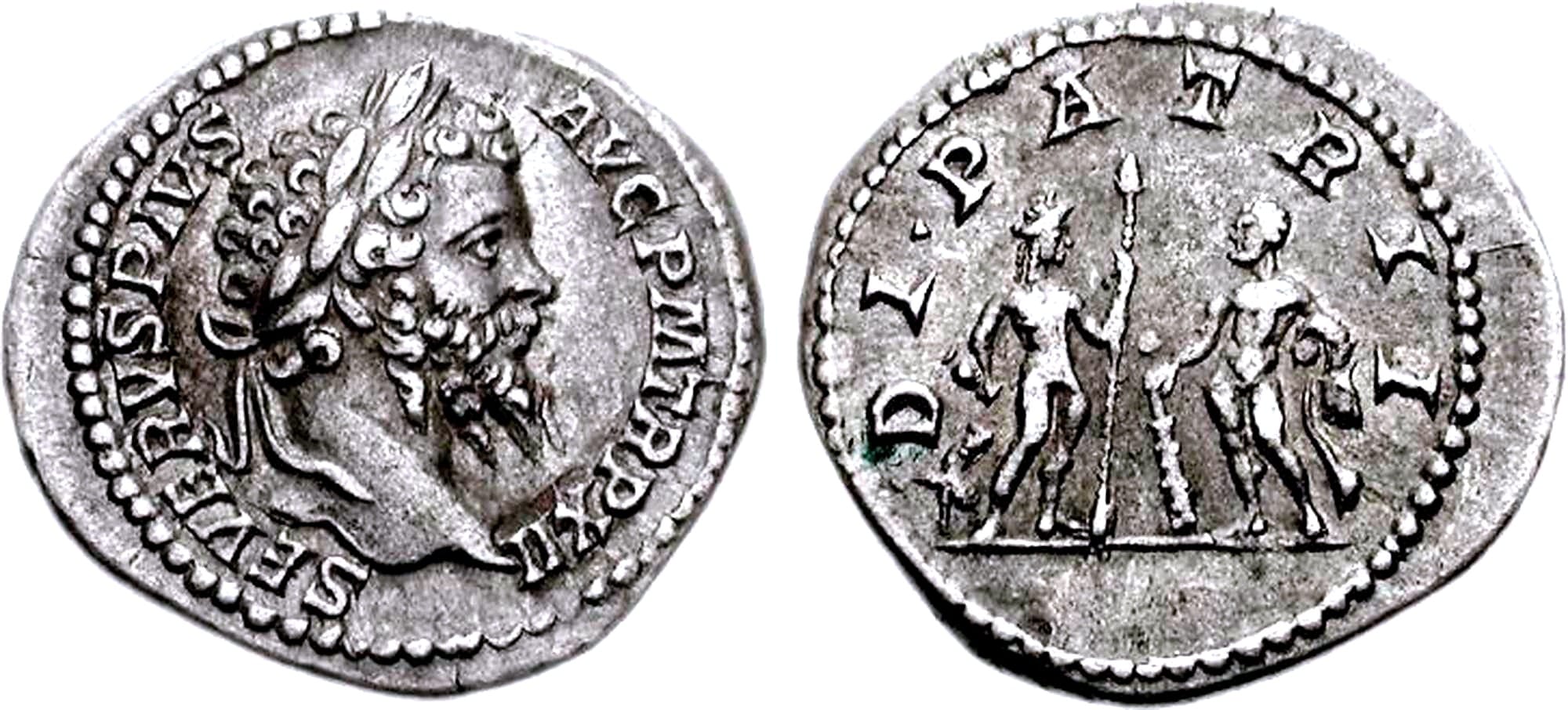
Severus personally performed the principal sacrifices. His sons, Caracalla and Geta, assisted with the prescribed prayers, while his wife Julia Domna led the group of 110 matrons who participated in the women's ceremonies.
The record of the Severan Games survives in an exceptionally detailed inscription. It preserves the preparations, prayers, participants, processions and public spectacles, providing information about Roman religious practice that is absent from the shorter surviving accounts of other celebrations.
The ceremonies again included sacrifices to the Moirae, Jupiter, the Ilithyiae, Juno Regina, Terra Mater, Apollo and Diana. The matrons held their sellisternia throughout the celebration, and the inscription records that they performed sacrifices of young pigs during their concluding observance.
Julia Domna's position among the women gave the imperial family a presence in both the principal sacrifices and the ceremonies performed by the matrons. The emperor and his sons appeared in the official processions, while the empress took part in religious activities associated with marriage, motherhood and the welfare of future generations.
Children, Music and a Procession Through Rome
The final day of Severus's principal celebrations again featured a chorus of 27 boys and 27 girls performing a specially composed Carmen Saeculare. The hymn was presented first on the Palatine and then repeated on the Capitoline.
Unlike the Augustan inscription, which identifies Horace as the composer without reproducing his hymn, the Severan record preserves fragments of the new composition. These include invocations to Apollo and Diana and references to the empire and its rulers.
The inscription also gives an unusual glimpse of the children's performance. It records that they held hands while singing and performed a choral dance, providing details about the ceremony that are not preserved for the celebration of 17 BC.
After the performance on the Palatine, a public procession moved through Rome. Its participants included musicians, performers, chariots and equestrian displays, together with the children and members of the imperial household.
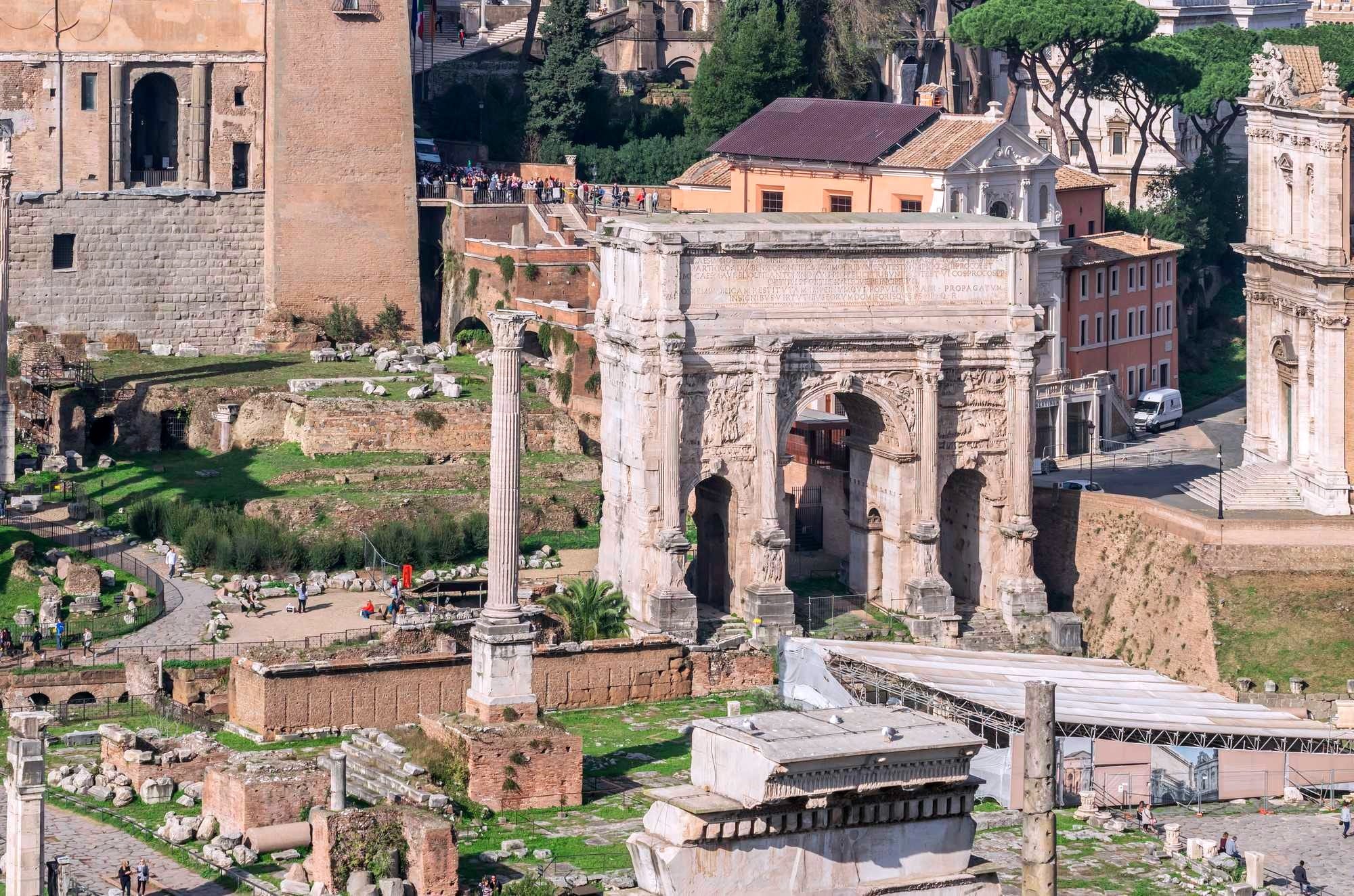
The procession travelled along the Sacred Way, through the Roman Forum and beneath the Arch of Septimius Severus. It continued to the Capitoline, where the children repeated their hymn before the temple of Jupiter Optimus Maximus.
The young performers also received ceremonial gifts. The inscription mentions silver dishes associated with the boys and the equestrian Lusus Troiae, as well as silk and ceremonial clothing presented to the girls.
These details reveal how the children participated in the religious and public life of the festival. Their performance was a solemn act of worship, but their involvement also formed part of the larger procession and the honours distributed during the celebration.
Following the Capitoline ceremonies, the imperial procession continued towards the Tarentum, where further performances and racing took place. The Games thus returned to the area beside the Tiber where their principal nocturnal sacrifices had begun.
Chariot Races, Pantomimes and Seven Hundred Animals
The entertainment associated with Severus's celebration was particularly extensive. The final day of the principal festival included racing at a temporary circus near the Tarentum, with competitions involving chariots, equestrian performers and runners.
The inscription records that some of the agricultural produce collected before the festival was distributed as rewards to participants and supervising officials. Offerings brought by the population during the preparations therefore played a further role in the closing events.
Seven additional days of entertainment were announced, beginning on 4 June. The programme included theatrical performances at the temporary wooden theatre, Pompey's Theatre and Domitian's Odeum, followed by racing and other events at the Circus Maximus.
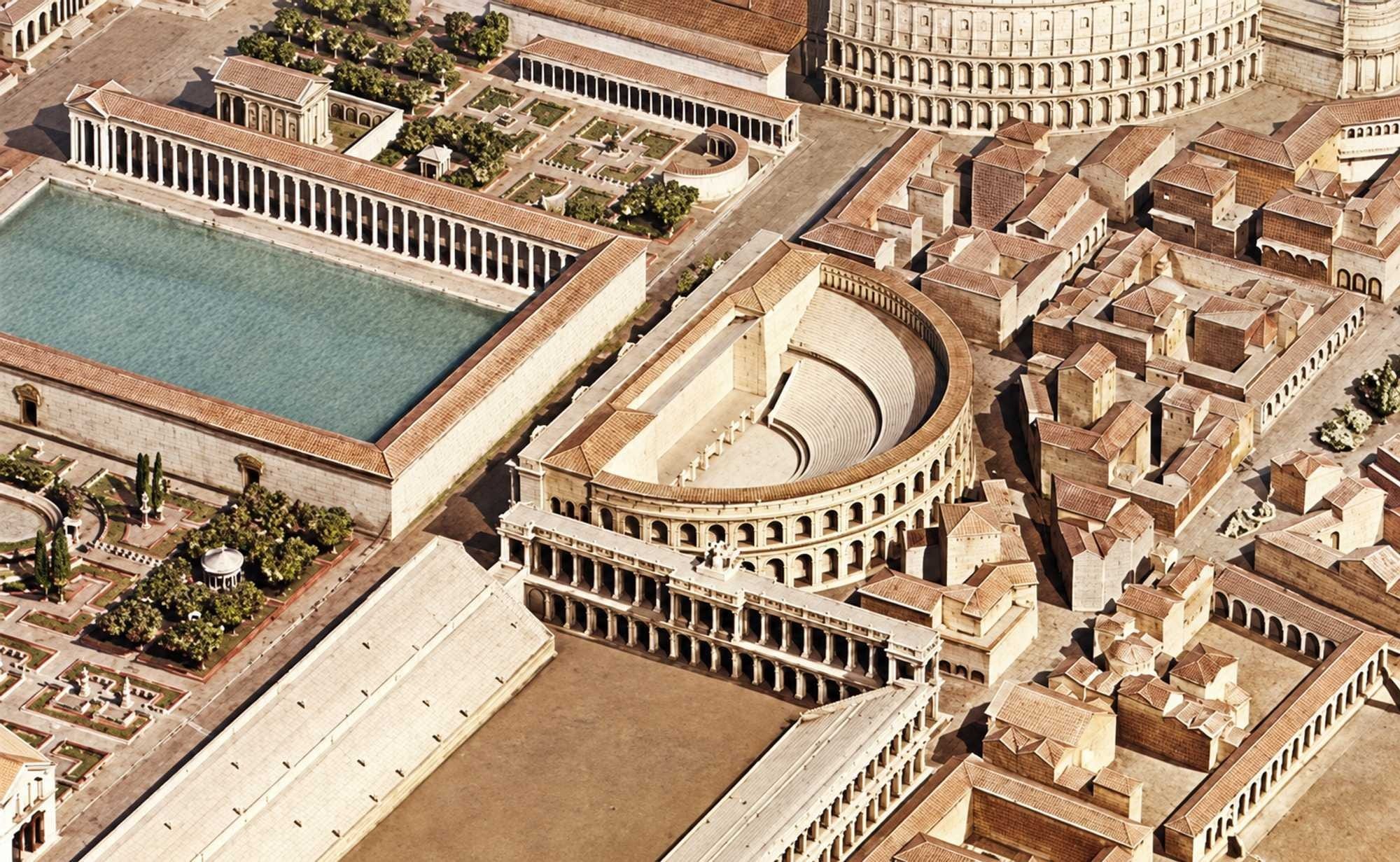
The organisers specified the appearances of individual pantomime performers, arranging for them to take part in performances at different venues. The public programme combined religious observances with the theatrical and circus entertainment familiar to Roman audiences.
One of the most spectacular announcements concerned an animal hunt involving 700 beasts. The programme listed lions, lionesses, leopards, bears, bison, wild asses and ostriches, with one hundred animals of each type promised for the event.
The organisers also issued instructions concerning spectator safety. Those attending the animal spectacles were directed to follow the officials responsible for managing the event.
The promised animal hunt was part of the programme announced by Severus and his sons, who presented the entertainment as a display of imperial generosity. Its scale was accompanied by arrangements for performers, competitors, spectators and the officials responsible for supervising the festivities.
The combination of sacrifices, hymns, processions, theatrical performances, racing and animal spectacles made the Secular Games an occasion extending well beyond the priests and other participants directly involved in the religious ceremonies.
The Monument and the Names That Disappeared
Like Augustus before him, Severus ordered an extensive inscription commemorating the Games. It recorded the emperor, his family and the priests who organised the celebration, together with the names of many women and children who participated.
The monument preserved the memory of an occasion that Romans associated with an exceptionally long passage of time. Yet the inscription itself underwent alterations within only a few years of the festival.
Gaius Fulvius Plautianus, the powerful praetorian prefect who had participated alongside the imperial family, fell from favour and was killed in AD 205. His name was subsequently erased from the commemorative inscription. Geta suffered a similar fate after his brother Caracalla had him killed in AD 211. His name and titles were also deliberately removed from the monument.
The surviving stone still bears traces of these alterations. The inscription that had recorded the imperial family's participation in ceremonies for Rome's future was changed after the deaths of two prominent figures who had taken part in the celebration.
The erasures remain visible alongside passages recording the sacrifices, processions and participants. They are part of the monument's history, added after the festival whose memory it had been erected to preserve.
The End of the Secular Games
The celebration of AD 204 is the last securely documented performance of the Secular Games following the elaborate Augustan religious programme. Other Roman emperors continued to associate important anniversaries with exceptional public festivities, including the celebration of Rome's thousandth anniversary under Philip the Arab in AD 248.
That anniversary brought its own spectacles and commemorative coinage, but it belonged to a different chronological tradition from the 110-year cycle followed by Augustus and Septimius Severus. The two forms of celebration had become closely associated in Roman historical memory without being identical in their religious arrangements.
The inscriptions of 17 BC and AD 204 survived in fragments, preserving a remarkable record of ceremonies intended to be witnessed by generations separated by more than two centuries. Among their surviving words are the names of priests, women and children, the prayers spoken before Roman gods and the arrangements made for the crowds who attended.
The Romans who gathered beside the Tiber for these celebrations expected the next Secular Games to belong to another age. Their ceremonies ended, the temporary theatres disappeared, and the crowds returned home, but portions of the records erected to commemorate those extraordinary days remained in the ground.
Davis, P. J. “The Fabrication of Tradition: Horace, Augustus and the Secular Games.” Ramus 30, no. 2 (2001).
Dunning, Susan Bilynskyj. “The Republican Ludi Saeculares as a Cult of the Valerian Gens.” Historia 69, no. 2 (2020), 208–236.
Poe, Joe Park. “The Secular Games, the Aventine, and the Pomerium in the Campus Martius.” Classical Antiquity 3, no. 1 (1984), 57–81.
Putnam, Michael C. J. Horace's Carmen Saeculare: Ritual Magic and the Poet's Art. Yale University Press, 2000.
Rantala, Jussi. The Ludi Saeculares of Septimius Severus: The Ideologies of a New Roman Empire. Routledge, 2017.
Schnegg, Bärbel. Die Inschriften zu den Ludi saeculares: Acta ludorum saecularium. De Gruyter, 2020
Taylor, Lily Ross. “New Light on the History of the Secular Games.” American Journal of Philology 55, no. 2 (1934), 101–120.
Acta ludorum saecularium Augustea (17 BC).
Acta ludorum saecularium Severiana (AD 204).
Censorinus, De Die Natali, 17
Horace, Carmen Saeculare.
Plutarch, Life of Publicola, 21.
Suetonius, Life of Claudius, 21.2.
Valerius Maximus, Memorable Doings and Sayings, 2.4.5.
Zosimus, New History, 2.1–6.
About the Roman Empire Times
See all the latest news for the Roman Empire, ancient Roman historical facts, anecdotes from Roman Times and stories from the Empire at romanempiretimes.com. Contact our newsroom to report an update or send your story, photos and videos. Follow RET on Google News, Flipboard and subscribe here to our daily email.
Follow the Roman Empire Times on social media: