
Gaius Fulvius Plautianus: The Man Who Became Almost as Powerful as the Roman Emperor
He was not an emperor, yet his wealth and influence rivalled those of Rome's rulers. How did Gaius Fulvius Plautianus rise so high, and what threatened his position?

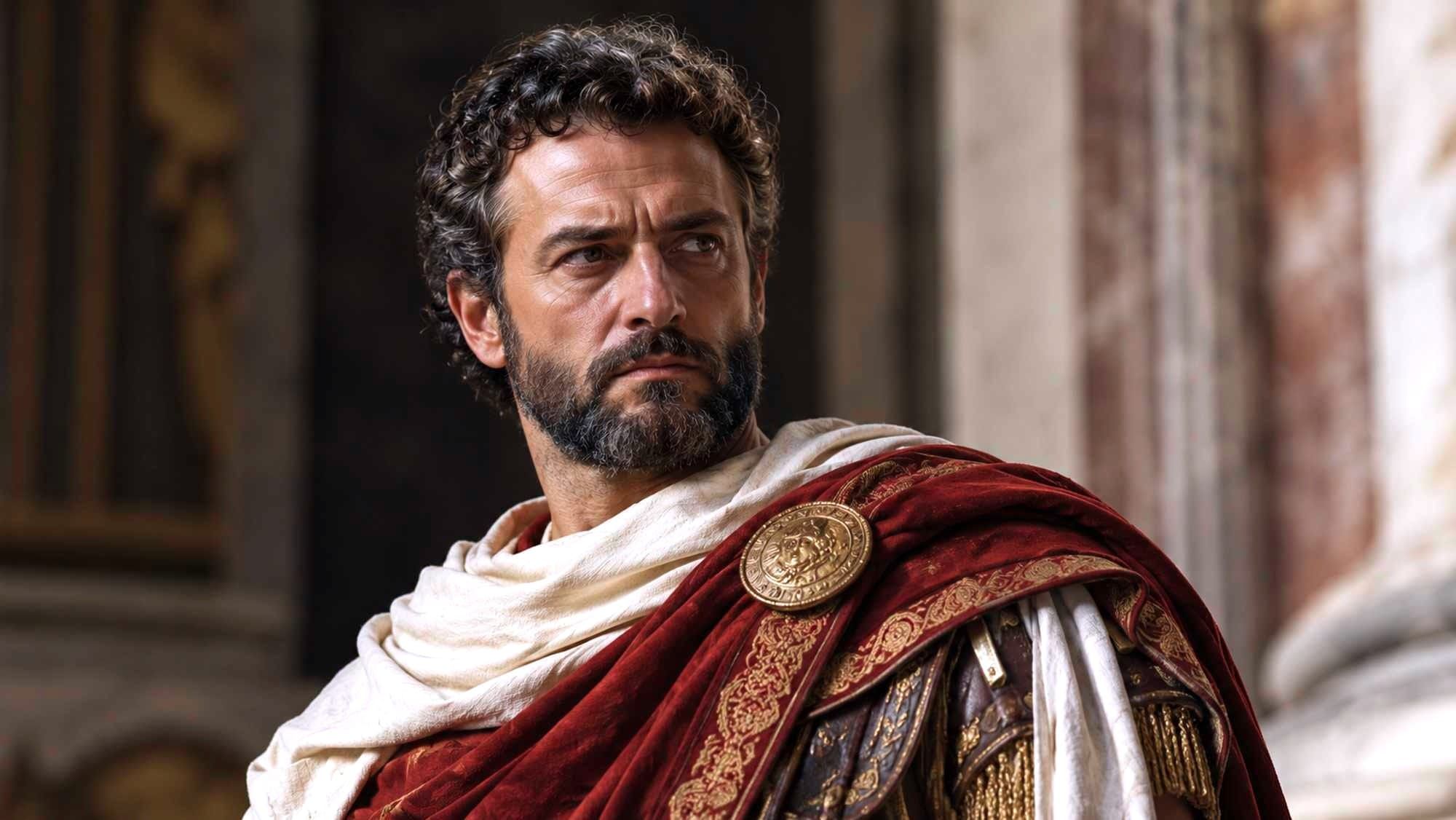
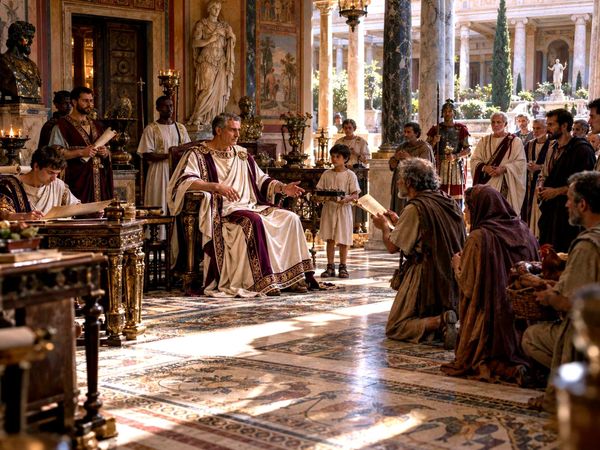
In January AD 205, Gaius Fulvius Plautianus was summoned to the imperial palace in Rome. For years, he had enjoyed the extraordinary confidence of Septimius Severus, serving as prefect of the Praetorian Guard and exercising influence that extended far beyond the duties of his office. He had acquired enormous wealth, received honours usually reserved for the highest ranks of Roman society, and married his daughter to Caracalla, the emperor's eldest son.
Yet the summons ended in his murder. Plautianus was accused of plotting to kill Severus and Caracalla, but the surviving accounts offer conflicting versions of the events. Cassius Dio blamed Caracalla for fabricating the conspiracy, while Herodian described Plautianus as the man who intended to seize power.
The prefect's death brought an immediate end to his family's position at court. His possessions were confiscated, his children exiled, and his name removed from inscriptions and monuments throughout the empire. Within a few years, much of the public evidence of his extraordinary career had been deliberately destroyed.
From Lepcis Magna to the Imperial Court
Plautianus came from Lepcis Magna, the prosperous North African city that was also the birthplace of Septimius Severus. He belonged to the Fulvii, an established family connected through marriage with other prominent families of the city, including the Plautii and Septimii.
Severus' mother, Fulvia Pia, belonged to the same family network. Ancient writers describe Plautianus as a relative of Severus, and genealogical reconstructions suggest that the two men may have been first cousins. Their precise relationship is uncertain, but their shared origins and longstanding association would become central to Plautianus' advancement.
The Fulvii were already well established at Lepcis Magna before Severus became emperor. Members of the family appear in inscriptions, while marriages with other prominent households strengthened their position within the local aristocracy. Plautianus therefore came from a social environment that offered connections to wealthy landowners and men pursuing careers in the Roman administration.
Little is recorded about his youth, education or earliest appointments. One possible reference concerns a man named Fluvius who was reportedly convicted of serious offences while Pertinax governed Africa around AD 188–189. This individual has sometimes been identified with Plautianus, although the identification is uncertain.
An inscription from Lepcis Magna, IRT 572, has also been connected with his early career. It commemorates an official who had served in the imperial transport administration and in the collection of the inheritance tax. The recipient's name was subsequently erased, and the individual may have been Plautianus or one of his relatives.
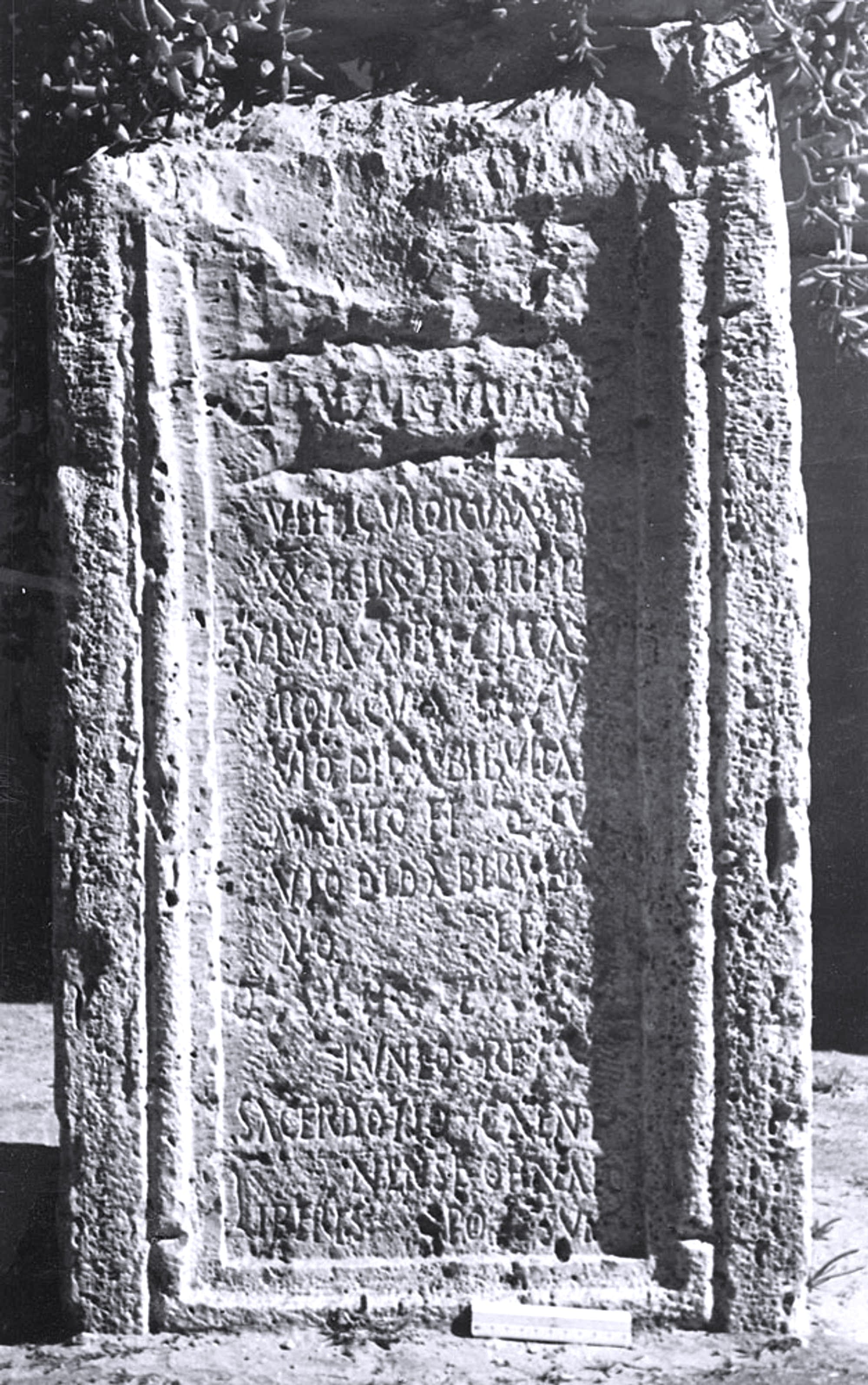
His career becomes clearer during the opening years of Severus' reign. By AD 195, he appears to have served as prefect of the vigiles, the force responsible for firefighting and policing duties in Rome. By June AD 197, he was praetorian prefect, a position he retained until his death.
Plautianus had supported Severus during the struggles that followed his accession in AD 193. The Historia Augusta records that the new emperor entrusted him with capturing the children of his rival Pescennius Niger. He also accompanied Severus during his campaigns and travels, maintaining a personal proximity to the emperor that distinguished him from other senior officials.
The Emperor's Most Powerful Favourite
The praetorian prefect commanded the soldiers responsible for protecting the emperor, but Plautianus' authority was not confined to military affairs. His position depended heavily on his personal relationship with Severus, whose trust allowed him to accumulate responsibilities, privileges and honours on an exceptional scale.
Cassius Dio, describes Plautianus as one of the most powerful men of his time. According to the historian, the prefect used his position to eliminate prominent individuals, while his influence over the emperor became so extensive that others feared him more than Severus himself.
One of his fellow prefects, Aemilius Saturninus, was removed from office and died. Dio attributed his elimination to Plautianus, who subsequently appears to have held the praetorian prefecture alone.
His authority could also be seen in the way he conducted himself in public. Herodian describes Plautianus travelling through Rome surrounded by guards who cleared his path and prevented people from approaching him. Those who encountered his procession were ordered to move aside and lower their eyes.
Dio records that soldiers and senators swore oaths by Plautianus' Fortune and publicly offered prayers for his health. Such honours were extraordinary for a man who was not himself an emperor.
Severus openly displayed his affection for Plautianus. According to Dio, the emperor once expressed the wish that he might die before his favourite, rather than suffer the loss of a man he loved so deeply.
The historian also records incidents in which the prefect appeared to exercise authority even over Severus' immediate surroundings. At Tyana, when Plautianus was ill, the emperor reportedly had to leave his own escort behind before entering the prefect's quarters. Other anecdotes describe the extraordinary luxury of Plautianus' accommodation and provisions, which could surpass those available to Severus himself.
His influence extended into imperial administration. A surviving imperial decision addressed to Isidorus, son of Dius, assigned Plautianus responsibility for investigating accusations against a man named Comon. The document identifies him as praetorian prefect and a relative of the emperors.
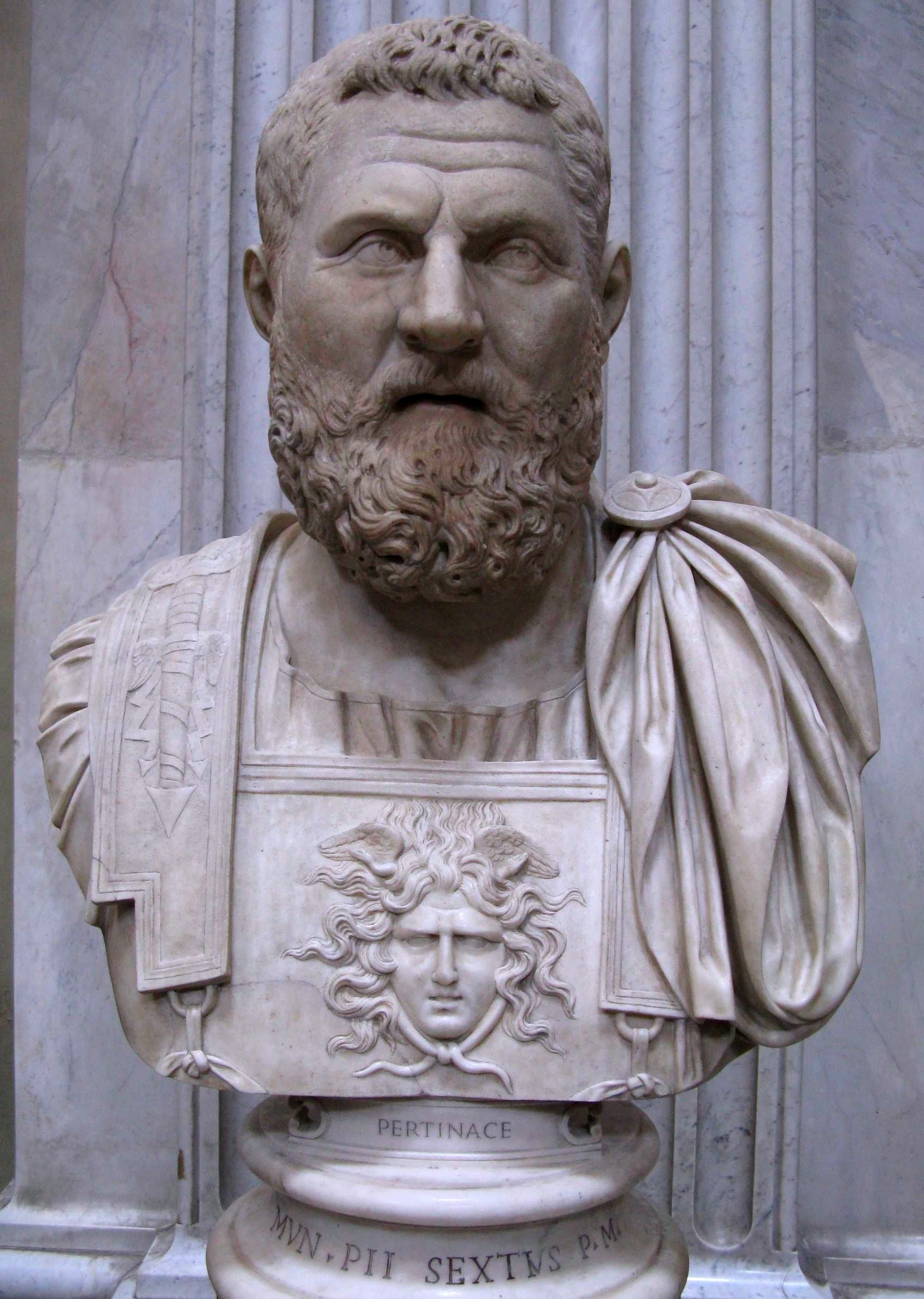
Plautianus was therefore involved in more than the protection of the imperial household. He exercised authority in legal and administrative matters, accompanied the emperor on campaigns and enjoyed privileged access to the centre of government.
His power eventually inspired comparisons with Sejanus, the praetorian prefect who had risen to exceptional prominence under Tiberius. Dio considered Plautianus even more powerful than his notorious predecessor.
A Fortune Built on Imperial Favour
Plautianus became extraordinarily wealthy during his years beside Severus. Ancient writers repeatedly refer to his riches, while the material evidence connects him with substantial property and commercial activities.
Herodian attributes much of his fortune to the emperor's generosity, particularly the transfer of possessions confiscated from defeated political opponents. His relationship with Severus brought opportunities for enrichment that extended far beyond the normal rewards of public office.
Among his most valuable interests were brickworks supplying construction materials in and around Rome. Stamped bricks bearing his name and titles identify several establishments associated with him during the early third century.
Some of these brickworks had previously belonged to the imperial household. After Plautianus' death, they returned to imperial ownership, demonstrating the extent to which Severus had allowed valuable properties to pass into his favourite's hands.
Plautianus was also involved in the production and distribution of North African olive oil. Amphora stamps bearing abbreviations of his name and office have been found in different parts of the Mediterranean, including Italy and the eastern provinces.
Some of these vessels carried Tripolitanian oil, linking the prefect's economic interests with the region from which his family originated. An amphora stamp even preserves evidence that his name was deliberately obliterated after his condemnation.
Other archaeological finds reveal his involvement in obtaining building materials. Two blocks of black marble discovered at Lepcis Magna preserve delivery instructions associated with Plautianus. They may have been intended for construction projects in the city, although the inscriptions do not establish whether he owned the quarry from which the stone originated.
Lead water pipes bearing his name have also been found on the Quirinal in Rome. Their discovery led to suggestions that Plautianus possessed a substantial residence there, although the inscriptions may instead reflect his involvement in supplying water.
The scale of his fortune became particularly apparent after his death. An official was appointed specifically to administer the confiscated property of Plautianus, a position recorded in an inscription from Dacia. His estates were sufficiently extensive to require separate management following their transfer to imperial ownership.
His wealth was also displayed in more unusual ways. Cassius Dio records that Plautianus sent centurions to obtain striped, horse-like animals from islands in the Erythraean Sea. These creatures have been identified as zebras, which were exceptionally rare in the Mediterranean world.
The expedition may have been connected with Roman reconnaissance along the East African coast, although Dio presents it as an example of Plautianus' extravagance and acquisitiveness. The involvement of military officers demonstrates the resources available to him and the extraordinary lengths to which he could go to acquire exotic possessions.
Plautilla's Marriage to Caracalla
Plautianus' most important advancement within the imperial household came through the marriage of his daughter, Fulvia Plautilla, to Caracalla, the eldest son of Septimius Severus.
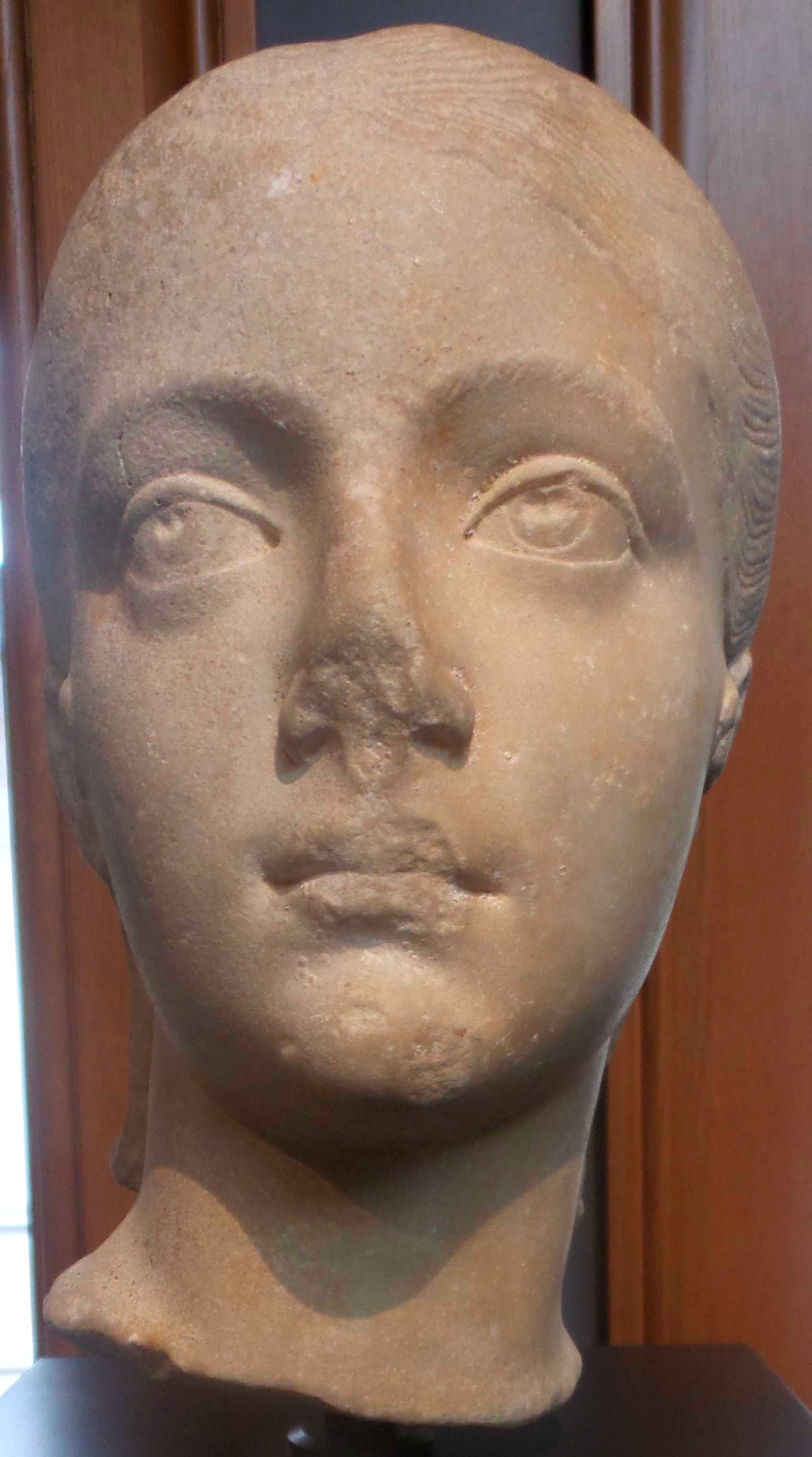
The engagement was arranged around AD 201, and inscriptions already presented Plautilla as the future wife of Caracalla before their wedding. She was brought into the public representation of the Severan family and received the title Augusta.
The marriage took place in AD 202, during a period of magnificent imperial celebrations in Rome. Cassius Dio attended the festivities and witnessed the extraordinary display of gifts associated with the wedding. He describes Plautianus' contribution to his daughter's marriage in striking terms:
"Plautianus gave as much for his daughter's dowry as would have sufficed for fifty women of royal rank."
Dio was particularly impressed by the procession of wedding gifts, which he saw being carried through the Forum. Their number and value offered a public demonstration of the prefect's extraordinary fortune.
The celebrations also included elaborate spectacles. Dio records that sixty wild boars belonging to Plautianus were involved in the entertainment, another indication of the scale of the prefect's contribution.
For Severus, the marriage strengthened the connection between his family and one of his most trusted associates. For Plautianus, it meant that his daughter had become the wife of the imperial heir and that any children of the marriage might eventually inherit the throne. The relationship between Caracalla and Plautilla, however, was deeply unhappy.
Herodian reports that Caracalla resented being compelled to marry her and refused to share ordinary domestic life with his wife. Plautilla complained to her father about her husband's hostility, while Caracalla increasingly regarded his father-in-law as an intrusive and dangerous presence.
The marriage nevertheless received considerable public attention. Plautilla appeared on imperial coinage with an unusually varied series of portraits and designs, reflecting the importance attached to her position within the ruling family.
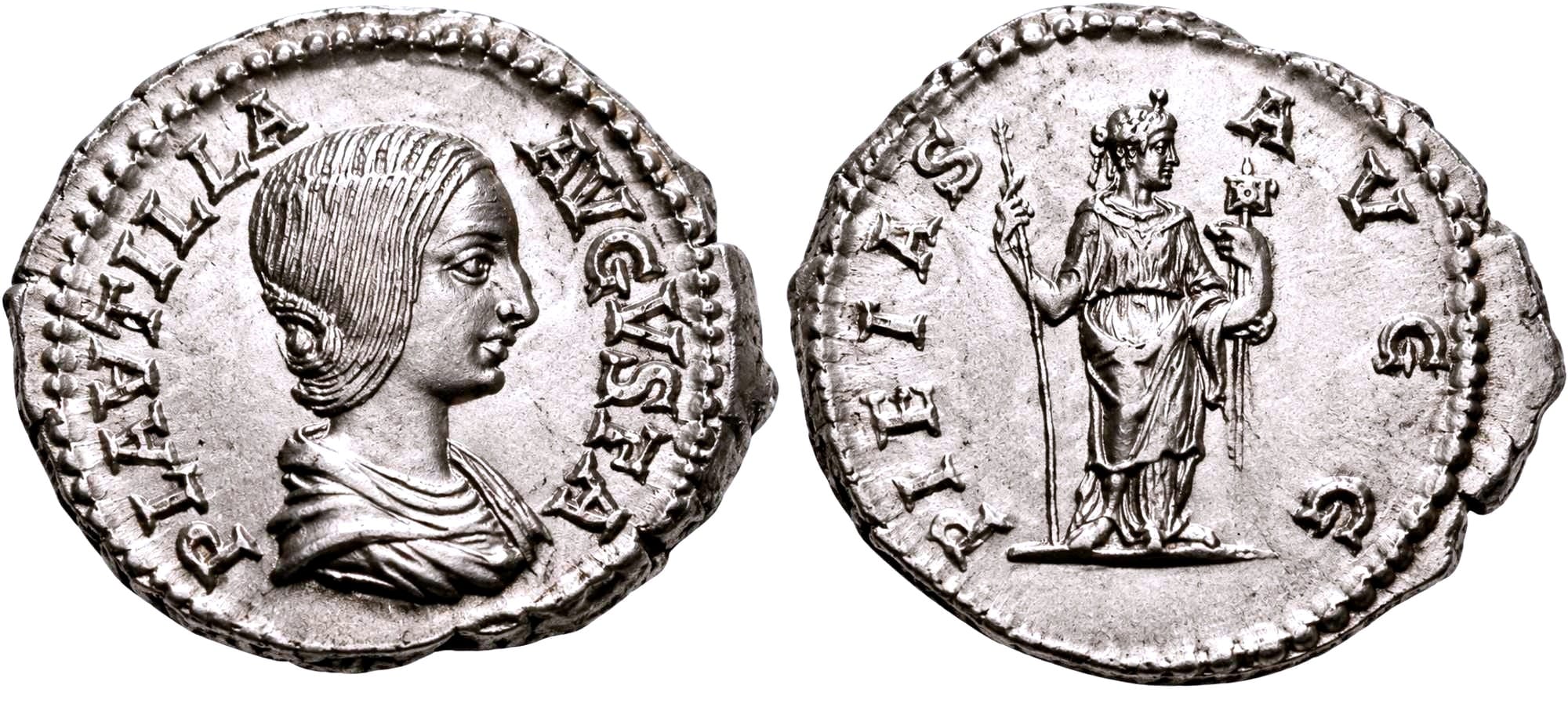
For Plautianus, the marriage represented the greatest opportunity of his career. It also created a personal conflict with the man who was expected to succeed Severus.
A Consul Who Remained Praetorian Prefect
The marriage of Plautilla was followed by further honours for her father. In AD 203, Plautianus became ordinary consul alongside Publius Septimius Geta, the emperor's brother. The appointment was remarkable because Plautianus continued to serve as praetorian prefect while holding the consulship and entering the Senate.
Praetorian prefects traditionally belonged to the equestrian order, and their office was normally incompatible with full senatorial membership. Plautianus was permitted to combine positions that other men had been expected to hold separately.
His official consular designation was unusual. Although he had not previously held an ordinary or suffect consulship, the consular ornaments he had received earlier were treated as equivalent to an actual term of office. He was therefore designated consul for the second time.
Even more striking was the order in which the consuls were named. Plautianus appeared before Publius Septimius Geta, despite the latter being the emperor's brother and having previously held the consulship.
Other honours reinforced his extraordinary standing. Plautianus was admitted among patrician families and received prestigious religious appointments. He was associated with the pontifical college and the quindecimviri sacris faciundis, whose members supervised important aspects of Roman public religion.
His name appeared alongside members of the ruling household in records connected with the Secular Games celebrated in AD 204.
Inscriptions repeatedly emphasised his closeness to the emperors. One described him as their companion on all expeditions, while others presented him as an intimate associate of Severus and Caracalla.
An especially elaborate dedication, preserved despite the subsequent destruction of his honours, praised him as the most excellent of all previous praetorian prefects.
His position within the imperial household had become so prominent that he was sometimes regarded almost as an additional emperor. Dio even records that someone addressed him in correspondence as though he were a fourth Caesar.
Julia Domna and the Growing Hostility at Court
Plautianus' increasing power brought him into conflict with several members of the imperial family, particularly Julia Domna, the wife of Septimius Severus.
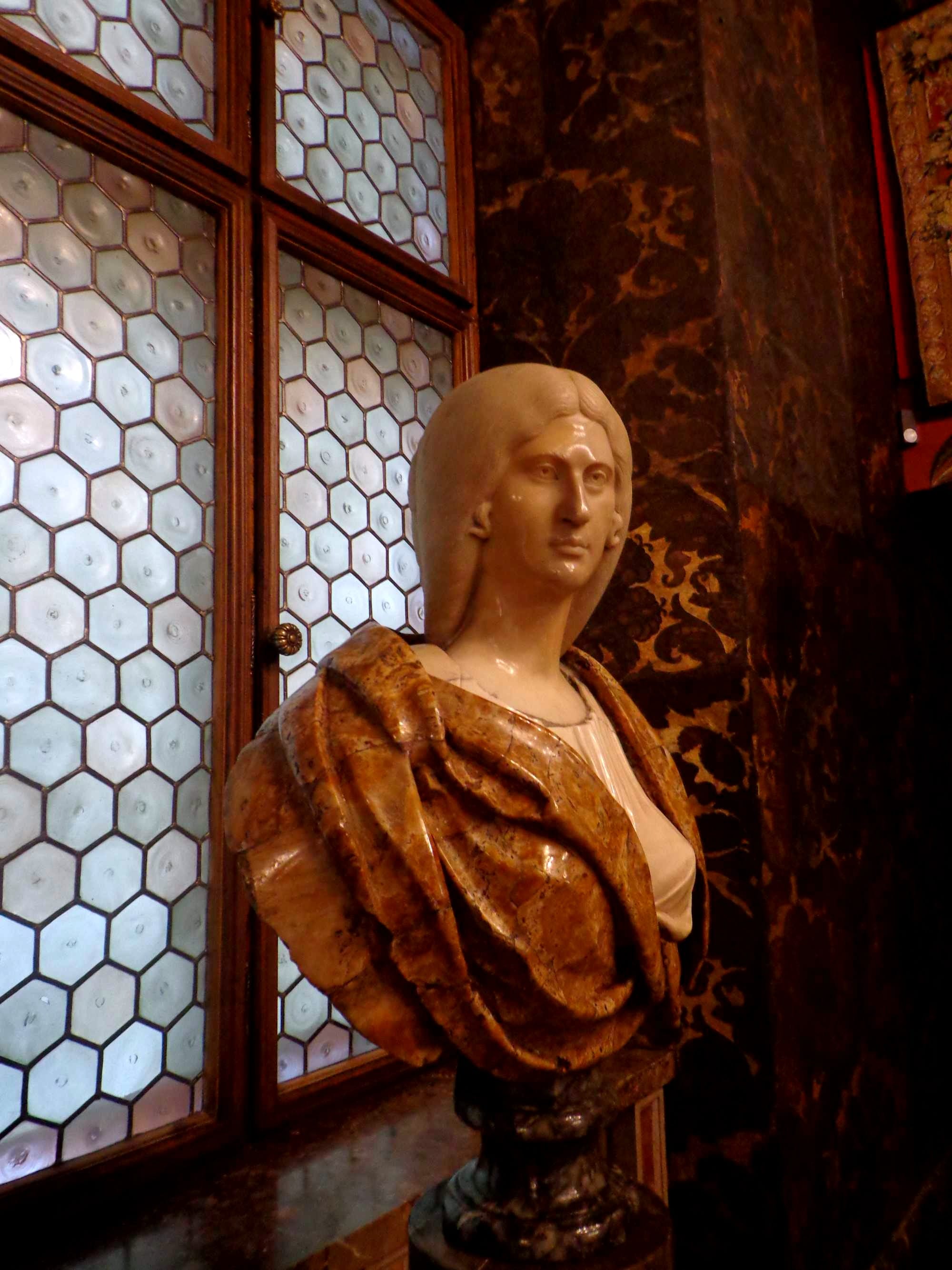
Dio reports that Plautianus encouraged accusations of adultery against the empress. The allegations led to an investigation in which freeborn women were reportedly tortured in an attempt to obtain evidence against her.
Julia Domna was not convicted, but the affair placed her in a deeply uncomfortable position. According to Dio, she increasingly withdrew from political activity and devoted herself to philosophy, scholarship and the company of intellectuals.
Her relationship with Plautianus had deteriorated to the point where his presence at court threatened her own influence over Severus. The prefect also faced growing hostility from Caracalla. Their disagreements were aggravated by the unhappy marriage to Plautilla, who reportedly informed her father of her husband's threats and mistreatment.
Plautianus, in turn, interfered in Caracalla's activities and criticised his behaviour. Dio describes the young emperor becoming increasingly resentful of a father-in-law who attempted to supervise his conduct.
Severus' brother, Publius Septimius Geta, also disliked Plautianus. His hostility became particularly important during the final years of the prefect's life.
Despite these conflicts, Severus continued to protect his favourite. His affection for Plautianus had survived years of accusations, rivalries and resentment within the imperial household.
The Statues That Angered the Emperor
One of the clearest signs that Plautianus' relationship with Severus was becoming strained concerned the extraordinary number of statues erected in the prefect's honour.
Cassius Dio reports that Severus became irritated by the prominence of these representations and ordered some bronze statues of Plautianus melted down.
The Historia Augusta preserves a different explanation, claiming that the emperor was offended because Plautianus had placed a statue of himself among those of the imperial family.
The incident produced widespread rumours that Plautianus had fallen from favour. Some officials acted upon the reports by removing or destroying other statues of the prefect.
One of those involved was Racius Constans, governor of Sardinia. He was subsequently prosecuted and punished for having destroyed Plautianus' representations without proper authority.
Severus' reaction demonstrated that, despite his displeasure, Plautianus continued to enjoy the emperor's protection. Dio records that Severus remained unwilling to permit serious harm to come to his favourite.
The relationship nevertheless became increasingly difficult. Plautianus had reached a position in which his honours and public prominence could cause resentment even in the man responsible for granting them.
A more serious blow followed the illness and death of the emperor's brother Geta in AD 204. According to Dio, Geta revealed damaging information about Plautianus to Severus shortly before he died. The historian does not specify the nature of these revelations, but reports that the emperor subsequently withdrew much of the prefect's authority.
Plautianus blamed Caracalla for the loss of his standing and became still more hostile toward his son-in-law. The antagonism between them intensified during the months preceding his death.
The Murder of Plautianus
Plautianus was killed in the imperial palace in January AD 205, traditionally dated to 22 January. Cassius Dio and Herodian preserve detailed accounts of the incident, but disagree about the origins of the alleged conspiracy.
According to Dio, Caracalla devised a plan to eliminate his father-in-law. He enlisted the assistance of his tutor, the imperial freedman Euodus, who persuaded a centurion named Saturninus and two other officers to accuse Plautianus of plotting to murder both Severus and Caracalla.
The officers claimed that Plautianus had entrusted ten centurions with carrying out the assassination. They also produced a written communication supposedly containing instructions for the murders.
Dio regarded the accusation as a fabrication. He considered it improbable that Plautianus would have entrusted such an undertaking to so many officers, especially within the imperial palace and in written form.
Severus nevertheless took the accusation seriously. According to Dio, he had dreamed the previous night that his defeated rival Clodius Albinus was still alive and plotting against him.
The emperor summoned Plautianus to the palace and gave him an opportunity to answer the charges. When Plautianus denied the allegations, Caracalla became impatient. Dio reports that the young emperor seized the prefect's sword and struck him. Caracalla attempted to kill him personally, but Severus intervened and restrained his son. Caracalla then ordered an attendant to kill Plautianus.
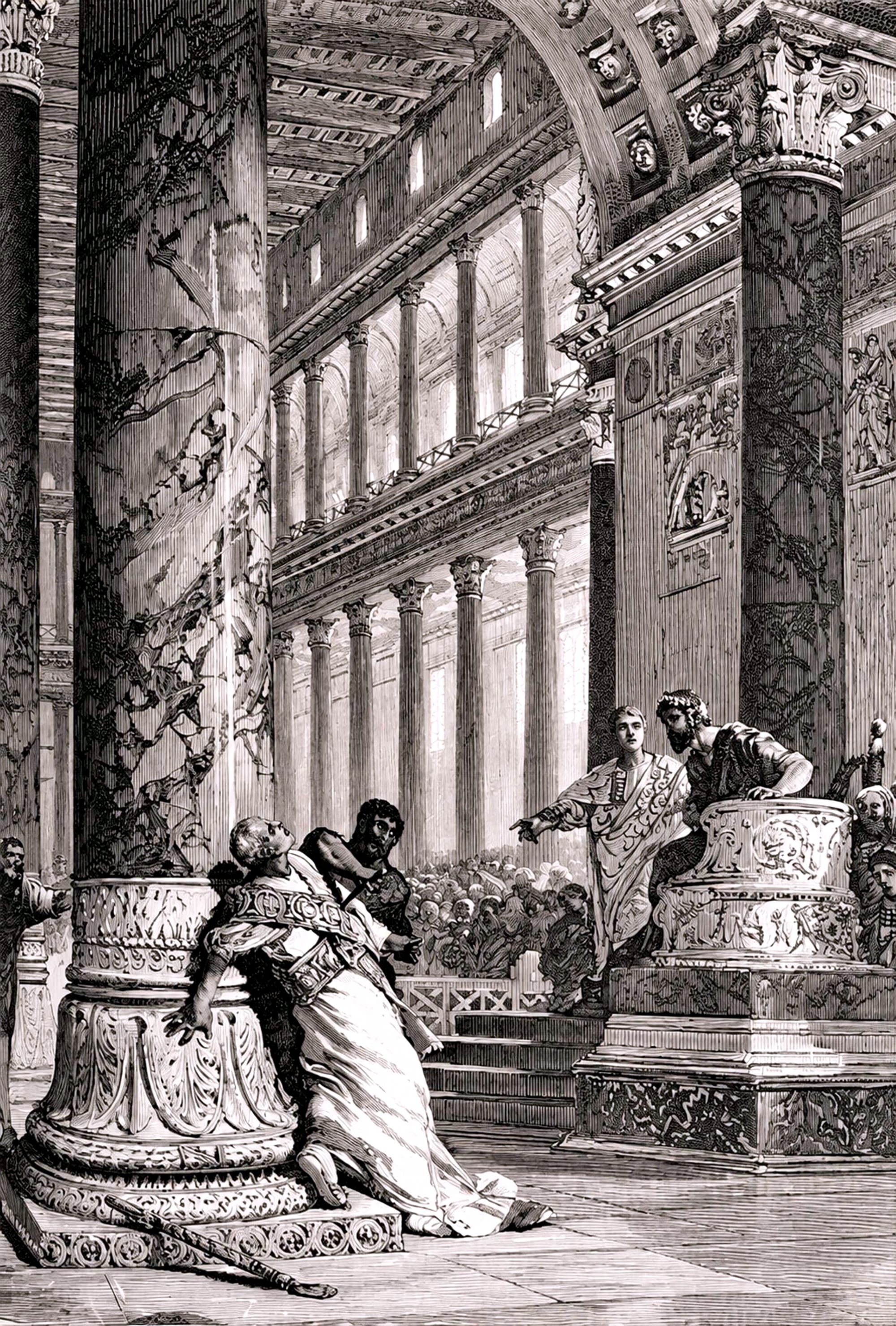
Herodian describes a different sequence of events. In his account, Plautianus had become increasingly concerned about his future. Severus was growing older and suffered from illness, while Caracalla openly despised his father-in-law. Plautianus feared that his position, and perhaps his life, would be endangered if Caracalla gained sole power.
Herodian reports that the prefect approached Saturninus, a praetorian tribune whom he trusted, and instructed him to murder Severus and Caracalla. Saturninus pretended to agree but requested written instructions. Plautianus provided them, believing that the officer would carry out the assassination. Instead, Saturninus informed Severus of the plan.
The emperor initially suspected that the accusation might have been invented by Caracalla, whose hatred of Plautianus was well known. Saturninus therefore proposed a means of demonstrating the prefect's intentions.
A message was sent to Plautianus claiming that the two emperors had already been killed. Believing that the operation had succeeded, he reportedly hurried to the palace wearing a breastplate beneath his clothing. When he arrived, he discovered Severus and Caracalla alive.
Plautianus protested his innocence and attempted to defend himself, but the concealed armour strengthened the accusations against him. Caracalla challenged him and ordered his execution.
The events have also been connected with the rivalry between Caracalla and his younger brother Geta. Coinage issued between AD 200 and 202 gave Geta unusual prominence, and some inscriptions awarded him titles before he officially received them. These circumstances have prompted the suggestion that a group of senators favoured Geta and that Plautianus, fearing Caracalla, may have become involved with them.
There is no direct evidence that Geta participated in the alleged conspiracy of AD 205. Plautianus' death occurred amid serious divisions within the imperial household, with Caracalla among his most determined enemies.
The Last Moments of the Emperor's Favourite
Dio records a particularly striking incident immediately after Plautianus' murder. Someone tore hairs from the dead prefect's beard and carried them to Julia Domna and Plautilla, who were together elsewhere in the palace and had not yet heard what had happened. The messenger displayed the hairs and announced:
"Behold your Plautianus."
According to Dio, Julia Domna welcomed the news, while Plautilla was overcome with grief. Plautianus' body was thrown from the palace into the street. Severus subsequently ordered it recovered and buried. The treatment of the body was a public humiliation for a man who had enjoyed honours approaching those of the imperial family. Severus then summoned the Senate to explain the events.
Dio, who was present in the Senate during this period, reports that the emperor did not deliver a lengthy accusation against his former favourite. Instead, Severus spoke about the inability of human nature to endure excessive honours and acknowledged that he himself had loved and rewarded Plautianus too generously.
The officers who had accused the prefect were brought before the senators to repeat their testimony. Some senators were excluded from the proceedings, while others faced investigations because of their association with Plautianus. Several men connected with the prefect were punished.
One was Aelius Coeranus, an Egyptian official who had enjoyed Plautianus' favour. Dio records that Coeranus had once interpreted a dream in which fish emerged from the Tiber and fell at Plautianus' feet, predicting that the prefect would rule both land and sea.
Following Plautianus' death, Coeranus was exiled to an island. He later returned and eventually entered the Senate, becoming consul under Caracalla.
Another associate, Caecilius Agricola, received a death sentence. Dio records that Agricola returned home, drank wine from an exceptionally expensive cup, smashed it and then killed himself.
The removal of Plautianus was followed by a wider series of prosecutions and punishments affecting men suspected of political disloyalty.
The imperial household also reorganised the praetorian prefecture. Two men, Quintus Maecius Laetus and the distinguished jurist Aemilius Papinianus, were appointed to replace Plautianus.
The Fall of His Family
The destruction of Plautianus' political position was accompanied by the confiscation of his wealth and the removal of his public honours. His name was erased from inscriptions, his statues were destroyed or defaced, and monuments that had celebrated his closeness to the Severan family were altered.
The Arch of the Argentarii in Rome, dedicated in AD 204, preserves particularly striking evidence of the changes that followed the disgrace of members of the imperial household. Names were removed from its inscription, and parts of the sculptural decoration were altered.
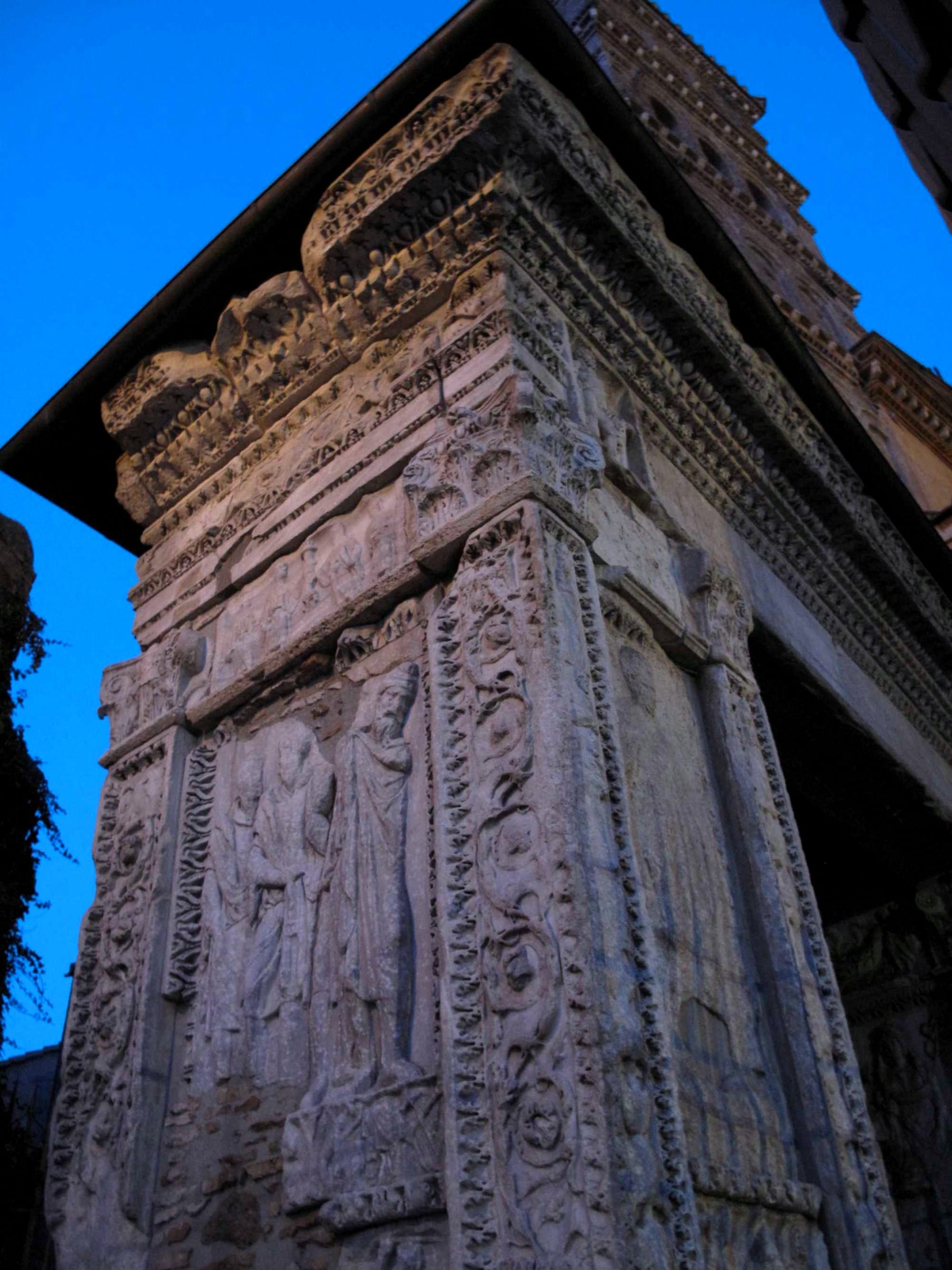
The erasure of Plautianus' name was not confined to Rome. Inscriptions from the provinces also preserve evidence of his condemnation. Even amphora stamps connected with his commercial activities were sometimes modified to remove his name. His daughter Plautilla and son, Gaius Fulvius Plautius Hortensianus, were initially spared execution.
Both were sent into exile. Dio places them on the island of Lipara, while Herodian gives Sicily as their destination. They were deprived of their former wealth and position and lived under the threat of further punishment.
Caracalla's marriage to Plautilla came to an end, although the surviving sources do not preserve the formal circumstances of their separation.
The deaths of the two siblings followed after Septimius Severus died in AD 211. Caracalla ordered their execution, bringing a violent conclusion to the immediate family's involvement in imperial politics.
The great fortune that Plautianus had accumulated passed into imperial hands. Brickworks, estates and other possessions were absorbed into the emperors' property, while his surviving dependants lost the protection that Severus had once provided.
A Man Who Almost Rivalled the Emperors
Gaius Fulvius Plautianus had risen from the aristocracy of Lepcis Magna to become one of the most powerful officials in the Roman Empire. His relationship with Septimius Severus gave him access to immense wealth, extraordinary honours and a position within the imperial household that few men outside the ruling family had ever achieved.
He commanded the Praetorian Guard, held the consulship, received religious distinctions and became the father-in-law of the emperor's designated successor. His influence was visible in public ceremonies, inscriptions, imperial decisions and the behaviour of the people who encountered him.
Yet the same relationship that made his rise possible left him dependent on Severus' protection. His conflicts with Caracalla, Julia Domna and other members of the imperial family became increasingly dangerous as the emperor's confidence weakened.
His murder in AD 205 ended more than a decade of exceptional influence. His wealth was confiscated, his children eventually killed, and the public record of his honours deliberately damaged.
The erasures were extensive but incomplete. Inscriptions, stamped bricks, amphorae, monuments and the accounts of contemporary historians still preserve the career of a man who came remarkably close to sharing the standing of the emperors without ever occupying the throne.
Birley, Anthony R. Septimius Severus: The African Emperor. Revised edition, 1988; Routledge electronic edition, 2002.
Bingham, Sandra, and Alex Imrie. “The Prefect and the Plot: A Reassessment of the Murder of Plautianus.” Journal of Ancient History 3, no. 1 (2015): 76–91.
González Fernández, Rafael, and Pedro David Conesa Navarro. “Plauciano: la amenaza de la domus severiana.” Potestas 7 (2014): 27–50.
Mallan, C. T. “Plautianus’ Zebras: A Roman Expedition to East Africa in the Early Third Century.” The Classical Quarterly 69, no. 1 (2019): 461–465.
Mennen, Inge. Power and Status in the Roman Empire, AD 193–284. Leiden: Brill, 2011.
Cassius Dio. Roman History, Books 76–77
Herodian. History of the Empire after Marcus Aurelius, Book 3.
Historia Augusta. Life of Septimius Severus.

About the Roman Empire Times
See all the latest news for the Roman Empire, ancient Roman historical facts, anecdotes from Roman Times and stories from the Empire at romanempiretimes.com. Contact our newsroom to report an update or send your story, photos and videos. Follow RET on Google News, Flipboard and subscribe here to our daily email.
Follow the Roman Empire Times on social media: