
Brothers Divided: The Tragic Tale of Emperors Caracalla and Geta
As the Severan dynasty rose to prominence, the two brothers were groomed to jointly inherit their father’s empire. Despite their shared upbringing, their differences—both personal and political—were stark and irreconcilable.

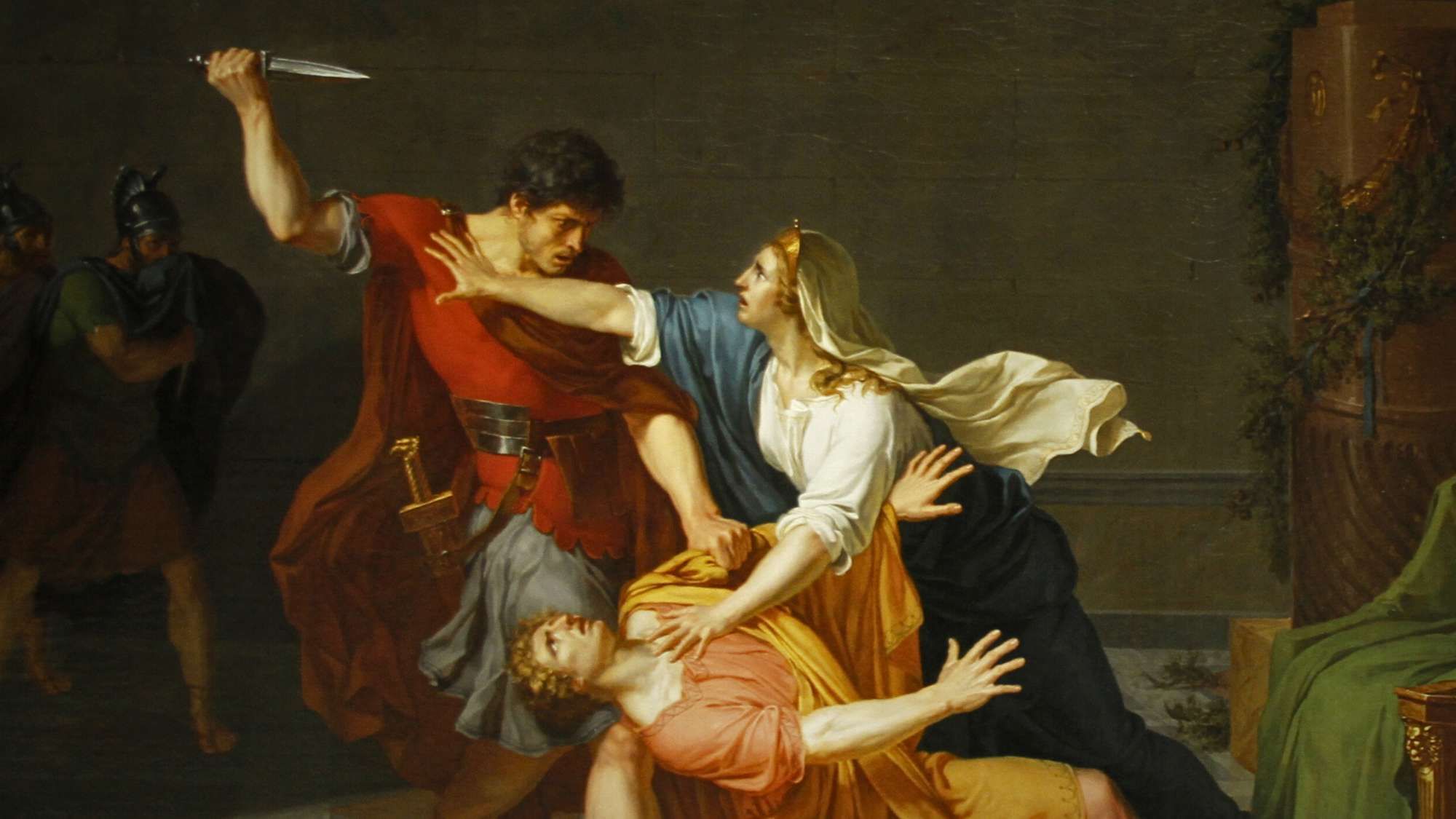
In the shadowed halls of Rome’s imperial palace, two brothers stood poised on the precipice of destiny. Caracalla and Geta, heirs to the mighty Severan dynasty, seemed destined to rule together in harmony. Yet behind the veneer of shared power simmered a rivalry so bitter it would tear apart not only their family but the empire itself.
As whispers of betrayal echoed through the marble corridors, blood would be spilled, and history would forever remember their names—not for unity, but for treachery and fratricide. What truly transpired between the sons of Septimius Severus, and how did their enmity shape the Roman Empire?
Caracalla (born Lucius Septimius Bassianus, later Marcus Aurelius Antoninus, was nicknamed Caracalla after the name of a long-hooded tunic of Gallia which he was fond of wearing) and Publius Septimius Geta were the sons of Emperor Septimius Severus and Julia Domna, a powerful empress of Syrian descent. As the Severan dynasty rose to prominence, the two brothers were groomed to jointly inherit their father’s empire.
Despite their shared upbringing, their differences—both personal and political—were stark and irreconcilable.
“As brothers they were also mutually antagonistic; this dated back to their rivalry as children when they quarrelled over quail fijights or meetings in the cock-pit or wrestling bouts with each other.
Their divided interests in the theatre and recitations also always encouraged this rivalry because they never had the same tastes; anything one liked, the other hated.”
Herodian
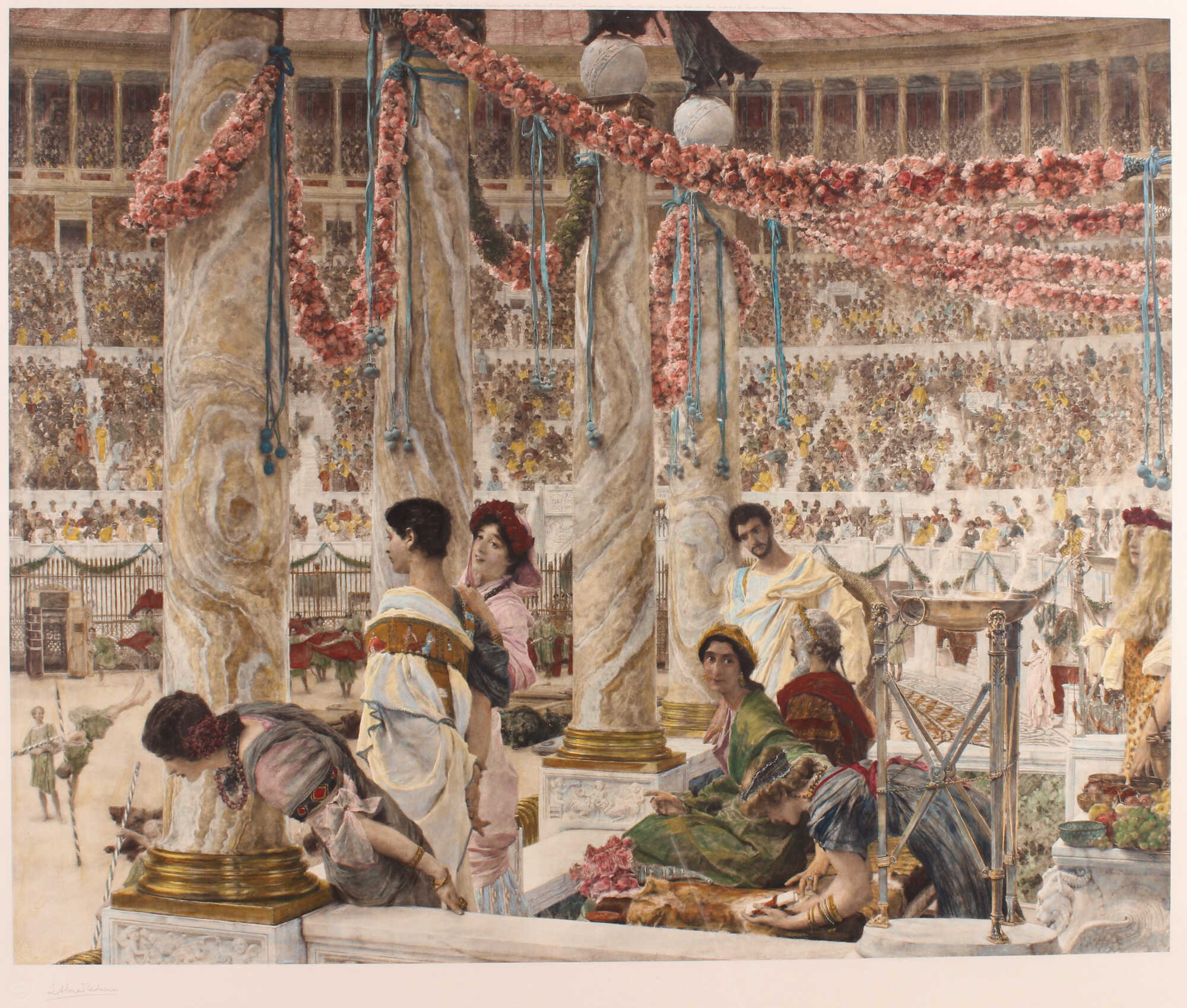
The Story of Caracalla and Geta: Sibling Rivalry Turned Tragedy
In 198 CE, at the tender age of 10, Caracalla was elevated to the rank of Augustus, marking him as a co-emperor alongside his father. Geta, younger by a year, was given the title of Caesar—a junior rank in the imperial hierarchy. This disparity sowed the seeds of resentment, as Geta was relegated to a lesser role despite being equally ambitious.

About the Roman Empire Times
See all the latest news for the Roman Empire, ancient Roman historical facts, anecdotes from Roman Times and stories from the Empire at romanempiretimes.com. Contact our newsroom to report an update or send your story, photos and videos. Follow RET on Google News, Flipboard and subscribe here to our daily email.
Follow the Roman Empire Times on social media: