Roman Empire Anecdotes
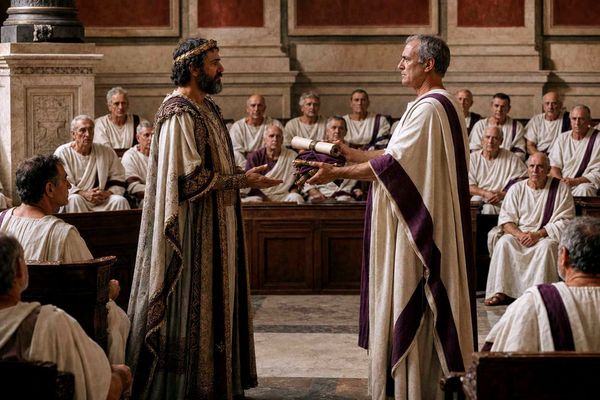
Ulpian: The Roman Lawyer Who Helped Define Justice
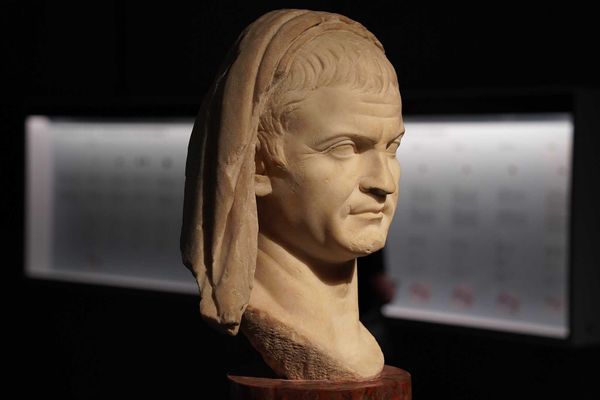
Ulpian rose from Tyre to the heart of Roman power, giving Roman law a language of justice, freedom, and dignity before dying in the violence of imperial politics.
Roman Empire Anecdotes
Ulpian rose from Tyre to the heart of Roman power, giving Roman law a language of justice, freedom, and dignity before dying in the violence of imperial politics.
Roman Empire Historical Facts
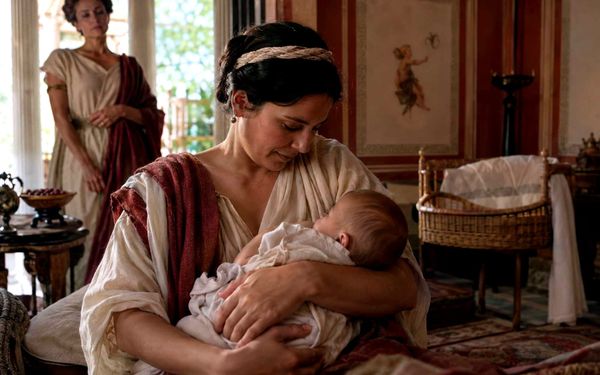
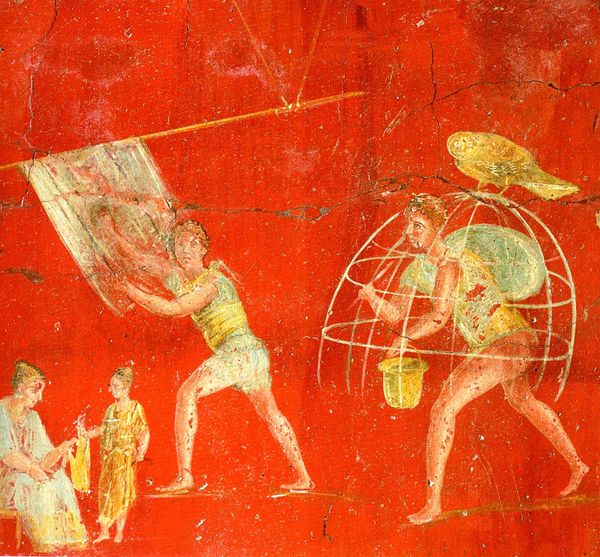
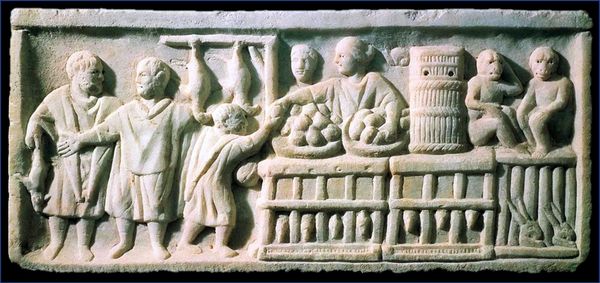
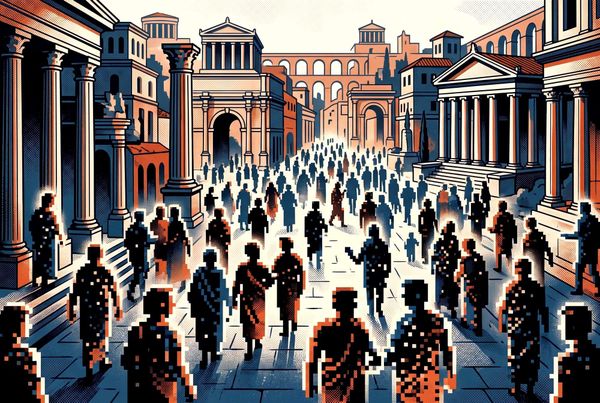
Behind Rome’s marble monuments was a working society of families, slaves, soldiers, engineers, roads, food, baths, festivals, and daily systems.
Roman Empire Anecdotes
Sextus Pompeius was dismissed by his enemies as a pirate, but Pompey’s son used Sicily, sea power, refugees, and memory to become Octavian’s last Pompeian rival.
Roman Empire Historical Facts
Rome is remembered for roads and legions, but its navy helped defeat Carthage, protect sea routes, move armies, and turn the Mediterranean into a Roman highway.
Roman Empire Anecdotes
Valens is remembered for Adrianople, but his reign reveals a harsher story of religion, manpower, imperial pressure, and Roman control.
Roman Empire Anecdotes
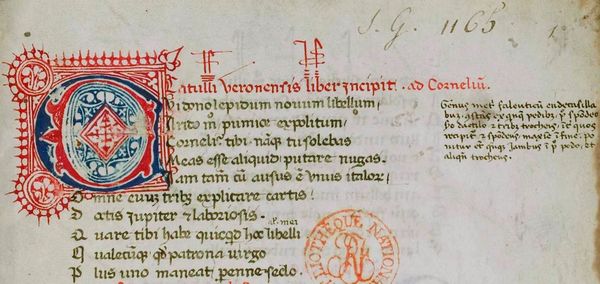
Claudian turned late Roman politics into poetry, shaping a world of heroes, monsters, fragile power, and Rome’s last western court.
Roman Empire Historical Facts
In Rome, status was built from overlapping measures: what you were in law, what you held in property, and who could open doors for you. From senators and city elites to freedmen and slaves, the empire’s hierarchy offered routes upward—but kept its boundaries clear.
Roman Empire Historical Facts
In the second century CE, Appian of Alexandria set out to explain how Rome conquered the world — and how it turned against itself. His Roman History remains the most sustained ancient account of the civil wars that transformed republic into empire.
Roman Empire Historical Facts
Some Roman decisions were made quietly, but their effects were permanent: names changed, heirs appeared, and obligations shifted hands. Behind the formal language of law stood a society trying to protect continuity in a world marked by mortality, status, and competing claims.
Roman Empire Historical Facts
Stone built Rome’s image, but leather sustained its daily life. From tanneries and shoemakers to soldiers on the frontier, this invisible material economy supported movement, labor, and power across the Empire.
Roman Empire Historical Facts
Power does not always announce itself. Sometimes it works quietly, close to the center of events, shaping outcomes while leaving few traces behind
Roman Empire Historical Facts
When death arrived by sea, Constantinople fell silent. Streets filled with the dead, incense rose over empty markets, and even the emperor took to his bed. The first pandemic of recorded history began with prayer—and an empire waiting for an answer.
Roman Empire Historical Facts
In ancient Rome, religion was a public duty, not a private creed. Through ritual, sacrifice, and the worship of countless gods, Romans sought divine favor to sustain both state and soul, blending piety, power, and tradition into the fabric of empire.
Roman Empire Historical Facts
In a world ruled by signs and shadows, the Romans saw meaning in every tremor and whisper. Fear was not weakness but wisdom—their way of reading a universe alive with gods, ghosts, and omens.
Roman Empire Historical Facts
Aurelian rose from the ranks to stitch a broken empire back together. In five relentless years he beat back invaders, reunited provinces, fortified Rome, reformed money, and crowned the restoration with Sol Invictus—a brief reign, a durable repair.
Roman Empire Historical Facts
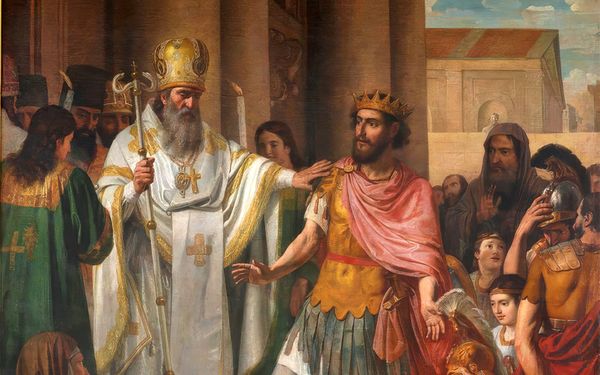
When Constantine raised the Christian cross above his armies, the world changed. Yet behind the miracle at the Milvian Bridge lies an enduring question—did faith guide the emperor, or did empire guide his faith?