
The 10 Best Roman Video Games, Ranked
Command legions, build cities and navigate imperial politics in our countdown of ten Roman video games, followed by two worlds with unmistakable Roman echoes.

A Roman game can put an entire Mediterranean empire beneath your cursor, then make you worry about a single exposed flank. Another can hand you a provincial town and reveal that keeping its markets supplied is every bit as absorbing as taking a city by force. Rome gives game designers an unusually generous brief.
Our ten favourites take different parts of that world seriously: the army, the city, the competition for power, or the anxious business of holding an empire together. We have weighed their Roman atmosphere, the strength of their central ideas and their place in gaming history. The order is our editorial (and gaming) judgment, informed by research and current reception.
The countdown includes games set in the Republic as well as the Empire, and one Egyptian adventure at the point where Roman power enters the story. After number one come two honourable mentions whose imagined worlds borrow Rome to striking effect. But enough micro-spoilers, let's dive in: We begin with a game that understands the appeal of an excellent shield.
10. Ryse: Son of Rome — Rome gets the blockbuster treatment
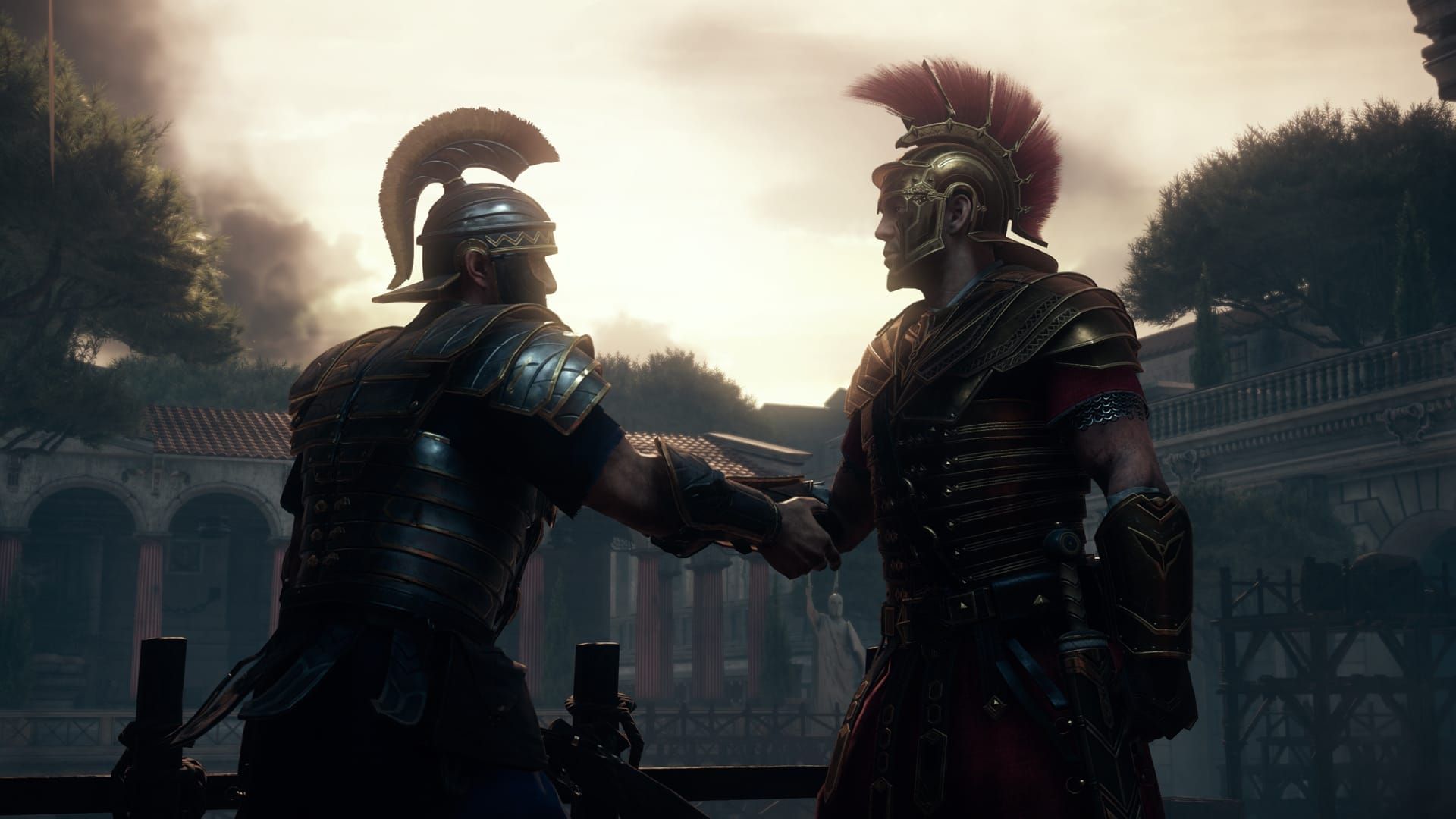
Crytek’s Ryse: Son of Rome follows Marius Titus, a Roman soldier whose family’s murder draws him into a story of campaigning in Britannia and revenge reaching into imperial corruption. It puts the player close to the fighting, trading the general’s distant view for sword strikes, shield work and forceful finishing moves.
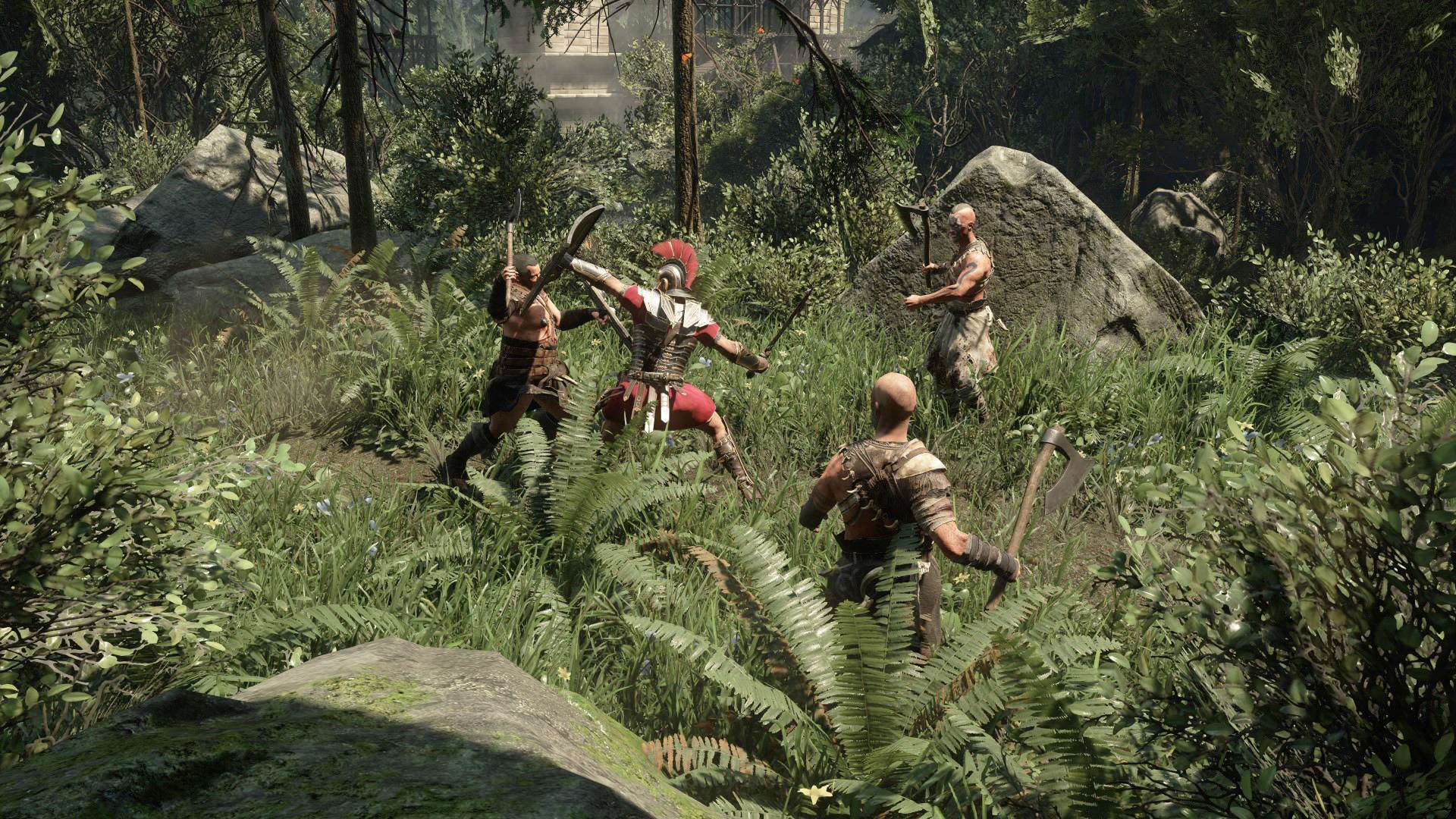
It is easy to understand why we like this action-packed setting. Monumental scenery and densely detailed soldiers make this an exceptionally handsome version of Roman spectacle. We love its commitment to the physical presence of the setting: armour, stone and massed bodies all contribute to the drama. It has the confidence of a blockbuster film determined to justify its production budget.
Its narrow combat loop keeps it at number ten, however glorious its graphics are (and now, ultra-enhanced with DLSS 5). The spectacle has more variety than the fighting, while the story freely mixes history with fantasy. For a concentrated dose of cinematic Rome, however, Ryse earns its invitation. Sometimes you want the empire at arm’s length; sometimes you want to stand behind the shield.
9. Age of Empires I and II — Rome, one more age at a time
Age of Empires I and II share our ninth place because they make Rome wonderfully busy. The first game’s The Rise of Rome expansion makes the Romans a playable civilisation, and Age of Empires: Definitive Edition gathers its original content into a refreshed edition. Roman power grows from food, wood, gold and stone, with villagers building the economy that keeps an army moving.
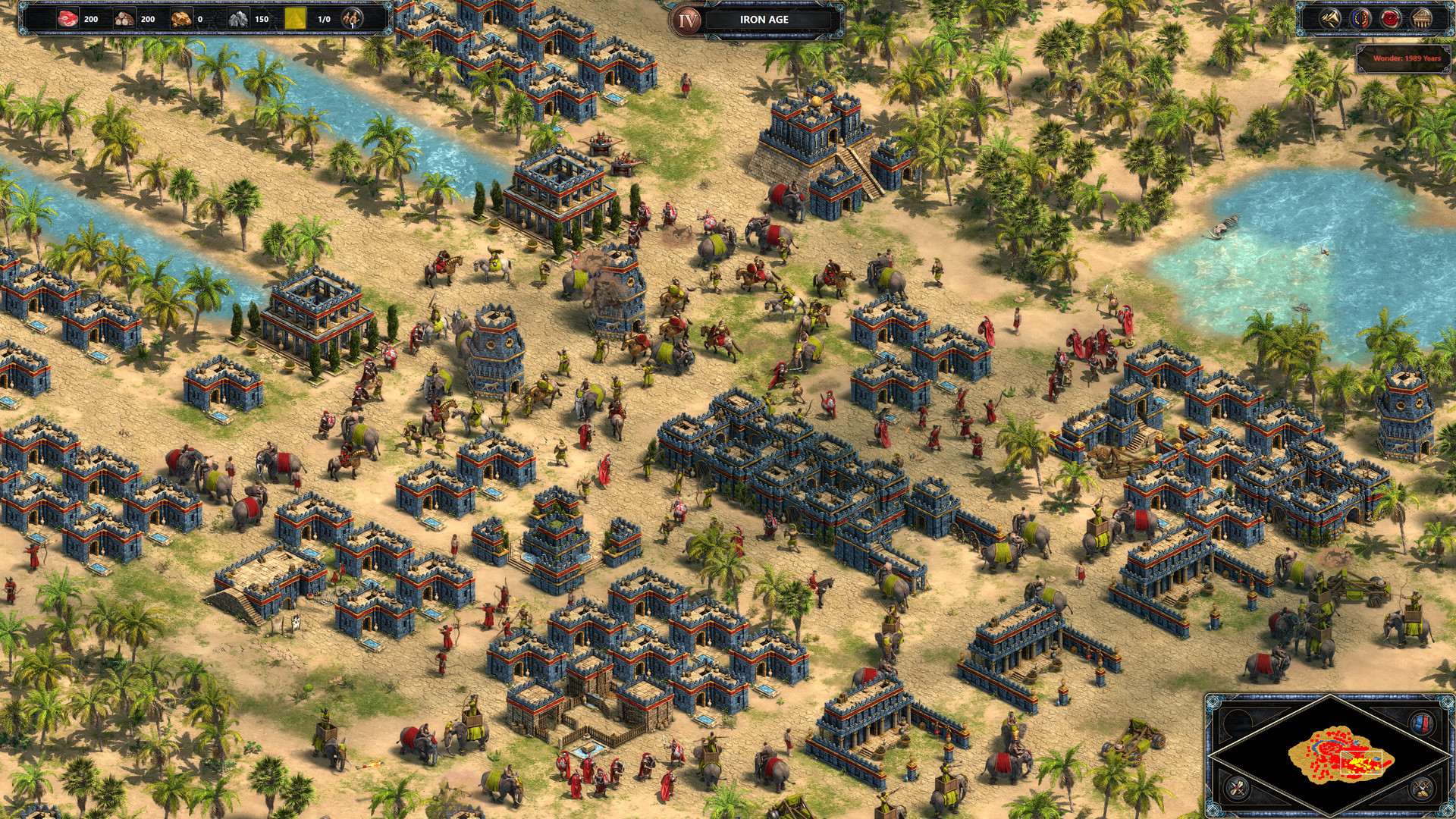
For Age of Empires II, our Roman pick is the Definitive Edition with Return of Rome. This expansion adds a Roman civilisation to the main game, complete with Legionaries and Centurion cavalry. A separate mode brings the first game’s ancient civilisations and gameplay into the sequel’s home, with a Trajan campaign giving its Roman side an imperial story to follow.
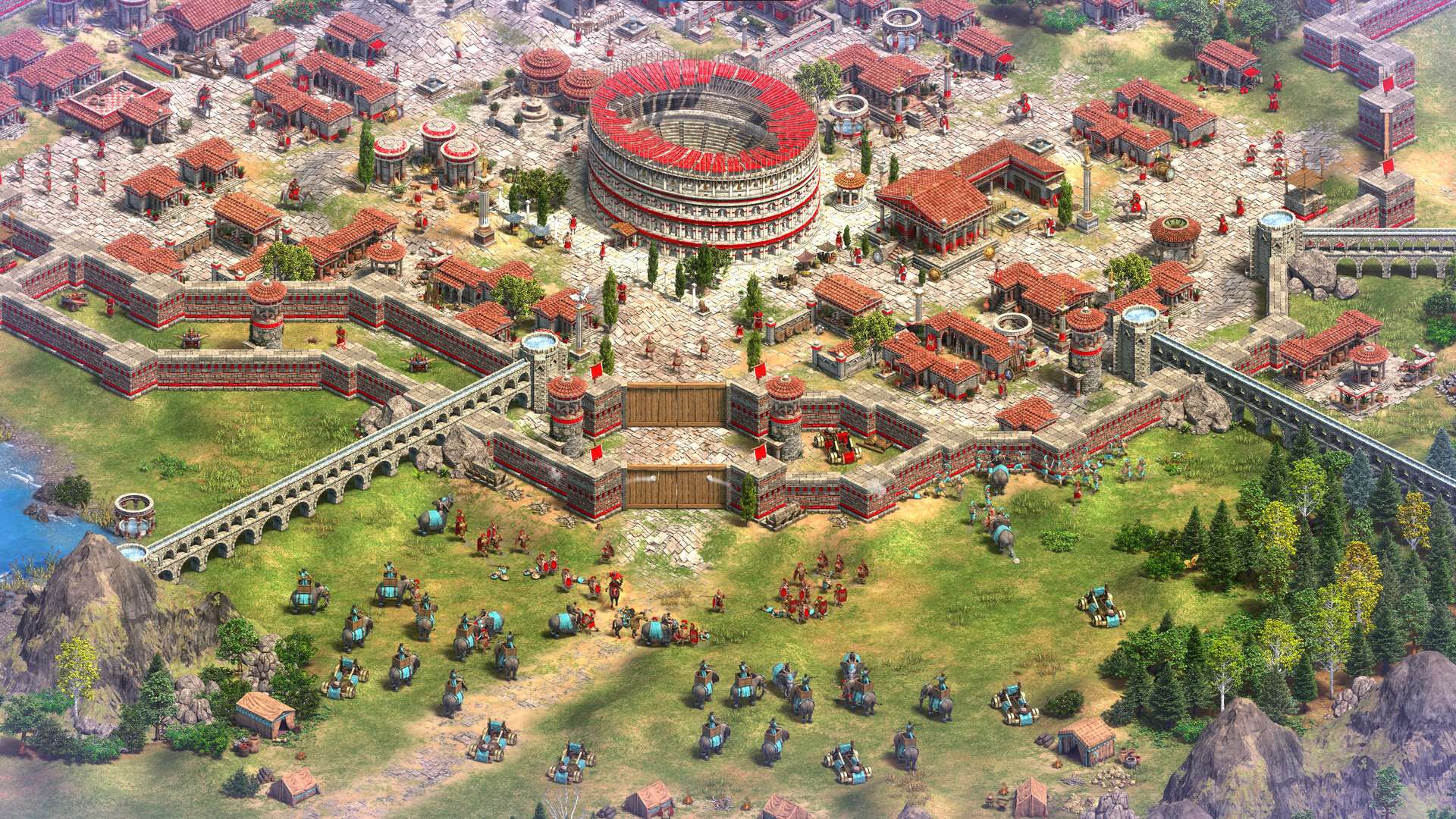
Their pleasure is in the pace: a promising settlement becomes an urgent contest between the next upgrade and the next attack. We love that constant pull between building a civilisation and risking its army. These are stylised, wonderfully playable versions of Rome, with resources and ages organised for a match.
Make no mistake; we are incredibly romantic about the original AoE games and were debating putting them higher in our list. However, we need to stay in focus – none are purely 'Roman-focused', and would make the list a bit too subjective.
8. Assassin’s Creed Origins — Egypt at Rome’s doorstep
The Egyptian entry is Assassin’s Creed Origins, Ubisoft’s adventure centred on Bayek and the beginnings of the Hidden Ones. Its main historical setting falls around 49–44 BC, when Egypt’s Ptolemaic monarchy and the ambitions of Julius Caesar intersect. That encounter with Roman power gives it a strong place on this list.
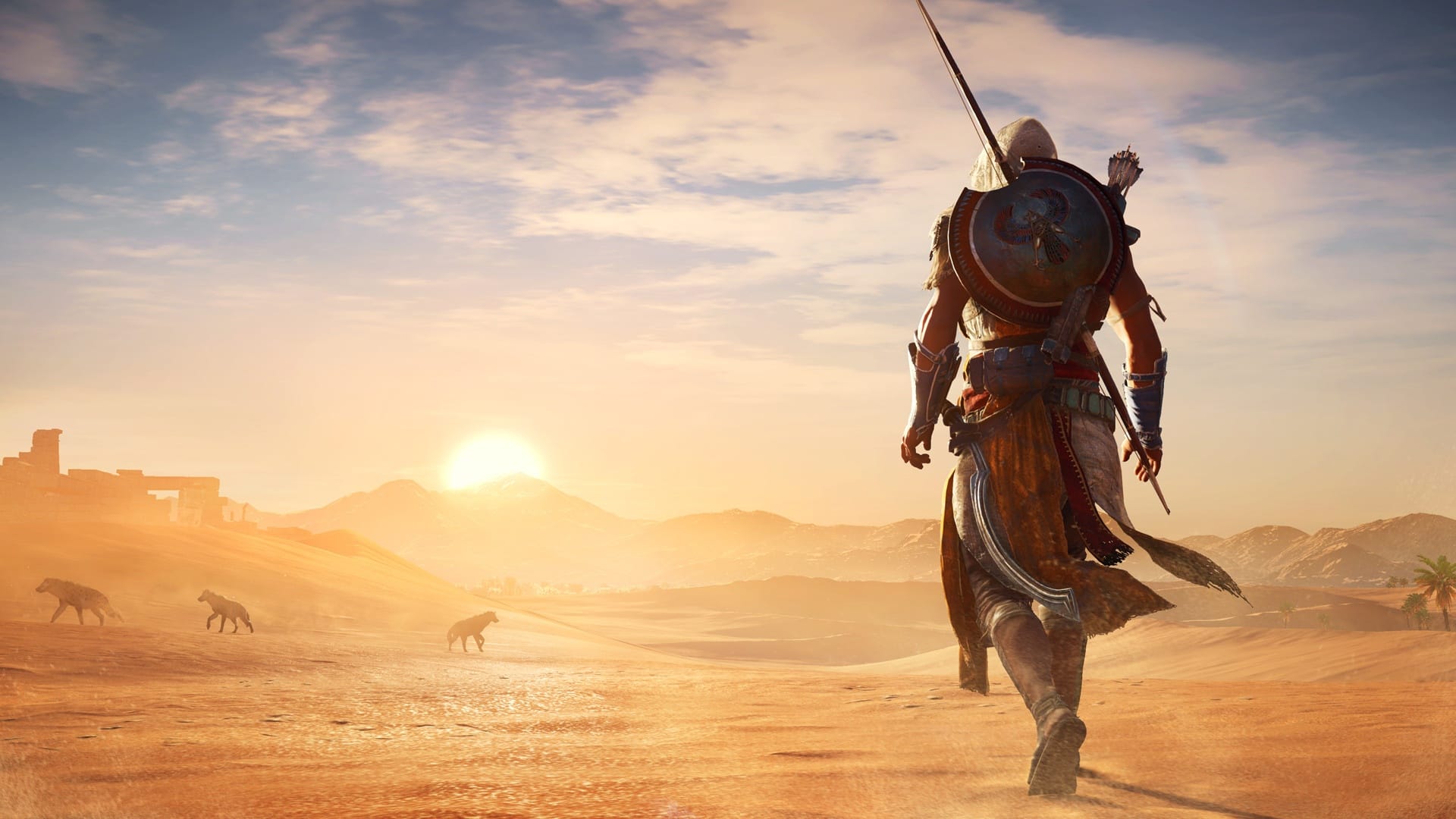
Its greatest pleasure is the world around the plot: the Nile, cultivated land, desert routes, settlements and Alexandria invite a different kind of attention from a campaign map. We admire how much room the landscape gives the adventure to breathe, and the aura of the Empire looming in the distance. Following a road through this Egypt has an appeal entirely its own, even before the next political complication arrives.
Egypt remains the centre of the experience, which is why it sits below our more thoroughly Roman choices. Its appeal here is the encounter between worlds, with Caesar and Cleopatra drawn into an expansive action role-playing game. For the historical relationship behind that fiction, our account of Caesarion and the final Ptolemaic dynasty follows the connection further.
7. Anno 117: Pax Romana — the pleasures of governing
Anno 117: Pax Romana makes the provincial governor the main attraction. Ubisoft Mainz’s city builder asks you to supply a growing population, arrange production and shape settlements in the sunny landscape of Latium or the Celtic wetlands of Albion. The Roman setting gives the series’ intricate economic machinery a particularly appealing home.
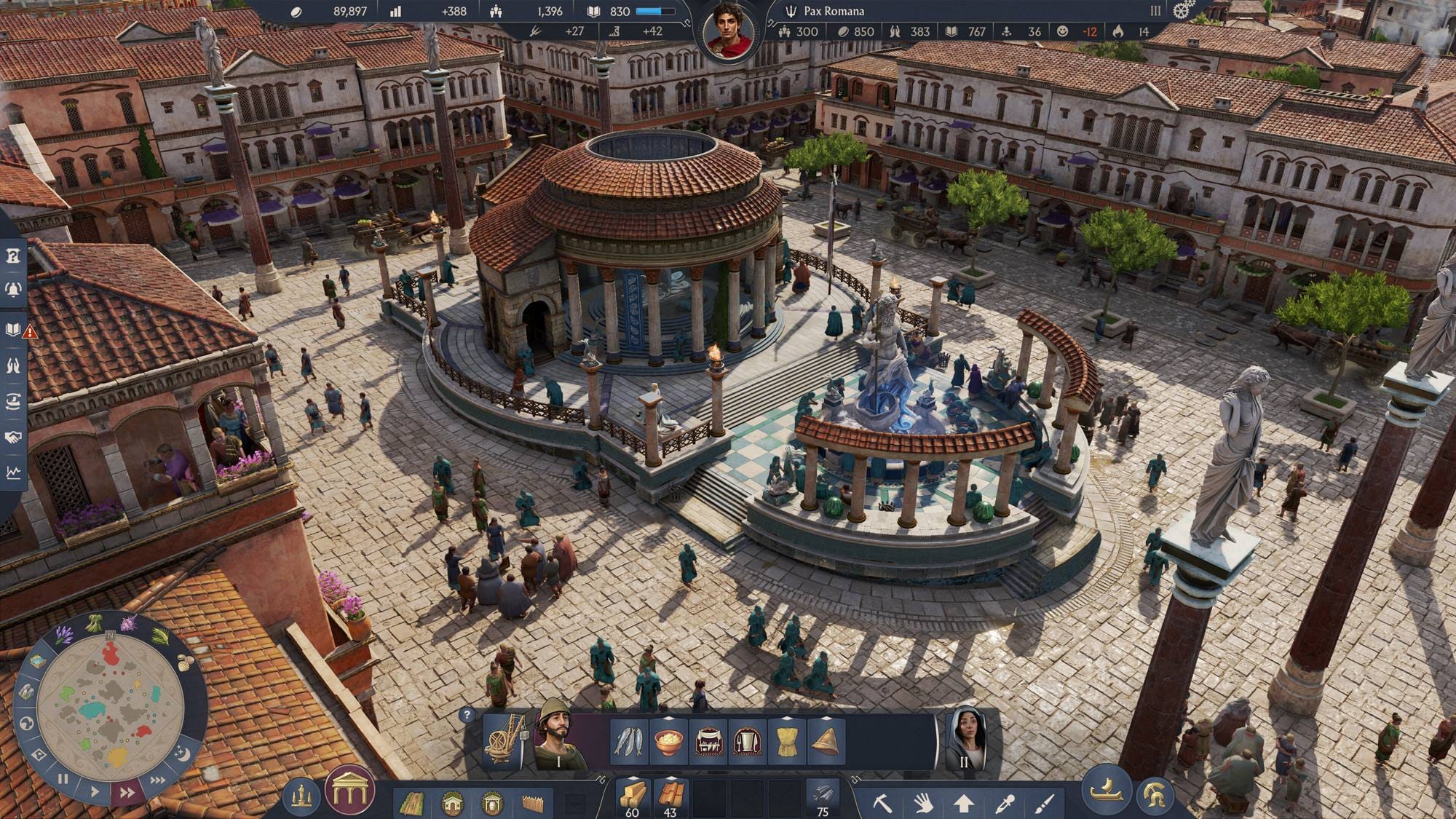
What we like most is the way public ambition emerges from practical decisions. A magnificent city needs goods, roads and functioning connections, while governing Albion brings choices about preserving local traditions or promoting Roman ways. The result gives the player both an attractive construction project and reasons to think about how an imperial province takes shape.
Player reception is divided: Steam’s English-language aggregate was Mixed at our October 2026 check. We still find its combination of production chains, civic beauty and provincial choices compelling and quite satisfactory; one might say this game is an acquired taste. If your Roman fantasy includes bathhouses and a reliable supply network, this is a very tempting appointment.
6. Imperator: Rome — the danger is inside the state
Paradox’s Imperator: Rome places the Mediterranean within a grand strategy system of populations, trade, diplomacy and political relationships. Its setting runs through the centuries following Alexander’s conquests towards the creation of the Roman Empire. Rome is one possible power among many, with the wider ancient world supplying rivals and alternative paths.
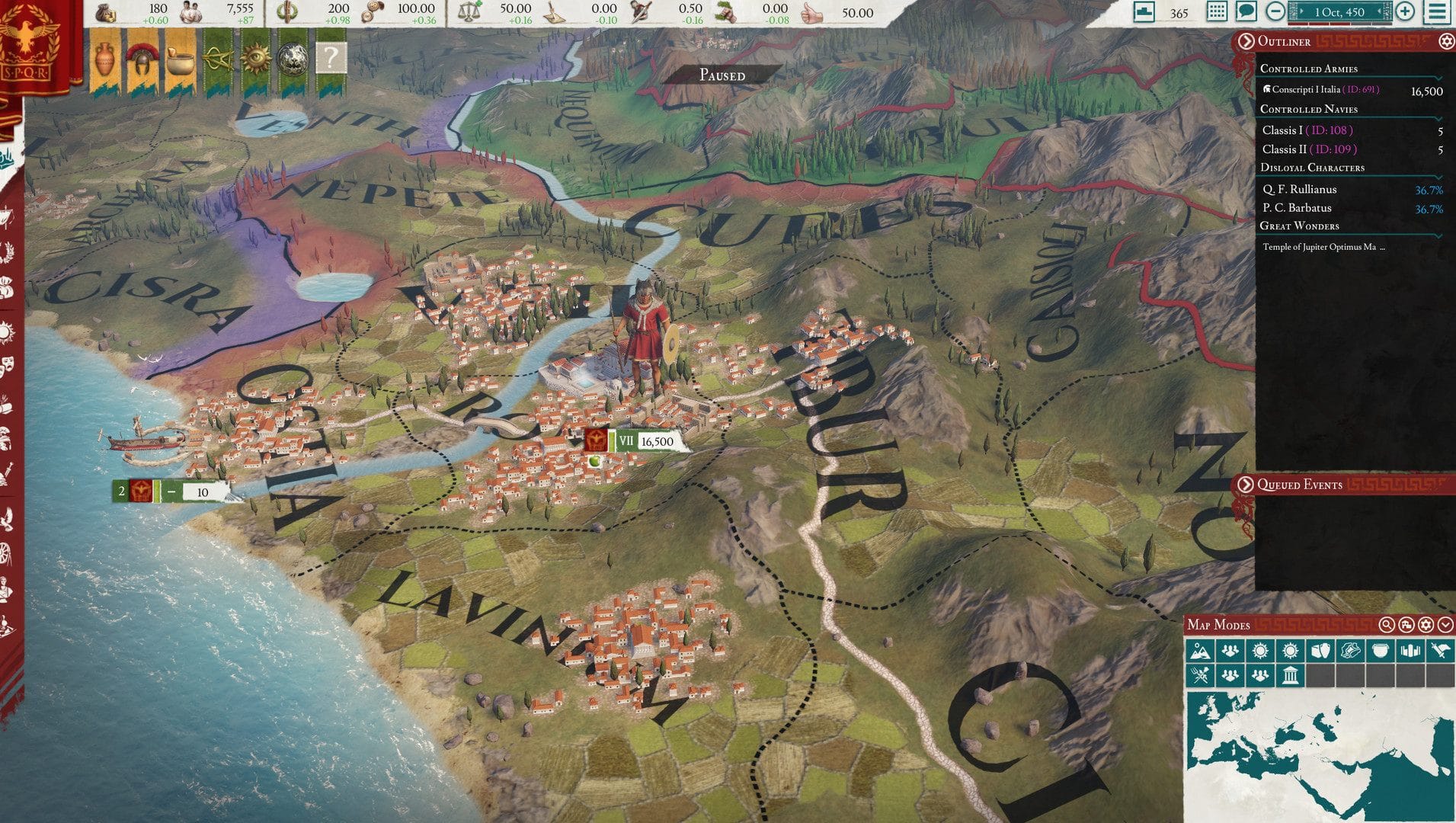
Its best Roman idea is that a country contains people with ambitions of their own. Generals command armies, governors administer provinces and republics have senates to manage. Keeping those relationships workable makes expansion more interesting: a large territory is much less reassuring when the people entrusted with it are becoming inconveniently independent.
We place it sixth for that political scope and the satisfaction of joining its systems together. The amount to learn can be demanding, and its Steam English-language aggregate also remained Mixed at our check. Also, one must never forget that this game was bound to be compared to some other giants that follow, so the competition is quite relentless. Nevertheless, for anyone drawn to the machinery behind conquest, its attention to population and internal power gives Rome a welcome dimension beyond the battlefield.
5. Civilization VI as Julius Caesar — one more Roman turn
Sid Meier’s Civilization VI becomes a particularly enjoyable Roman proposition with Julius Caesar leading your civilisation. His Veni, vidi, vici ability rewards capturing cities for the first time and taking gold from Barbarian Outposts, linking military success to the resources needed to support further ambitions. What a joy it can be sometimes to be wielding such a forceful personality!
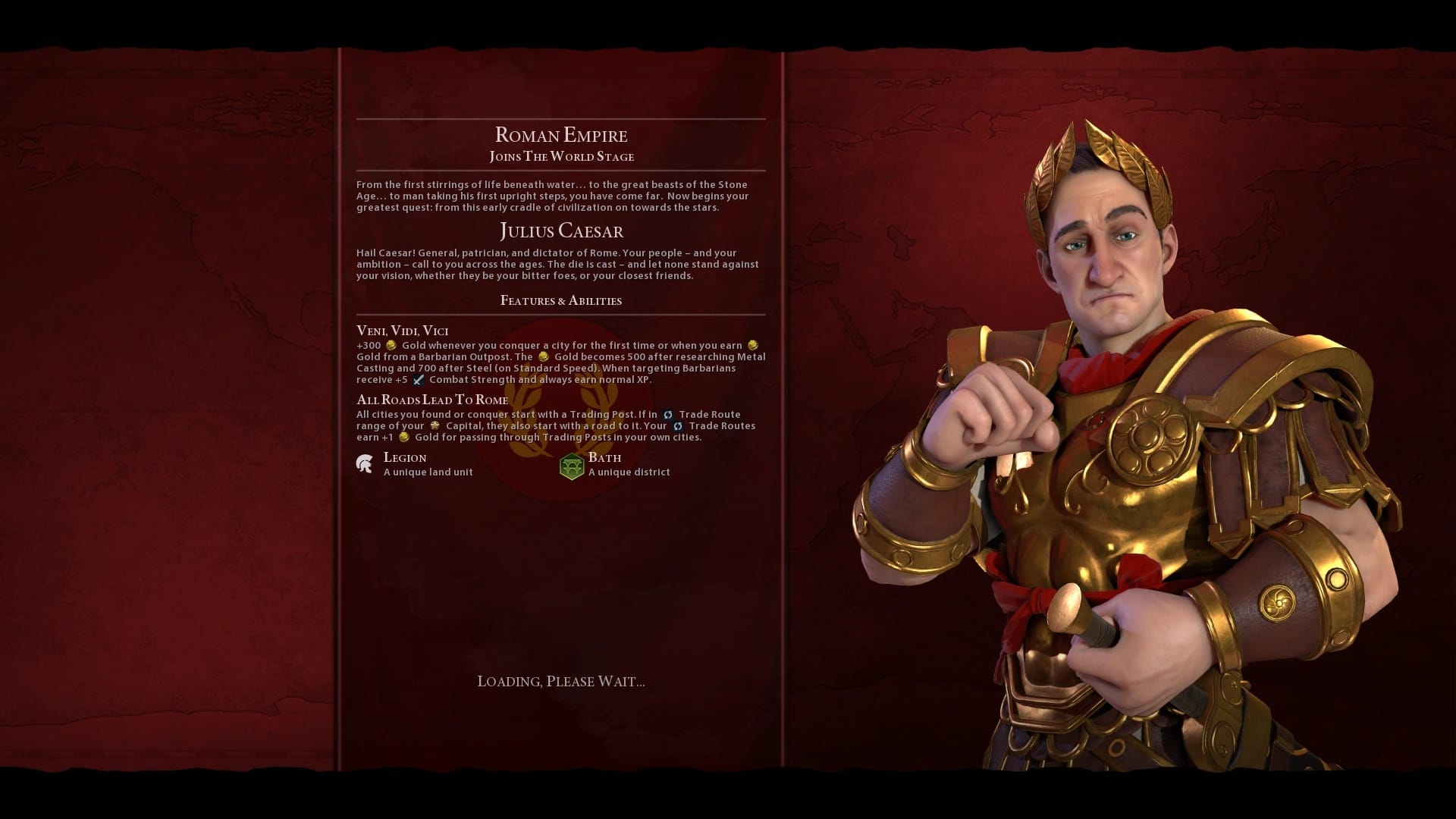
That suits a series built around the consequences of successive decisions. District placement, research, cultural development and diplomacy keep presenting alternatives to the next campaign. We love the collision between Caesar’s appetite for conquest and a game capable of carrying his civilisation into the Space Age. Historical plausibility has cheerfully surrendered to possibility by that point, but honestly it's a Civ game and... who cares?
For this fifth-place pick, choose Caesar specifically; Trajan is the base game’s Roman leader. The current official instructions make Caesar available by linking a free 2K account to the platform used to play, excluding Android. Our account of Julius Caesar’s political and military career supplies the historical counterpart to that distinctly open-ended future.
4. Total War: Rome II — a vast ancient world to command
Oh the drums of war are beating. Total War: Rome II earns fourth place through its breadth: a large campaign world, competing cultures and real-time battles on land and at sea. The present Emperor Edition incorporates improvements to politics, building chains, balance and visuals, alongside the Imperator Augustus campaign set in the aftermath of Caesar’s assassination.
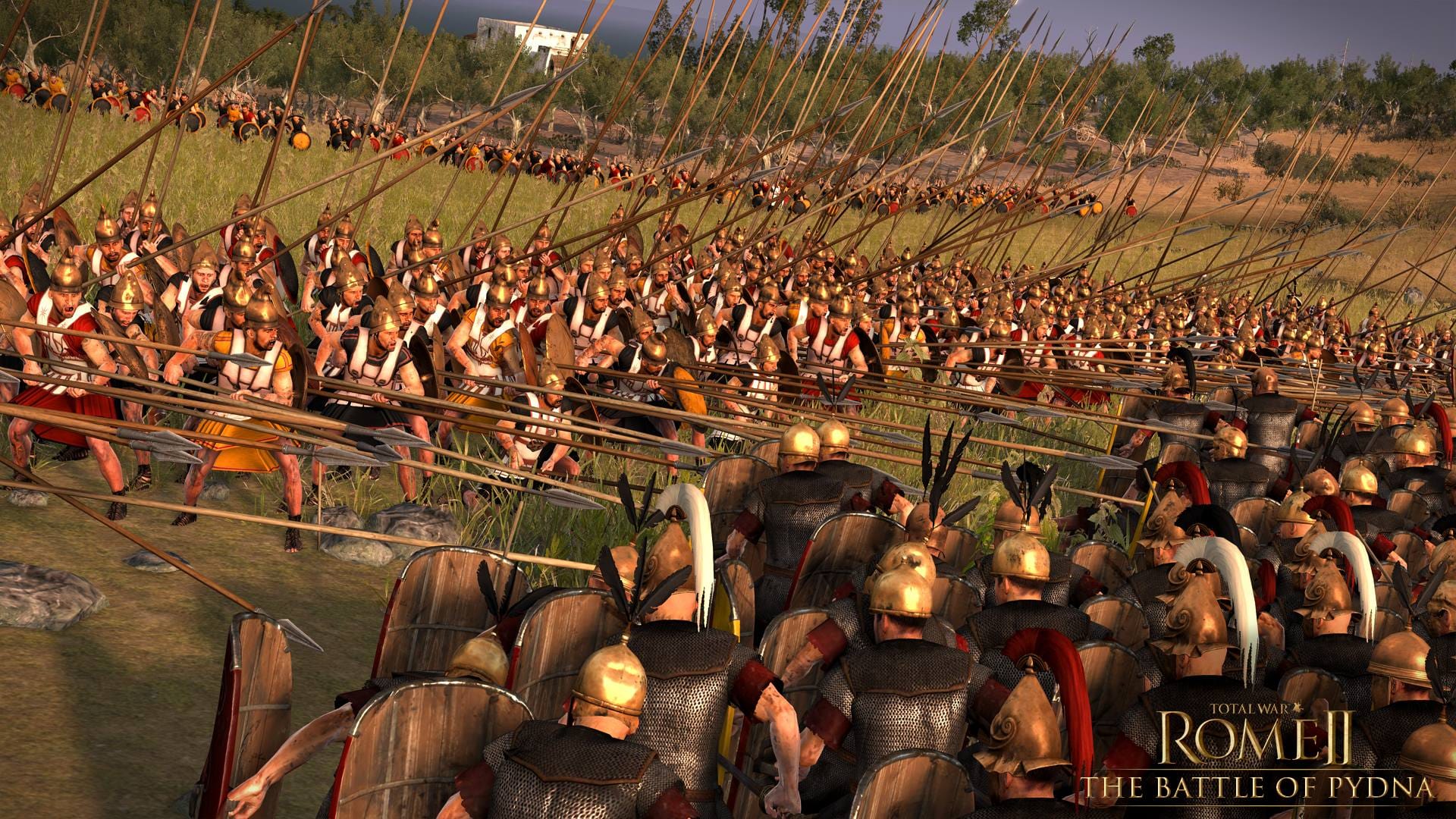
Its attraction is the movement between scales. A decision about a province becomes a recruitment problem; that army then becomes a line of soldiers whose position you must judge in real time. The variety of forces and the detailed battle presentation make the ancient Mediterranean feel substantial, with enough competing interests to sustain a long strategic project.
But enough chit-chat: What truly makes this game formidable, aside from incredible visuals, and much greater physics, is the modding and support community; you will enter a rabbit hole that one can only find in a few gaming titles, with subreddits specifically dedicated to single battles and assassination plots, it's truly glorious. We adore this game, and if you have the time to truly savor it, do so.
3. Caesar III — the series finds its perfect rhythm
For us, Caesar III is where the series perfected its formula. The provincial governor’s task becomes a network of interdependent needs: employment, food, commerce, water, religion and entertainment. Its isometric city is attractive (we are romantics yes, but just look at the beauty of that screenshot below; we did not even upscale it just to keep its original feeling intact), but the lasting satisfaction comes from understanding how all those moving parts support one another.
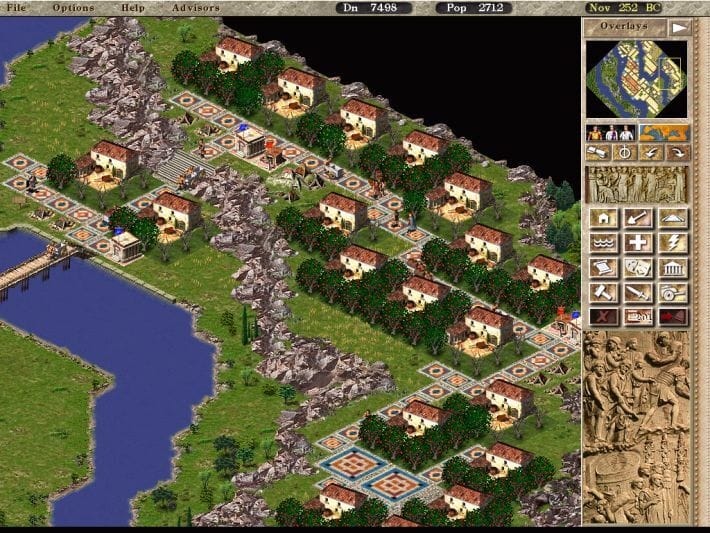
When this game was released, it was a marvel of a sim city game. Details like the people walking the roads, services reaching neighbourhoods through those journeys (that made street layout absolutely central to the city’s success), and the chess-alike forward thinking needed so your current building’s presence must be future-proof so to your endgame wider system actually works, it's brilliant. The game gives a market or a reservoir enough importance to compete with the usual strategic obsession with armies.
That is why third place feels right. Caesar III makes the ordinary operation of a Roman city engrossing, and its clear central idea holds the growing complexity together beautifully. Its housing also offers an inviting point of comparison with the crowded apartment buildings of ancient Rome. Few games make competent urban administration feel quite so rewarding.
2. Total War: Attila — the late Empire has never felt so precarious
Total War: Attila takes second place because its late imperial atmosphere is extraordinary. It's not that we don't adore Rome II: Total War, but this one really shines with the last days of the Empire. The main campaign begins in AD 395, and the Western Roman Empire presents a very different starting problem from the usual small state awaiting expansion. You already possess enormous territories; keeping them together is the challenge that makes the position exciting.
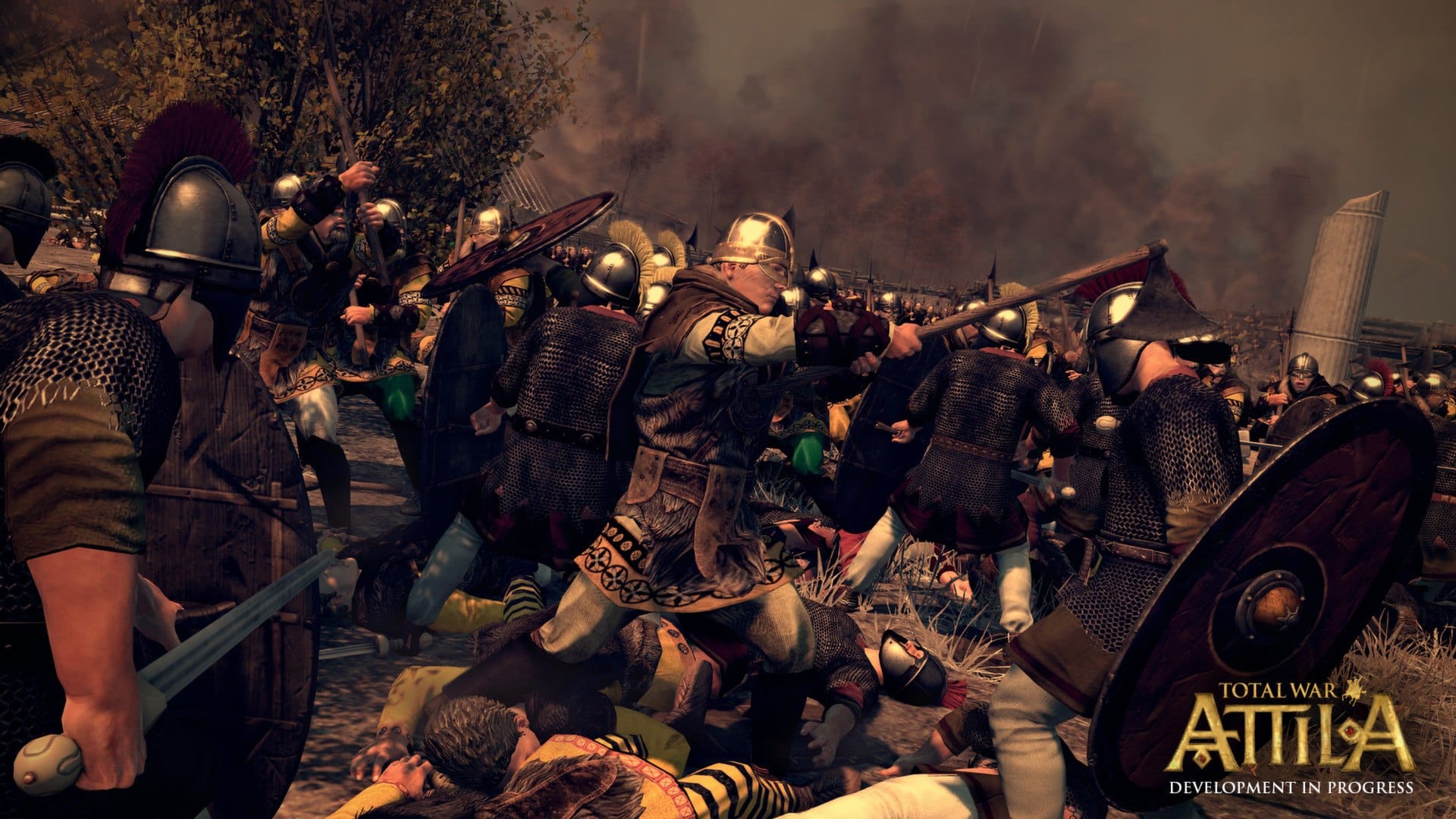
Political trouble, religious pressures, civic management and the threat of destruction give the campaign its cinematic weight, in a map that truly defines 'epic' scale. Cities can burn and regions can be razed, making the landscape feel vulnerable as well as valuable. We love how the game turns the familiar pleasure of acquiring territory into the much more anxious pleasure of keeping a frontier functioning.
This is our strongest recommendation for the late Empire’s mood: strained resources, difficult choices and the sense that every decision competes with another emergency. The game concentrates those pressures into a severe survival challenge. Our account of the political crisis behind the sack of Rome in 410 adds historical texture to a period whose appeal deserves much more than a passing invasion.
1. Rome: Total War — the original still deserves the crown
Well, you guessed right. The original Rome: Total War is our number one. Creative Assembly’s 2004 game deserves credit for what its achievement meant then: a fully three-dimensional presentation, cinematic battles with thousands of soldiers and a campaign that joined territorial ambition to the immediate problem of commanding an army. Its originality belongs to that moment, and it remains worth celebrating.
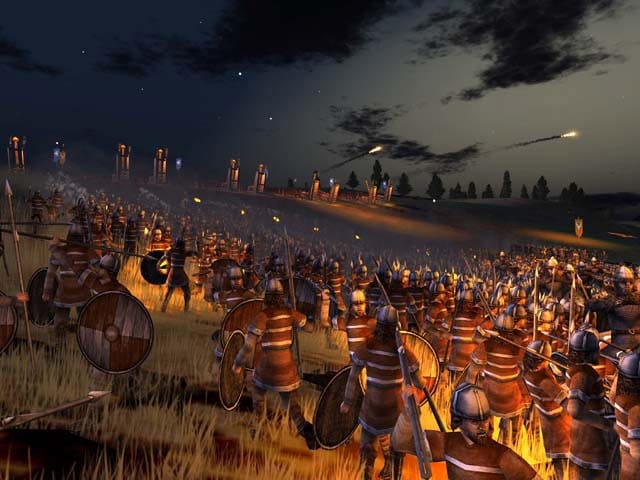
Imagine having a crush on the latest Total War game, the legendary Medieval. And suddenly, this gem drops on your lap. Yes, earlier Total War games had already established the campaign-and-battle combination, but Rome gave that idea a striking new visual life and an ancient setting full of character.
The three Roman family factions, Senate missions and eventual struggle for supremacy create a compelling game structure; their arrangement is a deliberate simplification of Roman politics, but it makes everyone, from an absolute beginner of Roman history to a scholar, satisfied. A piece of advice: If you think only armies matter, you're in for a treat. Be careful with the stability of your Empire, because if you have them overjoyed with no danger at the border, and start a war... oh boy, the revolt.
We chose to rank the original game here, separately from Rome Remastered. Later titles can offer greater detail and more systems, but our first place recognises the force of the original idea as it arrived in 2004. There are so many mods out there, that you could be playing – literally – for decades. It made the movement from a Mediterranean map to a contested battlefield feel magnificent. For originality, identity and that powerful union of scales, the crown stays here.
Honourable mention: Fallout: New Vegas – Rome after the apocalypse
Fallout: New Vegas deserves its own salute. Caesar’s Legion brings a Roman-inspired faction into Obsidian’s post-apocalyptic Mojave, where rival societies compete over the future. Its borrowed names, ranks and imperial identity give an already legendary game a very different historical depth: the ancient world becomes the building material from which survivors attempt to build a new order.
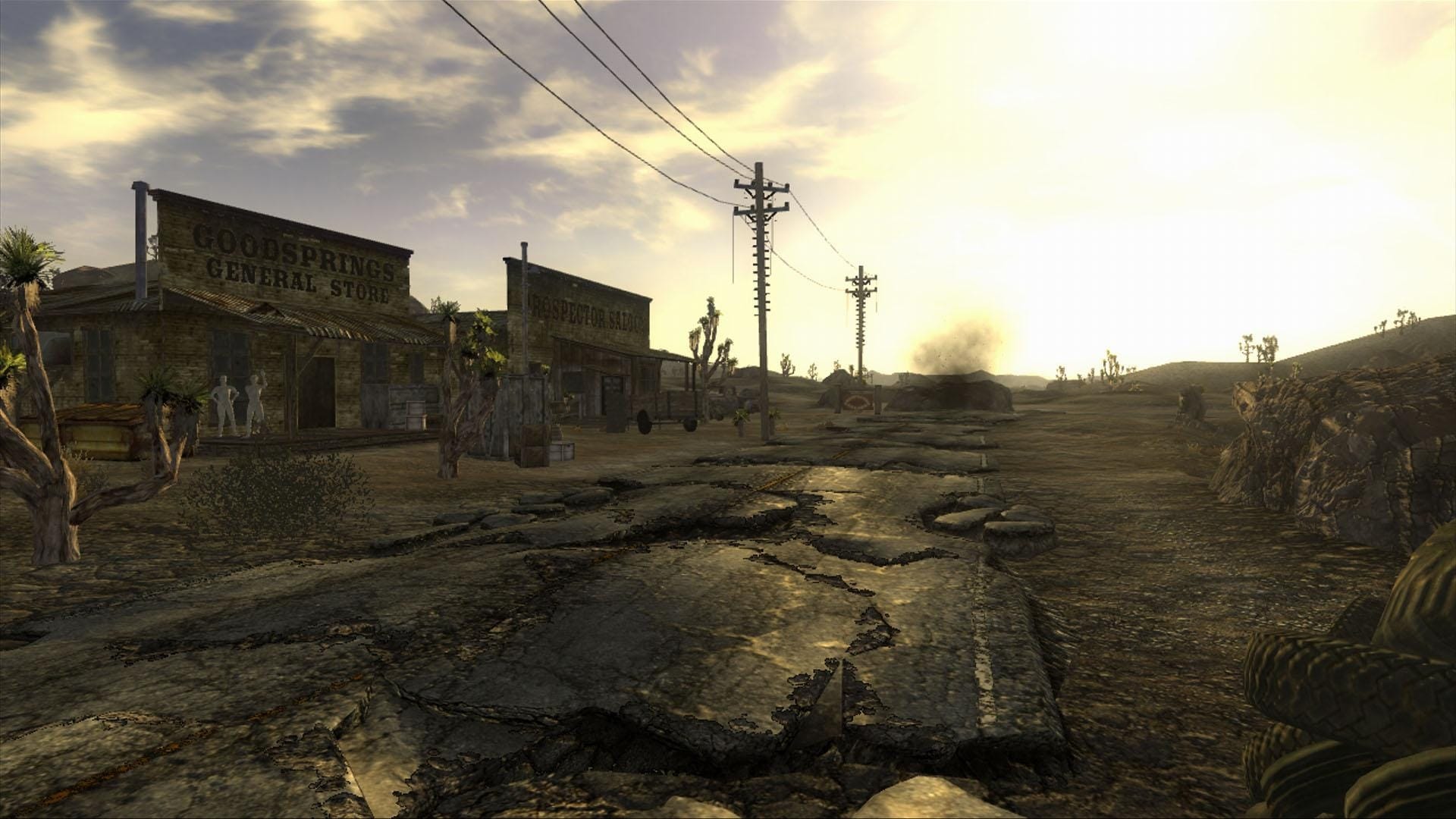
That choice makes the gruesome, post-apocalyptic setting even richer. The Legion’s slavery, brutality and authoritarian organisation stand beside competing visions of government, including the New California Republic. The developers described wanting factions with recognisable identities and choices with consequences; they were pretty spot-on with this one. Rome’s presence therefore reaches beyond costume into the political arguments that make this remarkable wasteland so absorbing.
We love what that adds to the world: amid its ruins and improvisations, people are also arguing over which past deserves another future. Caesar’s Legion represents a selective, ruthless reconstruction of Rome within the fiction. Its unsettling imperial presence is one reason we regard New Vegas as one of gaming’s great imagined worlds.
Honourable mention: The Elder Scrolls – Rome’s fantasy double
The Imperials give The Elder Scrolls series its unmistakable Roman echo. Their names, imperial institutions and military identity make the resemblance especially vivid in Skyrim, where the Imperial Legion belongs to the central civil conflict. In armour, ranks and organisation, this can feel like Rome’s fantasy clone, relocated to a world with dragons.
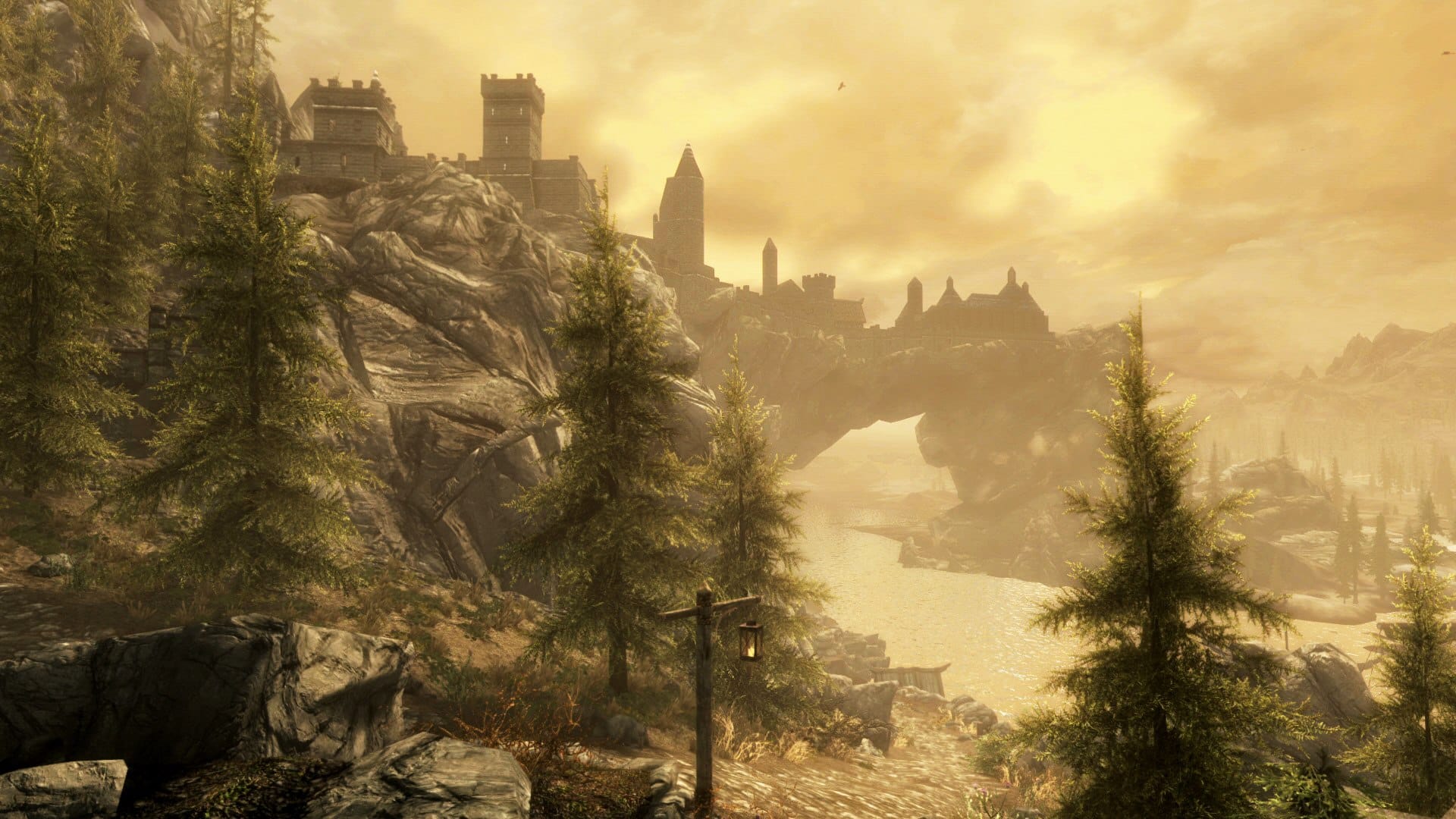
To be honest, some might argue that Morrowing is even better at this – and they'd be right. You are immediately greeted from... well.... Romans at the start of the game! Yes, they are Imperials, but it's so nice to have a fantasy world where you can be a Roman; from the inside.
What makes the borrowing enjoyable is how widely it reaches. A legion, its officers and its claims of imperial authority help define the political world around an individual adventurer. Roman associations supply an immediately recognisable language of discipline and power, while the fantasy setting gives those associations new conflicts and allegiances to inhabit. Will you betray the Order...?
🏛️ Sources used:
Emma Bridle, “Celebrate the Return of Rome By Pre-Ordering Now!,” Age of Empires, 25 April 2023.
2K, “Add Julius Caesar and Scout Cat to Civilization VI.”
Ubisoft, “Assassin’s Creed Mirage — The Evolution of the Brotherhood” (2023), Origins section.
Mike Brunton, “Rome: Total War Designer Diary #4,” GameSpot, 26 July 2004.
Creative Assembly / SEGA, Rome: Total War Collection: official Steam product description.
Creative Assembly / SEGA, Total War: Attila: official Steam product description.
Creative Assembly / SEGA, Total War: Rome II — Emperor Edition: official Steam product description.
Impressions Games / Activision, Caesar III: official Steam product description.
Paradox Interactive, Imperator: Rome: official Steam product description and user-review aggregate.
Crytek, Ryse: Son of Rome: official Steam product description.
Ubisoft, Assassin’s Creed Origins: official Steam product description.
Ubisoft Mainz, Anno 117: Pax Romana: official Steam product description and user-review aggregate.
Firaxis / 2K, Sid Meier’s Civilization VI: official Steam product description.



About the Roman Empire Times
See all the latest news for the Roman Empire, ancient Roman historical facts, anecdotes from Roman Times and stories from the Empire at romanempiretimes.com. Contact our newsroom to report an update or send your story, photos and videos. Follow RET on Google News, Flipboard and subscribe here to our daily email.
Follow the Roman Empire Times on social media: