
What Happened When a Roman Tenant Couldn’t Pay the Rent?
Rent was a familiar worry in ancient Rome, even for people who were far from poor. When the money was not there, what could a tenant expect—and how much depended on the landlord?

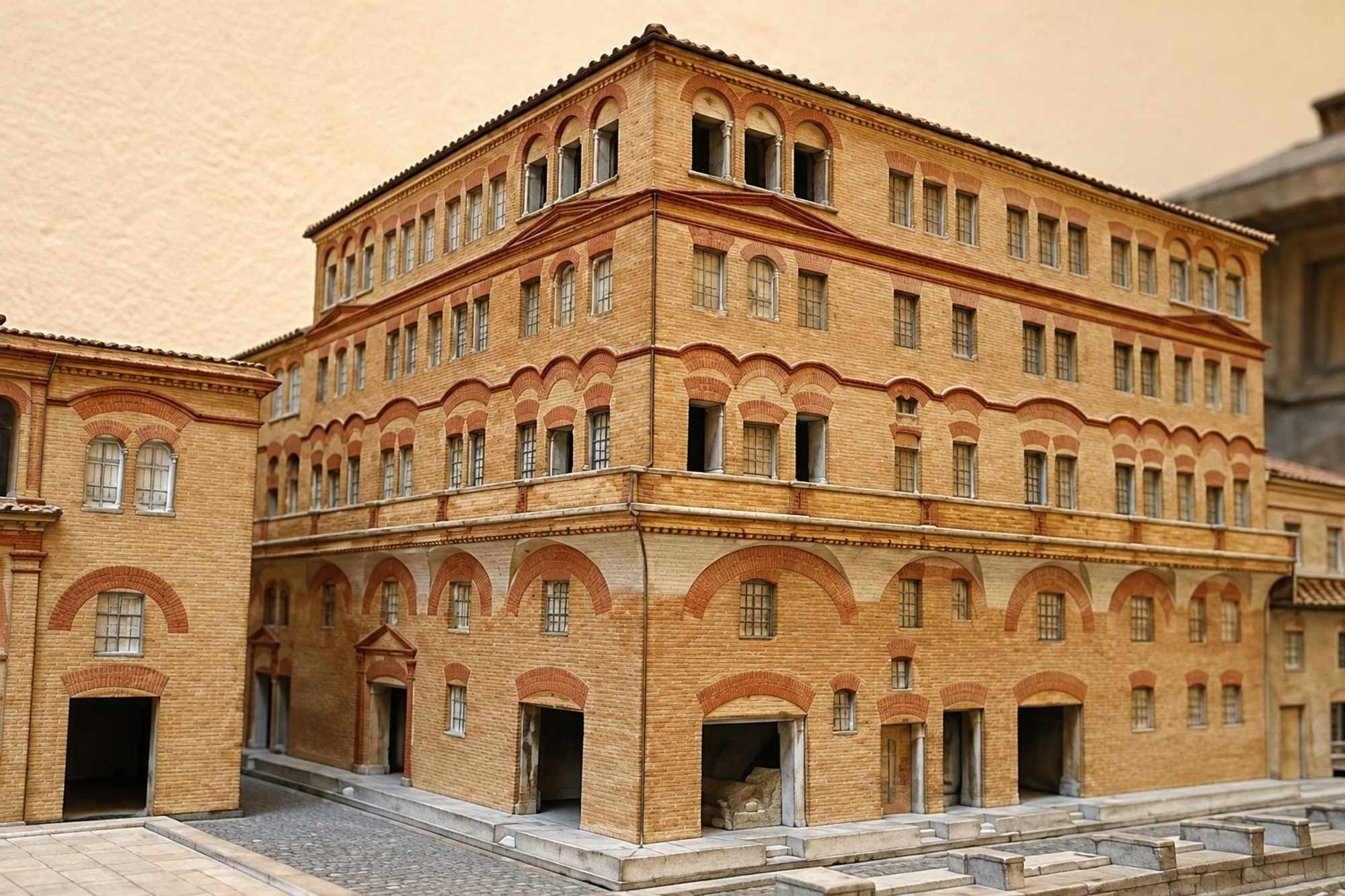
Missing a rent payment in ancient Rome could put both a tenant’s home and the contents of the household at risk. A landlord could make an occupant leave or prevent belongings that secured the rent from being taken away. The tenant might still have grounds to challenge the amount demanded or claim compensation for an unjustified expulsion, but having a claim did not necessarily mean being able to remain in the dwelling. The rental agreement, the reasons for departure and the tenant’s ability to pursue a dispute all affected what happened next.
A Family Looking for Somewhere to Live
Martial describes one displaced household in an epigram addressed to Vacerra. It is the first of July, and Vacerra, his wife, his mother and his sister are carrying an assortment of shabby possessions while looking for somewhere to live. Their departure is connected with two years of unpaid rent. As the family approaches building managers in search of accommodation, its belongings are exposed to the poet’s mocking inspection.
There is a damaged bed, a table, a lamp, kitchen equipment and a chamber pot, together with food and other household odds and ends. Martial is as insulting about the women as he is about their possessions. His final suggestion is that Vacerra should find a bridge rather than continue looking for a rented dwelling.
The poem is satire, and its account of the family’s poverty is deliberately shaped for ridicule. It does not establish where they eventually slept or provide a complete inventory of property retained by their former landlord. It does, however, place the difficulty of finding another home beside the failure to pay for the previous one. Vacerra is carrying the equipment of a household that has not yet found anywhere to put it.
July 1 was an established starting date for long-term urban leases. Arrangements were made in advance, and prospective tenants could inspect accommodation before committing themselves. An occupant looking for new quarters on moving day had therefore left the search late. Vacerra’s appeals come when many other tenants would already have arranged where they were going.
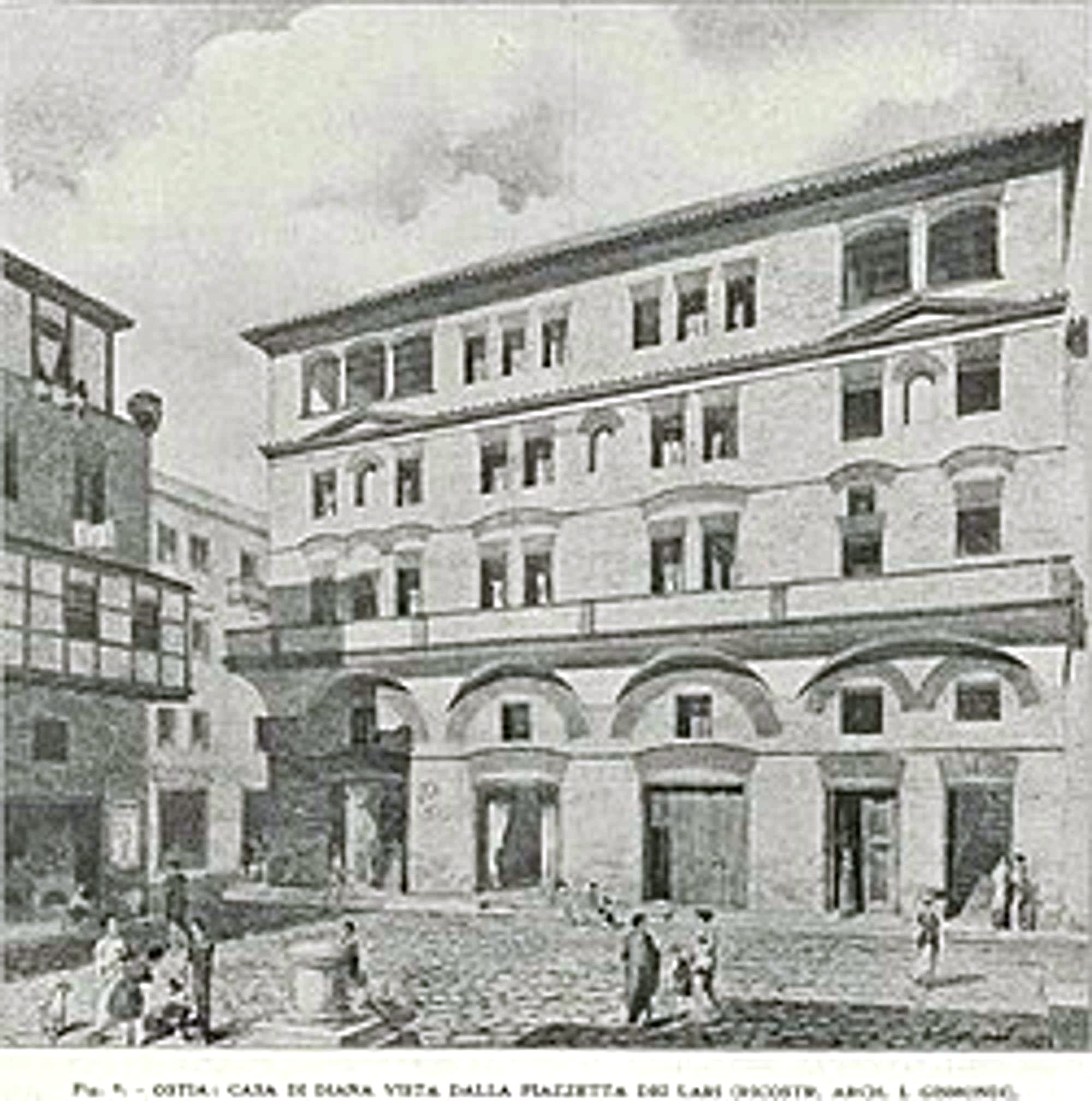
Not every Roman renter occupied the same sort of accommodation. Senators, young aristocrats, prosperous freedmen and visitors could rent houses or substantial apartments, while poorer households depended on smaller quarters and short-term lodging. The long leases and valuable household property discussed by the jurists belong chiefly to the better-off end of this market.
Martial was familiar with renting from his own experience. He wrote about quarters reached by three flights of steep stairs and about the difficulty of putting together a rent payment. His rented accommodation could be draughty in winter, and he complained of the noise of the city. The poet who mocked Vacerra also knew the recurring demands of life in someone else’s property.
Who Was Waiting for the Money?
The person collecting the rent was not necessarily the owner of the building (insula). An owner might manage a property through a representative, or lease it to an intermediary who then rented individual rooms and apartments to occupants. In the second arrangement, the intermediary was both a tenant and a landlord, owing money under one agreement while collecting it under others.
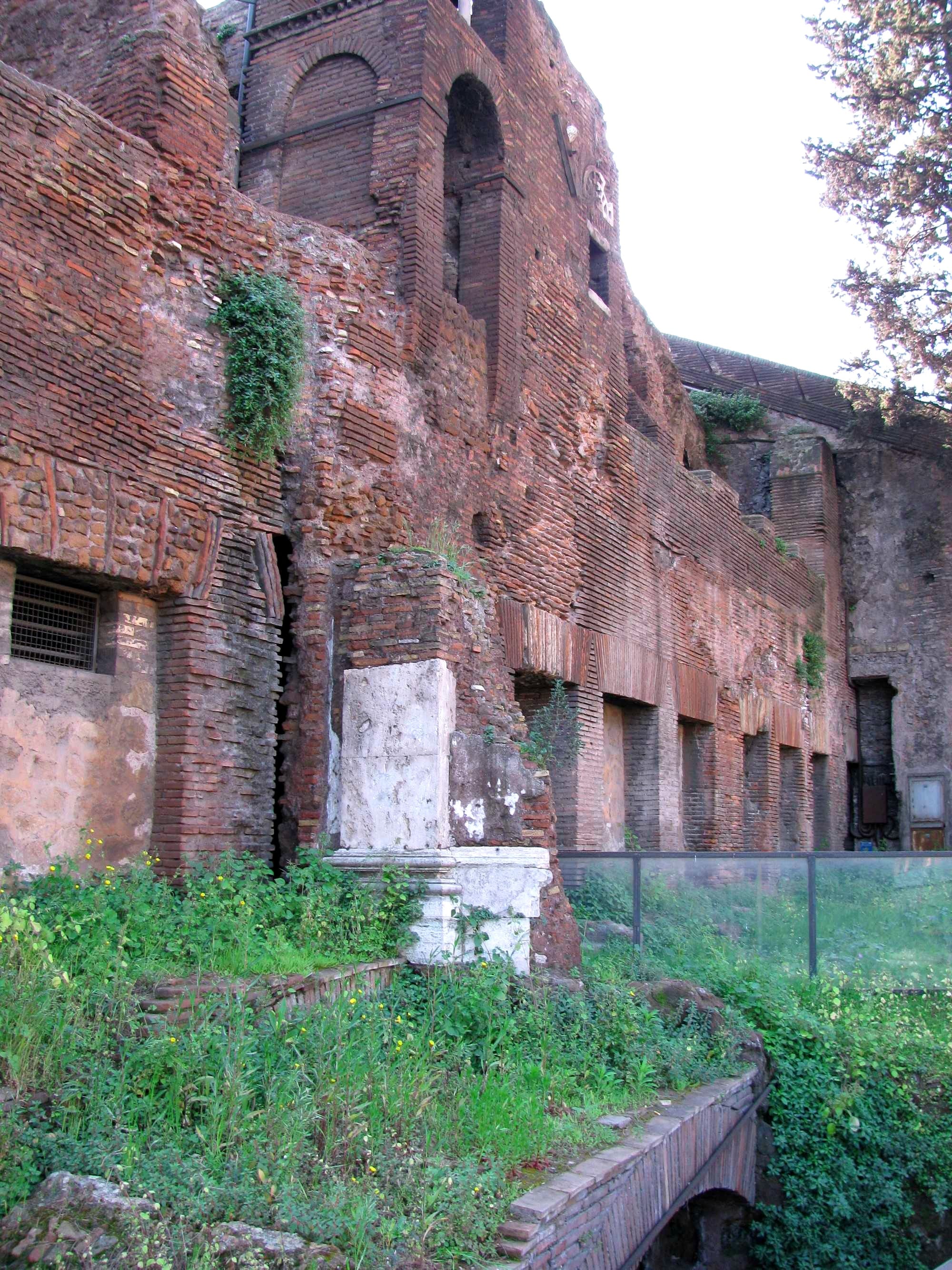
These were different relationships. A representative managed the owner’s interests, whereas a middleman who leased and sublet a building had obligations arising from a rental contract of his own. The household occupying an apartment might therefore deal with someone whose right to provide it depended on an agreement made further up the chain.
Cicero took an interest in the reliability of the people leasing his urban properties. Writing to Atticus, who was helping to arrange the lettings, he asked that prospective lessees be assessed for their character and their readiness to pay promptly.
Other letters show his anxiety when the next rental year was approaching and expected payments had still not arrived. The income from a building depended on the people responsible for collecting and passing on its rents.
Some intermediaries paid the owner an annual sum in advance and expected to recover it, with a profit, from the occupants. Their payment obligations did not necessarily follow the same timetable as those of the households renting from them. An owner could receive the agreed return before the intermediary had collected enough to cover the expenditure.
The lease itself did not have to be written down. An agreement could establish the letting, with additional terms governing matters such as subletting, the use of fire and the property securing payment. An oral arrangement was still an arrangement with legal consequences. In a dispute, the question could be what the parties had agreed, not simply whether a written document existed.
Payment periods and the length of leases also varied. The legal examples include annual and half-yearly payments, and terms lasting one year, several years or five years. Short-term lodgers faced a different pattern of expenditure from households undertaking these longer commitments. There was no single monthly rent day, or standard five-year contract, that can be assigned to everyone renting in Rome.
Could the Landlord Put a Tenant Out?
Nonpayment could give a landlord grounds to expel a tenant. During the classical period, expulsion could be carried out by the landlord’s own action rather than beginning with an official hearing. The evidence does not establish a single sequence of warning, hearing and removal that can be applied to every urban tenancy.
The distinction between occupying a dwelling and possessing it in law was important. A tenant did not acquire the owner’s legal possession merely by renting the premises. If expelled, the tenant’s ordinary remedy under the lease was a contractual claim against the landlord, rather than an order restoring possession of the accommodation. An expulsion could therefore take effect even when the landlord lacked sufficient justification and might have to pay compensation.
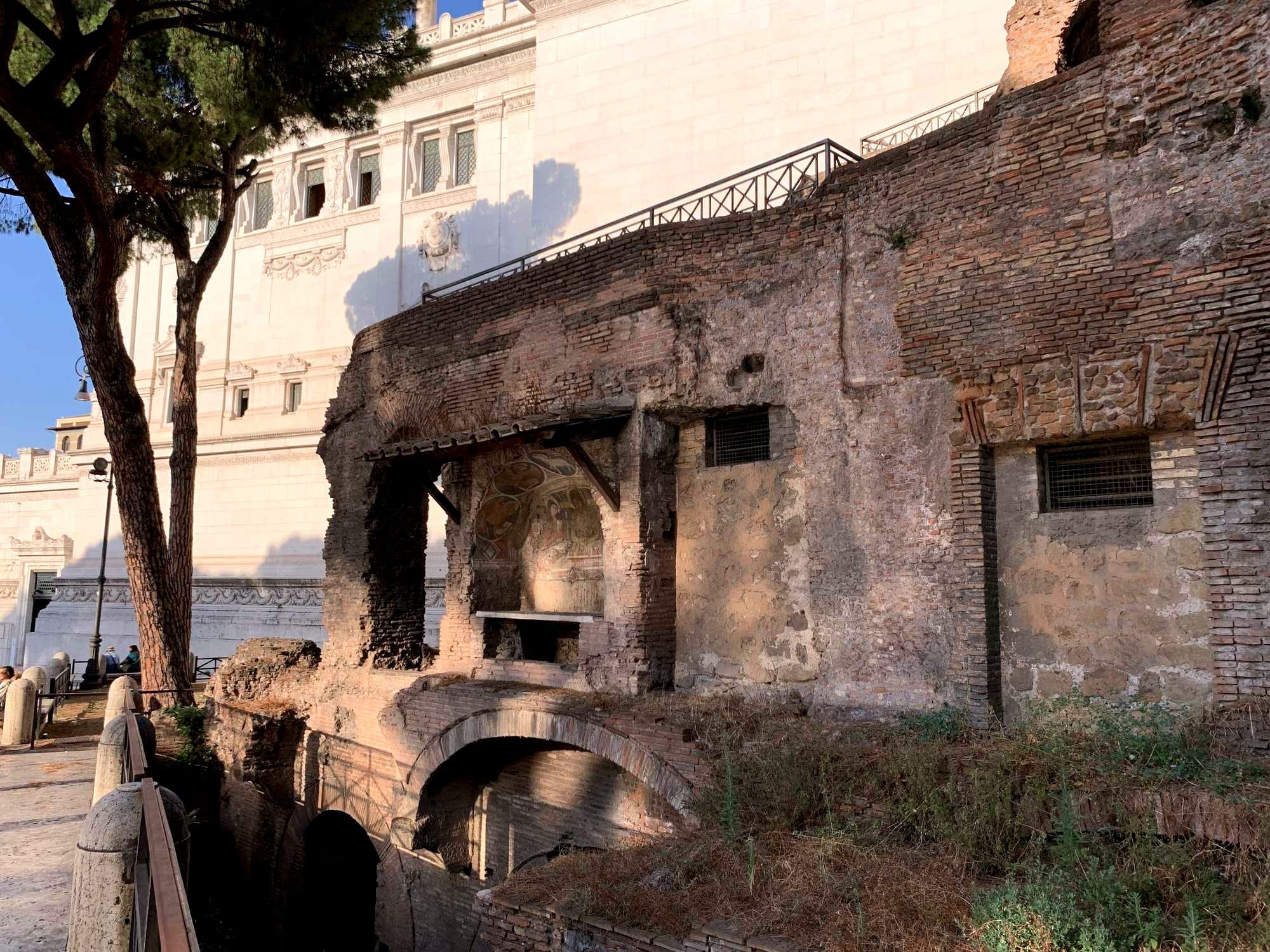
Caracalla’s answer to a tenant in AD 214 illustrates the grounds on which expulsion could be challenged. The tenant said that he was paying rent, and the emperor stated that he should not be removed against his wishes unless the owner could establish a reason such as needing the premises personally, wishing to repair the building, or serious misconduct by the tenant in the property. This was an answer concerning a paying tenant, not a complete procedure for collecting overdue rent.
A landlord’s wish to improve a building was not necessarily treated in the same way as the need to demolish an unsafe one. Legal discussions distinguished necessary demolition from work undertaken to obtain a better building. Where expulsion was unjustified, the tenant could claim for the resulting financial loss, including the additional cost of obtaining equivalent accommodation. The issue was not merely whether the owner wanted the property back, but what that decision cost the person entitled to occupy it.
Nor do the two years of arrears in Martial establish a legal grace period. Another provision mentions two years in connection with long-absent tenants, unpaid rent and official authority to open premises and inventory their contents. That is a particular problem involving absence. It does not establish that a tenant living in a Roman apartment could insist on remaining there for two years without paying.
A third-century letter from Oxyrhynchus in Roman Egypt shows how abruptly a demand to leave could arrive. The tenant complains that Ptolema, someone acting on the landlord’s side, has threatened to put the household furnishings outside unless the house is surrendered. He protests that an existing agreement entitles him to occupy it and says that only the current half-year’s rent remains unpaid.
The current instalment may not yet have fallen due. The letter’s first half is missing, and neither the tenant’s name nor the landlord’s is known. Its outcome is also unrecorded, so it cannot be presented as a completed eviction for arrears. What remains is the tenant’s complaint that the demand to leave did not match the agreement under which he occupied his home.
The Belongings That Secured the Rent
A tenant’s possessions could secure the rent while remaining in everyday use within the dwelling. They did not necessarily have to be handed to the landlord when the lease began. The tenant kept using them, while the landlord held a claim that could be enforced when the obligations secured by them were not fulfilled.
This differed from placing a particular object directly into a creditor’s custody as a pledge. Roman arrangements could identify specific property as security, but they could also cover a broader category of belongings brought into rented premises. The difference affected both the tenant’s freedom to deal with that property and the means by which the landlord could pursue it.
At first, the security over household belongings depended on an express agreement. By the time of the jurist Neratius, the legal discussion also recognized an implied arrangement of this kind in urban renting. Later jurists accepted that certain possessions could secure the rent even without an express clause. Each piece of furniture did not have to be separately listed for a landlord’s claim to arise.
That claim did not cover everything merely because it happened to be inside the building. The jurists distinguished things brought into the dwelling to remain there from objects introduced only temporarily. They also considered possessions borrowed or hired by the tenant, property deposited with them, and belongings of guests staying without paying rent. Such distinctions could determine whether the landlord was entitled to prevent an object from being removed.
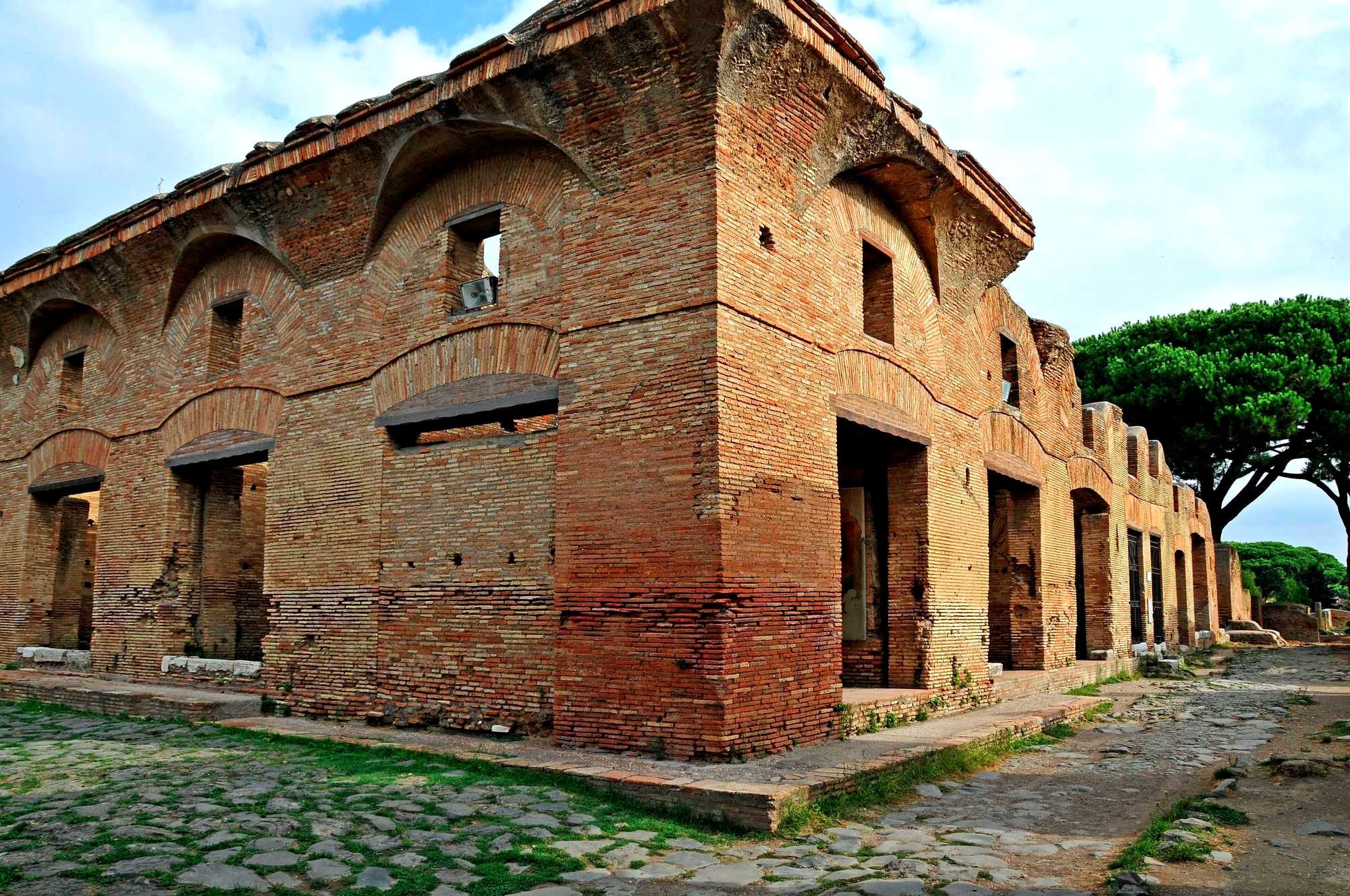
Enslaved people were also included in these discussions. Roman law treated them as property capable of securing rent, but distinguished someone specifically pledged from someone covered by the broader arrangement attached to rented accommodation. In the latter situation, freedom could be granted while the tenant remained in occupation, before detention by the landlord prevented the manumission.
The Roman jurist Julius Paulus records disagreement over what could happen after that point. The jurist Nerva was mocked for maintaining that enslaved people detained for rent could still be freed through a window. The dispute concerned whether the tenant could make an effective declaration of freedom after the landlord had taken control. Rental debt could consequently affect not only the household’s furniture but the prospect of freedom for people already enslaved within it.
Preventing the removal of belongings did not always mean preventing the tenant from living in the accommodation. An occupant might remain while being unable to take the pledged property away. A complete lockout was different: the landlord had also withdrawn access to the dwelling. That difference affected the obligations still enforceable under the lease.
Getting the Possessions Back
A tenant seeking to recover belongings could use the interdictum de migrando, a praetorian remedy directed against interference with their removal. Its purpose was to address the landlord’s detention of property under defined conditions. Ulpian describes the tenant for whom it was intended:
This interdict was introduced for the benefit of a lessee who wishes to depart after having paid his rent. Ulpian, Digest 43.32.1.1
Payment was not the only possible basis for obtaining relief. A tenant could challenge the detention of an object that was not covered by the security agreement. For property that was covered, payment of the rent, acceptable alternative security, or the landlord’s own responsibility for preventing payment could remove the grounds for holding it. The remedy did not cancel the debt simply because the tenant needed the belongings.
A dispute over the amount demanded could require a different action. The tenant might argue that the use of the apartment had been interrupted, or that circumstances justified leaving before the agreed term ended. A contractual action allowed these claims and the landlord’s demand to be considered together. Recovering property after satisfying a debt and establishing how much was actually owed were therefore separate legal problems.
Subletting added another complication. Ulpian discusses an occupant whose belongings secured the rent of an individual apartment, rather than the rent of the entire building. His treatment also considers payment to the immediate landlord or the landlord above that person. The occupant’s property could be caught up in this arrangement, but the amount for which it was bound remained connected to the occupant’s own rent.
Leaving early did not necessarily end the obligation to pay. In a passage concerning the removal of pledged property, a tenant who had paid six months’ rent still faced a requirement concerning the following period. The discussion includes a special agreement restricting departure before a specified date. Property could thus remain bound for obligations extending beyond the moment when the tenant wanted to move.
Voluntary departure without adequate grounds was not the same as being excluded by the landlord. A complete lockout could amount to expulsion, bringing the landlord’s continued provision of accommodation to an end. The subsequent settlement could involve arrears, the ending of future rental obligations and compensation if the expulsion was unjustified. These circumstances cannot be reduced to a rule under which every expelled tenant automatically owed every instalment remaining in the lease.
The landlord also had to take account of the safety of detained property. The Roman jurist Julius Paulus considers belongings destroyed when a neighbouring building collapsed: liability could follow if the landlord could have transferred them to a safer place. Holding goods as security did not remove the obligation to protect them against an avoidable loss.
By Ulpian’s time, relief was also available through proceedings before an official outside the ordinary interdict procedure. He notes that this alternative had made the interdict less frequently used. The prefect of the watch appears in the legal material concerning rented premises and detained property, providing an official route for matters that could otherwise become direct confrontations between landlord and tenant.
When the Tenant Disputed the Bill
A person who could not afford the agreed rent was in a different position from someone whose accommodation was no longer being properly provided. The jurists considered reductions and justified departure where the use of a dwelling had been impaired. These were responses to the condition or availability of the premises, not a general entitlement to pay less because money was short.
Small inconveniences during repairs did not necessarily justify a deduction. A tenant might have to tolerate limited disruption while the landlord worked on the structure. More substantial interference with the use of the apartment could produce a different result, whereas a defect that left its use unimpaired might leave the full rent payable. The difficult wording of the principal legal passage does not establish a precise formula for calculating a reduction.
Fear of danger could justify leaving even when the feared disaster did not occur. In a discussion preserved by Alfenus, the issue was whether the fear had a proper basis:
… if he had good reason to be afraid, even though there was not actually any danger, he will not owe the rent …Alfenus, Digest 19.2.27.1
The opposite result applied when there was no just cause for fear. Other discussions concern buildings threatening to collapse, and accommodation whose essential features were no longer maintained. A tenant could have grounds to leave when the landlord failed to repair badly damaged doors or windows. The claim depended on the circumstances affecting the dwelling, rather than on the tenant’s wish to escape the agreement.
A tenant’s belongings could remain detained while such a disagreement was unresolved. Someone who believed that departure was justified might still have to establish that position against a landlord demanding further payment. Even when the tenant had a sound argument, the loss of access to household property could exert pressure to settle. Waiting for a legal decision was not necessarily an affordable option.
Knowledge of the law, access to assistance, the cost of proceedings and the time required all affected whether a claim would be pursued. A person could also judge that the likely recovery was too small to justify the trouble. These difficulties help explain why the detailed legal discussions so often concern substantial accommodation and households with possessions of considerable value.
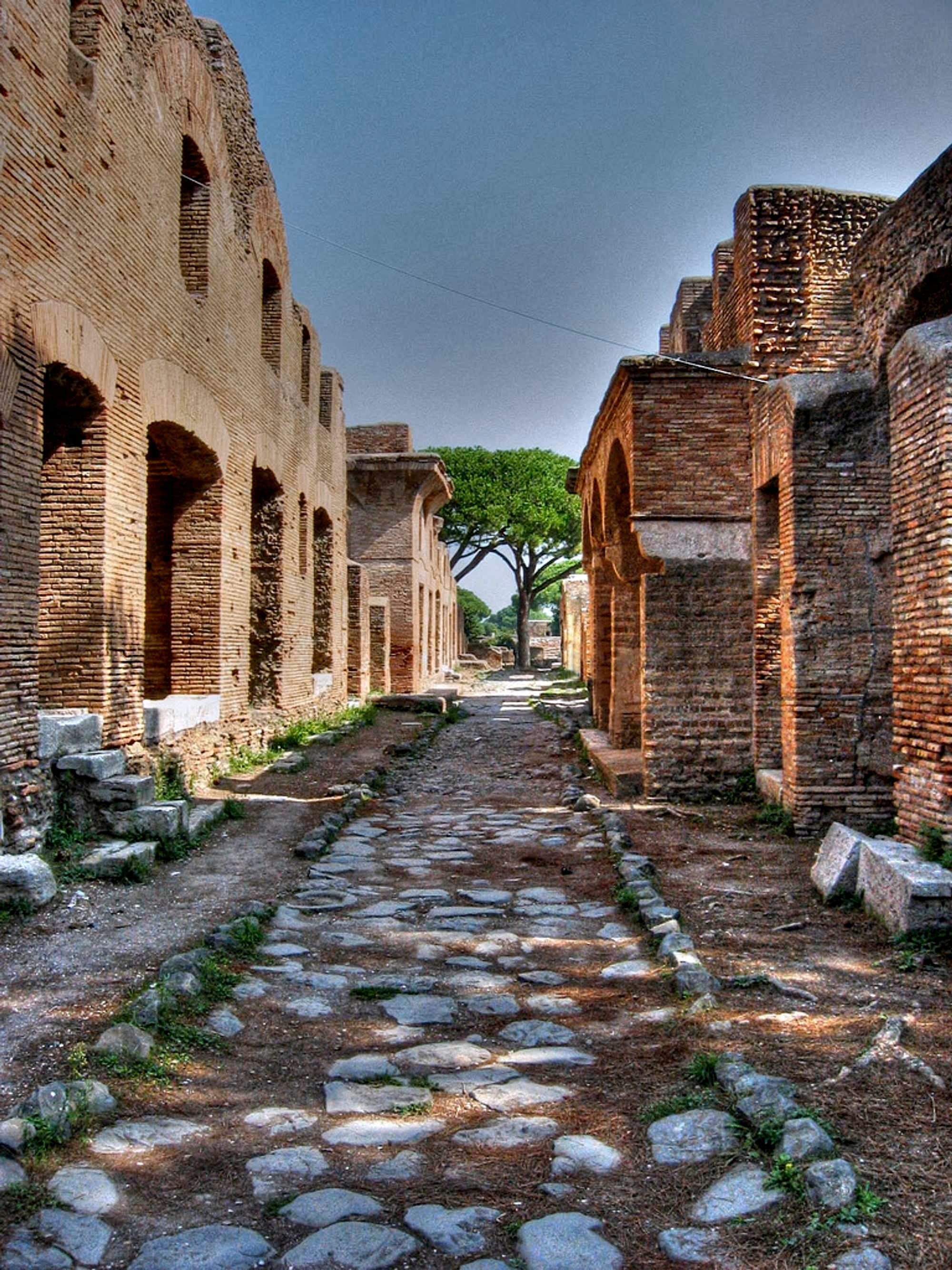
Poorer lodgers on short-term arrangements are much less visible in this material. That does not mean they were prohibited from bringing claims, or that the legal rules were formally restricted to wealthy tenants. It means that the remedies developed in disputes involving valuable property cannot supply a complete account of the experience of a household struggling to pay for modest lodging. For such tenants, finding affordable accommodation could be a more immediate concern than pursuing a contractual claim.
When Rent Was Forgiven
A landlord could choose to forgive rent. Ulpian considers a dwelling that had been let and a rental payment subsequently remitted, while the parties remained able to bring actions under their agreement. Cancelling the payment did not necessarily cancel every other obligation arising from the lease. A concession over money could leave the rest of the relationship intact.
Public intervention could also release tenants from a payment. Suetonius includes a remission among Julius Caesar’s distributions and concessions, specifying the period covered and the limits based on the amount of rent:
He also remitted a year's rent in Rome to tenants who paid two thousand sesterces or less, and in Italy up to five hundred sesterces. Suetonius, Julius Caesar 38.2
The measure applied to a year and to tenants within the stated thresholds. It was not a permanent arrangement under which the authorities would cancel rent whenever an urban household could no longer pay. Public remissions belonged to exceptional political circumstances, while individual landlords could make concessions of their own.
Such measures also encountered objections grounded in the owner’s right to an income from property. In On Duties, Cicero repeats a proposal for rent-free occupation in order to challenge it:
“Let them live in their neighbour's house rent-free.” Why so? Cicero, On Duties 2.83
His objection is that the owner has bought, built and maintained the property, only for someone else to enjoy it without consent. He regards the concession as taking from one person to benefit another. Yet the same discussion insists that poor people should not be oppressed because they are powerless. The protection he advocates comes through the administration of justice, rather than through a general cancellation of rental debts.
The landlord’s claim to rent was not given priority over every other expense. If an indigent tenant died without the means to pay for a funeral, belongings left in the dwelling were to meet the burial costs before the landlord satisfied the demand for rent. The household property could therefore be needed for a final expense before the outstanding rental account was settled.
The epitaph of Ancarenus Nothus, a freedman who died at forty-three, describes death in the language of a tenant released from his expenses. Similar verses appear on another tombstone, repeating the comparison between rented accommodation and the grave. Nothus’s inscription places rent alongside hunger and gout among the troubles that no longer afflict him. His body now occupies a permanent lodging without payment.
Frier, Bruce W. Landlords and Tenants in Imperial Rome. Princeton, NJ: Princeton University Press, 1980.
Du Plessis, Paul. “The Interdictum de Migrando revisited.” Revue internationale des droits de l’Antiquité 54 (2007): 219–244.
Justinian. Digest 13.7.11.5; 19.2.5, 19.2.24–28, 19.2.30, 19.2.35, 19.2.56; 20.2.2–9; 39.2.13.6, 39.2.33–34; 43.32.1–2. English quotations from The Civil Law (1932),
Justinian. Code 4.65.3 and 4.65.5–6.
Suetonius. Julius Caesar 38.2
Cicero. On Duties 2.83–85.




About the Roman Empire Times
See all the latest news for the Roman Empire, ancient Roman historical facts, anecdotes from Roman Times and stories from the Empire at romanempiretimes.com. Contact our newsroom to report an update or send your story, photos and videos. Follow RET on Google News, Flipboard and subscribe here to our daily email.
Follow the Roman Empire Times on social media: