
How a Roman Emperor Answered His Mail
Roman emperors received petitions, reports, legal questions and requests from across the Empire. Here is how that imperial correspondence actually worked.


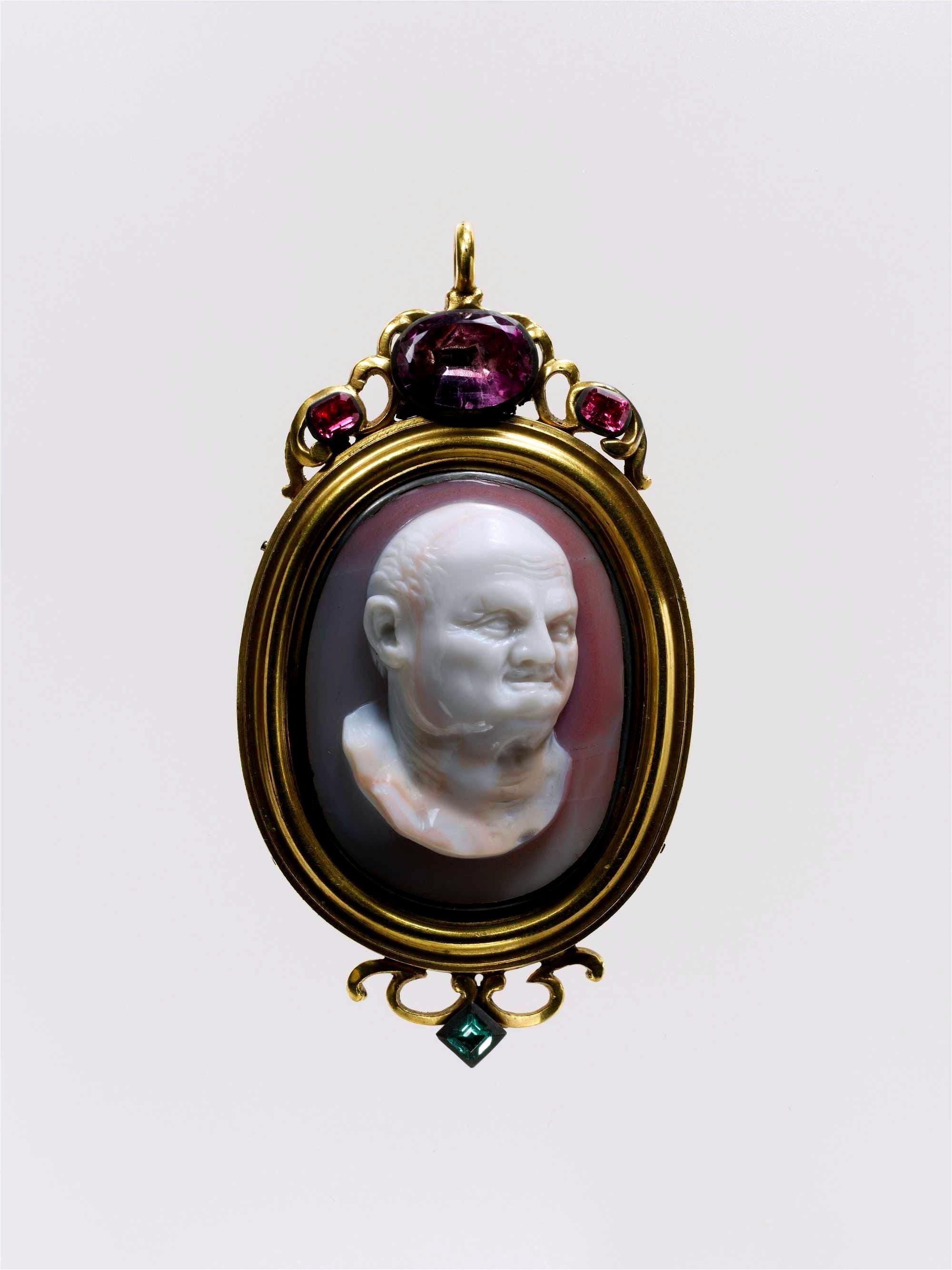
Long before sunrise, Vespasian was already dealing with correspondence. Suetonius describes an emperor who began working before daylight, reading letters and reports from the various offices before receiving his friends and dealing with the business that had accumulated around him.
The material reaching an emperor could range from reports by provincial governors to petitions from soldiers, towns and private individuals. There were questions about citizenship, inheritance, public buildings, municipal finances, military discipline, local laws and complaints against officials.
Some arrived as formal letters; others were petitions handed over personally or carried by an intermediary. By the second and third centuries, secretaries and legal specialists played an increasingly important part in processing them, but the emperor himself never disappeared from the system.
Suetonius gives an unusually intimate glimpse of Vespasian’s morning:
“While emperor, he always rose very early, in fact before daylight; then after reading his letters and the reports of all the officials…” Suetonius, Vespasian 21
Pliny the Younger’s correspondence with Trajan preserves questions sent from Bithynia and the emperor’s answers. Inscriptions preserve petitions from provincial communities together with imperial responses, while Roman legal collections preserve thousands of imperial rescripts, especially from the third century.
Suetonius and Cassius Dio occasionally show emperors physically accepting or reading documents, while administrative records reveal the secretaries, lawyers, archives and authentication procedures operating around them. The result was neither a modern civil service in which an emperor merely signed whatever appeared before him nor a ruler personally composing every reply. The balance between the emperor and his staff varied according to the ruler, the type of document and the problem being raised.
A Petition Could Be Placed Directly in the Emperor’s Hands
One of the most memorable scenes comes from Augustus. Suetonius says that his morning receptions were open even to ordinary people, and tells of a man who approached him with a written petition so nervously that Augustus joked about the way he was handing it over. The joke depended on an entirely ordinary physical act: someone coming before the emperor and placing a document in his hands.
Suetonius describes Augustus joking that the man offered his petition:
“with as much hesitation ‘as he would a penny to an elephant.’” Suetonius, Augustus 53, trans. J. C. Rolfe, public domain.
For private petitioners, such a document could be called a libellus; the request itself might also be described as preces or a supplicatio. The imperial written reply later came to be known commonly as a rescript. In the second century, the word subscriptio was also used, reflecting a practice in which the answer could be written beneath the petition itself. Letters sent to people of higher status were normally treated as epistulae, although ancient terminology was not absolutely rigid.
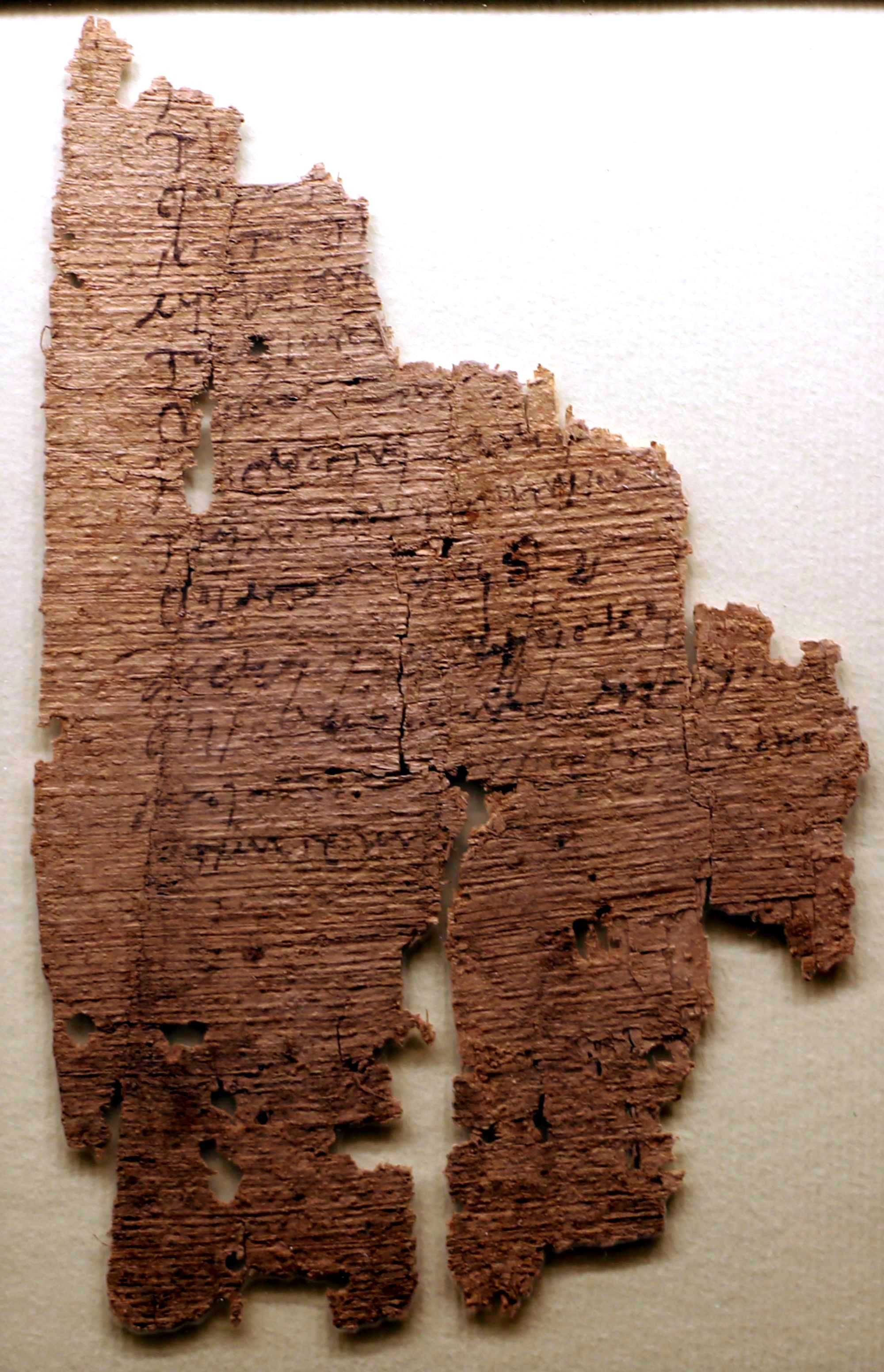
Petitioners included women, soldiers, villagers, people trying to establish that they were free rather than enslaved, freedmen, and people concerned with comparatively small amounts of property. Under Diocletian, women make up nearly a third of the petitioners represented in the legal material.
Remote communities could also decide that an appeal to the emperor was worth the trouble, despite the distance involved. A rescript from Caracalla’s reign found at Takina in Pisidia is one example of people far from the imperial centre attempting to obtain an answer from the ruler.
That trouble could be considerable. A private petition was normally presented to the emperor, either personally or through an agent or close relative, rather than simply dropped into an imperial postal system. The Roman cursus publicus existed to serve official communications and transport; it was not a public postal service available to anyone who wanted to send a complaint to Rome.
The emperor, moreover, might not be in Rome at all. Imperial courts moved through Italy and the provinces, accompanied by officials and offices, and an emperor could spend long periods travelling or on campaign. A petitioner therefore had to reach not an abstract government department but a moving centre of power.
Pliny Shows What Reached an Emperor from the Provinces
Governors had a much more direct route. The richest example is Book 10 of Pliny the Younger’s Letters, containing his correspondence with Trajan while Pliny was serving in Bithynia-Pontus. The range of problems put before the emperor is striking. Pliny asks about municipal finances, public works, local offices, citizenship, military personnel, burial, provincial law and disputes involving towns and individuals. He sometimes encloses additional documents rather than simply summarizing them himself.
When uncertainty arose over the eligibility of younger men to sit in municipal senates, for example, Pliny sent Trajan extracts from the local law together with an edict of Augustus. Trajan answered the legal question and distinguished between men who had already held office and those who had merely reached the age at which they could become magistrates.
In another case concerning a proposed bath complex at Prusa, Pliny sent a copy of the will relevant to the property, allowing the emperor to see the documentary basis of the problem rather than receiving only his governor’s interpretation.
The exchanges repeatedly show Pliny explaining a problem at length and Trajan replying far more economically. Trajan often expected his governor to exercise judgment rather than turn every provincial difficulty into an imperial decision. When Pliny asked whether people wishing to move ancestral remains should have to seek the same authorization required at Rome, Trajan told him to follow provincial precedent and decide individual cases accordingly. Other replies similarly sent the problem back to the governor when no new universal imperial rule was required.
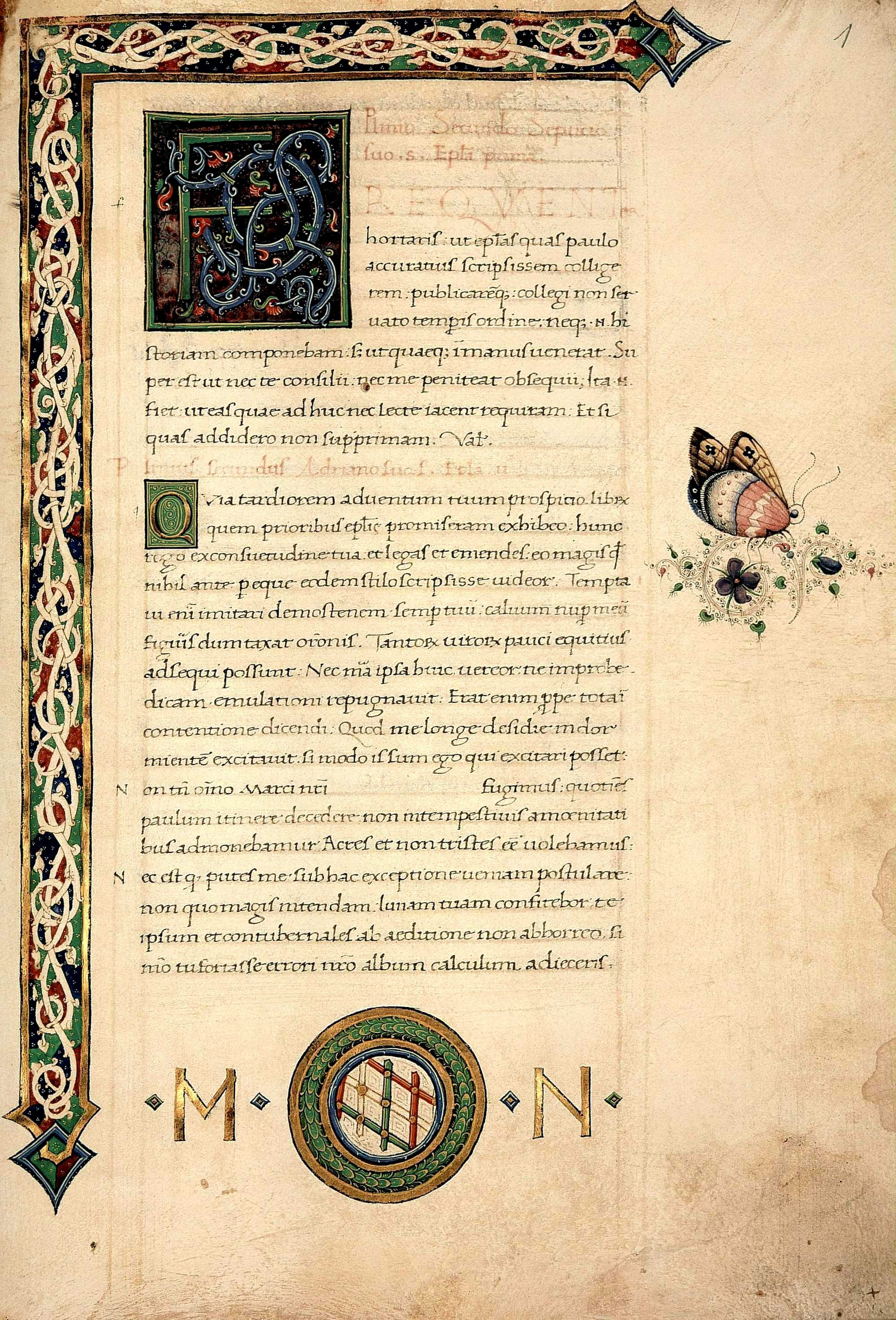
Book 10 also contains unmistakable evidence that Trajan sometimes read forwarded petitions personally. A centurion named Publius Attius Aquila asked Pliny to send the emperor a petition concerning his daughter. Pliny did so, and Trajan answered:
“I have read the memorial which you sent to me from Publius Attius Aquila…”Pliny, Letters 10.107, Trajan to Pliny
Trajan granted Roman citizenship to the daughter and sent the appropriate document back so that Pliny could deliver it. The route can therefore be followed unusually closely: the centurion approached the governor, the governor passed his petition upward, the emperor read it and made his decision, and the formal answer returned through the governor to the petitioner.
The material sent to Trajan could amount to something approaching a dossier. Pliny might include laws, wills, petitions or written submissions, and in other correspondence he forwarded material whose physical authenticity mattered enough for seals and copies to become relevant. A provincial governor was therefore doing more than reporting events. He could gather the documents connected with a problem, establish what required imperial attention and place the relevant information before the ruler.
The Emperor Also Had Records of Earlier Decisions
Pliny’s correspondence also shows that a new question did not necessarily begin with a blank sheet. Faced with a dispute over the status of children who had been exposed at birth and subsequently raised by others, Pliny had earlier imperial decisions read to him. He was not satisfied with the copies available locally, however, and told Trajan that some appeared unreliable.
His explanation is unusually revealing:
“I imagine that the genuine and correct documents will be found in your archives. Pliny, Letters 10.65
Trajan’s answer referred in turn to the records of previous emperors and concluded that he could find no general rule established for all the provinces. Earlier imperial letters and decisions could therefore be consulted when a new case raised an old problem. Pliny was also conscious of the difference between a document whose authenticity could be trusted and a local copy whose text might have become corrupted.
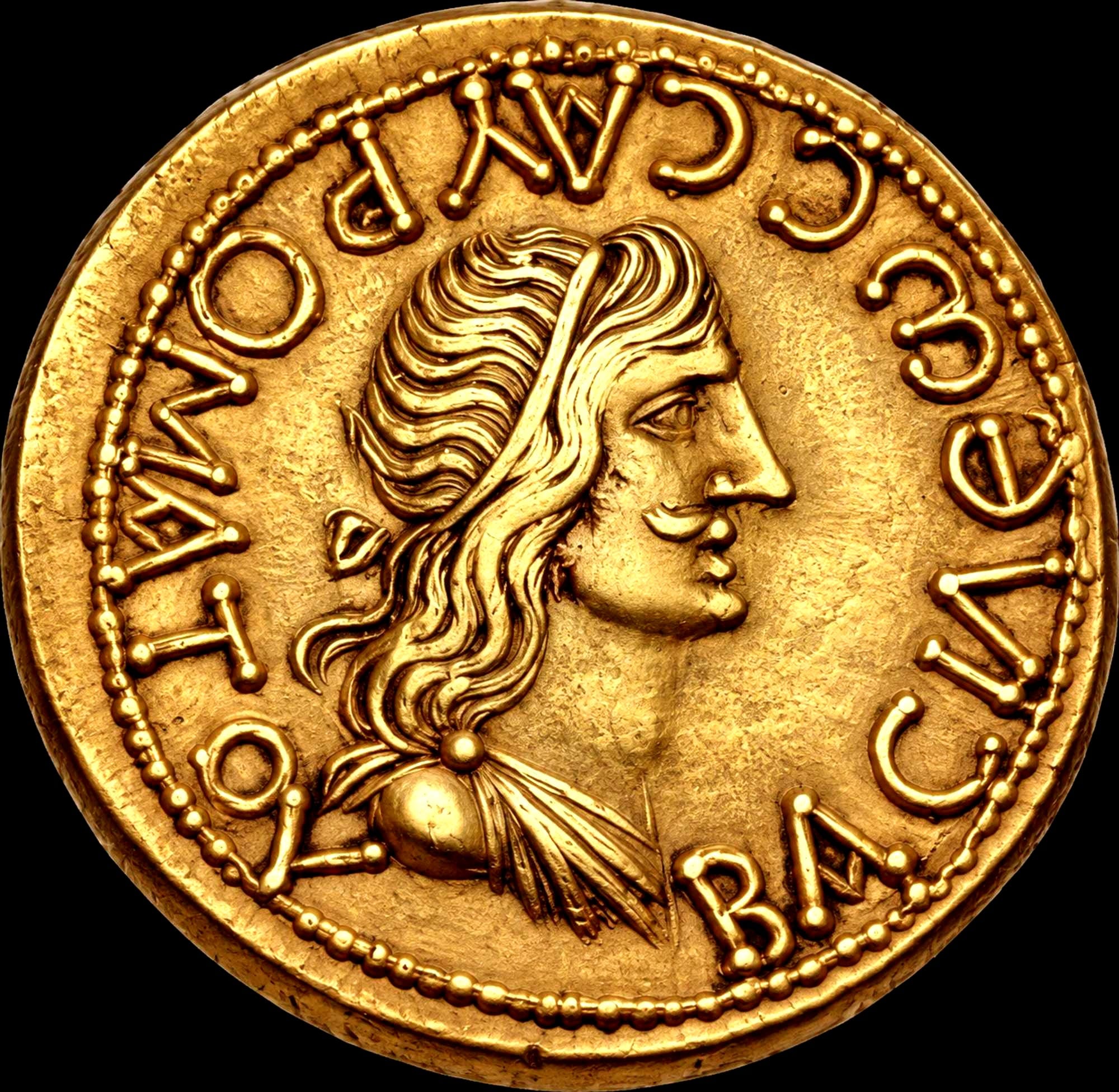
Official messages could be accelerated when necessary. King Sauromates of the Bosporus sent information that Trajan ought to receive quickly, and Pliny gave the king’s courier an official permit so that he could travel faster. He had already been dealing with communications involving the king and the imperial freedman Lycormas, and wanted the relevant documents to reach Trajan in the right order. This was official traffic moving through facilities unavailable to an ordinary private petitioner.
Behind the Emperor Stood Secretaries and Lawyers
The volume and complexity of these requests encouraged increasing specialization around the emperor. The office most closely associated with private petitions became known as the a libellis, with its head appearing under titles including procurator a libellis and later magister libellorum.
Separate officials dealt with other kinds of imperial correspondence, including Latin and Greek letters. Early imperial households relied heavily on imperial freedmen; over time, important secretarial positions increasingly became senior equestrian appointments, and legal expertise became particularly significant in the petition office.
Thousands of third-century imperial answers are preserved because later Roman legal collections incorporated them, especially the Code of Justinian. They deal with inheritance, guardianship, marriage, contracts, property, slavery, military status and many other legal problems. Despite the increasingly professional machinery behind them, the replies continued to speak in the emperor’s own voice. Petitioners were addressed as “you,” while the ruler spoke as “I” or, increasingly, “we.” The documents contain formulations in which emperors permit, reject or respond directly to the person who has approached them.
That personal voice should not automatically be confused with personal composition. Groups of third-century rescripts display recurring changes in language and style that coincide closely with changes among the officials responsible for petitions.
Many important legal responses appear to have been composed by lawyers serving as imperial secretaries, while assistants probably dealt with some of the simpler material. Some stylistic groups have been associated, with varying degrees of confidence, with jurists including Papinian, Ulpian, Arrius Menander and Modestinus.
There is disagreement over how much of a rescript’s substance should be attributed to the emperor and how much to the professional lawyers around him. One interpretation places greater emphasis on the emperor receiving requests and making decisions in a fundamentally responsive form of government; another gives the legal specialists a larger role in the reasoning and wording of complicated legal replies. The emperor nevertheless remained essential. A written response issued in his name required his authority, even when someone else had formulated its legal language.
Not Every Emperor Handled Correspondence in the Same Way
Suetonius’ description of Vespasian places correspondence directly inside the emperor’s morning routine. He was up before daylight, reading letters and reports before receiving his friends and proceeding to the business of the day. His son Titus is said to have dictated letters and composed edicts for him, which already suggests that the distinction between an emperor’s decision and the actual composition of an imperial document could be blurred even within one household. Domitian, meanwhile, was criticized for allowing others to write his letters, speeches and edicts, although he could still be active and conscientious in judicial business.
Other rulers delegated even more conspicuously. Cassius Dio says that during Caracalla’s reign Julia Domna had been given a remarkable share of the correspondence burden:
“he had appointed her to receive petitions and to have charge of his correspondence in both languages” Cassius Dio, Roman History 78.18.2
Dio adds that especially important cases were excepted. Julia Domna was therefore doing more than simply copying letters. She could stand between petitioners and the emperor and handle correspondence in both Greek and Latin. The arrangement makes it impossible to imagine one permanent, uniform imperial “mailroom” functioning identically under every ruler.
The same variability appears in the legal material. Some questions could require little more than a yes, a refusal or an instruction to take the matter to the provincial governor. Others required a technically informed opinion on Roman law.
Some emperors took an active interest in judicial business and surrounded themselves with advisers; others relied more heavily on officials with specialist expertise. When several emperors ruled simultaneously, they could even maintain separate secretarial staffs, producing parallel streams of imperial decisions rather than a single channel through which all requests passed.
The system also travelled. Septimius Severus issued responses while in Egypt, and Caracalla continued to generate rescripts while campaigning. During Caracalla’s campaigns, some rescripts were posted at Rome although the emperor himself was elsewhere, implying arrangements for moving petitions, decisions or copies between the travelling court and the capital.
Turning a Decision into an Official Imperial Reply
The exact internal handling of a petition cannot be reconstructed with complete certainty. One proposed sequence has the petition reaching the a libellis office and then being read by the emperor or read aloud to him in the presence of the responsible secretary.
A straightforward case could produce an immediate decision, after which the office converted that decision into the appropriate written form. This is a reconstruction of the procedure, rather than a surviving Roman administrative manual describing each stage.
A difficult legal question could require more work. The emperor might instruct the secretary to investigate the law and suggest an answer, after which the proposed text went through preparation and checking before being presented for approval. This process should not be imagined too rigidly as a modern ministry drafting policy independently before placing a finished answer in front of a detached ruler. In this reconstruction, the legal specialists acted after the emperor had considered the petition or instructed them to deal with the issue.
Other parts of the documentary process are more firmly attested. A prepared text could carry recognovi, indicating that the responsible official had checked or authenticated it, while imperial execution could be marked with rescripsi, scripsi or subscripsi. The Takina inscription is particularly useful because recognovi and rescripsi were written by different people. Administrative authentication and imperial authorization could therefore be separate physical acts on the same document.
Another inscription, preserving a response of Antoninus Pius, gives a glimpse of how elaborate these documentary procedures could become. The emperor allowed the petitioner to copy an earlier judgment of Hadrian; the response included rescripsi and recognovi, a date, and a record that the document had later been sealed in Rome in the presence of witnesses. The details are not completely clear, but they point to formal procedures for authenticating, copying and preserving imperial decisions.
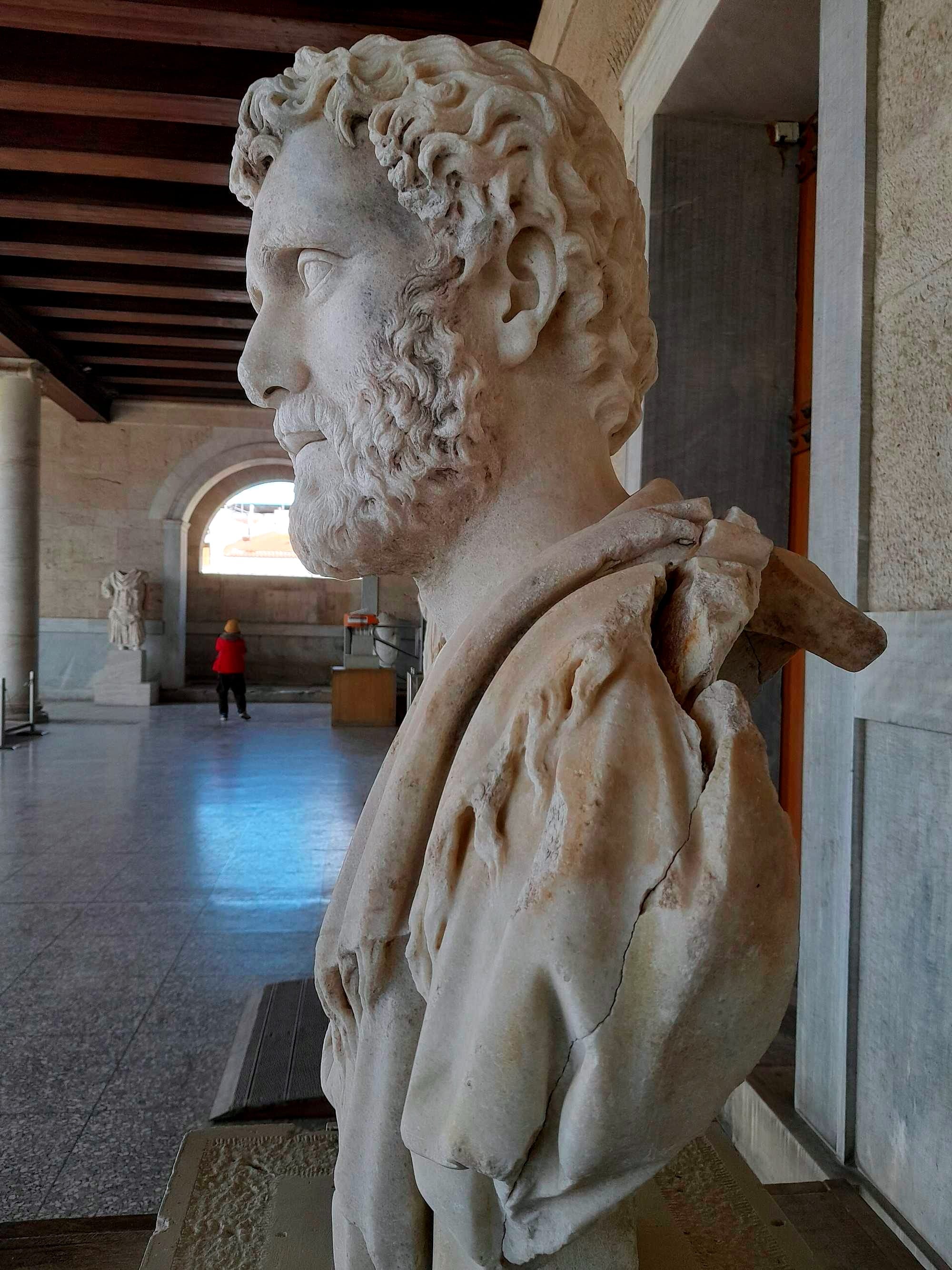
A lawyer could therefore formulate a technically difficult response, another official could check the document, and the emperor could provide the authority that transformed it into an imperial answer. The existence of those separate stages does not require the emperor to have personally composed every sentence, but neither does it reduce him to a ceremonial signature at the end of an entirely independent bureaucracy.
What Happened After the Emperor Answered
An imperial answer still had to reach the people who needed it. One method was public posting. Batches of petitions and responses could remain on display long enough for petitioners and others to make copies before the documents were taken down and archived.
Septimius Severus had rescripts posted while he was in Alexandria, and replies of Gordian III were displayed at Rome. It is not certain that the original document was always the item put on display, however, and there are indications that some responses could also be dispatched elsewhere or handed directly to recipients.
The petition from Scaptopara in Thrace provides one of the fullest examples. In AD 238, villagers complained to Gordian III about burdens and abuses associated with officials and soldiers. Gordian did not attempt to investigate every allegation from Rome. His response directed the issue toward the provincial governor, who possessed the appropriate authority.
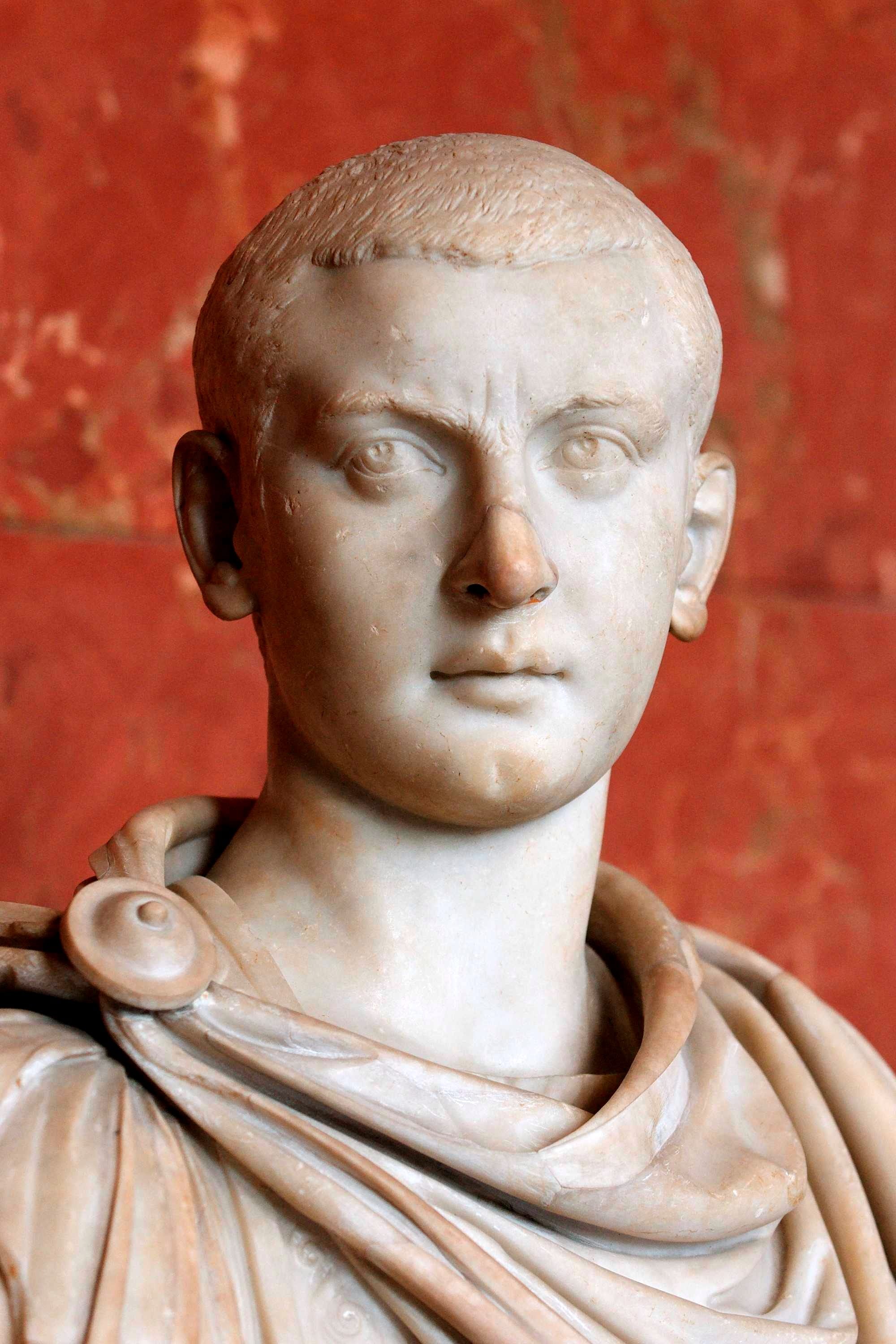
The imperial response was nevertheless preserved in the inscription, which states that the text had been copied and checked from the official record of petitions and imperial replies posted in the portico of the Baths of Trajan at Rome. Millar likewise notes that the Scaptopara dossier specifically identifies the publicly posted version in Rome as the source from which the text was copied.
The value of such a rescript did not depend on the emperor personally resolving the entire dispute. A community approaching a governor with an imperial response possessed something very different from an unsupported local complaint. The villagers had managed to place their grievance within the imperial system and could now point to the emperor’s written answer when dealing with the authority responsible for the case. A rescript could put pressure on local officials without itself replacing the ordinary provincial judicial process.
The Saltus Burunitanus dossier from North Africa preserves another unusually detailed trail. Tenants on an imperial estate complained during the reign of Commodus about demands and abuses imposed upon them. Their petition, the imperial reply and later administrative correspondence survive together, allowing the movement of the case through several levels of government to be followed. The tenants appealed upward, an answer was issued with imperial authority, and officials then transmitted the result back into provincial administration.
Such petitions could therefore travel enormous distances only to end with an emperor instructing a governor or procurator to act. That was not necessarily a failure. The petitioner had obtained something potentially valuable: a written statement carrying imperial authority that could be produced before officials much closer to home.
An Emperor’s “Mail” Was Part of Governing
There was no single imperial working day or fixed procedure that remained unchanged from Augustus to Diocletian. Augustus could receive a nervous petitioner personally. Vespasian could begin before sunrise by reading correspondence and reports from his officials. Trajan could read a petition forwarded through a provincial governor and send a formal decision back through him. Julia Domna could take charge of a substantial portion of Caracalla’s petitions and bilingual correspondence. By the third century, highly trained lawyers in the a libellis office could shape the wording and legal reasoning of imperial rescripts while the emperor’s authorization remained the source of their authority.
Nor did an answer necessarily travel directly from the emperor’s hand to the person who had asked the question. It might pass back through a governor, be transmitted through other officials, be posted publicly for copying, or enter an archive from which earlier imperial decisions could later be consulted. The route depended on the type of request, the status of the petitioner, the problem being raised and sometimes simply on where the emperor happened to be.
The emperor therefore stood at the centre of a communications network that was simultaneously personal and administrative. Subjects could attempt to reach him, and some genuinely did. Governors expected answers to problems that they believed required imperial direction; towns sought protection or clarification; soldiers requested privileges; villagers carried complaints against abuses over long distances. Around the ruler stood the people who made that access possible on an imperial scale: messengers, governors, freedmen, equestrian secretaries, lawyers, copyists and archivists.
When Vespasian began his day before sunrise with his letters and reports, he was not dealing with a peripheral palace chore. Written requests and written answers were among the ordinary means by which problems from across the Roman world arrived before the emperor and imperial decisions travelled back out again.
Fergus Millar, The Emperor in the Roman World (31 BC–AD 337).
Tony Honoré, Emperors and Lawyers, 2nd ed.
Greg Rowe, review of Tor Hauken, Petition and Response: An Epigraphic Study of Petitions to Roman Emperors, 181–249, Journal of Roman Studies 91 (2001).
Pliny the Younger, Letters, Book 10.
Suetonius, Augustus, Vespasian, Titus and Domitian.
Cassius Dio, Roman History.
Digest 1.4.1 (Ulpian).
Gaius, Institutes 1.5.
Scaptopara petition and imperial response, CIL III Suppl. 12336.
Saltus Burunitanus petition and imperial response, CIL VIII 10570, 14464; FIRA² I no. 103.
A. Şahin and D. H. French, “Ein Dokument aus Takina,” Epigraphica Anatolica 10 (1987), 133–142 [Takina rescript].



About the Roman Empire Times
See all the latest news for the Roman Empire, ancient Roman historical facts, anecdotes from Roman Times and stories from the Empire at romanempiretimes.com. Contact our newsroom to report an update or send your story, photos and videos. Follow RET on Google News, Flipboard and subscribe here to our daily email.
Follow the Roman Empire Times on social media: