
Rome and Greece are the sources and models of our civilization
The past reveals successful systems for civilization survival.


At dawn on the African savannah as the sun rose through the mists, a groggy hunter awoke from a fitful nights’ sleep, the result of guarding his kill from the previous days’ hunt. A fellow tribesman approached and they commiserated about the problem. They designed a system for sleeping in turn while guarding their kills.
The system worked but a full nights sleep beckoned as always. Eventually a thug appeared and suggested he would stand guard all night for a part of the meat. This moment was the creation of the system of governmental protection and its’ grasp for money and power that has and will continue and as the source of all history.
Many historians believe we live in a unique era and today only rhymes with the past. This is incorrect. The past shows us what systems worked and which did not. The study of the past and implementations of its’ successes are the only path for survival of civilizations.
Politicians babbling about a new era are hoping the citizenry is just as ignorant of the past as they are. No system works long term because conniving minds undermine it and citizens continually economically evolve. Constant governmental change or adaption is required.
Ancient Greece created the model governmental systems of royalty, aristocracy, tyranny, oligarchy, democracy. There have been no other governmental system creations in the past 3,000 years.
Government only evolves when plebeians tire of begging for scraps from the patricians table. It is based on patricians’ temporary physical dominance and the voluntary subservience of the serfs. Government consists of attempted self-discipline in anticipation of the next meal.
Assimilating different cultures is very difficult and leads to intercine warfare, in which even the winner is greatly weakened and left waiting for his own demise. There is usually a younger culture eagerly awaiting a chance for a bite of the carcass.
The hunters represent the most historically influential men in the evolutions and regressions of the struggle for control through empire. The interesting theme is that each of these empires had different sources of wealth and culture. However the grasping greed of each era and system of government had one goal. Power! These institutions do not attract the “best and the brightest” only the well connected or the timid that create a group of the slavishly observant tools.
The beginnings of the insatiable appetites of government have never evolved. After the first taste of the antelope, the urge to have more overwhelmed the hired thug now known as government and he began to envision a greater menu. Wealth is synonymous with power.
What is wealth? Each culture and society had its’s own definitions and sources as technology evolved and created a new paradyme. Agriculture however is the only permanent power source in any society. Thus even today food is the ultimate asset. China is trembling as we speak.
In studying the Hellenes we have an excellent view of the types of government and its’ development. The Hellas was truly a bubbling civics experiment. A city-state was the normal political unit in Greece. The King was theoretically a descendent of a god on the order of great-great grandson etcetera.

This cloaked him behind a curtain that could not bear examination. His jobs were general of the militia that protected against foreign foes and the dispensing of justice. He received the largest share of booty assuming he was victorious in battle thus expanding wealth or had the fastest horse waiting in the event of trouble.
The nobility was the next level of precedence. Stripped of its’ pomposity, nobility indicates someone with a long history of family wealth. The other path to the ascendence to nobility was excellent military service in favor of the monarch. This award of nobility usually included a sizable chunk of gold and land with which to continue his line.
The bourgeois sprang from the merchant class in the city that controlled trade with the outside world. This was the source of cash that supported the royalty and the rest of the society. Their continual thirst for societal recognition kept them continually striving for personal betterment. This is the complete rendition of governments. The historical trails through much of history are just slight variations of the theme.
The small free holder had a struggle to survive in the unpredictable weather patterns and raids from neighbors. He had to borrow from the merchant class with his freedom as collateral. Descent into slavery as an agricultural worker was the end of the vicious financial circle. If the agricultural situation grew progressively worse, there was an uprising and new government arose.
The freeholder was the source of ultimate power in the state as he had the numbers and weapons to overthrow the royalty as required. Usually he was too busy trying to survive to worry about the king. He paid his tax, hoped for enough grain left over to survive the winter and ignored the rest.
Governments across history have been a combination of the four classes of people in the society. The struggle or necessity of control of money is the source of both our wars and periods of creativity. Hunger sharpens the mind and requires ignoring the usual machinations of government attempting to extend its’ control. Great empires have as their source of power gold mines or a combination of the four strata of the society working in unison.
The majority of history has been the struggle to eat. This has left little time to experiment with different possible governmental combinations. New scientific and philosophic ideas are rarely evident because they require financial subsidies from the wealthy who would rather construct memorials to their greatness.
Solon of Athens eliminated aristocratic government control in Athens. He created our last new system, the Code of Solon. Athenians also created a reliable coinage system. Amusingly from todays’ perspective, the poor wanted land redistribution and free coins, no change has occurred in 2,500 years!
Socrates created a school for the insignificant social thrusters which was a quite new development. Philosophers require a wealthy society to support these non-producers in academic clothes.
Seventh century B.C. Lydia created coinage using electrum which provided a mobile source of wealth. This changed the world governmental structure into bourgeois merchants and land owners. The systems of power were complete and have not evolved since.
Government evolved from a tyrant to a Greek desire to educate not punish. The city-state created the motivating forces in the development of Greece. Mercantile success created wealthy populations and colonies. Unfortunately growth creates an unwieldy structures and social instability.
Syracuse ruined the lust of Athens and we have not learned any lessons 2,500 years later. We continue to suffer from the Puritan self-elect whose delusions of grandeur provide saints and security police for the attempted control of rest of the world.
Rome assassinated their way to oligarchy from monarchy, using Greek models and the odd blade under the ribs. Civilization flowed from Minoan to Etruscan and then Roman models. Rome is the standard model today for success and failure. They were wise enough to appropriate a successful system combining several previous Greek attempts.
A Senate of the wealthy and input by vote from the plebeians reminded the Senate if the system was under strain. It was/is an excellent example of a system that can evolve and strengthen itself.
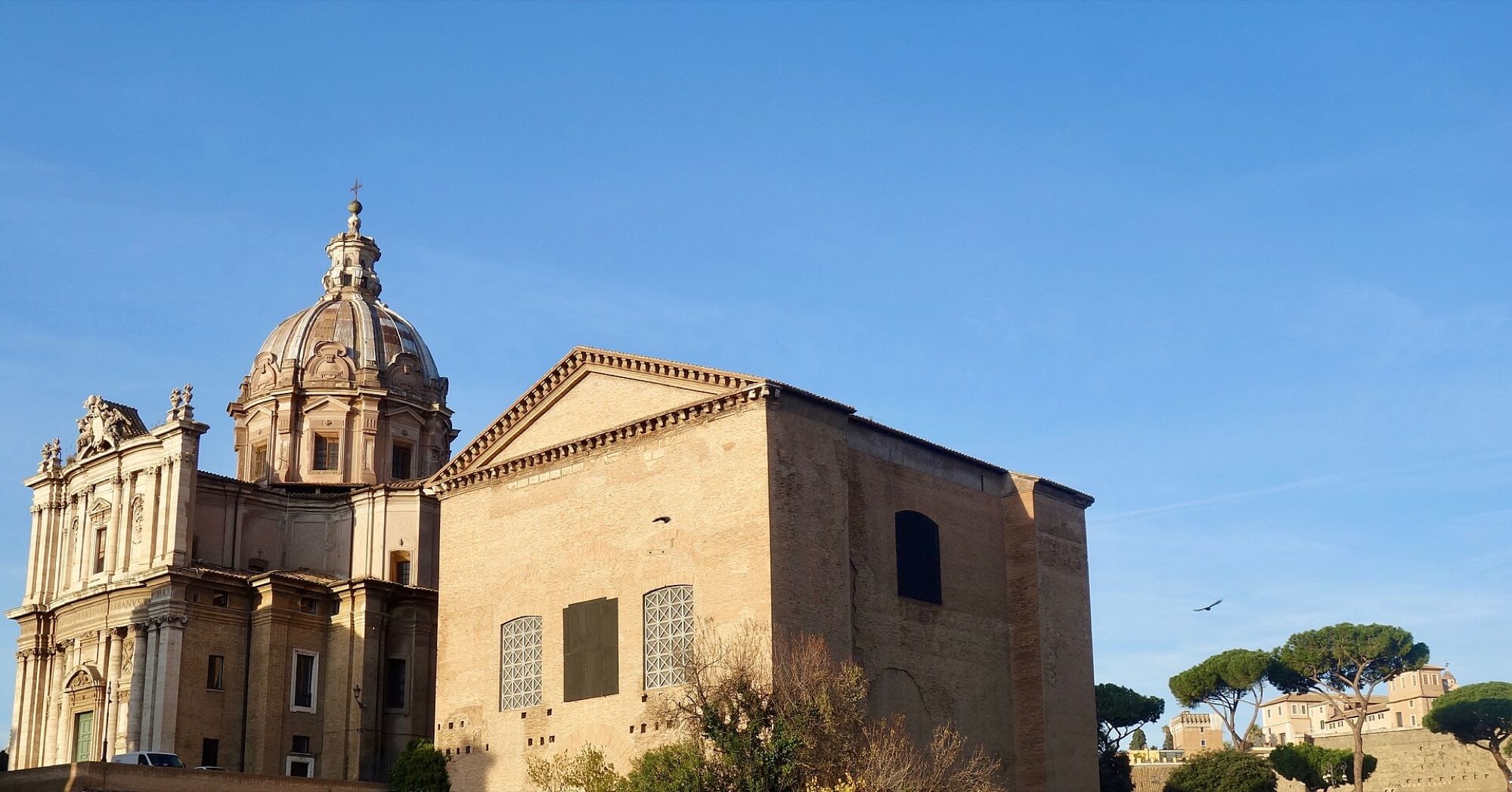
Unfortunately Gaius Julius could not resist the lure of omnipotence. The empire he dominated was so strong that it survived his grasping hand for fifteen centuries before its’ final collapse.
Diocletian created a local feudal model that succeeded for the next 1000 years. The system was modeled from a Bronze Age Greek city state. It was a kinship structure and it grew by absorption using common language and customs into a duchy and then kingdoms.
New kingdoms sprang from personal feudal estates and conquest or marriage. The basic culture of Rome was integrated with Christianity that created a system that has lasted until today. It is currently teetering on the edge but is quite admirable as the basis for two thousand years of government.
The rest of the world had stagnated with either a sky god or a tyrant handing out death on a whim. Competition among merchants and kingdoms for wealth created inventions and innovation. Portuguese cannons, naval development and physical limitations of the non European population of our tiny planet were the rebirth of Roman world mercantile thought. Colonies were again established and wealth flowed west. This wealth provides the leisure to subsidize invention and innovation.
The world now is being overrun with primitives who are fed by the western Puritan globalists and have little or nothing to contribute to our society. Europe has surrendered leaving the USA only remnant of the Greek and Roman governmental and cultural legacy. We may soon be rediscovering the concept of guarding our own deer in the dark of night.
.jpg?ref=romanempiretimes.com)
About the Roman Empire Times
See all the latest news for the Roman Empire, ancient Roman historical facts, anecdotes from Roman Times and stories from the Empire at romanempiretimes.com. Contact our newsroom to report an update or send your story, photos and videos. Follow RET on Google News, Flipboard and subscribe here to our daily email.
Follow the Roman Empire Times on social media: