
Quintus Sertorius: The Roman Rebel Who Built a Rival Rome in Spain
Exiled from Rome, Quintus Sertorius built a rival centre of power in Hispania, defied Pompey and Metellus, and inspired extraordinary loyalty. Yet the greatest danger came from within his own ranks.


Quintus Sertorius spent the most remarkable years of his life fighting Roman armies in Hispania, commanding soldiers drawn from the very peoples Rome had struggled for generations to conquer. He defeated experienced commanders, frustrated Pompey the Great, and gathered around himself Roman political exiles who refused to accept the settlement imposed by Sulla. Far from Rome, he established a rival centre of Roman authority, with a senate, military commanders, and diplomatic connections reaching across the Mediterranean.
His career was extraordinary even by the violent standards of the late Roman Republic. Sertorius had lost an eye in battle, survived civil war and exile, fought through North Africa, and learned to command loyalty through a mixture of military skill, generosity, deception, and sometimes ruthless violence. His followers included Romans driven from their homeland and indigenous communities whose reasons for resisting Roman authority were very different from his own.
For years, the government in Rome struggled to defeat him. Yet the commander who proved so difficult to overcome in battle eventually died at the hands of men who had once chosen to follow him, bringing an end to one of the Republic's most unusual political and military challenges.
From Nursia to Rome's Battlefields
Sertorius was born around the middle of the 120s BC at Nursia, a town in the Sabine country of central Italy. His family held a position of some local distinction, although it did not belong to the great aristocratic houses that dominated Roman politics. His father died while he was young, leaving his upbringing to his mother, Raia, to whom he remained deeply attached.
He received an education that prepared him for public life and initially showed promise as an orator. Like many ambitious Romans, however, he found that military service offered another route to distinction. His early experience came during the wars against the Cimbri and Teutones, whose movements into Roman territory had produced a series of military emergencies.
Sertorius served under Quintus Servilius Caepio when Roman forces suffered their catastrophic defeat at Arausio in 105 BC. He survived the disaster despite losing his horse and receiving wounds, escaping across the Rhône while still carrying his shield and breastplate. The account preserved by Plutarch presents a young soldier already remarkable for his endurance and physical strength.
He subsequently served under Gaius Marius, who was preparing to confront the northern invaders. During this campaign, Sertorius undertook a dangerous intelligence-gathering mission by disguising himself in Celtic clothing and learning enough of the language to pass among the enemy. He returned with information valuable to the Roman command and received recognition for his courage.
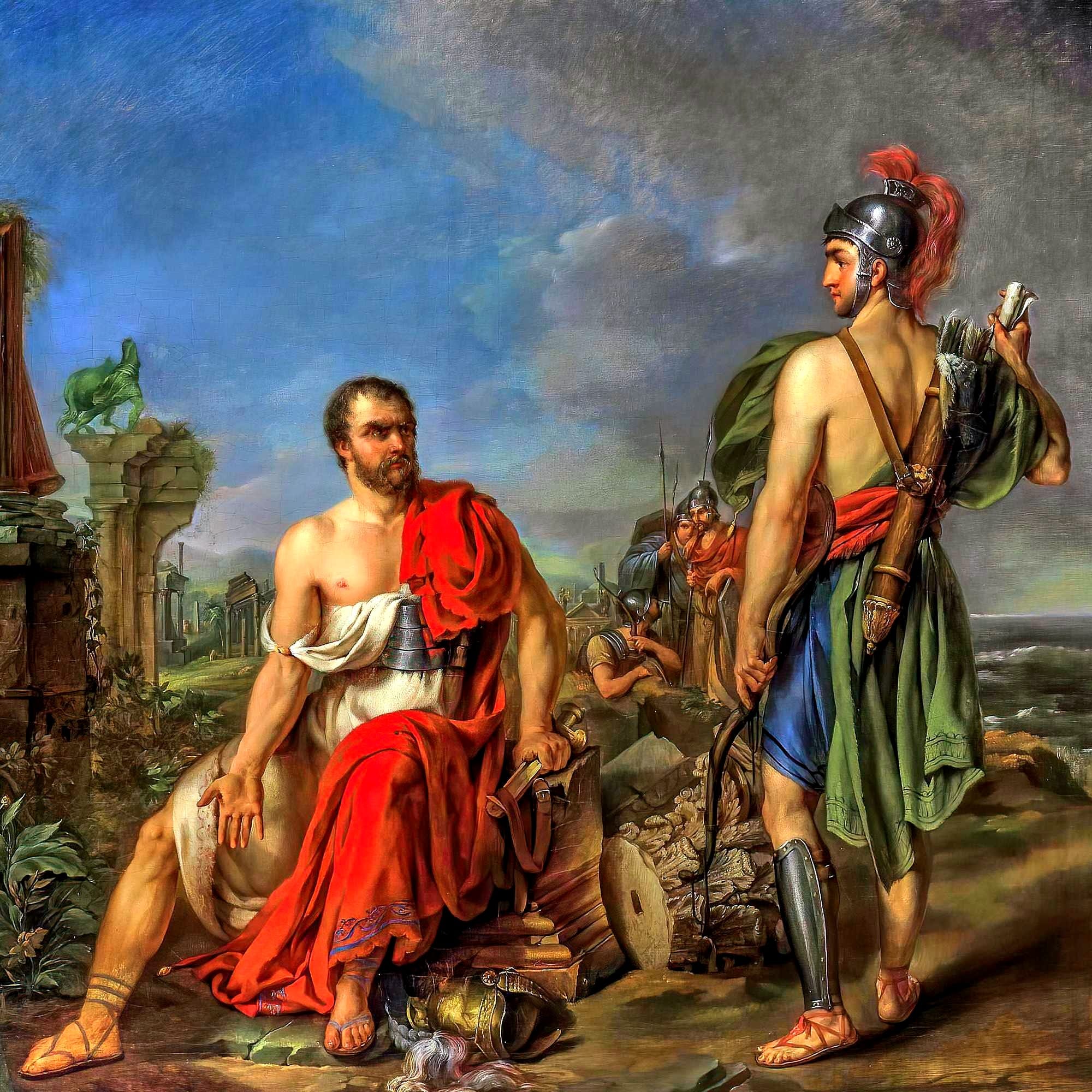
The episode anticipated the methods that would later make him such a difficult opponent in Hispania. Sertorius was willing to approach danger personally, but his success depended as much on preparation, disguise, and observation as on fighting.
A Night of Bloodshed at Castulo
After the northern wars, Sertorius served as a military tribune under Titus Didius in Hispania. During a winter spent at Castulo, a town of the Oretani in southern Hispania, his unit found itself in serious danger because of the soldiers' conduct.
The Romans had grown careless, spending much of their time drinking and neglecting discipline. The inhabitants, encouraged by this behaviour, arranged an attack with help from their neighbours. The assault came at night, catching Roman soldiers scattered in their quarters and killing many before they could organise a defence.
Sertorius managed to escape with several companions and began gathering other survivors. Instead of simply retreating, he returned, secured the entrance through which the attackers had entered, and regained control of the town.
His retaliation was severe. Plutarch reports that the Romans killed the adult men capable of bearing arms, after which Sertorius ordered his soldiers to exchange their clothing and weapons for those of the dead. Dressed as the attackers, they approached the neighbouring community whose men had participated in the assault.
The disguise worked. The inhabitants opened their gates, believing the returning soldiers were their own people. The Romans attacked, killed many of those who came out to greet them, and sold the remaining captives into slavery.
The operation established Sertorius's reputation in Hispania, but it also exposed the harshness of Roman warfare in the peninsula. His quick thinking saved his command, while the reprisals demonstrated that ingenuity and brutality could accompany one another.
The One-Eyed Soldier Who Challenged Sulla
After returning to Rome, Sertorius became quaestor and was assigned responsibilities in Cisalpine Gaul. As the Social War erupted, he distinguished himself by obtaining troops, weapons, and supplies. His ability to organise military resources strengthened a reputation already established through his service in Hispania.
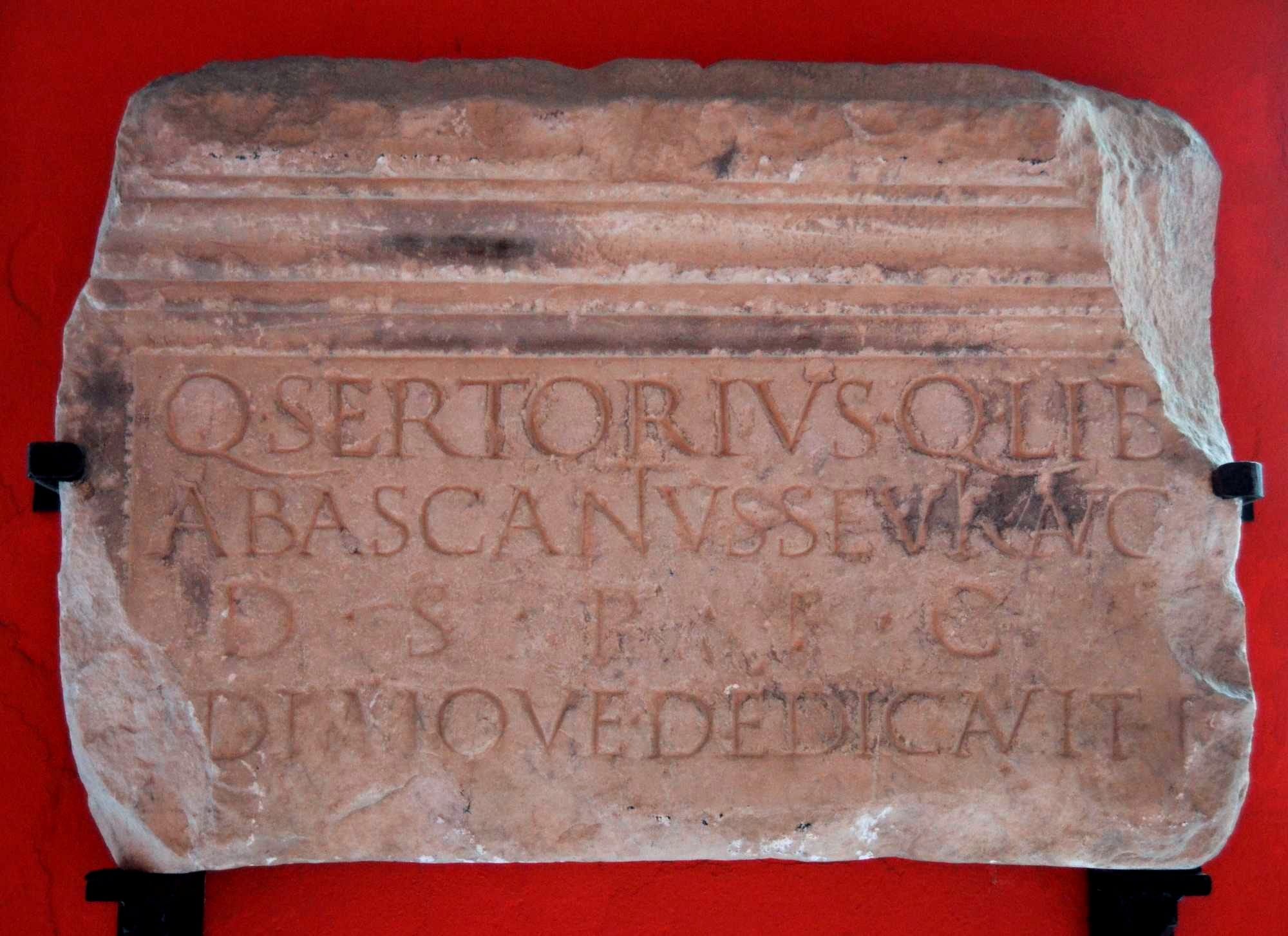
During the fighting, he lost an eye and suffered other wounds. These injuries became closely associated with his public image, and Sallust later described the visible evidence of his service.
Aulus Gellius preserves a passage from Sallust's Histories explaining that Sertorius's achievements had not received the recognition they deserved because of his modest background and the hostility of later accounts. Sallust nevertheless described the evidence of his military distinction as visible:
"in many scars on his breast, and in the loss of an eye."Sallust, Histories, preserved in Aulus Gellius, Attic Nights 2.27.
The passage continues by presenting Sertorius as taking pride in his injuries. His appearance testified to considerable military experience, but ancient readers did not all admire the way Sallust described his attitude towards the loss.
Gellius records criticism by the rhetorician Titus Castricius, who objected to the idea that Sertorius rejoiced in his disfigurement. Castricius contrasted him with Philip II of Macedon, another commander who had lost an eye, arguing that courage did not require a man to take pleasure in bodily injury.
His political ambitions meanwhile encountered a serious obstacle. Sertorius sought election as tribune of the plebs, but Plutarch attributes his failure to the opposition of Lucius Cornelius Sulla. Their hostility would soon become part of a much greater conflict that divided the Republic.
Caught Between Marius and Sulla
The struggle between Marius, Cinna and Sulla drew Sertorius into Roman politics at its most violent. He joined Lucius Cornelius Cinna during the fighting that followed Sulla's first march on Rome, but his association with the anti-Sullan cause did not mean that he accepted every action of its leaders.
Plutarch depicts Sertorius as deeply suspicious of Marius's return to Italy. He feared that Marius would dominate the movement and that his anger against political enemies would lead to uncontrolled violence. Cinna nevertheless felt obliged to welcome him because he had already invited his participation.
When Cinna explained his predicament, Sertorius accepted that an invitation could not honourably be withdrawn after the invited man had arrived. Plutarch concludes his reported reply with the words:
"a pledge leaves room for no discussion." Plutarch, Life of Sertorius 5.3.
After the anti-Sullan forces captured Rome, the violence that followed further damaged relations among their leaders. Plutarch describes bands of armed men associated with Marius who committed robberies and killings, terrorising inhabitants of the city.
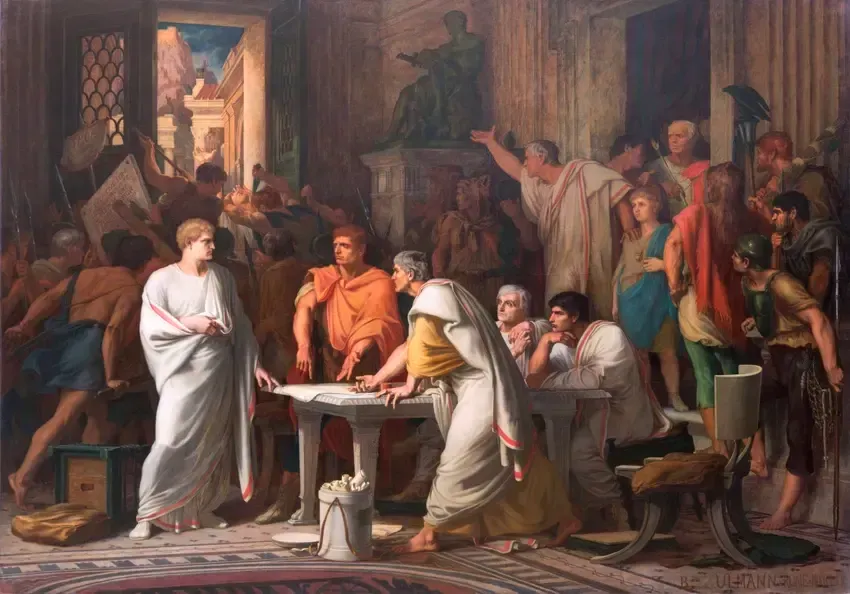
Sertorius eventually took drastic action against them. He arranged for his soldiers to attack these men while they were assembled in their camp, and Plutarch reports that approximately four thousand were killed.
The incident demonstrates both Sertorius's opposition to violence committed by his own political allies and the extraordinary severity of the measures he was prepared to employ. It placed him among the Roman commanders whose careers had become inseparable from the civil wars.
When Sulla returned from the East and renewed the struggle for control of Italy, Sertorius found himself on the losing side. Rather than remain in Italy as his political allies suffered defeat, he travelled to Hispania, where he hoped to establish a secure position for himself and those who might need refuge.
The Road to Exile
Sertorius entered Hispania with the authority of a Roman provincial commander and began preparing for the possibility of an attack by Sulla's forces. He also took steps to improve his relationship with the inhabitants, whose resentment of Roman governors had been intensified by taxation, military demands, and abuses of power.
He reduced some financial burdens and required soldiers to establish their winter quarters outside the cities rather than occupying private homes. Plutarch records that Sertorius himself set an example by pitching his tent outside the settlement.
These measures brought him support, but he was not relying on goodwill alone. Sertorius armed Roman settlers, prepared military equipment, and strengthened his ability to resist an invasion.
His position became untenable after Sulla defeated his opponents in Italy. Anticipating an attack, Sertorius placed a force under Salinator in the Pyrenean passes, hoping to prevent an enemy army from entering the peninsula.
Sulla dispatched Gaius Annius against him. Salinator was killed in circumstances involving Calpurnius Lanarius, whom Plutarch associates with treachery, and the troops defending the passes abandoned their positions. With the route opened, Annius advanced into Hispania.
Sertorius could not meet the invading army on equal terms. He withdrew towards Carthago Nova, embarked with approximately three thousand followers, and crossed to the African coast.
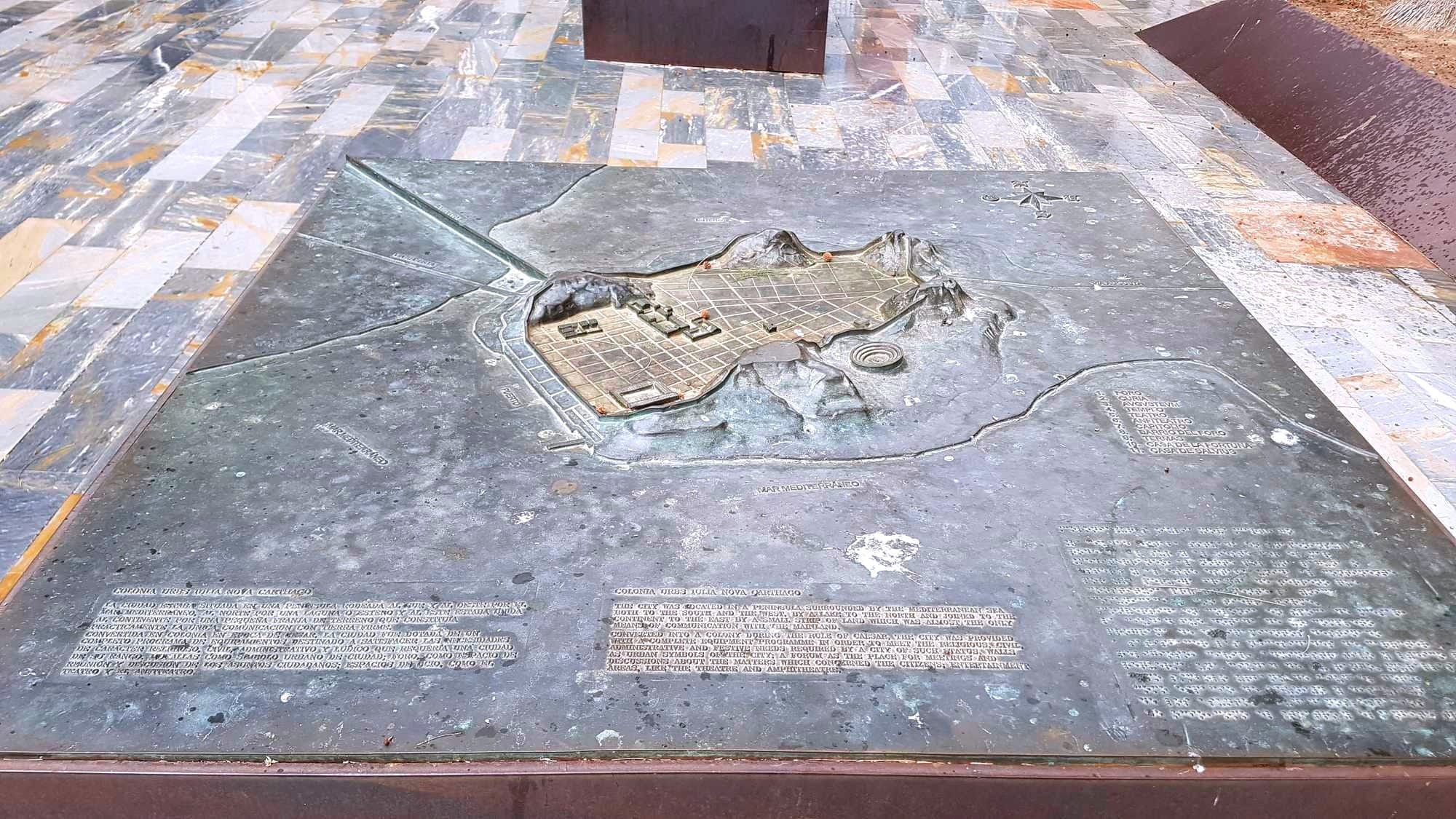
The departure began a period of dangerous wandering. His men encountered hostile communities, storms, naval opposition, and repeated shortages of secure places to land. Returning towards Hispania, Sertorius joined forces with Cilician pirates and seized a position on the Pityusian islands, only to be driven away when Annius arrived with a larger naval force.
Storms scattered his vessels, and Plutarch describes him spending days struggling against strong winds and rough seas. The commander who would eventually dominate much of Hispania had become an exile fighting simply to keep his remaining followers together.
A Dream of Escape Beyond the Atlantic
During his travels along the Atlantic coast, Sertorius encountered sailors who described distant islands beyond the Strait of Gibraltar. They spoke of exceptionally fertile land, pleasant weather, gentle winds, and a life free from the hardships of war.
The islands were associated with the mythical Elysian Fields, the resting place of the blessed. According to Plutarch, Sertorius became fascinated by the prospect of withdrawing there and escaping the wars that had consumed his life.
His companions did not share his attraction to such a peaceful existence. The Cilician pirates wanted opportunities for wealth and plunder, and they soon departed to take part in a conflict in Mauretania.
Sertorius eventually followed a different opportunity. Rather than attempting to settle on the islands, he intervened in the struggle taking place in North Africa, where he could once again exercise military command.
Victory in Africa and the Tomb of a Giant
In Mauretania, Sertorius supported opponents of a local ruler named Ascalis. He defeated Ascalis in battle and besieged him, drawing the attention of Sulla's supporters.
A Roman commander named Paccianus arrived with forces intended to assist Ascalis. Sertorius defeated him, and Paccianus was killed. Soldiers from the defeated army subsequently joined Sertorius, strengthening a force that had survived a succession of difficult adventures.
Sertorius then captured Tingis, the settlement that developed into modern Tangier. His success gave him a foothold in North Africa and restored much of the military reputation that his forced departure from Hispania had threatened.
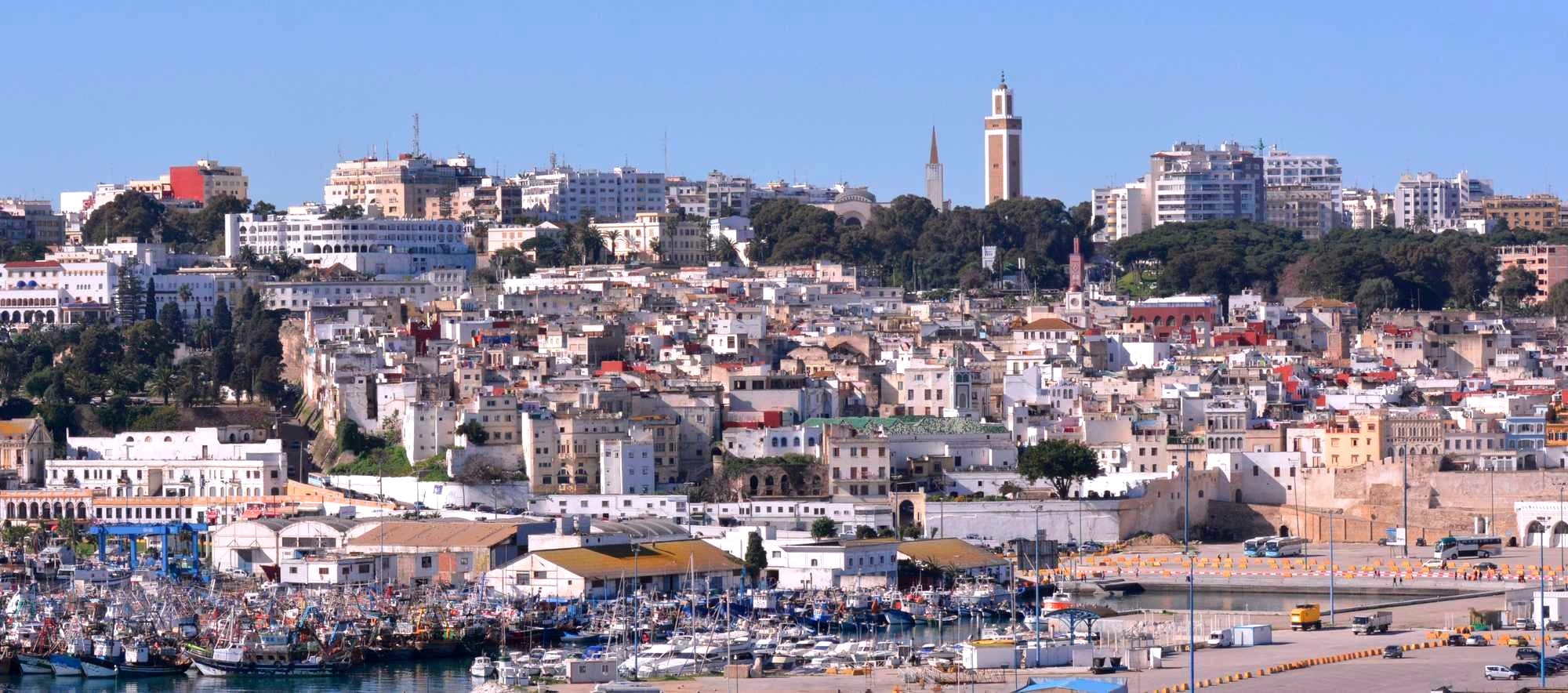
Sertorius's victory at Tingis became associated with an extraordinary story concerning Antaeus, the mythical giant defeated by Heracles. According to Plutarch, local inhabitants preserved a tradition about the giant's enormous tomb, which Sertorius decided to investigate.
The inhabitants maintained that Antaeus had been buried in their region, and Sertorius reportedly ordered the tomb to be opened because he doubted the stories of its extraordinary size. According to the account, the remains within were said to measure sixty cubits in length.
Sertorius was astonished, performed a sacrifice, and had the tomb closed again, allowing the local traditions surrounding it to continue. Strabo also preserves the story but places the tomb near Lixus on the Atlantic coast rather than Tingis itself.
The story belongs to the ancient traditions associated with Sertorius rather than to any credible discovery of a giant's skeleton. Its inclusion in his biography reflects the enduring connection between his African campaign and the religious traditions of the communities among whom he was operating.
His military fortunes had now changed. From a commander pursued from one coast to another, Sertorius had become a successful leader once again, and news of his achievements reached Hispania.
An Invitation That Changed His Fate
While Sertorius was still in Mauretania, representatives of the Lusitanians approached him with an offer of command. They were resisting Roman power and wanted a leader with sufficient military experience to withstand the armies sent against them.
Around the time of this invitation, Sertorius learned that his mother had died in Italy. Plutarch records that he was overcome with grief and lay in his tent for seven days without issuing the watchword or receiving his companions. His fellow commanders eventually persuaded him to resume his responsibilities.
Raia had raised him after his father's death, and his affection for her remained one of the most personal details preserved about his life. Although his ambition had carried him across the Mediterranean, his attachment to his family and homeland had not disappeared.
Sertorius accepted the Lusitanians' invitation and returned to Hispania around 80 BC, accompanied by a relatively small force of Roman followers and men recruited during his African adventures. His new command offered an opportunity to rebuild the military position that Sulla's victory had destroyed.
Plutarch describes 2,600 men whom Sertorius called Romans, together with 700 Africans, while the Lusitanians contributed 4,000 infantry and 700 cavalry. The precise interpretation of the figures concerning his Roman and African followers is difficult, but the essential point is clear: Sertorius began his renewed war with a modest army whose members came from different backgrounds.
His return was contested. Roman naval forces under a commander named Cotta attempted to interfere with his crossing near the Strait of Gibraltar, but Sertorius succeeded in reaching the peninsula.
He soon defeated Roman commanders operating in Hispania and began extending his authority beyond the original Lusitanian alliance. His victories attracted political exiles, local communities and additional military forces, allowing his movement to grow into a serious challenge to the government in Rome.
This alliance had a complicated foundation. The Roman exiles hoped to recover their position in the Republic, while the indigenous communities sought protection, advantages or relief from Roman rule. Sertorius had to maintain their cooperation even though they did not necessarily want the same political outcome.
The White Fawn and the Voice of a Goddess
One of the most famous stories about Sertorius concerns a white fawn given to him by a man named Spanus. The animal was unusually beautiful and became so tame that it followed Sertorius around his camp without being disturbed by the crowds or noise.
Sertorius gradually encouraged his followers to regard the fawn as a creature connected with Diana. He claimed that the goddess communicated with him through the animal, warning him of dangers and revealing information that would help his army.
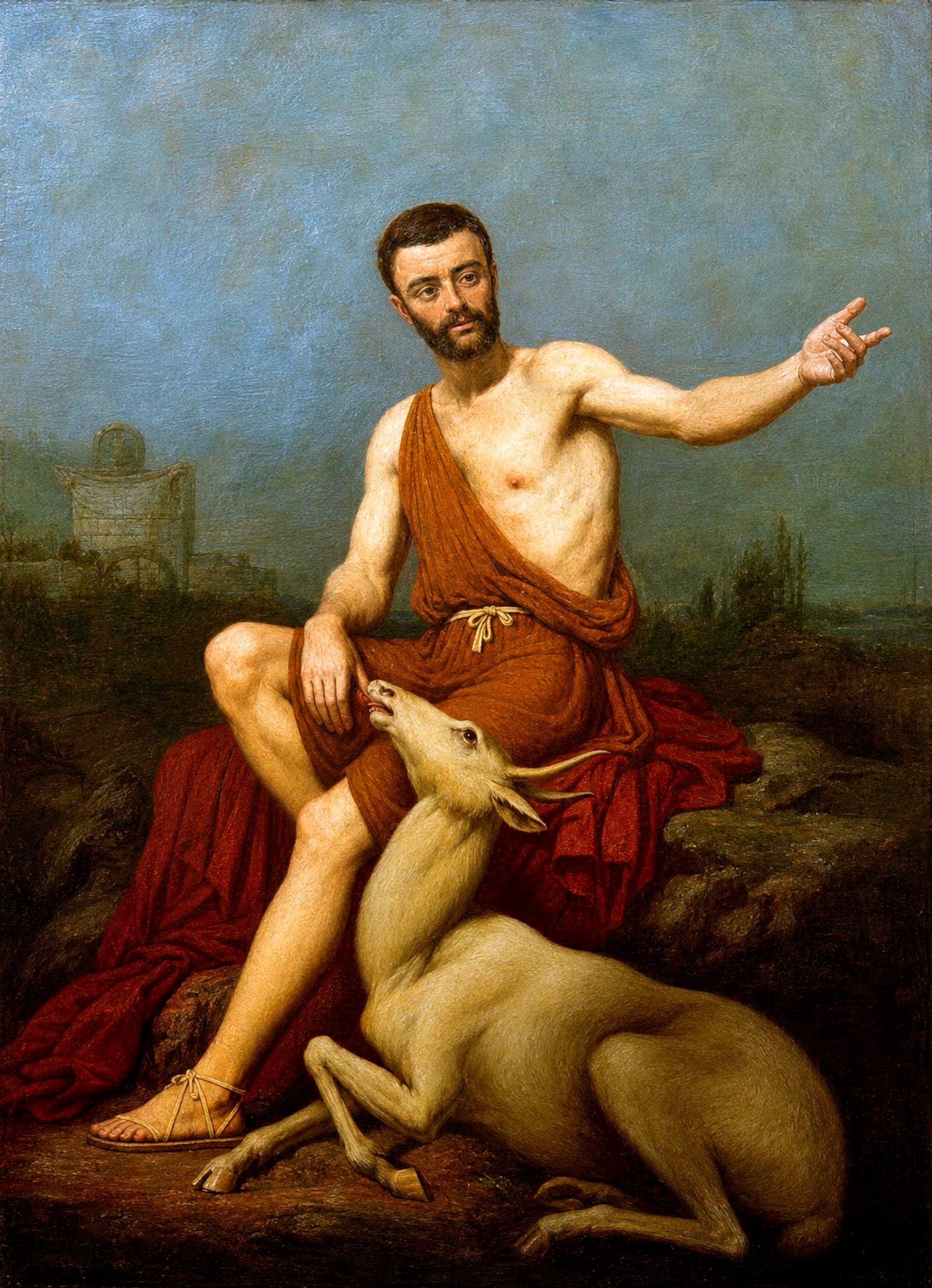
In practice, Sertorius sometimes received intelligence from messengers and scouts before announcing that the fawn had disclosed it to him. When news of a victory arrived, he might conceal the messenger, decorate the animal with garlands, and present its appearance as a sign that good fortune was approaching.
Aulus Gellius, who also preserves the story, describes Sertorius using fabricated messages, dreams and religious claims when such devices helped him influence his soldiers. The fawn was one particularly successful instrument of this approach.
The animal's importance became even clearer when it disappeared during a difficult period of the war. Its absence troubled the troops, and Sertorius was reportedly delighted when someone secretly informed him that it had been recovered.
He ordered the discovery to be concealed and arranged for the fawn to be released while he was meeting important followers. Before its appearance, he announced that Diana had visited him in a dream.
The animal then entered, approached Sertorius, and greeted him affectionately. The scene renewed the enthusiasm of his followers, who interpreted its return as a sign of divine favour.
Sertorius had transformed an ordinary piece of good fortune into an event with military and religious significance. His success depended not only on winning battles but also on understanding the beliefs, anxieties and expectations of the people who fought for him.
The General Metellus Could Not Catch
The Roman government responded to Sertorius's growing power by sending Quintus Caecilius Metellus Pius to suppress the rebellion. Metellus was an experienced commander with formidable conventional forces, but Sertorius presented him with an unfamiliar kind of war.
He avoided engagements that would favour heavily armed Roman infantry and instead attacked supplies, communications and isolated detachments. His troops could move through difficult country, operate with limited provisions, and exploit knowledge of routes unfamiliar to their enemies.
Metellus found that pursuing Sertorius could be almost as dangerous as confronting him. When the Romans advanced, Sertorius withdrew; when they established a camp, he threatened its supplies; and when they besieged one of his allied towns, he looked for ways to make the besiegers' own position untenable.
A Siege Defeated With Water Skins
An excellent example was the siege of Langobriga, a town whose precise modern location remains disputed.
Metellus believed that the settlement would surrender quickly because its defenders had access to only one well. Expecting the water to run out, he brought limited provisions and prepared to wait.
Sertorius instead arranged for two thousand water skins to be carried into the town by volunteers who followed difficult mountain paths. He also ordered the evacuation of inhabitants who were unable to contribute to its defence, allowing the remaining supplies to sustain the garrison.
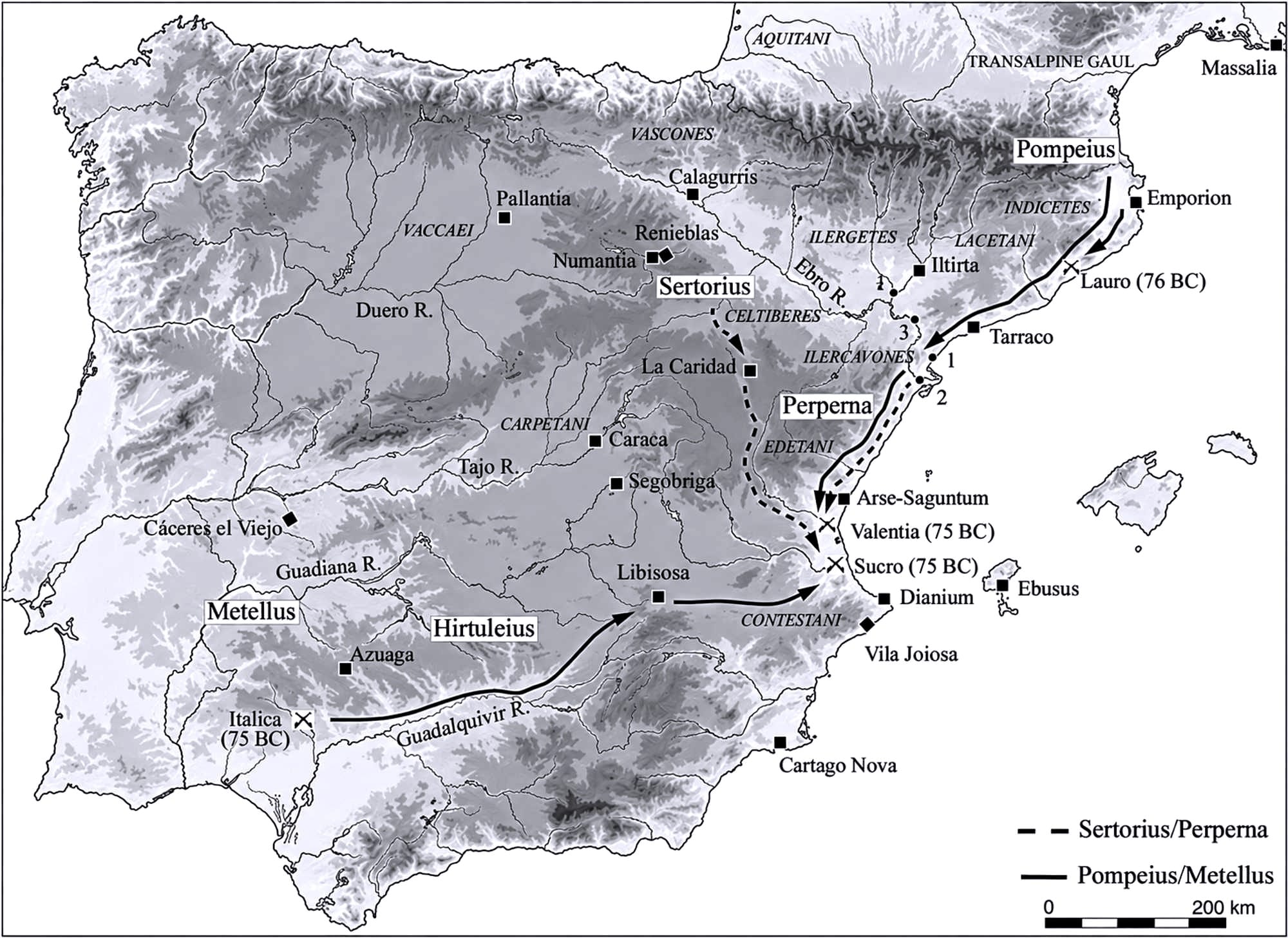
When Metellus learned that the defenders had received water, he had to send a substantial force to gather provisions. Sertorius anticipated the movement and arranged an ambush.
His men attacked the Roman detachment during its return, while Sertorius brought additional troops against it from another direction. The operation inflicted losses and forced Metellus to abandon the siege.
The success was characteristic of his approach. Rather than attempting to defeat the entire Roman army, Sertorius identified a weakness created by its dependence on supplies and turned the circumstances of the siege against its commander.
The Caves Conquered by Dust
In his writings, Plutarch preserves another striking demonstration of Sertorius's ingenuity during an operation against the Characitani.
These people occupied caves in a steep hillside, using the difficult terrain to protect themselves from attack. The entrances faced an area covered with fine, loose soil that could be carried by the wind.
Sertorius observed the direction of the prevailing wind and ordered his men to gather the soil into a mound opposite the caves. The defenders mocked the work, assuming that he was attempting to construct siegeworks against a position they regarded as inaccessible.
When the wind strengthened, Sertorius ordered the earth to be broken up and scattered. Soldiers drove horses through it, raising great clouds of dust that blew directly into the cave entrances.
The defenders were trapped in the dust-filled chambers and struggled to breathe. Plutarch reports that they eventually surrendered after enduring the conditions for several days.
It was a victory achieved through observation of the terrain and weather rather than through an assault on the defenders' position. Such incidents contributed to Sertorius's reputation as a commander who found unexpected solutions to military problems.
The Men Who Would Rather Die Than Leave Him
Sertorius understood that indigenous courage alone could not always withstand the formations and discipline of Roman armies. He therefore introduced Roman weapons, formations and military signals among his followers, creating units better suited to conventional engagements.
He also recognised the importance of maintaining morale and personal loyalty. Plutarch describes him encouraging the decoration of helmets and shields with precious metals and providing his soldiers with attractive clothing and equipment.
Their appearance mattered to men who took pride in their weapons and martial traditions. Sertorius used that pride while gradually introducing the discipline needed to coordinate his army.
The devotion he inspired could be extraordinary. Plutarch describes Iberian warriors who pledged themselves personally to their commander and considered it their duty to die if he fell. In one engagement, men carried Sertorius to safety before attempting to escape themselves.
Yet the commander faced recurring problems with impatience and indiscipline. On one occasion, when his soldiers demanded a battle against his wishes, he allowed them to engage and suffer a setback before rescuing them.
He then arranged a demonstration using two horses. A powerful man attempted to tear off the tail of a weak horse in one effort, while a smaller man removed the hairs from a stronger horse's tail one at a time.
The powerful man failed, while the smaller man completed his task. Sertorius used the demonstration to persuade his followers that patience and gradual effort could succeed where undirected strength could not.
Plutarch preserves part of the lesson as a speech attributed to Sertorius:
"perseverance is more efficacious than violence" Plutarch, *Life of Sertorius* 16.4.
The lesson was particularly appropriate to the war Sertorius was fighting. He could rarely rely on overwhelming force, but he repeatedly found ways to achieve results through persistence, favourable timing and the gradual weakening of his enemies.
Building Another Rome in Hispania
As his military power grew, Sertorius developed political institutions that strengthened his authority in Hispania and preserved connections with Roman public life.
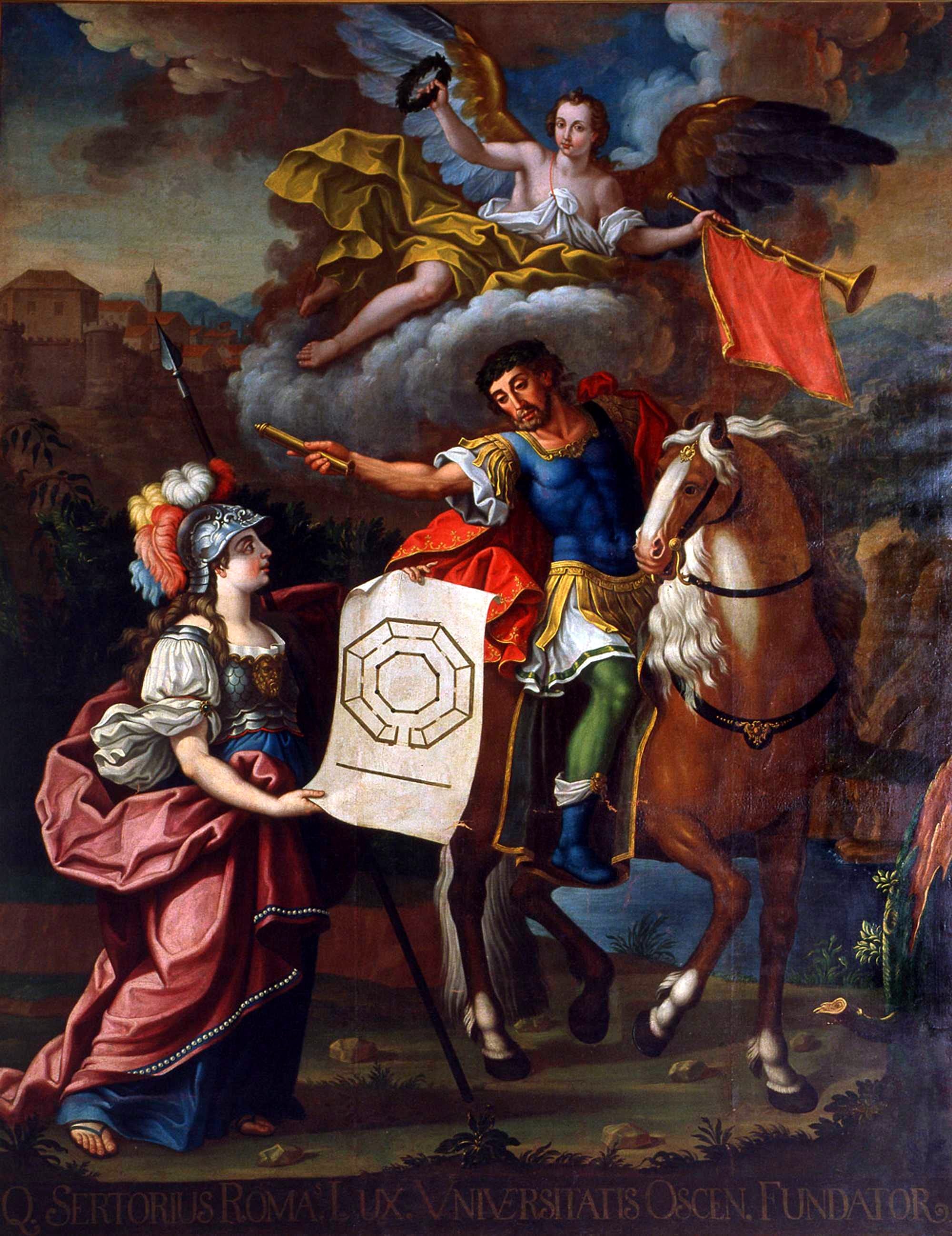
At Osca, modern Huesca, he established a school for the sons of leading indigenous families. The boys were taught Greek and Roman subjects and dressed in clothing associated with Roman status.
Sertorius took an interest in their education, arranged examinations, distributed prizes, and provided distinctions that imitated Roman customs. Their fathers were encouraged by the prospect that their children might eventually participate in Roman administration.
The school also had another purpose. The young aristocrats were effectively hostages, whose presence helped guarantee the loyalty of their families and communities.
The arrangement combined cultural advancement with political control. For Sertorius, it helped strengthen a network of relationships on which his military power depended.
Roman exiles meanwhile gathered around him, including men who had held senatorial rank. Sertorius organised an advisory body that became known as his senate, giving the movement an institution resembling the political authority from which its members had been excluded.
Appian claims that the body contained three hundred members and that Sertorius:
"called it the Roman Senate in derision of the real one." Appian, Civil Wars 1.108.
Plutarch presents a different emphasis, describing Sertorius giving the name of senate to senators who had fled from Rome and appointing Roman commanders and officials from among his followers. The precise size and constitutional status of this body cannot be securely established.
The institution nevertheless demonstrated the Roman character of Sertorius's political ambitions. He relied heavily on Iberian soldiers and communities, but he continued to claim authority within a Roman political framework rather than establishing an independent Iberian kingdom.
His authority can also be seen in surviving inscribed sling bullets bearing his name and the title proconsul. Such military objects provide physical evidence that Sertorius publicly asserted the legitimacy of his Roman command.
His followers were not merely fighting a provincial rebellion. They had become part of a competing Roman political and military organisation operating beyond the control of the government in Rome.
A Dangerous Ally and a Formidable New Enemy
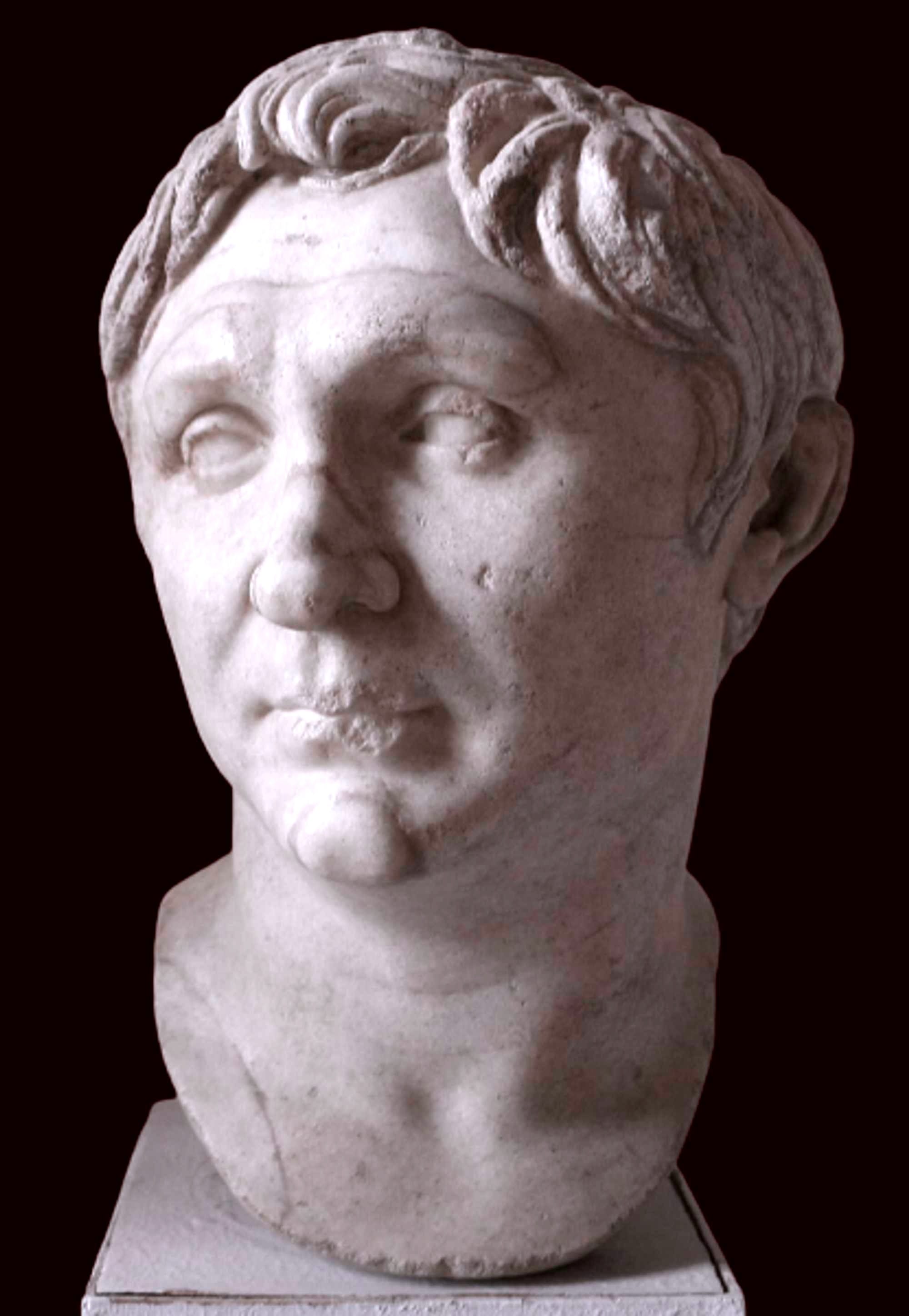
Sertorius's position strengthened when Marcus Perperna Vento arrived with troops associated with the defeated movement of Marcus Aemilius Lepidus.
Perperna possessed aristocratic connections and substantial military resources. He initially intended to operate independently, but his soldiers preferred to join Sertorius, whose successes had made him the most effective leader opposing the Roman government in Hispania.
Plutarch describes Perperna eventually joining him with fifty-three cohorts. The reinforcements increased Sertorius's ability to confront Roman armies in major engagements.
But the alliance contained the beginnings of future trouble. Perperna came from a more distinguished political background and resented the authority exercised by Sertorius, whose rise depended more on military achievement than ancestry.
By this time, Rome had decided that Metellus required additional assistance. Gnaeus Pompeius Magnus, already celebrated for his achievements under Sulla, crossed into Hispania with another army.
Pompey was young, ambitious and confident in his reputation. Sertorius would soon demonstrate that his earlier victories had not prepared him for every kind of opponent.
The Day Pompey Was Humiliated at Lauro
The confrontation at Lauro became one of Sertorius's most celebrated achievements. Pompey came to relieve a town threatened by Sertorius and believed he had placed his opponent in a disadvantageous position.
Sertorius, however, had anticipated the danger. His forces occupied important ground while additional soldiers remained positioned so that they could threaten Pompey's rear.
Frontinus preserves a more detailed account of the operation against Pompey's supplies. Sertorius repeatedly threatened one foraging area while leaving another undisturbed, persuading Pompey's men that the more distant ground was safer.
Once the Romans had become accustomed to gathering provisions there, Sertorius sent concealed forces to ambush them. His troops included Iberian infantry equipped in Roman fashion, lighter-armed soldiers and cavalry.
The attack caught the foragers by surprise, and additional Roman troops sent to their assistance also suffered heavy losses. Pompey could not intervene effectively without exposing his main army.
The town ultimately surrendered to Sertorius. Plutarch reports that he spared the inhabitants but ordered Lauro to be burned, an act that also damaged Pompey's prestige among communities considering whether to change sides.
The victory was a serious humiliation for the young Roman commander. It also showed that Sertorius could coordinate different kinds of troops in carefully planned operations against a formidable conventional army.
There was an irony that would become clear only later. Two officers associated with the successful ambush, Octavius Graecinus and Tarquitius Priscus, also appear in the surviving accounts of the circle that conspired against Sertorius.
When Victory Was No Longer Enough
Pompey recovered from the defeat at Lauro, and the war entered a more difficult phase for Sertorius. Roman forces pressed into territory he controlled, while Sertorian commanders suffered defeats that weakened his ability to sustain the campaign.
At Italica, Metellus defeated forces commanded by Lucius Hirtuleius. Pompey also defeated troops under Perperna and Herennius near Valentia, capturing the city and threatening Sertorius's position along the eastern coast.
Sertorius moved to confront Pompey before Metellus could join him. The resulting battle near the Sucro demonstrated his ability to command in a major conventional engagement.
The fighting shifted repeatedly. Sertorius initially faced the Roman forces commanded by Afranius, but when another part of his army came under pressure, he crossed the battlefield to restore the situation.
He succeeded in driving back Pompey's troops and then returned to recover the position threatened by Afranius. Both sides suffered heavily, and neither achieved the decisive victory needed to settle the conflict.
When Metellus approached, Sertorius withdrew rather than confront the combined Roman armies. His performance on the battlefield had been impressive, but the withdrawal demonstrated the growing difficulty of sustaining the war against two powerful opponents.
Further fighting followed near Segontia, where Sertorius again confronted the armies of Pompey and Metellus. Although he inflicted losses on Pompey's forces, Metellus defeated Perperna and helped reverse the wider outcome.
Hirtuleius was also killed during the fighting against the Roman commanders, according to the reconstruction that places his final defeat at Segontia. His loss deprived Sertorius of one of his most important subordinate commanders.
Sertorius subsequently withdrew to Clunia, where his enemies attempted to besiege him. He managed to continue the war, using his knowledge of the terrain and his ability to reorganise scattered forces.
The cost of these campaigns was nevertheless severe. His experienced infantry had suffered losses that could not quickly be replaced, and the Roman commanders were increasingly able to operate together against him.
The Messenger Who Brought the Worst News
Frontinus preserves an especially disturbing incident associated with the death of Hirtuleius. While Sertorius was engaged in battle, a messenger arrived with news that his subordinate had been killed, and Sertorius reportedly:
"plunged a dagger into the barbarian". Frontinus, Stratagems 2.7.5.
Frontinus explains that Sertorius feared the news would spread panic through his army and destroy its morale. His decision to silence the messenger by killing him reveals the extreme measures attributed to him during the fighting.
The incident also forms a disturbing contrast with his earlier manipulation of intelligence. The commander who had once concealed good news until he could reveal it through the white fawn was now reported to have suppressed devastating news through violence.
An Alliance Across the Mediterranean
Sertorius's influence extended beyond Hispania through negotiations with Mithridates VI, the king of Pontus and one of Rome's most formidable enemies.
Mithridates was preparing for renewed conflict in Asia Minor and recognised the advantages of maintaining contact with the Roman opposition in the West. An agreement with Sertorius could place pressure on Rome from two distant directions.
Envoys approached Sertorius with offers of money and naval assistance in exchange for recognition of the king's territorial claims. The precise terms differ between the surviving accounts, especially regarding which territories Sertorius was prepared to concede.
Plutarch describes Sertorius refusing to surrender the Roman province of Asia, although he was willing to recognise Mithridates's claims to certain kingdoms. The same account states that Mithridates promised three thousand talents and forty warships.
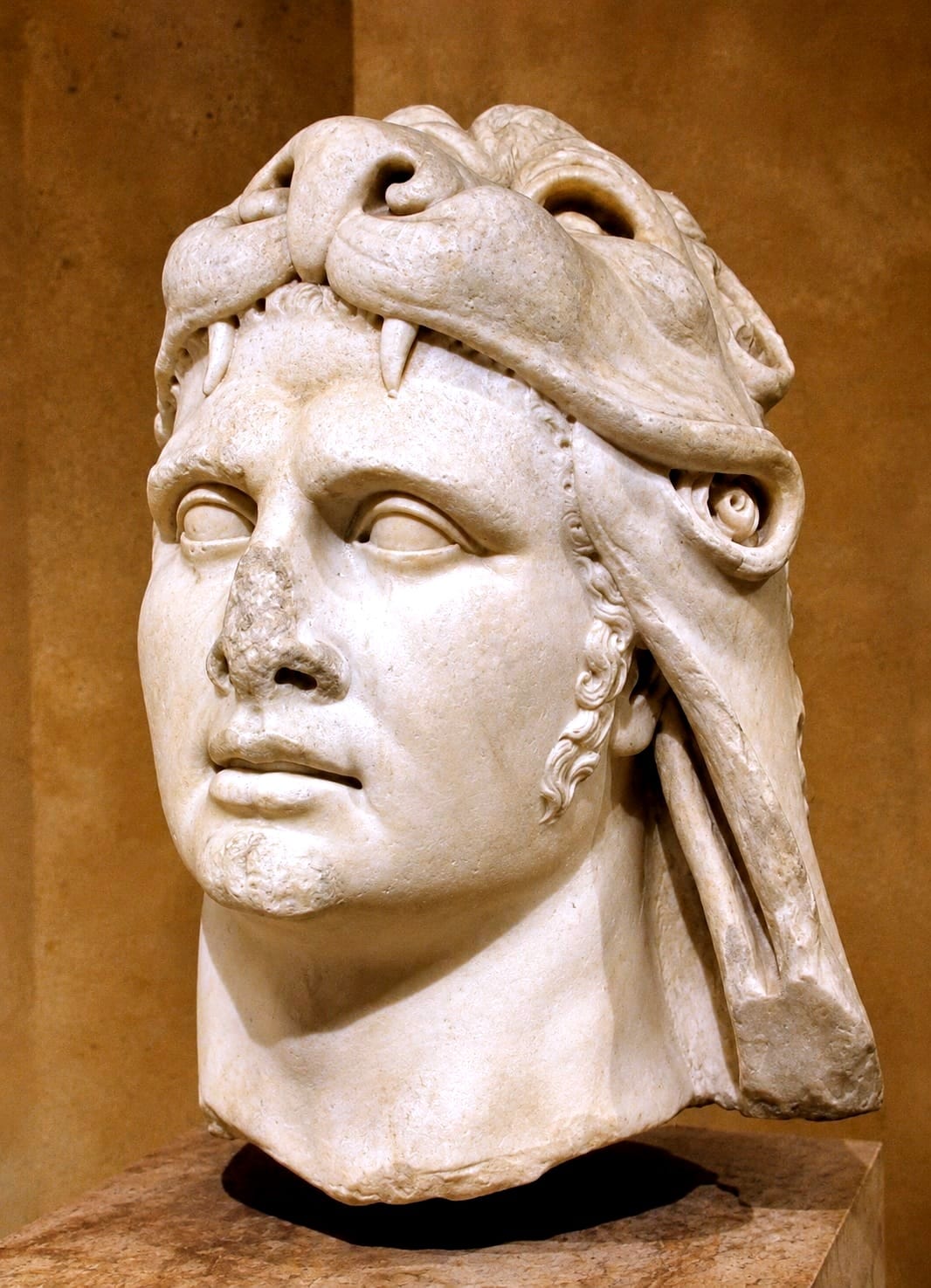
Sertorius also sent Marcus Marius, one of the Roman exiles associated with his movement, to assist Mithridates in the East. Marius exercised authority in captured cities and presented his activities as actions undertaken on behalf of Sertorius.
The agreement demonstrated the extraordinary reach of Sertorius's political challenge. A Roman commander fighting in Hispania had become sufficiently important for a powerful eastern king to negotiate with him over territories and military assistance.
The practical benefits to Sertorius were less clear. The surviving evidence does not establish that the promised naval reinforcements reached him in sufficient strength to change the outcome of his war.
The Roman Who Longed to Return Home
Despite his formidable position in Hispania, Sertorius continued to express a desire to return to Rome
Plutarch records that he sent messages to Pompey and Metellus offering to lay down his arms if he could return safely and live as a private citizen. He preferred, according to the biographer, to live in Rome as:
"her meanest citizen". Plutarch, Life of Sertorius 22.5.
The contrast was striking. Sertorius controlled armies, enjoyed the loyalty of communities across Hispania, and maintained political institutions that rivalled those of the government in Rome. Yet the honours he could command abroad did not erase his attachment to his homeland.
His position also presented a practical difficulty. The followers who had joined him because they were proscribed or excluded from political life would require their own security if peace were to be achieved. A settlement involving Sertorius alone would not necessarily satisfy the men whose allegiance made his command possible.
No agreement was reached. The war continued, and the possibility of a peaceful return gradually became more remote as his military and political position deteriorated.
The Unravelling of Sertorius's Power
Despite his earlier successes, Sertorius was losing the freedom of movement and political support that had sustained his position.
Pompey and Metellus continued to pressure allied communities, while towns and tribes that had supported Sertorius began reconsidering their loyalties. Military setbacks weakened his position among both his Roman followers and the indigenous leaders whose cooperation he required.
Pompey himself had endured serious shortages. Sallust preserves a letter in which the commander complained to the Senate that the army in Hispania had been denied sufficient supplies and money.
The situation was difficult for both sides, but Rome remained able to send additional resources. Sertorius depended on a coalition whose members increasingly disagreed over the future of the war.
Internal divisions became particularly dangerous among his Roman officers. Perperna resented his subordinate position, and other men complained that they had escaped domination by Sulla only to find themselves under Sertorius's authority in Hispania.
Some followers exploited indigenous communities through exactions and harsh punishments, allegedly claiming to act on Sertorius's orders. These abuses contributed to growing resentment and further defections.
Sertorius himself responded with increasing suspicion and severity. Ancient accounts describe executions, confiscations and harsh punishment of those believed to be disloyal.
The deterioration of his relationships with allied communities had particularly severe consequences for the young aristocrats educated at Osca. As communities abandoned his cause, Sertorius punished the children he had taken as hostages, and Plutarch reports that some were killed while others were sold into slavery.
The school that had once symbolised the advantages of association with Sertorius had become an instrument of retaliation. Its fate exposed the fragility of the relationships on which his authority depended.
The Roman commander who had attracted indigenous support through favourable treatment and military protection was now increasingly associated with coercion and punishment. The dissatisfaction of his Roman followers grew alongside the disaffection among the communities that had sustained his campaign.
Betrayal at the Banquet
Perperna emerged as the principal organiser of a conspiracy to kill Sertorius. His resentment of the commander's authority combined with the fears and ambitions of other Roman officers.
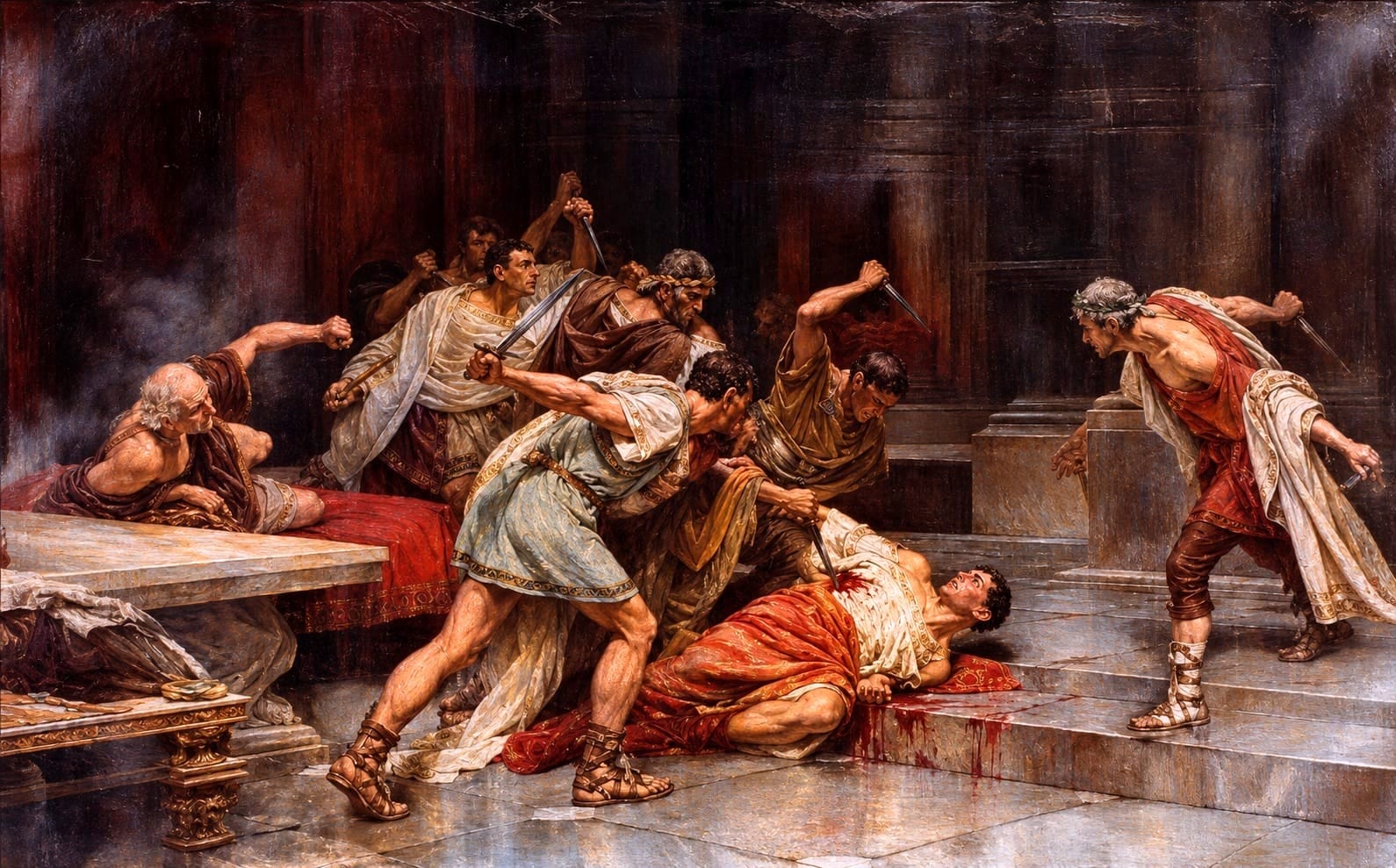
Plutarch preserves an elaborate account of the plot, including an incident in which one conspirator revealed the plan to a young man with whom he was involved. The information passed between individuals connected to the conspirators, creating fears that their intentions might be exposed.
Perperna and his associates decided to act before the plot was discovered. They arranged for Sertorius to receive a report announcing an important victory by one of his commanders, presenting the news as an occasion for celebration.
Delighted by the announcement, Sertorius offered a sacrifice. Perperna then invited him to a banquet and, after repeated encouragement, persuaded him to attend.
Sertorius usually expected restraint and decorum at such gatherings. On this occasion, the conspirators behaved offensively, making crude jokes and pretending to be drunk.
Plutarch suggests that Sertorius became uncomfortable and turned away from the company. Appian gives a different account, presenting him as having been made drunk during the gathering.
The surviving evidence preserves an unusually detailed picture of the banquet. A fragment of Sallust identifies the seating arrangements and names several participants, including Perperna, Antonius, Fabius Hispaniensis, Tarquitius, and two of Sertorius's secretaries.
The conspirators had agreed on a signal, and Perperna gave it by dropping a drinking cup. As the vessel fell and made a noise, Antonius attacked Sertorius with his sword.
Sertorius attempted to rise and resist, but Antonius seized him and prevented him from defending himself. The other conspirators joined the attack, and Plutarch records that Sertorius:
"died from the blows of many." Plutarch, Life of Sertorius 26.6.
The man who had survived battlefield wounds, storms, civil wars, hostile armies and years of exile was killed by members of the Roman circle that had gathered around him in Hispania. His death is dated to 73 or 72 BC in competing chronological reconstructions of the final years of the war.
The Fate of Sertorius's Assassins
The assassination did not bring Perperna the authority he had expected. His soldiers reacted with anger when they learned of Sertorius's death. Many had depended on their commander's military skill and personal relationships, and they had little confidence that Perperna could replace him.
Appian reports that Sertorius's will contained a bequest to Perperna, making the murder appear still more disgraceful to the followers who learned of it. Perperna attempted to restore order through promises, gifts, threats and punishments, but his position remained precarious.
He eventually confronted Pompey and was defeated. After the battle, Perperna hid among the vegetation but was discovered and captured.
According to Plutarch, the prisoner offered Pompey correspondence allegedly showing that influential Romans had been communicating with Sertorius and encouraging political upheaval in Italy. Pompey refused to allow the letters to become a source of further conflict and ordered them destroyed.
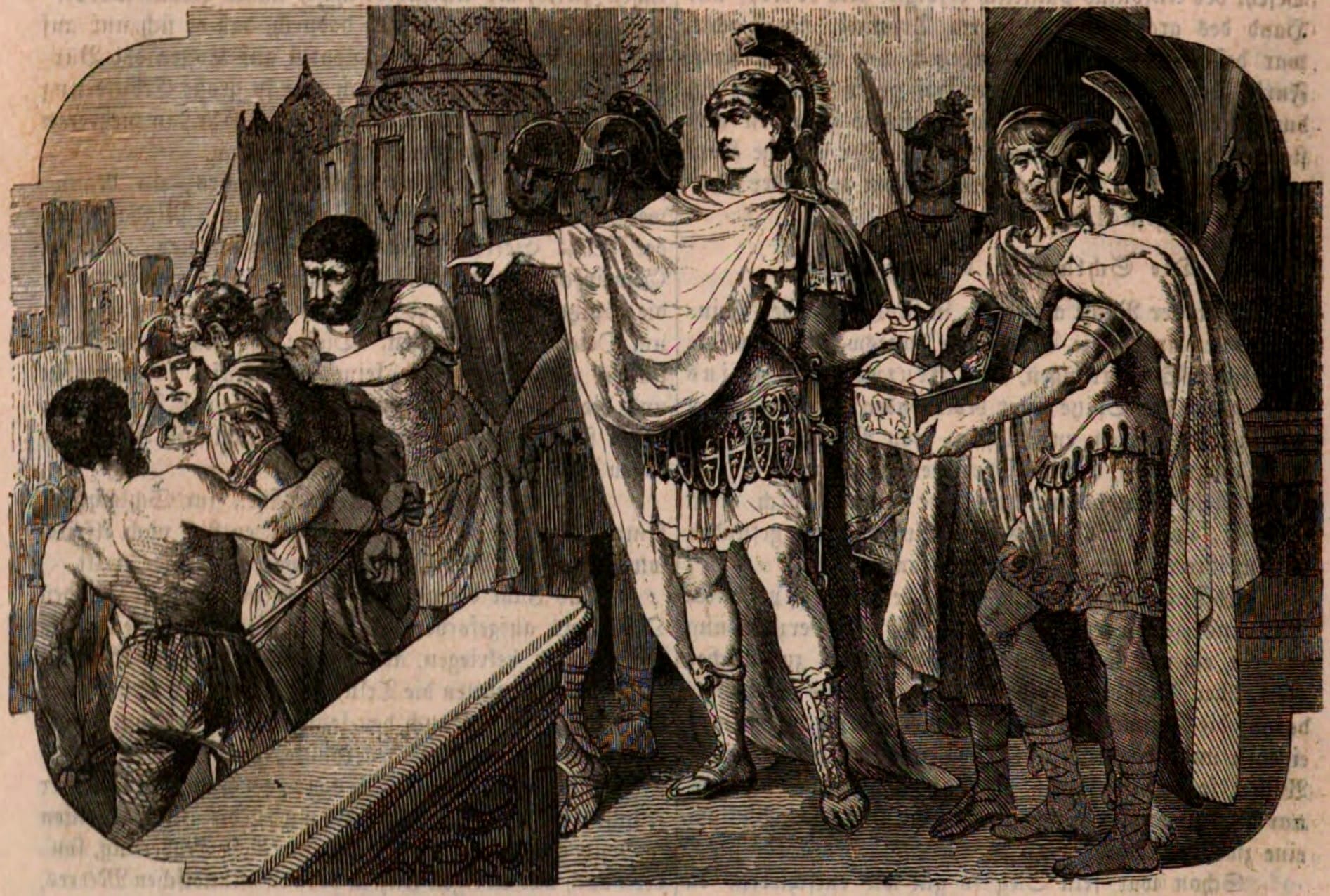
Perperna was subsequently executed, and the surviving accounts do not permit the supposed contents of Sertorius's correspondence to be established. His death left the remnants of the movement without a leader capable of maintaining the coalition Sertorius had assembled.
Resistance continued in parts of Hispania after the deaths of both Sertorius and Perperna. Several communities remained hostile to the Roman commanders, and the final suppression of the movement required further campaigns.
The defeat of the organised Sertorian leadership nevertheless ended the political challenge that had brought together Roman exiles and indigenous forces under a single commander. Its remaining supporters faced a future increasingly determined by Pompey and the Roman government.
Sertorius had never succeeded in returning to Rome or reversing the political settlement established by Sulla. Yet for years he had maintained a Roman military and political organisation outside the control of the government that had driven him from his homeland.
His successes had forced Rome to commit experienced commanders and substantial armies to the war, while his alliances extended from the western Mediterranean to the court of Mithridates in the East.
He was remembered for his courage, extraordinary military ingenuity and skill in winning loyalty, but also for his harsh reprisals and the increasingly severe conduct of his final years. The white fawn, the school at Osca, his victories over Roman commanders, and his death at the hands of his own followers became inseparable parts of his story.
Sertorius's life ended in Hispania, far from the city whose politics had first shaped his ambitions. The rival Roman authority he had maintained there did not survive him, but his long resistance remained one of the most formidable challenges faced by the Republic in the years after Sulla.
Christoph F. Konrad, Plutarch's Sertorius: A Historical Commentary (1994).
Peter Rempis, Quintus Sertorius und der Krieg in Spanien (1992).
Toni Ñaco del Hoyo and Jordi Principal, “Q. Sertorius: A Warlord in Hispania?” (2018).
Joaquín L. Gómez-Pantoja, “Sertorius, Quintus,” Encyclopedia of Ancient History (2013).
Juan García González, “Quintus Sertorius pro consule: connotaciones de la magistratura proconsular afirmada en las glandes inscriptae Sertorianae” (2012–2013).
Korneel Van Lommel, “Stoicism and War Wounds: Mucius Scaevola, Sergius Silus and Quintus Sertorius” (2019).
Plutarch, Life of Sertorius, translated by Bernadotte Perrin (1919).
Plutarch, Life of Pompey.
Sallust, Histories, surviving fragments.
Appian, Civil Wars, Book I, and Mithridatic Wars.
Frontinus, Stratagems, Books I–II.
Aulus Gellius, Attic Nights, 2.27 and 15.22.
Livy, Periochae, Books 91–96, and the surviving fragment of Book 91.
Strabo, Geography, Book XVII.
About the Roman Empire Times
See all the latest news for the Roman Empire, ancient Roman historical facts, anecdotes from Roman Times and stories from the Empire at romanempiretimes.com. Contact our newsroom to report an update or send your story, photos and videos. Follow RET on Google News, Flipboard and subscribe here to our daily email.
Follow the Roman Empire Times on social media: