Roman Empire Historical Facts
The Social War: Why Rome’s Italian Allies Took Up Arms
Rome’s Italian allies had fought in its armies for generations. In 91 BCE, disputes over citizenship, equality and Roman power led them to revolt.
Roman Empire Historical Facts
Rome’s Italian allies had fought in its armies for generations. In 91 BCE, disputes over citizenship, equality and Roman power led them to revolt.
Roman Empire Anecdotes
Capua, Carthage and Corinth defied Rome but did not receive the same punishment. Their different fates reveal how the Republic treated defeated cities.
Roman Empire Anecdotes
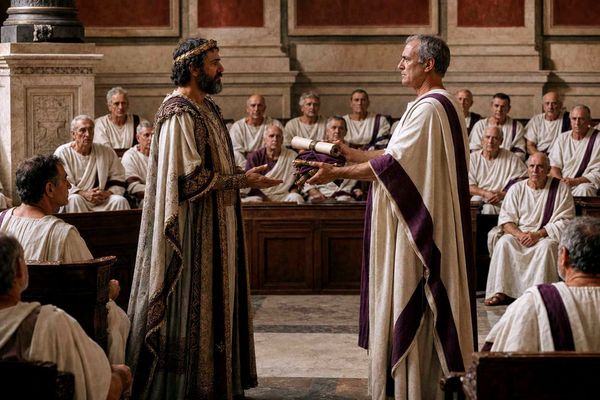
Rome often governed through allied kings rather than annexing their territories. The reigns of Massinissa, Deiotarus, and Herod show how this system operated.
Roman Empire Anecdotes
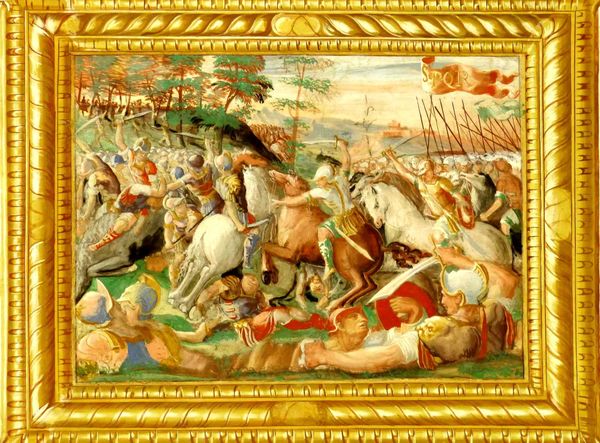
In 217 BC, Hannibal trapped and destroyed a Roman consular army between the hills and Lake Trasimene. Ancient accounts describe the ambush, the death of Gaius Flaminius and Rome’s response to the defeat.
Roman Empire Historical Facts
Fabius Maximus answered Hannibal’s invasion with caution, endurance and a strategy that earned him the enduring name Cunctator—the Delayer.
Roman Empire Anecdotes
Roman trials were not quiet legal proceedings. In the late Republic, Cicero’s speeches show how law, reputation, humor, pity, and public performance shaped the courtroom.
Roman Empire Historical Facts
Antiochus III entered Greece as a would-be liberator and rival to Rome, but his campaign exposed the limits of Seleucid power against Rome’s armies, navy, and diplomacy.
Roman Empire Anecdotes
Rome’s hostage system turned royal sons, noble youths, and local elites into living pledges of loyalty, peace, and political control.
Roman Empire Anecdotes
Rome’s legendary second king was not remembered for battles or conquest, but for priesthoods, ritual, sacred law, and a reign without war.
Roman Empire Historical Facts
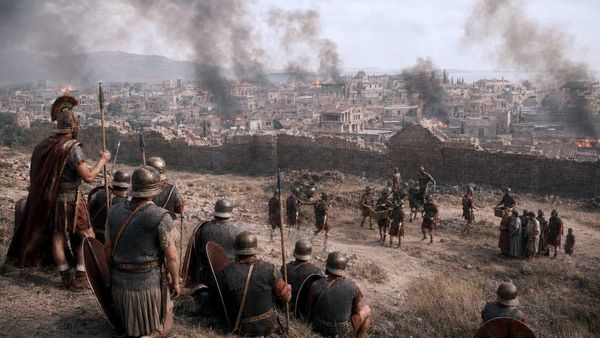
The result of years of failed negotiations between Alaric, his Goths, and the western imperial court, and not a sudden event, led to the sack of Rome in 410.
Roman Empire Anecdotes
Ancient Rome did not burn books constantly. But when it did, the flames revealed what certain writings could do: authorize rites, predict the future, wound reputations, preserve memory, or prove dangerous truths.
Roman Empire Anecdotes
In AD 16, Libo Drusus was accused before the Senate in a case involving necromancy, astrology, informers, marked names, and fears around Tiberius’ rule.
Roman Empire Historical Facts
Roman laughter could mock emperors, expose fools, ward off evil, reverse social roles, and turn myth into spectacle. What made Romans laugh was rarely simple – and not always harmless.
Roman Empire Anecdotes
Near the emperor, influence could bring honours, wealth, office, and command – but it also exposed courtiers, freedmen, jurists, relatives, and guards to suspicion, rivalry, and sudden violence.
Roman Empire Historical Facts
Behind Rome’s marble monuments was a working society of families, slaves, soldiers, engineers, roads, food, baths, festivals, and daily systems.
Roman Empire Anecdotes
Sextus Pompeius was dismissed by his enemies as a pirate, but Pompey’s son used Sicily, sea power, refugees, and memory to become Octavian’s last Pompeian rival.