
The Roman World After the Last Emperor
The last western emperor was removed in AD 476, but Roman life did not end with him. Across the former empire, new rulers inherited Roman institutions, laws and communities, reshaping them in different ways.


When Romulus Augustulus was removed from power in AD 476, the Roman Senate continued to function, officials remained in government, and the institutions of Roman law were still in use across Italy. The new ruler, Odoacer, governed with the cooperation of the Roman aristocracy and maintained much of the administration inherited from the western emperors.
Beyond Italy, the situation was already different. Visigothic, Vandal, Burgundian and Frankish rulers controlled extensive territories, while Britain had lost its Roman provincial administration decades earlier.
The following generations brought considerable changes to the former western provinces, but these did not occur everywhere at the same time. In Italy, Roman government and aristocratic society retained much of their established organization under Odoacer and Theoderic.
In North Africa, agricultural production and Mediterranean commerce continued under Vandal rule. In Gaul and Spain, Roman landowners and local institutions remained influential within new kingdoms. Britain experienced a much sharper decline in urban activity, coin use and specialized production. Political authority had been divided between different rulers, but the economic and social consequences of that division varied substantially from region to region.
Roman Officials Continued Working for New Kings
Odoacer came to power after the collapse of the military regime headed by Orestes, whose son Romulus Augustulus occupied the western imperial throne. In 476, the Senate participated in negotiations with the eastern emperor Zeno concerning the future government of Italy. Odoacer ruled as king while maintaining a formal relationship with Constantinople, and the existing civilian administration continued to operate.
The late western empire had already experienced decades in which military commanders exercised decisive political authority. The armies supporting them included substantial numbers of soldiers associated with non-Roman communities. Odoacer's military position therefore developed within arrangements familiar from the final decades of western imperial government.
Roman senators remained prominent in public affairs. Some members of the aristocracy continued their administrative careers, while established offices retained responsibility for taxation, finance and provincial government. The cooperation of these officials was important to the operation of Odoacer's regime.
The situation changed in 489, when Theoderic led an Ostrogothic army into Italy. After several years of warfare, Odoacer was killed in 493 and Theoderic established his own kingdom. Ravenna remained the centre of government, while Rome retained its Senate and important civic offices.
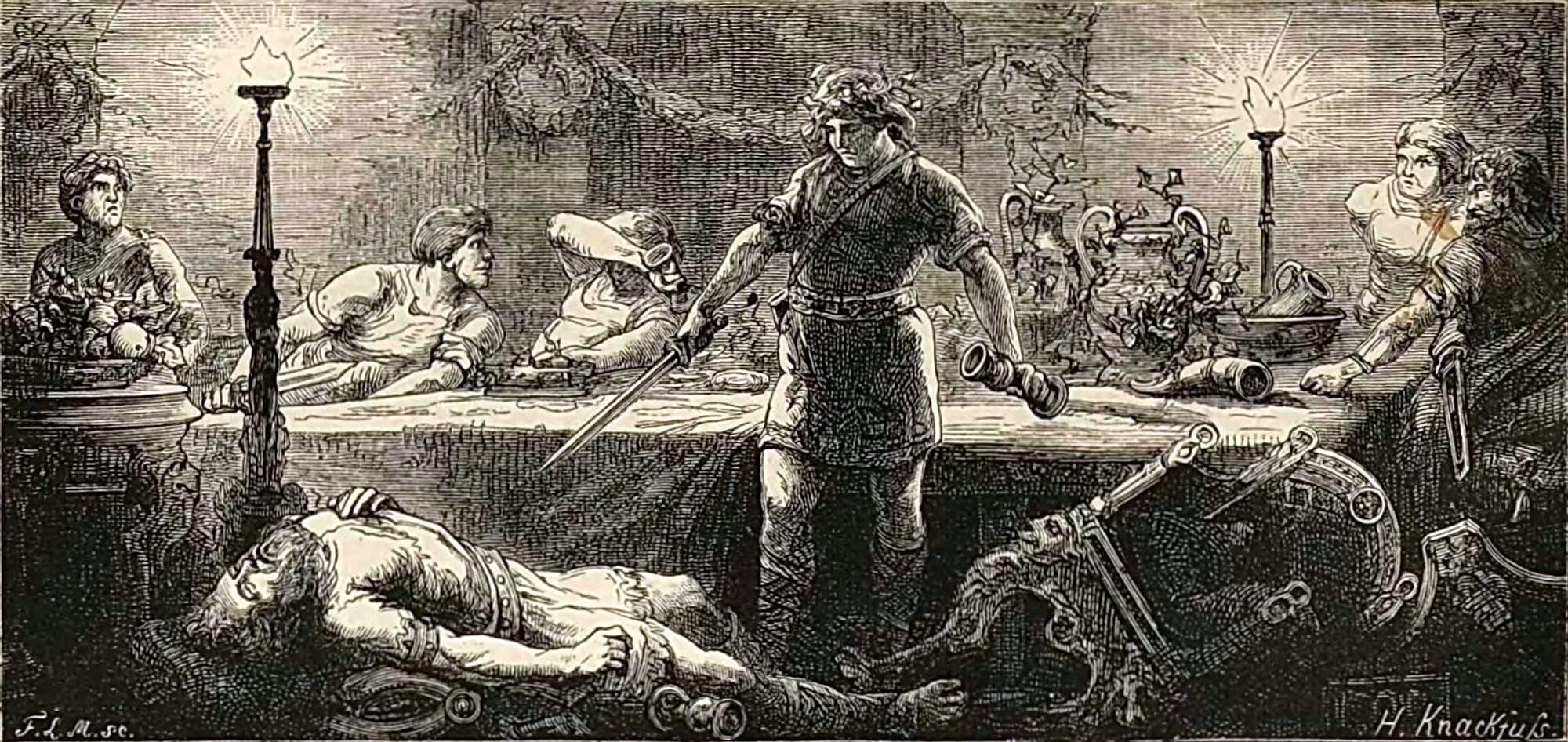
Theoderic continued to employ Roman aristocrats in senior administrative positions. The responsibilities of these officials included the management of revenue, legal proceedings, provincial administration and communication with municipal authorities. Roman civilian government remained an important part of the kingdom, alongside military structures in which Gothic groups held a prominent position.
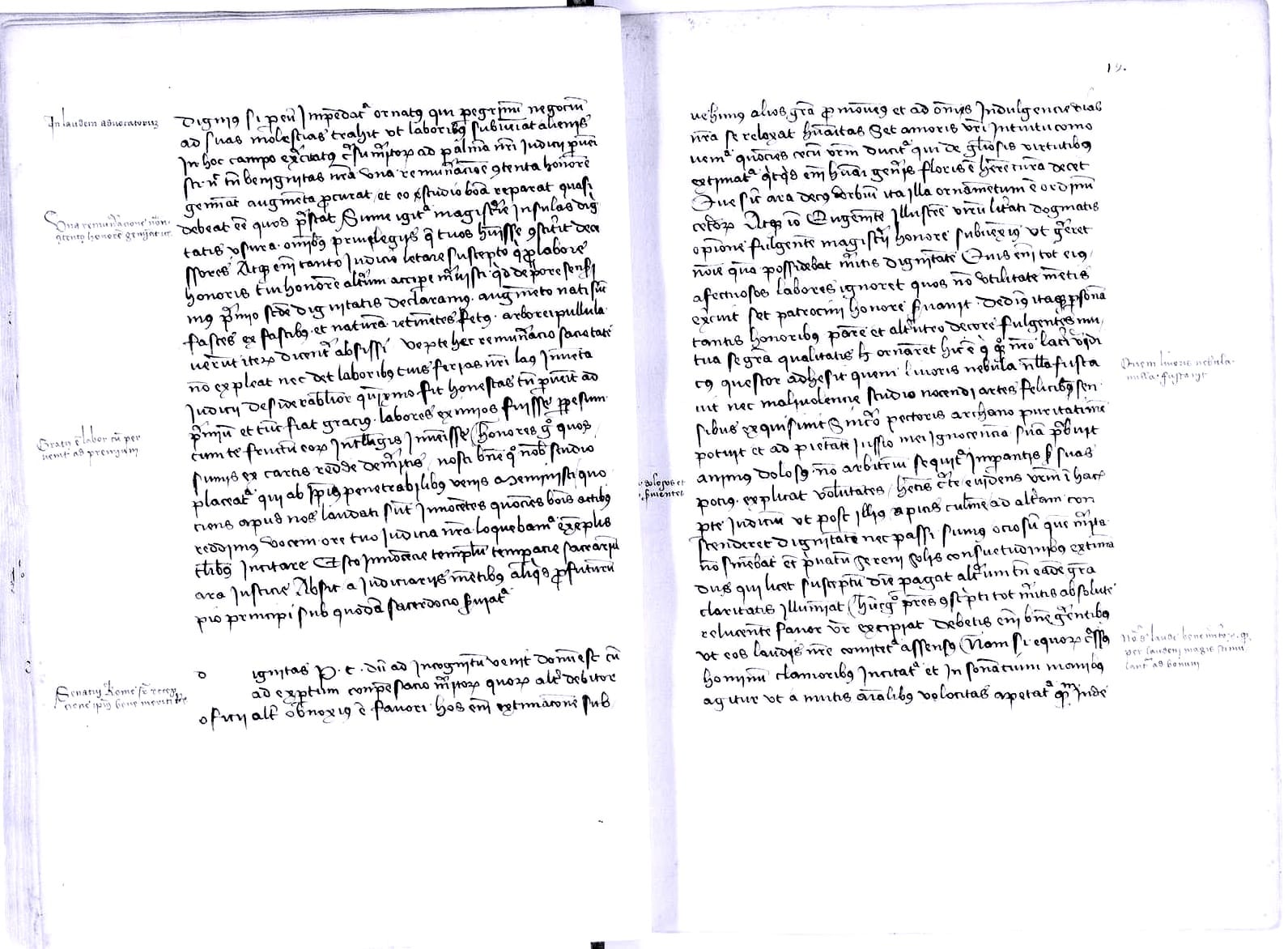
Much of the evidence comes from the Variae, a collection of official correspondence assembled by Cassiodorus, a Roman statesman who served Theoderic and his successors. The letters concern appointments to office, taxation, legal disputes, relations with Constantinople and the management of public buildings. They also preserve the language through which the Ostrogothic administration presented its authority.
The collection was assembled and edited after many of the letters had originally been written. Its contents reflect the political concerns of Cassiodorus, including the representation of Roman administrative traditions under Gothic rule. The letters provide detailed information about the offices and responsibilities of government, although they do not establish that every royal instruction was implemented.
The continued prominence of the Roman Senate was another feature of Theoderic's kingdom. Senatorial families possessed substantial estates and occupied important offices, maintaining connections between their properties, Rome and the royal court at Ravenna.
The Anonymus Valesianus, a contemporary account favourable to Theoderic, praises several aspects of his government, including his financial administration and distribution of grain. It also preserves sayings attributed to the king. One concerns the relationship between Roman and Gothic social identities:
“A poor Roman plays the Goth, a rich Goth the Roman.” Anonymus Valesianus 12.61
The remark associates Roman and Gothic identity with differences in wealth and social behaviour. The distinctions between the two populations were not confined to ancestry, and participation in military or civilian life could contribute to how individuals were identified.
Political tensions nevertheless developed within the kingdom. During the final years of Theoderic's reign, the Roman aristocrats Boethius and Symmachus were executed following accusations connected with the royal court. Their deaths took place within a government in which senatorial families continued to exercise considerable influence.
Theoderic died in 526. His successors inherited a kingdom that maintained many Roman administrative institutions, but disputes over the succession eventually contributed to the circumstances that brought Justinian's armies into Italy.
Law, Property and the Place of Gothic Soldiers
The administration of the Ostrogothic kingdom preserved Roman legal expertise while incorporating Gothic military authority. This arrangement is particularly visible in the documents concerning disputes between Romans and Goths.
Cassiodorus records instructions to an official in Samnium requiring the proper settlement of cases involving the two populations. Other administrative documents describe Gothic counts and the participation of Roman legal specialists in proceedings under their authority.
The formula for appointing a Gothic count, preserved in Variae 7.3, describes an arrangement in which Roman legal expertise could be used when disputes involved members of different communities. The administration retained an important place for officials familiar with established legal procedures.
These arrangements belonged to a system in which the king exercised authority over both populations. Gothic military figures occupied important positions, while Roman judges and administrators continued to perform tasks essential to the functioning of government.
The distinction was not absolute. Some Romans entered military careers, and Gothic status was not determined solely by ancestry. Nevertheless, the association between Gothic identity and military service remained prominent in the political organization of the kingdom.
The settlement of newcomers raised important questions about land and taxation. The arrangements through which Gothic military groups obtained resources remain debated because the evidence does not provide one detailed account of the original settlements.
Some property was transferred directly, while other arrangements may have involved the assignment of tax revenue. Royal grants, former imperial land and confiscated estates could also provide resources for military groups and their supporters.
The situation differed between regions and kingdoms. In Burgundian Gaul, legislation describes property relationships that existed by the early sixth century, but these texts cannot be assumed to record every arrangement made when the Burgundians first settled. Ostrogothic Italy and Vandal Africa had different circumstances and patterns of landownership.
The relationships between newcomers and established populations could also change over successive generations. Laws written under later rulers sometimes describe arrangements that had developed considerably since the original establishment of a kingdom.
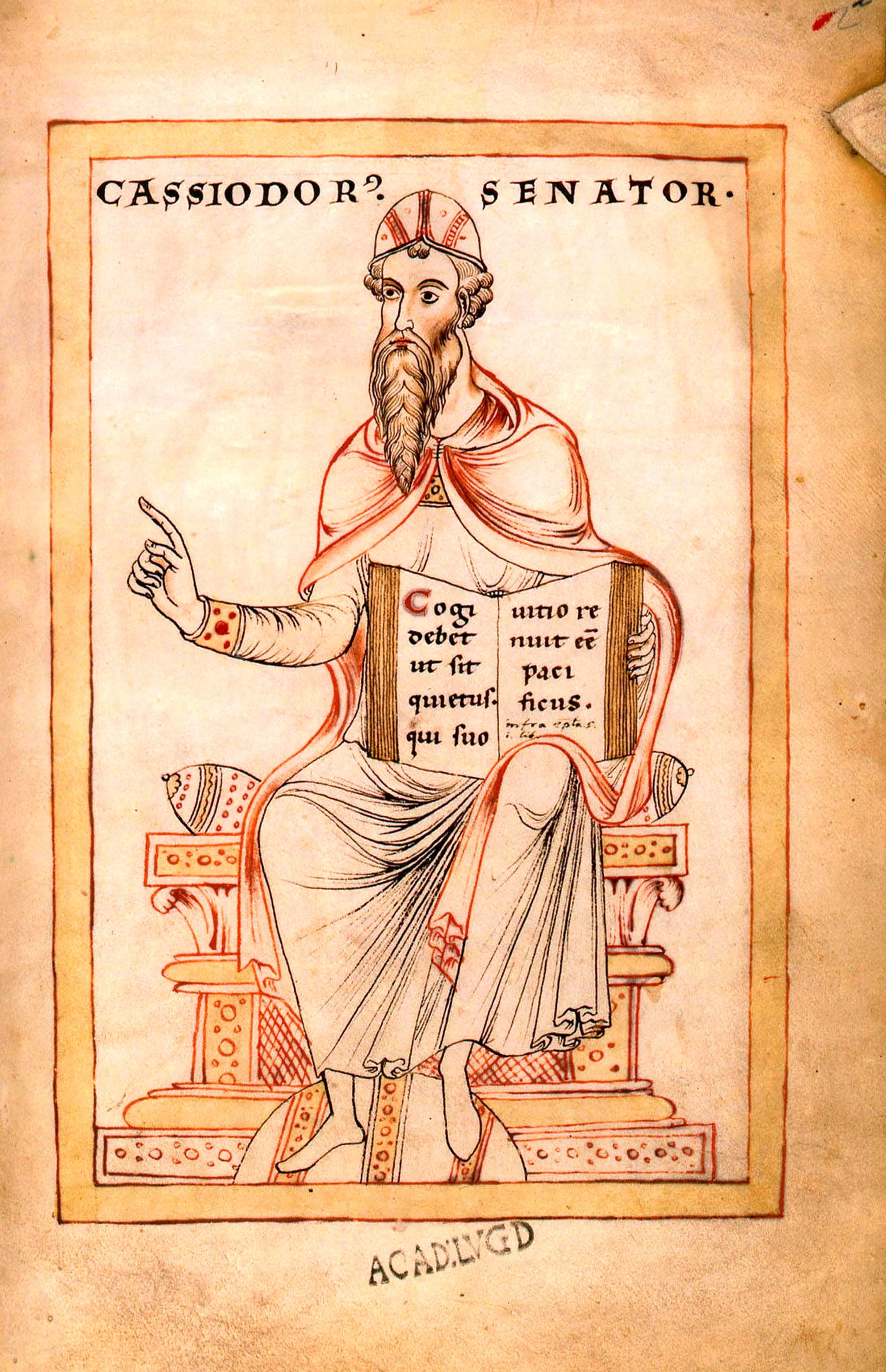
Written legislation continued to address practical questions involving property and community membership. The Frankish Pactus Legis Salicae contains a provision commonly known as De Migrantibus, concerning newcomers who wished to settle within an established community.
The law describes a procedure through which a resident could object to an outsider's presence. The newcomer was given time to leave, and the dispute could proceed to a court if the objection was maintained.
The provision also refers to witnesses and penalties. It records a form of legal procedure involving community membership and residence, although it cannot establish how often the procedure was used or whether it applied uniformly across the Frankish kingdoms.
The different legal arrangements found in the western kingdoms retained elements of Roman practice while addressing the circumstances of their own political communities. The people responsible for administering these laws included both members of established Roman families and officials whose authority derived from the new rulers.
Bread, Markets and the Public Buildings of Rome
Rome retained administrative offices concerned with supplying food, regulating commercial activity and maintaining public property. The Variae contains formulas describing several of these responsibilities under Ostrogothic government.
The prefect responsible for the city's food supply was expected to supervise bakers and the bread sold to inhabitants. Variae 6.18 describes inspection of bakers' shops and attention to the quality and weight of their products. In Hodgkin's English rendering, the official's duties included:
“You run up and down through the shops of the bakers, looking after the weight and fineness of the bread” Cassiodorus, Variae 6.18
The office also had responsibilities connected with shortages and the distribution of food. The document places the prefect within the established hierarchy of Roman civic administration and describes duties concerned with the practical operation of the city's food supply.
Another formula concerns the curator of a city, an official expected to supervise municipal affairs. Variae 7.12 includes instructions regarding market prices:
“Let not merchandise be in the sole power of the sellers, but let an agreeable equability be observed in all things.” Cassiodorus, Variae 7.12
The formula describes the responsibilities assigned to a municipal official. It records the government's stated approach to commercial regulation, although it is not evidence that prices were consistently controlled in every market.
The government also addressed charges imposed on travellers. An edict in Variae 11.12 concerns excessive prices along the Flaminian Way, a major route connecting Rome with other parts of Italy. The administration sought to regulate the amounts demanded from those using the road.
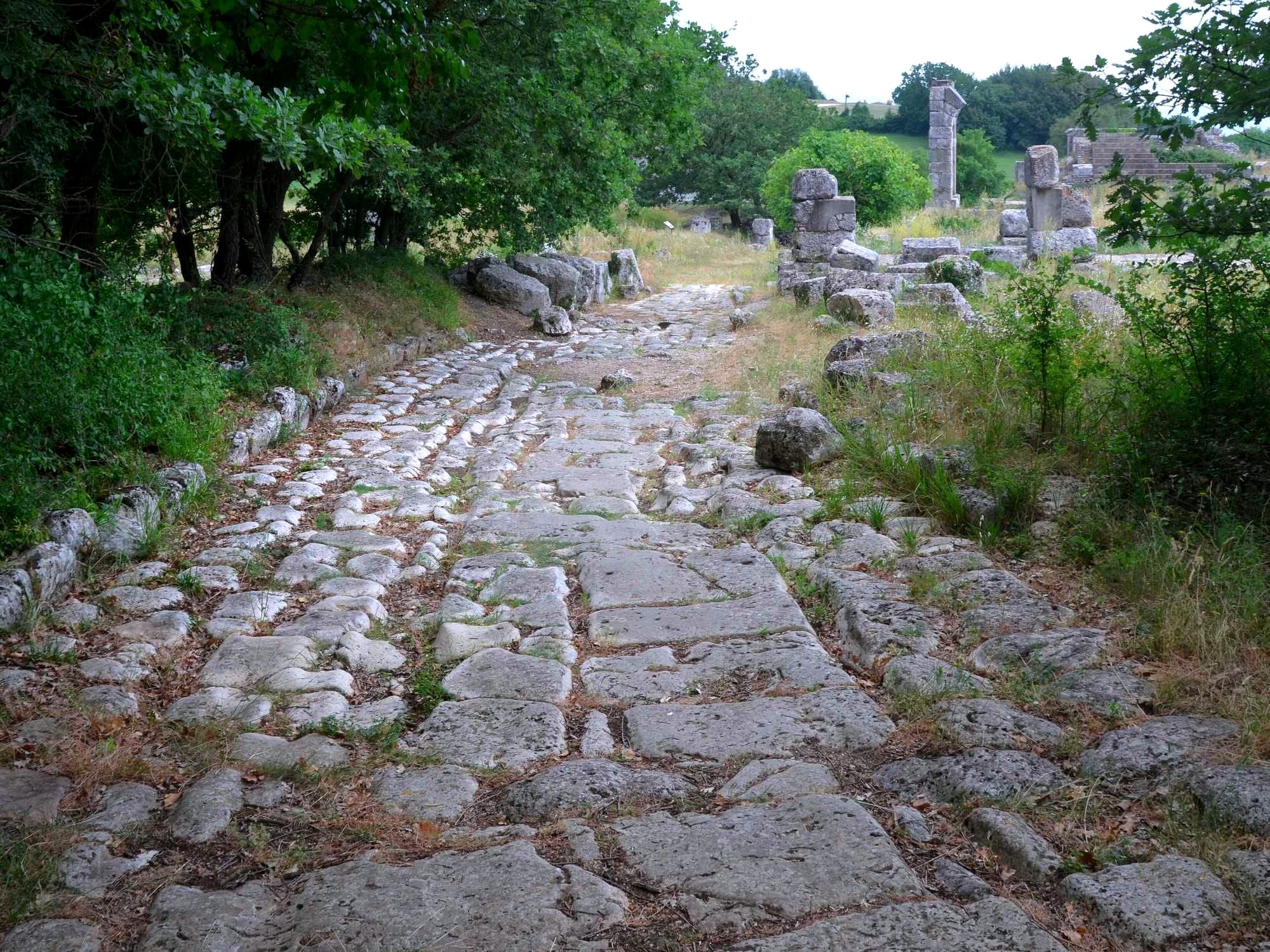
A separate document, Variae 12.18, concerns preparations for a royal journey. It directs attention to roads and bridges, the provision of horses and the supplies needed along the route. These arrangements required cooperation from officials and communities through whose territories the royal party would pass.
The administrative documents also show concern for the preservation of public buildings. Theoderic's government issued instructions involving aqueducts, unauthorized use of public property and the removal of materials from existing structures.
Aqueduct maintenance was especially important in Rome. The system required functioning channels and related installations, and interference with its operation could affect the supply of water to different parts of the city.
Royal instructions addressed damage and the misuse of infrastructure. They also concerned public monuments and the division between public property and buildings controlled by private individuals.
Members of the Roman aristocracy remained substantial urban property owners. Their holdings and building activities formed part of the city's changing landscape, alongside the monuments and infrastructure inherited from previous centuries.
Archaeological evidence shows that the use of urban space was changing across Italy. Some buildings continued to be occupied, while others were adapted for workshops, smaller dwellings or agricultural activity. Public buildings could lose their original functions while the surrounding areas remained inhabited.
These developments were not confined to the years after 476. Changes in municipal finances, elite residence and the use of urban buildings had already taken place during the later Roman Empire. In some cities, the process continued gradually, while others experienced more extensive alterations.
The circumstances differed from one urban centre to another. Some remained important administrative and commercial centres, while others contracted or developed new patterns of occupation. The archaeological evidence for individual buildings and neighbourhoods often provides a more precise picture than broad descriptions of urban decline.
Farmers, Landowners and an Economy Losing Its Imperial Connections
Agricultural production remained the basis of rural life throughout the former western provinces. Large aristocratic estates existed alongside smaller holdings, while cultivation depended on different arrangements involving landowners, tenants, free farmers and people of unfree status.
The relative importance of these arrangements varied considerably by region. Italy itself contained distinct agricultural areas, including the Po valley, the territories around Rome and the farming districts of the south.
The Po valley was connected with the administrative and military centres of northern Italy. Central and southern regions included productive districts where wheat, vines and olives formed an important part of agriculture. Geography, roads, rivers and maritime routes shaped the relationships between these areas.

Under Odoacer and Theoderic, Roman aristocratic families continued to own substantial estates. Land remained an important source of wealth, while political careers connected some property owners with the administration at Ravenna and Rome.
The archaeological evidence nevertheless records significant changes in rural settlement. Villas were abandoned, altered or reused at different times between the late Roman period and the early Middle Ages.
The end of a villa as an elite residence did not necessarily mean the end of cultivation on its estate. Agricultural production could continue while inhabitants occupied different buildings or smaller settlements. Some former residential structures were adapted for storage, workshops or other uses.
The chronology differed between regions. Elaborate rural residences disappeared comparatively early from some areas of northern Gaul and Britain, while others remained occupied into the sixth century in parts of Italy, Spain and southern Gaul.
The changing role of taxation was another important feature of the post-imperial economy. Under the Roman Empire, provincial revenue supported military forces, government officials and expenditure across extensive territories. Agricultural produce and money moved through administrative systems that connected distant provinces.
The new kingdoms inherited different parts of this structure. Ostrogothic Italy maintained an extensive civilian administration, while the Vandal kingdom continued important fiscal practices in North Africa. In other regions, rulers increasingly depended on landed resources and relationships with local political elites.
The changes affected the circulation of goods and the organization of production. Where imperial systems of taxation and expenditure weakened, the commercial connections associated with them could contract. The effects were particularly marked in areas that had depended heavily on military spending and government supply networks.
These developments were visible in the distribution of manufactured goods. Archaeological evidence documents the continuation of important Mediterranean trading connections, particularly involving North African products, while the production and exchange of specialized goods declined sharply in parts of Britain.
Cassiodorus preserves a formula concerning the cancellation of an excessive tax assessment on a small property. The document describes a situation in which the assessed burden was sufficiently high that surrendering the property might appear preferable to retaining it.
The formula provided for relief when the complaint was justified. It records an administrative remedy rather than an identifiable case in which a particular landowner obtained relief.
The surviving written sources provide comparatively little direct information about individual rural households during the late fifth and early sixth centuries. Most documents concern kings, government officials, aristocrats and religious institutions.
Archaeology provides much of the evidence for changes in settlements and production. Buildings, pottery, agricultural installations and the distribution of manufactured goods document developments that are often only indirectly reflected in surviving written accounts.
Gaul and Spain Developed Their Own Political Communities
The western imperial government had lost control over much of Gaul before 476. Visigothic and Burgundian rulers occupied extensive southern territories, while Frankish leaders expanded their authority across the north.
In southern Gaul, Roman aristocratic families retained estates, education and connections with other influential households. Their political circumstances changed as traditional imperial offices disappeared, but their role in local society continued.
Sidonius Apollinaris provides particularly detailed evidence for these developments. A member of the Gallo-Roman aristocracy, he held important positions under western emperors before becoming bishop of Clermont.
His correspondence preserves information about aristocratic society, political negotiations, literary interests and episcopal appointments during the later fifth century. It also records the difficulties experienced by Roman communities as Visigothic power expanded.
The office of bishop increasingly attracted members of established Roman families. Bishops held religious authority, but they also represented their cities, managed ecclesiastical property and negotiated with political rulers.
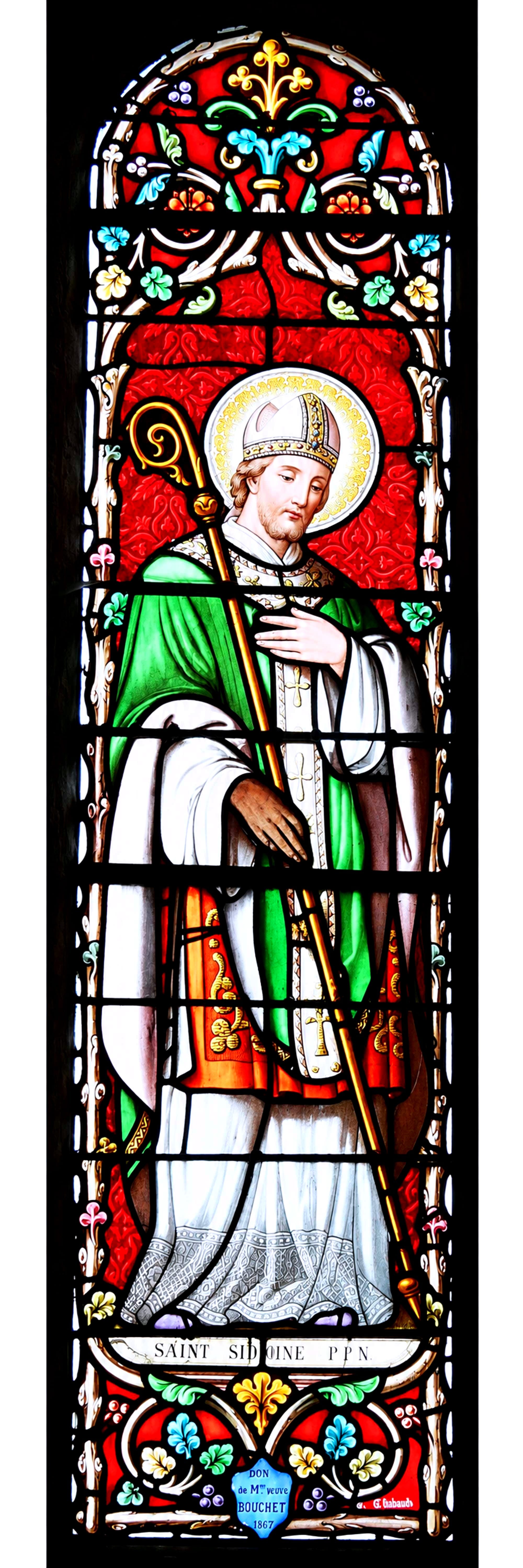
Episcopal appointments could involve competing interests among local aristocrats, clerics and other influential groups. Sidonius participated in these decisions and recorded the circumstances of several elections.
In 472, he selected Simplicius, a layman from an established family, as bishop of Bourges. The appointment reflected the importance that experience, social standing and local relationships could have in such decisions.
Other appointments could favour candidates with different qualifications. Ecclesiastical careers were not determined exclusively by aristocratic birth, although the influence of wealthy families became increasingly prominent in parts of Gaul.
In northern Gaul, military organization played a greater role in the development of political authority. Roman commanders had exercised substantial power in the region during the final decades of western imperial government, while Frankish groups participated in the military and political affairs of the frontier provinces.
Clovis expanded his kingdom in the late fifth and early sixth centuries, bringing territories previously associated with Roman commanders and rival Frankish rulers under his authority.
The archaeological record shows that significant economic changes had already occurred in northern Gaul. Villa occupation declined earlier than in several southern regions, and the production and movement of goods changed during the fifth century.
These developments cannot be attributed entirely to Frankish conquest. Some reflected changes in military organization, landholding and economic activity that had begun while western emperors still ruled.
In Spain, the expansion of Visigothic authority produced another political arrangement. The kingdom developed across territories that retained Roman cities, landed aristocracies and existing administrative traditions.
The Visigothic rulers issued written legislation and drew heavily on Roman legal practice. Their government evolved during the sixth century, and institutions documented under later kings did not necessarily exist in the same form immediately after 476.
Rural settlement also varied between regions of the peninsula. Some villas remained occupied into the sixth century, while others were abandoned or adapted for different activities.
Archaeologists have examined burial practices associated with Gothic identity, including graves containing particular dress accessories or weapons. These objects provide information about the presentation of status and identity, but they cannot reliably establish the ancestry of every person buried with them.
Roman institutions, landholding and legal culture remained important foundations for government in both Gaul and Spain. Their kingdoms nevertheless developed different arrangements for royal authority, military organization and relations with local communities.
Vandal Africa and Post-Roman Britain Were Very Different Worlds
The Vandal kingdom had controlled Carthage since 439, decades before the removal of Romulus Augustulus. The conquest of North Africa brought an important agricultural and commercial region under a government independent of the western emperors.
The Vandals inherited cities, estates and administrative institutions that remained substantially Roman in character. Latin continued in government and cultural life, while Roman officials participated in administration.
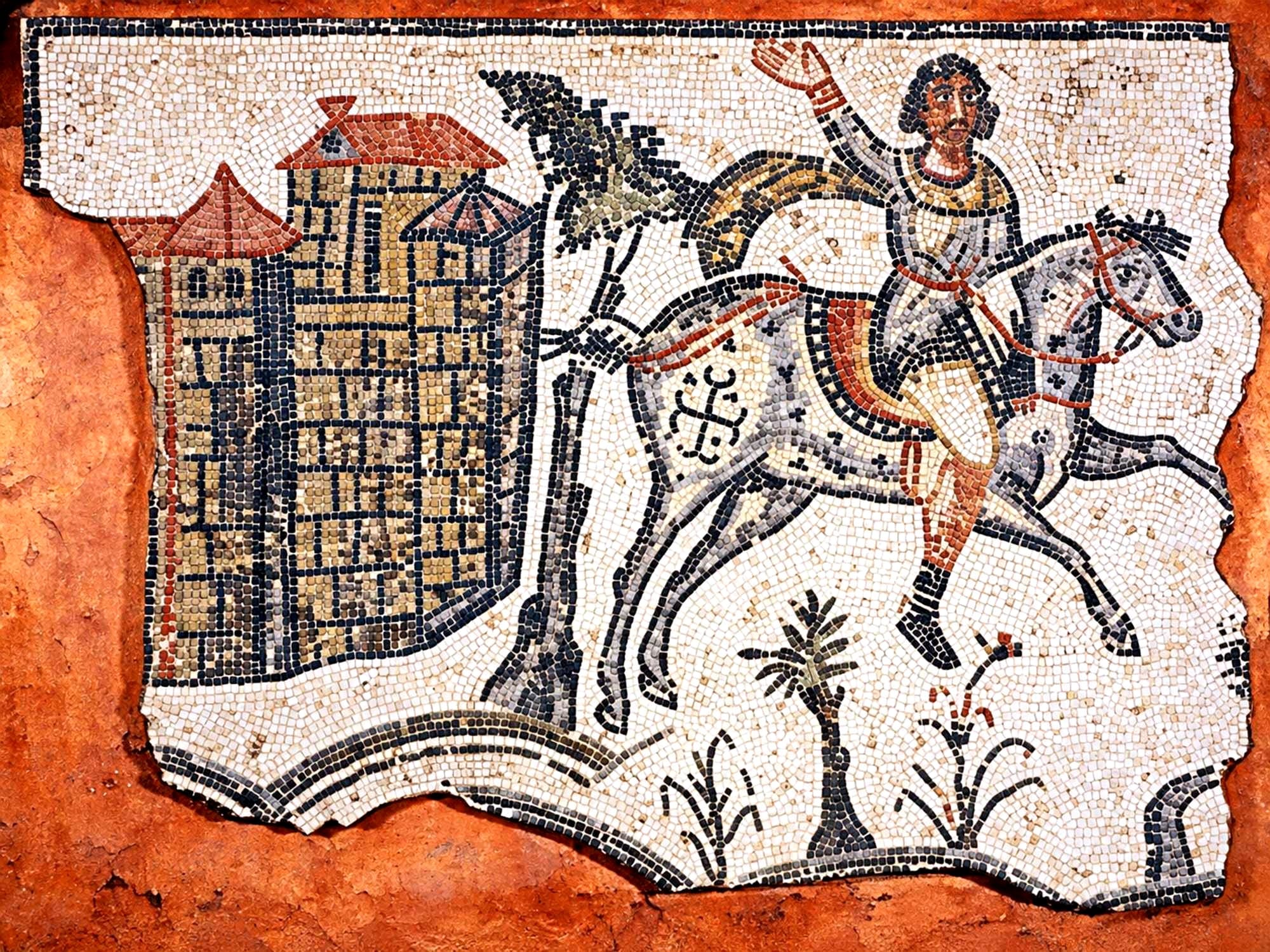
Vandal rulers also issued coinage based on Roman forms. Archaeological evidence documents continued urban occupation, the production of African ceramics and the circulation of goods across the Mediterranean.
Carthage remained an important urban centre. Substantial residences and churches continued to be used or constructed, while commercial connections linked North Africa with other Mediterranean regions.
The kingdom nevertheless altered the ownership and control of agricultural resources. Some properties formerly belonging to Roman aristocrats were confiscated or reassigned, while Vandal military elites acquired land and wealth.
Not all Roman landowners lost their property. The evidence indicates variation between individuals and estates, rather than a complete and uniform replacement of the provincial landowning population.
The loss of Africa had important consequences for western imperial finances. Agricultural resources and taxes from the African provinces had contributed to the provisioning of Rome and the expenditure of the western government.
Under Vandal rule, those resources were controlled by an independent kingdom. Mediterranean trade continued, but the fiscal relationship linking Carthage and Rome was no longer organized through the same imperial administration.
Religious conflict was another prominent feature of Vandal rule. The monarchy followed Homoian Christianity, often described as Arian, while much of the provincial Roman population belonged to the Nicene Church.
In 484, King Huneric issued measures against Nicene Christians. His legislation adapted earlier Roman provisions used against the Donatists, drawing on established imperial methods of religious coercion.
The surviving narratives of Vandal persecution were written from strongly opposed religious positions. They record genuine conflicts, but the policies of the kings differed.
The Vandal kingdom ended with Justinian's conquest in 533–534. North Africa returned to imperial government after almost a century under independent Vandal rulers.
Britain had followed a markedly different course. Roman military and provincial administration ceased to function there in the early fifth century, and the archaeological record shows extensive changes before 476.
Villas were widely abandoned, urban activity contracted, and many forms of specialized production disappeared. Roman coin use declined sharply, while commercial networks that had connected the province with other parts of the empire ceased to function in their former form.
The changes were associated with the breakdown of Roman provincial institutions and the disappearance of the economic arrangements that had supported them. Military spending, taxation and organized supply networks had been important features of the provincial economy.
The transformation was not identical throughout Britain. Lowland regions where communities associated with Anglo-Saxon identities became established differed from areas in the west and north.
Burials, settlement remains and material culture provide much of the evidence for these developments. Written testimony is limited, and some accounts of fifth-century events were composed considerably later.
Weapon burials and other grave goods have sometimes been used to identify particular ethnic communities. Their interpretation remains difficult because burial customs could express social standing, military associations or political identity, rather than ancestry alone.
The scale of economic contraction in Britain was much greater than that seen in several Mediterranean provinces. By the later fifth century, many of the institutions and industries characteristic of Roman Britain had already disappeared or undergone substantial transformation.
Justinian's Reconquest Brought Another Upheaval to Italy
The Eastern Roman Empire continued after 476, and Justinian sought to restore imperial control over former western territories. Following the conquest of North Africa in 533–534, imperial armies invaded Ostrogothic Italy in 535.
The Gothic War became a prolonged conflict involving repeated campaigns and sieges. Its effects extended beyond the armies to cities, agricultural estates and the property of established Italian families.
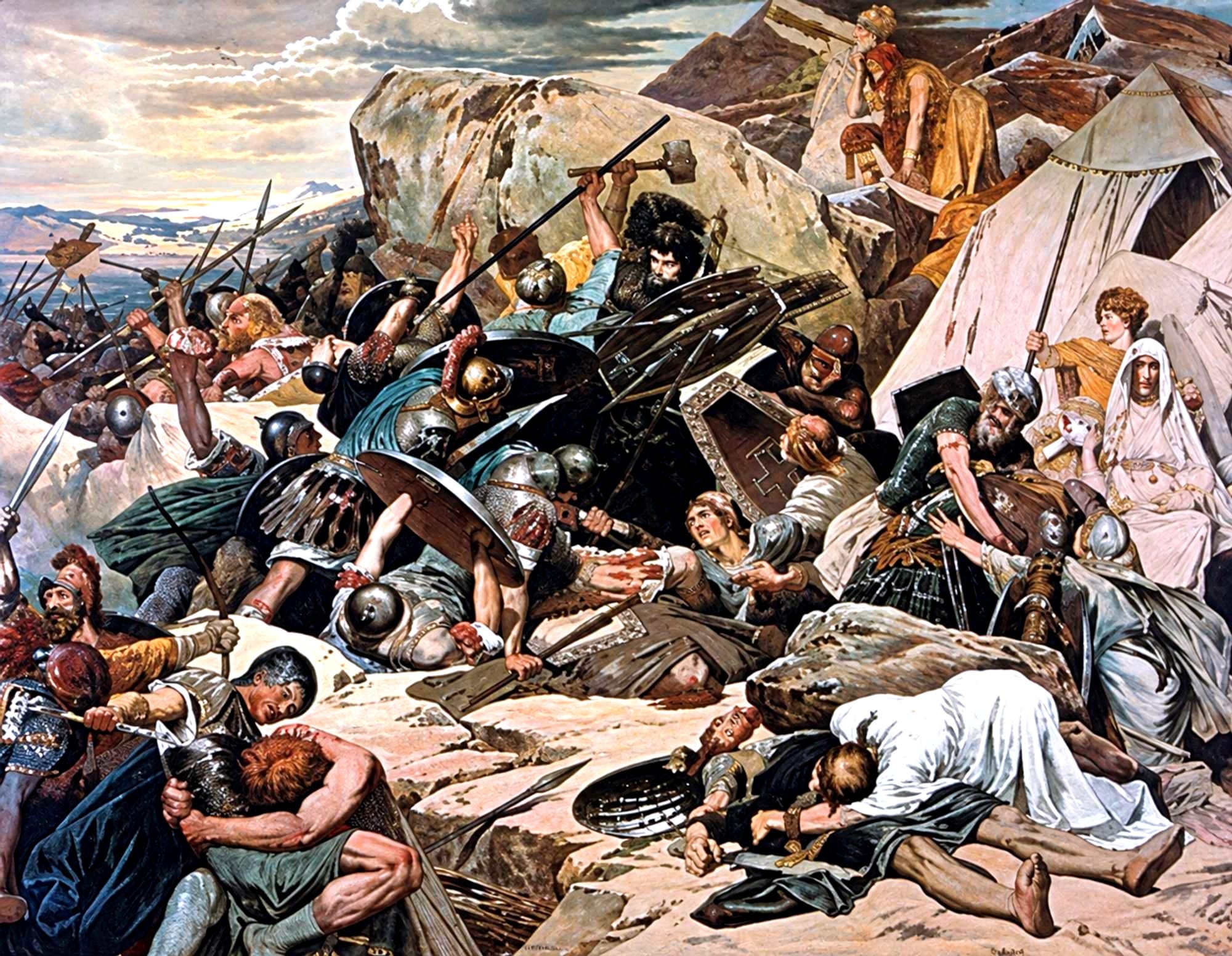
Procopius, who accompanied the imperial commander Belisarius, provides detailed accounts of several operations. During the siege of Rome in 537–538, the Goths cut the aqueducts supplying the city.
The interruption affected public baths and grain mills that depended on the aqueduct system. Procopius records that the defenders could not readily replace water power with animals because of the shortage of food during the siege.
Belisarius responded by establishing mills mounted on boats in the Tiber. Procopius describes the arrangement:
“And so Belisarius hit upon the following device.” Procopius, Wars 5.19.19
Belisarius secured pairs of boats in the river's current and attached milling machinery to waterwheels. Additional boats extended the installation downstream, allowing the current to turn the mills.
Procopius records the result:
“So by the force of the flowing water all the wheels, one after the other, were made to revolve independently” Procopius, Wars 5.19.22
The arrangement supplied flour while the city remained under siege. The besiegers attempted to damage the mills by sending objects downriver, prompting Belisarius to place chains across the Tiber to intercept them.
The account also distinguishes the interruption of the aqueducts from the continued availability of drinking water. Wells and the river supplied water to inhabitants, while the aqueduct cuts prevented the operation of facilities dependent on that system.
Rome experienced further sieges and occupations during the conflict, including its capture by Totila in 546. Procopius's descriptions of the suffering of the city are sometimes highly dramatic, especially when discussing depopulation. The war nevertheless caused substantial disruption to Rome and other parts of Italy.
Agricultural estates and cities suffered damage, while the political and economic position of established aristocratic families weakened. The circumstances of Italian government after the reconquest differed considerably from those under Odoacer and Theoderic.
Following the defeat of the Ostrogoths, Justinian's government introduced measures for administering the recovered territories. The collection known as the Pragmatic Sanction includes provisions concerning property rights, earlier royal grants and civilian government. The legislation was issued in August 554.
The measures included recognition of certain grants made under Ostrogothic rulers and arrangements concerning disputed property. They also addressed administrative responsibilities and the restoration of civic institutions.
The personnel of government changed as eastern imperial officials came to occupy important posts in Italy. Roman aristocratic families continued to possess property and influence, but the Gothic War had altered the economic and political circumstances in which they operated.
The Senate remained identifiable after the reconquest, although its political role had diminished considerably. A reference to the Senate in 603 suggests that its name and ceremonial presence endured, but the extent to which it still functioned as an institution is uncertain.
The Church became increasingly involved in civic affairs, particularly in Rome. Bishops dealt with ecclesiastical property, relations with military authorities and assistance to inhabitants affected by the war.
The letters of Pope Pelagius I, who held office from 556 to 561, record concerns involving church estates, supplies and relations with imperial officials. They provide evidence of the growing practical responsibilities of ecclesiastical leaders alongside the continued operation of secular government.
A further political transformation followed the Lombard invasion of 568, which divided Italy between territories under Lombard control and those retained by the eastern empire. This began another stage in the peninsula's history, more than ninety years after the deposition of Romulus Augustulus.
Guy Halsall, Barbarian Migrations and the Roman West, 376–568. Cambridge University Press, 2007.
Chris Wickham, The Inheritance of Rome: Illuminating the Dark Ages, 400–1000. Penguin, 2009.
M. Shane Bjornlie, Politics and Tradition Between Rome, Ravenna and Constantinople: A Study of Cassiodorus and the Variae, 527–554. Cambridge University Press, 2013.
Michele Renee Salzman, The Falls of Rome: Crises, Resilience, and Resurgence in Late Antiquity. Cambridge University Press, 2021.
Cristina La Rocca (ed.), Italy in the Early Middle Ages, 476–1000. Oxford University Press, 2002.
Cassiodorus, Variae, translated and abridged by Thomas Hodgkin (1886).
Procopius, History of the Wars, translated by H. B. Dewing.
Anonymus Valesianus, translated by J. C. Rolfe.
Gregory of Tours, History of the Franks.
Sidonius Apollinaris, Letters.
Pactus Legis Salicae (Salic Law).

About the Roman Empire Times
See all the latest news for the Roman Empire, ancient Roman historical facts, anecdotes from Roman Times and stories from the Empire at romanempiretimes.com. Contact our newsroom to report an update or send your story, photos and videos. Follow RET on Google News, Flipboard and subscribe here to our daily email.
Follow the Roman Empire Times on social media: