
Emperor Theodosius I. The Man who Defined Christianity and also Massacred Thousands
Theodosius I inherited an empire shaken by Adrianople and ruled through Gothic settlement, civil war, religious conflict and dynastic change. His reign became surrounded by powerful later legends, but the surviving laws, letters and histories preserve a more complicated emperor.

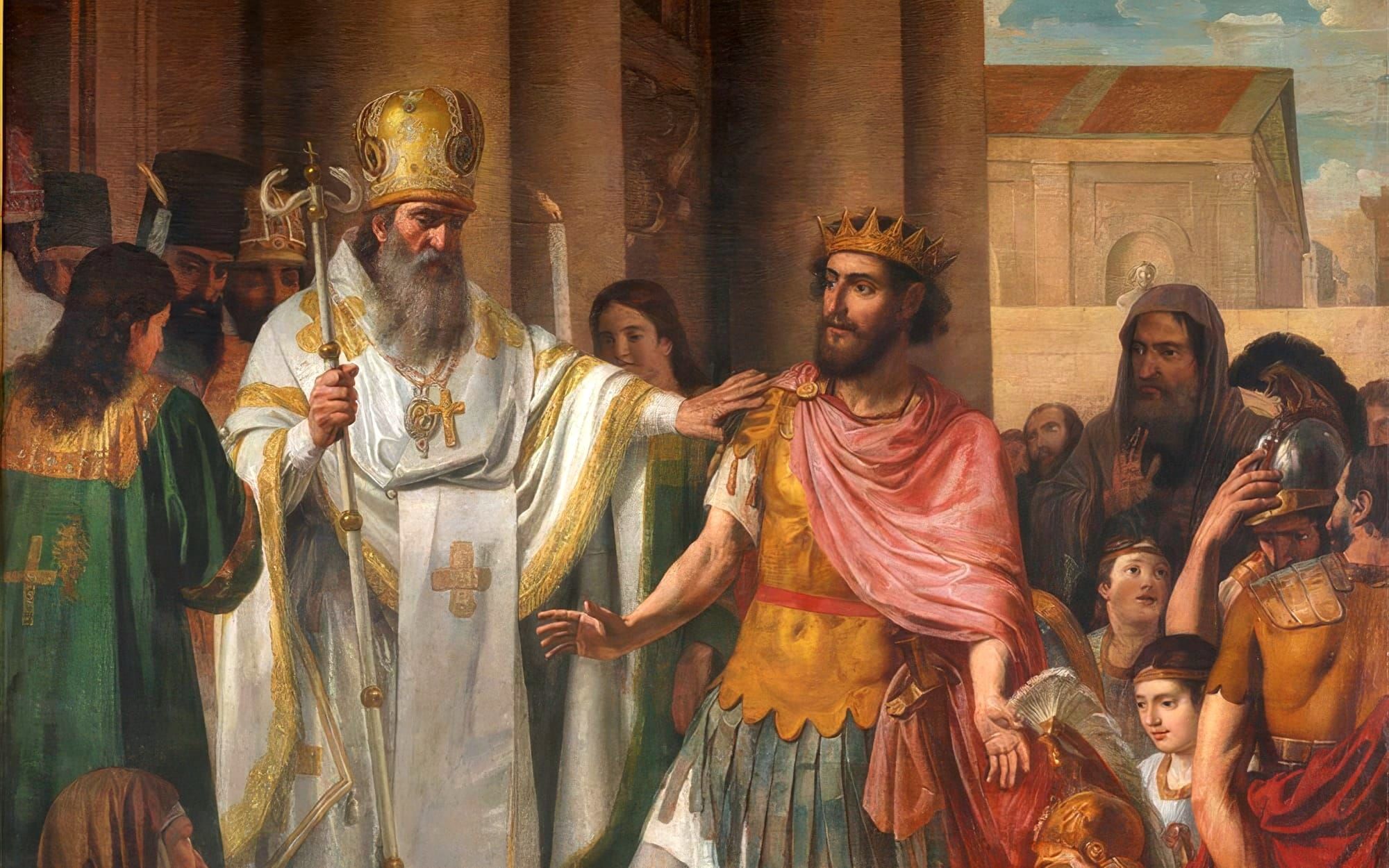
When Theodosius became emperor in January 379, the eastern Roman Empire was still trying to recover from the catastrophe at Adrianople. Emperor Valens had been killed there only months earlier, much of the eastern field army had been destroyed, Gothic groups remained inside Roman territory, and the Danubian provinces were under sustained pressure. The western emperor Gratian needed another emperor capable of taking responsibility for a military crisis that had exposed the weakness of Roman power in the Balkans.
Theodosius would rule for almost sixteen years. His reign encompassed the settlement reached with the Goths in 382, the growing importance of Constantinople, increasingly forceful imperial intervention in Christian disputes, two major civil wars in the West, the massacre at Thessalonica and the emperor’s subsequent public penance, and legislation that progressively restricted traditional religious practices.
Several of the events most closely associated with him, however, survive in later forms that are more dramatic and more certain than the earlier evidence allows.
From Spain to the Imperial Throne
Theodosius was born in Hispania, probably around 347, into a family closely connected with the Roman military establishment. His father, normally known as Theodosius the Elder, became one of the leading commanders under Valentinian I. He campaigned in Britain during the recovery from the Great Conspiracy of 367–368 and later led operations in Africa against the rebel Firmus. The younger Theodosius entered military life within this environment and had already acquired substantial experience before becoming emperor.
By the early 370s he had held an important military command in the Danubian region. The exact stages of his early career are imperfectly documented, but he was not an unknown provincial suddenly summoned to save Rome after Adrianople. His military reputation predated his accession.
His father’s career nevertheless ended abruptly. Theodosius the Elder was executed around 376 after his African victories. The reason remains uncertain. Political rivalries surrounding the imperial court after the death of Valentinian I have produced several reconstructions, but no surviving source securely identifies the cause of the execution or those principally responsible. Ambrose later referred to enemies who had brought about the elder Theodosius’ death, but his funeral praise of the son does not resolve the question.
The younger Theodosius appears to have withdrawn for a period to Spain, although the later picture of a prolonged retirement followed by an emergency recall after Adrianople is difficult to sustain. He had probably returned to military service before the battle, perhaps by 377.
The fifth-century historian Theodoret gives a much more dramatic sequence. In his account, Theodosius was recalled after Adrianople, won an important victory over the Goths, and was then rewarded with the imperial title. Earlier evidence instead associates his most notable pre-imperial success with operations against the Sarmatians, and those campaigns appear to predate Adrianople.
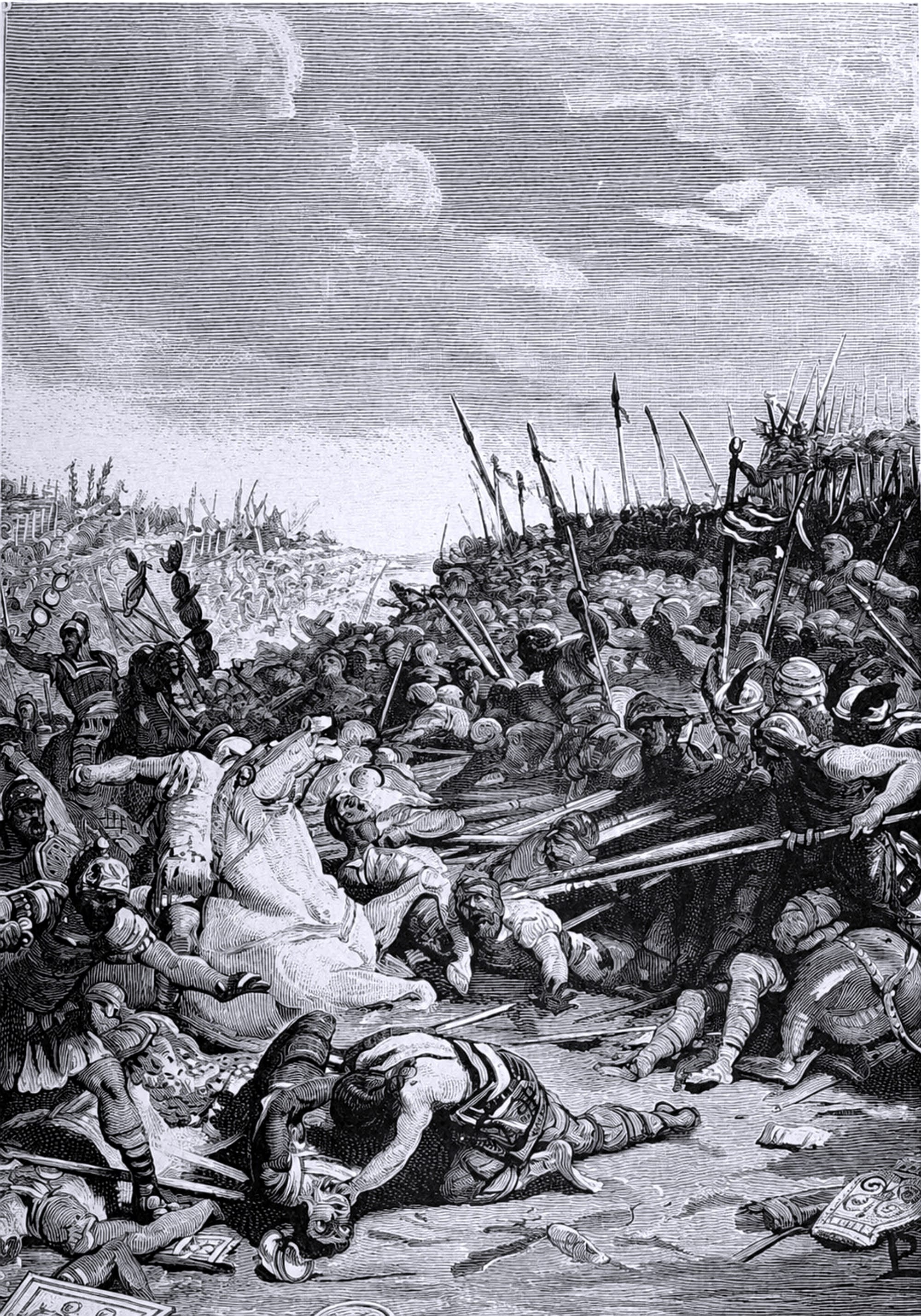
The disaster at Adrianople of 378 nevertheless transformed his political prospects. Valens had been killed on 9 August together with a large part of his army, leaving the East without an emperor and with Roman forces struggling to contain Gothic groups already inside imperial territory.
Zosimus, who was generally hostile to Theodosius, nevertheless acknowledged the military reputation that helped make him a plausible candidate:
“Finding himself unable to manage affairs, Thrace being ravaged by the Barbarians, as were likewise Pannonia and Moesia, and the towns upon the Rhine being infested by the neighbouring Barbarians without controul, he chose for his associate in the empire, Theodosius, who was a native of a town called Cauca, in the part of Spain called Hispania Callaecia, and who possessed great knowledge and experience of military affairs.”
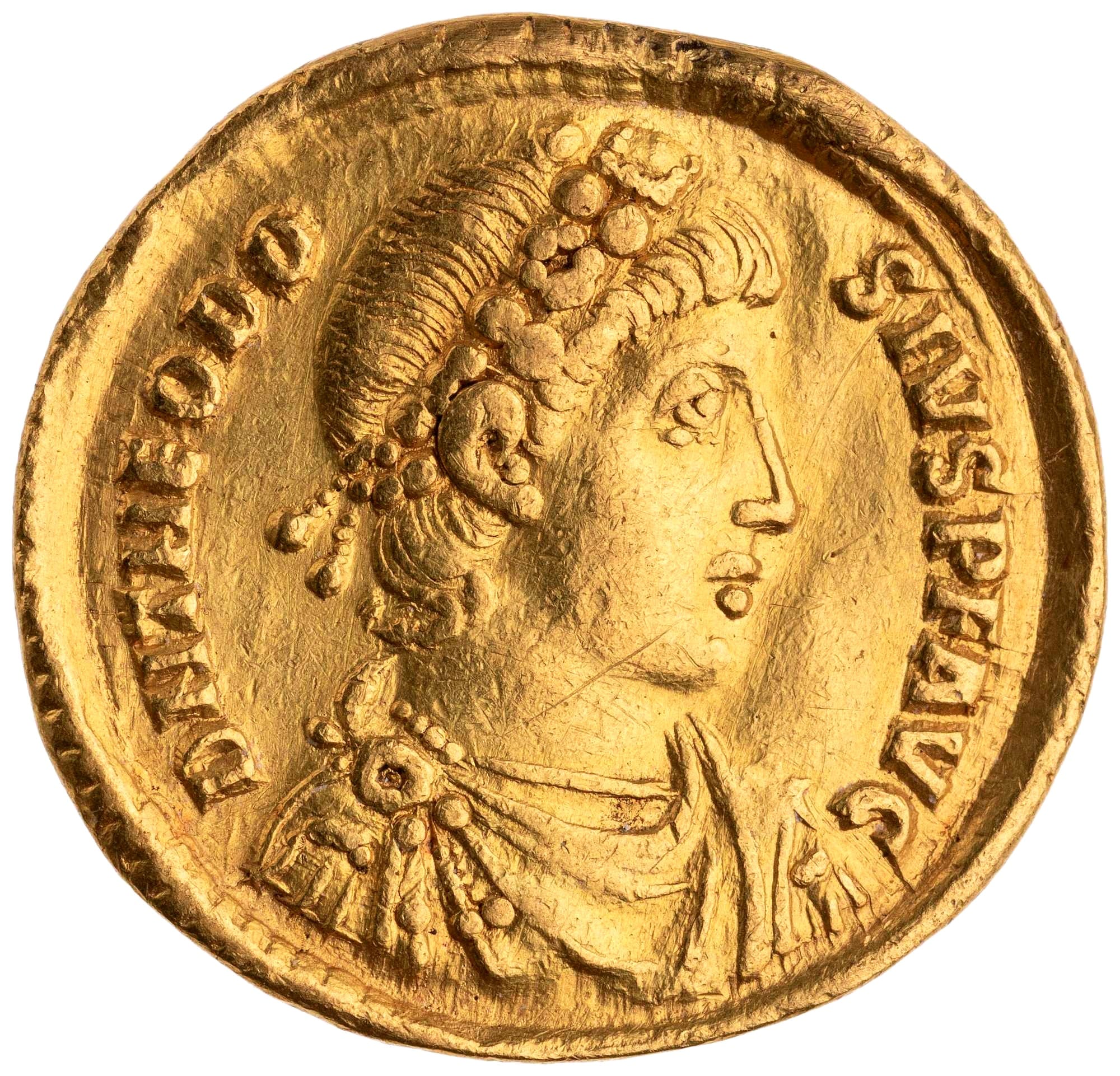
Gratian invested Theodosius with the imperial purple at Sirmium on 19 January 379. The appointment was not necessarily the inevitable culmination of Theodosius’ career. Adrianople had severely narrowed the range of available candidates, while military competence had suddenly become an urgent qualification. The accession is therefore better understood against the immediate crisis than as the final stage of a carefully prepared rise to imperial power.
Rebuilding the Eastern Army and the Settlement of 382
Theodosius’ first problem was the state of the eastern army. Adrianople had cost Rome not only thousands of soldiers but a significant part of its experienced leadership. Units were transferred from elsewhere in the empire, while the government sought recruits among veterans’ sons, farmers, miners and other groups. The urgency of the situation forced Theodosius to accept men who under less desperate conditions might have been considered unsuitable for military service.
Barbarian recruits also formed part of this rebuilding effort. Goths and other non-Romans had served in Roman armies long before Theodosius, and his government expanded an existing practice rather than creating it. Zosimus later blamed Theodosius for weakening the army through excessive reliance on barbarians and described serious disciplinary problems during the early years of the reign.
Discipline and corruption were genuine problems. Desertion continued, soldiers could abuse civilians, and officers could exploit both their men and local populations. The legislation of the reign, however, repeatedly attempted to curb such behaviour.
Measures were issued against desertion and abuses associated with military billeting, soldiers were restricted from wandering through private estates, and civilians were allowed to resist soldiers attempting robbery. The surviving evidence does not support a simple picture in which Theodosius deliberately abandoned military discipline in order to secure the loyalty of newly recruited troops.
The war against the Goths also proved much harder than the traditional language of Roman victory suggested. Theodosius suffered setbacks, western forces contributed to the recovery, and different Gothic groups operated across the Balkans rather than as a single unified enemy. By late 380, the military situation had stabilized enough for Theodosius to leave Thessalonica for Constantinople, but the conflict had not yet been settled.
Athanaric, one of the most important Gothic leaders, arrived at Constantinople in 381 and was received with great ceremony. He had previously been a formidable opponent of Rome. When he died shortly afterward, Theodosius arranged an elaborate funeral. The episode showed how Gothic policy could combine military pressure with diplomacy, honours and the incorporation of former enemies into an imperial framework.
In October 382, an agreement brought the main phase of the conflict to an end. Its precise terms are not preserved. There is no surviving treaty document specifying exactly where every Gothic group was settled, what taxes they paid, the precise form of their military obligations or how much authority remained with their leaders. The later picture of a permanently autonomous Gothic state inside the empire, complete with a fixed body of 20,000 independent federate troops, cannot be read directly from contemporary evidence.
The settlement did not follow the decisive military destruction of the Goths. The Romans had regained sufficient strength to negotiate from a better position than immediately after Adrianople, but armed Gothic groups remained inside imperial territory. Settlement on Roman land and the provision of military recruits are among the clearest elements that can be recovered from the agreement, although the exact legal status of the settlers remains disputed.
Contemporary court rhetoric presented the outcome as a success. Themistius defended the policy by arguing that Rome had more to gain from turning former enemies into cultivators and soldiers than from trying to annihilate them. Pacatus later used similar language, presenting Goths as both farmers and military manpower for the empire.
Such speeches describe what the government wanted the settlement to become rather than proving that every part of the arrangement worked exactly as advertised. They do show how the policy was publicly defended: the Goths were to contribute to Roman agriculture and military service rather than remain permanently outside the imperial system.
The legal position of the settlers is harder to determine. They do not appear simply to have become ordinary tenant farmers, but neither does the evidence establish complete independence from Roman authority. Some privileges and temporary concessions are plausible, but the exact arrangements cannot be reconstructed with certainty.
Theodosius continued to cultivate relationships with Gothic leaders and to recruit Gothic troops into Roman military structures. The settlement was tested in 386 when a new group of Greuthungi attempted to cross the Danube. Roman forces defeated them with assistance from barbarians already serving the empire, showing that troops recruited from groups settled within Roman territory could be used against newcomers attempting to cross the frontier.
Constantinople and the Reshaping of the Eastern Church
Theodosius did not immediately establish his court at Constantinople. Military conditions kept him at Thessalonica, which provided a more suitable base during the Gothic emergency. Constantinople itself had not yet become the inevitable permanent residence of eastern emperors, and Valens had spent relatively little time there.
A delegation from the Senate of Constantinople travelled to Theodosius while he was still at Thessalonica and urged him to come to the city. He entered Constantinople on 24 November 380 and subsequently spent more than half of his reign there, leaving principally for his western campaigns.
The city increasingly became the centre of the dynasty. Imperial anniversaries and ceremonies were celebrated there, Arcadius and later Honorius were proclaimed Augusti in connection with the city, and building projects expanded its political and ceremonial landscape. Work included infrastructure connected with water, harbour facilities and grain storage, as well as palaces, churches, baths and monumental public spaces.
The Egyptian obelisk erected in the Hippodrome in 390 remains one of the clearest physical survivals of the reign. Its reliefs place the emperor prominently amid members of his dynasty, officials, soldiers and spectators. The precise identity of every secondary figure remains disputed, but the central presentation of Theodosius and his house is clear.
Religious policy was closely connected with the city even before the emperor arrived. On 27 February 380, Theodosius, Gratian and Valentinian II issued the constitution normally called Cunctos populos. It identified the Trinitarian Christianity associated with Damasus of Rome and Peter of Alexandria as the approved faith and categorized those rejecting that doctrine as heretics.
The law is frequently summarized as the decree by which Theodosius made Nicene Christianity the official religion of the Roman Empire. The surviving document allows a more precise description. Its administrative heading directs it to Constantinople, and its immediate context lies in the religious struggle within that city. Subsequent legislation broadened and intensified imperial intervention, but the process was not completed by one law issued in February 380.
The chronology also contradicts the later claim that Theodosius issued the law because of his baptism. He became seriously ill later in 380 at Thessalonica and was baptized by Bishop Ascholius. Cunctos populos therefore preceded both the illness and the baptism.
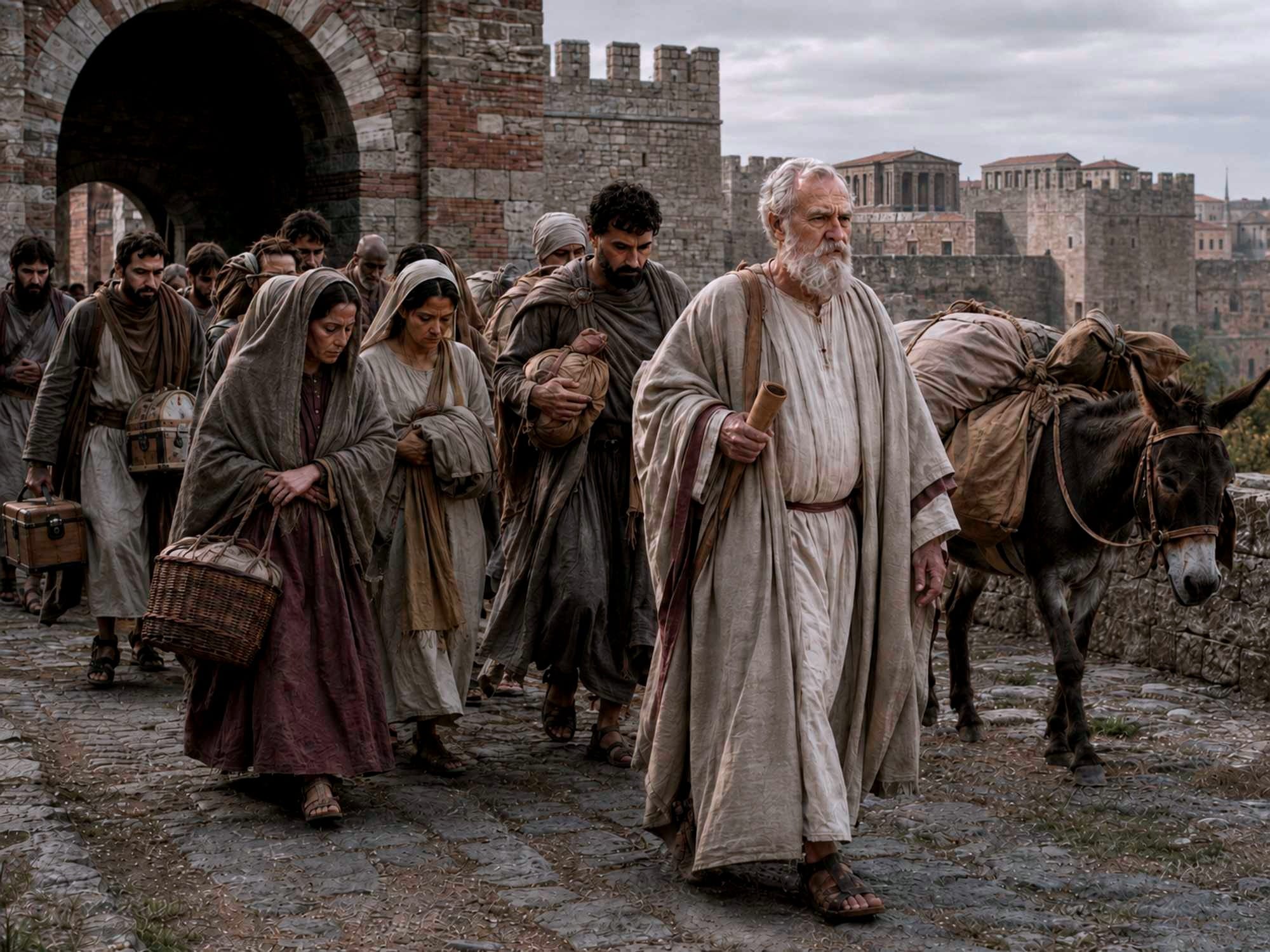
After entering Constantinople, Theodosius summoned Demophilus, the Homoean bishop then controlling the city’s churches. Demophilus was required to accept the Nicene position desired by the emperor or relinquish the churches. He refused and left the city with his followers. Homoean worship did not disappear; Demophilus could continue preaching outside Constantinople.
The transfer of the city’s principal churches was followed by more explicit legislation in 381. A law sent to the praetorian prefect of Illyricum restricted the churches and assemblies of several Christian groups classified as heretical. Another measure later that year connected possession of churches with bishops who professed an approved Trinitarian doctrine and belonged to a recognized network of communion.
The Council of Constantinople met during the same year. Its surviving synodical material acknowledges that the bishops had assembled at Theodosius’ summons and later sought imperial confirmation of their decisions. The council reaffirmed Nicene doctrine, condemned a series of rival theological positions and attempted to regulate ecclesiastical jurisdictions.
The bishopric of Constantinople itself also became a matter of imperial involvement. Gregory of Nazianzus eventually resigned amid disputes surrounding the council, after which Nectarius was selected despite not yet having been baptized. Theodosius accepted the choice, and Nectarius received baptism and episcopal consecration.
Over the following years, recognized church buildings increasingly passed into the hands of bishops who conformed to the emperor’s preferred doctrine. Different Christian groups were not treated identically, and some continued assembling outside the official churches, but the government was intervening directly in which doctrines, bishops and institutions received public recognition.
This did not produce an administration composed exclusively of committed Nicene Christians. Pagans continued to occupy senior civil and military positions. The emperor’s officials came from different religious and geographical backgrounds, and political usefulness, competence and loyalty continued to play an important role in appointments.
Magnus Maximus and the Struggle for the West
As Theodosius consolidated his eastern position, his relationship with Gratian changed. In January 383, he elevated his young son Arcadius to the rank of Augustus. There is no clear evidence that Gratian approved the move, and Gratian’s coinage did not acknowledge Arcadius.
Later that year, Magnus Maximus was proclaimed emperor by troops in Britain. He crossed into Gaul, Gratian’s support collapsed, and Gratian was killed in August.
Theodosius did not immediately declare a war of vengeance. Instead, Maximus was temporarily recognized within the imperial system while Valentinian II continued to rule Italy and other western territories. Even Pacatus, speaking later in praise of Theodosius after Maximus had been defeated, refers to an agreement that Maximus subsequently violated. Zosimus likewise preserves the reality of an earlier accommodation.
The arrangement ended in 387, when Maximus invaded Italy. Valentinian II, his mother Justina and his sister Galla fled to Thessalonica.
Ancient sources provide different explanations for Theodosius’ subsequent decision to fight. One tradition presents him as avenging Gratian and restoring legitimate government. Another emphasizes Valentinian’s appeal for help. Pacatus depicts Maximus as having violated the previous settlement. Zosimus gives the decision a more personal dimension, claiming that Theodosius wanted to marry Galla and agreed to intervene as part of that arrangement.
Theodosius did marry Galla, linking himself directly to Valentinian I’s family. The marriage was politically significant, but the evidence does not allow it to be identified as the sole reason for war. By occupying Italy, Maximus had also become much more powerful, altering the balance between the rulers of the empire. Strategic and dynastic calculation therefore belonged to the same political setting as the matrimonial alliance and the restoration of Valentinian.
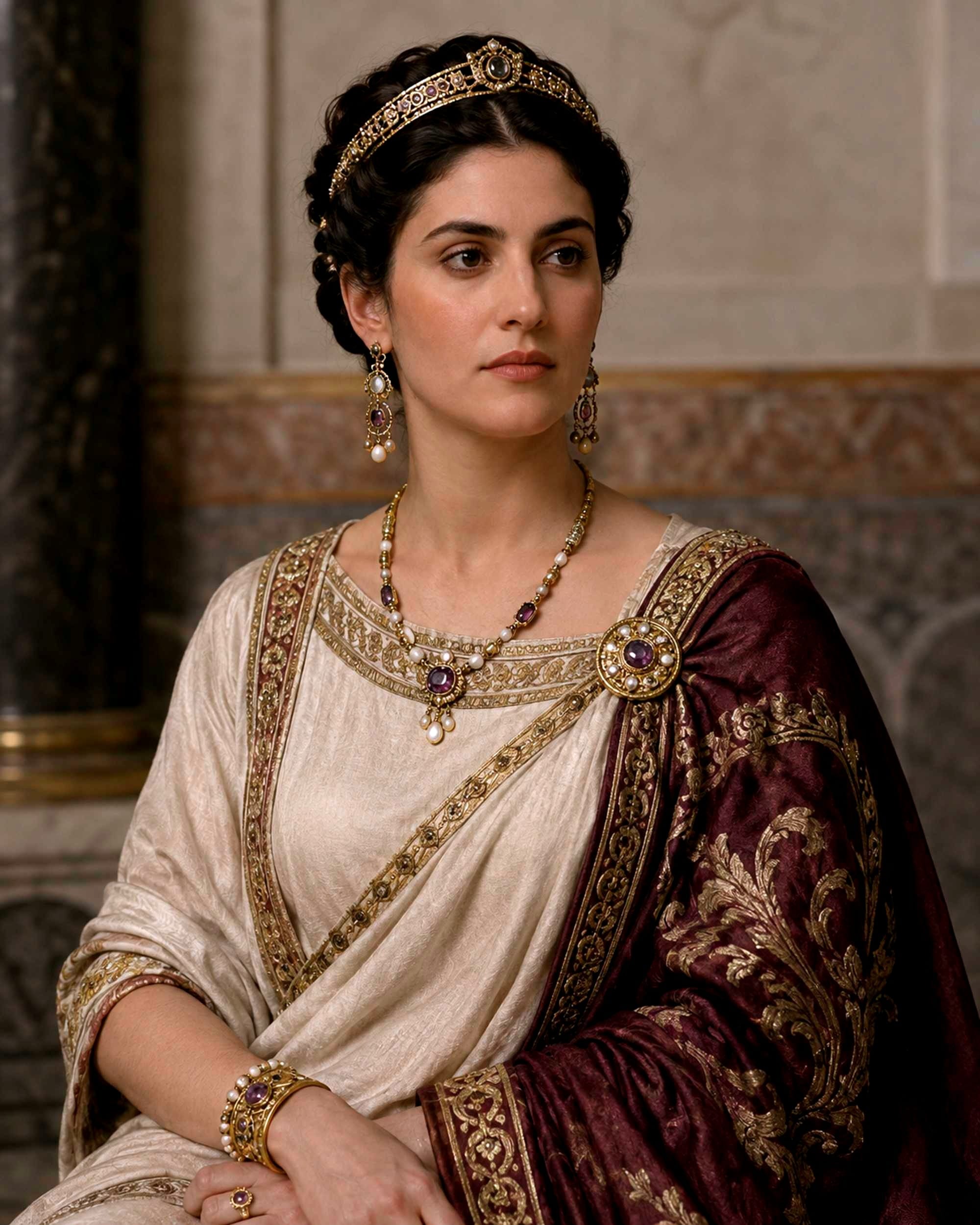
Theodosius moved west in 388 with an army containing Roman soldiers alongside Goths, Huns, Alans and other barbarian recruits. Pacatus presents the mixed forces as serving obediently beneath Roman commanders and standards, although the perfect discipline of his description belongs to the rhetoric of panegyric.
Maximus was defeated in battles at Siscia and Poetovio before being captured at Aquileia and executed in August 388. The sources differ over the final circumstances. Pacatus presents Theodosius as inclined to mercy and suggests Maximus was killed before the emperor could spare him, an account particularly suited to the panegyrist’s emphasis on imperial clemency.
Valentinian II was restored to western rule, while Theodosius remained in Italy for an extended period. In June 389 he visited Rome, where Pacatus delivered the surviving panegyric before the emperor and Senate.
That visit should not be confused with a later story in Zosimus in which Theodosius supposedly returned to Rome after defeating Eugenius and addressed the Senate on the expense of pagan cults. The later visit is not supported by the contemporary chronology, and the measures described there fit earlier policies associated with Gratian much more closely.
Theodosius did not remove pagan senators wholesale from public life after defeating Maximus. Traditionalists continued to hold office, and prominent members of the Roman aristocracy remained useful to the imperial administration.
Ambrose, Callinicum and Thessalonica
The later relationship between Theodosius and Ambrose of Milan became one of the most famous encounters between emperor and bishop in Roman history. Contemporary evidence shows something more complicated than an emperor consistently governed by an ecclesiastical adviser.
One important confrontation came at Callinicum in 388. A Christian group associated with the local bishop had destroyed a synagogue. Theodosius initially ordered punishment and required the bishop to pay for the synagogue to be rebuilt.
Ambrose objected forcefully. He argued that a Christian bishop should not be compelled to finance a Jewish place of worship and pressed Theodosius to change the decision. The dispute spilled into Ambrose’s preaching and correspondence before the emperor eventually retreated from his original position.
The episode did not establish permanent episcopal control over the imperial court. Relations subsequently deteriorated, and Ambrose’s access to information about the imperial consistory was restricted. The surviving documents instead show an evolving negotiation between the western bishop and an emperor whose political interests did not always coincide with his.
That background is important for understanding what happened after Thessalonica. In 390, unrest in the city led to the death of Butheric, a senior military commander. Later accounts connect the disturbance with the imprisonment of a popular charioteer whose supporters demanded his release for public games. The exact circumstances cannot be reconstructed in every detail, but Butheric was killed during serious urban violence.
Imperial deliberations followed. The surviving chronology does not support the familiar picture of Theodosius receiving the news and immediately ordering mass slaughter in an uncontrolled moment of anger. Considerable time appears to have separated Butheric’s death from the subsequent punishment, and Ambrose indicates that appeals concerning the situation had reached the emperor. What Theodosius and his advisers finally ordered is unknown.
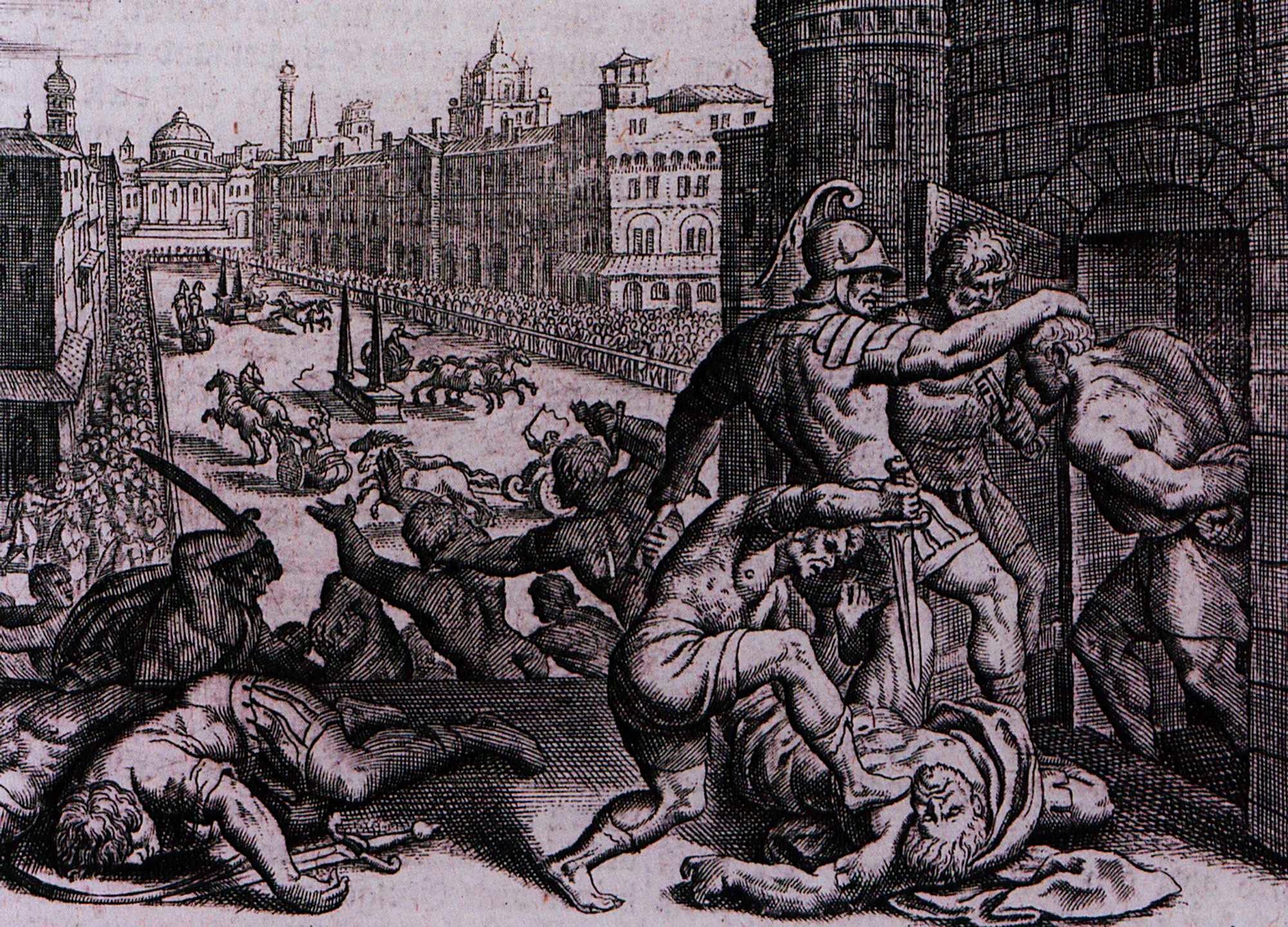
Roman troops killed a substantial number of people at Thessalonica. The sources emphasize that individuals who had taken no part in Butheric’s death were among those killed. Theodoret gives the famous figure of 7,000 victims, although even his account introduces the number as something that was reported.
One modern reconstruction proposes that the original imperial decision involved a more limited punishment of those believed responsible for the riot and that the operation then deteriorated into indiscriminate killing. Such a reconstruction would explain some otherwise difficult aspects of the surviving accounts, but the imperial order itself has not survived and its precise contents cannot be established.
Ambrose’s Letter 51 provides much firmer evidence for what followed. He addressed Theodosius privately and urged him to acknowledge the gravity of the bloodshed:
“I urge, I beg, I exhort, I warn, for it is a grief to me, that you who were an example of unusual piety, who were conspicuous for clemency, who would not suffer single offenders to be put in peril, should not mourn that so many have perished.
Though you have waged battle most successfully, though in other matters, too, you are worthy of praise, yet piety was ever the crown of your actions.”
Ambrose also told the emperor that he could not celebrate the Eucharist in his presence while the matter remained unresolved:
“I dare not offer the sacrifice if you intend to be present. Is that which is not allowed after shedding the blood of one innocent person, allowed after shedding the blood of many? I do not think so.”
The letter shows an episcopal challenge, but not the public confrontation familiar from later art and storytelling. Ambrose deliberately approached the matter privately rather than staging a confrontation before the population.
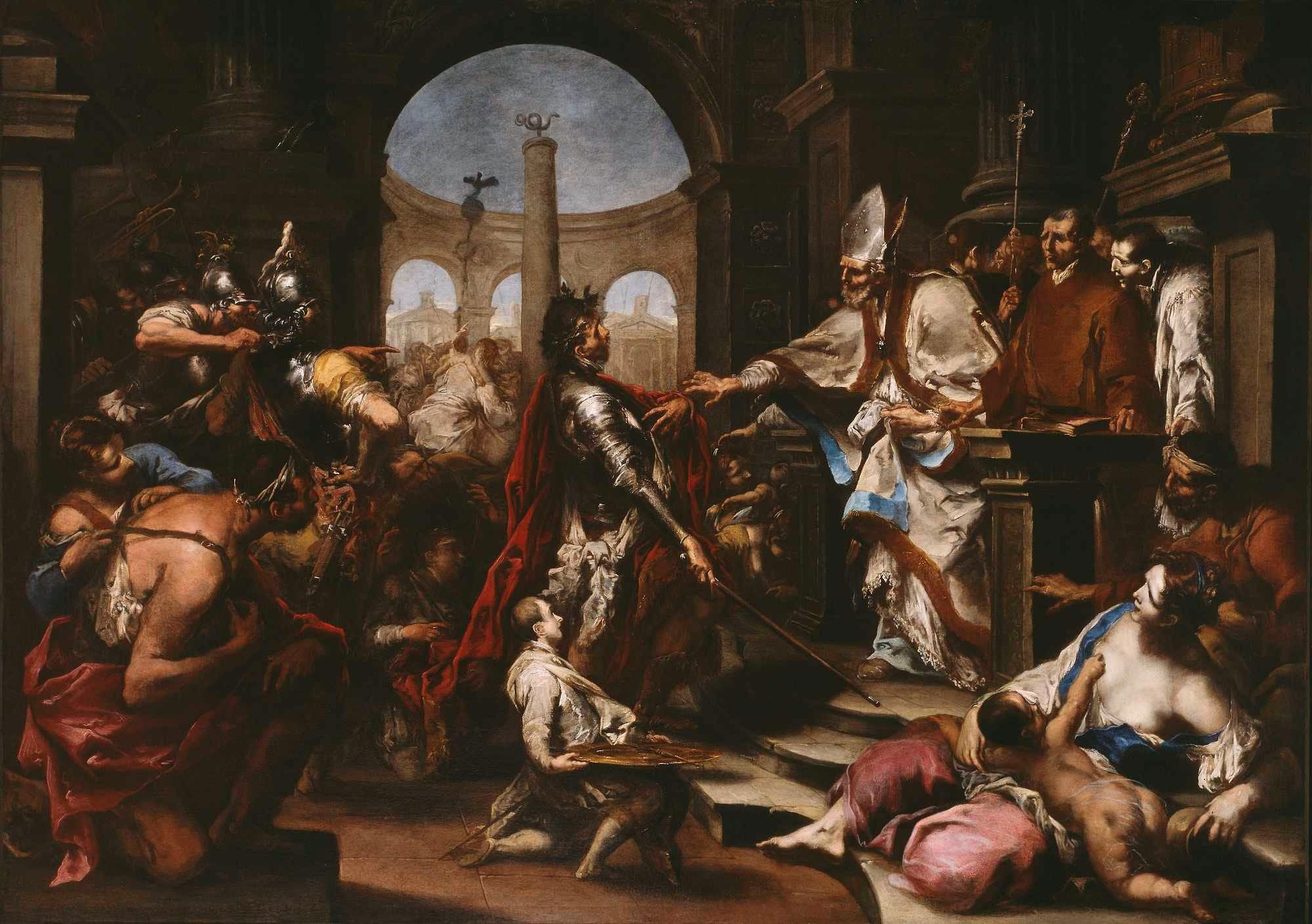
Theodosius subsequently performed public penance. Rufinus describes him acknowledging responsibility and doing penance before the church, while Ambrose later recalled the emperor laying aside his imperial insignia, weeping publicly and asking forgiveness. The occurrence of public penance is therefore well supported.
The famous scene of Ambrose physically barring Theodosius from the church entrance and keeping him excluded for eight months is much less secure. It belongs principally to later narratives, especially Theodoret, and the contemporary evidence provides no reliable eight-month chronology.
A second tradition connects the episode with a law requiring a delay of thirty days before unusually severe imperial sentences could be carried out. Such a constitution survives, but the transmitted Theodosian Code dates it to 382. Some scholars have proposed correcting the date to 390 because Rufinus associates the measure with Thessalonica; others reject that change. The law itself is genuine, but its origin as a direct response to the massacre remains disputed.
Theodosius, Pagan Worship and the Serapeum
Theodosius is often described simply as the emperor who banned paganism. The surviving legislation shows a development over time rather than a single policy imposed from the beginning of the reign.
During much of the 380s, the principal targets were sacrifice and divination. A law of December 381 prohibited sacrifice associated with attempts to discover the future. Another constitution in 382 provides an important contrast: a temple was ordered to remain open because of its artistic and civic value even while sacrifice remained prohibited.
Traditional worship was therefore being restricted, but suppression of sacrifice did not automatically mean demolition of every temple.
Libanius, a pagan contemporary addressing Theodosius directly in For the Temples, made precisely that distinction while protesting against Christian attacks:
“You, therefore, have not ordered the temples to be shut up, nor forbidden any to frequent them: nor have you driven from the temples or the altars, fire or frankincense, or other honours of incense.”
Libanius went on to complain that monks and other Christian activists were attacking temples, removing roofs, pulling down walls, carrying away images and overturning altars. He was petitioning Theodosius and had a strong rhetorical reason to separate the emperor from the actions he condemned, so the speech cannot prove that Theodosius knew nothing about temple destruction or opposed every attack. It does show that a contemporary pagan could distinguish between the restrictions then contained in imperial law and destruction undertaken locally.
The same speech also emphasizes that pagans continued to occupy important offices:
“Nor have you excluded those of that sentiment from honours, but have conferred upon them the highest offices, and have given them access to your table, to eat and drink with you.”
The legislation became considerably more restrictive in 391 and 392. In February 391, a law prohibited sacrifice, entry into temples and acts of veneration before cult images. Another law directed to officials in Egypt in June imposed similar restrictions there. Neither surviving constitution orders temples to be demolished.
The constitution of November 392 went substantially further in the eastern prefecture. It prohibited animal sacrifice but also extended into private and household rites: incense, lamps, garlands, libations and practices associated with the Lares, Genius and Penates. Property penalties and fines accompanied the prohibitions.
The progression is visible in the laws themselves. Practices left untouched or more narrowly regulated earlier in the reign were now subject to broader restrictions. What the legislation does not reveal automatically is how consistently those restrictions were enforced across every province and community.
The destruction of the Serapeum at Alexandria illustrates the distinction. Religious conflict intensified under Bishop Theophilus after pagan sacred objects were exposed and publicly mocked. Violence followed, and pagans occupied the Serapeum. Local officials eventually sought intervention from the emperor.
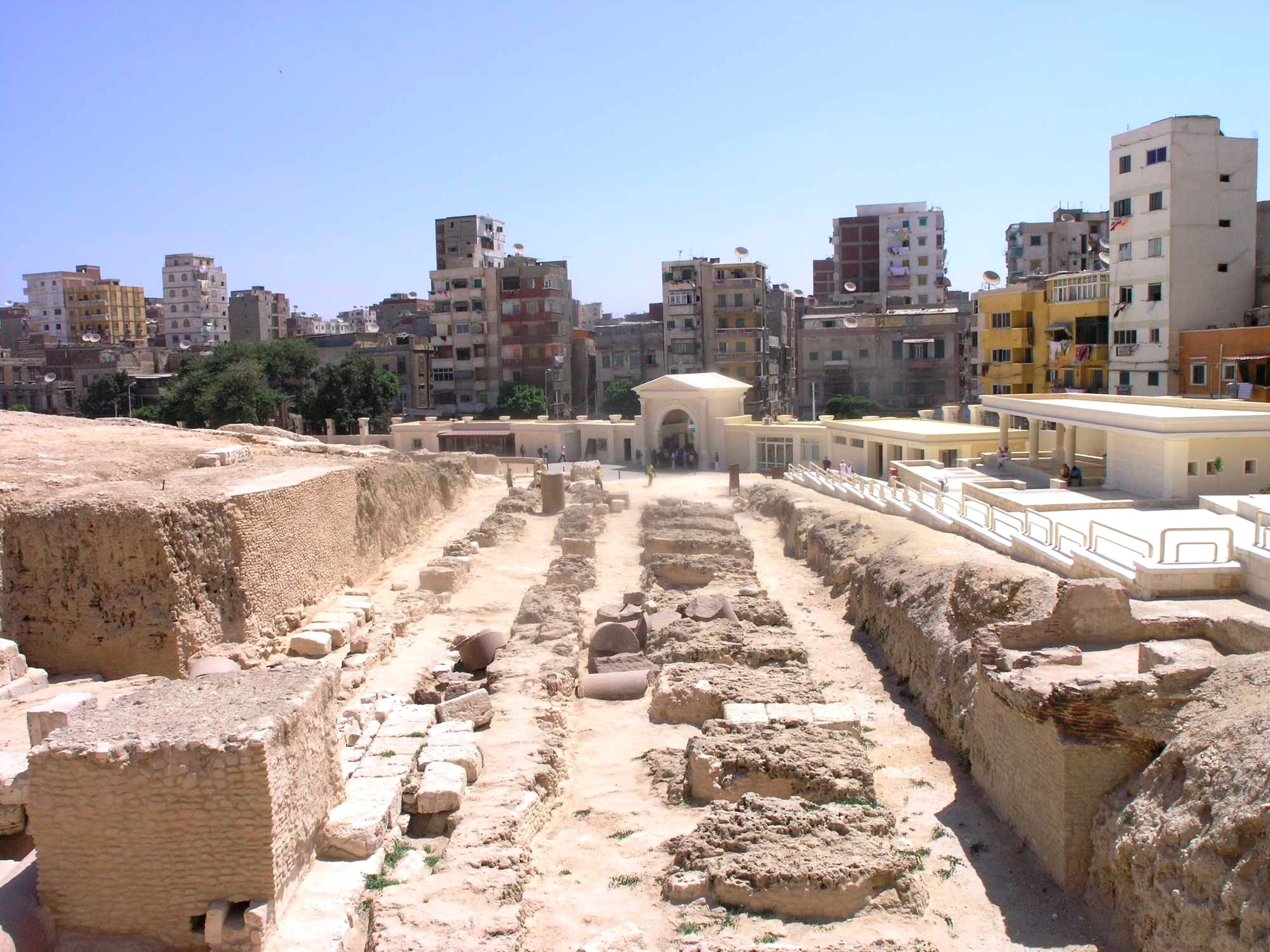
The surviving narratives agree that an imperial response followed, but they do not agree precisely on what Theodosius ordered. Pagan participants in the violence were pardoned, while the Christian dead were treated as martyrs. The emperor also ordered the underlying cause of the conflict to be removed.
Later ecclesiastical accounts could present this as a direct order for the destruction of the Serapeum and other Alexandrian temples. Rufinus, the earlier narrative source, is less explicit, speaking instead of removing the cause and roots of the discord. The surviving law of June 391 cannot itself have been an order to demolish the temple because it contains no such instruction.
The Serapeum was destroyed, but the evidence does not securely establish an imperial command specifically ordering the destruction of the entire complex. One reconstruction understands the lost imperial response as more limited, followed by local escalation; another rejects a direct demolition order altogether.
Similar caution applies to temple destruction elsewhere. Maternus Cynegius, one of Theodosius’ most senior officials, has traditionally been presented as leading a coordinated campaign against eastern temples. Some attacks certainly took place during his prefecture, but evidence that all formed part of a centrally commanded Theodosian programme is much weaker than the later reputation suggests. Monks and local Christian groups frequently appear as direct participants.
By the final years of Theodosius’ reign, public traditional cult nevertheless faced restrictions considerably more extensive than those existing when he became emperor. The legislation of 391–392 marked a real expansion in the range of prohibited practices, even though neither the survival of pagan customs nor the destruction of individual temples can be reduced simply to the wording of those laws.
Valentinian II, Eugenius and the Battle of the Frigidus
The political settlement in the West remained unstable. Valentinian II increasingly depended on the powerful Frankish general Arbogast, who commanded the western armies. Their relationship deteriorated, and on 15 May 392 the twenty-one-year-old emperor was found dead at Vienne. The circumstances were disputed almost immediately.
Some sources accused Arbogast of arranging Valentinian’s murder. Others said the emperor had taken his own life after becoming frustrated at his lack of political authority. Rufinus, writing relatively close to the events, explicitly preserved both explanations and acknowledged that the cause remained uncertain.
Augustine likewise refused to state a single explanation as fact:
“Valentinianus being soon after slain by secret assassination, or by some other plot or accident, Theodosius, having again received a response from the prophet, and placing entire confidence in it, marched against the tyrant Eugenius, who had been unlawfully elected to succeed that emperor, and defeated his very powerful army, more by prayer than by the sword.”
Later narratives became more confident in blaming Arbogast, but several modern reconstructions have instead judged suicide more plausible. The disagreement within the ancient evidence means that Valentinian’s death cannot securely be described as murder.
For several months Arbogast did not appoint another emperor. On 22 August 392, however, Eugenius was proclaimed Augustus in the West. Eugenius himself was a Christian, despite the later portrayal of his regime as a final pagan reaction against Theodosius. He initially sought recognition from the eastern court, sending embassies before open conflict developed.
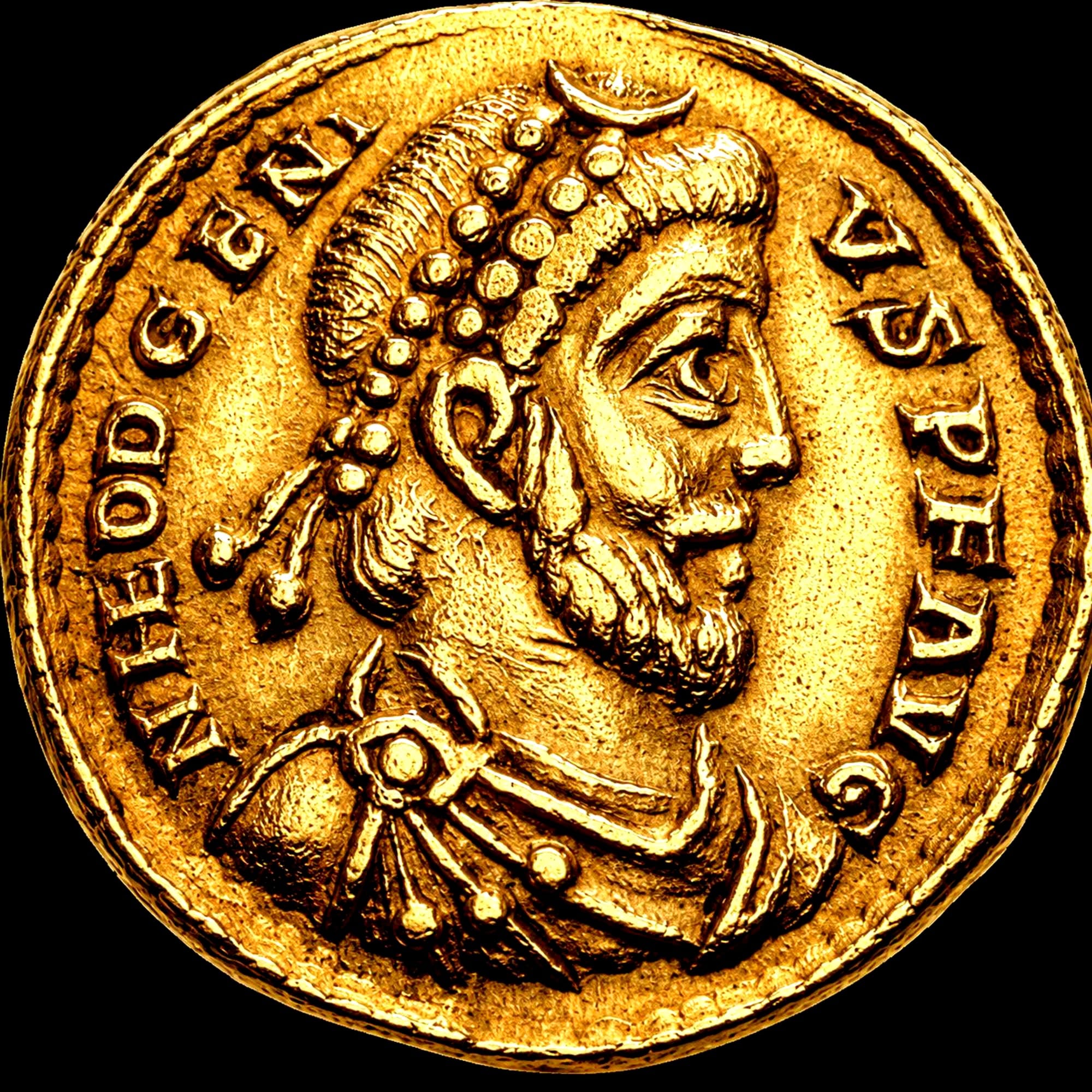
The evidence for a broad pagan coalition behind Eugenius is weak. Nicomachus Flavianus was an important supporter and openly committed to traditional religion, but he is the only leading pagan supporter who can be securely identified. The claim that the pagan aristocracy of Rome collectively rallied to Eugenius cannot be demonstrated from the contemporary evidence.
Claims that Eugenius restored the public subsidies previously removed from traditional cults are likewise uncertain. Ambrose records that pagan requests were initially refused and that Eugenius subsequently made personal gifts to prominent senators. Such gifts were normal instruments of imperial patronage and are not in themselves evidence that public cult funding had been restored.
The conflict developed from the political struggle over control of the western imperial office. Christian authors later interpreted the victory through increasingly religious categories, but the sources closest to the events do not present the outbreak of war as a collective confrontation between Christianity and paganism.
The armies met at the River Frigidus in the Julian Alps on 5–6 September 394. The detailed course of the battle cannot be reconstructed confidently from the surviving narratives. Theodosius’ army suffered heavy losses during the initial fighting, with Gothic troops particularly exposed in difficult attacks. Fighting resumed, and defections among Eugenius’ forces appear to have contributed to the collapse of his position.
Eugenius was captured and executed. Arbogast escaped but committed suicide shortly afterward. The wind associated with the battle became one of the most famous elements of the later tradition. Augustine reported what he said soldiers who had participated had told him:
“Some soldiers who were at the battle reported to me that all the missiles they were throwing were snatched from their hands by a vehement wind, which blew from the direction of Theodosius' army upon the enemy; nor did it only drive with greater velocity the darts which were hurled against them, but also turned back upon their own bodies the darts which they themselves were throwing.”
Augustine presented the story as part of a providential interpretation of Theodosius’ victory. A strong wind may have formed part of early memories of the battle, but the extent of its tactical effect cannot be established from this testimony.
Later Christian narratives elaborated the religious interpretation. Rufinus placed prayer and divine aid at the centre of the victory. Sozomen expanded the supernatural elements, while Theodoret eventually presented the battle through an explicit opposition between the Cross and Hercules and included visions of heavenly riders.
The closest material is less elaborate. Ambrose interpreted Theodosius’ victory as evidence of divine favour but does not provide the developed battlefield miracle found in the later histories. The description of Frigidus as Christianity’s final military defeat of Roman paganism therefore belongs to the later interpretation of the battle rather than to the clearest evidence for why the war began.
Following the victory, supporters of Eugenius sought sanctuary with Ambrose. The bishop appealed for them, and many were pardoned. The episode allowed clemency to be presented publicly while also reintegrating men who had served the defeated regime.
The Death of Theodosius and his Dynasty
Theodosius remained in Italy after the victory. His second wife Galla had died earlier in 394, and by the end of the year his own health was deteriorating. He summoned Honorius to Milan.
On 17 January 395, while victory celebrations were taking place, Theodosius became seriously ill. He died that night, most probably from hydropsy. He had not yet reached fifty and had ruled for almost sixteen years. Arcadius now held imperial authority in the East and Honorius in the West.
This was not a formal declaration that the Roman Empire had been permanently divided into two independent states. Rule by multiple emperors had existed repeatedly throughout the later empire. The greater difficulty was the age and experience of the two heirs.
Theodosius had grown up within the army and maintained a direct relationship with military command throughout his reign. He had personally accompanied the campaigns against Maximus and Eugenius and remained part of the traditional model in which the emperor could appear before the troops as commander. His sons could not fulfil the same role and would depend much more heavily upon powerful generals.
The dynasty nevertheless endured. The descendants of Theodosius continued ruling in the East until 450, while the western imperial line connected to his family survived until the death of Valentinian III in 455.
Forty days after the emperor’s death, Ambrose delivered his funeral oration before Honorius and the imperial establishment. He praised Theodosius’ faith, clemency and repentance while urging loyalty toward Arcadius and Honorius. The speech also preserves an early stage in the Christian image of Theodosius that later ecclesiastical historians would expand considerably.
Theodosius died in Milan, but his body was returned to Constantinople and buried in the city that had become the main centre of his eastern government. During his reign the empire had survived the immediate crisis created by Adrianople, settled large Gothic groups inside its borders, experienced two major western civil wars and seen imperial government intervene with increasing force in both Christian doctrine and traditional religious practice.
Later accounts often made those developments appear more straightforward than the earlier evidence shows. The Gothic agreement could become a decisive victory, the penance after Thessalonica an eight-month confrontation at the doors of a church, the war against Eugenius a final battle between Christianity and paganism, and the destruction of individual temples part of a single imperial campaign. The surviving laws, contemporary correspondence and competing historical accounts preserve the same events with greater uncertainty and with important differences over how they unfolded.
Mark Hebblewhite, Theodosius and the Limits of Empire. Routledge, 2020.
Neil B. McLynn, Ambrose of Milan: Church and Court in a Christian Capital. University of California Press, 1994.
Alan Cameron, The Last Pagans of Rome. Oxford University Press, 2011.
Ambrose of Milan, Letter 40, 41, 51, De obitu Theodosii.
Augustine, The City of God, Book V, Chapter 26.
Libanius, Oration 30 : For the Temples.
Themistius, Orations 14–16, especially Oration 16 on the Gothic settlement.
Pacatus, Panegyric to Theodosius.
Rufinus of Aquileia, Ecclesiastical History, Books X–XI.
Socrates Scholasticus, Ecclesiastical History, Book V and the opening of Book VI.
Sozomen, Ecclesiastical History, Books VII–VIII.
Theodoret, Ecclesiastical History, Book V.
Zosimus, New History, Book IV.
The Theodosian Code, CTh 9.40.13; 16.1.2–3; 16.5.6; and 16.10.7–12.
Council of Constantinople (381), surviving synodical letter and canons.
About the Roman Empire Times
See all the latest news for the Roman Empire, ancient Roman historical facts, anecdotes from Roman Times and stories from the Empire at romanempiretimes.com. Contact our newsroom to report an update or send your story, photos and videos. Follow RET on Google News, Flipboard and subscribe here to our daily email.
Follow the Roman Empire Times on social media: