
Sherlock Holmes in Ancient Rome: Solving a Roman Murder Mystery
A soldier in a Velsen well left wounds, a worn dagger and clues in his teeth. Modern investigators have reopened his violent death.

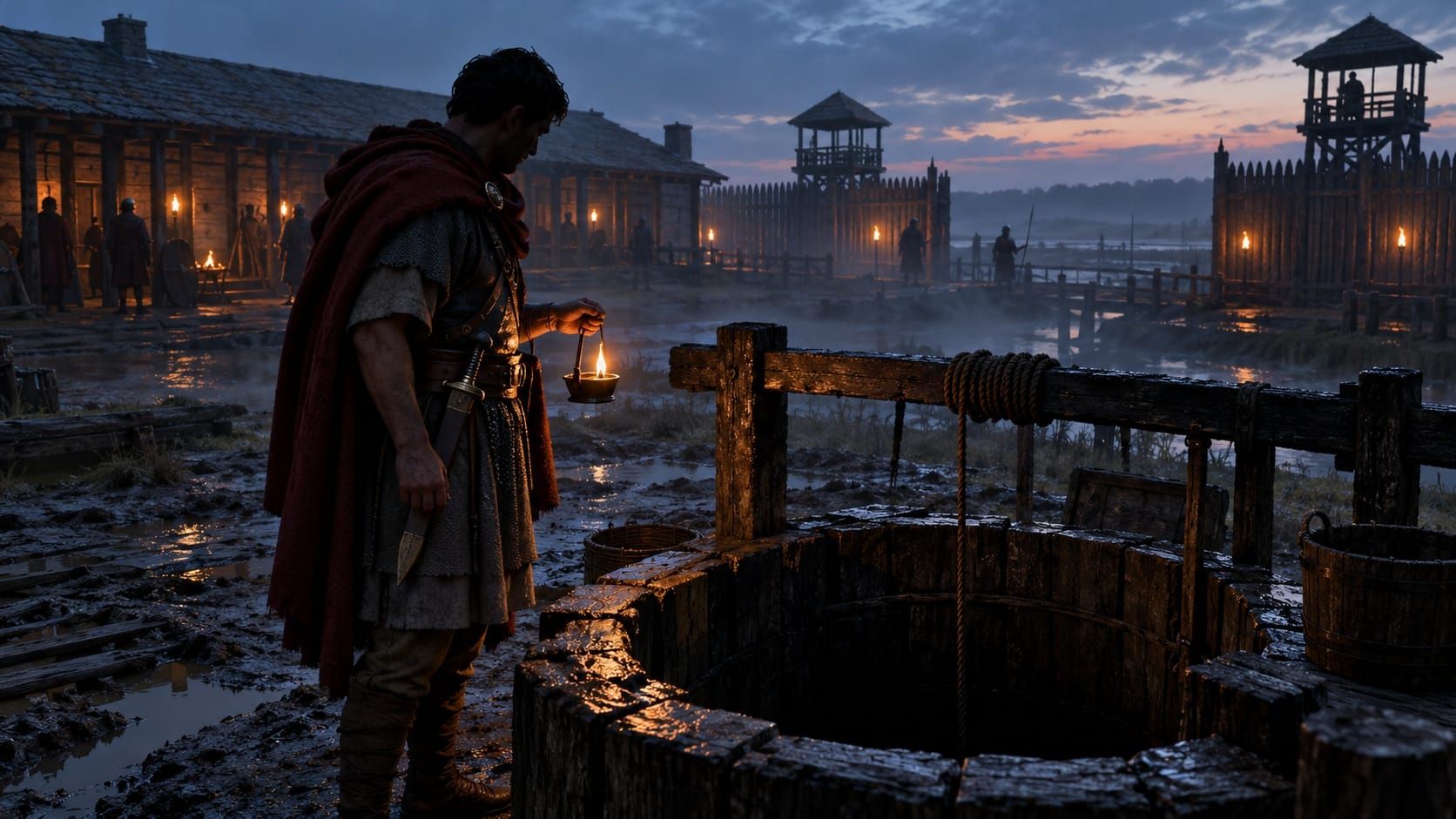
A Roman soldier’s skeleton, recovered from a well in the Netherlands in 1977, has become the subject of a new forensic investigation. Nearly 2,000 years after his death, researchers have examined the wounds, military equipment and childhood traces preserved in his teeth to reconstruct how he ended up beneath a Roman fort.
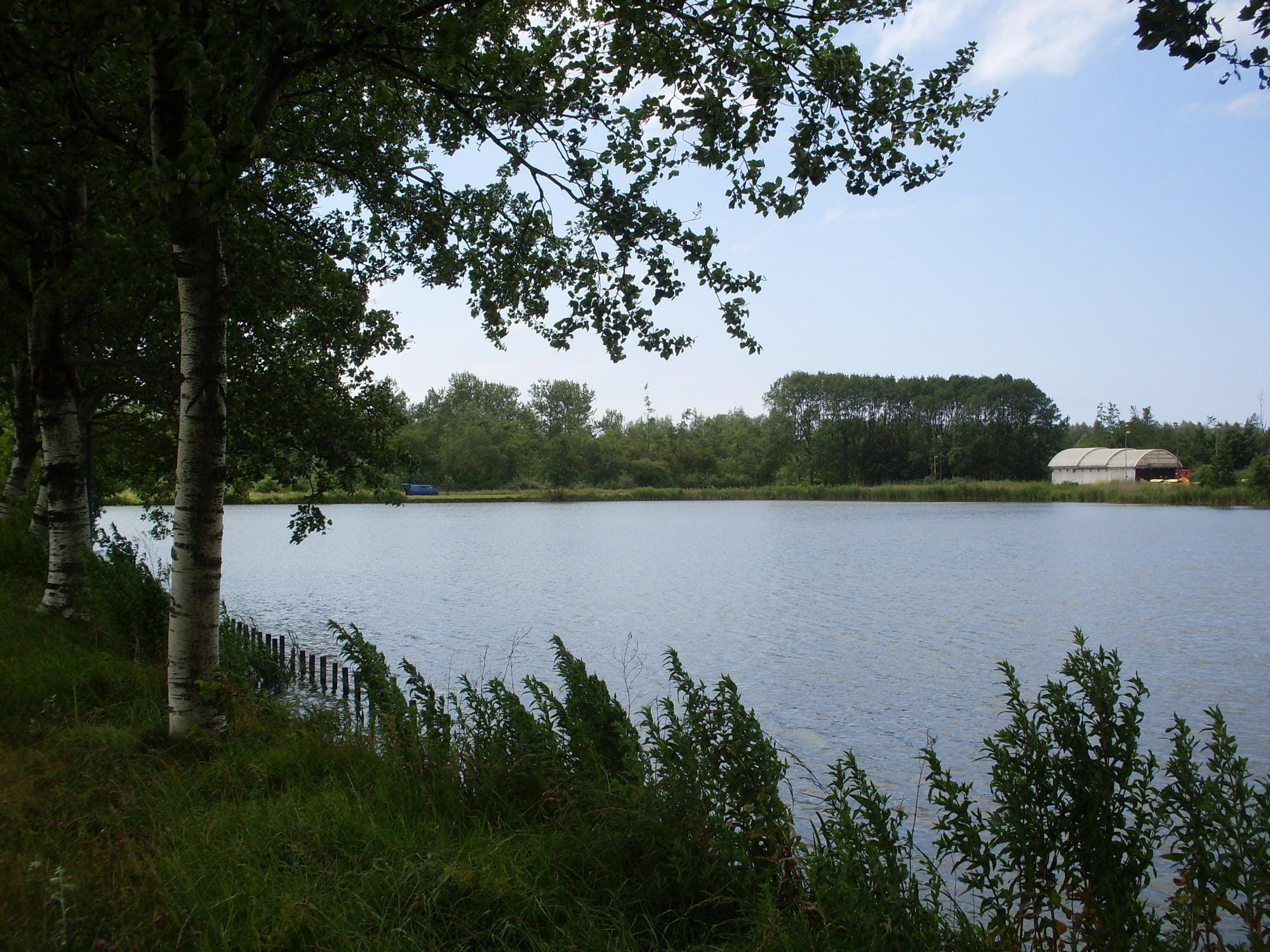
The investigation has a Sherlock Holmes appeal: small marks become clues, a weapon is compared with wounds, and competing explanations are tested against the same evidence. The case concerns Velsen 1, an early Roman military settlement near the North Sea coast, where an almost complete skeleton survived inside a timber-lined well.
New research published in 2026 brings archaeology, skeletal analysis, isotope chemistry and three-dimensional imaging together. Announced by Leiden University on 26 October, it points towards a deliberate, exceptionally violent killing. The editors favour retaliation by fellow soldiers, while presenting several possible explanations for a death they place approximately between AD 28 and 38.
A body concealed beneath the fort
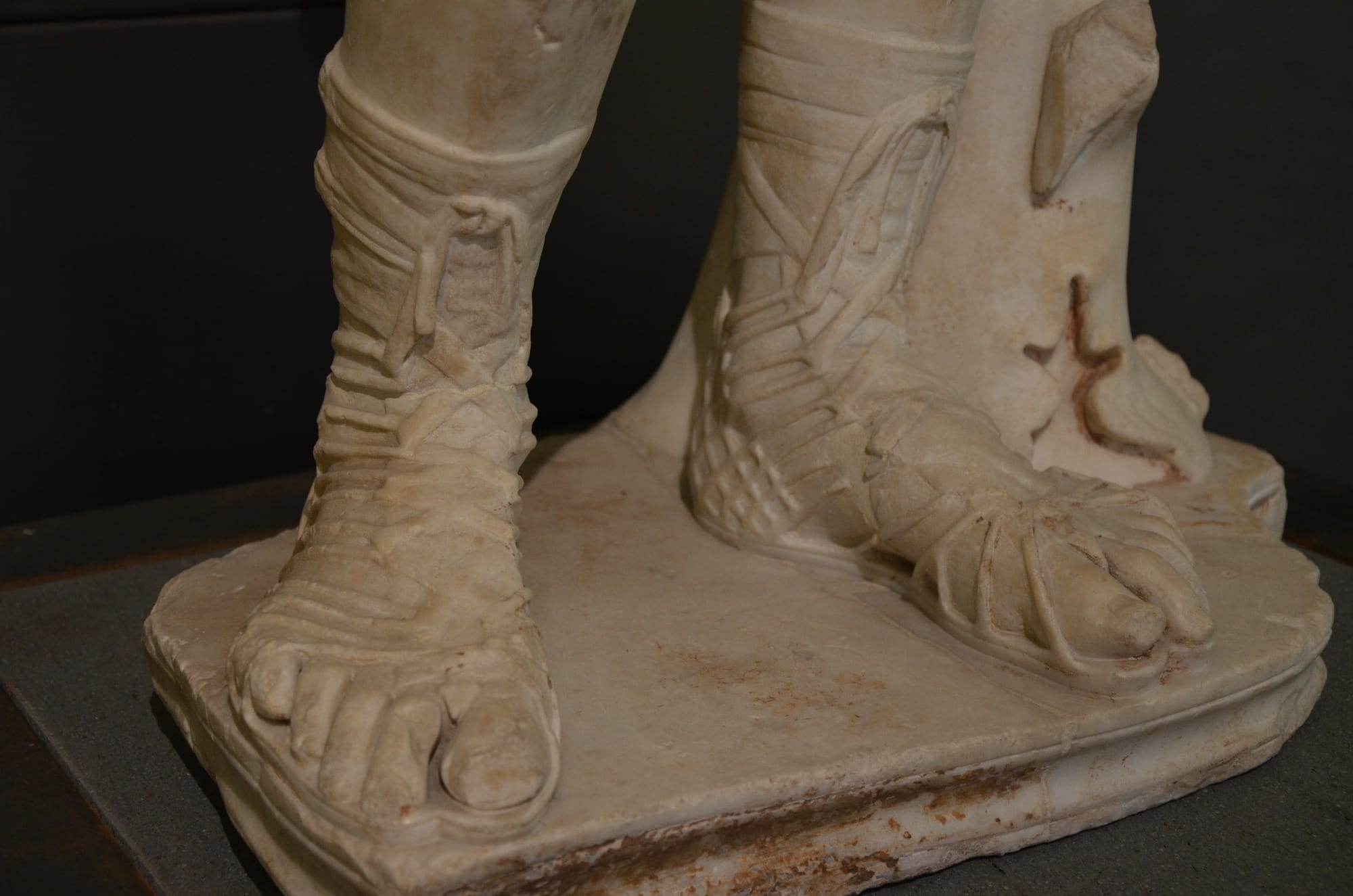
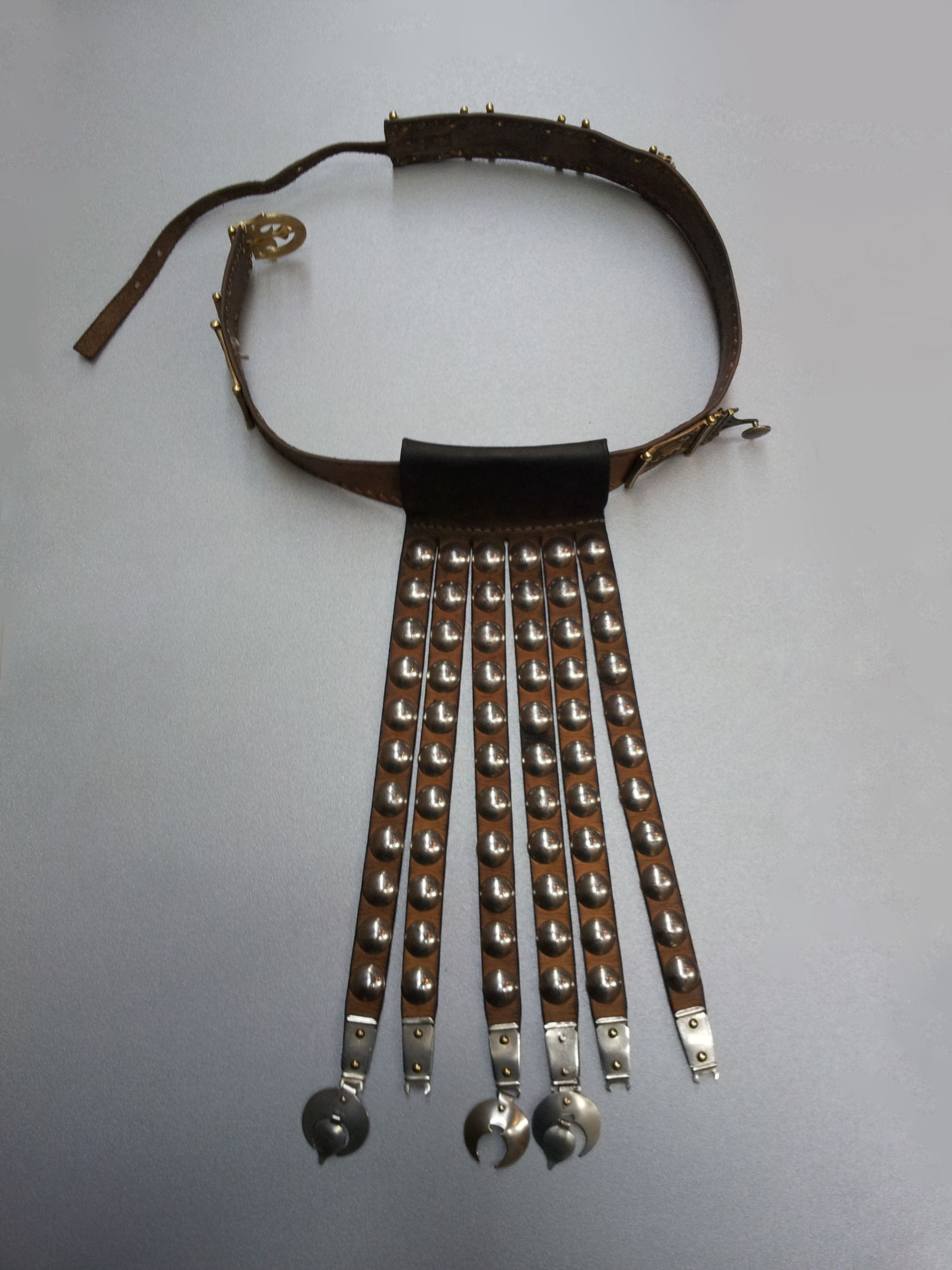
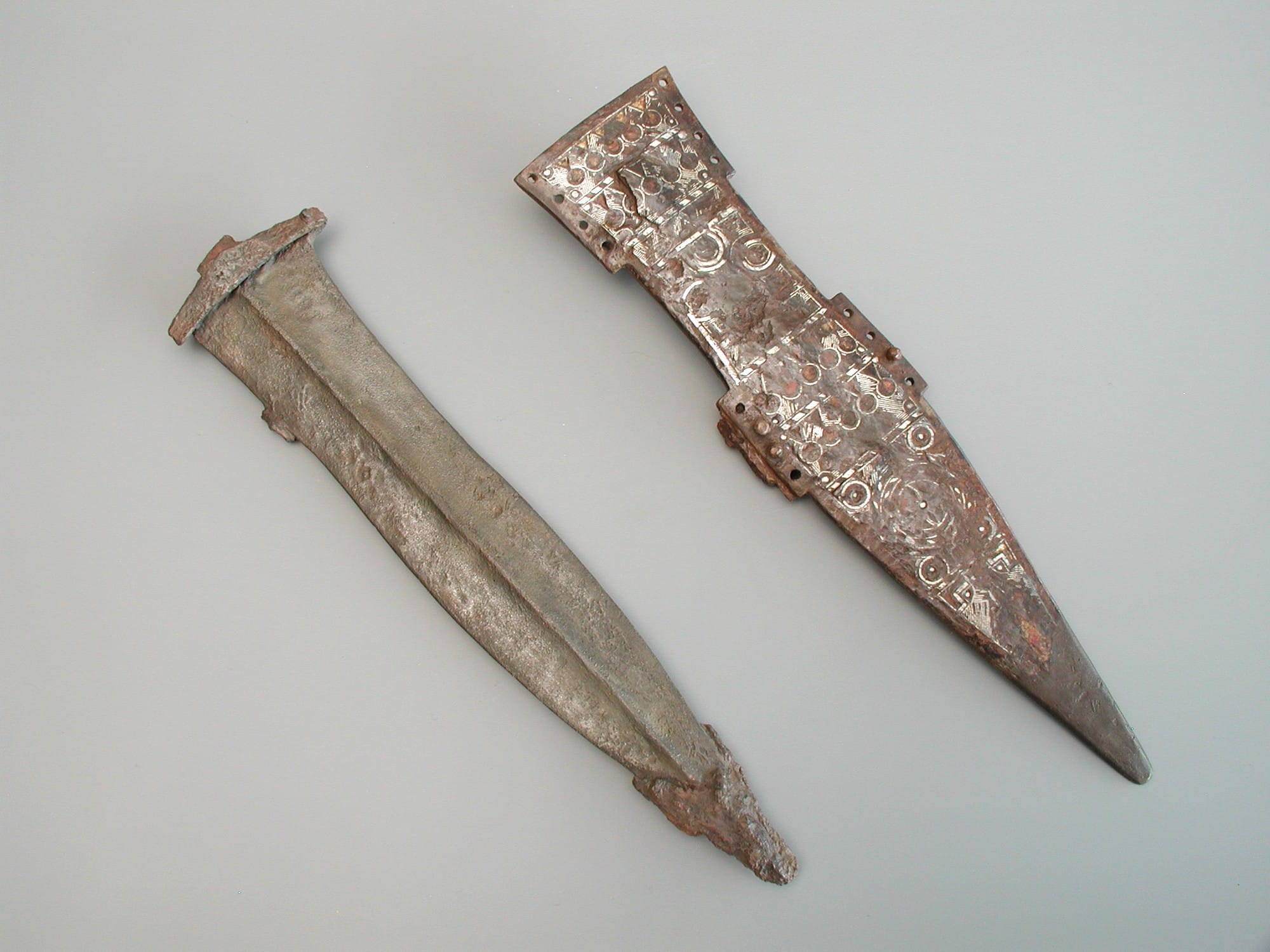
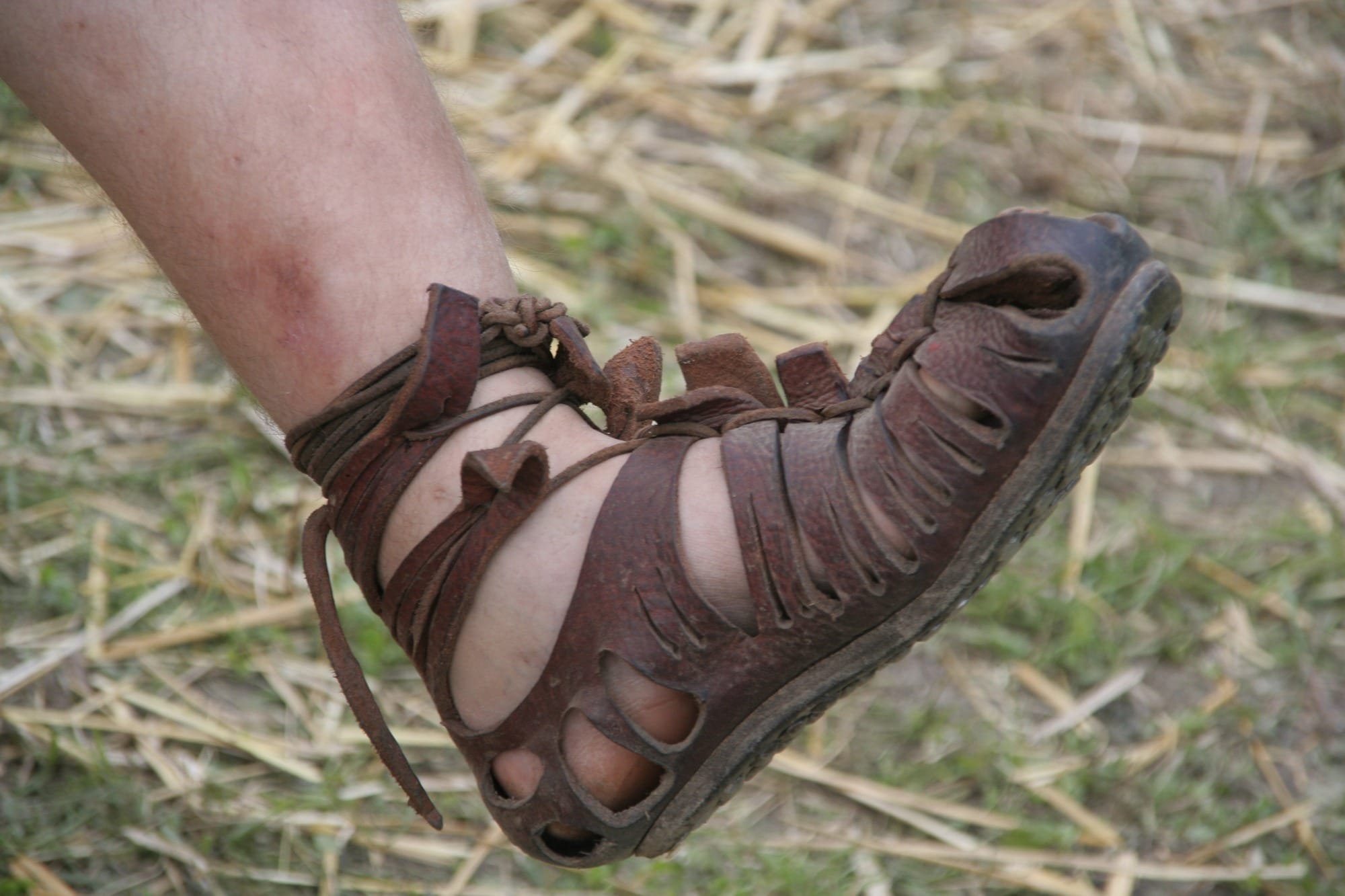
Amateur archaeologists discovered the man in May 1977. With him were a dagger and its sheath, parts of a military belt, a ring, a brooch and a military shoe. These objects establish his connection with the Roman army and provide an unusually detailed collection of personal equipment alongside the human remains.
The position of the skeleton suggests that the body was lowered into the narrow shaft with some care. Material deposited above it helped conceal the remains. A long wooden pole found in the well may have been used to push the body down or keep it submerged, although its precise role remains a reconstruction.
The well preserved both the soldier and the objects accompanying him, allowing specialists to revisit questions first raised decades ago. As with the re-examination of the Maiden Castle skeletons, the investigation returned to old discoveries with methods capable of testing a familiar account of violence.
The wounds that changed the investigation
The pelvis carried numerous punctures, including holes that passed through the bone. On its left side alone, investigators recorded at least fourteen punctures, three of them perforations. Other marks appeared on the right. The tiny cuts on the inner surface of a rib supplied another clue to a blade entering the body.
Specialists used structured-light scanning to create digital models of the damaged pelvis. They virtually realigned its surviving parts, making the relationship between the injuries easier to examine. Digital weapon models allowed comparison with a spearhead, a Roman sword and the military dagger found with the man.
A Roman pugio, or a similar dagger, could have produced the injuries. The concentration and severity of the wounds led the researchers to consider a furious, targeted assault more convincing than an ordinary battlefield death. The associated dagger is a plausible candidate for the weapon, rather than a securely identified murder weapon.
A tall soldier with a well-used dagger
The man died in his early to middle twenties and stood approximately 1.90 metres (6 feet 3 inches) tall. His skeleton showed strong muscular development, healed injuries and problems affecting the joints of his feet. Together, these features record a physically demanding life before the violence that ended it.
His equipment suggests an ordinary soldier more readily than a senior officer. The dagger had been repeatedly sharpened, while the belt combined mismatched, worn fittings. A ring with an inexpensive glass-paste setting added another indication that the man's possessions should be examined individually when assessing his possible status.
The decorated dagger sheath made a more impressive display than the worn dagger. His military shoe supplied another everyday connection with army service. Differences between these possessions helped the researchers assess his position within the garrison.
The childhood recorded in his teeth
The soldier’s height once encouraged suggestions that he was a local Frisian. Analysis of his tooth enamel now provides stronger evidence for a childhood spent elsewhere. Researchers examined oxygen and strontium isotope values, which reflect aspects of the water, food and geological environments encountered while the teeth were forming.
The results favour a Mediterranean upbringing, with several possible regions rather than a single identifiable birthplace. Parts of northern Italy, the Balkans and northern Greece are among the candidates. Some inland areas farther north, including Germany’s Harz region, also fit the measurements, so his precise homeland remains open.
The isotope study also examined two other men from a different Velsen well. All three had signatures inconsistent with a local childhood, with differences suggesting separate places of origin. The findings add individual histories of movement to the evidence for the people serving at this Roman military settlement.
The Frisian revolt offered an early explanation
The discovery was soon connected with the uprising described by Tacitus in his history of the early Empire. In AD 28, the Frisians rebelled after Roman demands for tribute became increasingly oppressive. His account in the Annals explains how a requirement to supply cattle hides escalated under the official Olennius.
Tacitus says the collectors judged the hides against an unreasonable standard drawn from wild bulls. The demands consumed cattle and land, before families faced enslavement. The revolt drove Olennius into the fort called Flevum, often associated with Velsen, although that identification remains uncertain. Roman reinforcements relieved the siege, followed by costly fighting.
This supplied an obvious historical setting for a violent death, but the new investigation tests that connection against the bones and archaeological sequence. The wider Velsen complex also includes a later neighbouring fort, Velsen 2. The soldier’s story belongs within a changing military landscape rather than an automatically fixed date for his death.
Six scenarios, with revenge among the soldiers
The book considers six scenarios, ranging from battle and its aftermath to military punishment, personal revenge, local retaliation and ritual deposition. Each asks how the wounds, possessions and treatment of the corpse might fit a different sequence of events. The scenarios bring possible human actions into contact with the physical evidence.
In the university’s announcement, the editors lean towards a killing by fellow soldiers in retaliation for misconduct. That proposed motive is an interpretation of the ferocity of the attack and its military setting. Neither a named killer nor the alleged offence has been established, leaving the personal circumstances of the assault unresolved.
Modern methods have nevertheless given the man a fuller history, much as new analyses have reopened the case of the seven men in the Mursa well. The Velsen skeleton is back in storage at Leiden’s National Museum of Antiquities, which hopes to tell his story in a future permanent display. His injuries, journey and battered equipment now provide the starting points for that account.



About the Roman Empire Times
See all the latest news for the Roman Empire, ancient Roman historical facts, anecdotes from Roman Times and stories from the Empire at romanempiretimes.com. Contact our newsroom to report an update or send your story, photos and videos. Follow RET on Google News, Flipboard and subscribe here to our daily email.
Follow the Roman Empire Times on social media: