
Pompeii Plans a Civic Museum Home for Via Fucci’s Ancient Finds
A new agreement brings an ancient cemetery and the Roman countryside into Pompei’s museum plans, with North African amphorae and a painted stone head among the excavation’s finds.

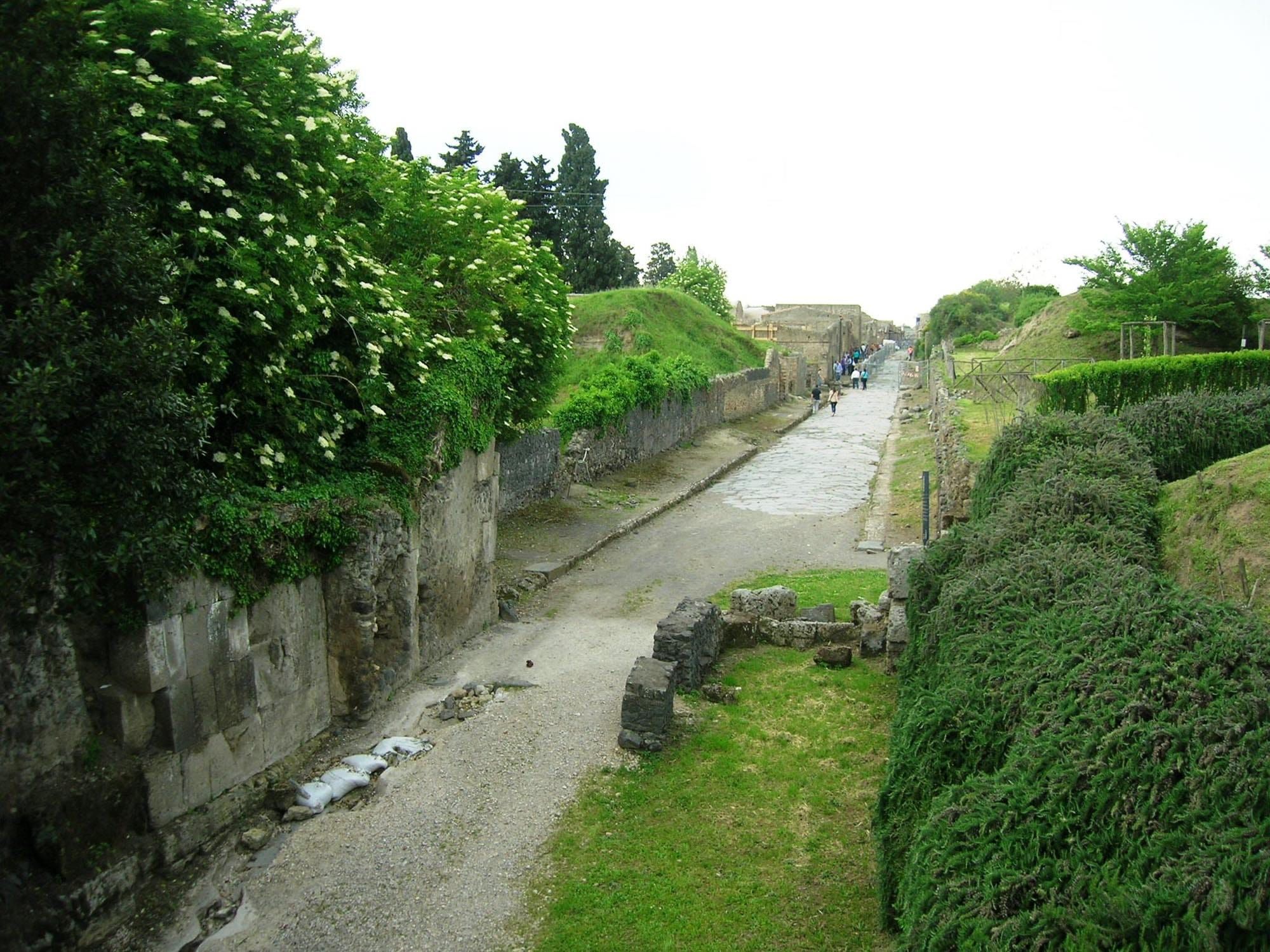
Pompei has taken a formal step towards displaying finds from the Via Fucci necropolis in its future Civic Museum. A letter of intent signed on 17 November 2026 by the municipality and the archaeological authority establishes a joint programme for bringing material recovered during railway infrastructure works into a public exhibition.
The Soprintendenza for the metropolitan area of Naples published the announcement on 18 November. It identifies a historic building in Piazza Bartolo Longo as the intended museum venue, with the display of the archaeological finds subject to ministerial authorisation. The signatories were mayor Giuseppe Tortora and superintendent Paola Ricciardi.
The finds come from an excavation east of ancient Pompeii that exposed a cemetery dated to the third through first centuries BC, together with evidence of the countryside cultivated in Roman times. The new agreement links the proposed museum to research on the communities and landscape beyond the ancient city’s walls.
A museum rooted in the modern city
The agreement sets out responsibilities for developing the exhibition. The municipality will meet the costs associated with exhibition design and logistics, while the Soprintendenza will provide scientific supervision and exercise its heritage-protection functions. The letter provides the framework for collaboration between the two institutions as the museum project develops.
For the archaeological authority, public access forms part of the project’s purpose. Ricciardi presented the agreement as a first step towards an exhibition founded on scientific knowledge, institutional responsibilities and the quality of the museum design. The stated aim is to make the archaeological material accessible and understandable to the local community.
Tortora connected the proposed museum with the modern city’s own cultural identity and urban memory. His announcement placed particular emphasis on residents recognising the history of their territory and passing that knowledge to younger generations. These are the ambitions behind the agreement and the planned presentation of the Via Fucci material.
The cemetery behind the railway station
The excavation was associated with modernisation of the Circumvesuviana railway and work to integrate its infrastructure into Pompei. An underground car park planned in Via Fucci, behind Pompei Santuario station, brought archaeologists to a site about 400 metres (1,300 feet) east of Porta Sarno, one of the ancient city’s gates.
The Soprintendenza announced the cemetery on 2 August 2024, following a joint site inspection on 22 July. Archaeological officials, EAV railway representatives, the construction consortium and the municipality participated in that inspection. The discoveries were then presented at a press conference as investigations into the burial ground continued.
By the August announcement, archaeologists had identified 35 burials within the cemetery’s third- to first-century BC date range. That figure records the stage reached in the 2024 investigation. The excavation also encountered deposits earlier than Pompeii’s establishment as a Roman colony, adding evidence for the eastern outskirts before their later Roman development.
North African amphorae covered the graves
The burials included simple earth graves and graves protected by amphorae. In the amphora coverings, jars were arranged with necks and pointed ends alternating, with seven vessels recurring in the arrangements.
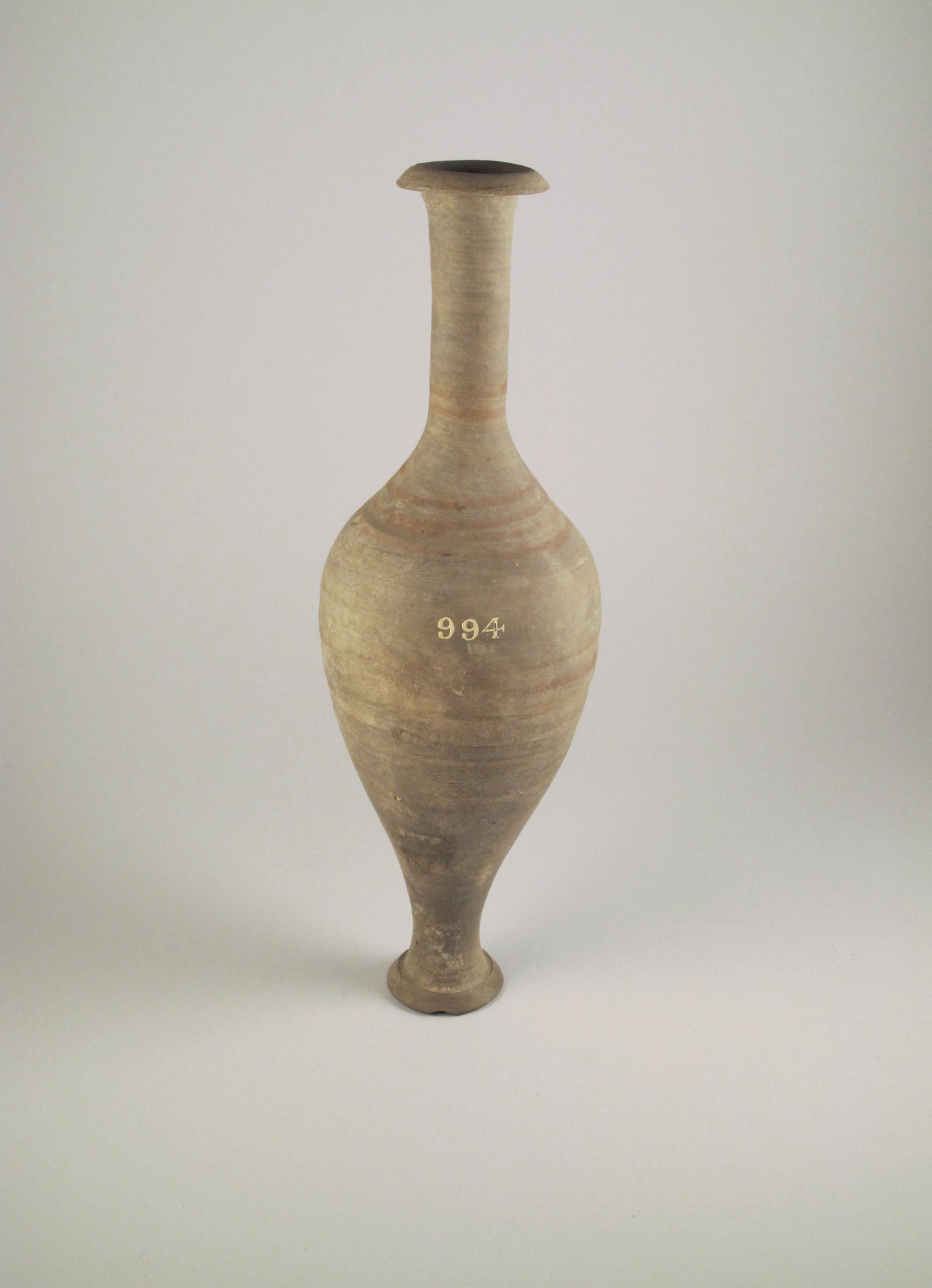
The excavators identified the amphorae used in these coverings as imports from North Africa, some bearing stamps in the Punic language. Relatively few grave goods accompanied the dead, chiefly coins and unguentaria, small perfume vessels.
The human remains were particularly well preserved. The archaeological authority attributed their condition to the graves’ immersion in groundwater and reported that a programme of palaeoanthropological investigation had begun. The work formed part of the scientific investigations accompanying the continuing excavation of the cemetery.
Funerary material gathered in a channel
Deeper testing identified an artificial channel running north to south. Its fill contained material attributed to burial contexts that had probably been disturbed. The assemblage included hundreds of tile fragments and large quantities of fragments from storage jars and amphorae.
About twenty stones made from local lava had also accumulated in the channel. The report records that these stones had been uprooted in antiquity and deposited before the Roman ploughed fields were laid out above. Tiles bearing stamps in the Oscan language supplied another feature of the recovered material. The excavators tentatively associated the channel with a reorganisation of the territory in Sulla’s time, after Pompeii’s establishment as a Roman colony.
One of the objects highlighted in the excavation report was a female head carved from grey Campanian tuff. Traces of red colour survived in its hair. The channel also contained large wooden finds, alongside the pottery fragments, lava-stone pieces and stamped tiles.
Roman furrows beneath the eruption deposits
Excavations beginning in spring 2023 had confirmed extensive ploughed fields beneath the pumice deposited by the eruption of AD 79. Their furrows and raised cultivation beds ran north to south. The preserved agricultural surfaces provided evidence for land use outside the city at the time of the eruption.
The Soprintendenza described the fields as predominantly vegetable plots supplying Pompeii’s markets. They lay near the ancient course of the Sarno, which the investigators considered closer to the city than the river is today. Together, the cultivation traces and river setting formed part of the reconstruction of Pompeii’s eastern rural landscape.
The roots and surface remains suggested the possibility of perennial artichoke cultivation. This was a preliminary identification: examination of plant macroremains and pollen was underway when the 2024 announcement appeared. Those analyses were intended to establish the crops in greater detail and develop the picture supplied by the preserved planting traces.
Investigating the waterlogged landscape
Work at Via Fucci built on earlier investigations, including geoarchaeological coring and trenches. The infrastructure proposal had received favourable archaeological opinions in 2007, 2009 and 2010. Preliminary checks encountered the AD 79 levels more than 6 metres (20 feet) below the modern ground surface, immersed in groundwater.
After retaining works had been installed, pumps enabled further test excavations around 7.5 metres (24.6 feet) below ground level, where services for the planned car park were to run. These investigations exposed the channel containing displaced funerary material and extended the evidence beyond the agricultural surfaces first identified above it.
The archaeological authority called for the investigation area to be expanded to complete the picture of the cemetery and clarify the ancient landscape east of Pompeii. Its programme combined excavation with studies of human remains, plant material and pollen, connecting the graves with the cultivated ground preserved beneath the eruption deposits.


About the Roman Empire Times
See all the latest news for the Roman Empire, ancient Roman historical facts, anecdotes from Roman Times and stories from the Empire at romanempiretimes.com. Contact our newsroom to report an update or send your story, photos and videos. Follow RET on Google News, Flipboard and subscribe here to our daily email.
Follow the Roman Empire Times on social media: