Roman Empire Historical Facts
10 Things in Ancient Rome That Still Feel Modern
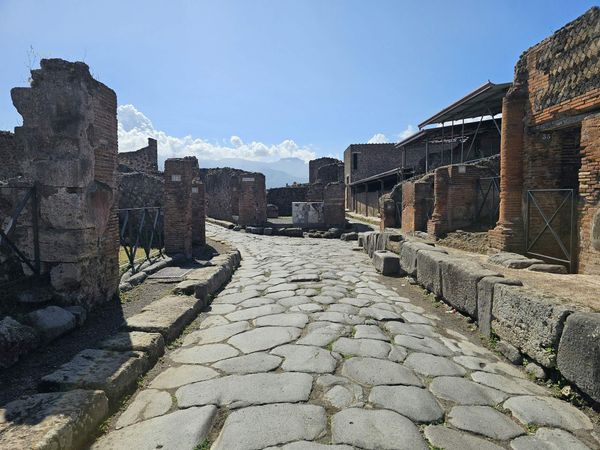
Buildings, objects and ancient texts show ten Roman practices with close parallels in everyday life, from busy streets to shared places of leisure.

Roman Empire Historical Facts
Buildings, objects and ancient texts show ten Roman practices with close parallels in everyday life, from busy streets to shared places of leisure.
Roman Empire Anecdotes
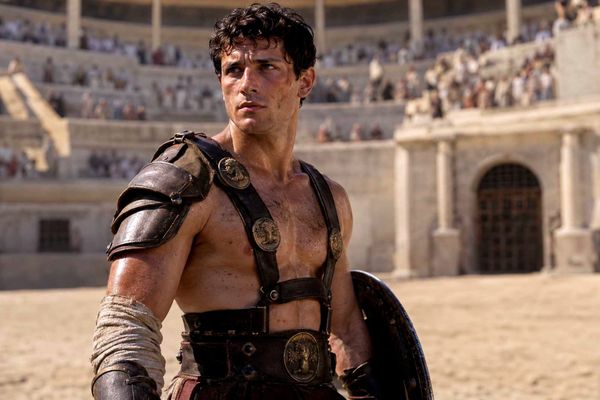
A novice gladiator known from Pompeian graffiti, Marcus Attilius won two remarkable bouts against far more experienced fighters.
Roman Empire Anecdotes
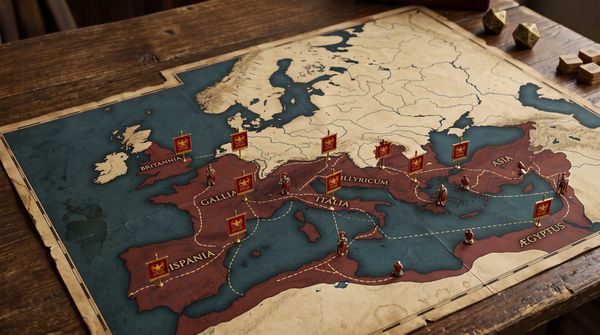
Rome’s colonies were more than new towns. They redistributed land, strengthened control and changed the balance between settlers and existing communities.
Roman Empire Anecdotes
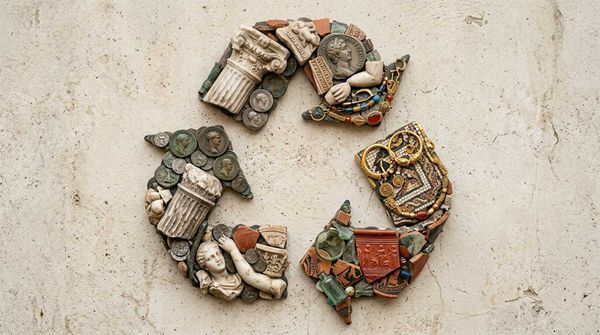
Romans gave old materials surprisingly long lives. Glass, metal, pottery, textiles, papyrus and even buildings could be repaired, reused, sold or remade.
Roman Empire Anecdotes
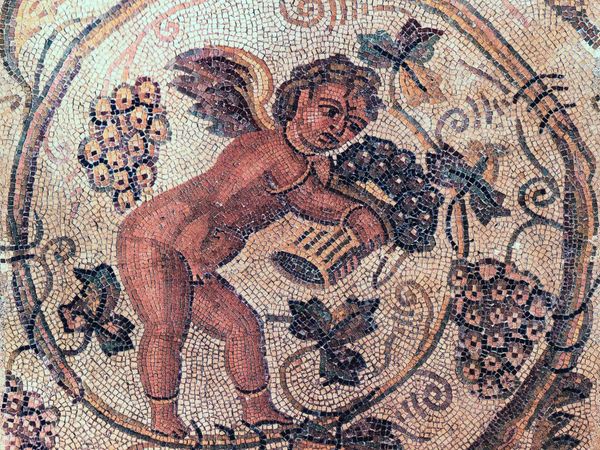
Ancient vineyard practices, cellar instructions and judgements of quality complicate the idea that good wine is a modern achievement.
Roman Empire Anecdotes
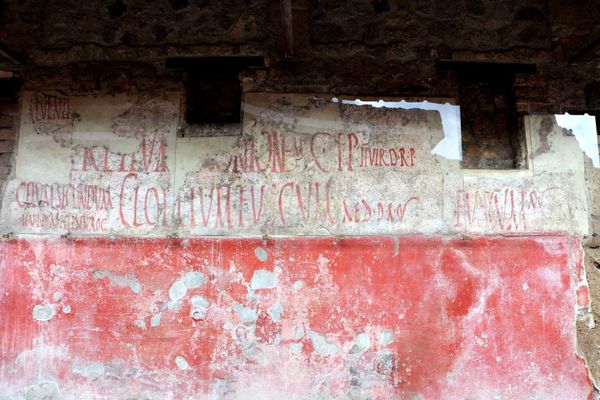
Painted across houses, baths and tombs, edicta munerum advertised gladiator games with dates, sponsors, fighters and extra attractions.
Roman Empire Anecdotes
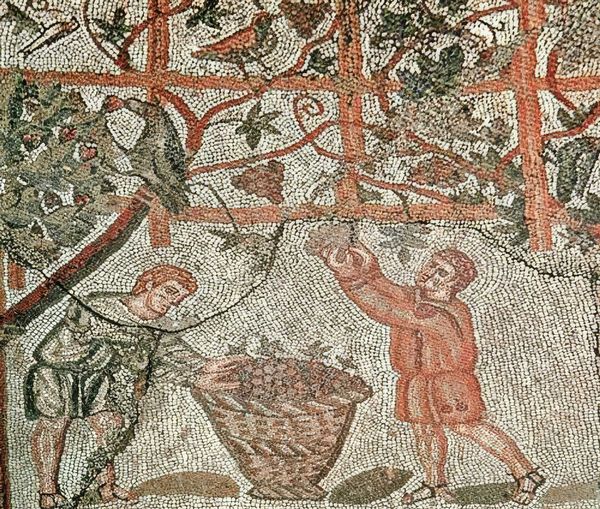
Romans preserved food through drying, salting, smoking, pickling, fermentation and careful storage, using techniques that could keep grain, fruit, cheese, meat and wine usable for months.
Roman Empire Historical Facts
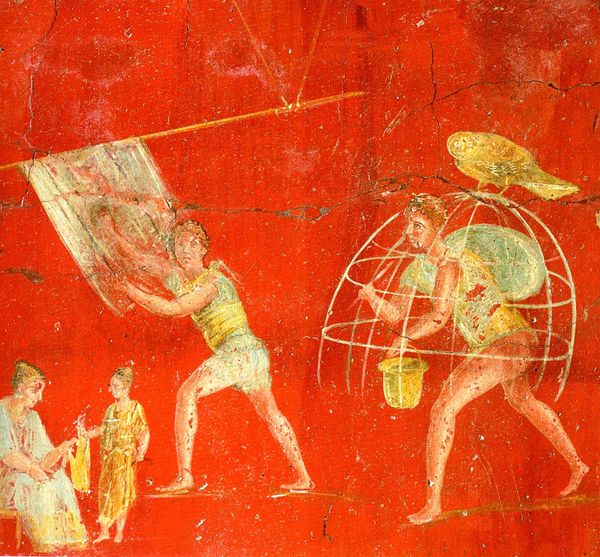
Roman fashion relied on spinners, weavers, dyers, fullers, tailors and traders, while clothing could signal status, citizenship, wealth and identity.
Roman Empire Historical Facts
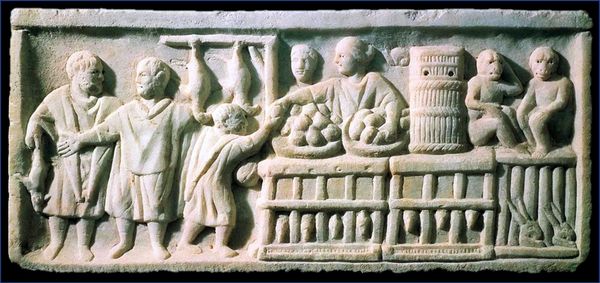
Roman women lent money, ran shops and workshops, owned productive property, took part in long-distance trade and managed agricultural estates. The surviving evidence reveals a much wider female presence in the Roman economy than the traditional image suggests.
Roman Empire Anecdotes
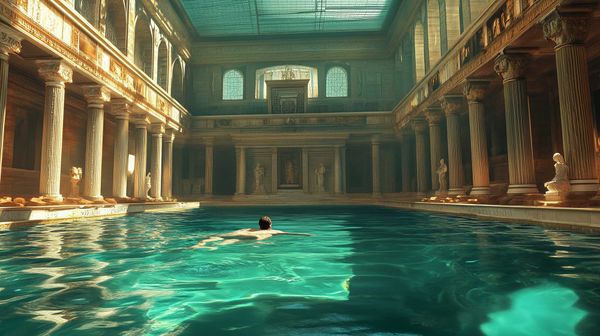
The idea that exercise and physical activity are beneficial is not a recent discovery; it has been recognized and practiced for thousands of years.

Roman Empire Historical Facts
From shaded courtyards to the cooling splash of impluviums, Romans designed their homes to fight the summer heat. Long before air conditioning, they used architecture to live with the sun—not against it.
Roman Empire Historical Facts
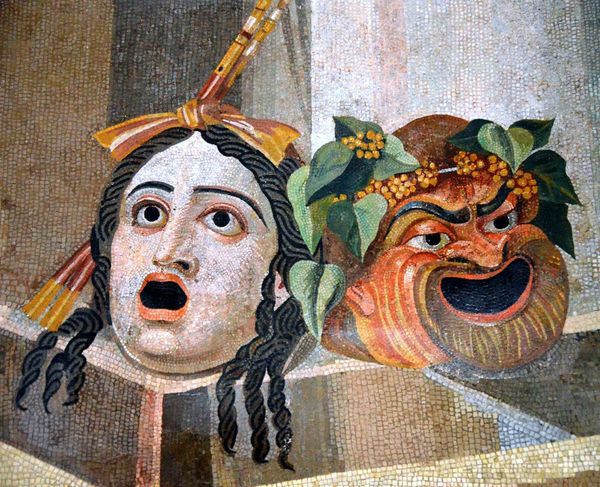
Roman laughter could mock emperors, expose fools, ward off evil, reverse social roles, and turn myth into spectacle. What made Romans laugh was rarely simple – and not always harmless.
Roman Empire Historical Facts
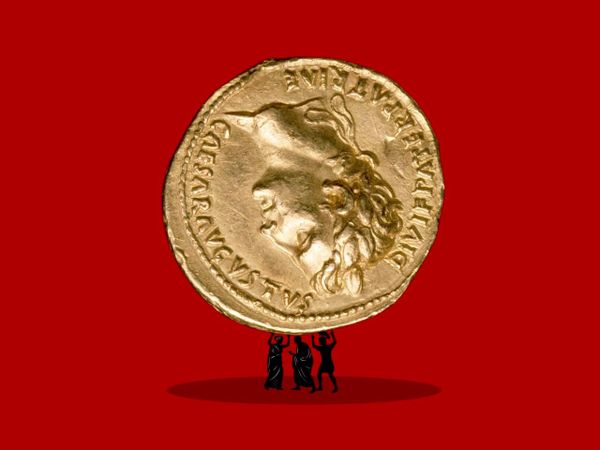
Behind Rome’s marble monuments was a working society of families, slaves, soldiers, engineers, roads, food, baths, festivals, and daily systems.
Roman Empire Historical Facts
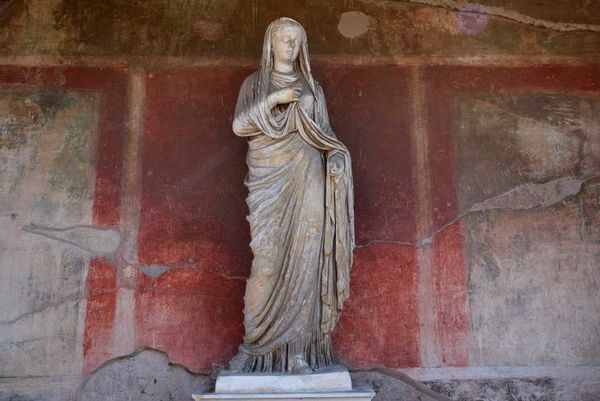
In Pompeii, Eumachia did something few women in the Roman world could do so visibly: she turned wealth, priesthood, and family ambition into stone. Her building on the Forum and the honors paid to her by the fullers reveal a woman who stood at the center of civic life, not at its edges.
Roman Empire Historical Facts
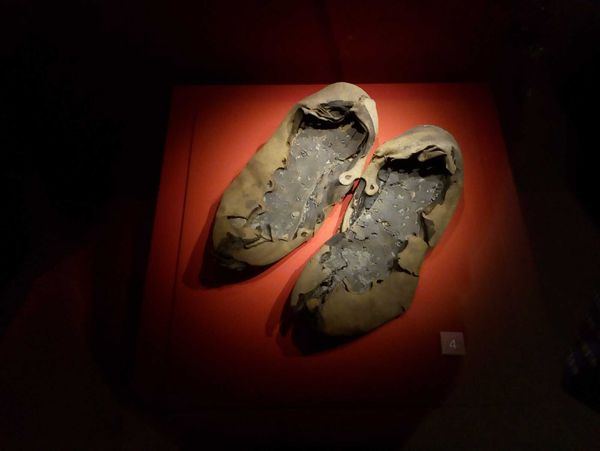
Stone built Rome’s image, but leather sustained its daily life. From tanneries and shoemakers to soldiers on the frontier, this invisible material economy supported movement, labor, and power across the Empire.
Roman Empire Anecdotes
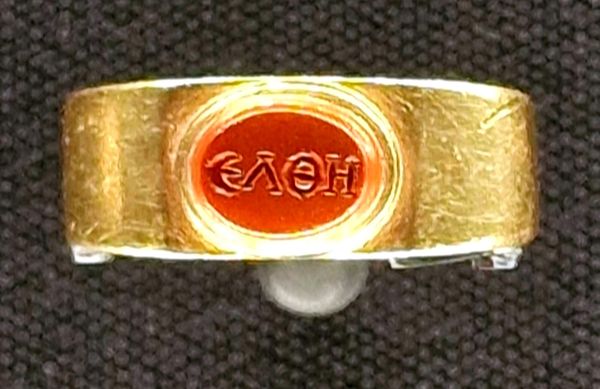
Some stories survive not through monuments or manuscripts, but through objects so small they could be hidden in a closed hand—yet they carried entire lives upon them.