
The Empire behind Rome: How Society Really Worked
Behind Rome’s marble monuments was a working society of families, slaves, soldiers, engineers, roads, food, baths, festivals, and daily systems.

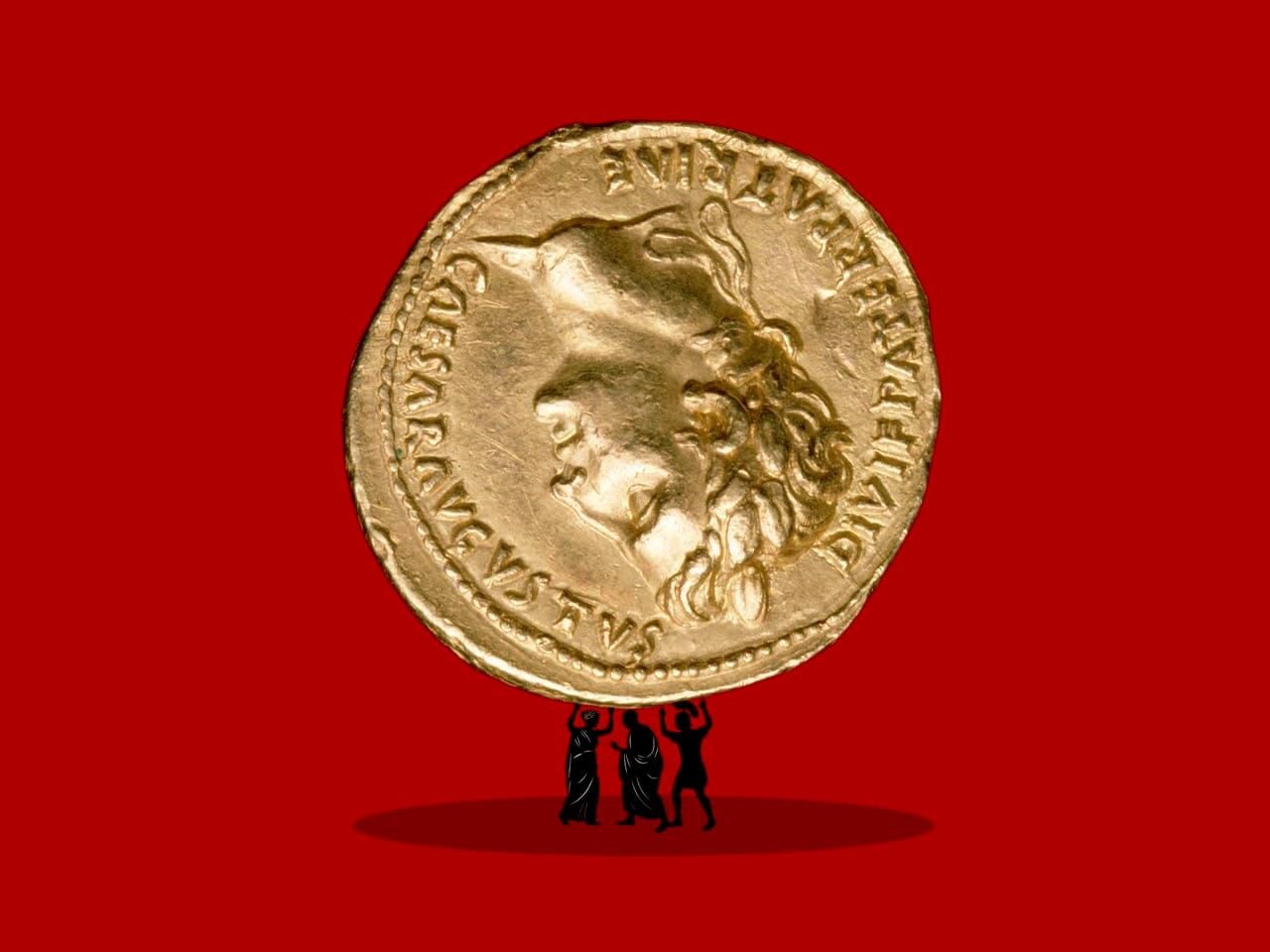
Ancient Rome is often remembered through what survived: temples, roads, aqueducts, baths, amphitheaters, statues, inscriptions, arches, and the broken remains of imperial power. These monuments can make Rome appear as a civilization of marble, ceremony, and spectacle. Yet the empire did not function only through stone.
It functioned through systems.
Behind the public face of Rome was a world of households, farms, apartment blocks, shops, schools, slaves, roads, soldiers, engineers, patrons, clients, administrators, taverns, baths, festivals, and crowds. These were not separate details of Roman life. They were the mechanisms that allowed Roman society to work.
To understand daily life in ancient Rome, it is not enough to imagine a citizen waking at dawn, walking through the Forum, eating dinner, or going to the baths. The deeper question is how life was organized. Who held authority? Who produced food? Who carried water? Who guarded the frontiers? Who built the roads? Who maintained comfort? Who had leisure, and who made that leisure possible?
The answer is less romantic than marble, but more revealing. Roman society was a machine of habits, obligations, labor, status, law, engineering, and survival.
The Empire Made Daily Life Larger Than the City
Roman daily life was local, but it was never only local. By the first and second centuries CE, the Mediterranean and much of western Europe formed one political world. A person could travel from Mesopotamia to Britain without crossing a modern-style national frontier. Goods, soldiers, officials, letters, taxes, grain, oil, wine, marble, metals, and luxury items moved through the same imperial system.
Citizenship was one of Rome’s most powerful social tools. Unlike many ancient states, Rome repeatedly extended citizenship to conquered communities, provincial elites, soldiers, freed slaves, and eventually most free inhabitants of the empire.
Citizenship brought legal protection, status, and access to new opportunities. It also helped make people born far from the Tiber think of themselves as Roman.
The empire’s openness did not remove inequality. It made hierarchy more flexible, not equal. Some provincials could rise into administration, the army, commerce, and even imperial power. Others remained poor, enslaved, dependent, or forgotten.
Still, the Roman world was held together not only by legions and laws, but by roads, citizenship, markets, taxes, commerce, and the idea that many different peoples could belong to one imperial order.
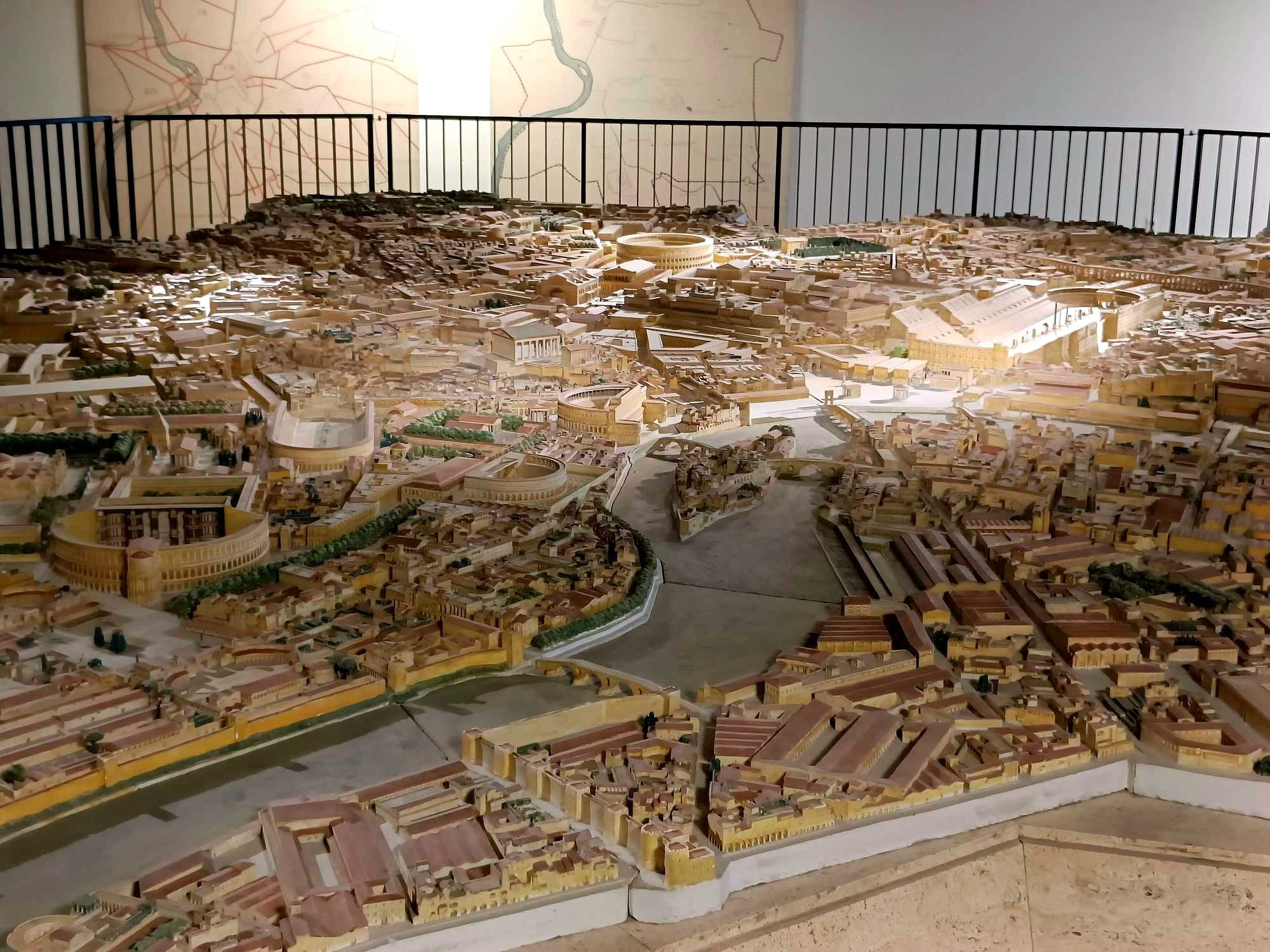
Rome itself was the nerve center of this world. Its streets held aristocrats, freedmen, slaves, bankers, shipowners, craftsmen, beggars, foreign merchants, soldiers, officials, and clients. It was a capital, a marketplace, a theater of power, and a city of ordinary survival.
The Household Was Rome’s First Structure of Power
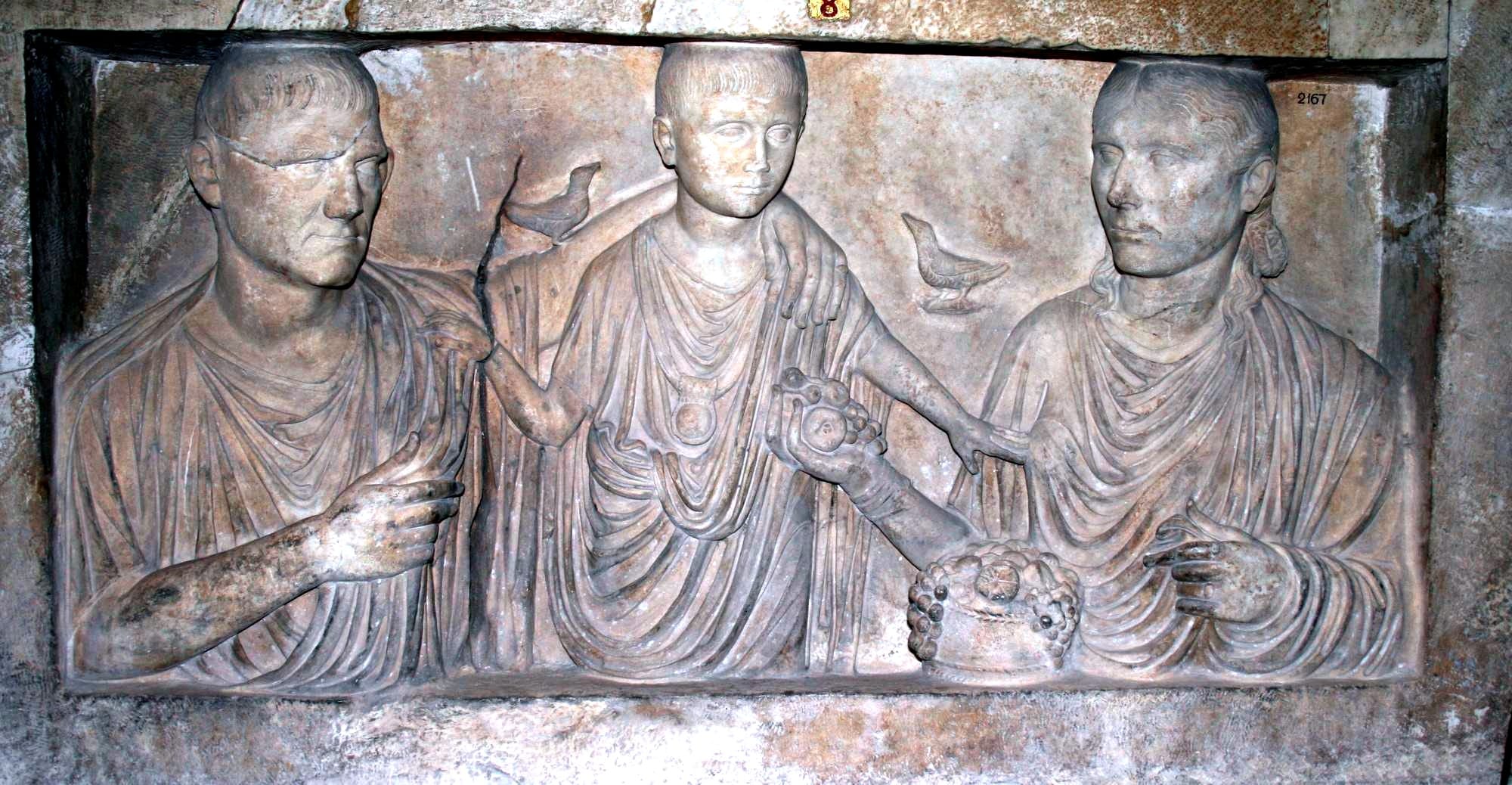
Roman society began inside the family, and the family was not merely private. It was one of the first structures of Roman order.
At its head stood the paterfamilias, the oldest male authority in the household. His power reached over children, property, marriage arrangements, and family decisions. Even adult sons and daughters could remain legally dependent while he lived.
Salaries, inheritances, and possessions might still fall under his authority if the family member remained within his power.
This authority began at birth. When a child was born, the father decided whether the infant would be accepted into the household or exposed. Exposure was practiced by both poor and wealthy families, though for different reasons.
The poor might fear another mouth to feed. The rich might fear the division of property among too many heirs. Some exposed infants died. Others were taken and raised as slaves, either for a household or for sale.
Marriage also belonged to the machinery of family interest. Girls could marry in their early teens, while boys usually married somewhat later. Families arranged marriages with property, inheritance, and continuity in mind.
A dowry was central to the arrangement, though it remained the woman’s property in an important legal sense. If the husband died or the marriage ended, it was supposed to be returned, sometimes with deductions.
A Roman wedding could be full of ceremony. A bride might wear a special white wool tunic and an orange or yellow veil. The house could be decorated with flowers and evergreen. A contract was signed before witnesses, the couple joined hands, and a feast followed.
Toward evening, the bride was led in procession to her new home. At the doorway, she might mark the posts with wool and oil before being lifted over the threshold.
The old phrase
Ubi tu Gaius, ego Gaia – “Where you are Gaius, I am Gaia”
– expressed union. Yet the union could be ended with striking simplicity. One divorce formula was Tuas res tibi habeto – “Keep what’s yours for yourself.”
The patriarchal household did not mean that Roman women disappeared from family life. Widows and wives could become central figures in property management, household survival, and moral memory.
Cornelia, mother of the Gracchi, became a model of maternal authority and education after widowhood. These examples do not erase the legal power of the paterfamilias, but they show that the Roman home was more complex than a single line of command.
The Roman family was therefore not only a place of affection. It was a legal, economic, and social institution. Before a Roman entered the forum, the army, the marketplace, or the baths, he or she had already been shaped by the household.
The Countryside Fed the City
Rome’s daily life did not begin in Rome. It began in fields, vineyards, olive groves, estates, pastures, and provincial farms.
The city depended on agricultural production. Grain fed the population. Wine, oil, vegetables, livestock, and other produce supported daily consumption. Wealthy Romans might live elegantly in the city, but their income often came from land.
Villas were not only retreats. Many were tied to estates that produced wealth through tenants, managers, slaves, and agricultural labor.
This rural world was not always pastoral or peaceful. Farms required supervision. Estates had to be managed. Slaves and laborers worked under authority. Bailiffs handled the practical business of rural production.
Landowners could enjoy country air and villa leisure because other people maintained the economic base beneath it.
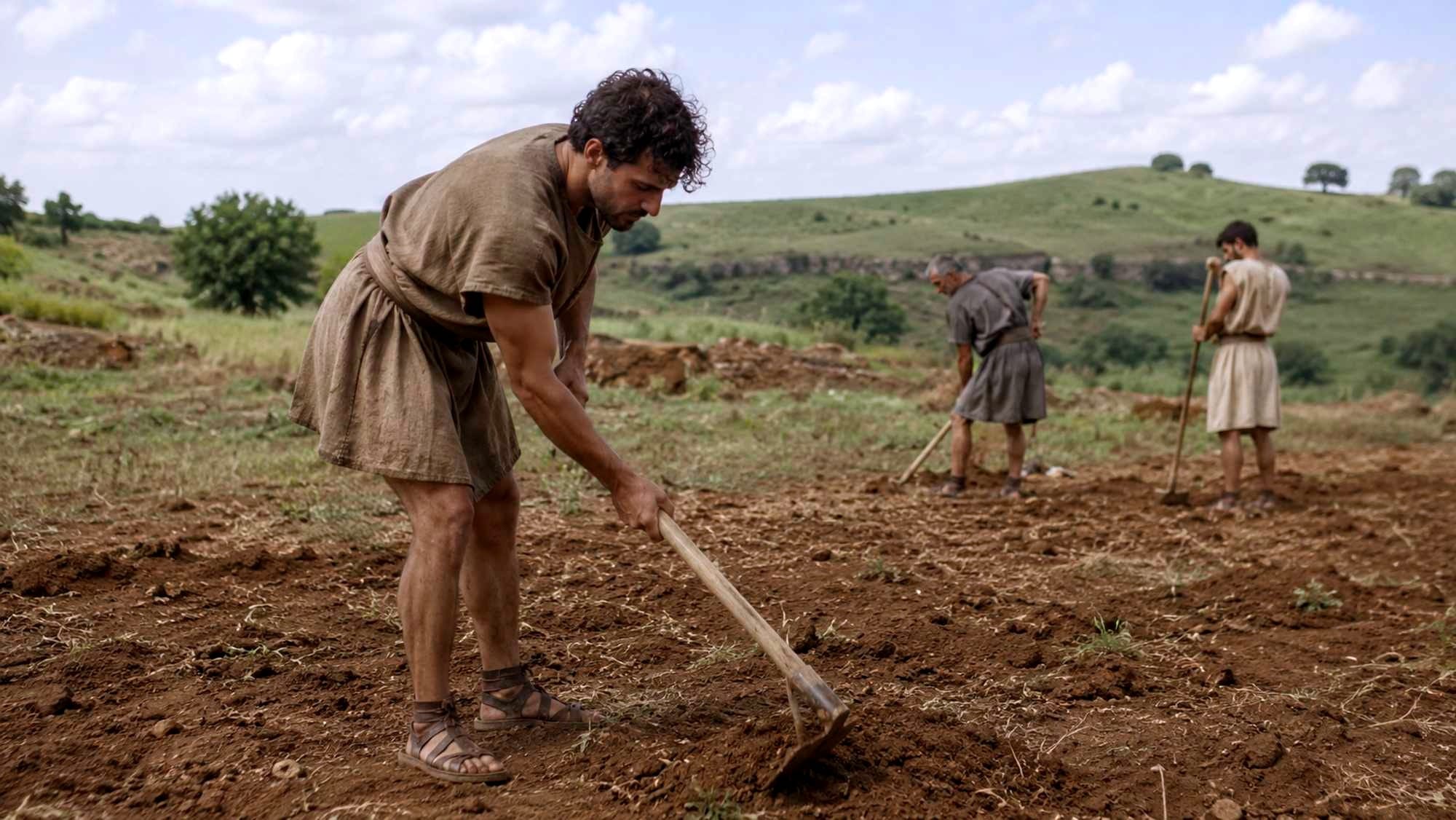
The countryside also shaped Roman ideas of virtue. The image of the farmer-citizen remained powerful, even when elite life had become far more urban and imperial.
Cincinnatus, called from his fields to rescue Rome and then returning to his farm, became a model of duty without clinging to power. The story mattered because it joined agriculture, military service, restraint, and civic virtue into one Roman ideal.
But the real countryside was also a place of hierarchy. Rural slaves, tenant farmers, estate managers, and absentee landlords all belonged to the agricultural machinery beneath urban life. The bread sold in Rome, the wine poured at dinner, and the oil used in lamps and baths were tied to labor far beyond the city walls.
Rome Was Divided Between Marble and Brick
The grandest parts of Rome advertised power. Imperial palaces rose on the Palatine. Public buildings, temples, courts, colonnades, and baths gave the city a monumental face. Augustus was later remembered for turning a city of brick into a city of marble.
But most Romans did not live inside that marble image.
Away from the monumental center and elite districts, the city was crowded, noisy, and built for density. Much of the population lived in apartment buildings, or insulae.
These blocks could rise several stories high. The lower floors were more desirable. The upper floors were less convenient, harder to reach, and more dangerous in a fire.
Fire was one of the great fears of urban life. Lamps, braziers, cooking flames, wooden fittings, and crowded buildings created constant risk. Collapse was another danger. Ancient complaints about cracked shops, failing buildings, and unsafe housing remind us that Rome’s urban splendor existed beside fragile structures and anxious tenants.
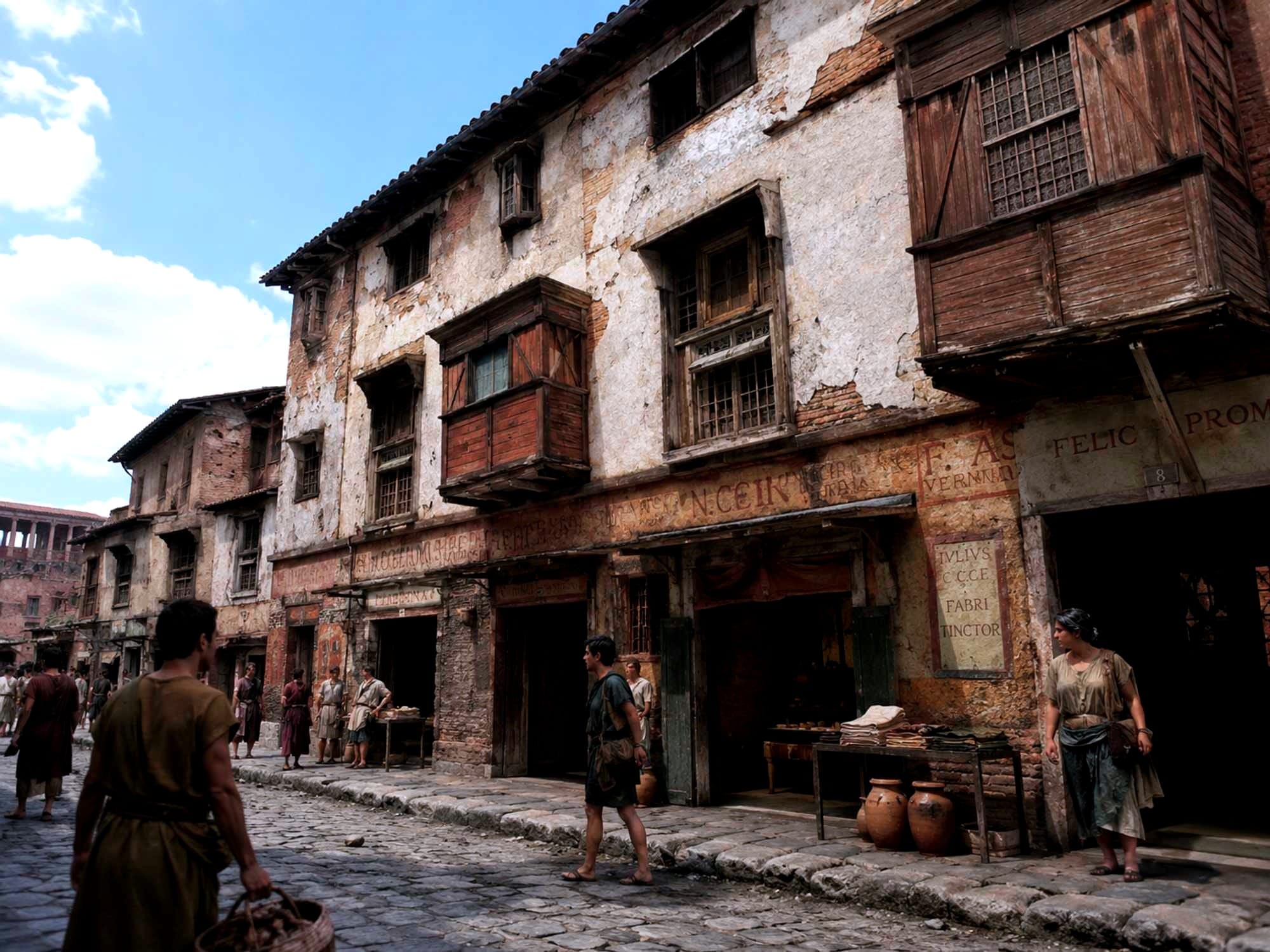
A Roman apartment was not a self-contained modern home. Many dwellings lacked private water, proper kitchens, or bathrooms. Water had to be carried. Waste had to be removed.
Food was often bought outside. Baths, fountains, latrines, shops, bakeries, taverns, and markets supplied what the home did not.
This made the street part of domestic life. The city worked because private needs spilled into public space. People bought food outside, bathed outside, met others outside, and conducted much of life within the sound of neighbors, sellers, carts, animals, workers, and crowds.
Rome was therefore a city of contrast. Marble temples and imperial halls stood in the same urban organism as cramped rooms, steep stairs, smoke, noise, and danger. The ruins preserve the stone. Daily life depended just as much on brick, water jars, stairwells, shopfronts, and public fountains.
Slaves Were the Human Engine of Daily Life
No account of Roman daily life can avoid slavery. It was not a marginal institution or only a feature of farms, mines, or punishment. It entered the household, the street, the shop, the schoolroom, the kitchen, the office, and the systems of comfort that made life easier for free people.
A moderately prosperous household might own several slaves. A great aristocratic mansion could have hundreds. Some cooked, cleaned, carried water, removed waste, tended children, served meals, dressed their owners, and managed ordinary domestic tasks. Others were trained as tutors, secretaries, accountants, craftsmen, doctors, or managers. Some were more educated than the people who owned them.
The physical labor behind comfort was constant. Beds had to be prepared. Lamps had to be cleaned and filled. Ash had to be removed from braziers. Clothing had to be maintained. Food had to be bought, cooked, served, and cleared away. In apartment buildings, where water and lavatories were limited, enslaved workers could spend much of their time carrying water up stairs and carrying refuse – including human waste – back down again.
Slavery also shaped childhood. Nurses and nannies could raise children. Boys might be escorted to school by paedagogi. Educated slaves could tutor children at home. In elite households, slaves handled correspondence, accounts, scheduling, and administration. A grand house was not only a family residence. It was an institution staffed by enslaved and freed people.
Some slaves could accumulate money known as peculium and eventually buy freedom. Freedmen might remain attached to former owners through duties, patronage, or continued residence. The Roman world allowed certain paths from slavery into freedom and sometimes even social advancement.
But the possibility of manumission did not soften the system into something benign. Many enslaved people lived lives of hardship, especially in mines, large farms, workshops, and harsh households. Roman comfort rested heavily on coerced labor.
The water that appeared in a house, the meal that arrived at a table, the child escorted to school, the letter written for a patron, the apartment cleared of waste – all could pass through enslaved hands.
Slavery was not simply present in Roman life. It was one of the forces that made Roman life function.
Elite Leisure Was Built on Work
The life of a Roman gentleman could look beautifully ordered. It could include villas, libraries, correspondence, public service, country walks, baths, dinners, literary readings, and carefully arranged leisure. But this calm depended on land, income, slaves, freedmen, tenants, and imperial office.
Pliny’s routine at his Tuscan villa captures the ideal of cultivated elite life:
“I wake when I please, generally at dawn, often earlier, rarely later.”
He kept the shutters closed so that darkness and stillness protected his concentration. He thought through his work, called his secretary, dictated, walked, rode in his carriage, dictated again, slept briefly, recited aloud in Greek or Latin, exercised, bathed, dined with his wife or guests, listened to books or music, and then walked with members of his household. Even hunting became literary:
“Occasionally I go hunting – but with pen in hand, so that I come back with something even when I’ve bagged nothing!”
This was leisure, but not idleness. It was a disciplined life of writing, reading, conversation, health, reputation, and control. It was also a life that required support.
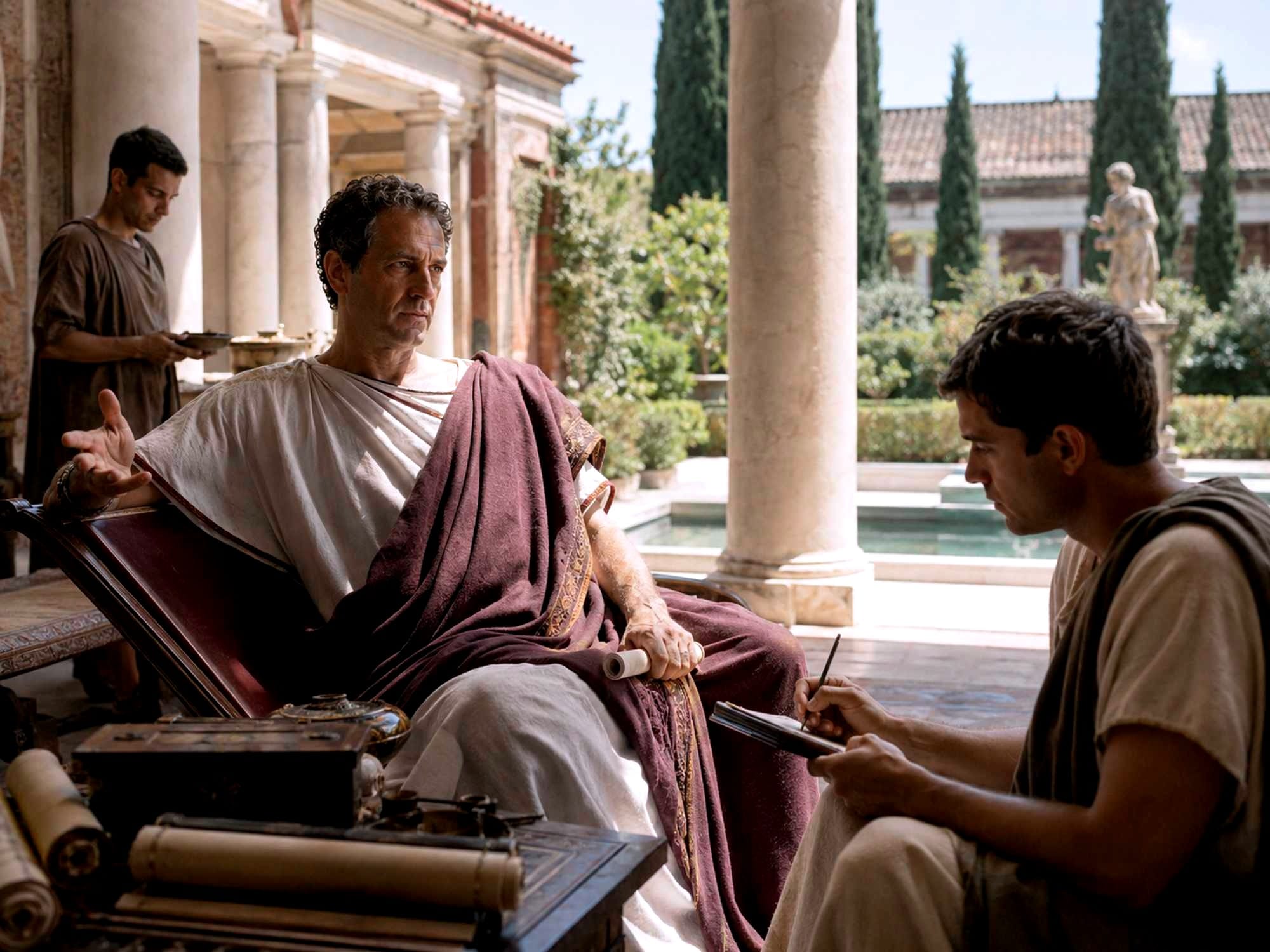
The secretary who took dictation, the household that maintained the villa, the estates that produced income, and the slaves and freedmen who performed the work were all part of the system.
Elite daily life also carried public obligations. Wealthy men funded buildings, supported communities, endowed public works, and served in administration. A gentleman could be called away from villas and literary routine to govern a province, inspect city finances, investigate failed aqueducts, review public buildings, respond to fires, and report to the emperor. Even leisure belonged to Rome’s machinery.
The refined life of the upper class was therefore not outside the system. It sat at the top of it.
Food Was a Daily Network
Food in Rome was never just food. It was agriculture, trade, class, labor, household management, and empire.
The city depended on supplies from far beyond its walls. Grain, wine, oil, metals, marble, spices, and other goods moved through the imperial network. Egypt, Gaul, Spain, North Africa, and other regions helped feed and supply Rome. Roads and ships carried goods to markets, warehouses, shops, and households.
For ordinary Romans, the first two meals of the day were often light. Breakfast might be a small piece of bread, cheese, or both. Lunch was commonly simple and cold. Dinner was the main meal, especially for families with the means to make it a social occasion.
Class shaped the table. The poor depended on bread, oil, wine, vegetables, legumes, cheese, and cheap foods. Wealthy households could turn dining into display, with cooks, servants, imported ingredients, elaborate courses, and guests reclining in a triclinium.
A ceremonial elite menu could include sea urchins, oysters, mussels, thrush on asparagus, fatted hen, wild boar, hare, sow’s udder, duck, game, and Picentine bread. Such excess was not everyday eating. It was food as status, wealth, and performance.
For many city dwellers, however, eating outside the home was practical. Cramped apartments, limited cooking equipment, and the danger of fire made public food outlets important. Taverns and restaurants flourished in Italy, even if upper-class opinion often looked down on them.
Some sold quick meals to eat on site or carry away. Others were arranged so customers could obtain food without leaving their wagons or entering the building at all – an ancient function that feels surprisingly close to “drive-through” service.
A Roman meal, then, was not only a plate. It was a network. Someone had to grow the grain, transport it, sell it, grind it, bake it, buy it, serve it, and clean up afterward. For the wealthy, food could display the empire. For ordinary people, it was a daily problem solved through markets, shops, taverns, and labor.
Education Was Discipline, Noise, and Ambition
Roman education did not begin as a state system. In early Rome, the family carried much of the burden. As Greek influence deepened, wealthy families increasingly used tutors, many of them Greek or Greek-speaking. Later, fee-paying schools became part of urban life.
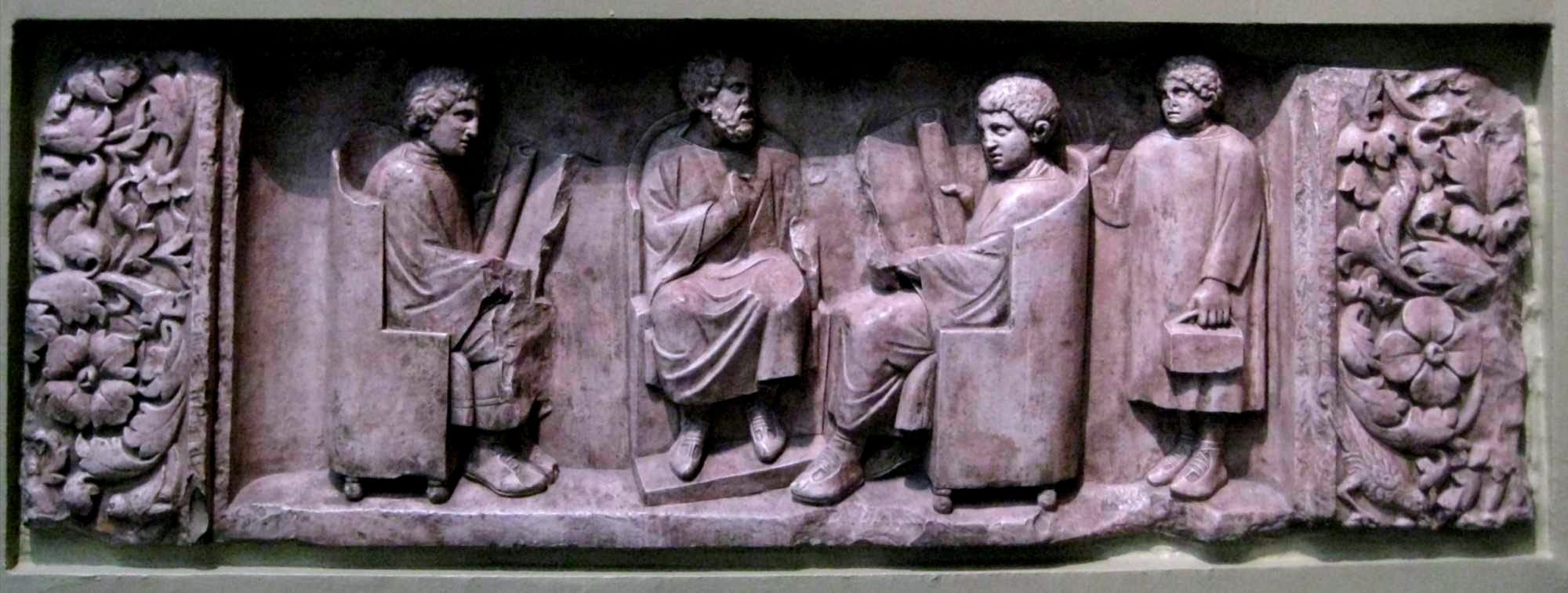
Children who went to school usually began around the age of six or seven. They learned reading, writing, and arithmetic. Lessons did not require a formal school building. A teacher might hold class in his own home, under a public portico, or even near the street. Pupils could learn within earshot of ordinary city noise.
The tools were simple. Children wrote on wax tablets with a stilus. One end was sharpened for cutting letters into the wax. The other was flattened so the wax could be smoothed and used again.
Arithmetic could be taught with counting boards and pebbles. The material was basic, but the discipline could be severe. Ancient memories of school often preserve the teacher’s temper and the rod as clearly as the lessons.
Not every Roman voice praised harshness. Quintilian preferred encouragement, praise, games, and competition, especially for young children. Learning should not become hateful before it had properly begun. He accepted that very young children might absorb only a little, but even that was better than leaving the mind idle.
Education had a social purpose. It trained memory, language, obedience, and ambition. At higher levels, boys studied grammar, literature, Greek and Latin authors, and rhetoric. A Roman of status had to speak, argue, persuade, quote, and perform in public.
Roman school was therefore not a quiet classroom removed from life. It was part of the city’s noise – early hours, wax tablets, repetition, fear, ambition, and the long process of turning children into Romans.
The Street Kept the City Moving
The Roman street was not simply a path between home and destination. It was a workplace, marketplace, political stage, news channel, and social arena.
Shops opened directly onto the street. Artisans worked where people could see them. Food sellers, porters, traders, clients, slaves, animals, carts, and officials moved through the same public world. Much of Rome’s economy was visible and audible. The city worked aloud.
Status moved through the streets too. The morning visit to a patron, the salutatio, turned social hierarchy into daily action. Clients arrived to greet powerful men, ask favors, offer support, or receive small gifts.
Patronage was not an abstract relationship. It had footsteps, waiting rooms, greetings, obligations, and public display.
Politics also belonged to this social world. Office, ancestry, wealth, family reputation, and recognition all mattered. A novus homo, a “new man” from a family without a tradition of high office, could rise, but the achievement was difficult enough to be remembered. Roman ambition was therefore not only a matter of elections. It was a daily contest of visibility, connections, dignity, favors, and memory.
Beyond the city, roads extended this machinery across the empire. Roads allowed officials, soldiers, merchants, messengers, and travelers to move with greater reliability. But travel was not easy. Roads could mean heat, dust, insects, robbers, poor inns, delays, and fatigue. Roman engineering made the empire work. It did not make movement effortless.
Soldiers Guarded the System
The empire’s peace depended on soldiers. Augustus transformed Rome’s armed forces into a standing army and navy, with the emperor as commander in chief. The army guarded frontiers, secured conquered regions, and stood behind imperial order.
The navy helped keep sea lanes safer from pirates, allowing grain, merchants, officials, and communications to move more securely.
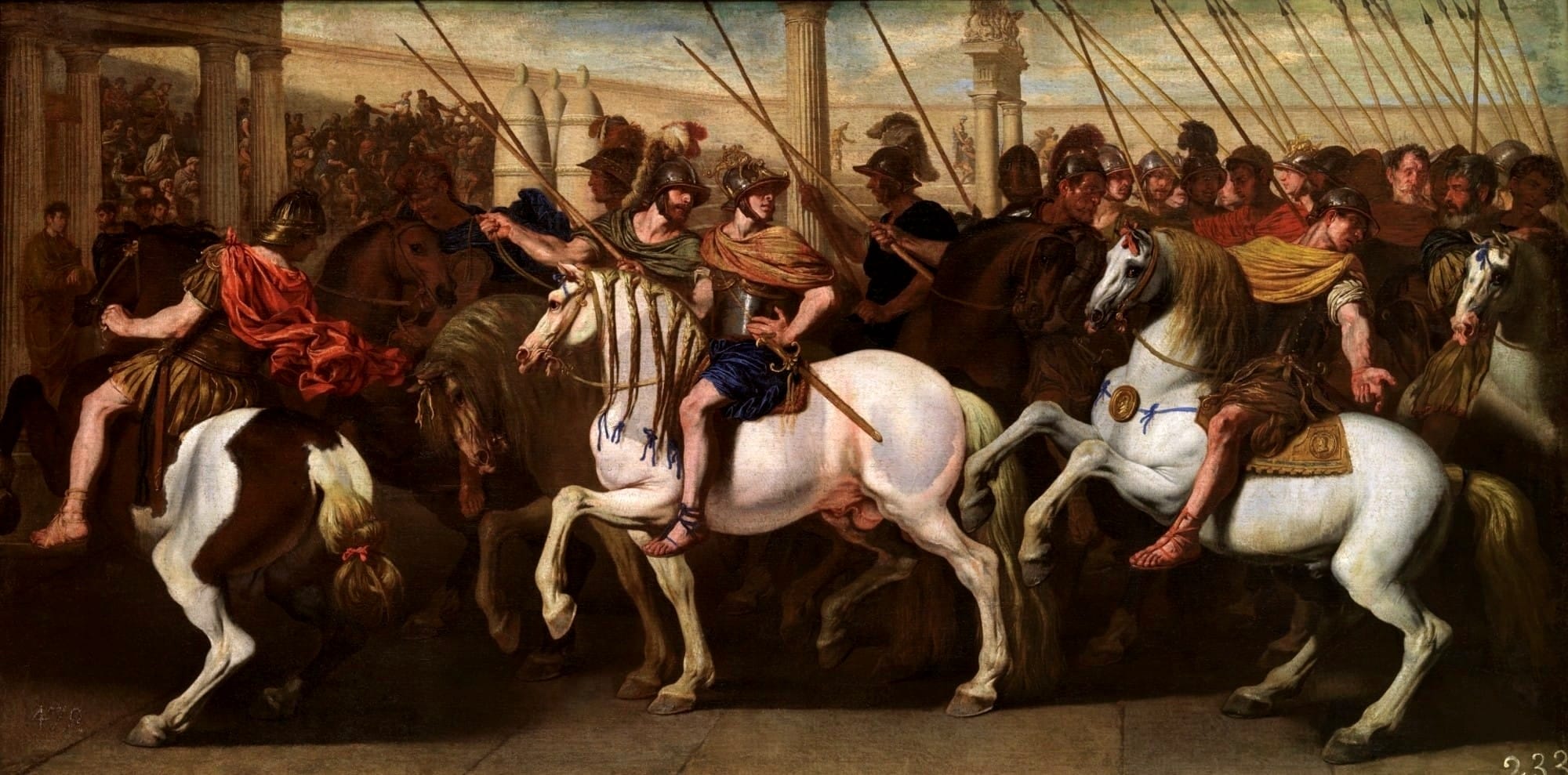
The soldier’s life was not simply heroic battle. It was routine, discipline, training, marching, guard duty, construction, patrol, camp life, and long service. Soldiers built roads, forts, walls, and frontier systems. They carried Rome’s authority into the provinces and lived far from the city whose power they defended.
Military life also offered social movement. Men from the provinces could serve, earn pay, receive citizenship or privileges, and become part of the Roman system. The army was both an instrument of control and a path into Roman identity. It was one of the ways the empire made provincials into Romans.
Yet the army was also dangerous to the state that depended on it. The emperor controlled the soldiers, but in later periods soldiers could make and unmake emperors. In the first and second centuries, discipline and careful imperial management kept that danger mostly contained. The daily order admired by Roman elites rested on men stationed at the edges of the world.
Engineering Turned Order into Stone and Water
Roman society worked because engineers made it work physically. Roads carried armies and messages. Aqueducts brought water. Bridges crossed rivers. Harbors received ships. Baths required heating, water management, drainage, and massive construction. Domes and concrete allowed new forms of architecture. Engineering turned Roman order into stone, brick, water, and usable space.
The Pantheon showed the ambition of this world. Earlier round temples had been small and traditionally roofed. Roman builders had already used domed chambers in bath complexes, with circular openings, or oculi, to admit light.
The Pantheon transformed that idea into a freestanding monument. Its great dome became an ancestor of later Christian and Islamic domes.
Hadrian’s architectural imagination was bold enough to offend older professionals. One story tells that Trajan’s chief architect, irritated by the young Hadrian’s advice, snapped:
“Go draw your pumpkins!”
The insult became revealing because Hadrian later created experimental architecture full of curves, domes, and unexpected forms. At his villa, buildings played with shape and space. In Rome, the Pantheon made the avant-garde monumental.
Engineering also belonged to administration. Failed aqueducts, collapsing theaters, badly planned baths, fire damage, canals, roads, and public buildings all required oversight. Provincial cities could waste money on poor construction, and imperial officials might have to request engineers, inspect works, or seek the emperor’s approval.
Roman engineering was therefore not only about famous monuments. It was the infrastructure of daily life: water for fountains and baths, roads for movement, bridges for traffic, drains for cities, harbors for grain, and buildings for public identity. Without engineers, Rome’s social machinery would have had no physical body.
Religion and Festivals Gave Rhythm to Life
Religion in Rome was not confined to private belief. It belonged to the state, the household, the calendar, the army, the city, and the individual.
Temples stood in public spaces. Sacrifices marked civic rituals. Household gods belonged to domestic life. Festivals interrupted ordinary routines. New cults entered from the East, while traditional gods remained part of public identity. Roman religion could be formal and civic, but also intimate, anxious, practical, and local.
The sacred and the spectacular often overlapped. Public games could belong to religious festivals. Processions, sacrifices, music, images of gods, elite youth, athletes, and crowds all formed part of civic display.
The Ludi Romani, held in September, began with a large procession from the Capitoline through the Forum to the Circus Maximus. It included young men from distinguished families, charioteers, athletes, armed dancers, musicians, incense bearers, men carrying precious vessels, and images of the gods. After sacrifice came races and contests.
This was not entertainment separated from religion. It was public life arranged as ceremony, hierarchy, movement, sound, and spectacle.
Roman religion could also turn reputation into drama. When the cult of Cybele was brought to Rome in 204 BCE, one story told that the ship carrying the goddess’s sacred objects became stuck in the Tiber.
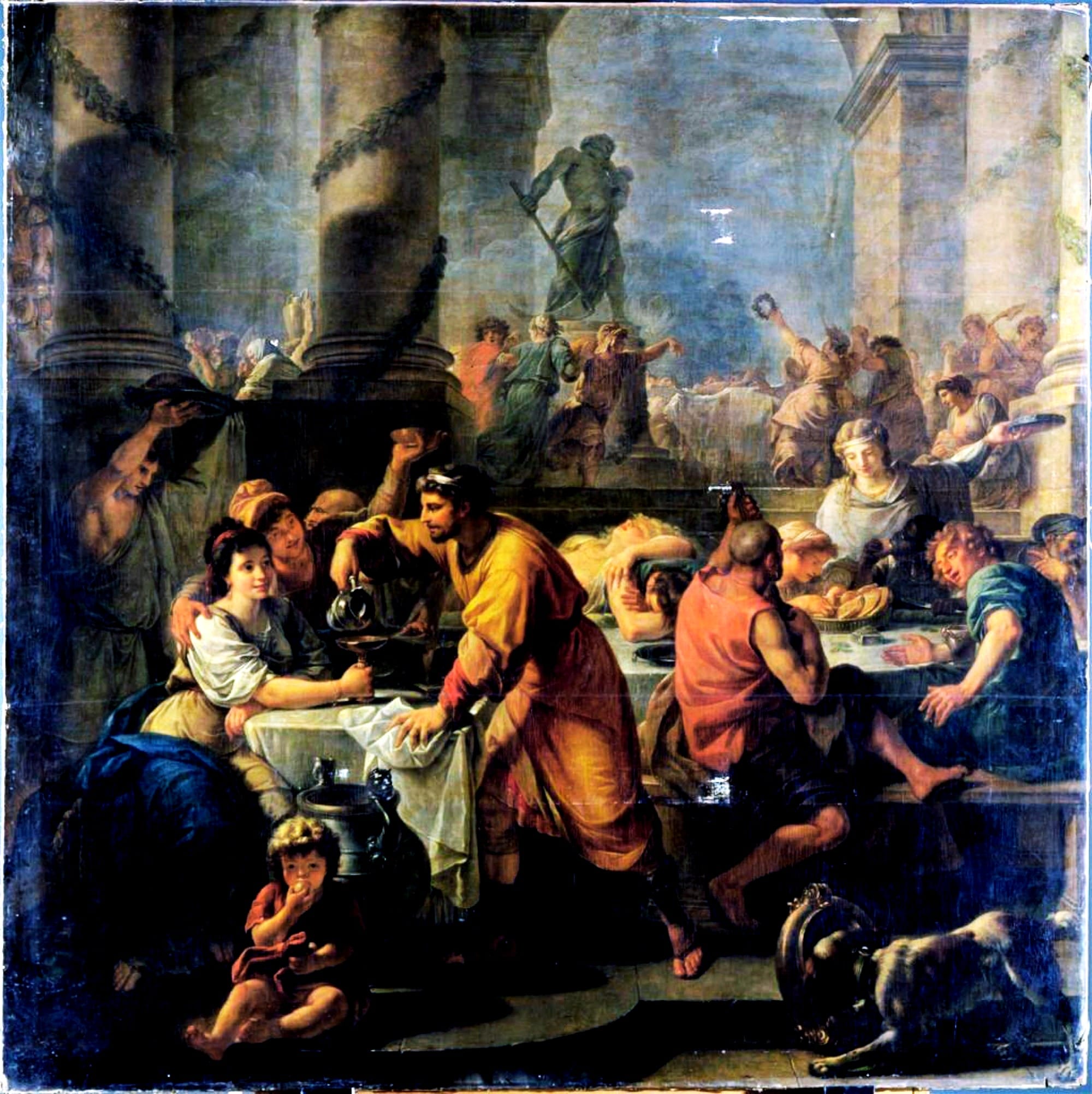
Claudia, whose chastity had been questioned, prayed that she would free the vessel only if she were innocent, then pulled it loose. Whether read as miracle, legend, or moral example, the story shows how religion could become a public test of virtue, identity, and divine favor.
For ordinary people, the divine world helped manage uncertainty. Birth, travel, illness, marriage, business, farming, war, and death all carried risk. Gods, omens, vows, prayers, festivals, and rituals gave Romans ways to seek order in a fragile world.
Baths, Games, and the Need for Escape
Leisure was not a minor feature of Roman life. It was part of the city’s structure.
The baths offered more than washing. They provided exercise, conversation, relaxation, news, sociability, and relief from cramped homes. For many people, public baths supplied facilities that private housing did not. They were hygienic, social, recreational, and civic all at once.
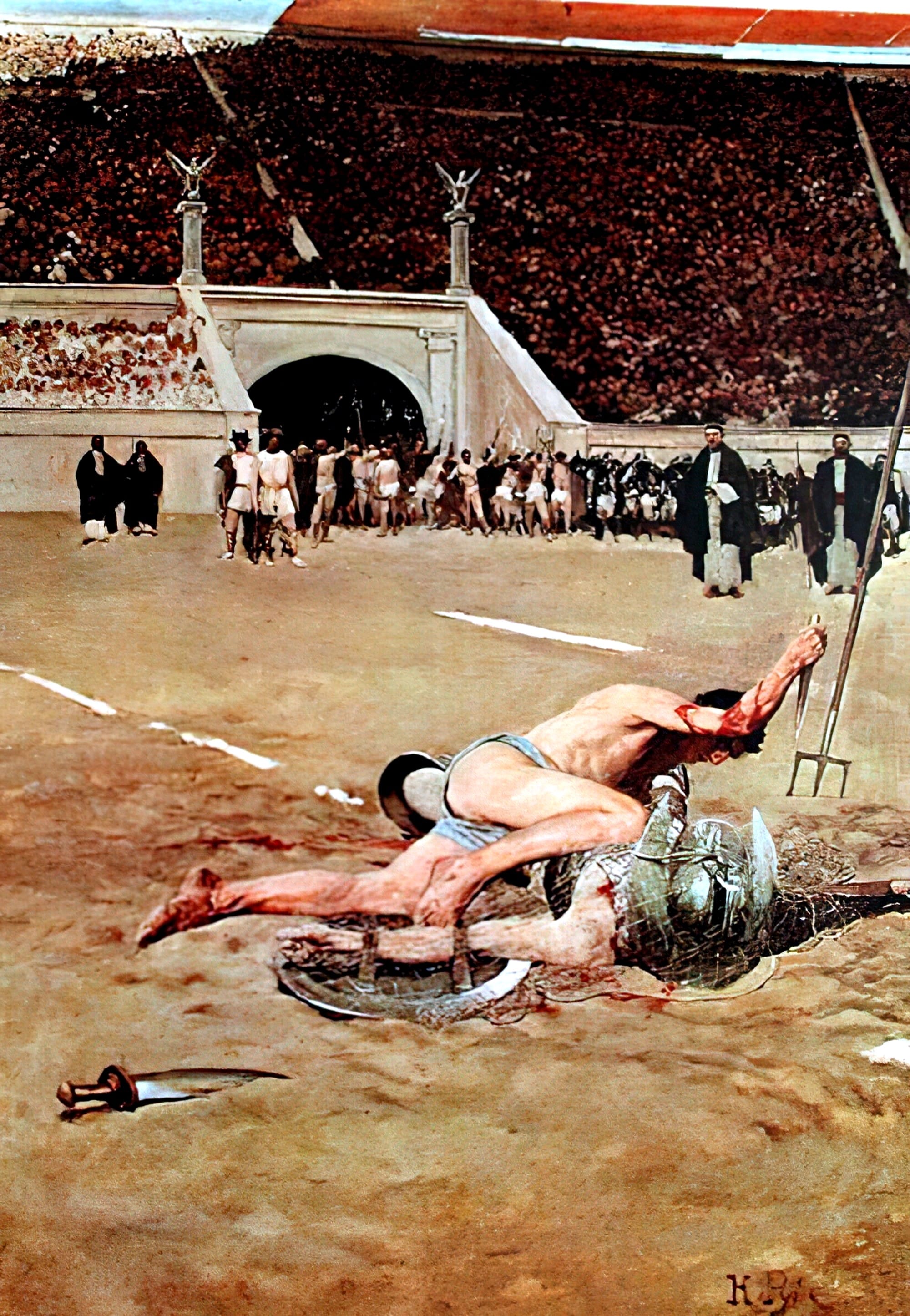
The games worked on a larger scale. Chariot races, theater, gladiatorial combats, animal hunts, athletic contests, and festivals gathered the crowd and displayed the generosity of magistrates or emperors. Entertainment created emotion, loyalty, rivalry, and fame.
Roman spectators remembered names. Chariot horses could become celebrities of the track. Some were credited with striking victory totals: Olympus with 152 wins, Faustus with 128, Indus with 116, and Leo with 58. The vast majority won far fewer, which made the champions stand out even more. Roman racing had favorites, statistics, reputations, and remembered performers.
Gladiators too could become famous. At Pompeii, Celadus carried the nickname Suspirium Puellarum – “Heartthrob of the Girls.” The phrase is too vivid to ignore. It shows that Roman spectacle was not experienced only as violence. It also created admiration, gossip, desire, and fan culture.
This does not make Roman entertainments gentle. Gladiatorial combat and animal hunts could be brutal. But the crowd did not experience them in one dimension only. Games were spectacle, danger, status, skill, celebrity, politics, and escape. They gave people a shared public language of excitement.
For a population living with heat, noise, hierarchy, debt, labor, crowded housing, and social obligation, leisure mattered. The bath, the circus, the theater, and the amphitheater were part of how Rome released pressure.
The Emperor Was the System Made Visible
The emperor stood above the daily machinery, but he was also part of it. His face appeared on coins. His name appeared on monuments. His decisions shaped provinces, armies, careers, taxes, public buildings, and religious honors. He was the state made visible.
Augustus created an autocracy that still wore republican clothing. Consuls, magistrates, and the Senate continued, but the emperor held the army, foreign policy, domestic direction, provincial administration, and political favor. His informal title, Princeps, meant “First Citizen,” but the reality was monarchy without the old royal name.
The best emperors worked through administration. They appointed governors, answered petitions, supervised finances, maintained frontier defenses, and supported building projects. A ruler could not personally manage every road, aqueduct, fire, lawsuit, temple, town council, or military post. But the emperor’s office stood behind the machinery that did.
Hadrian made this visible through travel. He moved across the empire, inspected frontiers, encouraged building, visited provinces, and treated the Roman world as something that had to be seen and managed.
He was not only a palace ruler. He was emperor as traveler, architect, administrator, intellectual, and performer of power.
Yet the emperor was also mortal. Near death, Hadrian suffered intensely and tried to arrange the succession while still carrying on the business of state. At the end, he composed the small poem that begins:
Animula vagula, blandula
“Sweet soulkin, flitting, fair,
my body’s guest and friend…”
The poem turns the master of the Roman world into a dying man speaking to his own soul. It is a reminder that even the highest part of the system ended in the same human uncertainty as everyone else.
Old Age, Retirement, and the Hope of Peace
Daily life did not end when public ambition faded. For those who had the means, old age and retirement could become a carefully shaped life of walking, reading, bathing, exercise, writing, conversation, and controlled leisure.
One admired retired Roman rose early, walked several miles, rode in a carriage, walked again, wrote in Greek and Latin, swam, played handball, bathed, ate modestly, and received guests. He remained vigorous into his late seventies. This was not idleness. It was otium as cultivated peace – a life after duty, but not without discipline.
Retirement could also be interrupted. Like in the case of Cincinnatus ,
Professional performers and fighters had their own forms of retirement. The charioteer Appuleius Diocles retired at forty-two after a twenty-four-year career and 1,462 victories, with enormous winnings behind him.
Gladiators who completed their service could receive a rudis, the wooden sword that symbolized release. Some became trainers. Others were tempted back for money. Horace tells of Veianius, who hung up his equipment in a shrine of Hercules so it could not be retrieved when others urged him to return.
The most haunting retirement story belongs to Gaius Sulpicius Similis, who left imperial service under Hadrian and spent seven years in the countryside. His tomb reportedly declared:
“Similis lies here. He existed for so many years, but lived for seven.”
For Romans who could choose it, retirement was not simply the end of work. It raised a final question: what counted as truly living?
The Machinery Beneath the Monuments
Roman daily life feels familiar because its concerns are recognizable. People worried about housing, food, money, children, education, reputation, work, travel, leisure, aging, and death. They sought comfort, status, security, pleasure, recognition, and peace.
But the world that shaped those concerns was profoundly different. Paternal authority, slavery, exposure of infants, crowded apartment life, public religion, patronage, military discipline, imperial rule, and sharp inequality structured ordinary existence. Some Romans benefited from the system. Others carried it, cleaned it, cooked for it, taught within it, entertained it, built it, defended it, or were trapped beneath it.
The monuments survived because stone endures. But Rome was also made of repeated acts: carrying water, buying bread, escorting children, greeting patrons, opening shops, preparing meals, writing on wax tablets, inspecting aqueducts, cheering horses, bathing in public, praying at shrines, guarding frontiers, answering imperial letters, and climbing apartment stairs.
Behind the marble was machinery. Behind the machinery were people. And for most Romans, that was where the empire was truly lived.
Sources used: This article draws on Lionel Casson’s Everyday Life in Ancient Rome for the broader social portrait of Roman households, cities, countryside, slavery, elite life, soldiers, roads, religion, engineering, emperors, and leisure. It also uses David Matz’s Daily Life of the Ancient Romans for additional ancient-source examples and details on schooling, food outlets, politics, festivals, public entertainment, and retirement.


About the Roman Empire Times
See all the latest news for the Roman Empire, ancient Roman historical facts, anecdotes from Roman Times and stories from the Empire at romanempiretimes.com. Contact our newsroom to report an update or send your story, photos and videos. Follow RET on Google News, Flipboard and subscribe here to our daily email.
Follow the Roman Empire Times on social media: