Roman Empire News
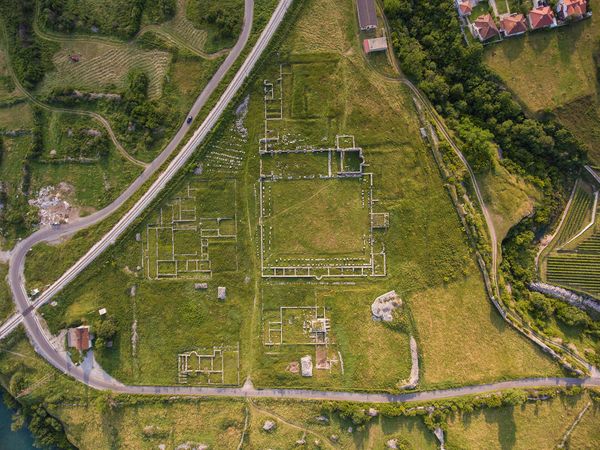
Montenegro’s Roman City Had a Forum Long Before Diocletian
A study of Doclea’s forum and basilica in Montenegro places their main construction in the first century CE, before later work in Diocletian’s era.

Roman Empire News
A study of Doclea’s forum and basilica in Montenegro places their main construction in the first century CE, before later work in Diocletian’s era.
Roman Empire Anecdotes
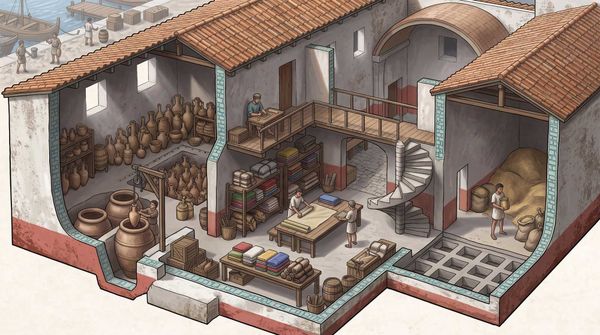
Rome depended on warehouses at Ostia, Portus and along the Tiber to turn seasonal grain arrivals into a steady food supply for the capital.
Roman Empire News
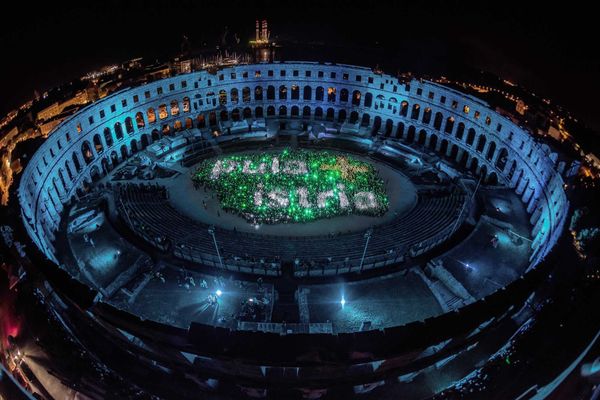
Over three September evenings, Visualia brought projections and installations to Pula’s historic centre. The programme reached the Roman Forum and Small Roman Theatre.
Roman Empire Anecdotes
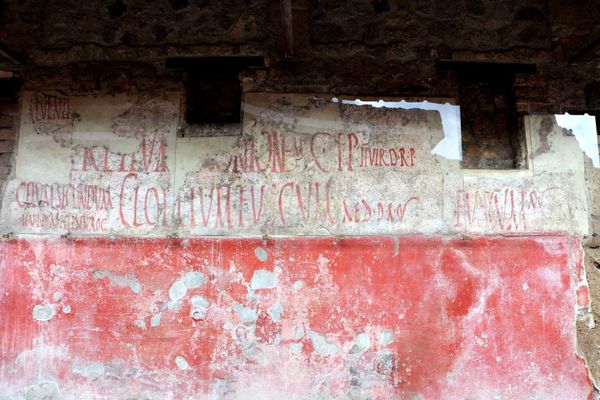
Painted across houses, baths and tombs, edicta munerum advertised gladiator games with dates, sponsors, fighters and extra attractions.
Roman Empire Historical Facts
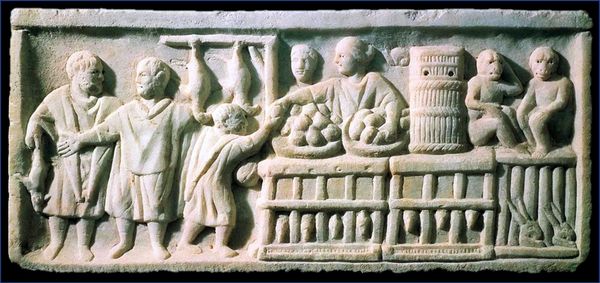
Roman women lent money, ran shops and workshops, owned productive property, took part in long-distance trade and managed agricultural estates. The surviving evidence reveals a much wider female presence in the Roman economy than the traditional image suggests.
Roman Empire Anecdotes
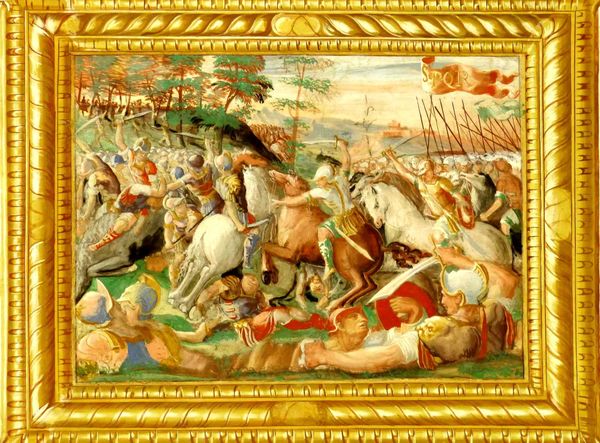
In 217 BC, Hannibal trapped and destroyed a Roman consular army between the hills and Lake Trasimene. Ancient accounts describe the ambush, the death of Gaius Flaminius and Rome’s response to the defeat.
Roman Empire Anecdotes
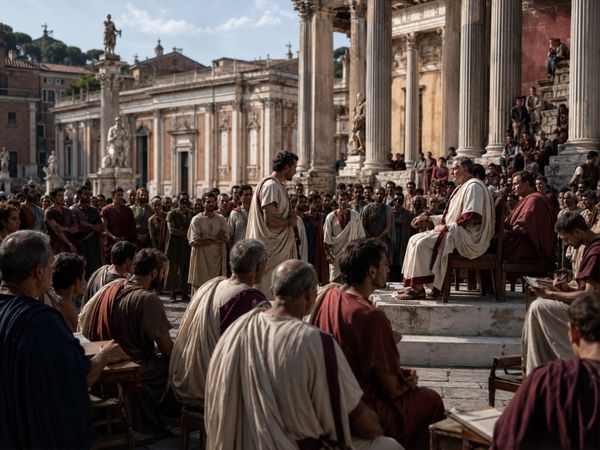
Roman trials were not quiet legal proceedings. In the late Republic, Cicero’s speeches show how law, reputation, humor, pity, and public performance shaped the courtroom.
Roman Empire Anecdotes
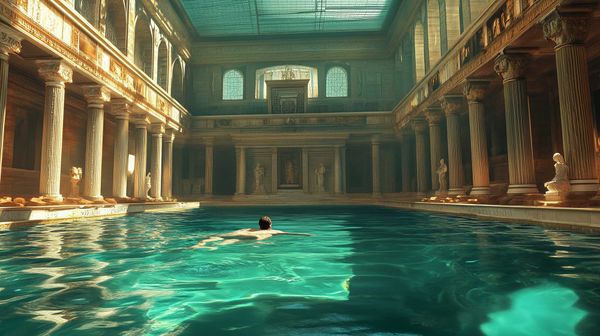
The idea that exercise and physical activity are beneficial is not a recent discovery; it has been recognized and practiced for thousands of years.
Roman Empire Historical Facts
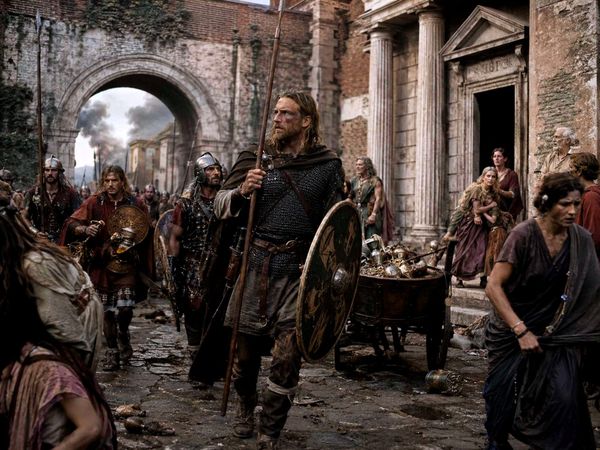
The result of years of failed negotiations between Alaric, his Goths, and the western imperial court, and not a sudden event, led to the sack of Rome in 410.
Roman Empire Historical Facts
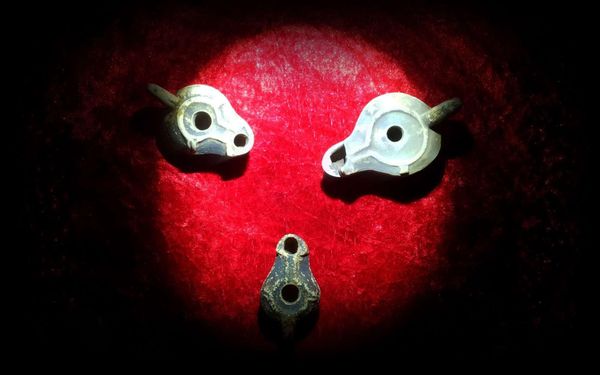
Ancient Rome after dark was noisy, dangerous, and unequal. Martial heard bakers and crowds from his bed, while watchmen, taverns, lamps, and night workers kept another city alive.
Roman Empire Historical Facts
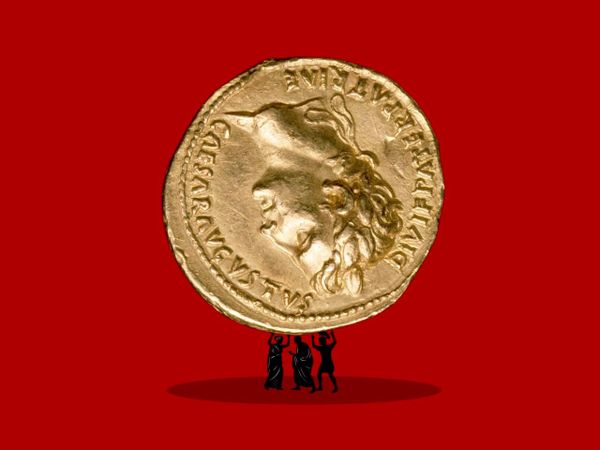
Behind Rome’s marble monuments was a working society of families, slaves, soldiers, engineers, roads, food, baths, festivals, and daily systems.
Roman Empire News
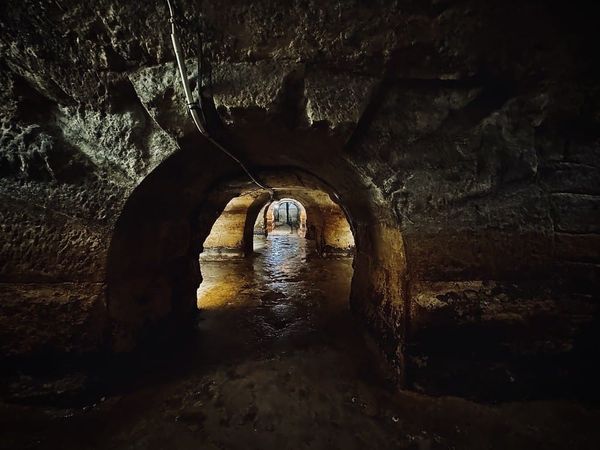
The Galerias Romanas, or Roman Galleries in Lisbon are occasionally pumped out and opened to the public for limited viewings, typically twice a year.
Roman Empire Historical Facts
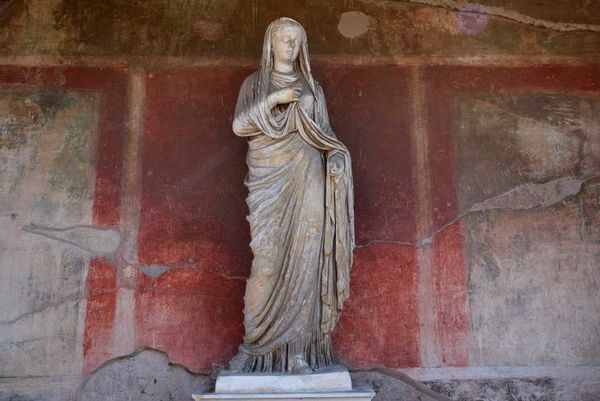
In Pompeii, Eumachia did something few women in the Roman world could do so visibly: she turned wealth, priesthood, and family ambition into stone. Her building on the Forum and the honors paid to her by the fullers reveal a woman who stood at the center of civic life, not at its edges.
Roman Empire Historical Facts
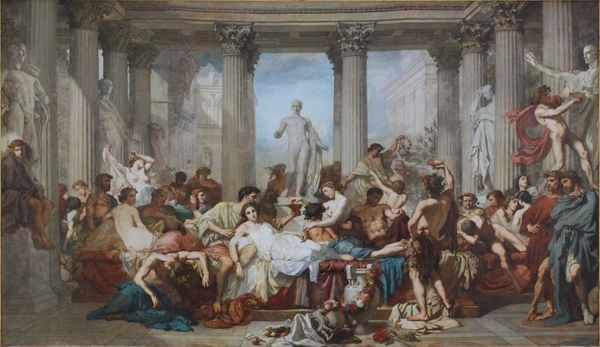
Life in ancient Rome depended on knowing how the city worked in practice. Class, family, clothing, housing, food, and patronage shaped survival in a society where hierarchy governed every aspect of daily life.
Roman Empire Anecdotes
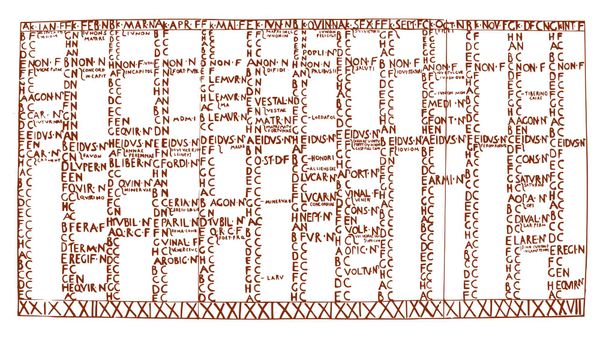
Some societies spoke their news aloud. Others fixed it in place, allowing it to be encountered, consulted, and remembered. In Rome, public information followed a path shaped by visibility, authority, and daily life.
Roman Empire Historical Facts
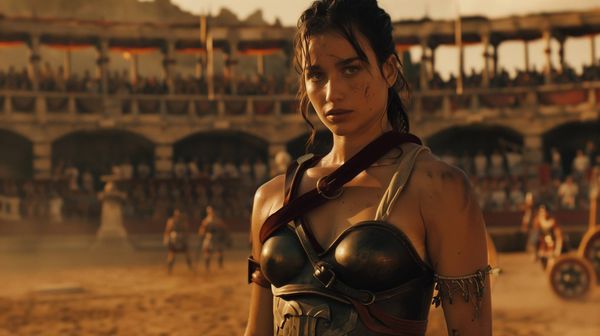
Female gladiators, known as "gladiatrices," were a relatively rare phenomenon in ancient Rome compared to their male counterparts, but they did exist and played a significant role in the spectacle of gladiatorial combat.