Roman Empire News
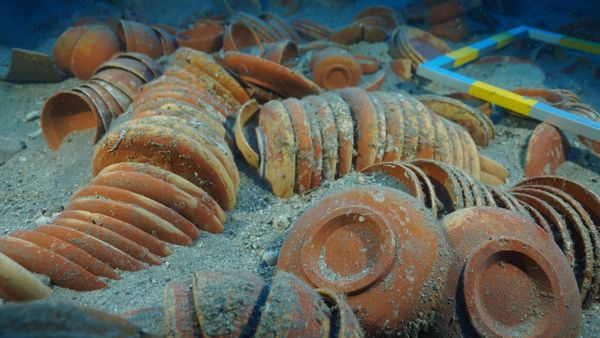
Watch: Roman-Era Shipwreck off Turkey Yields Thousands of Luxury Dishes
A cargo of plates, bowls and trays off Adrasan preserves evidence of ancient packing methods and a ceramic trade associated with a name in Cicero’s letters.

Roman Empire News
A cargo of plates, bowls and trays off Adrasan preserves evidence of ancient packing methods and a ceramic trade associated with a name in Cicero’s letters.
Roman Empire Anecdotes
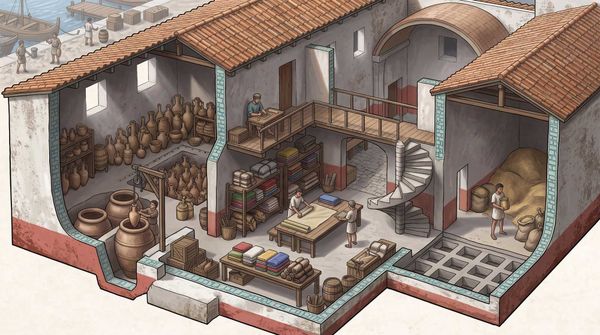
Rome depended on warehouses at Ostia, Portus and along the Tiber to turn seasonal grain arrivals into a steady food supply for the capital.
Roman Empire Anecdotes
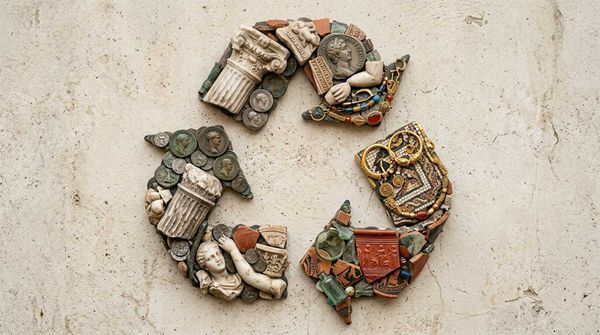
Romans gave old materials surprisingly long lives. Glass, metal, pottery, textiles, papyrus and even buildings could be repaired, reused, sold or remade.
Roman Empire Historical Facts
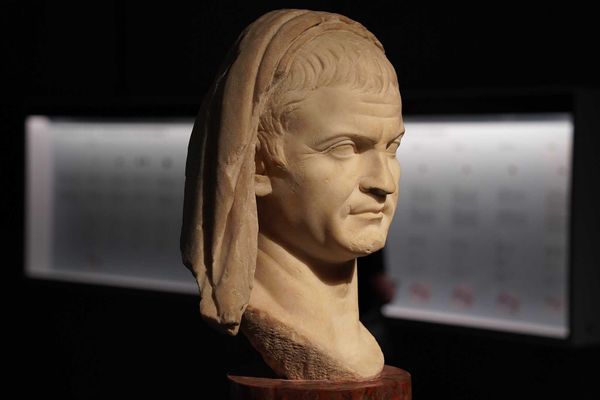
Power does not always announce itself. Sometimes it works quietly, close to the center of events, shaping outcomes while leaving few traces behind
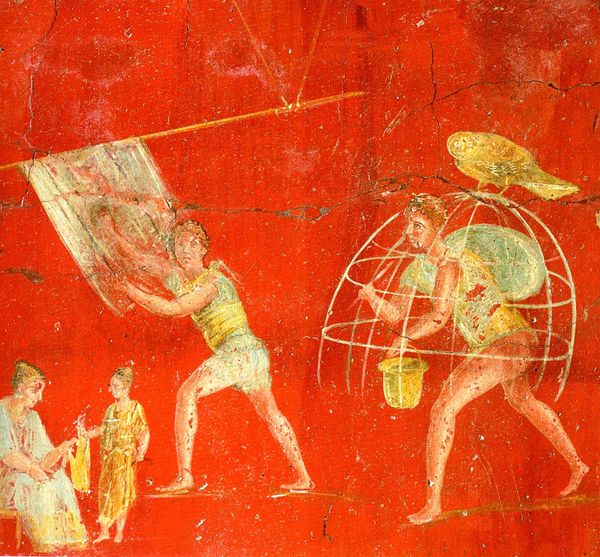
Roman Empire Historical Facts
Roman fashion relied on spinners, weavers, dyers, fullers, tailors and traders, while clothing could signal status, citizenship, wealth and identity.
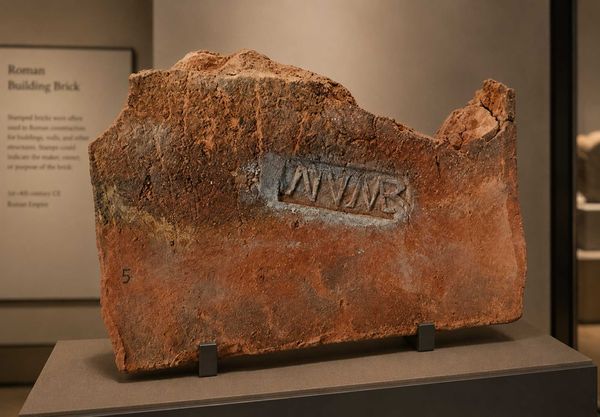
Roman Empire Historical Facts
Behind Rome’s famous brick walls stood a vast industry of clay extraction, moulding, drying, firing, stamping and transport. Here is how the bricks that built ancient Rome were actually made and moved.
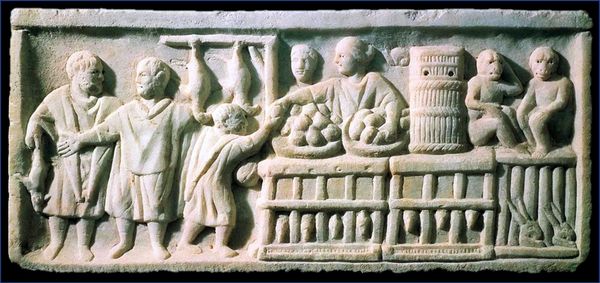
Roman Empire Historical Facts
Roman women lent money, ran shops and workshops, owned productive property, took part in long-distance trade and managed agricultural estates. The surviving evidence reveals a much wider female presence in the Roman economy than the traditional image suggests.
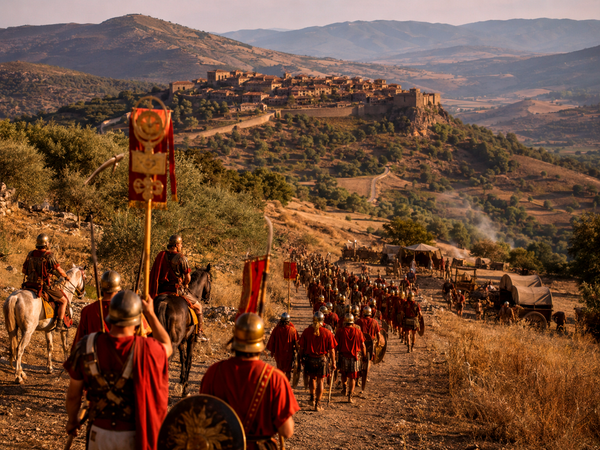
Roman Empire Historical Facts
Rome’s Italian allies had fought in its armies for generations. In 91 BCE, disputes over citizenship, equality and Roman power led them to revolt.
Roman Empire Anecdotes
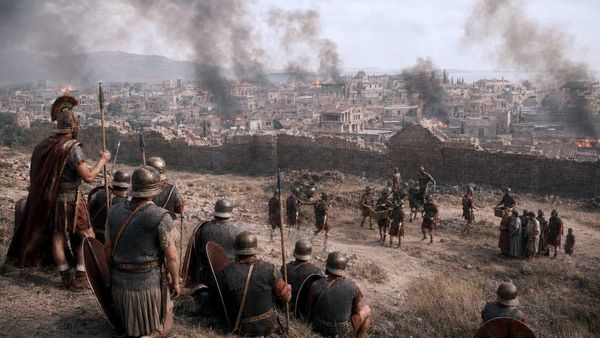
Capua, Carthage and Corinth defied Rome but did not receive the same punishment. Their different fates reveal how the Republic treated defeated cities.
Roman Empire Anecdotes
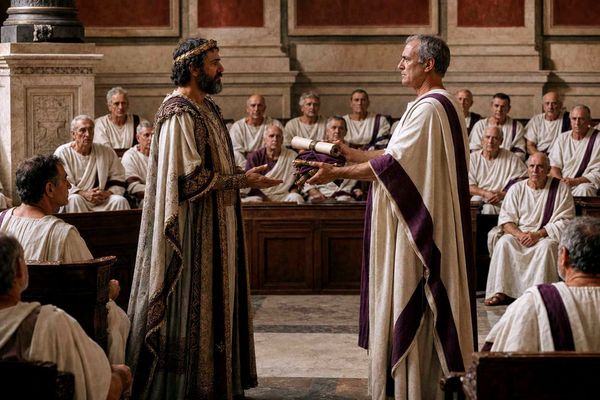
Rome often governed through allied kings rather than annexing their territories. The reigns of Massinissa, Deiotarus, and Herod show how this system operated.
Roman Empire Historical Facts
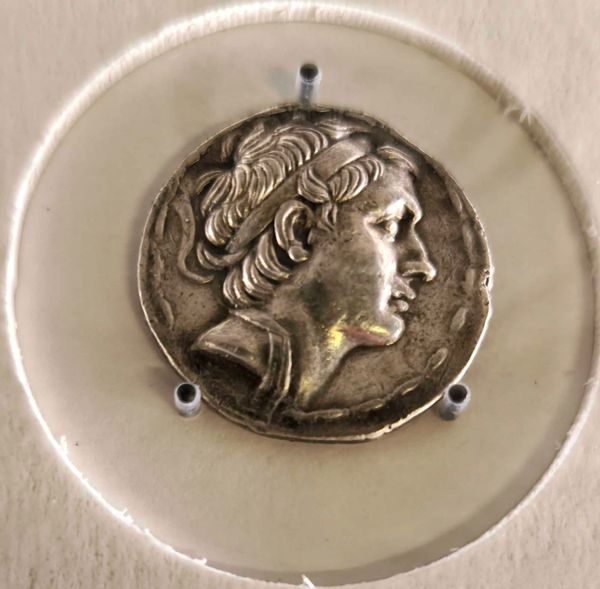
Antiochus III entered Greece as a would-be liberator and rival to Rome, but his campaign exposed the limits of Seleucid power against Rome’s armies, navy, and diplomacy.

Roman Empire Anecdotes
Ulpian rose from Tyre to the heart of Roman power, giving Roman law a language of justice, freedom, and dignity before dying in the violence of imperial politics.
Roman Empire Historical Facts
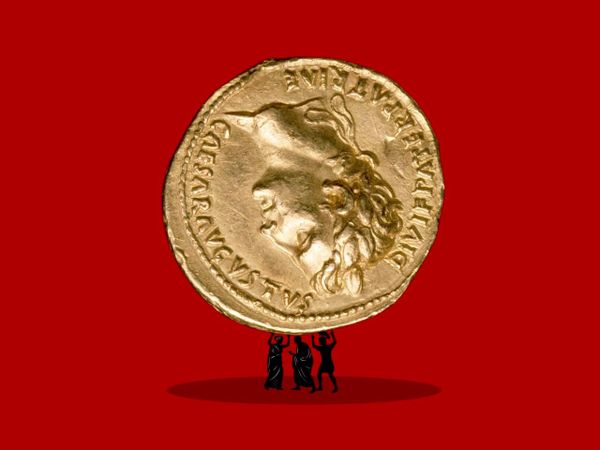
Behind Rome’s marble monuments was a working society of families, slaves, soldiers, engineers, roads, food, baths, festivals, and daily systems.
Roman Empire Anecdotes
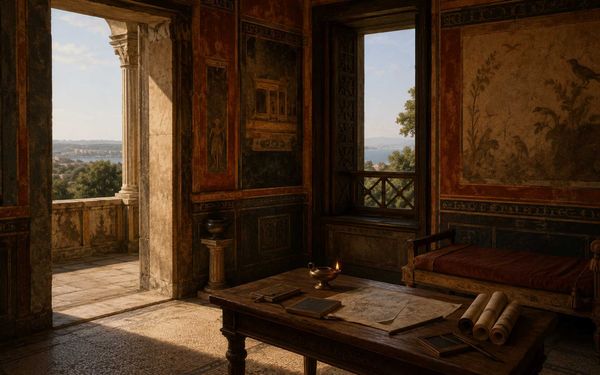
Augustus called one private retreat “Syracuse,” a strange nickname that opened onto Archimedes, conquest, tyranny, Sicily, and imperial memory.
Roman Empire Anecdotes
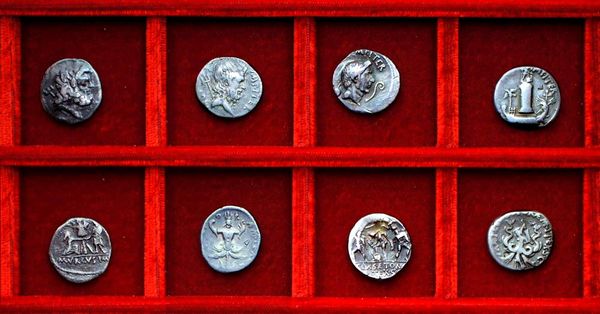
Sextus Pompeius was dismissed by his enemies as a pirate, but Pompey’s son used Sicily, sea power, refugees, and memory to become Octavian’s last Pompeian rival.
Roman Empire Historical Facts
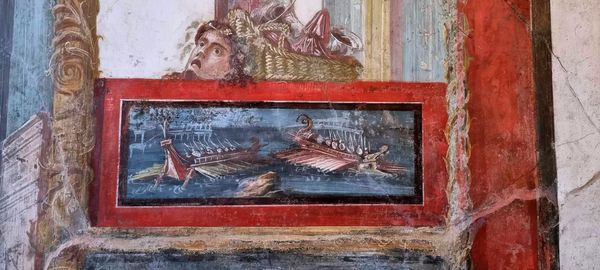
Rome is remembered for roads and legions, but its navy helped defeat Carthage, protect sea routes, move armies, and turn the Mediterranean into a Roman highway.