
The Cities Rome Punished: What Happened When Communities Defied the Republic
Capua, Carthage and Corinth defied Rome but did not receive the same punishment. Their different fates reveal how the Republic treated defeated cities.

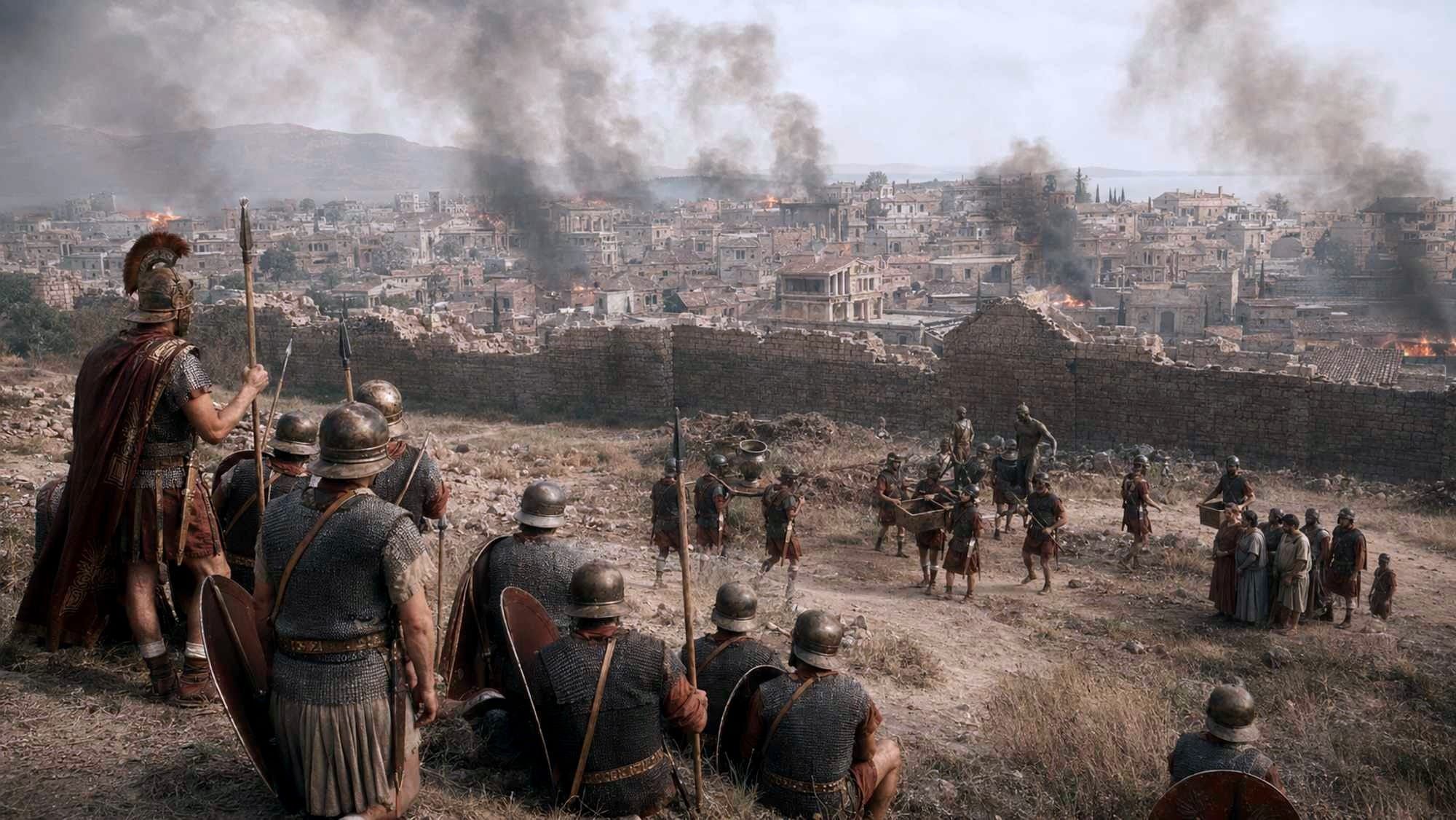
Rome did not impose a single, fixed punishment upon every defeated city. The terms depended upon how a community had entered the conflict, whether it had surrendered or been taken by force, the danger Roman authorities believed it might pose in the future, and the uses to which its territory and population could be put.
Execution, enslavement, confiscation, demolition and the abolition of civic government could be applied in different combinations. In some cases a city remained standing but ceased to exist as a self-governing community. In others, its inhabitants were removed and its physical fabric was deliberately destroyed.
Capua, Carthage and Corinth show three different outcomes. Capua defected to Hannibal during the Second Punic War and was recovered by Rome in 211 BC. Rome executed members of its ruling class and dismantled its political institutions, but preserved the city as a centre for the agricultural population working its exceptionally fertile territory. Carthage and Corinth were destroyed in 146 BC, yet the course of each war, the treatment of the inhabitants and the political arrangements imposed afterward were not identical.
Punishment, Surrender and the Fate of a City
The treatment of a captured community was closely connected with the manner in which it fell. A city that submitted before an assault might negotiate or receive terms, although surrender placed its people, territory, buildings and property at Rome’s disposal. A city taken by storm could be exposed to killing, plunder and enslavement. The severity of a sack could also serve as a warning to other communities that were considering resistance.
These practices did not mean that every victory ended in destruction. Rome frequently preserved defeated communities, imposed obligations upon them or incorporated them into a system of subordinate alliances. The systematic demolition of a city required prolonged labour. Rome could instead preserve buildings and population while confiscating territory and removing political institutions, as it did at Capua.
The events considered here also occurred at different stages of Roman expansion. Capua was punished while Hannibal remained in Italy and Rome was still fighting for the allegiance of Italian communities. Carthage and Corinth fell sixty-five years later, when Roman power extended across the Mediterranean. By 146 BC, the Senate could extinguish a major rival in North Africa and dismantle the leading Greek federation within the same campaigning year.
Capua’s Defection and Surrender
Capua joined Hannibal after the Roman defeat at Cannae in 216 BC. Its size, wealth and influence made the defection particularly dangerous. Livy explains that Rome regarded its recovery as a matter of more than resentment. Capua had drawn other communities away from Rome, and its recapture was expected to demonstrate that Roman authority had survived the disasters of the war.
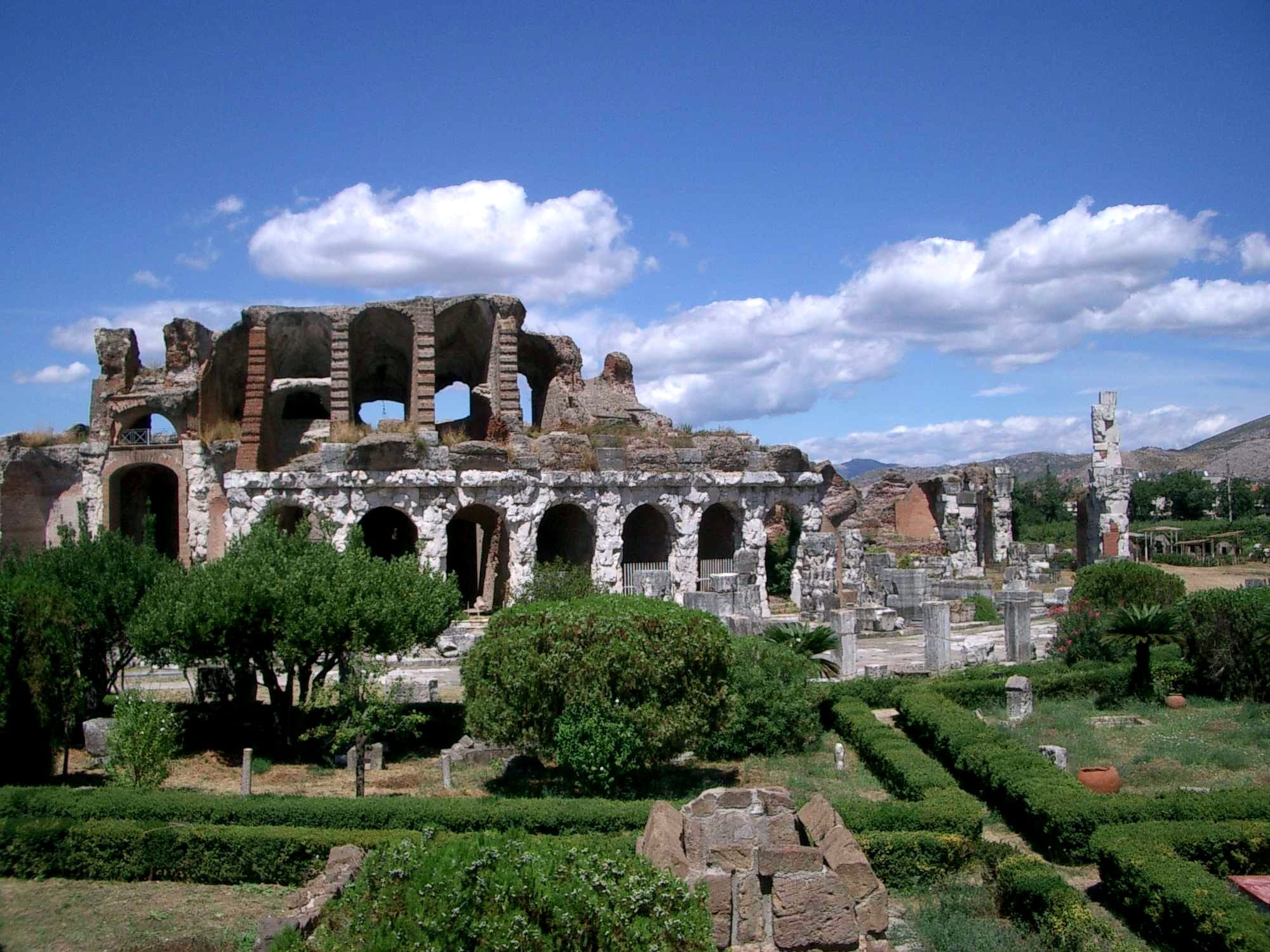
Roman armies maintained the siege even when Hannibal marched toward Rome in an effort to draw them away. Once the Capuans understood that Hannibal could no longer relieve the city, the Roman commander announced that any citizen who crossed over before a specified date would receive immunity. Livy states that nobody accepted the offer. Fear of Roman retaliation and the magnitude of the defection left the inhabitants with little confidence that a promise of pardon would be honoured.
The Capuan senate was divided over how to respond. A group of senators led by Vibius Virrius chose suicide by poison rather than surrender. The remaining authorities opened the city. Roman troops entered, collected the weapons and arrested the Punic garrison. The senators were placed in chains and ordered to surrender their gold and silver. Twenty-eight men regarded as chiefly responsible for the revolt were sent to Teanum and another twenty-five to Cales.
The Roman commanders disagreed over their fate. Appius Claudius favoured referring the matter to the Senate and was prepared to show greater leniency. Quintus Fulvius Flaccus acted before instructions could prevent him. He travelled first to Teanum and then to Cales, where the prisoners were scourged and beheaded. Livy also records a conflicting version in which the senatorial decree arrived before the executions but left Fulvius discretion to decide what served the Republic.
Atella and Calatia subsequently surrendered. Livy reports that seventy leading senators were executed and three hundred Campanian nobles imprisoned. Other prisoners were distributed among Latin communities. His immediate account says that the remaining population of Capua was sold, but the later senatorial settlement in the same book gives a more complicated picture.
It distinguishes between categories of inhabitants, allows many to retain their freedom, excludes them from Roman or Latin citizenship, and assigns different places of residence. The result was displacement, punishment and loss of status rather than the extermination of the entire population.
A City Preserved but Stripped of Government
Rome then decided what to do with Capua and its territory. Livy records that some favoured complete destruction because the city was powerful, close to Rome and demonstrably hostile. Economic considerations prevailed:
“The territory was generally allowed to be the first in Italy in point of productiveness.”
The city was preserved to provide accommodation for those who cultivated that land.
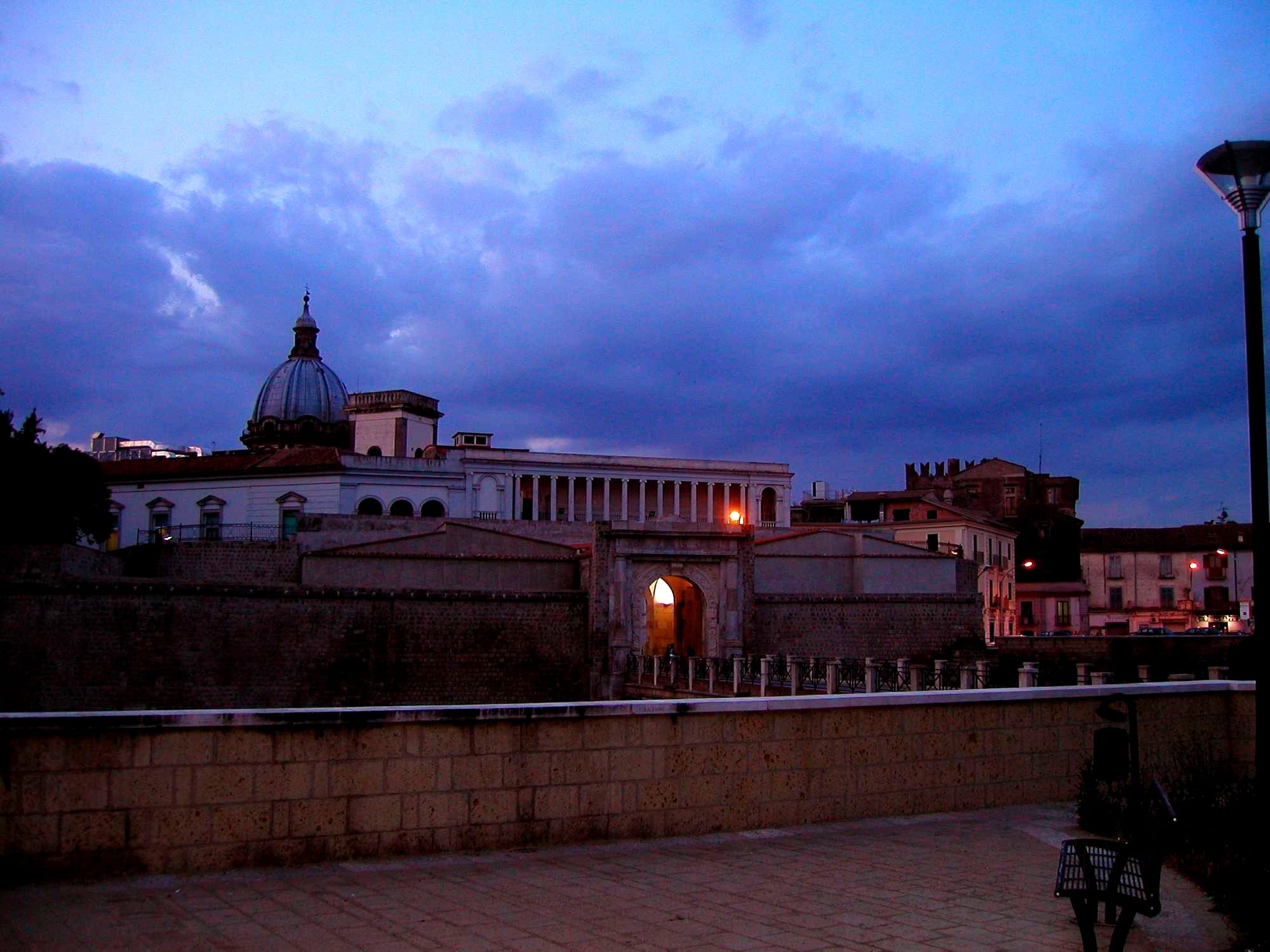
Capua’s territory and public buildings became property of the Roman people. The city lost its senate, popular council and magistrates, as well as the capacity to assemble and act as a political body. Justice was administered by a Roman prefect sent annually. Capua therefore survived physically while its independent civic existence was abolished. Its walls and houses remained, but the institutions through which its citizens had governed themselves disappeared.
The evidence from Republican Capua shows that this constitutional punishment did not end the city’s economic life. Local industries, agriculture and trade continued, and the surviving inscriptions record building activity and forms of local administration.
Boards associated with religious sanctuaries performed functions that elsewhere belonged to municipal magistrates. They supervised construction, handled funds and contributed private money to public works, even though Capua formally possessed no normal municipal government.
Capua’s bronze-working, textile production, perfumes and other specialised trades remained important. Families already established in the region continued to appear in the inscriptions, while commercial connections linked Campania with Italian ports and eastern markets. The punishment of 211 BC had removed political independence and confiscated the land without eliminating the productive population upon which the territory’s value depended.
The settlement combined political abolition with the preservation of the inhabited city. Rome punished the leaders associated with the revolt, dispersed or restricted sections of the citizen population, took control of the land and prevented the restoration of an autonomous government. At the same time, it retained the buildings and the presence of cultivators, freedmen, traders and artisans whose activities continued after 211 BC.
Carthage Ordered Away from the Sea
Carthage faced a different decision during the Third Punic War. After its defeat in the Second Punic War, it had been forbidden to wage war without Roman permission. Conflict with the Numidian king Massinissa eventually led the Carthaginians to take military action, and Rome declared war in 149 BC.
Carthage surrendered hostages and weapons in the hope of preserving itself, only to receive the further demand that the population abandon the city and settle at least ten miles from the sea.
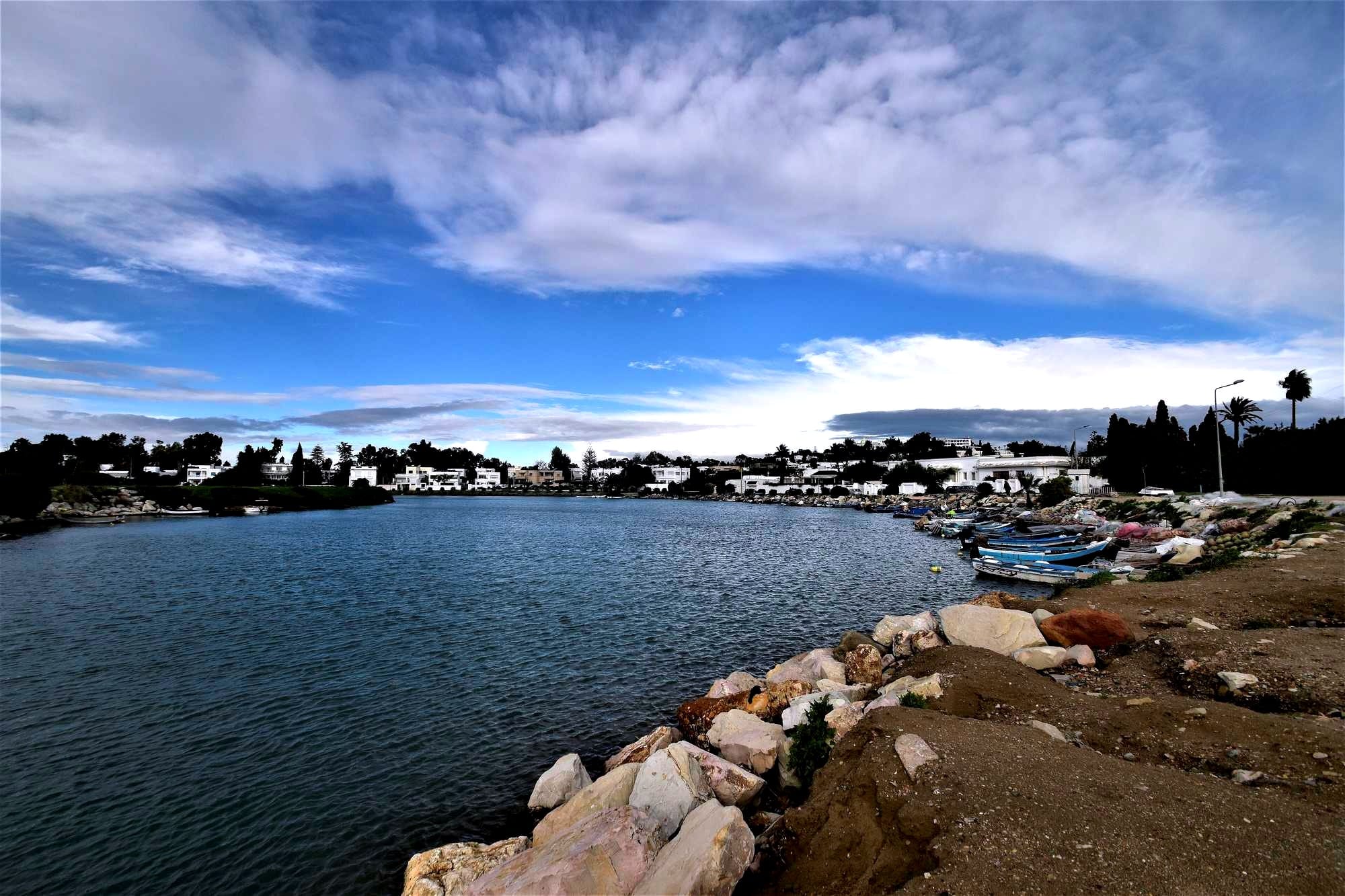
The order included more than the abandonment of existing buildings. Carthage’s harbours and maritime commerce had developed around its position on the coast. Removing the population inland would have ended the existing coastal city even if the inhabitants had survived together elsewhere. After surrendering their arms, the Carthaginians rejected the demand, manufactured new weapons and prepared to withstand a siege.
The Roman campaign initially proceeded badly. Carthage’s fortifications and the resistance of its inhabitants prevented an easy capture. Under Scipio Aemilianus, the Romans tightened the blockade, closed the routes by which supplies entered and fought their way into the harbour district. The final assault became a struggle through streets and multistorey buildings as Roman troops advanced toward Byrsa, the citadel.
Appian describes six days and nights of fighting while units were relieved so that the assault could continue. Buildings were burned and demolished to clear the routes of advance, and both living inhabitants and corpses fell with the masonry. On the seventh day, suppliants carrying sacred garlands asked Scipio to spare those willing to leave Byrsa. He accepted, except in the case of Roman deserters. Appian gives the number who emerged under guard as 50,000 men and women.
The deserters remained with Hasdrubal, his wife and their children in the temple of Asclepius. Hasdrubal eventually left them and surrendered to Scipio. His wife denounced him, killed their children and entered the flames. Watching the city’s destruction, Scipio wept and reflected that the same fate could one day reach Rome. Polybius, who was present with him, records the warning attributed to Scipio:
“A glorious moment, Polybius; but I have a dread foreboding that some day the same doom will be pronounced on my own country.”
The Obliteration of Carthage
After the capture, Scipio allowed a period of plunder while reserving gold, silver and sacred objects. Temple offerings that Sicilian communities could identify as property seized by Carthage in earlier wars were returned to them. Other spoils were sold, while captured arms, engines and unusable ships were burned in a Roman religious ceremony.
The Senate sent ten commissioners to settle Africa with Scipio. Appian records their instruction:
“They decreed that if anything was still left of Carthage, Scipio should obliterate it and that nobody should be allowed to live there.”
The restriction concentrated particularly on Byrsa and Megara, although people were not prohibited from entering the ground. Communities that had supported Carthage were also marked for destruction, while those that had assisted Rome received land.
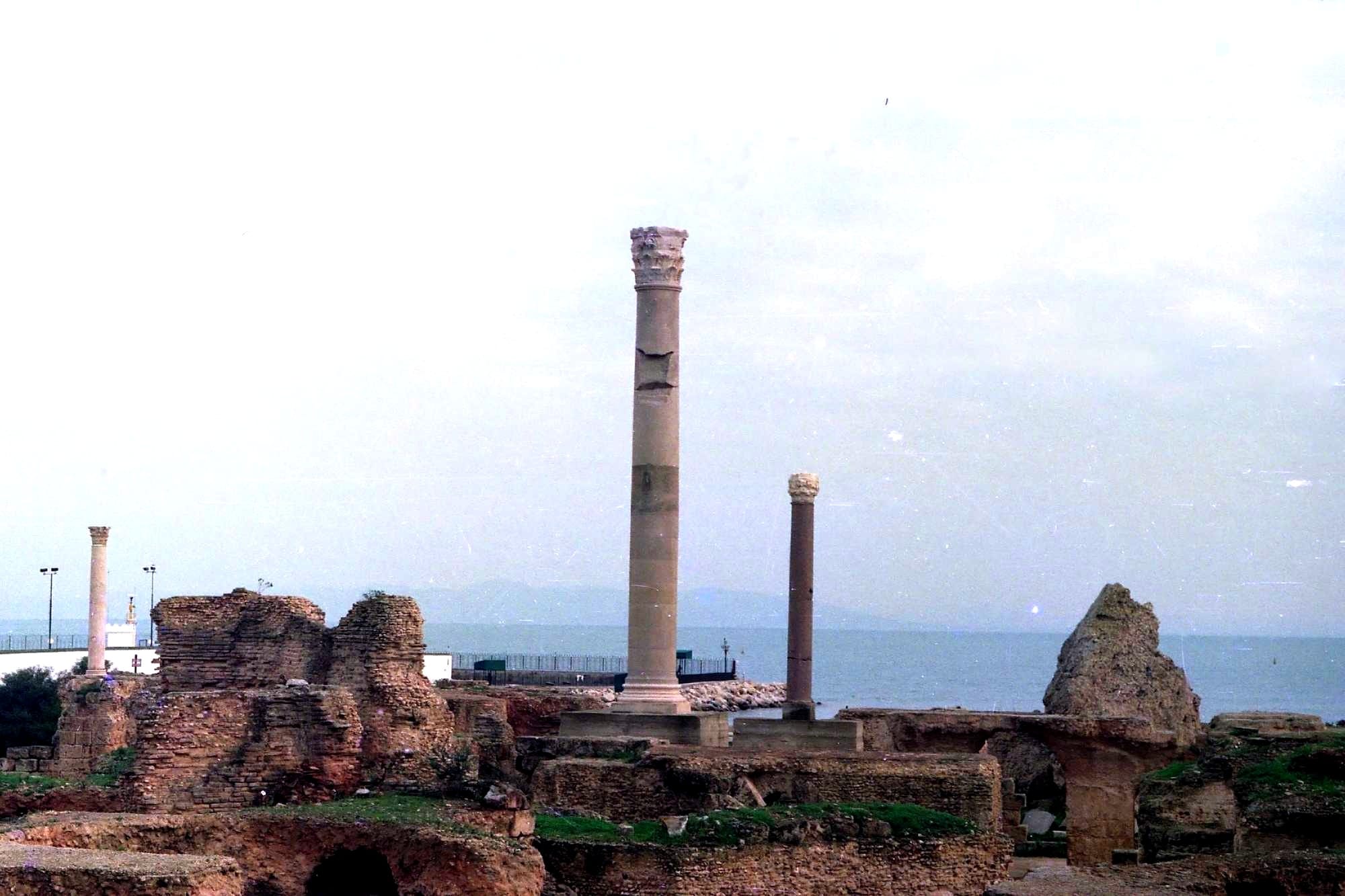
Carthaginian territory became Roman public land. Utica, which had supported Rome, received part of it, while taxes were imposed elsewhere and a Roman praetor was appointed to govern the new arrangements. Carthage therefore lost its population, its buildings, its territory and its government. Unlike Capua, it was not retained as an inhabited centre serving the surrounding land.
The familiar claim that Rome sowed the site with salt does not appear in the ancient accounts used here. Appian describes destruction, restrictions upon rebuilding and the political settlement of the territory, but does not mention a ceremony involving salt.
The physical site did not remain permanently empty. An attempt to establish a colony during the political career of Gaius Gracchus did not produce a lasting city. Appian records that Julius Caesar later left written instructions for Carthage to be colonised and that Augustus carried out the project, sending 3,000 settlers from Rome while others came from the surrounding country. This refoundation did not restore the state destroyed in 146 BC; it established a Roman community near the site of the prohibited Carthaginian city.
Corinth and the End of the Achaean War
The destruction of Corinth occurred in the same year but followed a separate conflict. Relations between Rome and the Achaean League had deteriorated over disputes involving Sparta, Roman demands concerning membership of the League, and the treatment of Roman representatives. Polybius presents the final Achaean leadership as reckless and repeatedly notes that Roman delegations had offered opportunities to avoid open war.
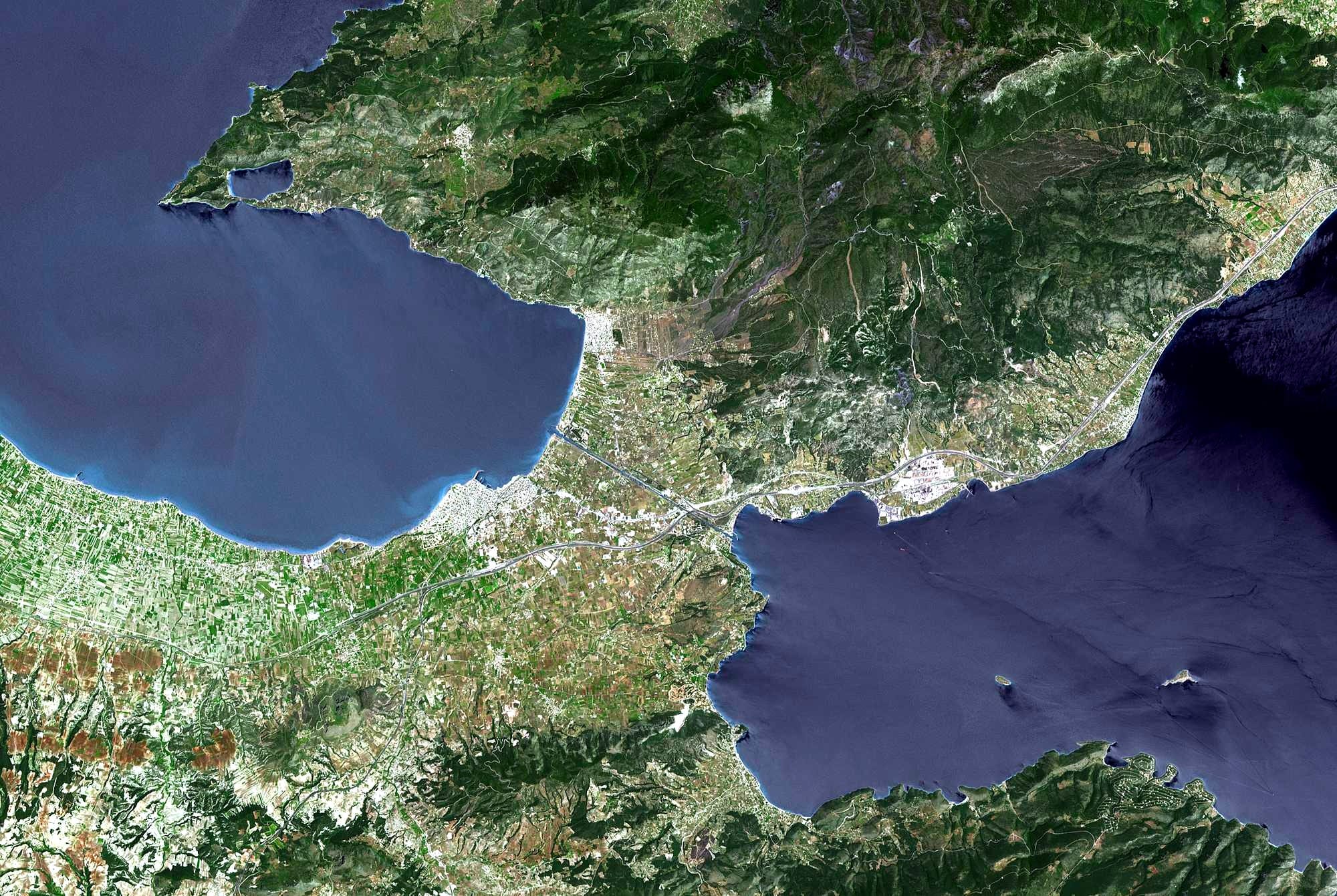
After Critolaus was defeated, Diaeus became commander of the Achaeans. He ordered cities to free and arm thousands of enslaved men, demanded special financial contributions and concentrated forces at Corinth. Lucius Mummius arrived with the Roman army and defeated the Achaean force outside the city. Diaeus escaped to Megalopolis, killed his wife and then took poison. Most of the surviving Achaean soldiers and many Corinthians fled during the night.
Pausanias says that Mummius initially hesitated to enter through the open gates because he suspected an ambush. On the third day after the battle, the Romans entered and burned the city. His account states:
“The majority of those found in it were put to the sword by the Romans.”
The women and children were sold into slavery, as were formerly enslaved men who had been freed to fight and had survived the battle.
The city was then stripped of its movable wealth. Mummius removed its most celebrated votive offerings and artworks, while other objects were assigned to the representative of Attalus of Pergamum. Corinthian spoils were distributed beyond Rome, and objects taken from the city remained visible in Greek and Italian settings. The removal of these works accompanied the destruction of the community that had possessed and displayed them.
What Remained After Corinth
The settlement extended beyond Corinth. Mummius demolished the walls of cities that had fought Rome and disarmed their inhabitants. The Roman commissioners dissolved the Achaean League and other federal associations, replaced democratic governments with constitutions based upon property qualifications and imposed tribute.
Restrictions were placed upon the ownership of property outside a citizen’s own community. Some of these measures were later relaxed, but the independent Achaean federation had ended.
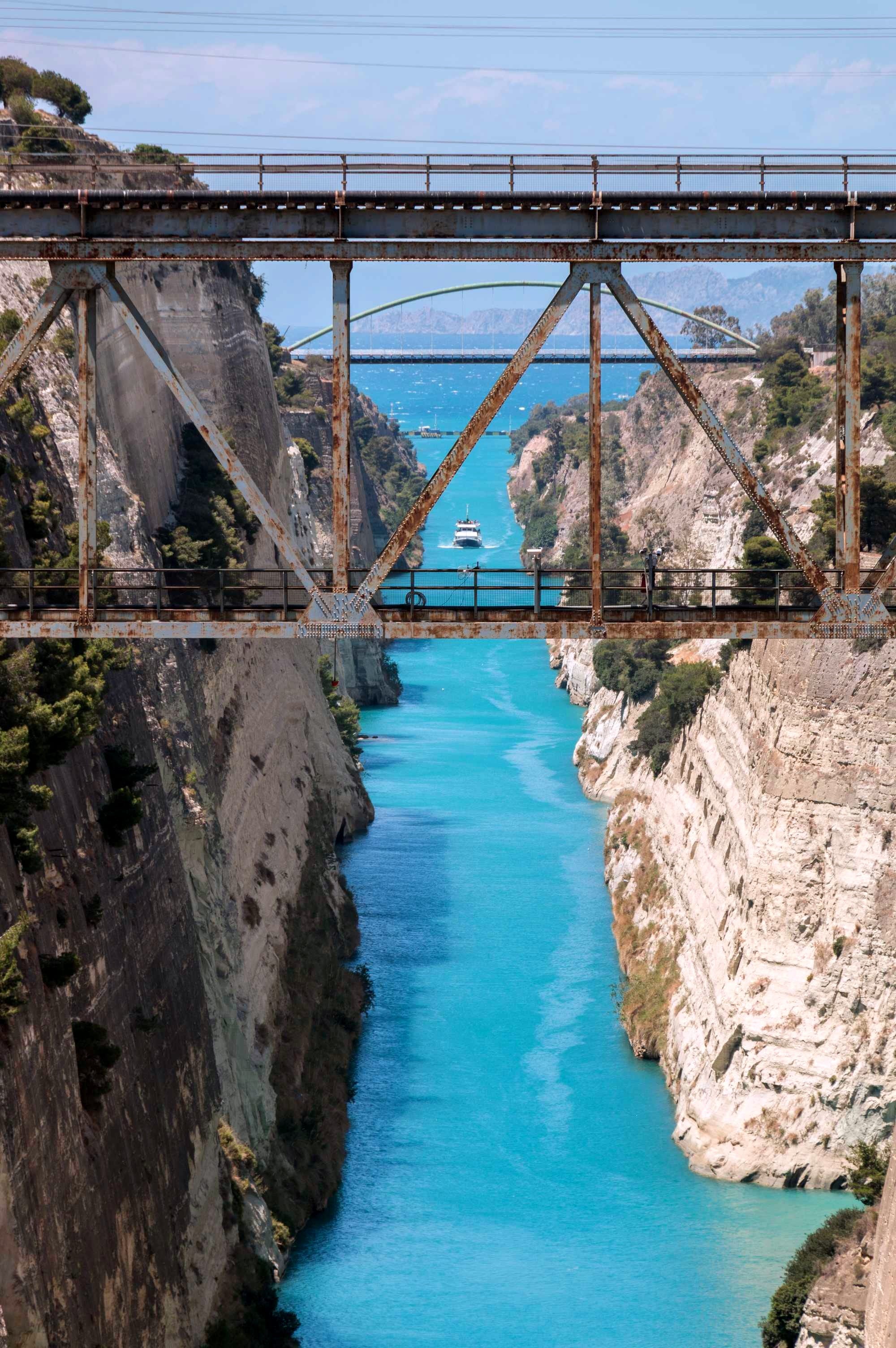
Corinth itself ceased to function as the major urban and political centre it had been. Its destruction removed a strategically placed city controlling the Isthmus and separated the punishment of Corinth from the treatment of many other Greek communities. The inhabitants found inside were killed or enslaved, its most valuable objects were carried away, and its buildings were burned. The city was not immediately replaced by another Greek civic community on the site.
As at Carthage, later rebuilding created a Roman colony rather than restoring the defeated city in its previous political form. Julius Caesar refounded Corinth in 44 BC, approximately a century after its destruction. The new colony occupied the same strategic location, but its institutions and population belonged to a different political order.
Capua, Carthage and Corinth did not experience a uniform Roman penalty. Capua’s buildings and working population were retained while its leaders, territory and self-government were subjected to Roman punishment. Carthage was emptied, demolished and prohibited as a place of habitation before a later Roman refoundation. Corinth was burned, its remaining inhabitants killed or enslaved, and its artworks removed while Rome dismantled the federal and political structures associated with the Achaean resistance. Each settlement determined whether the defeated city would retain its population, territory, institutions and capacity for independent political action.
Livy, History of Rome, Book 26, translated by Rev. Canon Roberts.
Appian, The Punic Wars, translated by Horace White.
Polybius, The Histories, fragments of Book 38, translated by W. R. Paton.
Pausanias, Description of Greece, Book 7, translated by W. H. S. Jones.
M. W. Frederiksen, “Republican Capua: A Social and Economic Study,” Papers of the British School at Rome 27 (1959), pp. 80–130.
Nicholas Purcell, “On the Sacking of Carthage and Corinth,” in Doreen C. Innes, Harry Hine and Christopher Pelling, eds., Ethics and Rhetoric: Classical Essays for Donald Russell on His Seventy-Fifth Birthday (Oxford: Clarendon Press, 1995), pp. 133–148.
Adrian Goldsworthy, Roman Warfare (London: Cassell, 2000).

About the Roman Empire Times
See all the latest news for the Roman Empire, ancient Roman historical facts, anecdotes from Roman Times and stories from the Empire at romanempiretimes.com. Contact our newsroom to report an update or send your story, photos and videos. Follow RET on Google News, Flipboard and subscribe here to our daily email.
Follow the Roman Empire Times on social media: