
For Rome, No War Was Worse Than Civil War
For the Romans, no war was more terrifying than civil war. It turned citizens into enemies, stripped victory of glory, and threatened the bonds holding Roman society together.

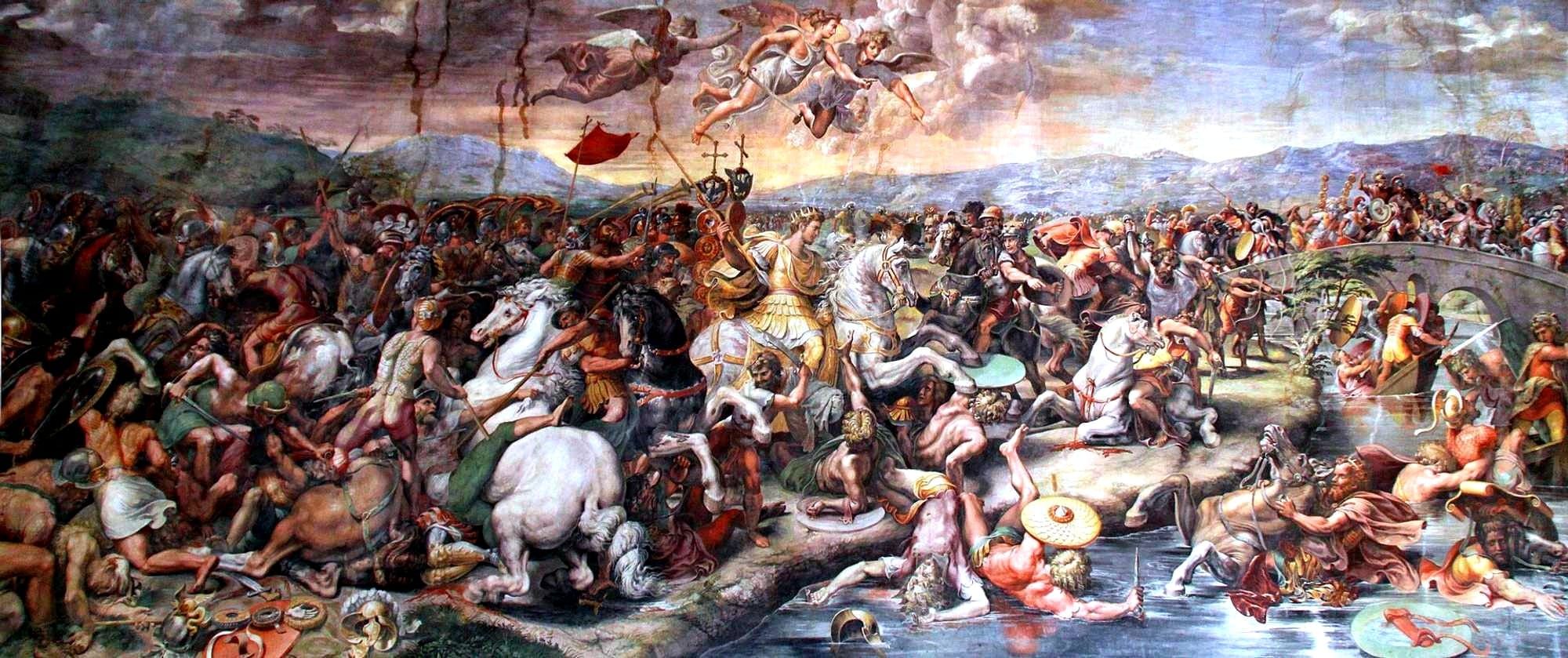
For the Romans, civil war was never just another form of conflict. Foreign enemies could be hated, feared, and fought, but they still stood outside the body of Rome. Civil war was different. It meant Roman turning against Roman, armies carrying the state’s own power back against itself, and victories that felt dangerously close to ruin. Again and again, Roman writers describe these struggles not simply as political crises, but as moments when the order holding their world together seemed to break from within.
The Horror of Romans Killing Romans
For the Romans, civil war was terrifying because it did not simply bring violence into the state — it divided the state against itself. The crucial fact was not where the fighting took place, but who stood on either side. When Roman citizens fought Roman citizens, the political community had already been broken.
That is why the Roman language of civil war gave such weight to the word civilis. What mattered most was that the conflict was between fellow citizens. War was only the final stage of a deeper rupture, the moment when division inside the body politic turned openly lethal.
This is one reason Sallust’s account of Catiline matters so much. He presents the affair not merely as a conspiracy but as something far darker and more dangerous, a confrontation that had already crossed into civil war. The fighting at Pistoria was not a skirmish against outsiders or rebels from beyond the frontier.
It was Romans killing Romans. And Sallust closes his narrative not with a triumphant recovery of order, but with one of the bleakest scenes in Roman historiography:
“Many, too, who had gone from the camp to visit the field or to pillage, on turning over the bodies of the slain enemies found now a friend, now a guest, or a kinsman; some also recognized their personal enemies.”
That is the Roman nightmare in its purest form. The enemy on the battlefield is not foreign. He is someone already bound into one’s own social world.
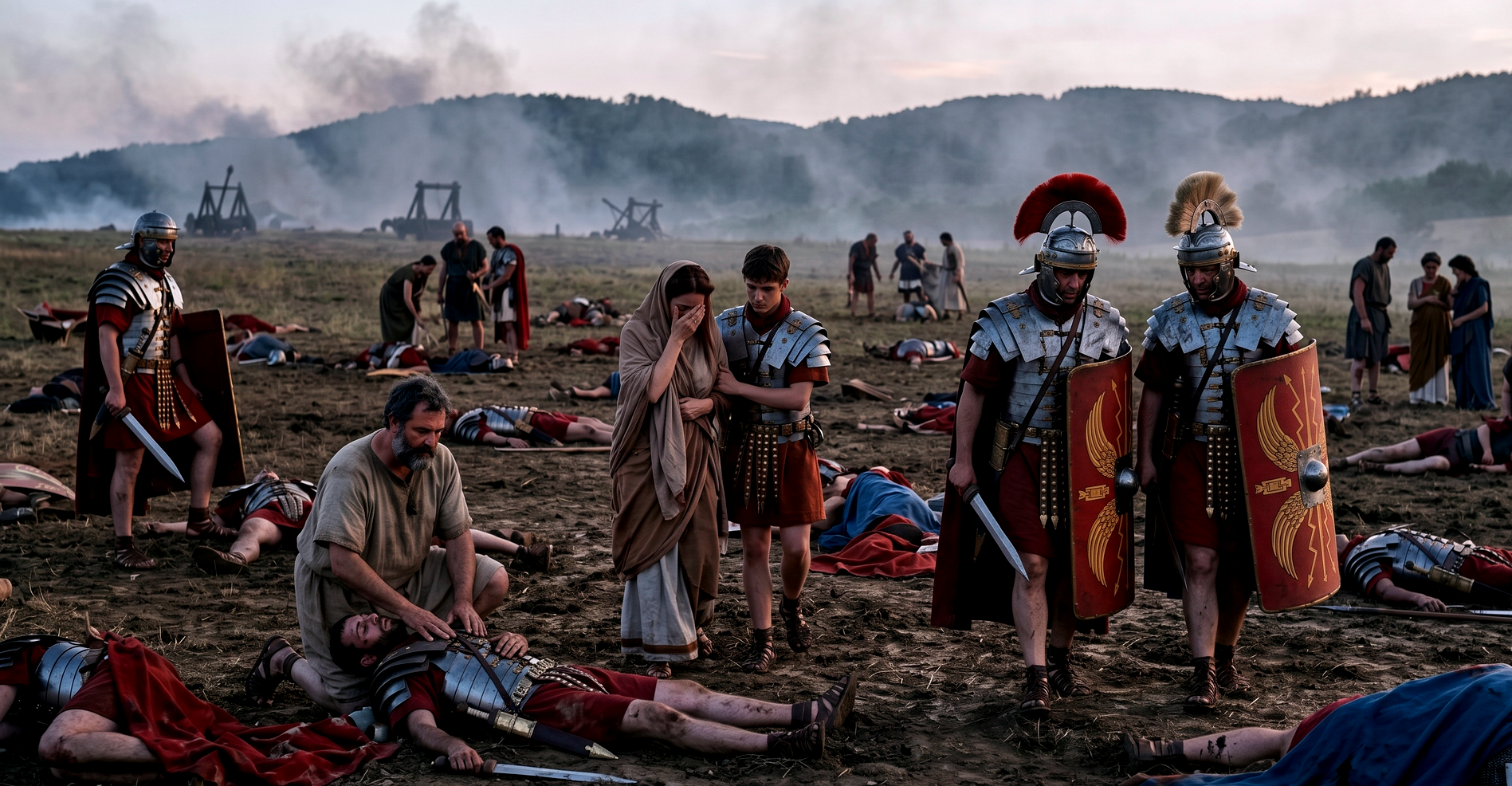
The horror lies precisely there. Civil war did not simply mean death. It meant that the usual distinctions between private and public life had collapsed. Friendship, kinship, hospitality, and enmity all reappeared among the dead. The battlefield did not separate Romans from outsiders. It revealed that the violence had already entered the network of Roman relationships themselves. Even victory offered no clean release, since grief and triumph were forced to exist together.
That is also why Sallust’s language is so important. He does not sharply separate riot, discord, sedition, and civil war into neat categories with fixed meanings. Instead, all of them belong to a wider process in which the political body splits into opposing camps.
Civil war appears not as an accidental interruption of Roman life, but as the culminating expression of tensions that had long been building. Once the struggle for liberty, glory, and domination had become unrestrained, war followed naturally. It was the last stage of a contest already alive within the city.
This gives Sallust’s history its particular darkness. Rome’s internal conflicts are not treated as isolated disasters caused by a few villains. They are shown as symptoms of something lodged deep in Roman public life. The struggle between rival claims — between those seeking domination and those resisting it in the name of liberty — made the Republic perpetually unstable. The danger of civil war was never wholly absent. It could be contained, delayed, or redirected, but not permanently removed.
That idea appears with special force in the way Sallust looks backward across Roman history. He traces the roots of civil conflict far into the past, long before Catiline. In one of his starkest formulations, the challenge to aristocratic arrogance became
“the beginning of a struggle which threw everything, human and divine into confusion and rose to such a pitch of frenzy that civil discord ended in war and the devastation of Italy.”
Civil war, then, was not merely one event among others. It was the point at which political competition, social resentment, and the hunger for mastery turned against the community itself.
What makes this especially chilling is that both sides could speak the language of legitimacy. One might invoke the Senate, another the people, another liberty. Slogans could be noble, but the passions beneath them were harder and more dangerous. A man could claim to fight for freedom while seeking only his own advancement. Civil war thus became not only a military disaster but also a crisis of language, in which public words were repeatedly used to conceal private ambition.
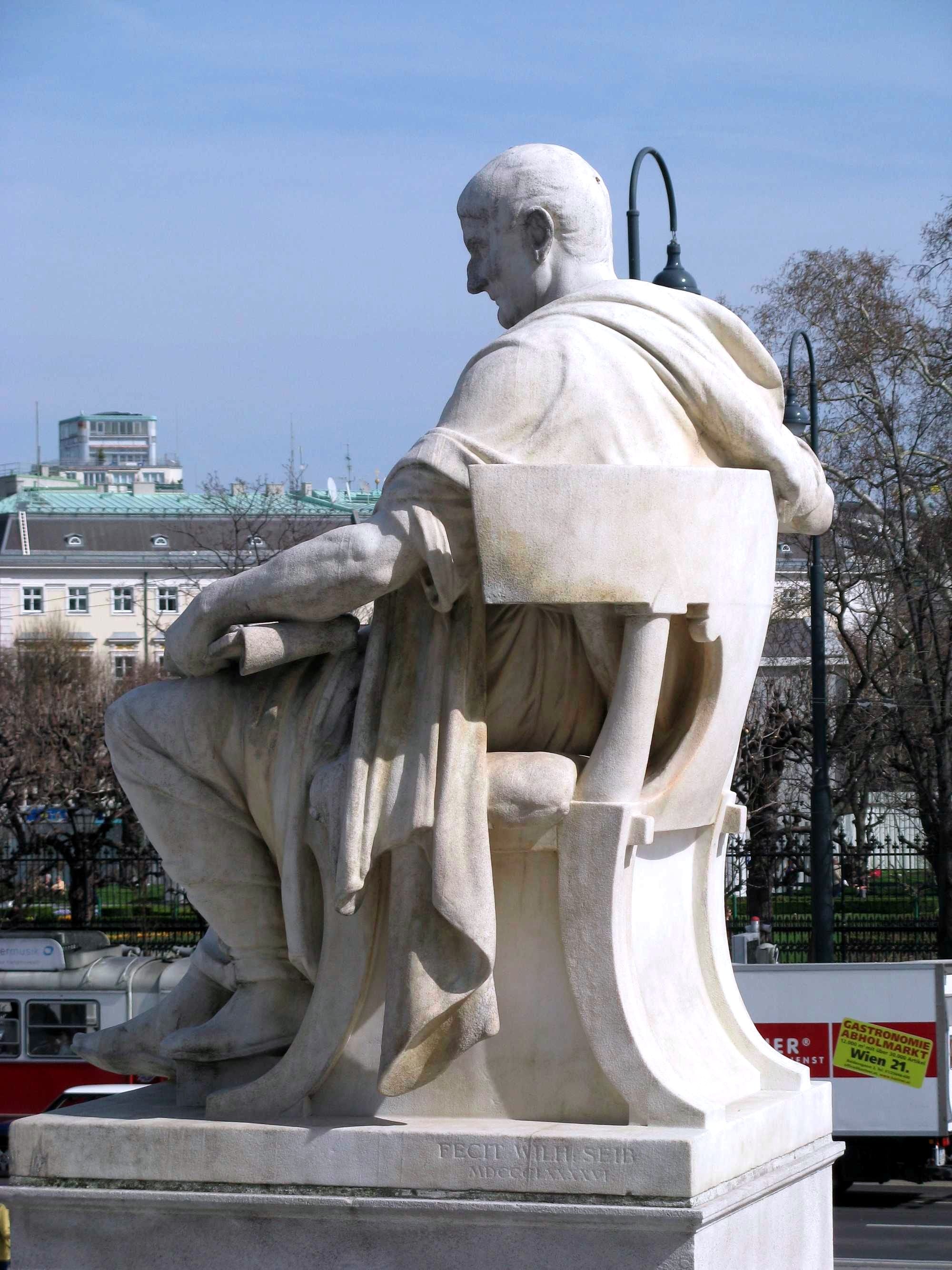
And yet Sallust does not flatten everything into a simple denunciation of all political action. What matters is not that Romans competed, but that the competition could no longer be held within limits. Liberty, glory, and domination all remained live forces in Roman life. The problem came when the struggle between them ceased to be political rivalry and became armed division. At that point, Rome was no longer confronting an external threat. It was confronting itself.
That is what made civil war worse than any foreign conflict. A foreign enemy could endanger Roman lives, property, and territory. Civil war endangered the meaning of citizenship itself. It turned fellow Romans into enemies and left behind battlefields where the dead could no longer be cleanly separated into “us” and “them.” In Sallust’s vision, this was not just a tragedy of war. It was the revelation that the deepest threat to Rome might come not from beyond its borders, but from within its own citizen body. ("Sallust as a Historian of Civil War" by Pedro López Barja de Quiroga)
No Glory Could Come from Civil War
Lucan (a Roman poet of the first century AD, writing under Nero, and his Civil War — better known as the Pharsalia — became one of the most powerful literary visions of Rome turned against itself. Rather than celebrating conquest or imperial greatness, he wrote about civil war as moral collapse, wasted power, and a catastrophe from which no true glory could emerge) presents civil war as something more than political conflict.
In his poem, it is a crime against Rome itself. This is not the sort of war that can bring honor, triumph, or expansion. It does not drive outward against foreign peoples. It turns inward, against the same hands, blood, and city that once built Roman power. That is why the poem opens with such force:
“Wars worse than civil on Thessalian plains, and crime made law we sing.”
From the first line, the struggle is marked not simply as destructive, but as morally warped — a war in which the normal order of things has been overturned.
What horrifies Lucan most is that Rome’s greatness has not disappeared, but been misdirected. The strength that once conquered the world is still there, yet it is now used against Rome itself. He writes of
“a powerful people turned their own right hands against themselves.”
That image captures the whole tragedy. The problem is not weakness. It is self-destruction. Roman power has become its own enemy.
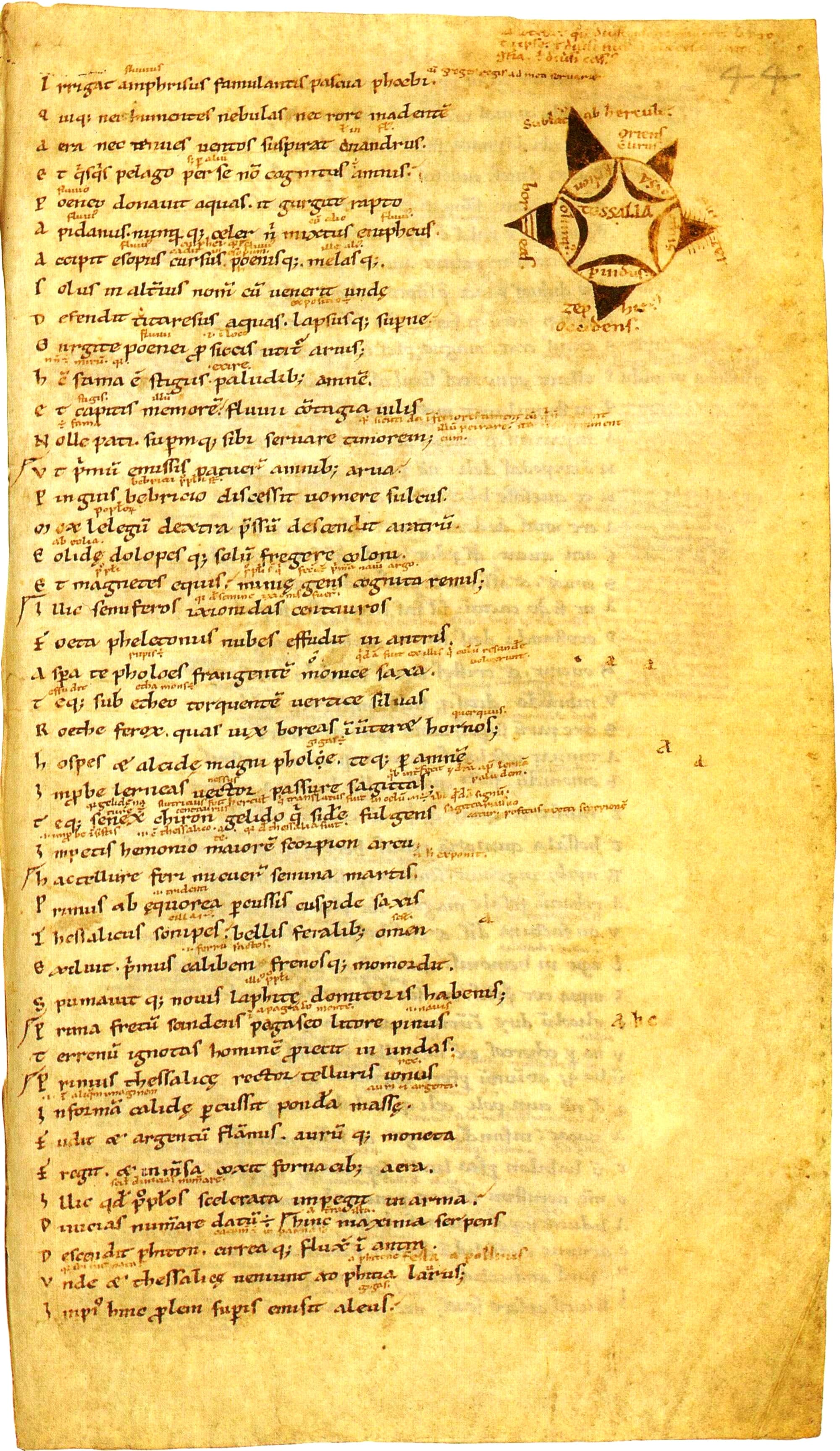
The poem returns again and again to this sense of waste. Lucan imagines what those same armies might have done had they marched against Parthians, Scythians, or peoples beyond the Rhine. Instead, all that force is consumed in internal slaughter. Civil war, in this vision, is not only bloodshed. It is squandered greatness. Rome still has the energy to fight, but no longer the unity to direct that energy toward anything worthy of victory.
Lucan also strips civil war of the glory normally attached to Roman warfare. Foreign war could still be framed as conquest, courage, and public achievement. Civil war allows none of that. Its victories are contaminated from the start. A triumph over fellow citizens is no true triumph at all.
Even success carries the taste of ruin, because the winner has prevailed only by tearing the Roman world apart. That is why the poem feels so relentless: it denies the reader the usual satisfactions of Roman military writing.
Just as importantly, Lucan makes civil war feel unnatural. The conflict is filled with broken boundaries — between kin and enemy, law and crime, state and violence. Again and again, the poem suggests that civil war is not simply war within the state, but a kind of desecration. It violates the very order Rome depended on.
The struggle between Caesar and Pompey is therefore not presented as an ordinary contest for power. It becomes the spectacle of a civilization using its own sword on itself.
Lucan does not merely describe civil war as dangerous. He presents it as a form of collective self-harm. In Sallust, civil war emerges from tensions inside the body politic. In Lucan, that body is already tearing itself open. Rome is no longer just divided. It is consuming its own strength, staining its own victory, and proving that no foreign enemy could have done to it what it was prepared to do to itself.
Civil War Needed Enemies
Roman civil war could not remain only a struggle between rival citizens. To be fought to the end, it needed enemies who could be treated as something less than fellow Romans. One way of doing that was through language. Labels mattered, because they helped turn political opponents into figures who could be killed, mutilated, displayed, or stripped of legal protection.
The line between civil war and foreign war might remain visible in theory, but in practice Roman leaders kept searching for words that would make violence against fellow citizens feel more permissible.
A revealing example appears in Cicero’s famous claim that a pirate was not a proper public enemy in the ordinary sense, but
“the common foe of all the world” (communis hostis omnium).
A pirate stood outside the normal rules that governed warfare. Such a figure did not deserve the protections owed to a lawful enemy. That distinction mattered because language of this kind could later be pushed into civil conflict. Opponents inside Rome might be branded not simply as rivals, but as something closer to outlaws, brigands, or public pests — enemies who no longer counted as citizens in the full sense.
That process reached one of its ugliest forms in the proscriptions. Here civil war moved beyond the battlefield and entered the city itself. Violence became selective, personal, and public. Individuals were named, hunted, and killed; their property was seized; their deaths were displayed as warnings. Cicero’s murder is the most famous case. His severed head and hands were placed on the Rostra, the very place where Romans had once gathered to hear him speak.
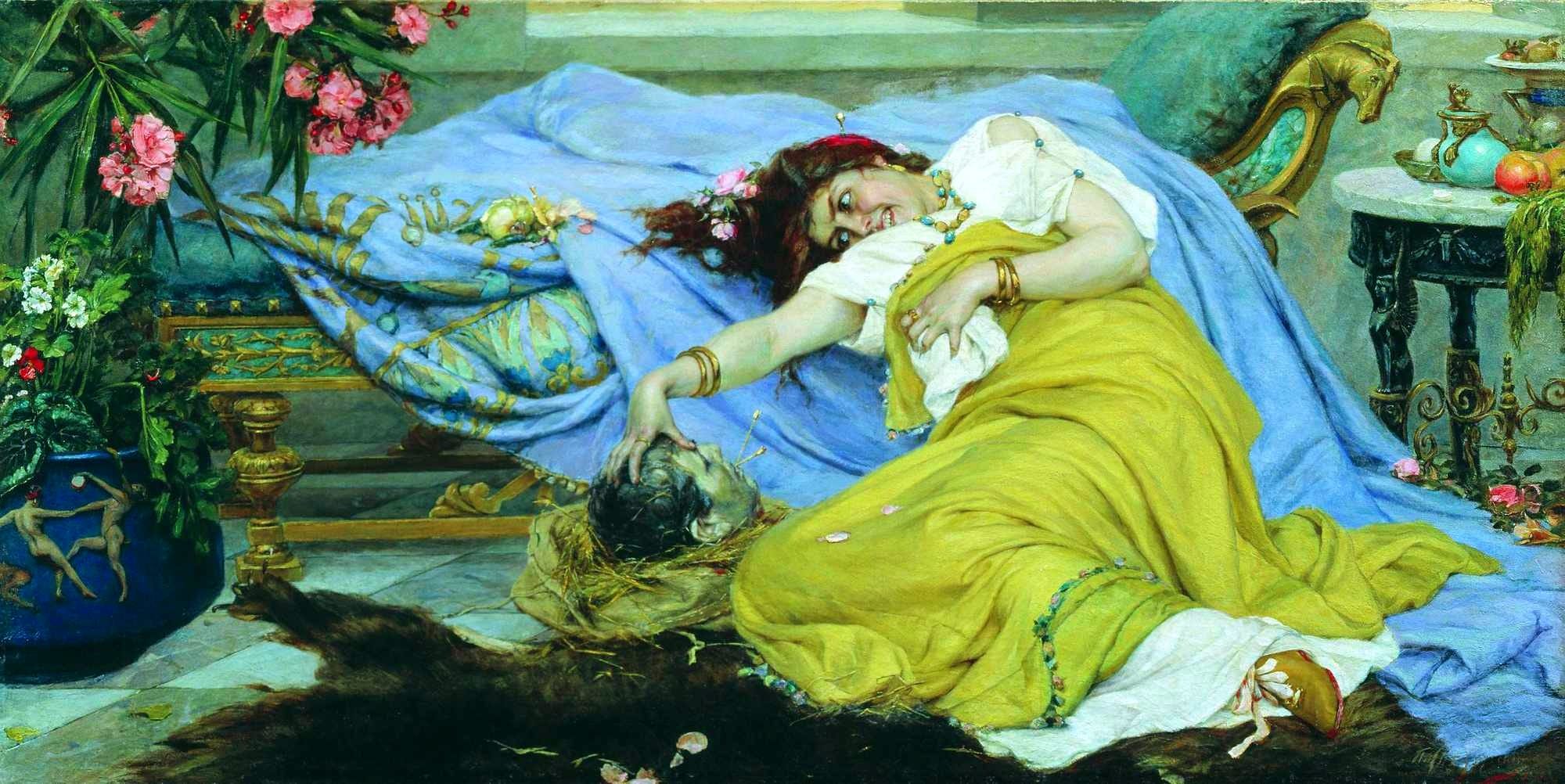
Florus captures the shock of the scene:
“the citizens could not restrain their tears when they saw the severed head of Cicero on those very Rostra which he had made his own, and men rushed to gaze upon him as once they were wont to crowd to listen to him.”
This was more than execution. It was spectacle, humiliation, and proof of control. The body of a Roman statesman became a message to Rome itself.
In such moments, civil war did not merely kill. It staged power. A severed head on display announced that the victim was truly dead, that resistance had failed, and that those now in command could define who counted as an enemy of the state. Violence and legitimacy worked together. Those who prevailed were praised as patriots and saviors; those who lost could be described as public enemies and traitors.
Cassius Dio puts the logic with brutal clarity:
“those who were successful were considered shrewd and patriotic, while the defeated were called enemies of their country and accursed.”
In civil war, victory gave men the power not only to win, but to name.
The same logic appears again after Perusia, though in a different register. Here the violence became broader and more indiscriminate. The sources disagree on the scale, but even the milder traditions do not clear the victor of harshness. Some report that leading men were killed; others preserve the darker story that hundreds of senators and knights were slaughtered at the altar of the deified Julius.
However one judges the precise details, the important point is that Perusia entered Roman memory as a place where civil war had crossed into something close to massacre. Seneca later compressed that memory into a chilling phrase:
“after the altars of Perusia and the proscriptions.”
The pairing is telling. Perusia and the proscriptions stood together as symbols of a period when civil war was fought through terror as much as through battle.
This helps explain why Roman civil war was not confined to famous pitched battles like Pharsalus or Philippi. It was also fought through denunciations, declarations of outlawry, confiscations, executions, and public exhibitions of the dead. It reached into houses, towns, and forums. It exposed civilians to intimidation, robbery, and sudden ruin.
In that sense, civil war created a climate in which everyone had to think not only about armies in the field, but about what might happen if the wrong faction gained the upper hand.
What emerges is a colder truth about Roman civil war. It did not simply unleash violence; it reorganized it. Men were not killed at random, nor only in battle. They were selected, labeled, hunted, and displayed. Personal grudges, political calculation, and material greed all fed into the process.
Civil war became especially dangerous because it could turn old resentments into lethal acts under the cover of public necessity. The enemy had to be created before he could be destroyed, and once created, he could be treated as though he no longer belonged to Rome at all. ("The logic of violence in Roman civil war Author(s)" by Carsten H. Lange)
Civil War Broke More Than the State
For the Romans, civil war did not stop at armies, camps, and battlefields. It reached further, into the bonds that made collective life possible. That is why Roman writing so often treats civil war as more than a military struggle. It appears as a breakdown of the social bond itself — not only a fight for power, but a collapse in the ties that held citizens, families, and communities together.
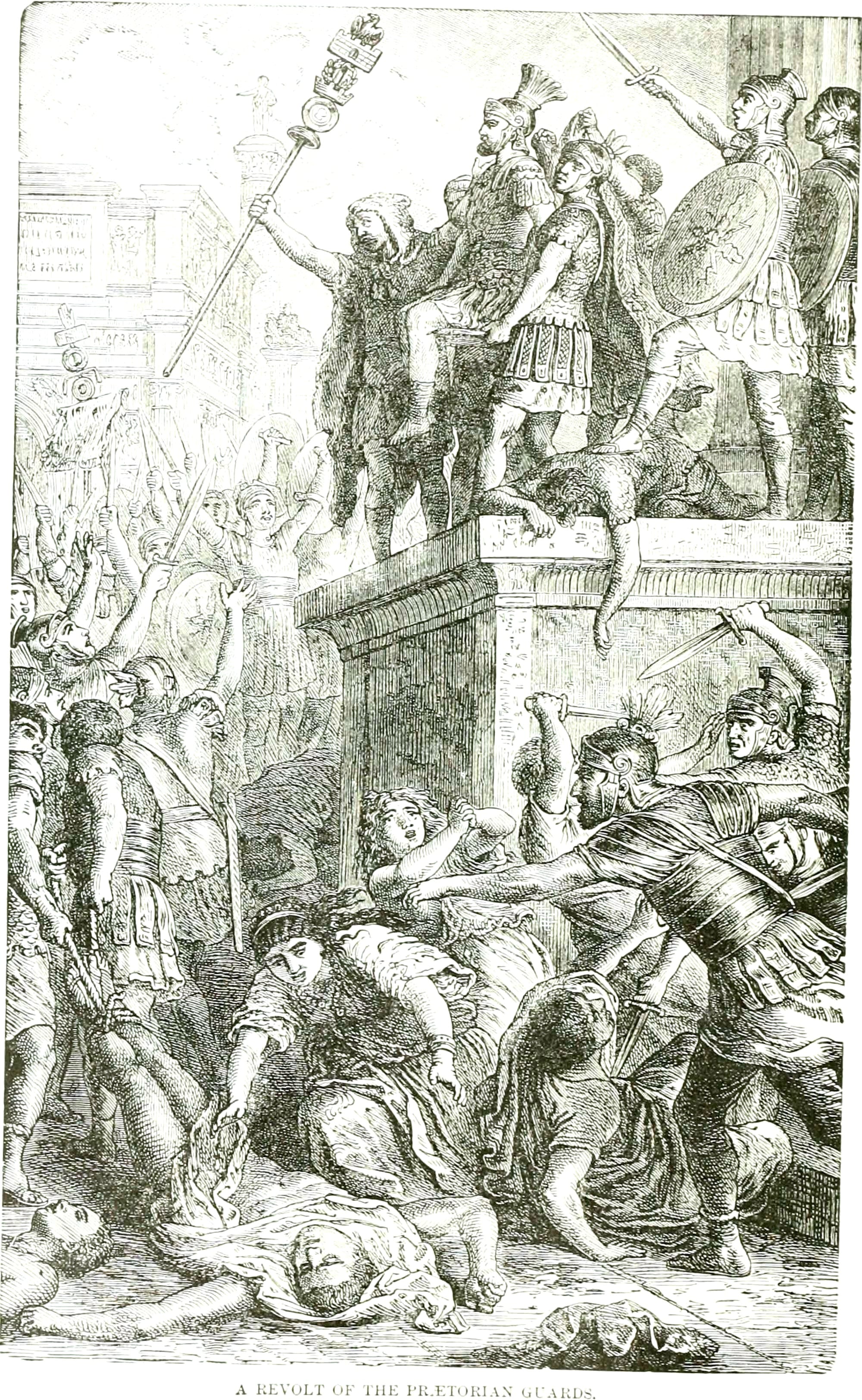
Part of the difficulty lay in naming it. To call a conflict a civil war was never innocent. Different labels could diminish, justify, or sharpen what was happening. Riot, conspiracy, revolt, sedition, uprising — each term tried to place limits around disorder and to decide who possessed legitimacy. But Roman literature repeatedly pushes beyond such neat categories. Civil war becomes the name for a wider kind of internal rupture, one that exceeds formal politics and spreads into every sphere of life.
That wider reach helps explain why the Romans imagined civil war through the language of discord. The conflict was not confined to the state in the narrow sense. It spilled into the family, into relations between men and women, into questions of loyalty, kinship, and belonging.
Once internal violence began, it threatened to unsettle all the ordinary distinctions by which people understood the world. The problem was no longer only who governed Rome, but whether Rome could still hold itself together at all.
This is also why civil war remained so hard to contain in Roman thought. It was feared not simply because it killed, but because it blurred lines that ought to have remained firm: friend and enemy, citizen and foe, public quarrel and private hatred.
The more Roman writers returned to it, the more civil war seemed less like a single event and more like a recurring possibility built into political life itself. That is part of what made it so terrifying. Foreign war could threaten Rome from outside. Civil war suggested that the deepest danger had always been closer to home.
In that sense, Roman civil war was never only about generals and armies. It was about what happens when a society begins to come apart from within — when the language of citizenship no longer secures trust, when public conflict invades private life, and when the very bonds that make a people a people begin to fray.
That was the larger disaster Roman writers kept circling around. Civil war was feared because it did not merely wound the state. It exposed how much else could break with it. (“Civil war and the collapse of the social bond. The Roman Tradition at the Heart of the Modern” by Michele Lawrie & Barbara Vinken)
For the Romans, civil war was the most frightening kind of conflict because it destroyed the very distinctions that made political life possible. It turned citizens into enemies, emptied victory of its glory, gave violence a language of legitimacy, and threatened bonds that reached far beyond the battlefield. Foreign war might bring danger and loss, but civil war suggested something worse: that Rome’s greatest enemy might be Rome itself.
About the Roman Empire Times
See all the latest news for the Roman Empire, ancient Roman historical facts, anecdotes from Roman Times and stories from the Empire at romanempiretimes.com. Contact our newsroom to report an update or send your story, photos and videos. Follow RET on Google News, Flipboard and subscribe here to our daily email.
Follow the Roman Empire Times on social media: