
Stilicho: The General Who Tried to Hold the West Together
Stilicho tried to hold together a Western Roman Empire already under immense pressure. His fall exposed how fragile the West had become.

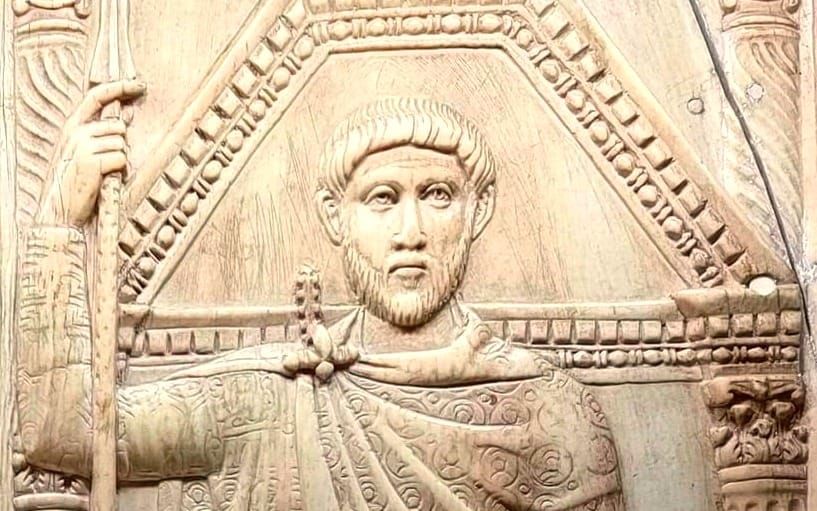
In the last years of the fourth century, the Western Roman Empire still had emperors, armies, courts, senators, laws, and ancient prestige. What it increasingly lacked was stability. At the center of that fragile world stood Flavius Stilicho, a Roman general of mixed Vandal and Roman origin who became the guardian of Honorius and the dominant figure in the West.
His career has often been remembered through extremes: either as the last great defender of Rome, or as a dangerously ambitious commander whose policies weakened the empire he claimed to serve. The truth lies in a more difficult place. Stilicho did not rule a healthy state. He tried to hold together a western empire already under immense pressure – and his fall showed how little strength remained once he was gone.
A Roman General with a Vandal Father
Flavius Stilicho was born around A.D. 360, into a Roman world that had already changed profoundly. His father was a Vandal who served as a cavalry officer under the emperor Valens. His mother was Roman. Later suspicion often focused on his father’s origin, but that ancestry should not be misunderstood.
Stilicho was not raised as an outsider looking in at Rome from beyond the frontier. He grew up within the structures of the Roman military and imperial court, in an age when men of non-Roman descent could rise high in imperial service.
His mixed background mattered, but not in the simple way hostile voices later implied. There was no single “Germanic” identity that bound Vandals, Goths, Franks, Alans, and other peoples together against Rome. A man of Vandal descent did not naturally feel kinship with Gothic warriors on the Danube.
The peoples beyond the frontier were divided by language, leadership, custom, and interest. Many served Rome, fought each other, and built careers inside the imperial system. Stilicho’s ancestry would later make him vulnerable to political attack, but it did not make him less Roman in public life.
His early career shows how deeply integrated he already was. He entered the army young, as sons of soldiers were expected to do, and rose through the elite corps of the protectores, a body associated with men marked out for advancement. By his early twenties, he had probably reached a position close to the imperial general staff.
His first known public role came in 383 or 384, when he was sent on an embassy to Persia. The mission mattered because the eastern court needed peace on the Persian frontier while the western usurper Magnus Maximus threatened the stability of the empire.
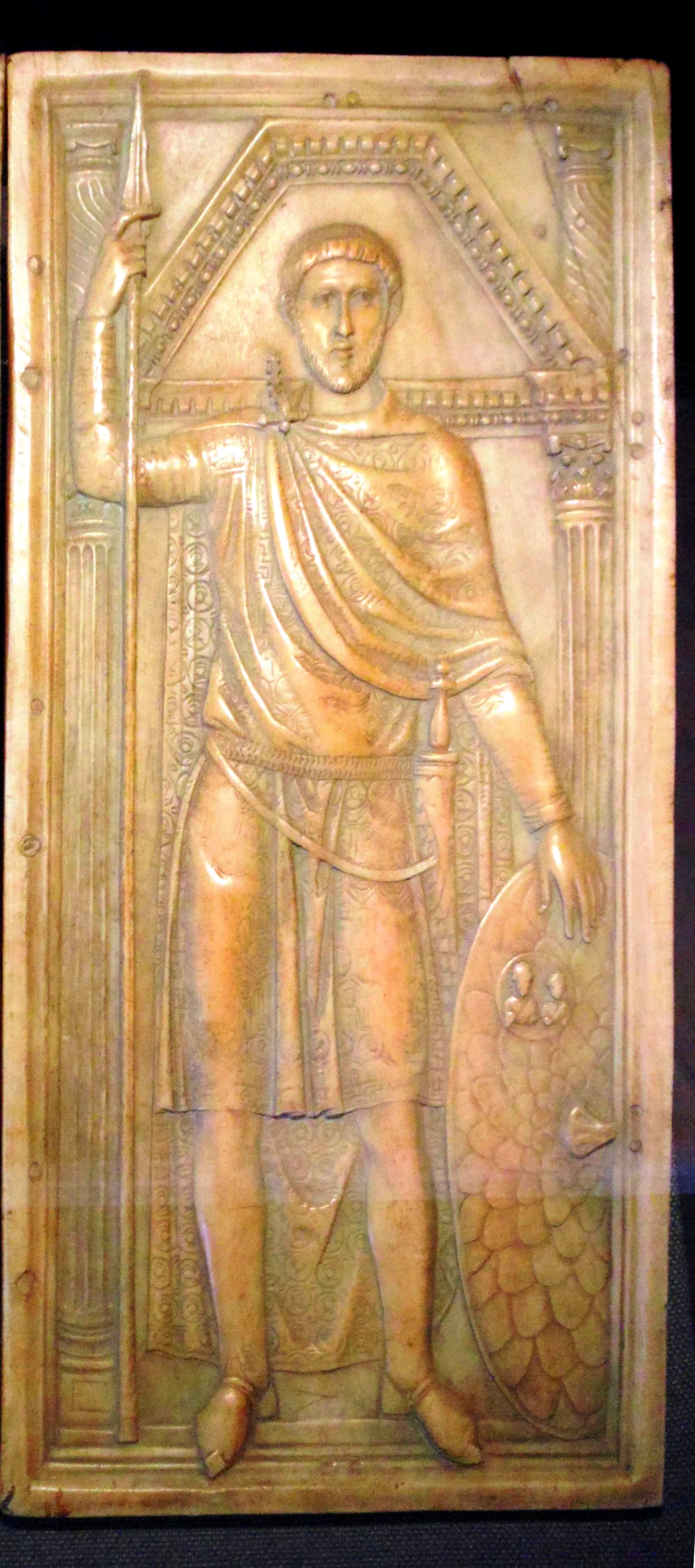
Stilicho did not lead that embassy, but his participation already shows trust. He was young, but not obscure. He belonged to the world of imperial service, diplomacy, and military command. Soon afterward, his career changed completely when he married Serena, the niece and adopted daughter of Theodosius I.
Serena was not a minor relation. In practice, she belonged to the emperor’s immediate family, even if the adoption had not been formalized in a way that would complicate imperial succession.
The marriage raises an obvious question. Why would Theodosius allow his adopted daughter to marry a young officer of mixed Vandal and Roman background who had not yet won great military fame? The most likely answer is that Stilicho was already visible at court, educated in the imperial manner, and acceptable to the Theodosian family.
Serena herself may have noticed him and supported the match. The important point is that she was not marrying an unformed barbarian soldier. She was marrying a Roman officer whose father’s origin did not prevent him from belonging to the highest circles of power.
Theodosius then raised Stilicho’s status quickly. He became comes sacri stabuli, count of the sacred stables, and soon afterward comes domesticorum, commander of the imperial household guards. These promotions may have reflected ability, but they also solved a political problem: the husband of Serena needed rank appropriate to his new place in the imperial family. From this point, Stilicho was no longer simply a promising officer. He was tied by marriage, office, and personal loyalty to the ruling house.
The Man Theodosius Trusted
Stilicho’s rise unfolded during another period of imperial instability. Magnus Maximus had rebelled in Britain in 383, crossed into Gaul, and overthrown Gratian, who was abandoned by his army and executed at Lyon. Maximus then controlled Britain, Gaul, and Spain, while Valentinian II remained in Italy and Theodosius ruled the East.
Theodosius could not immediately respond with force. He had only recently settled the Gothic crisis after Adrianople and was still negotiating with Persia over Armenia.
Once peace with Persia had been secured, Theodosius was free to act. In 387, Maximus invaded Italy, forcing Valentinian II to flee to Thessalonica. Theodosius intervened the following year, defeated Maximus at Siscia and Poetovio, and had him executed at Aquileia. Stilicho is not clearly described in the surviving accounts of these campaigns, but his office makes it highly likely that he accompanied Theodosius.
His presence in the West is also supported by inscriptions from Rome. This was probably the first stage in his practical military experience at the center of imperial war.
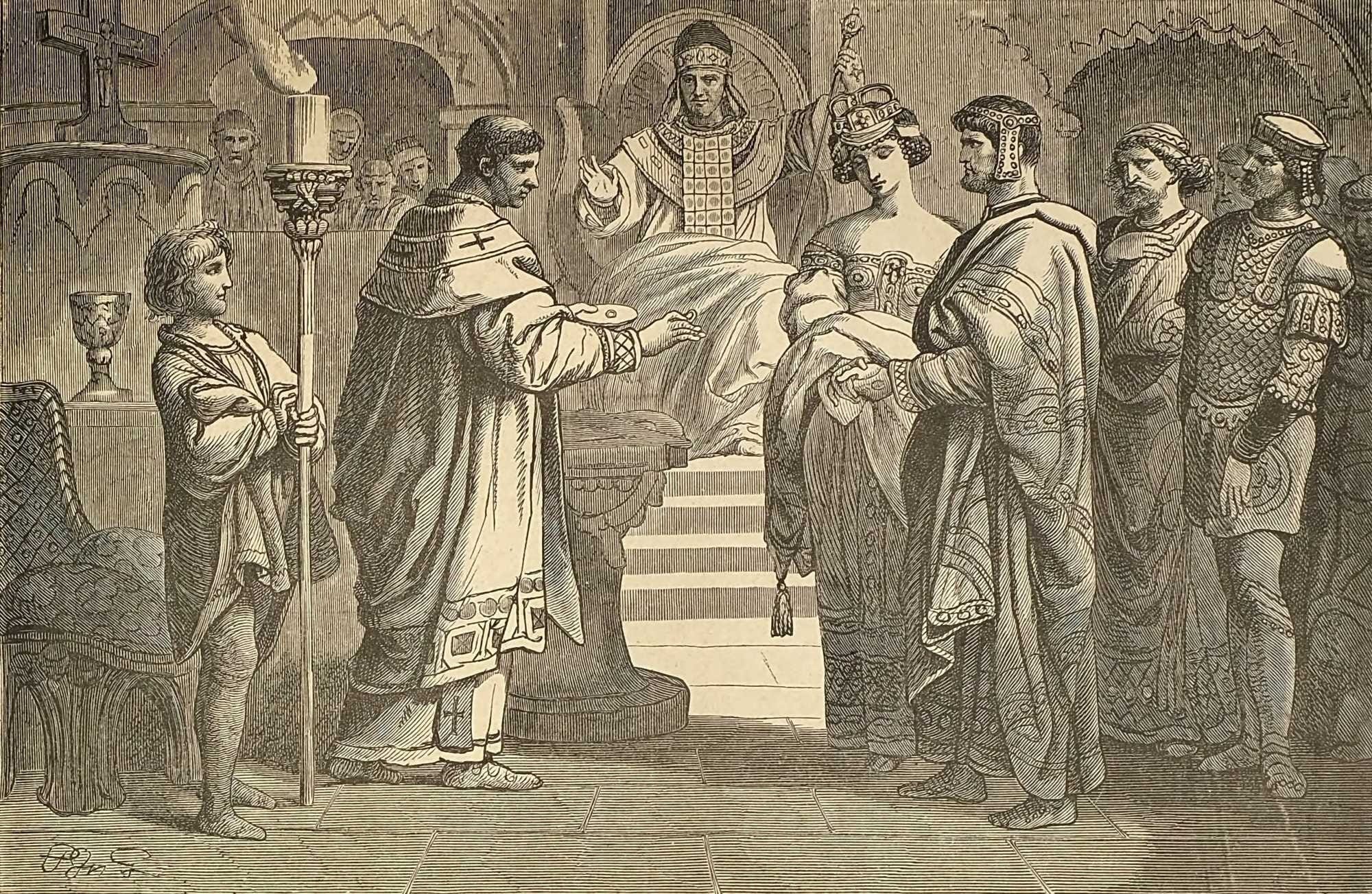
His next major opportunity came in the Balkans. The Gothic settlement of 382 had not solved Rome’s Gothic problem. After the disaster at Adrianople, the Goths had been settled inside the empire while retaining their own leaders and identity. They had not been destroyed, but they had not been fully absorbed either. This created a dangerous new reality: a large armed people inside the imperial world, tied to Rome by agreement but not completely integrated into Roman society.
In 391, Gothic unrest in the Balkans re-emerged. Promotus, the commander in Thrace, was killed in an ambush, and Stilicho seems to have succeeded him as magister utriusque militiae per Thracias. The evidence is brief and shaped by praise, but it suggests that Stilicho campaigned effectively against Gothic forces and helped restore order.
He did not win a grand annihilating victory, but that should not be seen as failure. Since Adrianople, a prudent Roman commander knew the danger of risking everything in a single open battle. Stilicho appears to have used pressure, manoeuvre, and controlled force rather than reckless confrontation.
This is also where Alaric begins to enter the larger story. He may already have been one of several Gothic leaders active in the Balkans, building authority through a combination of war, negotiation, and the ability to gather followers. After Stilicho’s operations, Alaric was drawn into Roman service with his own warriors. That arrangement reflected a policy Theodosius used more than once: dangerous Gothic leaders could sometimes be more useful inside the imperial system than outside it.
The decisive turning point came in 394, when Theodosius marched west against Arbogast and Eugenius. Arbogast, a Frankish general, had dominated the court of Valentinian II. After Valentinian’s suspicious death in 392, he raised Eugenius to the western throne. Theodosius refused to accept this settlement and prepared for war. Stilicho served as second in command under Timasius, while Theodosius retained overall authority.
At the Battle of the Frigidus, the eastern army faced a difficult and dangerous position. Arbogast had deployed well, blocking the exit from the mountain pass and limiting the space in which Theodosius could deploy his troops. On the first day, the Gothic foederati and other auxiliaries suffered severe losses in a frontal assault.
This has sometimes been interpreted as a deliberate attempt to weaken the Goths by sacrificing them, but the circumstances suggest something more practical. Theodosius needed space for the rest of his army to emerge and form. The attack was likely forced by necessity, not by a cold plan to destroy Gothic manpower.
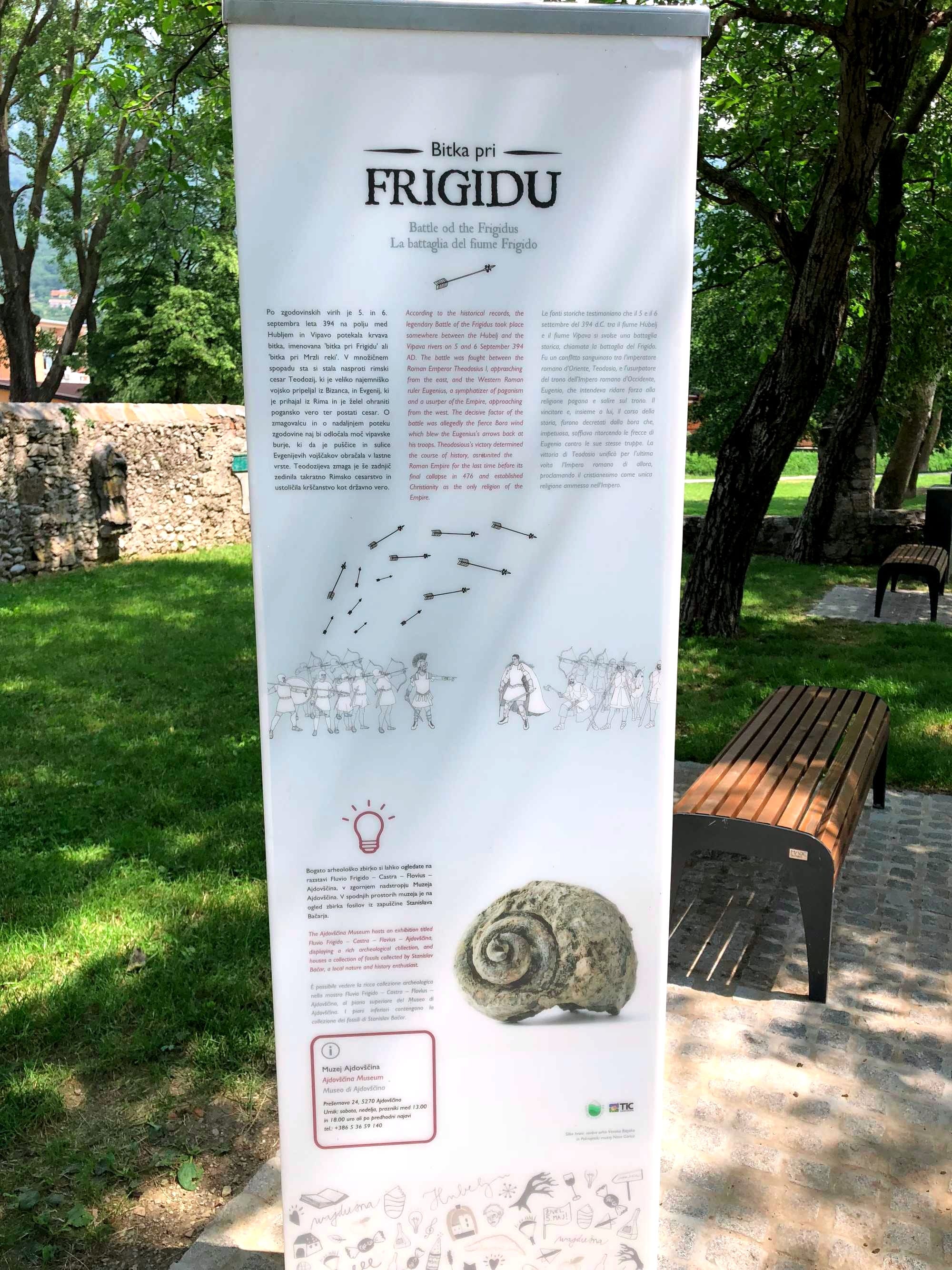
The second day brought victory. Some western troops sent to block Theodosius’ retreat defected to him, and a powerful local wind, the Bora, blew dust into the faces of the western army. Eugenius was captured and executed. Arbogast fled and later killed himself. Theodosius had reunited the empire under one ruler.
Stilicho’s exact role in the battle cannot be recovered with certainty. The sources focus on Theodosius, the religious meaning later attached to the victory, and the heavy losses among the Goths. Yet Stilicho emerged from the campaign as a trusted military figure, bound to Theodosius by family and service. When Theodosius fell seriously ill shortly afterward, the question of who would guide the young Honorius in the West became urgent.
Theodosius had to choose carefully. Honorius was still a child. Recent history had shown what could happen when a young emperor was dominated by a powerful general. Arbogast had controlled Valentinian II and then placed Eugenius on the throne. The guardian of Honorius therefore had to be strong enough to defend the West, but loyal enough not to replace the dynasty. Stilicho, as Serena’s husband and Theodosius’ trusted officer, became the natural choice.
Guardian of a Fragile West
Theodosius died in January 395. His sons inherited the empire: Arcadius in the East, Honorius in the West. Stilicho now stood beside Honorius as guardian and supreme military figure in the western court. His position was powerful, but far from secure. He had the army and the young emperor, but he did not possess deep roots among the western aristocracy, and the eastern court did not welcome his influence.
Stilicho claimed authority as parens principum, guardian of the imperial children. In the West, this strengthened his position over Honorius. But if applied to both sons of Theodosius, it implied a right to influence Arcadius as well. That immediately created conflict with the ministers who controlled the eastern court, especially Rufinus and later Eutropius. From the beginning, Stilicho’s power in the West was inseparable from tension with Constantinople.
His first major test came quickly. In 395, Alaric rose in the Balkans. Stilicho marched with a combined eastern and western army and seemed well placed to deal with him. Then an order came from Arcadius requiring the eastern troops to return to Constantinople. Stilicho obeyed, but the decision destroyed his chance to settle the Gothic problem. Soon afterward Rufinus was murdered by troops, and the politics of the East became even more unstable.
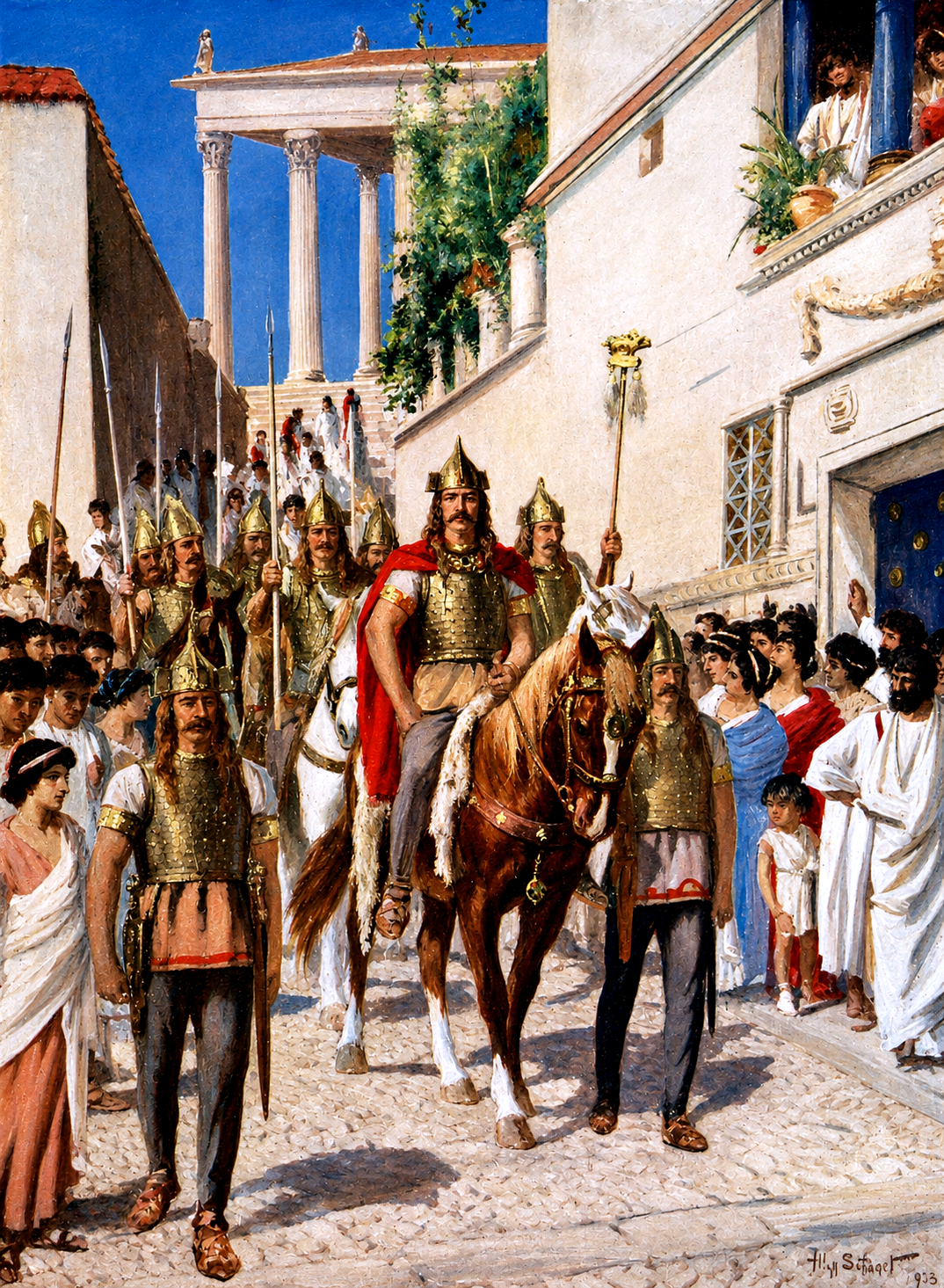
Alaric then moved into Greece. In 397, Stilicho campaigned there and appears to have trapped or at least contained him. Yet once again politics intervened. The eastern court declared Stilicho a public enemy, forcing him to withdraw without finishing the campaign. Alaric retreated to Epirus with the spoils of Greece and was later made magister militum per Illyricum by the eastern government. This was a clever but dangerous move. It limited Alaric’s power by giving him an official post in a reduced sphere, but it also turned him into an eastern military officer. If Stilicho attacked him again, he risked war with Arcadius.
This was one of the central frustrations of Stilicho’s career. He could see the danger posed by Alaric, but the divided empire prevented a clear solution. East and West were still theoretically part of the same Roman world, but their courts often treated each other as rivals. Alaric survived partly because he understood that rivalry and could exploit it.
Stilicho’s western strategy became increasingly focused on Italy, southern Gaul, and Africa. Italy mattered because it was the political and symbolic heart of the western regime. Southern Gaul mattered because of its proximity to Italy and its role in the defence of the Alpine approaches. Africa mattered because its grain supply fed Rome and Italy. Britain, Spain, and northern Gaul remained important, but they were farther from the Milanese court and less central to its immediate priorities.
This was a logical strategy, but also a dangerous one. It concentrated limited resources around the core of western imperial power. For a time, that helped keep the regime alive. Later, when multiple crises erupted at once, the neglected edges of the West would become impossible to hold.
Africa, Italy, and the Gothic Threat
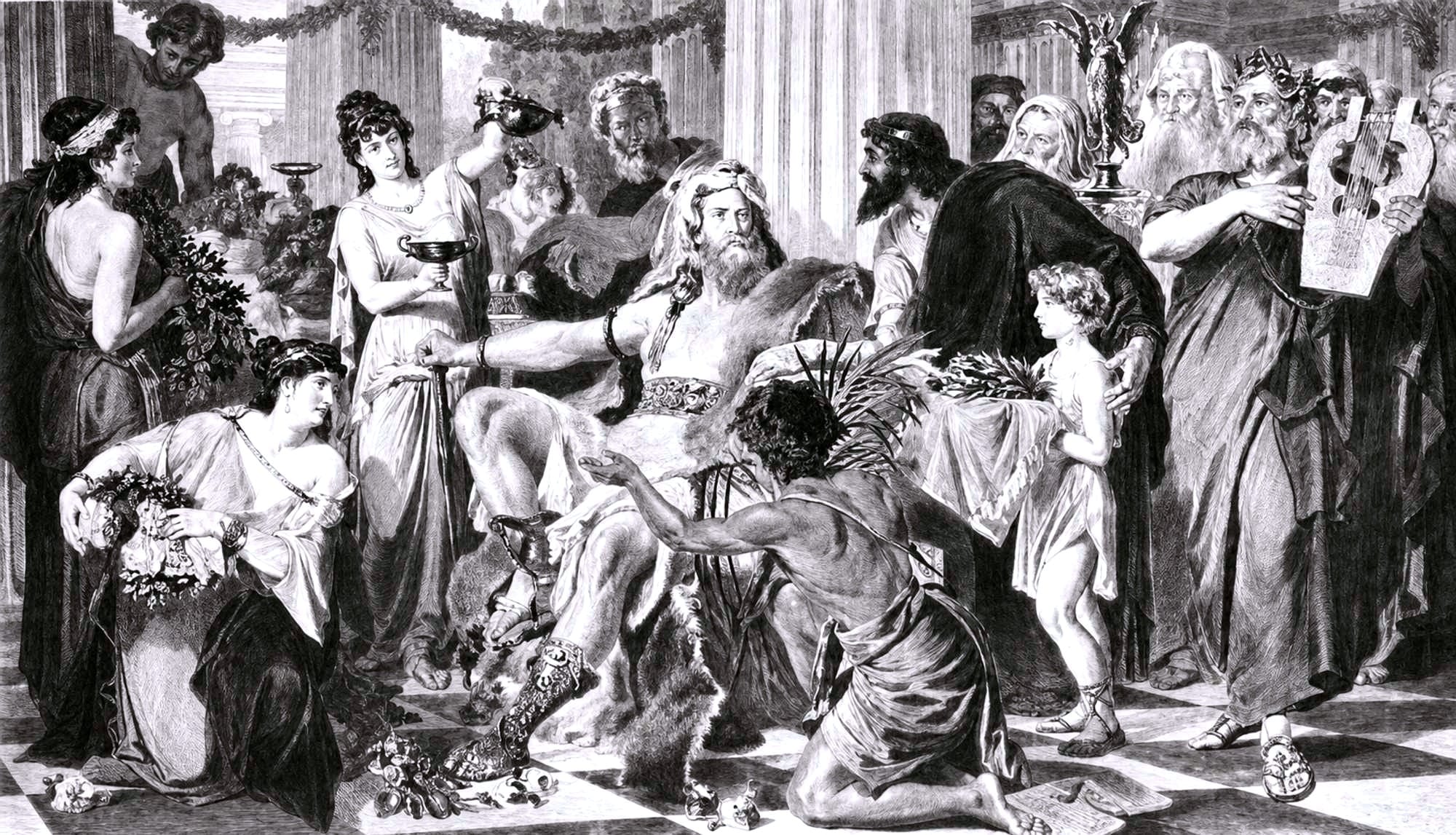
The first major western crisis after Stilicho’s settlement in power came from Africa. Gildo, the powerful military commander there, shifted his allegiance toward the East. This was not a minor provincial quarrel. Africa was essential to Rome’s grain supply. If Africa was lost or withheld, the political stability of Italy and Rome itself came under threat.
Stilicho responded indirectly but effectively. He did not lead the campaign in person. Instead, he sent Mascezel, Gildo’s brother and enemy, with a comparatively small force. Mascezel defeated Gildo’s troops, and Gildo was captured and died soon afterward. Africa returned to western control.
This was a vital success. It secured the grain supply, restored the authority of the western regime, and showed that Stilicho could act decisively without always needing to command in person.
The victory also strengthened his position politically. The western court needed Africa, and Stilicho had recovered it. Yet his power still rested on compromise. He had to deal with the Senate, the army, the church, the court, barbarian federates, and the eastern government. His wife Serena helped stabilize his public image.
Her role as a pious Christian aristocratic woman tied Stilicho’s household more firmly to the Theodosian order. Stilicho himself might employ pagans, heretics, and barbarian soldiers when useful, but his family projected Christian legitimacy.
For several years after Gildo’s defeat, Stilicho consolidated his position. Alaric remained quiet in his eastern post, while Stilicho worked within a West that was still fragile but manageable. Then, in 401, the balance changed. Alaric invaded Italy.
This was the moment when Stilicho became the defender of the western heartland. He had to recall troops and move rapidly to meet the threat. Alaric advanced deep into Italy, endangering the prestige and security of Honorius’ regime. Stilicho eventually confronted him at Pollentia in 402.
The battle did not destroy Alaric, but it checked him. His camp, family, and treasure were reportedly captured, which gave Stilicho a strong bargaining position. Later that year, at Verona, Stilicho again forced Alaric into retreat.
The fact that Alaric survived has often been used against Stilicho. Why did he not finish him? The more practical answer is that annihilating Alaric may not have been possible, and may not even have been desirable under the circumstances. Stilicho needed manpower. He needed political options. He needed to manage the East as well as defend the West.
Alaric, dangerous as he was, could also become useful if employed against eastern Illyricum. Stilicho’s policy was not simply weakness. It was an attempt to turn a persistent enemy into a controllable instrument.
This was risky. But the alternative – a total war against Alaric that might fail or consume resources the West could not spare – was risky too.
Too Many Crises at Once
Stilicho reached the height of his prestige after defeating the invasion of Radagaisus in 405–406. Radagaisus led a large Gothic force into Italy, and the threat was severe enough to cause panic. Stilicho gathered troops, including Huns and other federates, and trapped the invaders near Faesulae. Radagaisus was captured and executed. Thousands of his followers were taken into Roman service, while many others were sold into slavery.
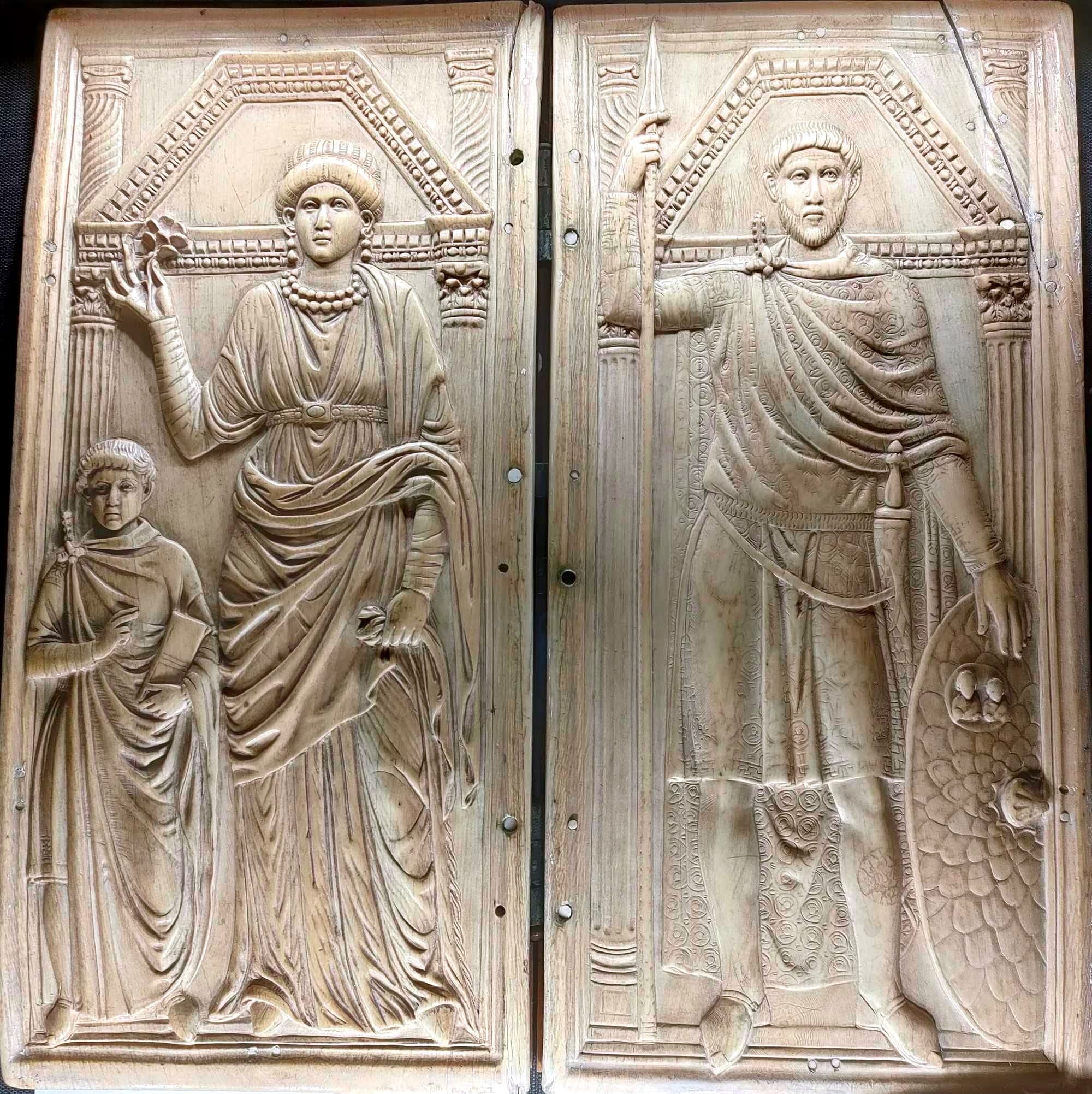
This was one of Stilicho’s greatest military successes. It protected Italy, demonstrated his ability to organize a coalition army, and brought new recruits into Roman service. The Senate honoured him, and monuments were erected in his name. At this moment, he seemed almost unassailable.
Yet success brought new problems. Many Roman elites still expected victories over barbarians to end in slaughter or total humiliation of the enemy. Stilicho’s willingness to recruit defeated barbarians into the army was militarily useful, but politically dangerous. It increased dependence on federate troops and deepened suspicion among those who feared the growing role of barbarian soldiers in Roman affairs.
After Radagaisus, Stilicho planned an invasion of Illyricum, with Alaric positioned to assist. This was not a reckless fantasy. Illyricum was strategically valuable, and control over it had long been disputed between East and West. Stilicho may have hoped to use Alaric as an official instrument against the East, turning a problem into a weapon.
Then disaster struck elsewhere. At the end of 406, Vandals, Alans, and Sueves crossed the Rhine into Gaul. At almost the same time, Constantine III was proclaimed emperor in Britain, crossed into Gaul, and began taking control of western provinces. The planned campaign in Illyricum had to be abandoned. Stilicho now faced crises on several fronts: barbarian invasion in Gaul, usurpation from Britain, Alaric waiting for payment and recognition, and ongoing mistrust between East and West.
This was the moment when the western system began to crack. Stilicho had often managed crises one at a time. Africa could be restored. Alaric could be checked. Radagaisus could be defeated. But the Rhine crossing and Constantine’s revolt created a scale of disruption that no single commander could easily master. Gaul, Britain, Spain, Italy, Africa, the eastern court, and Alaric all became linked in one unstable chain.
Stilicho tried to respond. Sarus, a Gothic commander in Roman service, struck against Constantine’s forces and won some success, but he could not complete the task. In Spain, relatives of Honorius resisted Constantine but were defeated. Meanwhile Alaric, who had been waiting in Epirus, demanded compensation for the cancelled Illyricum campaign.
Stilicho persuaded the Senate to authorize payment, arguing that it was a political necessity. To many senators, this looked humiliating. To Stilicho, it may have seemed the price of preventing another immediate invasion of Italy.
His policy was still based on management: buy time, preserve Italy, use Alaric if possible, contain Constantine, and avoid open war with the East until the situation became clearer. But the room for manoeuvre was disappearing.
The Fall of Stilicho
In 408, the death of Arcadius changed everything. His son Theodosius II was still a child. Stilicho and Honorius disagreed over what should happen next. Stilicho seems to have argued that he should go east to manage affairs in Constantinople, while Honorius should remain in the West. This played directly into the fears of his enemies. If Stilicho had long claimed a role as guardian of both imperial sons, the death of Arcadius gave that claim new urgency – and made it seem more dangerous.
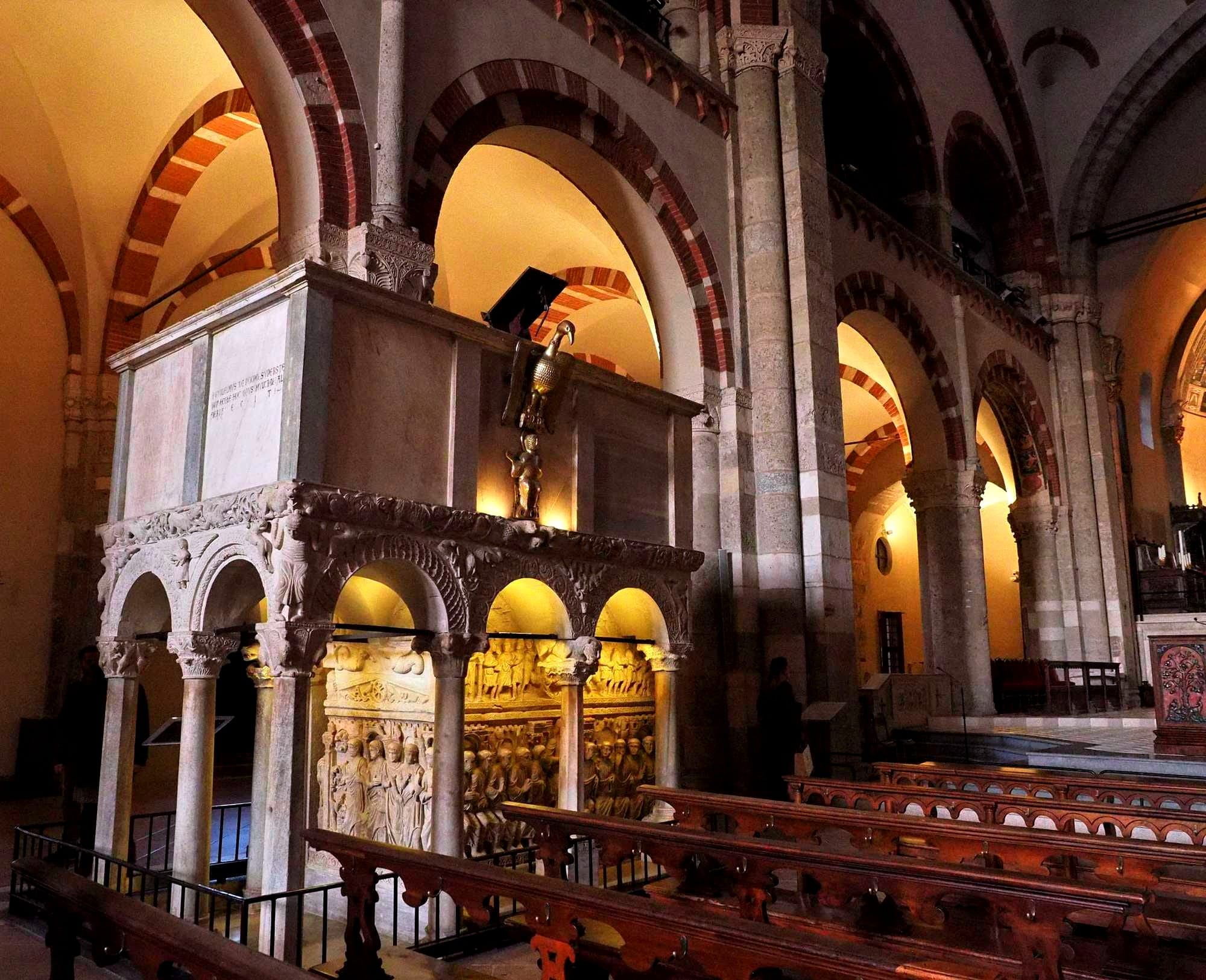
At court, opposition gathered around Olympius, who convinced Honorius that Stilicho was plotting against him. The accusations appear to have centered on the idea that Stilicho wanted to place his own son Eucherius on the throne, or at least use the crisis to seize control. The evidence for such a plan is weak. Later investigations failed to produce firm proof that Stilicho had aimed at the throne. But in a frightened court, proof was not always necessary.
Honorius went to Pavia, where troops were assembled. There, a mutiny broke out. Stilicho’s supporters were killed. The purge spread quickly. Stilicho, who still had loyal forces available, did not launch a civil war. He took refuge in a church at Ravenna, but when he was promised that the imperial order concerned only arrest, he came out. The promise did not save him. Honorius ordered his execution, and Stilicho was killed in August 408.
His son Eucherius was also killed. His daughter Thermantia, who had married Honorius after the death of her sister Maria, was dismissed from court. Serena, Stilicho’s widow, would later be executed in Rome during the crisis caused by Alaric. The family that had once stood at the heart of the Theodosian order was destroyed.
The consequences were immediate and disastrous. The new regime hunted Stilicho’s supporters, trying to prove treason. It also unleashed anti-barbarian violence. Roman troops turned on the families of federate soldiers living in Italian cities. Many were killed or enslaved. The federate troops themselves, who had served Stilicho personally, now had every reason to abandon the imperial government. Many went over to Alaric.
This was the final irony of Stilicho’s fall. His enemies had accused him of being too close to barbarians, yet by killing him and attacking federate families, they pushed thousands of trained warriors directly into Alaric’s camp. The western government removed the man who had contained Alaric and then strengthened Alaric’s army.
Rome was first besieged by Alaric in 408. It would be sacked in 410.
Was Stilicho Rome’s Last Defender?
Stilicho should not be turned into a flawless savior. He made risky choices. His policy toward Alaric was dangerous, and his failure to destroy or permanently neutralize him left the West exposed. His focus on Italy, Africa, and southern Gaul was understandable, but it left other regions more vulnerable. His dominance of the western court created resentment, and his reliance on federate troops deepened suspicion among Roman elites. His claim to influence both East and West made political conflict with Constantinople almost inevitable.
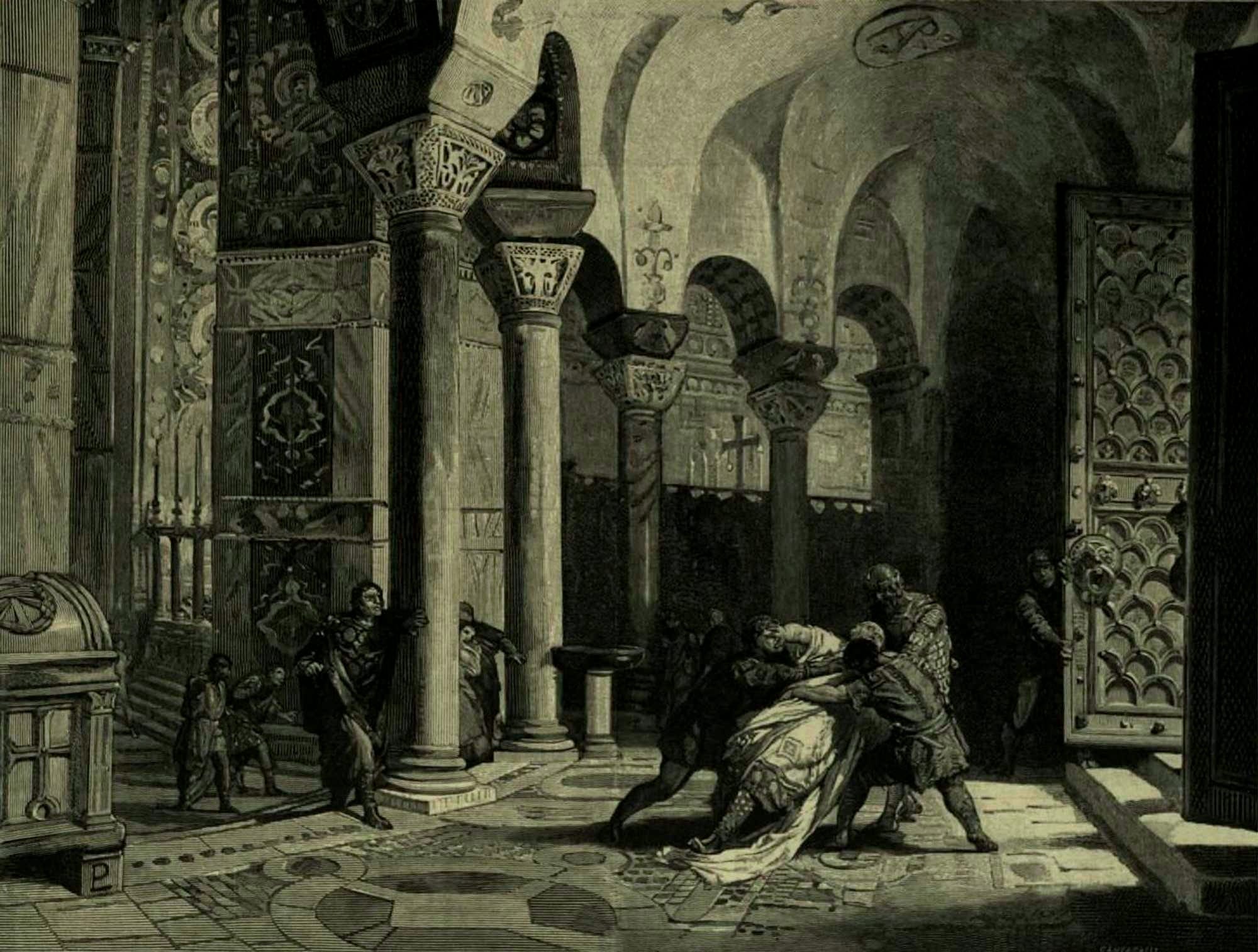
Yet the opposite image – Stilicho as a disloyal barbarian schemer who betrayed Rome – is even less convincing. He spent his career defending the Theodosian regime, protecting Honorius, restoring Africa, defeating Alaric in Italy, destroying Radagaisus’ invasion, and trying to manage problems that were already larger than the resources of the western state. His Vandal ancestry does not explain his policies, and the evidence does not show that he was secretly working for Rome’s enemies.
His real tragedy was that he served an empire whose political system could no longer bear the weight placed upon it. The West needed a commander of his ability, but feared the power such a commander required. It needed barbarian soldiers, but distrusted the men who recruited and managed them.
It needed cooperation with the East, but was trapped in rivalry with it. It needed to defeat Alaric, but also needed to use him. It needed to defend Italy, but could not afford to abandon Gaul, Britain, Spain, or Africa.
Stilicho’s career was therefore not the story of one man saving or ruining Rome by himself. It was the story of a commander trying to hold together a western empire already close to breaking. For thirteen years, he managed to contain one crisis after another. He did not solve them all, and perhaps no one could have. But after his death, the balance collapsed with terrifying speed. Alaric gained strength, Rome was besieged, and two years later the city was sacked for the first time in eight centuries. ("Stilicho. The Vandal Who Saved Rome" by Ian Hughes)
Stilicho’s importance lies there. He was not the last Roman in some romantic sense, nor simply the Vandal who saved Rome. He was a Roman general of mixed ancestry, a son-in-law of Theodosius, guardian of Honorius, rival of eastern ministers, enemy and occasional would-be employer of Alaric, and the one figure who, for a time, made the western state still look governable. His fall exposed how fragile that state had become. Once he was gone, the West discovered that removing a powerful general was much easier than replacing what he had held together.

About the Roman Empire Times
See all the latest news for the Roman Empire, ancient Roman historical facts, anecdotes from Roman Times and stories from the Empire at romanempiretimes.com. Contact our newsroom to report an update or send your story, photos and videos. Follow RET on Google News, Flipboard and subscribe here to our daily email.
Follow the Roman Empire Times on social media: