
Why the Eastern Roman Empire Did Not Collapse
How did the Eastern Roman Empire survive when so much of its world had already been lost? The answer lay in more than armies and walls.

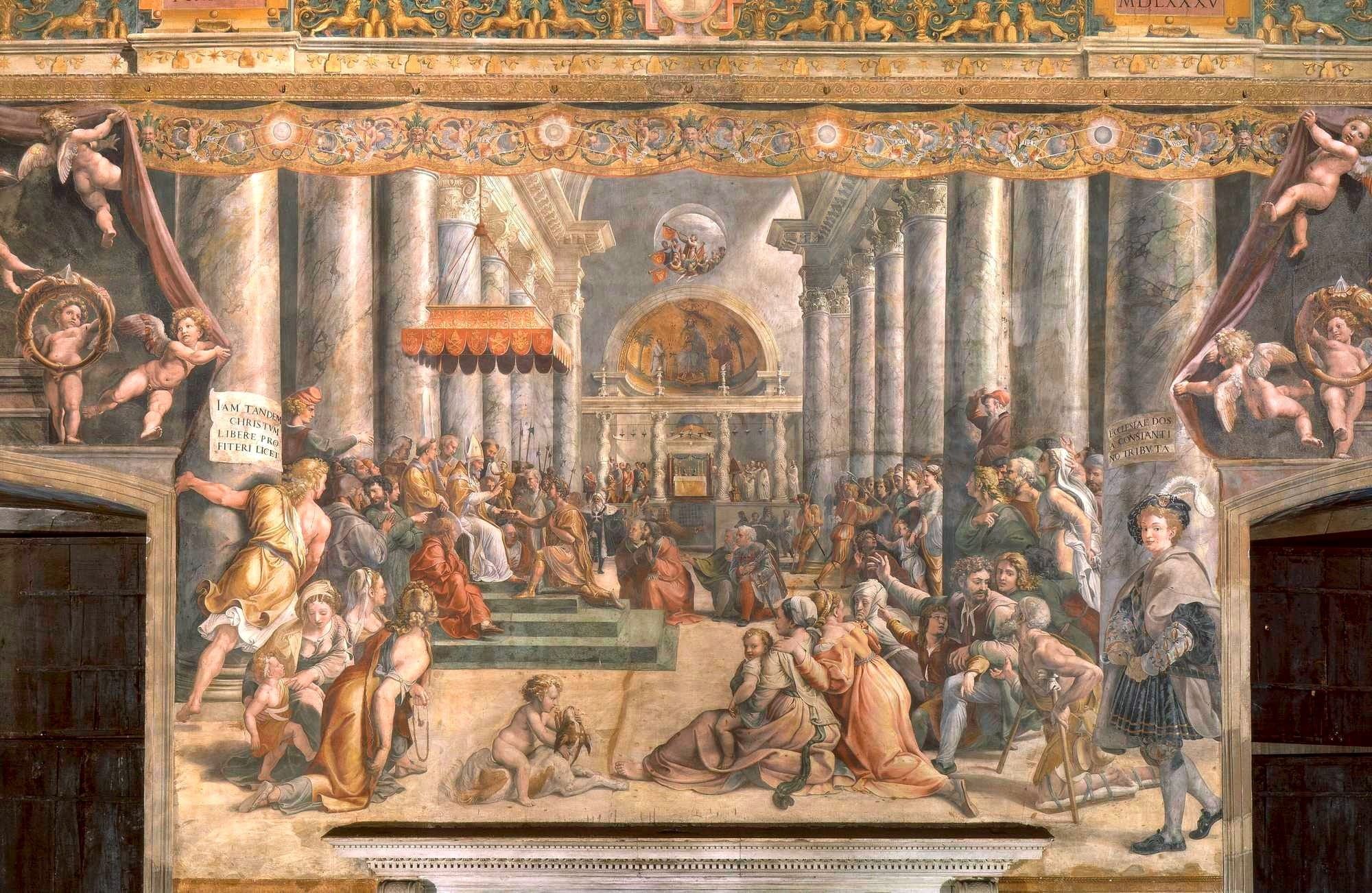
When the Eastern Roman Empire entered the seventh century, it was still the heir to one of the great political orders of the ancient world. Within a few decades, that inheritance had been broken apart by war, conquest, and the loss of some of its richest provinces. What remained was a reduced and deeply pressured state that, by any ordinary expectation, should not have lasted. Yet it did. The real story of this period lies not only in what the empire lost, but in how it managed to endure after so much had already fallen away.
A State on the Edge of Survival
By the middle decades of the seventh century, the Eastern Roman Empire seemed to have entered the kind of crisis from which states do not normally recover. Provinces that had long sustained imperial government and military power were gone or slipping away, war had drained resources on a vast scale, and the political geography of the eastern Mediterranean had been transformed with astonishing speed.
From the outside, it is easy to see only contraction, defeat, and exhaustion. Yet the most important fact about this period is not that the empire suffered such immense losses, but that it survived them at all.
That survival is what makes the period so important. The central question is not simply why the empire became smaller, poorer, and more vulnerable, but why those developments did not destroy it. The state that emerged from the seventh century was no longer the same eastern Roman Empire that had dominated the late antique Mediterranean.
It had lost territory, revenue, and much of the older balance on which its power had rested. But it had not ceased to function as a Roman state. It remained politically coherent, militarily active, and ideologically self-confident enough to endure in a world that had changed around it.
This means the period cannot be reduced to a simple story of collapse. Older ways of describing these centuries as a dark age of decline do not explain enough. There was loss, certainly, and on a scale that should not be softened. But there was also reorganization, adaptation, and the construction of a new imperial order under far harsher conditions.
The empire did not survive by preserving the old world intact. It survived by changing. What followed was not the continuation of the late Roman world in its earlier form, but the emergence of a more compact, more defensive, and more regional imperial structure.
No single explanation is enough to account for that outcome. Military resistance mattered, but armies alone cannot explain why the state held together. Fiscal capacity mattered, but taxation and resources cannot be separated from the institutions that collected them or the communities that sustained them.
Geography mattered, but no landscape defends itself without political organization. Ideology mattered too: the empire was not merely a tax machine or a military system, but a Roman and Christian polity whose rulers and subjects still believed in the legitimacy and necessity of imperial order. Survival rested not on one miracle factor, but on the interaction of many.
That is why the history of the seventh century has to be read on several levels at once. It was a military crisis, but also a political one. It was an economic crisis, but also a social and administrative one. It tested emperors, armies, and frontier systems, but also provincial society, local elites, and the empire’s own ability to preserve cohesion under strain. States do not endure because they are abstractly strong.
They endure when enough of their structures remain functional, enough of their people remain invested in them, and enough adaptability survives to turn emergency into a new form of stability.
The Eastern Roman Empire entered this period with real advantages, but also with deep vulnerabilities. It was still the heir to the late Roman world, still rich in political tradition, administrative practice, and imperial prestige. Yet those strengths had already been strained by generations of war and competition before the great shocks of the seventh century fully unfolded.
What followed did not strike a settled and untroubled state. It struck one already under pressure, and forced it into a more radical transformation than anything it had faced for centuries.
That is what gives the period its distinctive place in Roman history. The empire did not simply outlast a run of defeats. It passed through a crisis severe enough to destroy the older order and yet remained alive on the other side of it. The eastern Roman state that continued after these decades was diminished, altered, and hardened, but it was still Roman. Its survival was neither automatic nor accidental. It was the result of a difficult, uneven, and profound remaking of empire.
Belief, Identity, and the Meaning of Crisis
The surviving empire held together not only through armies, taxation, and administration, but also through the ways in which people understood what was happening around them. Defeat, invasion, displacement, famine, plague, and political violence were not treated as random blows.
They were interpreted through a moral and religious language that gave suffering meaning and placed it inside a larger order. Sin, punishment, divine favor, repentance, prophecy, sacred intercession, and providence were not marginal features of the culture. They formed part of the ordinary framework through which many eastern Romans understood history, authority, and survival.
Under such conditions, endurance depended not only on keeping soldiers in the field, but on preserving a moral world in which survival could still be imagined as purposeful rather than futile.
This did not create harmony. Religious controversy remained sharp, and doctrinal conflict could deepen political tension instead of easing it. Debates over imperial religious policy mattered because they shaped how rulers were judged and how communities located themselves in relation to the state.
Yet the long-term effect within the surviving empire was not the permanent fragmentation of belief into mutually hostile camps. The Christian Roman identity of the state remained strong enough to help preserve cohesion. Imperial legitimacy became still more tightly bound to its religious role, and the continued existence of the empire could be understood as part of a larger sacred order.
That did not erase disagreement, but it did help sustain a political framework inside which disagreement could continue without destroying the state itself.
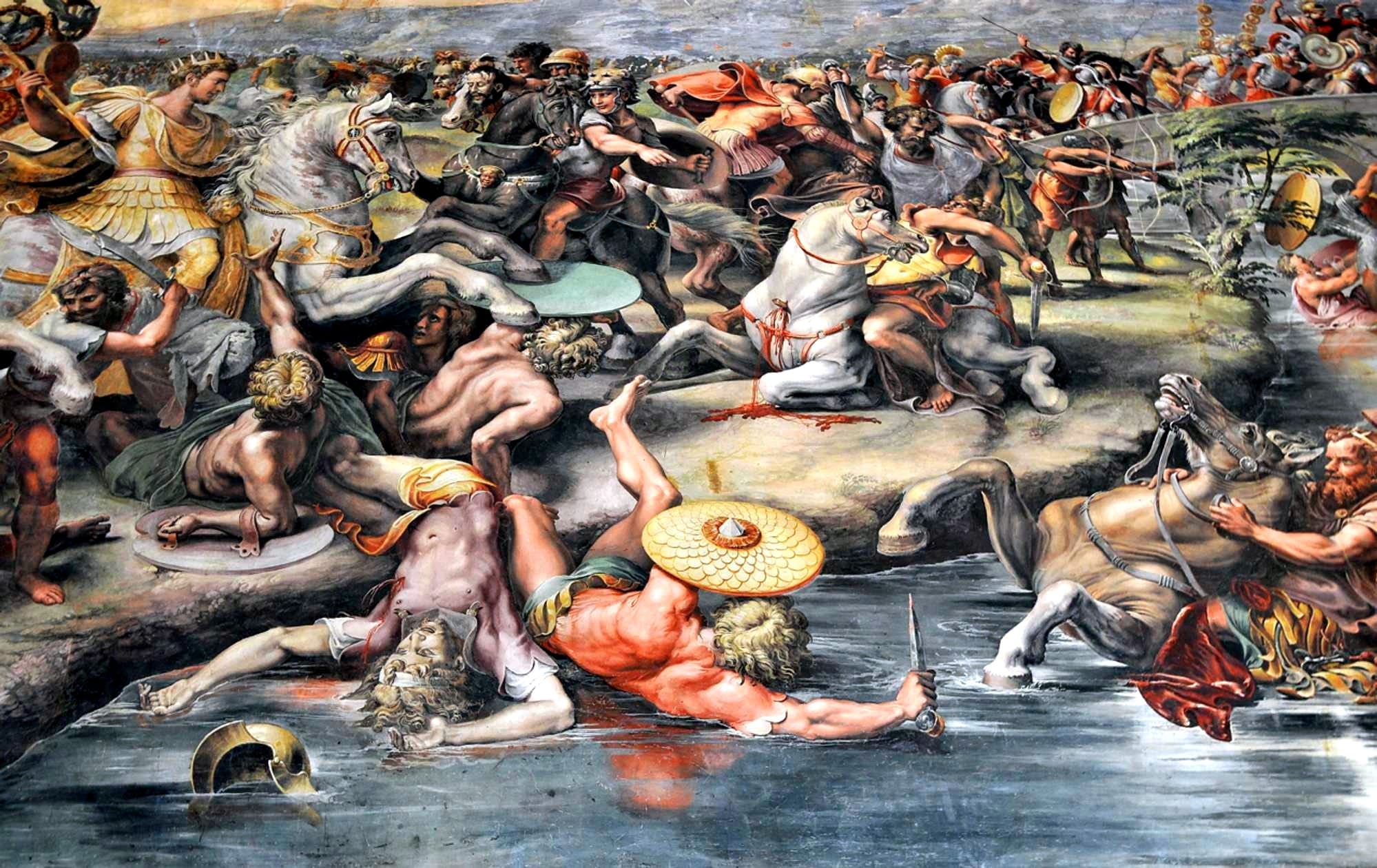
The empire’s enemies were also understood within this changing moral and intellectual world. For a long time, the invaders were not yet consistently grasped as representatives of a fully articulated rival religion in the later sense. They often appeared first as violent, godless enemies, as destroyers from outside the civilized Roman order.
Only gradually did a clearer and more systematic understanding of Islam develop within the empire. That gradual change matters because it shows that the categories through which eastern Romans understood conflict were themselves evolving. The empire had to learn the nature of the world it was now living in, and that learning formed part of its adaptation.
The same is true of miracle, relic, saintly intervention, sacred protection, and prophetic warning. These were not decorative pieties sitting above the real business of state. They belonged to the logic through which many people understood causation itself. At the same time, this was not a world without pragmatism.
Men who believed deeply in divine judgment could still act with strategic intelligence, administrative realism, and personal ambition. The society that survived was not irrational. It was a society whose practical actions were embedded in a symbolic and moral universe different from the one assumed by modern secular habits of thought. To understand why the empire endured, that universe has to be taken seriously.
Identity, Division, and Solidarity
The empire that survived was never socially or culturally uniform. It was divided by language, region, doctrine, status, and locality. Those divisions did not disappear under pressure. If anything, crisis often made them more visible. Yet the state did not dissolve into separate political worlds. That is one of the central facts that any explanation has to confront.
The surviving Roman order became narrower and more concentrated, but it remained held together by forms of identity and solidarity that were strong enough to preserve an imperial political structure.
Roman identity did not vanish when so many older provinces were lost. It was reworked inside a smaller, harsher, and more defensive world. The reduced empire could no longer rely on the broad Mediterranean balance of the late antique state, but it could still define itself as Roman, Christian, and legitimate. Those identifications mattered not merely as formal claims, but as part of the social glue that linked rulers, soldiers, clerics, provincial elites, and subjects to a shared political order.
Constantinople and Anatolia became more central than before, and that altered the social and political balance of the empire. The capital became more dominant, but provincial society did not become passive. Instead, a more strongly rooted imperial core emerged in which local and imperial identities became more tightly connected.
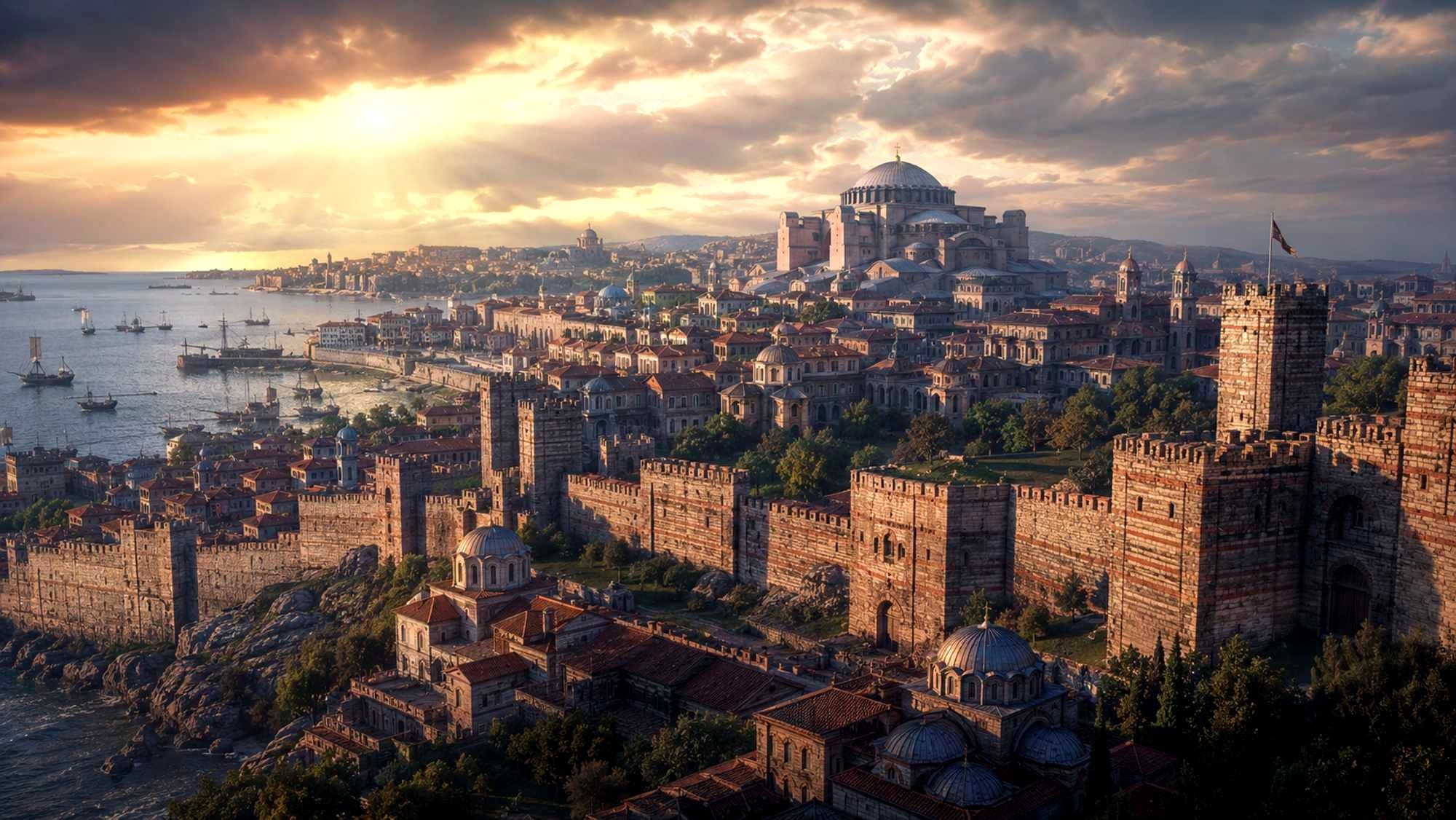
The growing importance of Anatolian elites belongs here. These were not simply local men obeying distant orders. Their position, wealth, and authority were increasingly tied to the survival of the imperial structure. They had reasons to support the state because their own futures were bound to it. Their role helps explain why the empire’s core did not break into disconnected regional societies once the old Mediterranean order had been shattered.
What survived was not a shell of imperial authority floating above society, but a political order that still possessed social roots in the provinces that mattered most.
The army was part of this as well. Soldiers were not a separate caste detached from society. As the empire changed, the military increasingly reflected the same provincial world from which it was drawn. That may have narrowed the gap between soldiers and local populations more than is often assumed. If so, the durability of the army cannot be explained only by command and pay.
It also depended on the fact that the army remained anchored in the social fabric of the surviving empire. This mattered because provincial resistance, military cohesion, and local endurance were not separate stories. They were interlinked.
None of this made the empire peaceful or fair. It remained deeply unequal, full of hierarchy, coercion, and social strain. But under the pressures of repeated invasion and contraction, what mattered was not the absence of division. It was the persistence of enough solidarity across those divisions that the state could continue to command obedience, collect resources, and sustain resistance. The empire’s social order remained fractured, yet still governable. That proved to be enough.
Elites, Interests, and Power
The role of elites was decisive. The empire endured because enough members of the military, administrative, ecclesiastical, and provincial elite continued to see their future within the future of the state. Their loyalty did not rest on idealism alone. It rested on office, title, land, command, salary, privilege, and the expectation that the imperial order would continue to protect those things.
As long as the state could still reward service, recognize authority, distribute rank, and preserve elite interests, its survival remained bound up with the survival of the people who ran it.
This helps explain why the empire did not disintegrate into provincial separatism after its worst losses. Rebellions in places such as Africa and Italy did occur, but they reflected local fear, military insecurity, fiscal pressure, and religious conflict rather than a coherent desire to abandon the imperial world altogether. Even opposition was often expressed within a recognizably Roman political horizon.
Men rebelled against rulers, policies, and immediate conditions; they did not necessarily reject the imperial order itself. The state remained the framework inside which political conflict was still understood. That continuity mattered enormously.
The relationship between provincial elites and Constantinople was therefore crucial. The court and patriarchate at the capital became stronger centers of prestige and identity, but they did not obliterate local power. Provincial elites remained tied to the center through office, recognition, patronage, and legitimacy.
This made it possible for the state to rule at a distance without being equally strong in every place. It also shows why force alone cannot explain endurance. The state undoubtedly relied on coercion. Provincial elites could compel populations to remain on the land, deliver resources, and meet military and fiscal demands. But coercion was backed by legitimacy. These men possessed an accepted place inside the empire’s moral and political order. They were not merely armed predators. They were imperial figures, however locally grounded.
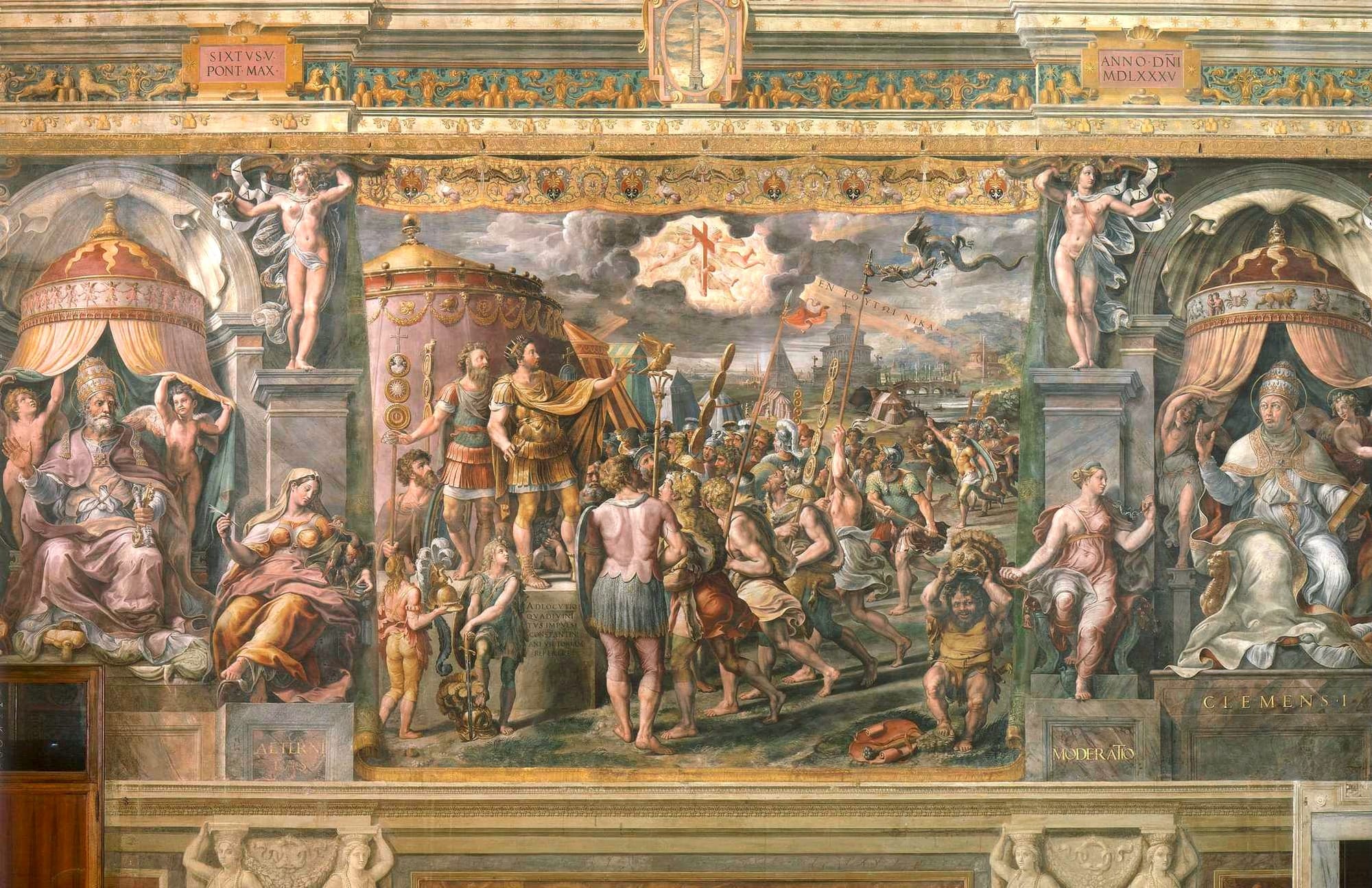
This combination of coercion and legitimacy helped preserve taxation, manpower, rural order, and military logistics at the moment when the empire seemed most exposed. It reveals something fundamental about the eastern Roman state: its hierarchy, harsh though it was, remained politically productive. The empire did not survive by solving its inequalities. It survived because its inequalities remained integrated into a functioning political order that still made claims people recognized as binding, even if they resented them.
Regional Variation and Resistance
The reduced empire was not one evenly functioning body. Some regions were more exposed, some more fertile, some more defensible, and some more deeply tied to the capital than others. This unevenness is not a minor detail. It helps explain why survival did not depend on one perfectly balanced system operating identically everywhere. What mattered was whether enough of the remaining regions stayed viable enough, strong enough, or defensible enough to keep the state alive.
Anatolia was the decisive case. In contrast to Syria and later Africa, the imperial government managed to develop strategies that helped it cling to this core territory. Arab armies could raid, devastate, overwinter for a time, and aim at exhausting Roman morale and resources. But they could not establish permanent control beyond the Taurus and Anti-Taurus line.
Distance, mountains, supply, climate, and the survival of Roman strongpoints all worked against lasting occupation. Anatolia became the region where the state proved that it could absorb repeated pressure without breaking.
Resistance there depended on several interacting factors. Open battle was often avoided unless the conditions were favorable, which helped preserve Roman forces. Major fortresses and defensive lines retained importance. Provincial elites remained invested in the state. Rural production and tax collection continued. Local populations could be compelled or persuaded to remain within the imperial system.
This was not a heroic frontier in a romantic sense. It was a region in which political, military, social, and logistical resilience reinforced one another. Anatolia survived not because it was untouched, but because it remained governable under pressure.
Other regions mattered differently. Sicily remained valuable as a grain source. North Africa still had significance into the later seventh century before its final loss. Parts of Italy and the Balkans demanded continued attention. Yet the logic of endurance lay above all in the creation of a viable Anatolian-Aegean core tied tightly to Constantinople. That was the space within which the empire could survive repeated attacks and eventually become a more stable medieval state.
Environment, Agriculture, and Material Survival
Environmental factors widen the explanation without replacing politics, society, and belief. Climate, rainfall, land use, and agrarian regimes all mattered, but none of them can serve as a single master cause. The point is not that climate saved the empire or doomed its enemies. The point is that the ecological and agrarian conditions of the surviving territories remained compatible enough with continued production that the state could still be sustained.
The surviving empire after the mid-seventh century was essentially an Anatolian-Aegean-Sicilian one, with North Africa still contributing for a time before its loss. Within that world, Asia Minor and Sicily seem especially important in terms of imperial income. Anatolia’s economy, based on cereal production, pastoralism, and regionally varied land use, was not as rich as the old eastern provinces that had been lost.
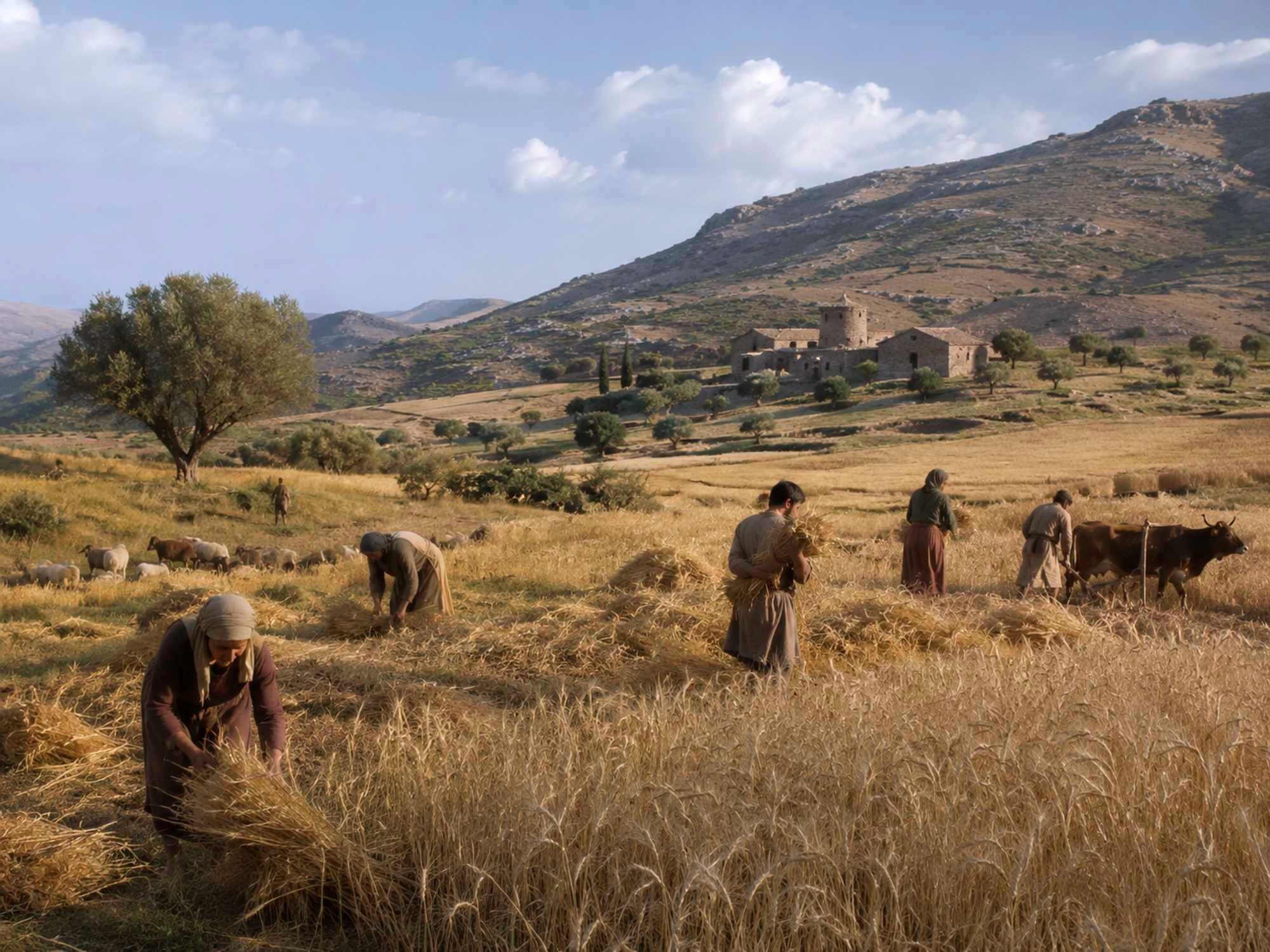
But it was viable. It could still support taxation, armies, and local society. That mattered far more than grandeur. The empire no longer needed the abundance of the earlier late Roman world in order to continue. It needed enough material continuity to remain governable, and Anatolia provided it.
The countryside therefore lies near the center of the explanation. Armies had to be fed, horses maintained, roads kept usable, fortresses supplied, and revenues extracted. None of this could be achieved by symbolism or legitimacy alone. The reduced empire still had a functioning agrarian base, and that base could be organized, taxed, and defended. This is one of the clearest material reasons why the state survived. It became poorer and narrower, but not empty.
The problems of the caliphate matter here too. Arab and then Umayyad power was immense, but not limitless. Internal conflict and competing fronts created periods of breathing space for the Romans. These interruptions mattered greatly, especially when the empire most needed time.
Yet breathing space by itself explains little. It mattered only because the eastern Roman state was still organized enough to use it. A completely broken polity would not have recovered simply because its enemy paused. The eastern empire remained alive enough to take advantage of respite because its underlying structures had not collapsed beyond repair.
Organization, Administration, and State Cohesion
The final part of the explanation lies in organization. The empire endured because its institutions and infrastructure continued to work. The military road system, the logistics of recruitment and supply, tax collection, grain management, exchange, and administrative command all remained functioning under extreme pressure.
That in itself is remarkable. The empire had lost most of its revenues and many of its richest provinces, yet it still had to maintain substantial armies and a working administration. The fact that it could do so points to the depth of its organizational resilience.
Infrastructure was not only roads, warehouses, and fortifications. It was also people. Institutions function because men operate inside them according to habits, expectations, rules, and interests. The empire survived not because it possessed a perfect abstract system, but because enough officials, commanders, tax collectors, notables, and clerics kept that system working in practice. Administrative endurance was therefore a social achievement as much as a formal one. The state remained alive because enough people still acted as Romans inside Roman institutions.
Evidence from seals and coinage illustrates the seriousness of the imperial response. Gold continued to be minted in notable purity and quantity. Taxes continued to be levied. Offices connected with customs, warehousing, and exchange were adapted to emergency conditions and later rationalized. These are not signs of a state drifting helplessly toward extinction. They are signs of a government still capable of improvisation, coordination, and administrative intelligence under severe constraint.
Constantinople remained essential. The capital concentrated court, hierarchy, patriarchate, and fiscal command. It became the strongest focal point of imperial identity and continuity. Yet it was not a self-sufficient island of power. It could only play that role because the reduced empire behind it still worked. Taxes reached it, grain reached it, armies defended it, and elites oriented themselves toward it. The city survived because the state survived, and the state survived because the city held together its political and ideological core.
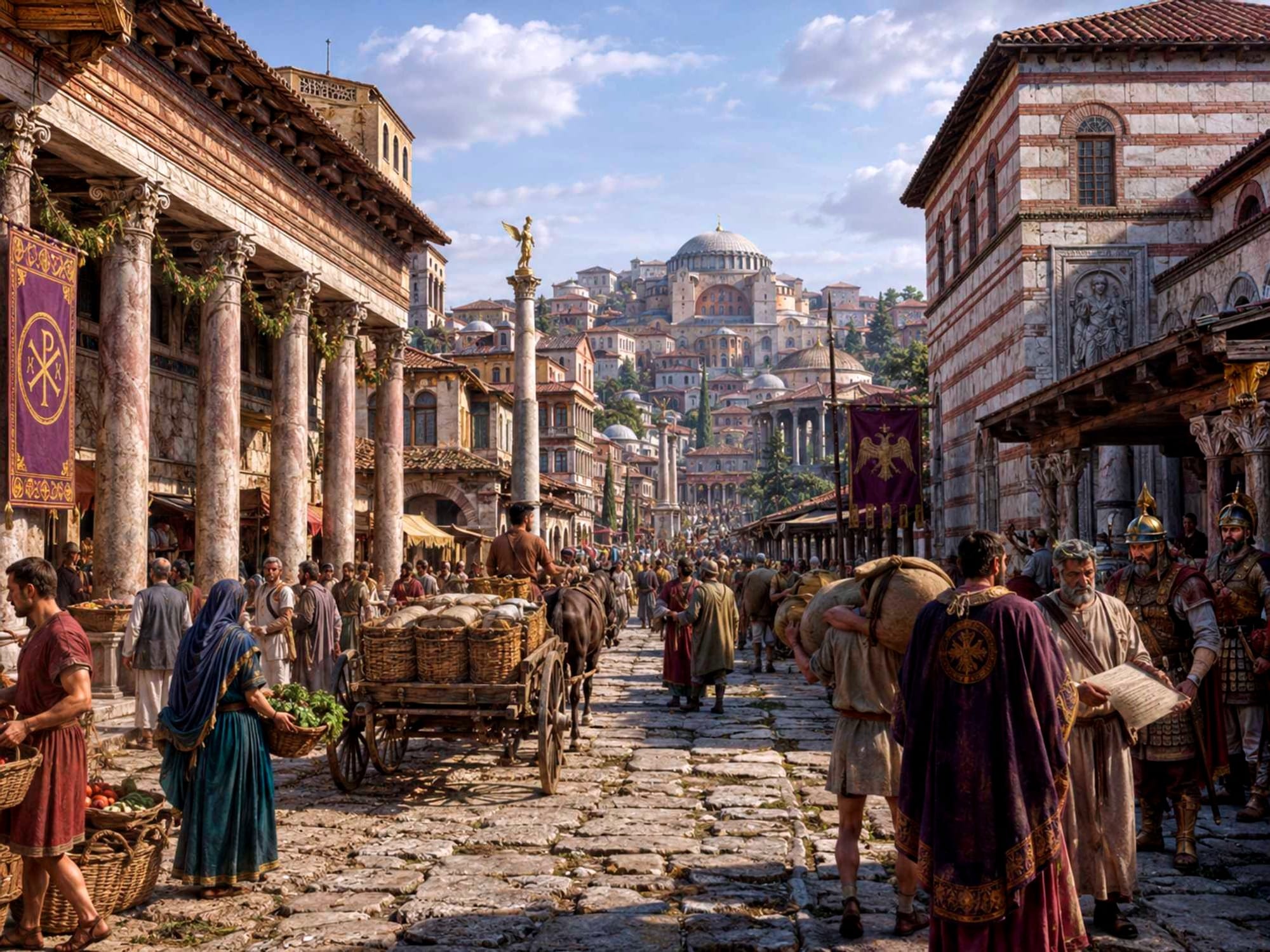
Military adaptation completed the picture. The caliphate was stronger than the reduced empire in many respects, but it could not bring the Roman state to final destruction. The eastern Romans no longer aimed at preserving the old Mediterranean order in full.
They aimed at preserving a defensible core, a working army, and a viable political center. They avoided destruction by remaining organized enough to deny their enemies a conclusive victory. That, more than any single dramatic battle or one-off reform, is what survival meant.
Why the Empire Endured
The empire survived because catastrophe did not destroy the structures that mattered most. It lost provinces, wealth, much of the old urban Mediterranean world, and the security of the late Roman order. But it retained a capital, a governing elite, a Christian Roman identity, a viable agrarian core, a military system, and an administrative framework capable of connecting these things.
None of them remained intact in the old late Roman sense. All were transformed. Yet enough endured to keep the empire from crossing the line into extinction.
Its survival was therefore neither a miracle in the simplest sense nor a story of straightforward decline. It was the result of the interaction of belief, elite interest, provincial resistance, environmental viability, and organizational continuity. No single factor explains the outcome. The empire endured because enough of these factors remained workable at the same time in a shrunken but still coherent political world.
The state that emerged from this crisis was no longer the late Roman empire of Justinian’s age. It was more compact, more defensive, more heavily tied to Constantinople and Anatolia, and more deeply shaped by the demands of survival. Yet it was still Roman — politically, institutionally, and ideologically. Continuity did not lie in preserving the old Mediterranean order intact. It lay in preserving enough state, enough society, and enough legitimacy that Roman rule could continue in a changed world.
The eastern Roman Empire endured because its people, institutions, provinces, and elites retained just enough capacity, just enough investment, and just enough cohesion to prevent disaster from becoming final. Out of severe loss came a different kind of empire — smaller, harder, and transformed, but still alive. (“The Empire that would not die. The Paradox of Eastern Roman Survival, 640–740” by John Haldon- Based on the Carl Newell Jackson Lectures)
The empire that came through this crisis was not the same empire that had entered it. It was smaller, harder, and more tightly bound to Constantinople and Anatolia, shaped less by Mediterranean dominance than by the demands of survival. But it was still Roman. That continuity was not the result of luck alone, nor of military resistance alone. It rested on the fact that enough of the structures that mattered — belief, elite interest, provincial resilience, agrarian production, and administrative order — remained strong enough to keep disaster from becoming final.
About the Roman Empire Times
See all the latest news for the Roman Empire, ancient Roman historical facts, anecdotes from Roman Times and stories from the Empire at romanempiretimes.com. Contact our newsroom to report an update or send your story, photos and videos. Follow RET on Google News, Flipboard and subscribe here to our daily email.
Follow the Roman Empire Times on social media: