
Sextus Pompeius: The Last Pompeian Who Challenged Octavian
Sextus Pompeius was dismissed by his enemies as a pirate, but Pompey’s son used Sicily, sea power, refugees, and memory to become Octavian’s last Pompeian rival.

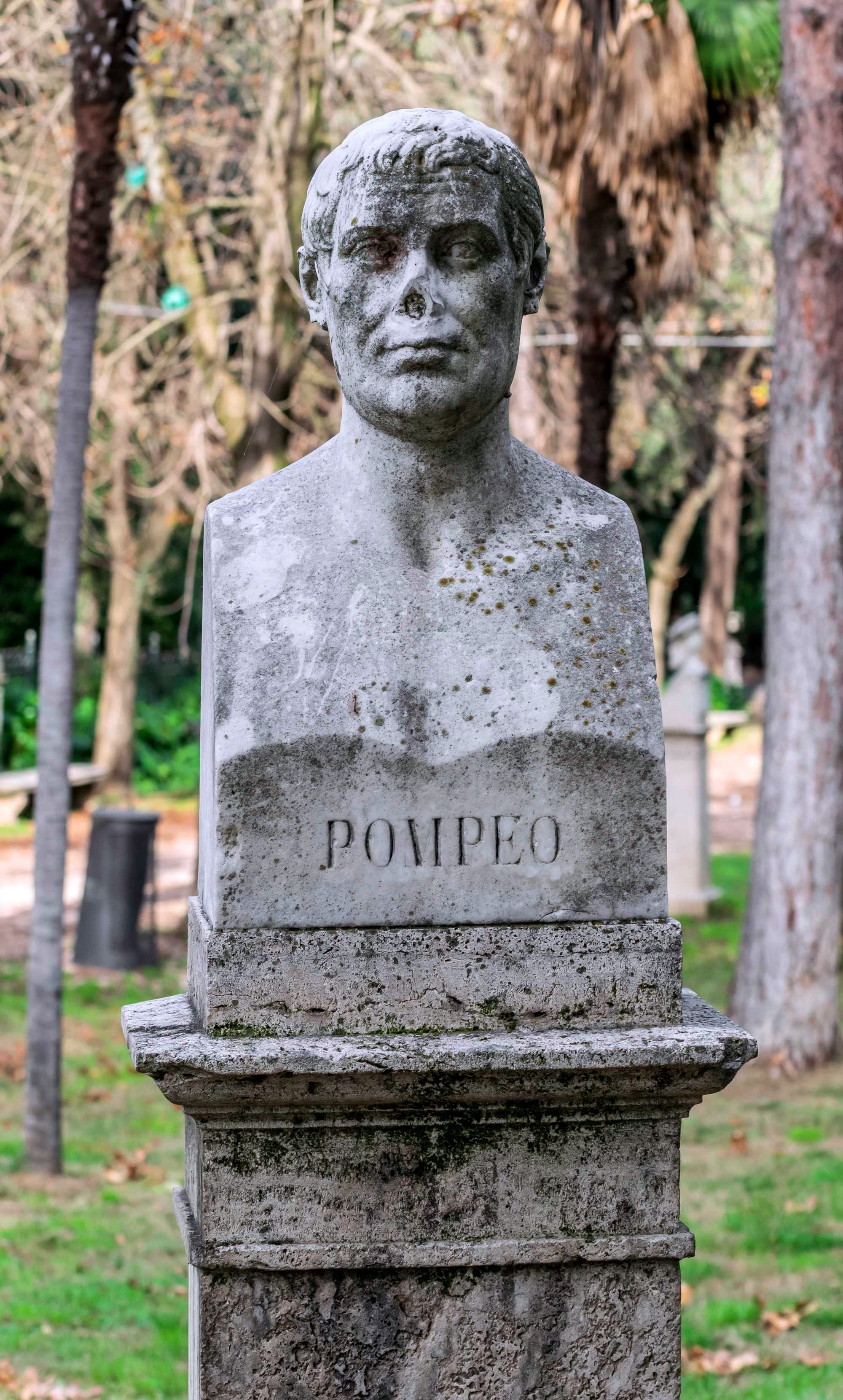
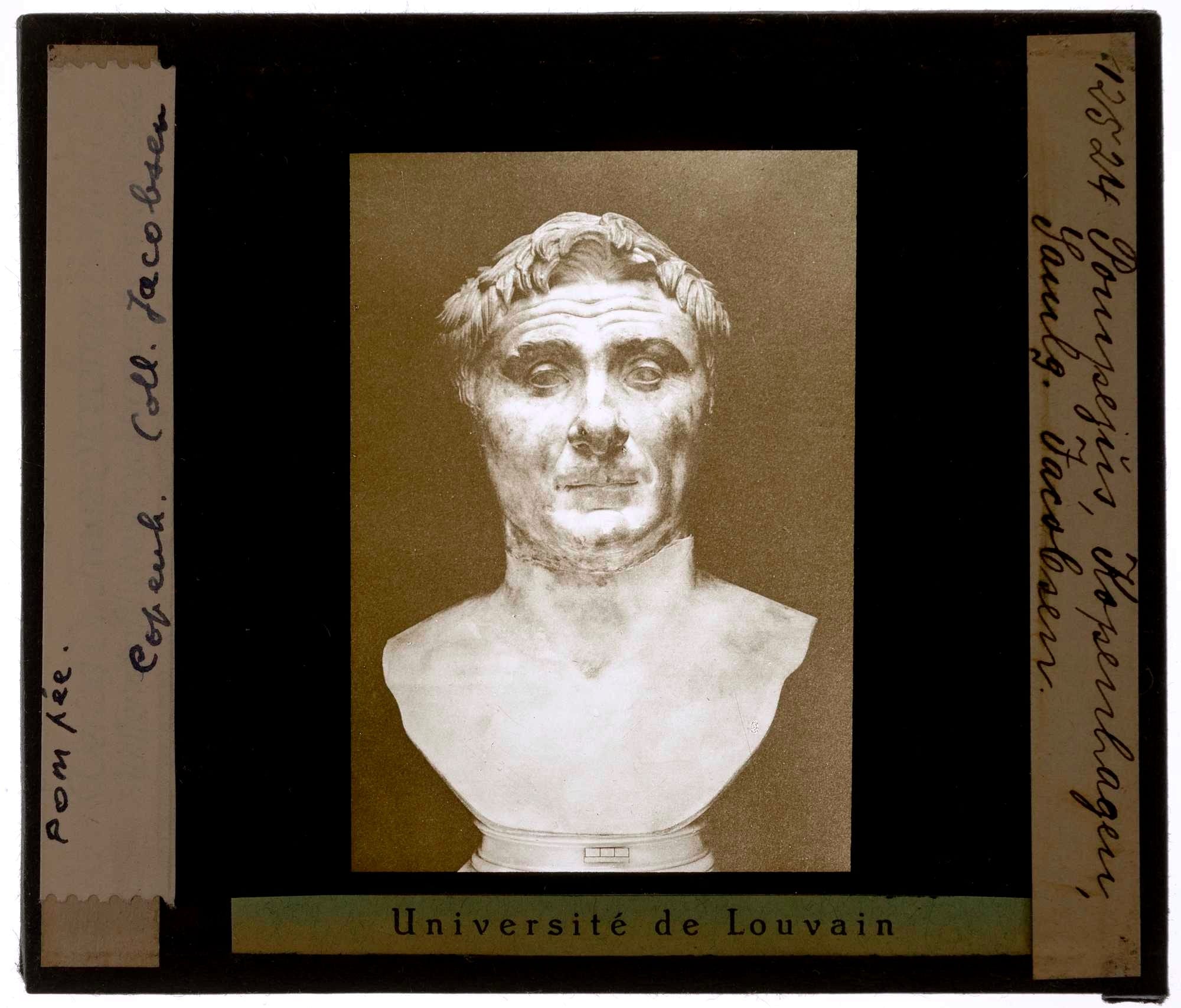
Sextus Pompeius was born into one of the most powerful names in Rome, but he came of age in defeat. His father, Pompey the Great, was murdered in Egypt after Pharsalus. His elder brother, Gnaeus, carried the family cause into Spain and died after Munda. By the time Sextus emerged as a major force, the Republic had already been battered by civil war, dictatorship, assassination, proscriptions, and the rise of men who claimed to restore order while concentrating power in their own hands.
Yet Sextus did not disappear into the ruins. From Spain to Sicily, from Pompeian memory to naval command, he turned inheritance into resistance. To his enemies, he could be dismissed as a pirate. To refugees, proscribed men, dispossessed families, and many who still feared the Caesarian order, he became something far more dangerous: the last Pompeian around whom an alternative future could gather.
After Pharsalus, the Pompeian Cause Did Not Die
The defeat at Pharsalus in 48 BC did not immediately end the Pompeian cause. Pompey the Great escaped the battlefield and made his way to the coast, then to Lesbos, where Cornelia and Sextus were waiting. From there, the family sailed toward Egypt. On the beach at Pelusium, Pompey was murdered in front of Cornelia and Sextus, a scene that turned political defeat into family catastrophe.
Gnaeus, Pompey’s elder son, had been elsewhere during the battle, probably at Corcyra with a squadron of warships. After Pompey’s death, the surviving Pompeians regrouped. Africa became the next centre of resistance, where Scipio, Cato, Labienus, Afranius, Petreius, Faustus Sulla, and others gathered against Caesar. Their backgrounds and priorities were not identical, but hostility to Caesar held them together.
Ancient hostile tradition often treated Gnaeus harshly. He could be presented as impulsive, violent, passive, incompetent, or an awkward ally whom other Pompeian leaders wished to remove from Africa. That picture is too easy. It depends heavily on sources shaped by the Caesarian side and later hostile memory. A more careful reconstruction gives Gnaeus a real role in the continuation of the war.
Gnaeus had already shown activity at sea during the earlier civil war, and after Pharsalus he was not simply idle. The Spanish front became crucial because Pompey’s name still carried weight there. Pompey the Great had long-standing connections in Spain, and those connections could be used against Caesar’s governors. When unrest grew in the Spanish provinces, Gnaeus was the obvious figure to send. He brought more than military skill; he brought a name that could mobilize loyalty.
A later summary preserved the importance of this mission clearly:
“Gnaeus Pompeius, son of Pompey the Great, after he gathered men in Spain and because neither Afranius nor Petreius wanted to command them, renewed the war against Caesar.” (Livy, Periochae 113)
The significance was clear because it does not place Gnaeus outside the Pompeian cause. It places him inside its final attempt to continue the war.
The Spanish mission should therefore not be treated as a convenient way to get rid of him. It was a serious strategic decision. Spain offered the Pompeians the possibility of a second front. Gnaeus’ arrival gave the revolt a recognisable leader, one whose father’s memory mattered to local elites and soldiers. His later activity in Spain confirmed that he was not a useless figure in the anti-Caesarian coalition.
This is important for Sextus because it shows that the Pompeian cause did not pass directly from Pompey’s death into irrelevance. First Gnaeus carried the family name into the Spanish war. Only after his death did Sextus become the surviving son whose name, ships, and political usefulness could still disturb Caesar’s heirs.
The Pompeian inheritance was wounded, but it was not dead. (“Gn. Pompeius, the Son of Pompey the Great: An Embarrassing Ally in the African War? (48–46 BC).” By Piotr Berdowski)
The Son Who Survived the Collapse
Sextus first appears in the shadow of others. His father was Pompey the Great, conqueror in the East, destroyer of the pirates, and Caesar’s great rival. His elder brother Gnaeus first inherited the more visible military role after Pharsalus. Sextus, by contrast, was younger, less tested, and easier for hostile tradition to reduce to a secondary figure.
But his apparent marginality is misleading. He had been present at some of the most traumatic moments of the civil war. He saw his father’s flight after Pharsalus. He was with Cornelia when Pompey was killed in Egypt. He lived through the collapse of a political world in which family name, senatorial rank, personal loyalty, military command, and survival had become inseparable.
His youth should not make him seem insignificant. He was probably still very young during the first great phase of the civil war, but he did not remain a protected child for long. By the mid-40s, he had become part of the continuing struggle against Caesar and his representatives.
After Munda in 45 BC, the Pompeian cause seemed finished once more. Caesar had defeated the last major Pompeian army in Spain. Gnaeus was dead. Caesar could present himself as victor. Yet Sextus survived, and survival itself became politically dangerous. As long as a son of Pompey remained alive, the name of Pompey could still be attached to military resistance, naval action, and hopes for reversal.
The meaning of “Republican” had also changed by then. Many who opposed Caesar had been killed, defeated, pardoned, or absorbed into compromise. The old senatorial world had been shaken too deeply for simple restoration. Sextus did not stand in a clean, untouched Republic. He stood in the wreckage of one.
That is why his story is more interesting than a tale of family revenge. He was not merely trying to avenge Pompey. He became a point around which different forms of opposition could gather: former Pompeians, refugees, dispossessed families, men threatened by the proscriptions, enemies of the Triumvirs, and those who still saw the Caesarian order as domination disguised as settlement.
Sextus’ strength came from the fact that he could be many things at once. He was Pompey’s son. He was a naval commander. He was a refuge for the condemned. He was a threat to Rome’s grain supply. He was a negotiator whom the Triumvirs eventually had to recognise. He was also a figure whose enemies needed to reduce him, because admitting his importance made the road to the Principate look less inevitable.
The Sea as a Political Weapon
Sextus’ power was inseparable from the sea. This was not accidental. His father’s greatest public fame had included the campaign against piracy in 67 BC, when Pompey the Great received extraordinary command to clear the Mediterranean. That memory was significant. A son of Pompey who commanded ships could evoke not only family inheritance, but a naval tradition associated with security, grain, and the protection of Rome.
The sea had already shaped the civil war before Sextus reached his greatest power. Pompey the Great had relied on ships, coastal movement, and control of communications. Caesar had repeatedly suffered from weaker naval resources. The war was not simply a contest of armies on land. It was also a contest over ports, grain, islands, transport, and movement across the Mediterranean.
Sextus understood this world. After Caesar’s assassination in 44 BC and the renewed chaos that followed, he found his opportunity. His naval command gave him a role that could not be ignored, and Sicily became his great base. Sicily was not just an island. It was one of the keys to Rome’s food supply. Control Sicily, and the sea routes to Italy could be threatened. Control the routes, and Rome itself could be pressured.
That was Sextus’ great strategic advantage. He did not need to march on Rome to become dangerous. He could make Rome feel hunger, uncertainty, and fear. His ships could intercept grain, shelter fugitives, move men, and force negotiation. In a world where the Triumvirs used armies and proscriptions to control Italy, Sextus used the sea to create a rival centre of power.
His enemies called this piracy. The charge was politically useful. Rome had long feared pirates, and Pompey the Great’s own glory had been built on suppressing them. To call Sextus a pirate was to strip him of legitimacy and turn a political opponent into a criminal.
But the label hides more than it explains. Sextus was not simply a raider outside the state. He held commands, negotiated with Rome’s rulers, controlled territory, issued coinage, protected refugees, and drew support from men whose political position cannot be reduced to banditry.
His use of naval power also exposed the weakness of his rivals. Octavian in particular struggled against him. Sextus defeated or embarrassed his fleets more than once, and storms added to the disasters. The contest was not an easy march toward Augustan victory. It was uncertain, costly, and humiliating.
Sextus made the sea a political weapon because the sea allowed him to survive where land-based opponents had been crushed. Armies could be defeated in one battle. A fleet based in Sicily, supported by ports, ships, and maritime skill, was harder to eliminate. It could retreat, return, strike, blockade, and wait.
The son of Pompey had found the one arena where Octavian was weakest.
Pirate, Admiral, or Republican?
The memory of Sextus was shaped by the men who defeated him. To the future Augustan order, he was most convenient as a pirate. A pirate had no programme, no legitimacy, no claim to the Republic, and no honourable political constituency. A pirate could be defeated without admitting that he represented something troubling.
But Sextus’ career does not fit that simple category. He did not operate as an isolated adventurer with no allies, no ideology, and no connection to the wider civil war. His power drew strength from Pompeian memory, anti-Caesarian networks, naval command, Sicily, and the refugees who came to him after the proscriptions.
The proscriptions gave his position a moral force that mere piracy could never have supplied. When the Triumvirs published lists of men to be killed and property to be seized, Sextus offered refuge. Many who escaped Italy came to him. Their presence turned Sicily into more than a military base. It became a place where victims of the new order could imagine survival.
This did not make Sextus a pure Republican hero. The world he inhabited was too compromised for that. Roman politics had become a struggle of armies, wealth, personal loyalties, family names, inherited prestige, and competing claims to legitimacy. Sextus was ambitious. He used propaganda. He negotiated when useful. He fought when necessary. He was no simple defender of an untouched constitution.
Yet the same must be said of his enemies. Octavian, Antony, and Lepidus claimed to act for order, vengeance, and the state, but their power rested on extraordinary commands, violence, confiscation, and the elimination of rivals. In that world, the line between criminality and legitimacy was drawn by victory.
The war against Sextus was later easier to remember if it became a war against pirates and slaves. That interpretation reduced the political discomfort of what had happened. It made the defeat of Pompey’s son look less like the end of a civil-war alternative and more like the restoration of public order.
But the scale of the conflict, the negotiations that preceded it, and the anxiety Sextus created show something larger. The man Octavian had to defeat was not merely a sea-raider. He was the last Pompeian who could make the Caesarian victory feel unfinished.
Sicily, Refugees, and the Alternative Republic
Sicily made Sextus impossible to ignore. The island gave him ships, harbours, position, and access to the grain routes on which Rome depended. It also gave him distance from Italy’s violence while keeping him close enough to threaten it. From Sicily, he could present himself as both protector and pressure point.
His base attracted those who had nowhere else to go. Proscribed men, escaped slaves, dispossessed families, political enemies of the Triumvirs, and old Pompeian supporters all found reasons to seek him out. Some came from conviction. Others came from necessity. The result was a strange but powerful coalition.
This coalition could be portrayed negatively by Sextus’ enemies. A base filled with fugitives, sailors, freedmen, and men condemned by the Triumvirs was easy to describe as disorderly or criminal. But from another point of view, Sicily preserved lives that the proscriptions were meant to destroy. It became a place where those excluded from the new order could gather under the protection of Pompey’s son.
This was one of the reasons Sextus remained dangerous. He did not simply command ships. He represented a living reminder that the Triumvirs had enemies, victims, and unfinished business. His existence contradicted the idea that the political world had been settled after Philippi. Even after Brutus and Cassius were dead, resistance had not ended. The battlefield had moved from land to sea.
The language of the Republic was no longer simple after Philippi. Some who had fought for the Republic died there. Others joined Antony. Others came to Sextus. Others compromised with Octavian. The old labels had become unstable. But Sextus’ Sicily preserved at least one alternative to immediate submission.
His control of grain routes made that alternative felt in Rome. Hunger was political. A shortage of grain could turn public opinion against rulers who claimed to protect the Roman people. The Triumvirs could defeat senatorial enemies and confiscate property, but they could not easily ignore the anger of a city fearing famine. Sextus’ power over the sea entered Roman politics through the stomach of Rome.
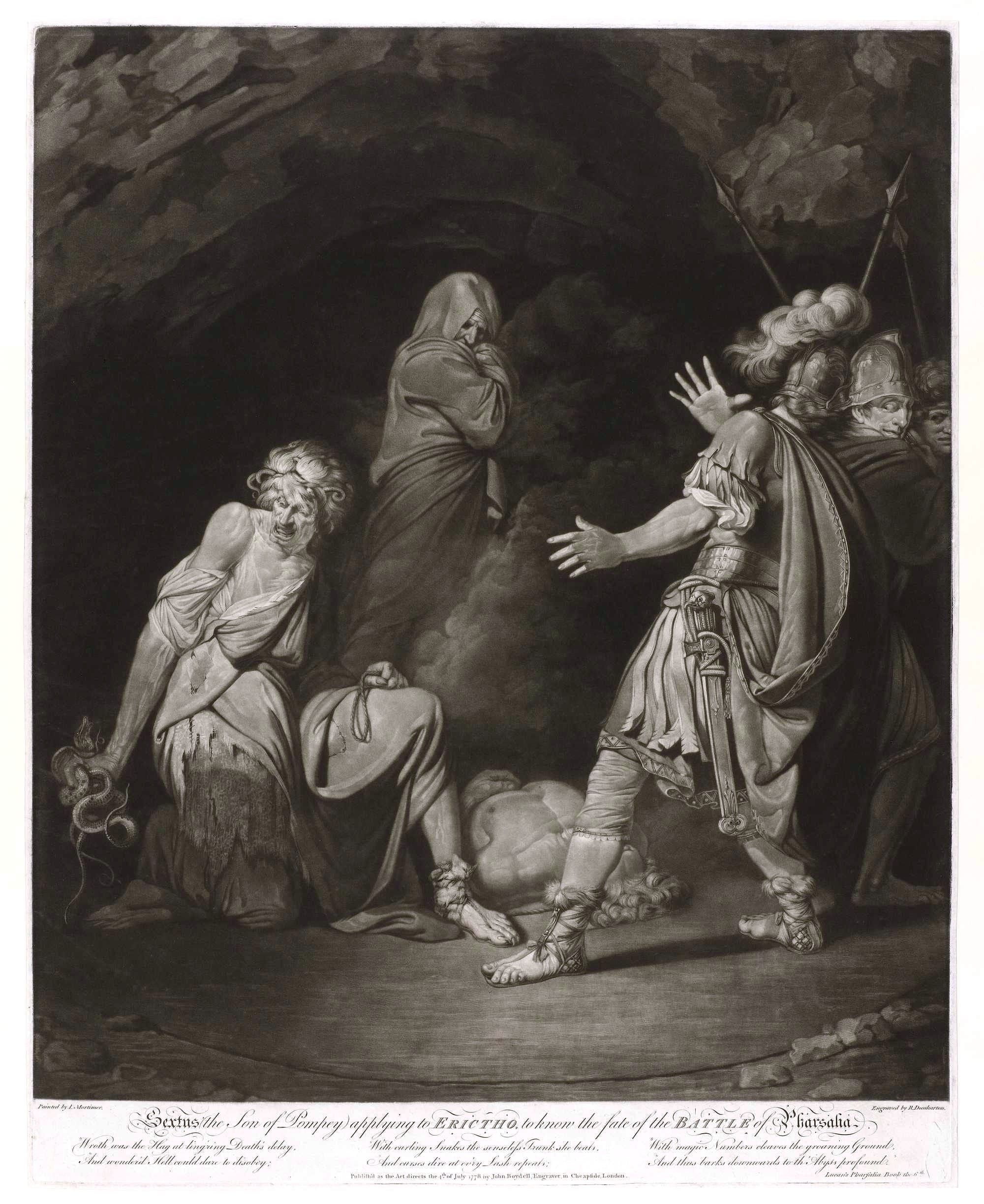
This helped force negotiation. The Treaty of Misenum in 39 BC marked the moment when Sextus could no longer be treated merely as a criminal nuisance. The Triumvirs had to come to terms with him. He was recognised, rewarded, and brought into a settlement that, however temporary, acknowledged his power.
For Sextus, this was the high point. The son of Pompey, once a survivor in the ruins, now sat across from the men who were dividing the Roman world. The sea had made him a power among powers.
Magnus Pius and the Memory of Pompey
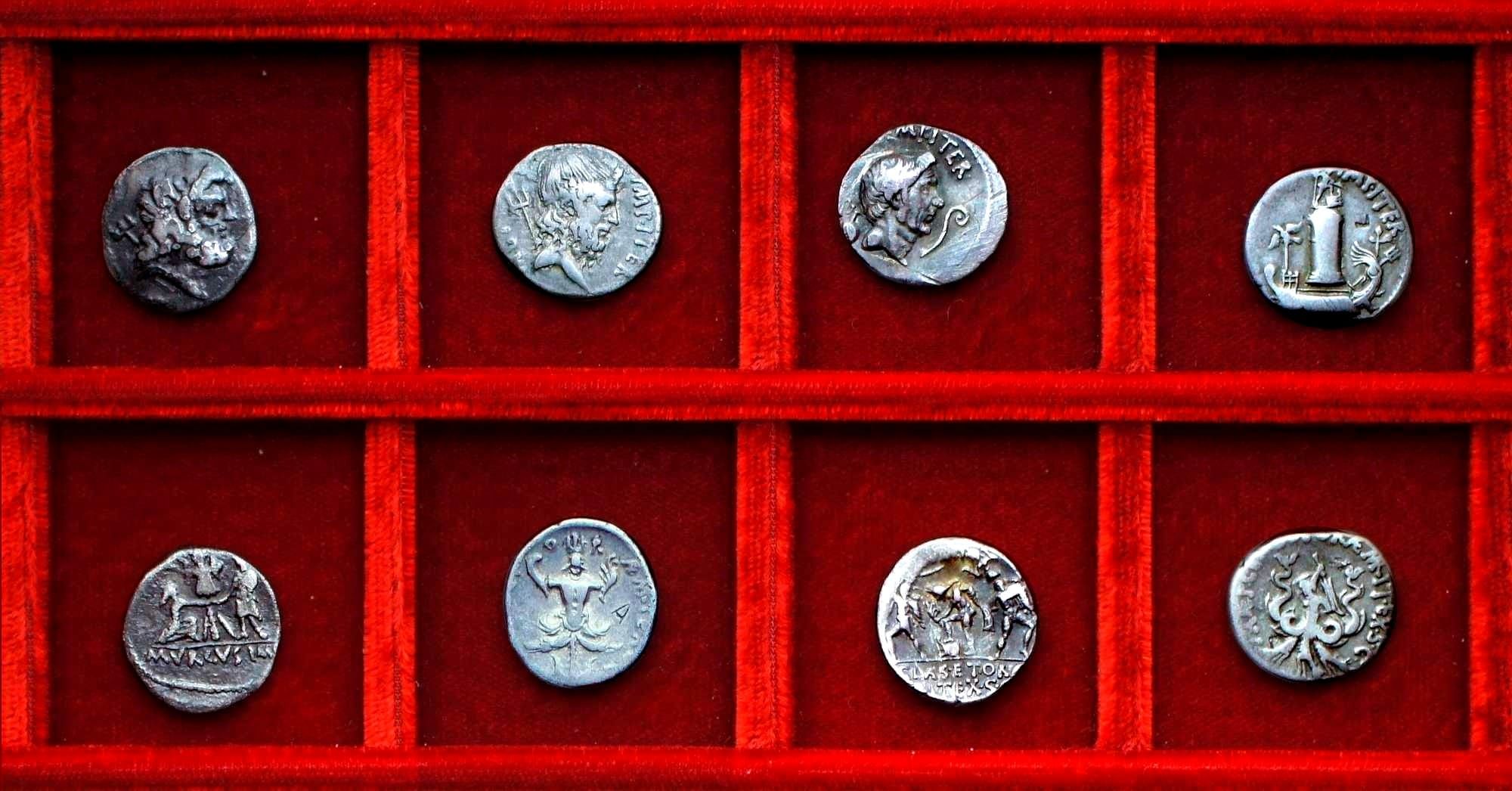
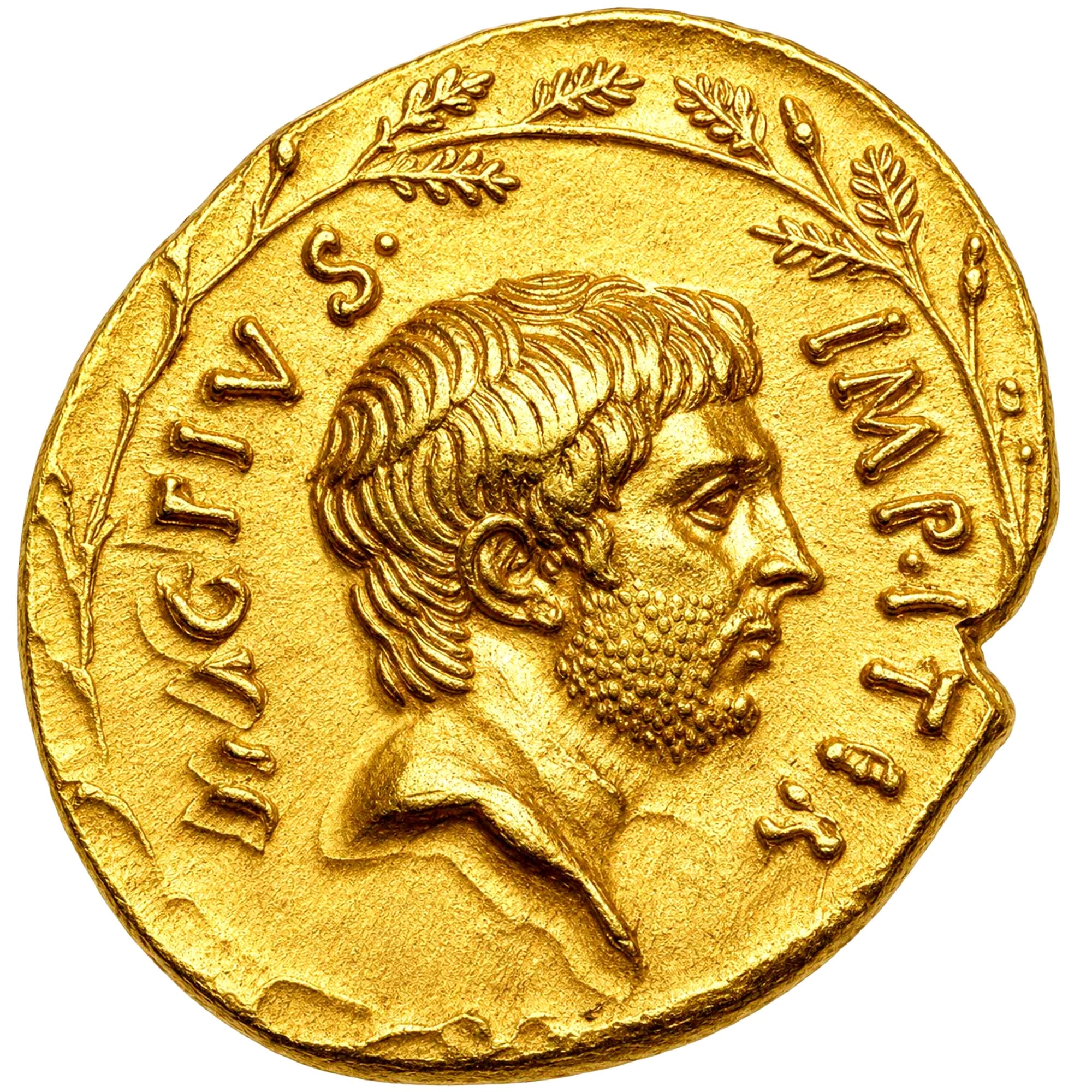
Sextus’ public image relied heavily on memory. His father’s head appeared on coinage. His brother could also be recalled. The name Pompeius carried the weight of military glory, eastern conquest, anti-pirate command, and the lost rivalry with Caesar. Sextus turned that memory into a political language.
The word pietas was central. It did not mean simple private affection. In Roman culture, it could bind family, gods, country, ancestors, and duty. A son who honoured his father, avenged wrong, protected dependants, and preserved memory could present himself as pius. In the civil wars, where legitimacy often came through the dead, this was powerful.
Octavian also built his position through filial duty. He was Caesar’s heir and avenger. Sextus answered with another form of inheritance. If Octavian’s legitimacy came from Caesar, Sextus’ came from Pompey. Rome was being asked to choose not only between living commanders, but between rival dead men and what their names meant.
Neptune also became part of Sextus’ imagery. A naval leader based in Sicily could naturally associate himself with the god of the sea. Stories later developed around his relationship with Neptune, including sacrifices and claims that he was the god’s favourite. Some of these stories were hostile or exaggerated, but the connection itself made sense. Sextus’ power was maritime. Neptune gave religious shape to naval success.
This imagery was not decoration. It helped explain why Sextus could claim more than force. He was not merely holding Sicily with ships. He was presenting himself as the rightful heir of Pompey, favoured at sea, bound by duty, and capable of protecting those whom the Triumvirs had cast out.
Coins were especially useful for this message. In a world without newspapers, coinage could carry images of father, son, gods, ships, victory, and legitimacy into circulation. The coinage connected Sextus with Pompey’s memory and gave visual form to his claim. It showed that he was not content to be a fugitive commander. He wanted his power to be understood.
This is one reason the hostile charge of piracy was so important. To defeat Sextus militarily was not enough. His enemies also had to defeat his meaning. They had to make Pompey’s son look like a criminal rather than a legitimate political rival. The more Sextus claimed pietas, Neptune, and Pompeian memory, the more useful it became for Octavian’s side to insist that the war against him was a war against pirates.
The struggle was fought with fleets, but also with words, images, and inherited names.
Misenum: The Moment Sextus Could Not Be Ignored
The Treaty of Misenum in 39 BC was one of the strangest and most revealing moments of the Triumviral age. Sextus, Octavian, and Antony came to terms after years of blockade, anxiety, and political pressure. The agreement promised peace, restored many exiles, and recognised Sextus’ position in a way that made him impossible to dismiss as a mere criminal.
The settlement was not minor. Sextus retained Sicily, Sardinia, and Corsica, and was promised the Peloponnese. Exiles were allowed to return. Some property arrangements were made for those who had lost their estates. Men who had served him were protected. His free-born soldiers were to receive benefits comparable to veterans. His position was also connected with promises of future office.
These terms mattered because they revealed the scale of his power. The Triumvirs could insult him in rhetoric, but they had to negotiate with him in reality. He had done what few enemies of the Caesarian order managed to do after Philippi: he forced the rulers of Rome to treat him as a political fact.
Misenum was also emotional. It promised return, safety, and relief after years of proscriptions and fear. For those who had fled to Sicily, the treaty offered the possibility of going home. For Rome, it promised grain and calm. For the Triumvirs, it offered breathing space. For Sextus, it was recognition.
The famous banquet after the agreement captured the tension of the moment. Men who had been enemies drank together on Sextus’ ship, yet the peace rested on fear as much as trust.
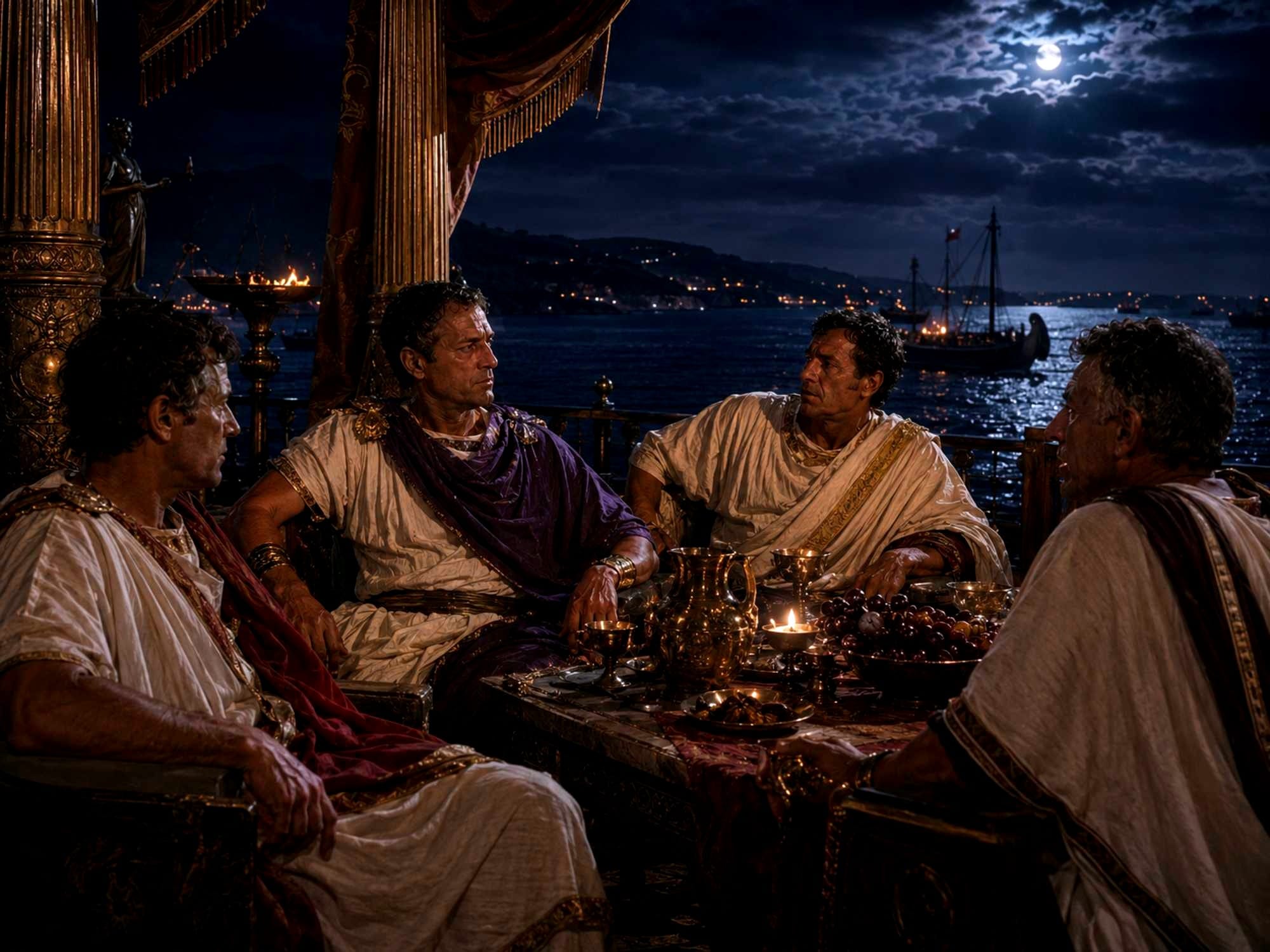
According to Plutarch, Menas whispered to Sextus Pompeius:
“Shall I cut the cables and make you master, not of Sicily and Sardinia only, but of the whole Roman empire?”
Sextus considered for a moment and replied:
“Menas, this might have been done without acquainting me; now we must rest content; I do not break my word.” Plutarch, Life of Antony 32
Whether polished by later moralising or not, the anecdote preserved an image that suited Sextus’ public position. Pompey’s son could be dangerous, but he also wished to appear bound by honour. He could threaten Rome by sea, but he did not want to be remembered simply as a treacherous criminal.
The settlement did not last, but its failure should not hide its significance. Misenum showed that Sextus had become too strong to dismiss. He controlled something the others needed: maritime security. His ships, ports, and grain pressure had brought him to the table.
Still, his position was strong rather than secure. His coalition was broad and difficult to manage. His naval power depended on commanders, crews, loyalty, and resources. His enemies were learning from defeat. Octavian in particular would not accept permanent humiliation at sea. To rule the West, he had to break Sextus.
The peace therefore became a pause before the final struggle. Sextus had reached the height of his power. He had shown that the Pompeian name could still command ships, islands, refugees, and negotiations. But his survival now depended on winning the next naval war against a rival who was becoming more dangerous with every failure.
The War That Broke the Last Pompeian
The final war against Sextus was decided by preparation, persistence, and Agrippa. Octavian had suffered badly at sea before. Sextus had defeated or embarrassed his fleets, and storms had added to the disasters. But Octavian had resources, and Agrippa had the skill to turn those resources into a new naval machine.
A new fleet was built and trained. Naval bases and preparations changed the balance. Octavian’s side learned from earlier failures, while Sextus faced the difficulty of preserving a coalition under pressure. The struggle was not only a contest of ships; it was a contest of endurance.
In 36 BC, the war reached its decisive phase. Sextus’ fleet was challenged near Mylae and finally broken at Naulochus. Agrippa’s victory destroyed the foundation of Sextus’ power. Sicily, the ships, the grain routes, and the political refuge that had made him formidable were lost.
The defeat was more than military. It ended the last major Pompeian challenge in the West. Lepidus attempted to take advantage of the situation but was soon politically neutralised by Octavian. With Sextus defeated and Lepidus removed, Octavian’s position in the West became far stronger. The road toward the final confrontation with Antony had been cleared.
Sextus escaped, but his cause did not immediately vanish. He moved east, seeking survival in a world now dominated by men who had little reason to trust him. This final phase should not be treated as a meaningless afterword. Even after Sicily, Sextus remained politically sensitive. His name still mattered. His presence in the East created problems for Antony’s commanders, because Pompey’s son could not be handled like an ordinary fugitive.
Eventually he was captured and killed in 35 BC. The manner of his end lacked the grandeur of his father’s fall or the dramatic clarity of a battlefield death. But historically it mattered. With Sextus gone, the Pompeian name ceased to be an active military threat.
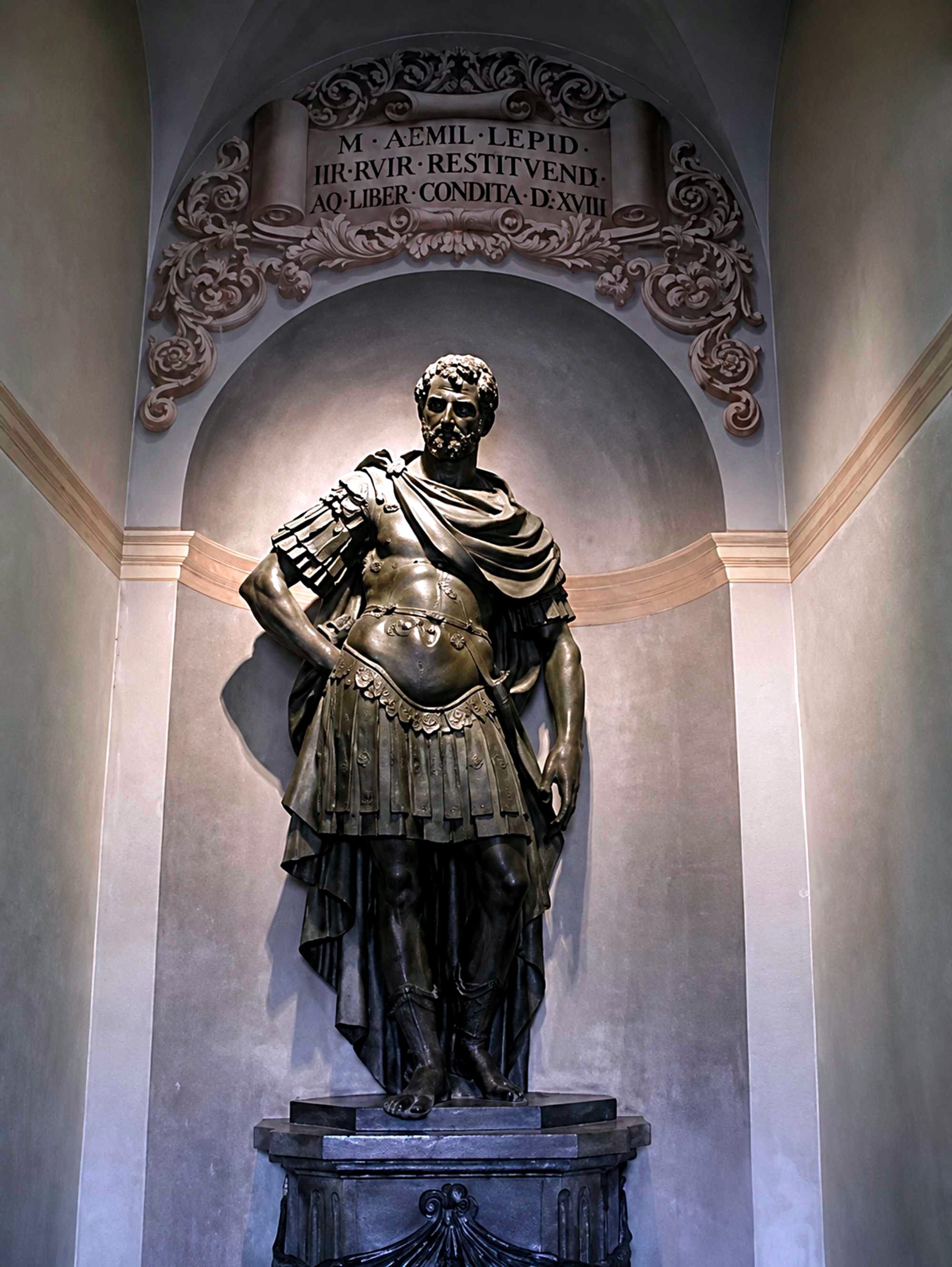
Octavian’s later memory could treat the war as a struggle against piracy. That was convenient. A victory over pirates sounded cleaner than a victory over Pompey’s son, over refugees from proscriptions, and over a rival claimant to Roman legitimacy. But the scale of the war, the treaty before it, and the relief after it show that Sextus had been more than a nuisance.
He had forced Octavian to fight for the sea before he could fight for the Roman world. (“Magnus Pius: Sextus Pompeius and the Transformation of the Roman Republic”. By Kathryn Welch)
The Last Obstacle Before Octavian’s West
Sextus Pompeius did not save the Republic. He did not restore the old order, and he was not a flawless champion of liberty. His power rested on ships, Sicily, inherited name, political resentment, refugees, and the opportunities created by civil war. But that is precisely why he matters. He belonged to the broken world between Republic and Principate, where legitimacy was improvised from memory, violence, law, family, gods, armies, and survival.
He was dangerous because he made the future less certain. After Pharsalus, Thapsus, Munda, Caesar’s assassination, and Philippi, it would be easy to imagine that the story moved inevitably toward Octavian. Sextus interrupts that story. He shows that the Caesarian victory was not secure, that Pompey’s name still had power, and that the sea could still overturn political expectations.
His career also reveals how deeply Rome’s civil wars depended on memory. Octavian could not escape Caesar. Sextus could not escape Pompey. Each man turned inheritance into a political weapon. Each claimed duty to the dead. Each fought in a world where fathers, names, and vengeance shaped public life.
Sextus’ defeat did not create the Principate by itself, but it removed a major obstacle from Octavian’s path. Once Sicily was taken, the grain routes secured, Lepidus neutralised, and the last Pompeian fleet broken, Octavian could turn more fully toward Antony. The war for Rome’s future had narrowed.
But victory was not only military. Sextus’ memory also had to be managed. The Pompeian name could be respected in some contexts, but Sextus himself was harder to absorb into the respectable memory of the new order. He had sheltered the condemned, threatened Rome’s food supply, negotiated with the Triumvirs, and exposed Octavian’s weakness at sea. It was safer to remember him as a pirate than as a civil-war rival.
That is why Sextus deserves more than the label his enemies left behind. He was the last Pompeian who made Octavian afraid, the naval commander who forced Rome’s rulers to negotiate, the protector of many whom the Triumvirs condemned, and the survivor who kept a defeated name alive longer than history wanted to admit.
Pompey the Great had once cleared the sea of pirates. His son used the sea to challenge the men who inherited Caesar’s world.

About the Roman Empire Times
See all the latest news for the Roman Empire, ancient Roman historical facts, anecdotes from Roman Times and stories from the Empire at romanempiretimes.com. Contact our newsroom to report an update or send your story, photos and videos. Follow RET on Google News, Flipboard and subscribe here to our daily email.
Follow the Roman Empire Times on social media: