Roman Empire Anecdotes
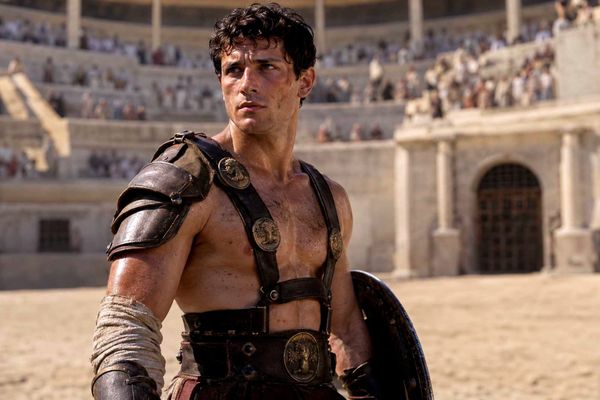
Marcus Attilius: The Novice Gladiator Who Beat Rome’s Veterans
A novice gladiator known from Pompeian graffiti, Marcus Attilius won two remarkable bouts against far more experienced fighters.

Roman Empire Anecdotes
A novice gladiator known from Pompeian graffiti, Marcus Attilius won two remarkable bouts against far more experienced fighters.
Roman Empire Anecdotes
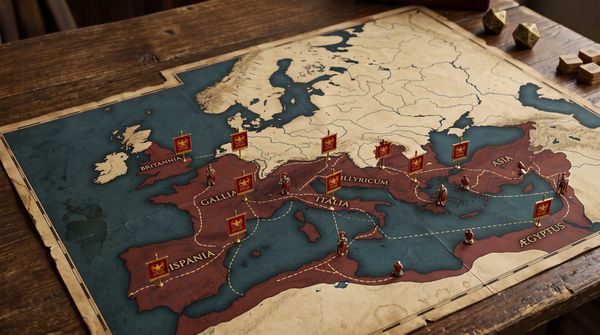
Rome’s colonies were more than new towns. They redistributed land, strengthened control and changed the balance between settlers and existing communities.
Roman Empire Historical Facts
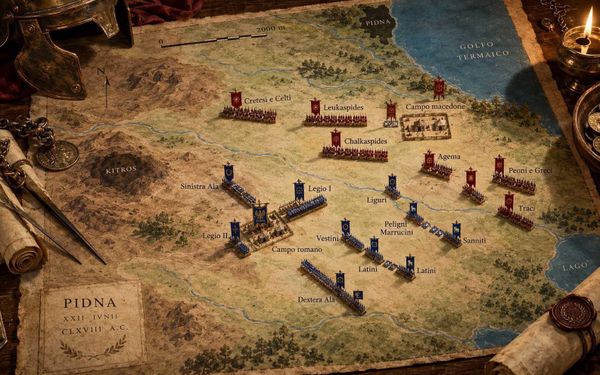
At Pydna in 168 BC, Aemilius Paullus defeated Perseus after the Macedonian phalanx lost cohesion and Roman troops entered the gaps in its line.
Roman Empire Anecdotes
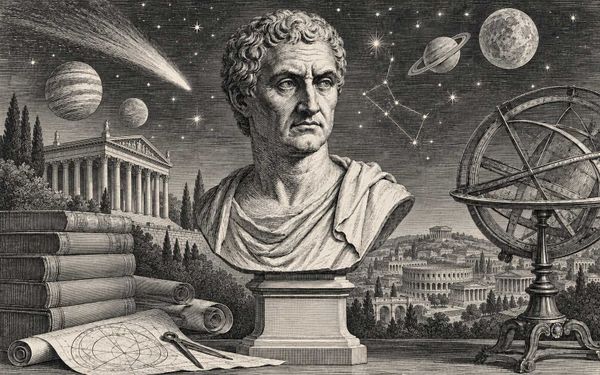
Roman astronomy was shaped by soldiers, statesmen, poets and natural philosophers who studied eclipses, stars, planets, calendars and comets.

Roman Empire Historical Facts
The rudis marked a gladiator’s release from compulsory service in the arena, but it did not always mean legal freedom. From training weapon to retirement award and referee’s staff, its meaning reveals much about gladiatorial careers, status and life after combat.
Roman Empire Historical Facts
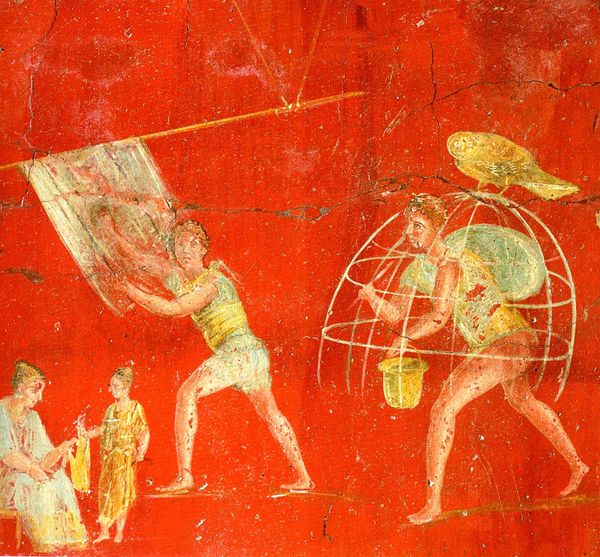
Roman fashion relied on spinners, weavers, dyers, fullers, tailors and traders, while clothing could signal status, citizenship, wealth and identity.
Roman Empire Anecdotes
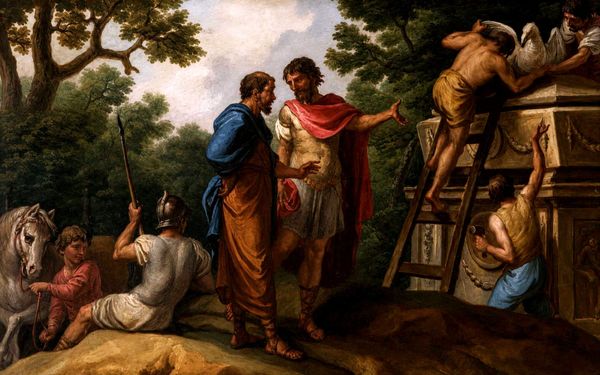
Diodorus Siculus attempted to gather the history of the inhabited world into one vast work, preserving material from many sources that later disappeared.
Roman Empire Historical Facts
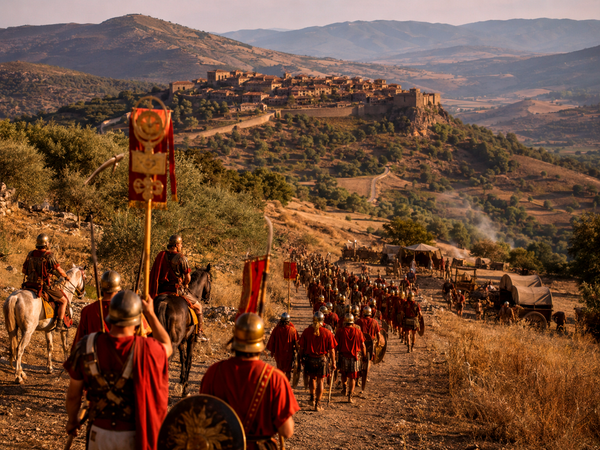
Rome’s Italian allies had fought in its armies for generations. In 91 BCE, disputes over citizenship, equality and Roman power led them to revolt.
Roman Empire Anecdotes
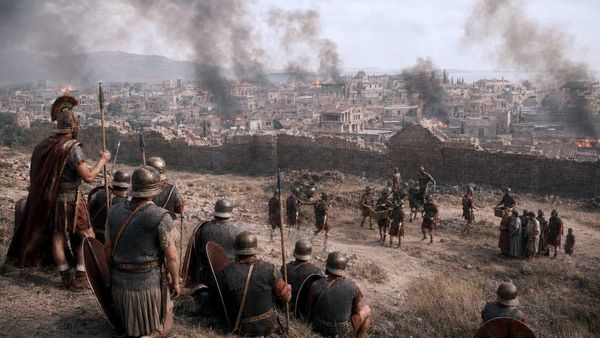
Capua, Carthage and Corinth defied Rome but did not receive the same punishment. Their different fates reveal how the Republic treated defeated cities.
Roman Empire Anecdotes
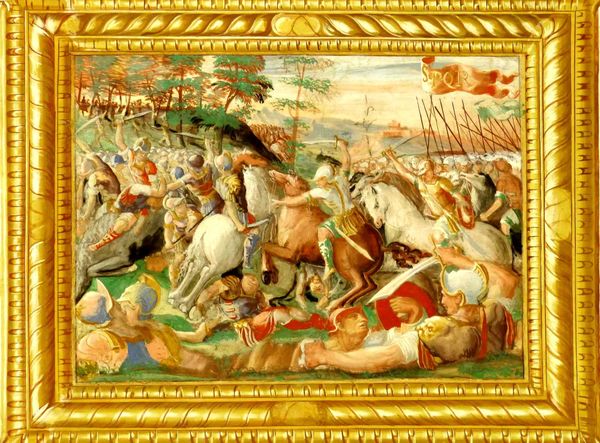
In 217 BC, Hannibal trapped and destroyed a Roman consular army between the hills and Lake Trasimene. Ancient accounts describe the ambush, the death of Gaius Flaminius and Rome’s response to the defeat.
Roman Empire Historical Facts
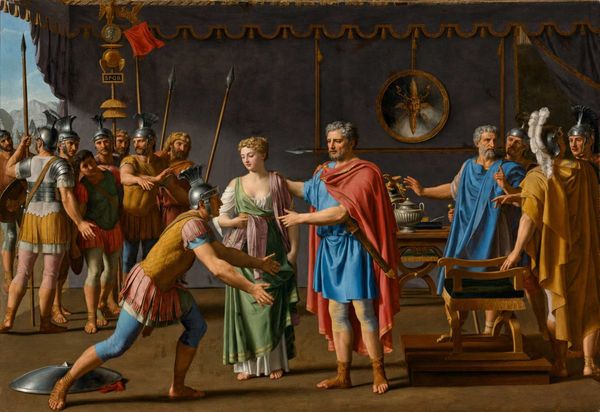
Fabius Maximus answered Hannibal’s invasion with caution, endurance and a strategy that earned him the enduring name Cunctator—the Delayer.
Roman Empire Historical Facts
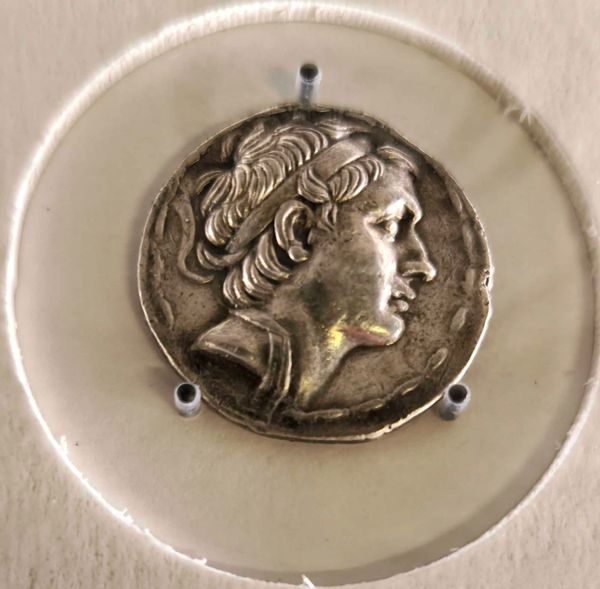
Antiochus III entered Greece as a would-be liberator and rival to Rome, but his campaign exposed the limits of Seleucid power against Rome’s armies, navy, and diplomacy.
Roman Empire Anecdotes
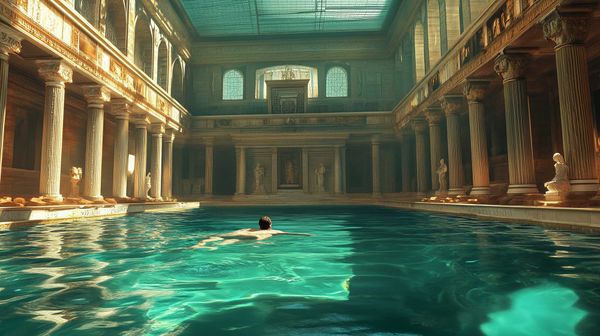
The idea that exercise and physical activity are beneficial is not a recent discovery; it has been recognized and practiced for thousands of years.
Roman Empire Anecdotes
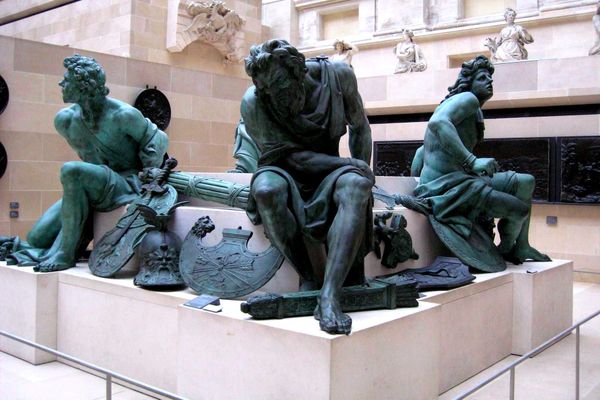
Rome’s hostage system turned royal sons, noble youths, and local elites into living pledges of loyalty, peace, and political control.
Roman Empire Anecdotes
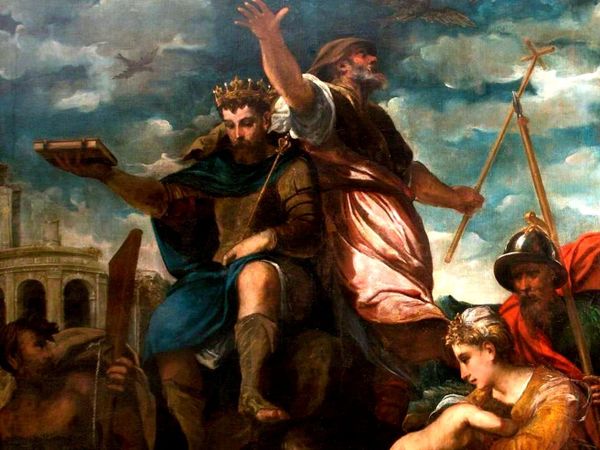
Rome’s legendary second king was not remembered for battles or conquest, but for priesthoods, ritual, sacred law, and a reign without war.
Roman Empire Anecdotes
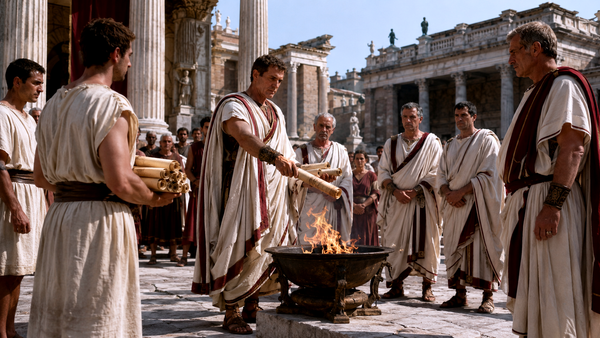
Ancient Rome did not burn books constantly. But when it did, the flames revealed what certain writings could do: authorize rites, predict the future, wound reputations, preserve memory, or prove dangerous truths.