
Fabius Maximus: The Roman Who Fought Hannibal by Refusing to Fight
Fabius Maximus answered Hannibal’s invasion with caution, endurance and a strategy that earned him the enduring name Cunctator—the Delayer.

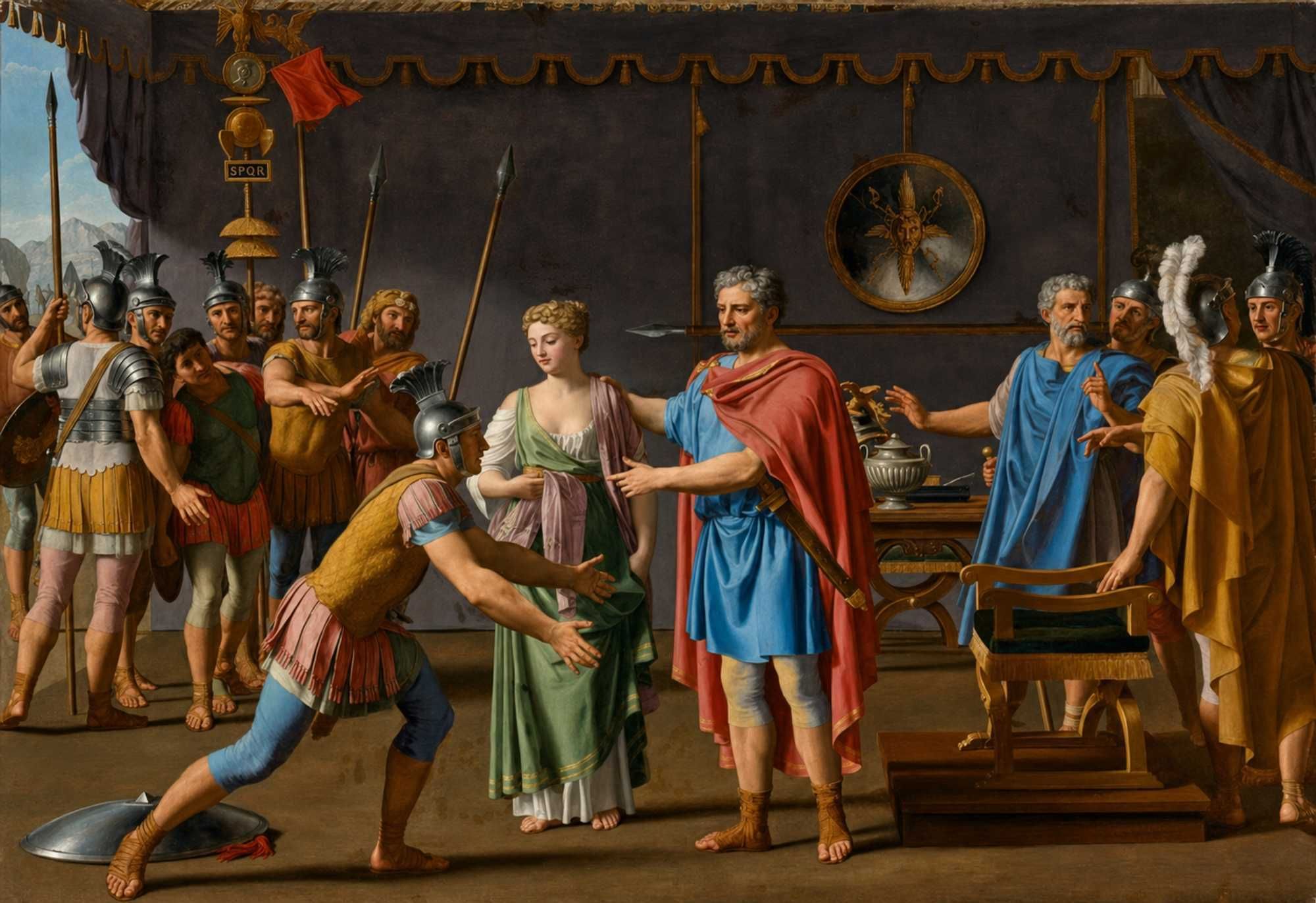
Quintus Fabius Maximus received command at one of the most dangerous moments in Roman history. Hannibal had crossed the Alps, defeated Roman armies at the Trebia and Lake Trasimene, and advanced through Italy while Rome struggled to recover. Previous commanders had attempted to stop him in major battles and suffered heavy losses. Fabius adopted a different policy. He followed Hannibal, occupied strong positions, attacked isolated soldiers and refused the decisive engagement that the Carthaginian commander repeatedly tried to provoke.
His delaying policy was later summarized by the descriptive epithet Cunctator, meaning “the Delayer,” but many Romans initially condemned it. They watched their territory and that of their allies being destroyed while their commander remained on the heights. His soldiers questioned his courage, his deputy challenged his judgment, and his political opponents accused him of prolonging the war. Fabius nevertheless continued because he believed that Rome’s first priority was to preserve its army and recover from the defeats it had already suffered.
The Quiet Child Who Appeared Slow
Fabius belonged to one of Rome’s most distinguished families. His surname Verrucosus referred to a small wart above his lip, while another childhood name, Ovicula, or “Lambkin,” was associated with the gentleness and seriousness of his early behavior. His silence, caution during childhood activities and difficulty learning quickly caused some who knew him only superficially to consider him slow or unintelligent.
These characteristics were later presented differently. Plutarch writes:
“But soon, as time went on and he was roused by the demands of active life, he made it clear even to the multitude that his seeming lack of energy was only lack of passion, that his caution was prudence, and that his never being quick nor even easy to move made him always steadfast and sure.”
Fabius prepared for public life by training his body for warfare and his speech for political activity. His speaking style reportedly lacked artificial ornament and relied instead on dignity and concise maxims. Long before Hannibal entered Italy, Fabius had already held Rome’s highest offices. During the first of his five consulships, in 233 B.C., he defeated the Ligurians and celebrated a triumph. He also served as censor. By the crisis of 217 B.C., Rome was turning to an experienced commander whose established character differed from that of the generals Hannibal had recently defeated.
Rome Turns to Fabius After Lake Trasimene
The defeat at Lake Trasimene left Rome in fear. The consul Gaius Flaminius had been killed and his army destroyed. Soon afterward, another Roman force of 4,000 cavalrymen, sent to assist him, was surrounded and captured. With the surviving consul absent and much of Italy threatened by Hannibal’s advance, the normal procedure by which a consul nominated a dictator could not be followed. The Assembly therefore invested Fabius with dictatorial authority and appointed Marcus Minucius Rufus as his master of the horse.
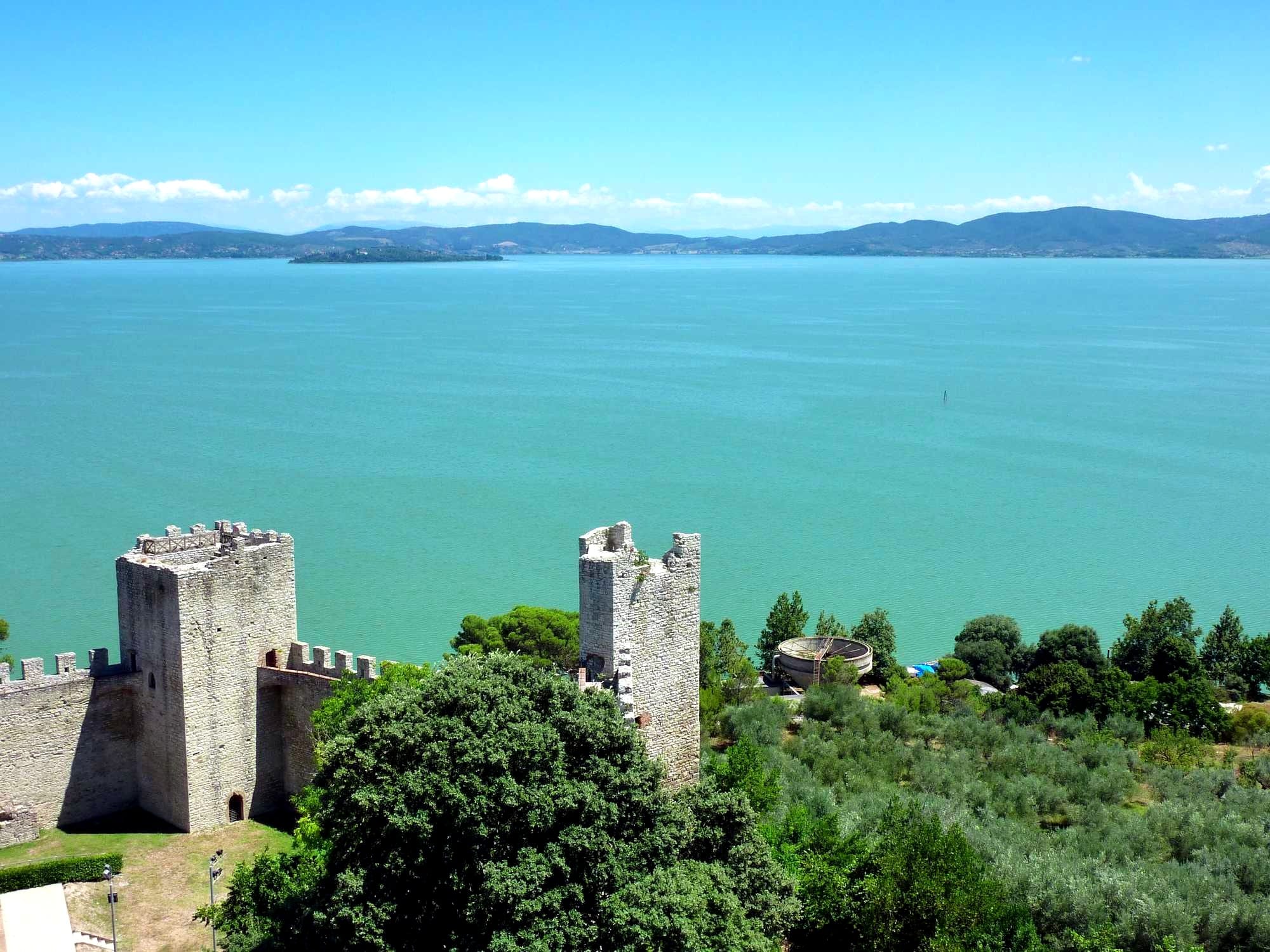
Plutarch gives a different version, stating that Fabius appointed Minucius himself. Livy and Polybius place both appointments in the hands of the Roman people.
The situation confronting Rome was expressed directly when news of the defeat reached the city:
“Men of Rome, we have been beaten in a great battle; our army has been cut to pieces; our consul, Flaminius, is dead. Take ye therefore counsel for your own salvation and safety.”
Fabius first addressed the religious concerns associated with the defeats. The Sibylline Books were consulted, ceremonies and festivals were prescribed, and temples were vowed to Venus Erycina and Mens. A sacred spring was also vowed. The religious measures were followed by military preparations. Additional legions were raised, Rome’s defenses were strengthened, and communities in Hannibal’s expected path were instructed to move into fortified places. They were also ordered to burn buildings and destroy produce that the Carthaginian army might use.
His authority was displayed publicly. A dictator was attended by 24 lictors, twice the number assigned to a consul. When the surviving consul approached with his own lictors, Fabius ordered him to dismiss them, remove the symbols of his office and meet the dictator as a private citizen.
Why Fabius Refused a Decisive Battle
When Fabius took command of the army, Hannibal offered him battle. Fabius refused. He established his camps on high ground, where the Carthaginian cavalry could not easily reach him, and followed the enemy without approaching closely enough to be forced into an engagement. When Hannibal remained still, Fabius waited. When the Carthaginians moved, the Romans followed from the heights.
Polybius explains that Hannibal’s soldiers had been trained through constant warfare from an early age. They had fought in Spain, crossed the Alps and already defeated the Romans and their allies twice in succession. The condition of the Roman army was described as the opposite, and a general engagement was expected to result in another defeat. Rome, however, possessed greater reserves of provisions and men.
Fabius kept his army together and did not allow soldiers to forage or wander away from the camp without protection. When they went out to gather wood or supplies, they moved in large groups and remained within prescribed limits. Cavalry and light infantry were kept ready to respond to sudden attacks.
Fabius watched for Carthaginians who wandered too far from their own camp and attacked them when the circumstances were favorable. He accepted smaller engagements on secure ground where the Romans had a nearby route of retreat. These actions gradually reduced Hannibal’s limited forces while giving Roman soldiers opportunities to recover from the effect of their earlier defeats.
Polybius describes the priority Fabius established:
“Fabius, having determined not to expose himself to any risk or to venture on a battle, but to make the safety of the army under his command his first and chief aim, adhered steadfastly to this purpose.”
Livy similarly describes Fabius refusing to risk everything in a general engagement while using smaller encounters to restore the confidence of his men. The soldiers had been demoralized by previous defeats, but the limited successes made them less dissatisfied with their own courage and fortunes.
The policy remained unpopular because Hannibal continued moving through allied territory. Minucius and other officers saw communities being plundered and farms burning while the Roman army followed without offering battle. Minucius argued that they had not come merely to watch their allies being murdered and their homes destroyed. He accused Fabius of treating an army like a herd being led through mountain paths and summer pastures.
Hannibal also understood that the destruction of allied territory might weaken Rome’s authority. By entering the fertile plain around Capua and devastating it without opposition, he hoped either to compel Fabius to fight or to persuade Italian communities that Rome could no longer defend them. Even after the Roman defeats at the Trebia and Lake Trasimene, however, the Italian cities had not yet begun abandoning Rome in large numbers.
Fabius continued moving along the high ground. He remained near enough to show Rome’s allies that the army had not withdrawn completely but declined to descend into the plain, where Hannibal’s cavalry held a clear advantage. His refusal to fight was condemned by his own soldiers and civilians in Rome, while Hannibal recognized that he was facing a different kind of commander from those he had already defeated.
Hannibal Escapes With the Fire-Bearing Oxen
Fabius attempted to use the terrain against Hannibal when the Carthaginian army entered the fertile Falernian plain and collected a large quantity of booty. The Romans occupied the surrounding heights and guarded the narrow route through which Hannibal was expected to withdraw. Fabius stationed about 4,000 men at the pass and held the main army on elevated ground overlooking it.
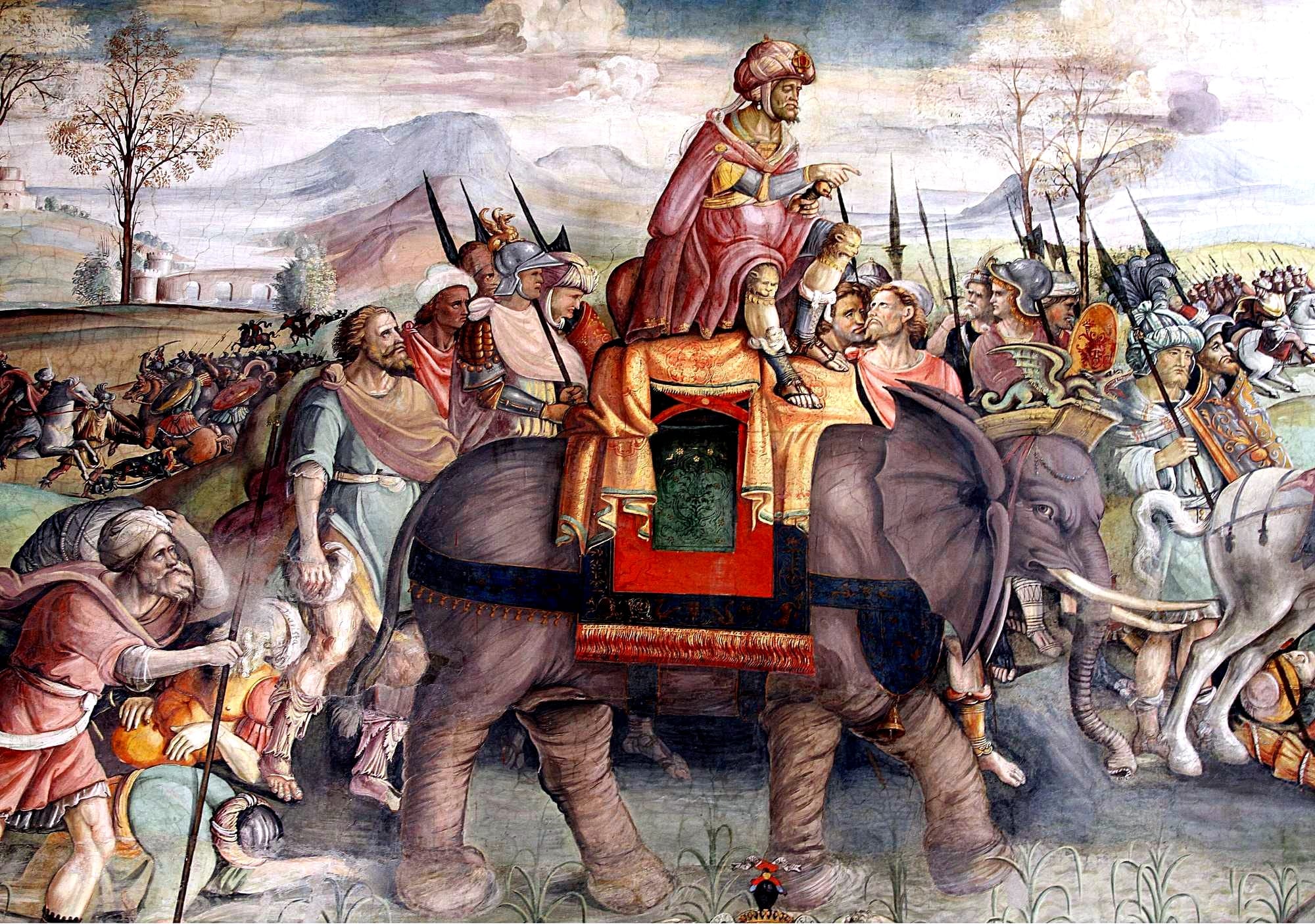
Hannibal gathered around 2,000 captured oxen and ordered bundles of dry wood to be fastened to their horns. During the night, the wood was set alight and the frightened animals were driven toward higher ground. To the Romans watching from a distance, the moving flames appeared to be soldiers carrying torches across the mountains.
The soldiers guarding the pass abandoned their position and moved toward the lights because they believed that Hannibal’s army was attempting to pass above them. While they tried to understand what was happening on the heights, the Carthaginian army moved through the unguarded route with its captured supplies. Fabius remained inside his camp with the main force until daylight because he suspected that the movement was a trick.
When morning came, Hannibal sent reinforcements to the troops accompanying the cattle. They attacked the Romans on the heights, killed about 1,000 of them and brought their own men down safely. Hannibal escaped from the plain with his army and booty, and the incident increased the criticism directed at the dictator.
Hannibal also attempted to damage Fabius’s reputation by ordering that his property be spared while the surrounding estates were destroyed. Guards were placed around the land to prevent anything from being taken. When the news reached Rome, it increased suspicions against Fabius and allowed his opponents to suggest that a secret agreement existed between the commanders.
The ancient accounts then describe an exchange of prisoners in which Rome recovered more men than Carthage and owed payment for the difference. Livy gives the number as 247 Roman prisoners, while Plutarch gives 240. The Senate delayed or refused the payment because Fabius had made the agreement without consulting it.
Fabius sent his son to Rome and ordered him to sell the property Hannibal had spared. The money was brought back to the camp and used to settle the obligation. In Plutarch’s account, many of the released prisoners later offered to repay Fabius, but he refused to accept their money.
Minucius Is Given Equal Authority
Fabius was recalled to Rome to participate in religious ceremonies and left Minucius in temporary command. Before departing, he advised him to rely on prudence rather than fortune. He said that Rome had already gained something by avoiding another defeat and obtaining time to recover from its earlier disasters. Livy compares this policy to the work of physicians who sometimes helped their patients more by allowing them to rest than by subjecting them to movement and exercise.
Minucius ignored the advice. After observing that many Carthaginian soldiers were dispersed in search of supplies, he attacked the remaining forces. He drove some of them back into their camp and inflicted losses on the foraging parties. Roman casualties were also heavy, but reports reaching Rome exaggerated the engagement into a major victory.
Minucius was praised as the active commander Rome needed, while Fabius declared that he feared his deputy’s success more than he would have feared his failure. The tribune Metilius accused Fabius of deliberately wasting time so that he could remain in office and retain supreme command. He also argued that Minucius had been prevented from seeing the enemy or doing anything associated with warfare while Fabius remained in control.
Political opposition to Fabius then produced an unprecedented decision. Minucius was granted authority equal to that of the dictator. Rather than permit each commander to control the entire army on alternate days, the forces were divided between them. Minucius established a separate camp and prepared to conduct operations according to his own judgment.
Hannibal learned about the disagreement and decided to exploit it. Between the camps stood a hill surrounded by land that appeared too open for an ambush. The ground, however, contained hollows in which Carthaginian infantry and cavalry could be concealed. During the night, Hannibal placed soldiers in these hiding places. The following morning, he sent a smaller force to occupy the hill, expecting Minucius to challenge it.
Minucius sent out his light infantry, followed by his cavalry and finally the legions. As the engagement expanded, the concealed Carthaginian soldiers emerged and attacked the Romans from several directions. The Roman formation fell into confusion, and Minucius’s army began to break apart.
Fabius had kept his troops prepared and watched the battle from his own camp. When he saw Minucius’s army surrounded, he ordered his soldiers to advance:
“However, this is not the time for censure or rebuke, advance into the field! Let us wrest victory from the foe, and a confession of error from our fellow-citizens.”
The defeated soldiers rallied around the fresh formations, and Hannibal ended the pursuit rather than engage the newly arrived legions in good order. Plutarch adds that Fabius returned to his camp after the battle without making a haughty or hostile statement about his colleague.
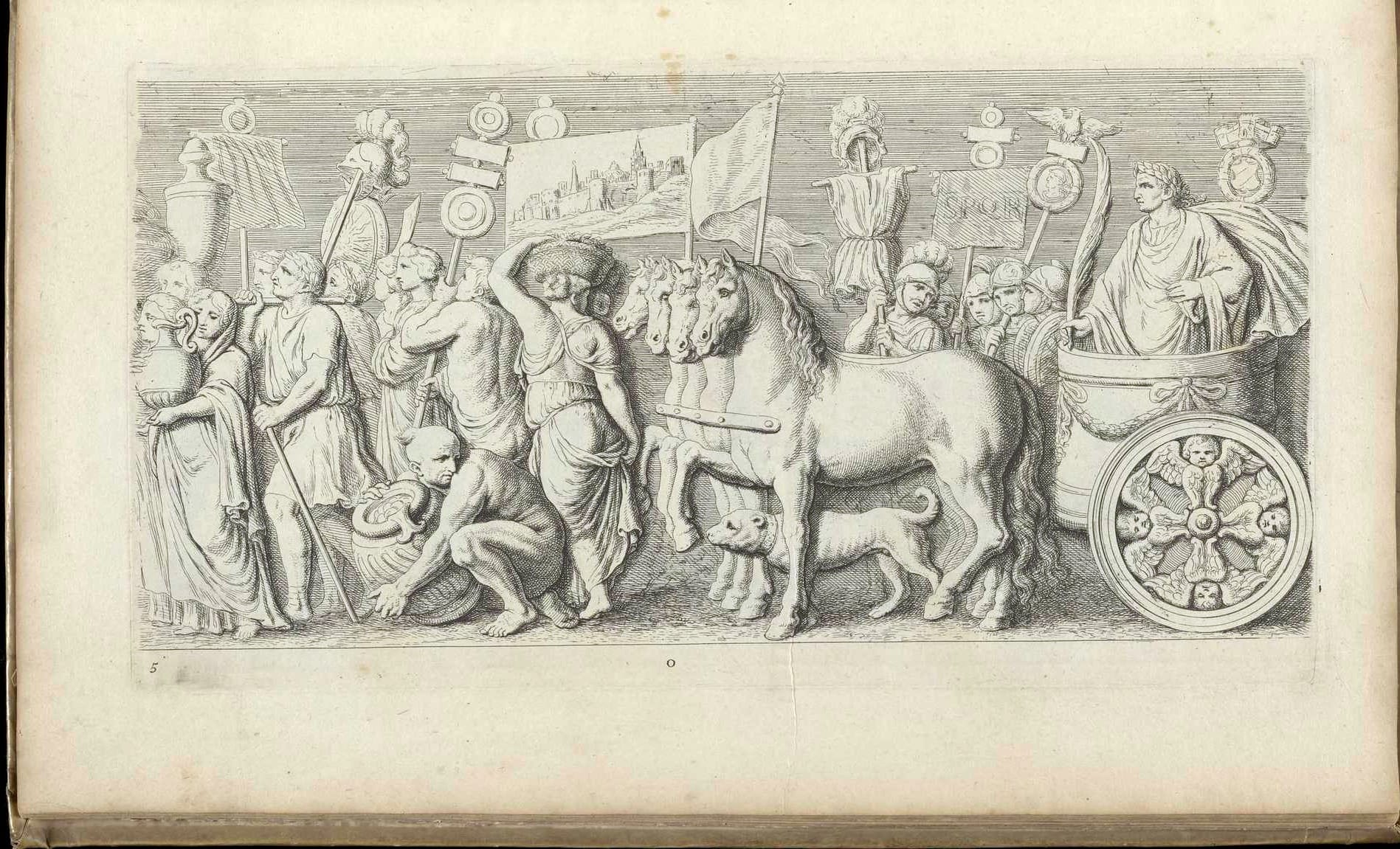
Minucius reunited the army and publicly acknowledged Fabius as his superior. He addressed him as “Father,” while his soldiers called the men who had rescued them their “Patrons.” Minucius told his troops:
“Since the first order of intelligence and capacity has been denied to us let us cling to the second and intermediate one, and whilst we are learning to command, let us make up our minds to obey him who is wise and far sighted.”
The two forces returned to a single camp, and Minucius again accepted the authority of Fabius.
The different ancient accounts do not present this reconciliation in exactly the same way. Livy concentrates mainly on Minucius acknowledging that Fabius possessed better military judgment. Plutarch expands the episode into a broader lesson about generalship: Fabius rescues the colleague who opposed him, refuses to humiliate him afterward and allows Minucius to acknowledge his mistake voluntarily. In this version, the correction of Minucius becomes part of Fabius’s victory.
Rome Abandons His Policy at Cannae
When Fabius and Minucius laid down their offices, the disagreement over how to fight Hannibal remained unresolved. Rome still wanted a decisive victory. The consul Gaius Terentius Varro supported an aggressive policy, while his colleague Lucius Aemilius Paullus was more cautious.
Fabius warned Paullus that he would have to resist not only Hannibal but also the impatience of his fellow consul. He maintained that Hannibal wanted a battle because his forces would continue to weaken if Rome refused to provide one. Plutarch records Fabius telling Paullus that if no one fought Hannibal that year, the Carthaginian would either perish in Italy or leave it in flight.
Rome nevertheless assembled an exceptionally large army and confronted Hannibal at Cannae in 216 B.C. The Roman infantry advanced into the Carthaginian center, which gave way and drew it forward. Hannibal’s stronger troops then attacked the Romans from the flanks and closed around their rear. Paullus was killed, Varro escaped, and a large part of the Roman and allied army was destroyed or captured.
Fabius had not commanded at Cannae, but he helped organize Rome’s response. Reports reaching the city initially suggested that both consuls and their armies had been lost. Public streets filled with lamentation, while the Senate struggled to obtain reliable information about the survivors and Hannibal’s next movement.
Fabius proposed that horsemen be sent along the Appian and Latin roads to question fugitives and determine what had happened to the armies. They were also to discover where Hannibal had gone after the battle and what he appeared likely to do next. Because few magistrates remained in Rome, the senators themselves were instructed to help calm the city.
Fabius also recommended that citizens remain in their homes, public lamentation be restrained and guards be stationed at the gates to prevent people from abandoning Rome. Those bringing information were to be taken before the praetors rather than allowed to spread reports through the city. Once the immediate panic had been controlled, the Senate could meet again to discuss the defense of Rome.
The period of mourning was limited to 30 days so that public religious observances would not remain suspended indefinitely. When Varro returned after surviving the battle, the Senate and people received him because he had not despaired of the state. Rome then reorganized the surviving forces and prepared new measures for its defense.
Fabius and Marcellus
After Cannae, Fabius continued to receive military commands. The other Roman commander particularly associated with resistance to Hannibal was Marcus Claudius Marcellus. The two men were admired for different qualities and conducted the war in different ways.
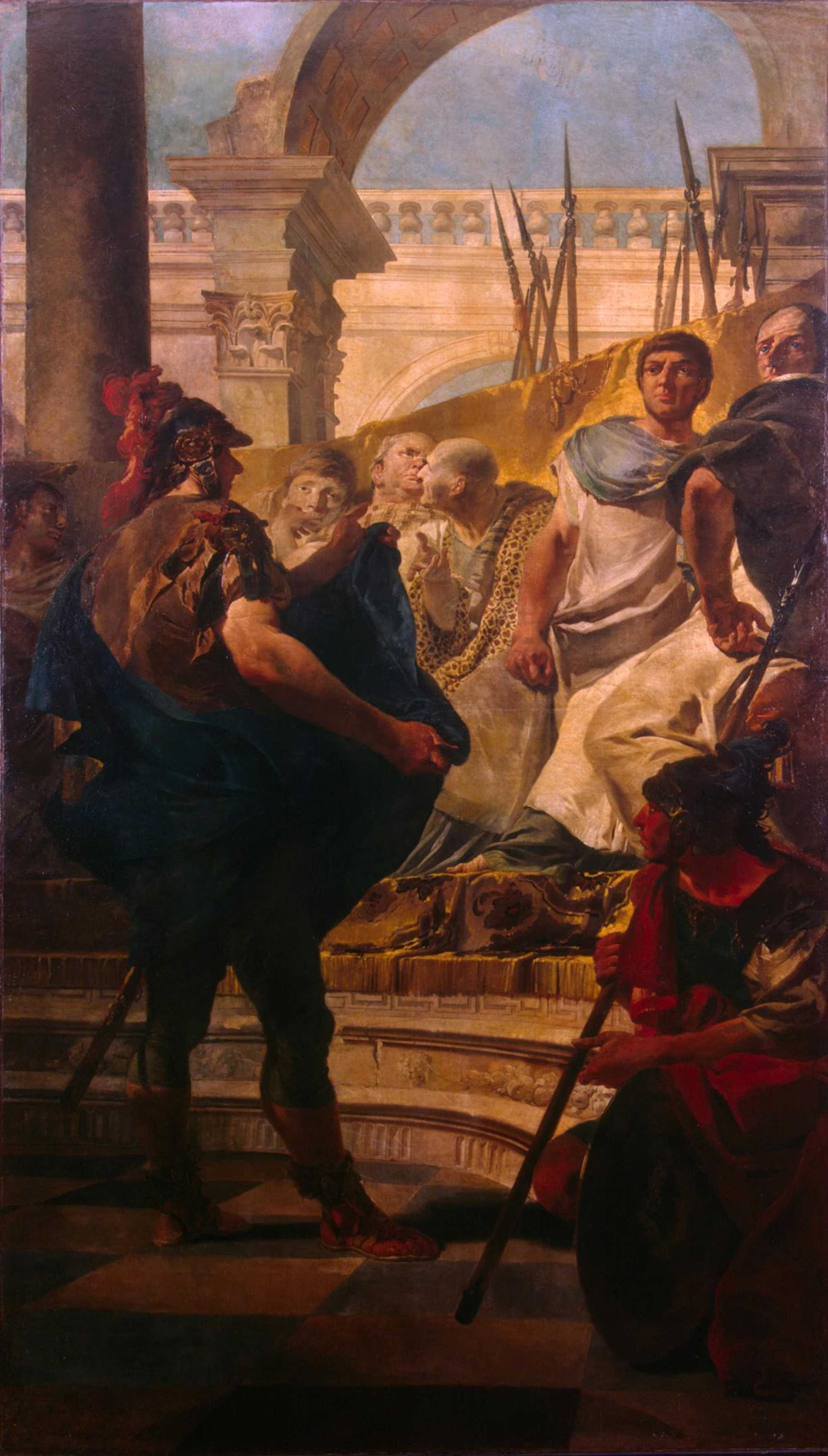
Marcellus favored energetic and direct action. Fabius continued to rely on caution, secure positions and gradual pressure. Plutarch compares Marcellus to a swiftly flowing river that shook and swept away Hannibal’s forces, while the slow and continuous hostility of Fabius wore them down.
Hannibal fought both men repeatedly while they held commands as consuls, praetors or proconsuls. Marcellus was eventually killed after being drawn into an ambush during his fifth consulship. Hannibal used several deceptions against Fabius but failed to destroy him.
On one occasion, letters supposedly sent by leading men in Metapontum promised to surrender the city if Fabius approached. He prepared to take part of his army there during the night, but unfavorable religious signs stopped the expedition. The letters were later discovered to be forgeries prepared by Hannibal, who had arranged an ambush near the city.
How Fabius Treated His Soldiers
Several stories describe how Fabius handled discipline and discontent within his army. He believed that a commander should not depend entirely upon punishment. Plutarch compares his approach with that of people training horses and dogs, who relied on care, familiarity and feeding rather than only on restraints and blows. The same passage compares difficult soldiers with wild trees that could be cultivated until they produced fruit.
When Fabius learned that a Marsian soldier of distinguished birth and proven courage was considering desertion, he did not punish him. He acknowledged that the man’s service had been overlooked by commanders who distributed honors according to favor rather than merit. Fabius gave him a warhorse and other rewards, after which the soldier reportedly became one of the most loyal men in the army.
In another account, a Lucanian soldier repeatedly left his post and traveled away from the camp. Fabius investigated and discovered that the soldier was visiting a woman he loved. He secretly had the woman brought to his tent and then placed her in the soldier’s care. Fabius told him that his previous acts of bravery would atone for his transgressions, but another person would now be responsible for ensuring that he remained in camp.
His respect for Roman public authority was illustrated after his son became consul. Fabius approached him on horseback, but the younger man sent a lictor ordering his father to dismount and approach the consul on foot. The people present regarded the order as disrespectful to a man of Fabius’s standing, but he immediately dismounted, approached his son and embraced him:
“My son, you are right in thought and act. You understand what a people has made you its officer, and what a high office you have received from them.”
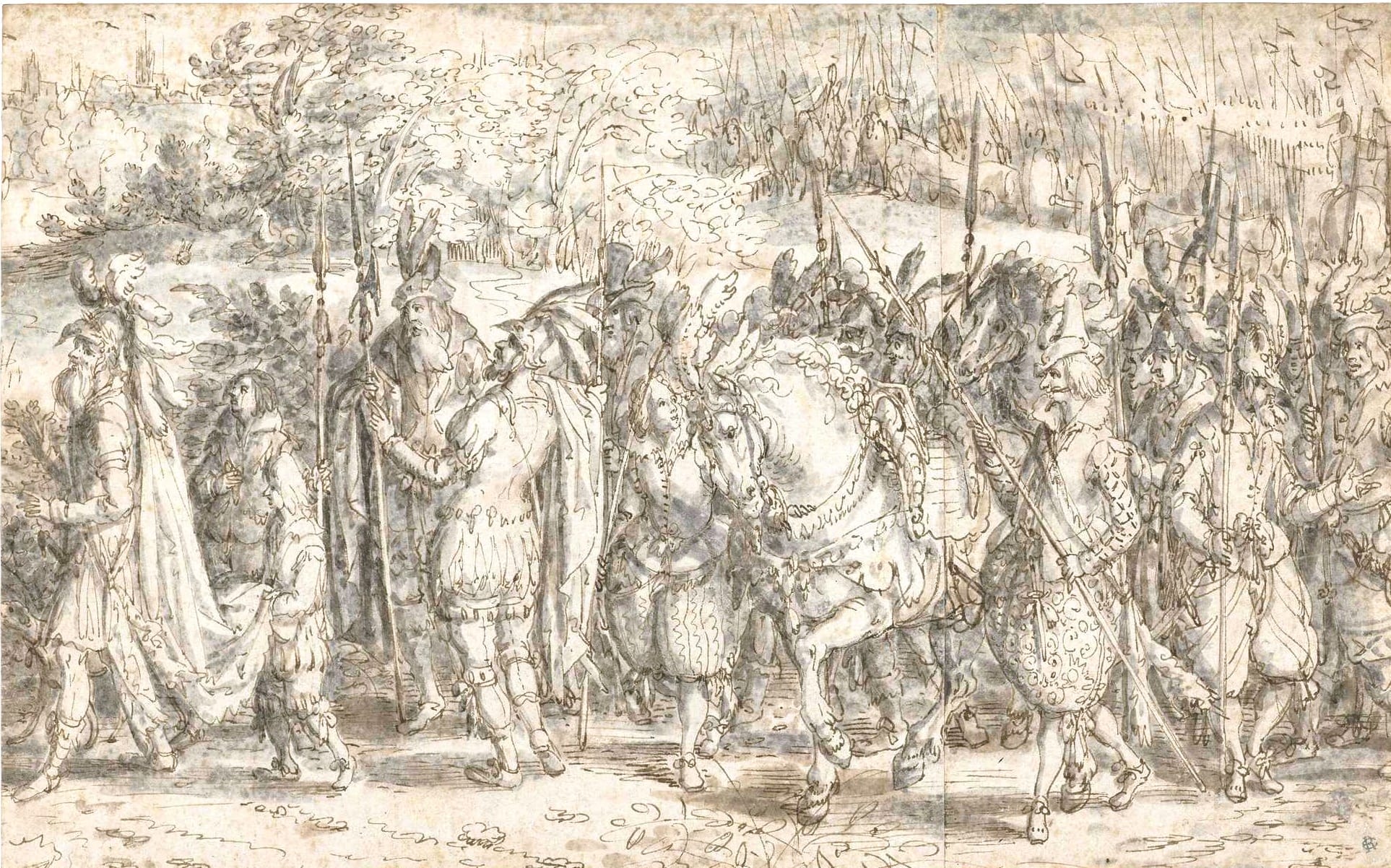
He continued by explaining that parents and children were secondary to the good of the country. The account then compares his behavior with that of his great-grandfather, who had served under his own son when the younger man held the consulship.
Fabius’s son later died while holding the consulship. Fabius delivered the funeral oration himself in the Forum, then wrote and published the speech. Plutarch presents him as bearing the loss with the self-control expected of both a father and a public figure.
The Capture of Tarentum
In 209 B.C., Fabius recovered Tarentum from Hannibal through an arrangement with a Bruttian commander inside the city. One version describes a young Tarentine serving in the Roman army whose sister was involved with the commander of the Bruttian garrison. Another version identifies the woman as a Bruttian and a concubine of Fabius. In both versions, contact with the garrison commander created the opportunity for Roman soldiers to enter the city.
To draw Hannibal away, Fabius ordered the Roman garrison at Rhegium to attack Bruttium and capture Caulonia. The force consisted largely of deserters and soldiers previously sent away from Sicily in disgrace. Fabius expected their movement to attract Hannibal, and the Carthaginian army left the area around Tarentum to pursue them.
Five days after beginning the siege, Fabius received information about the section of wall controlled by the Bruttian commander. He did not rely entirely upon that agreement. Roman forces attacked the city by both land and sea with enough noise to draw most of the defenders away, while Fabius led another group quietly toward the appointed position. After receiving the signal, the Romans scaled the walls and captured the city.
The capture was followed by severe measures. Plutarch states that Fabius ordered the Bruttians killed so that his success would not appear to have depended upon betrayal. The attempt failed to conceal what had happened and brought accusations of cruelty and bad faith. Many Tarentines were also killed, 30,000 were sold into slavery, and the city was plundered.
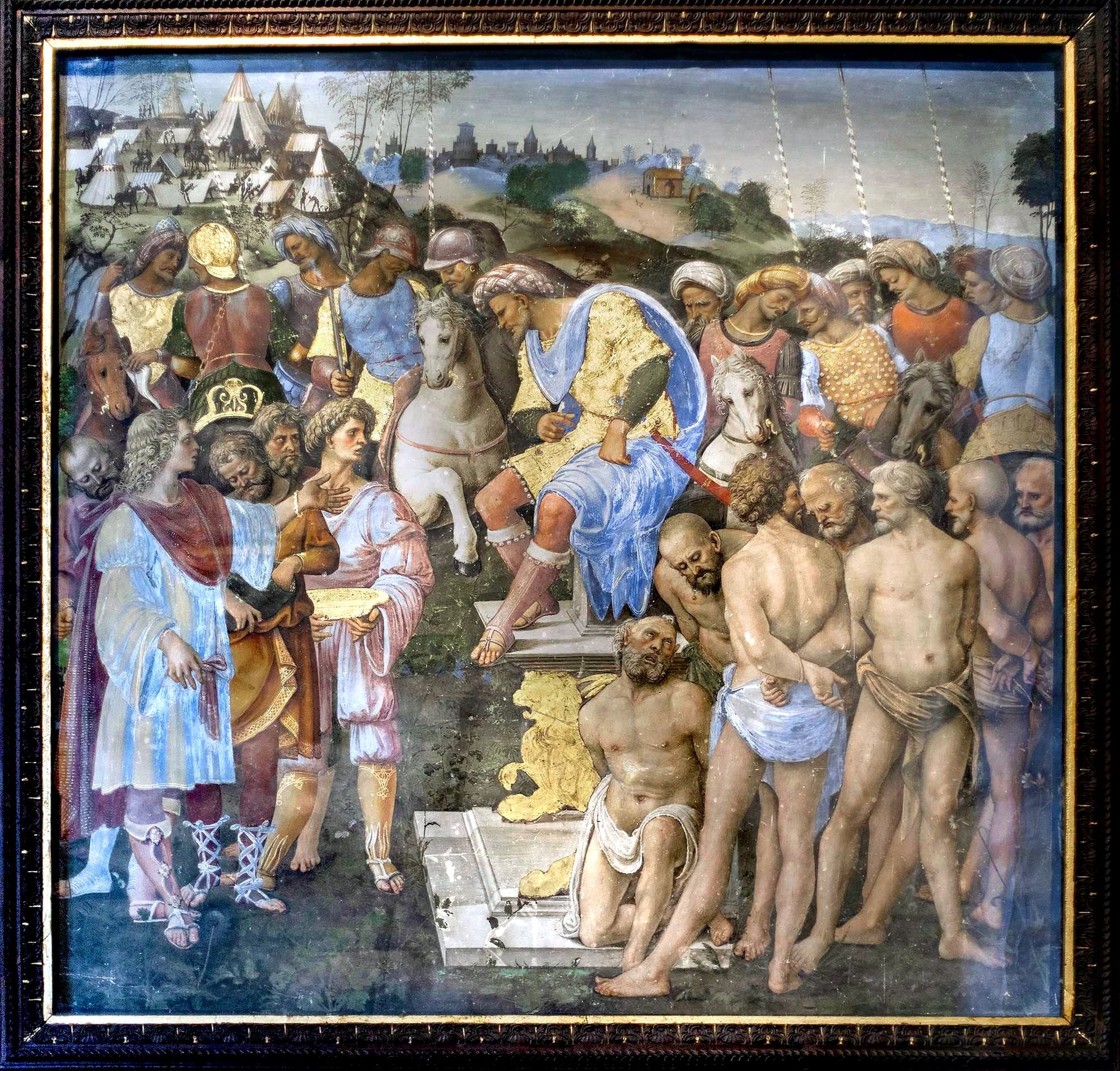
The account states that 3,000 talents were brought into the Roman treasury. When an official asked what should be done with the statues and paintings, which he called the gods of Tarentum, Fabius replied that the angered gods should be left to the Tarentines. He nevertheless removed a colossal statue of Hercules and placed it on the Capitoline Hill near an equestrian statue of himself.
The victory brought Fabius a second triumph. Marcus Livius, who had retained control of Tarentum’s citadel after the rest of the city went over to Hannibal, complained that he rather than Fabius deserved credit for its recovery. Fabius answered:
“You are right; had you not lost the city, I had not taken it.”
Fabius Opposes Scipio’s African Campaign
During the final phase of the war, Fabius opposed Scipio’s proposal to invade Africa. Scipio had returned from Spain after defeating Carthaginian forces, taking cities and gaining the support of several peoples. After becoming consul, he proposed moving the war from Italy to the territory of Carthage.
Fabius argued that Hannibal remained undefeated in Italy and that Rome should not send men and resources overseas while the enemy was still present on Italian soil. He warned that Scipio was encouraging young men to leave their parents, wives and city while Hannibal remained in the country.
Fabius persuaded the Senate to support his position. He also attempted to convince Scipio’s consular colleague, Publius Licinius Crassus, to seek the African command himself. Crassus remained in Italy partly because he was pontifex maximus and was restricted by his religious office.
Plutarch attributes Fabius’s initial opposition to his established caution and fear of the danger involved. The account adds that his resistance became more intense through ambition and rivalry with the younger commander. Fabius prevented public money from being granted for the expedition, forcing Scipio to obtain voluntary support from communities in Etruria.
Scipio was ultimately permitted to use the forces already stationed in Sicily and take 300 of the soldiers who had served with him in Spain. After he crossed into Africa, reports arrived in Rome describing his victories, captured spoils and the destruction of Carthaginian camps. Carthage then sent messages ordering Hannibal to leave Italy and return to defend his native city.
Fabius continued opposing the campaign and proposed that a successor be sent to replace Scipio. He said that it was dangerous to entrust such important affairs to the fortune of one man because the same person could not always remain fortunate. Even after Hannibal left Italy, Fabius warned that the danger had not ended and argued that Scipio would now face him near Carthage with his army prepared to defend its own city.
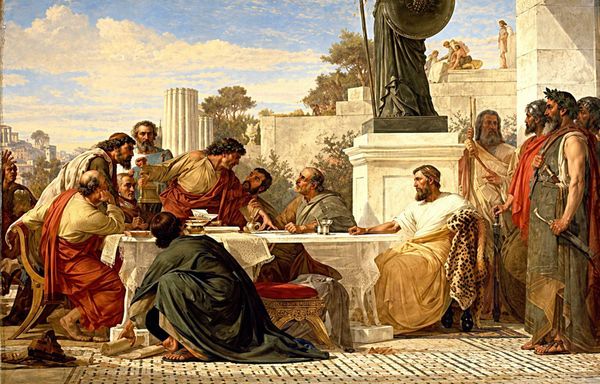
Fabius did not live to hear of Hannibal’s defeat at Zama or see the conclusion of the war. He became ill and died around the time Hannibal left Italy. The Romans did not formally bury him at public expense. Instead, individual citizens contributed the smallest coin they possessed toward his funeral. The contribution was not presented as aid to an impoverished family. According to Plutarch, the people believed they were participating in the burial of a father.
Plutarch, "Life of Fabius Maximus", translated by Bernadotte Perrin
Livy, "History of Rome", Book 22, translated by Rev. Canon Roberts
Polybius, "Histories", Book 3, translated by W.R. Paton
Sophia A. Xenophontos, “Περὶ ἀγαθοῦ στρατηγοῦ: Plutarch’s Fabius Maximus and the Ethics of Generalship,” Hermes 140, no. 2 (2012), pp. 160–183.
About the Roman Empire Times
See all the latest news for the Roman Empire, ancient Roman historical facts, anecdotes from Roman Times and stories from the Empire at romanempiretimes.com. Contact our newsroom to report an update or send your story, photos and videos. Follow RET on Google News, Flipboard and subscribe here to our daily email.
Follow the Roman Empire Times on social media: