
The Roman Obsession With Reputation
In ancient Rome, reputation was not just a matter of image. It shaped status, ambition, public life, and the constant fear of shame under the eyes of others.

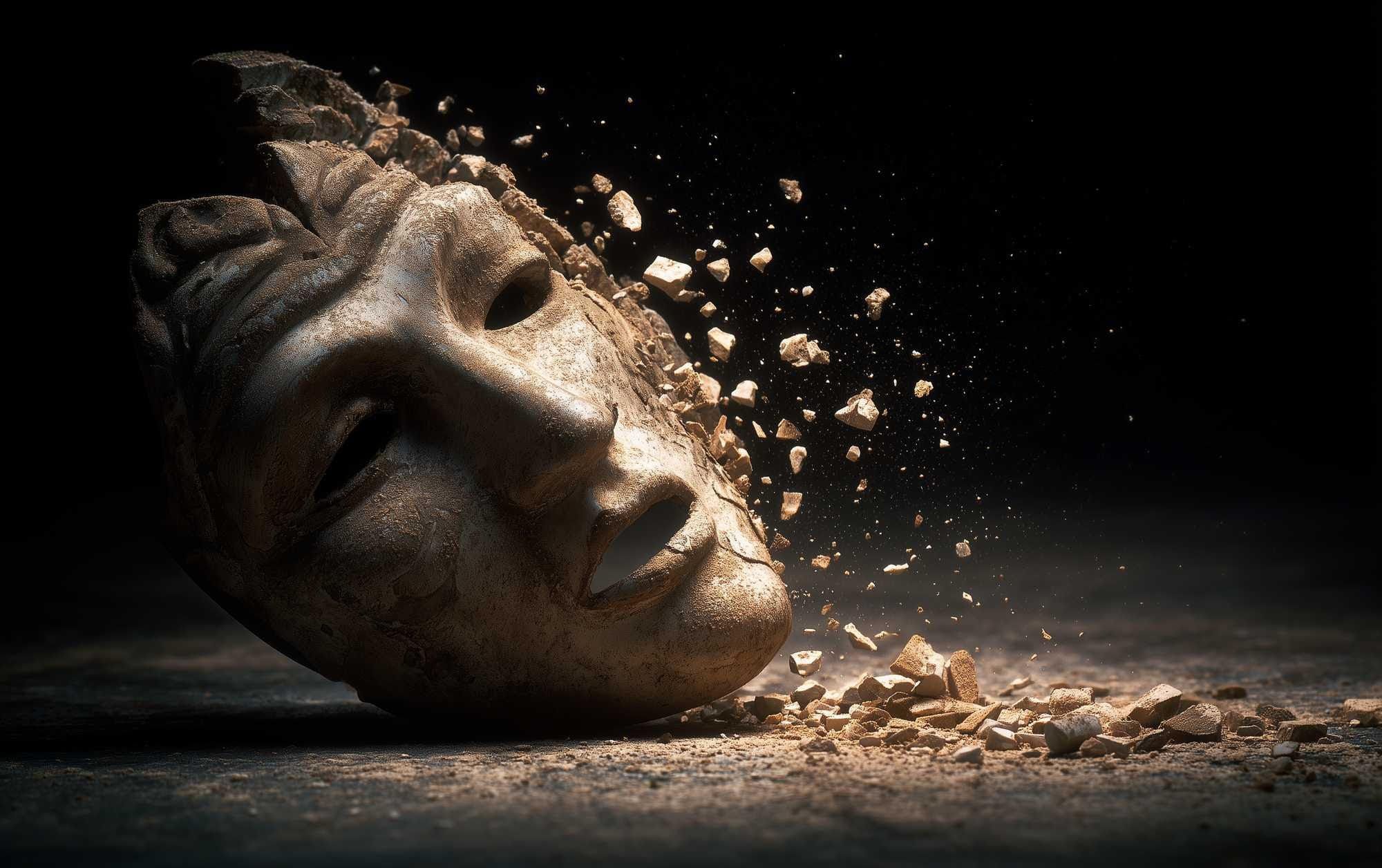
In ancient Rome, a person’s reputation was never just a matter of image. It shaped how others judged his worth, how far his voice carried, how much honor he could claim, and how easily he could be shamed. A good name opened doors, protected status, and gave weight to ambition; a damaged one could linger like a stain. In a society as competitive and watchful as Rome, people did not simply live their lives; they lived under the eyes of others.
Why Reputation Was Never Just Surface in Rome
Reputation in Rome was not a decorative extra attached to public life. It was bound up with the question of what a person was, and what remained of him when everything else was stripped away. Roman writing returns again and again to the fear that wealth, office, and success might vanish, while something more exposed and more essential still had to be defended.
In that world, a good name was not a polite social asset. It was tied to standing, self-respect, public worth, and the fragile sense that one’s life still held shape under pressure.
That is one reason Roman life cannot be understood only through institutions, laws, and offices. Romans often explained action through passions: fear, desire, shame, envy, lust, ambition, arrogance. What later ages might separate into politics, economics, and psychology, Roman thought more readily joined together through emotion.
A man pursued office because he could not bear to be outdone. He entered rivalry because praise mattered. He feared humiliation because public disgrace did not merely wound the feelings; it diminished the person in the eyes of others and, in a culture built on recognition, that was dangerous.
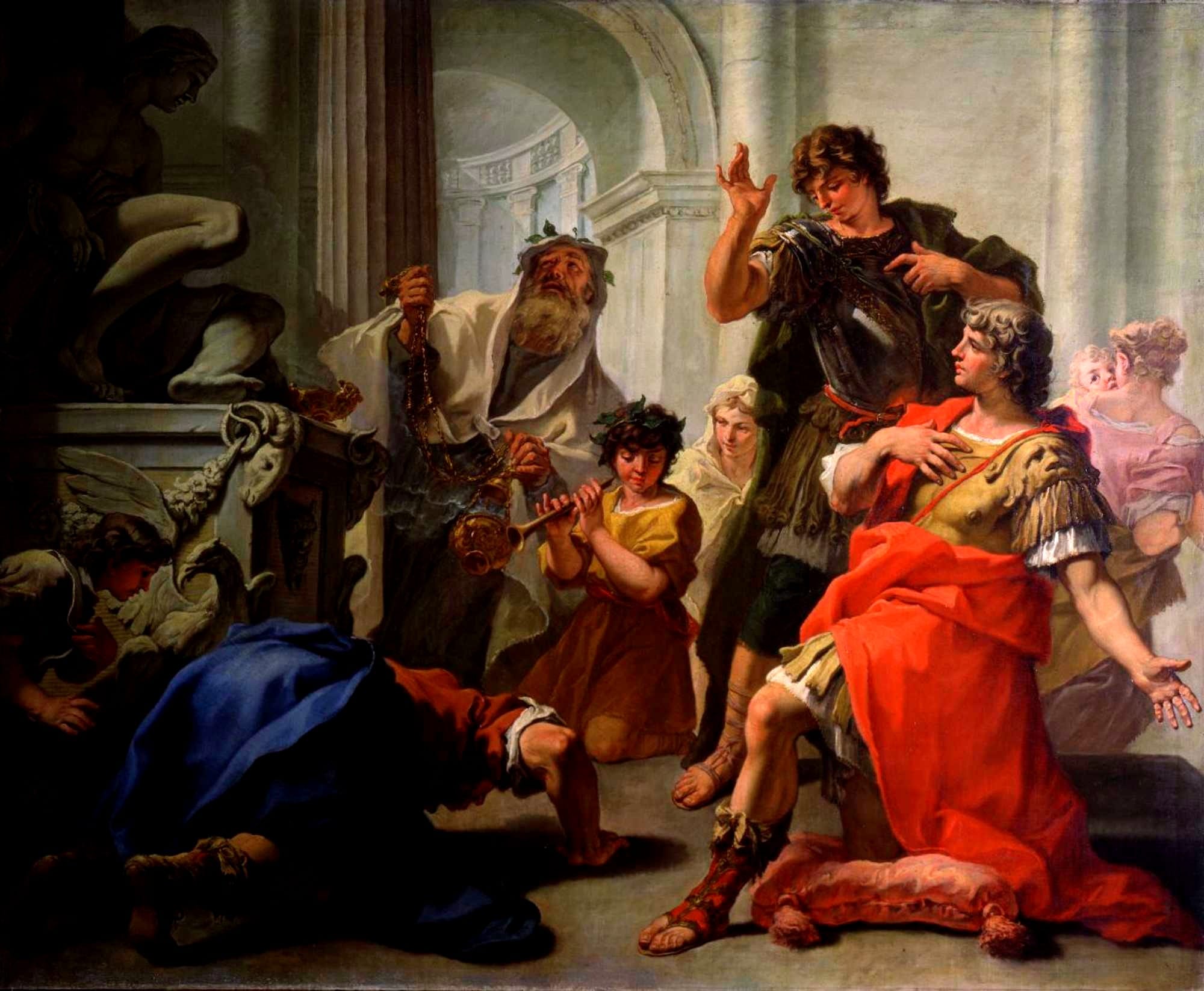
The old story of Brutus at Delphi captures something of this sensibility. He carries a rod of gold hidden inside a plain stick,
“an image, obliquely, of his own spirit.”
The image is telling. What mattered most was not always what lay openly on display, but the inner force that had to be protected from mockery, domination, and destruction. Roman life placed immense value on visible standing, yet it also imagined a hidden core that could be broken if a man lost the power to command respect.
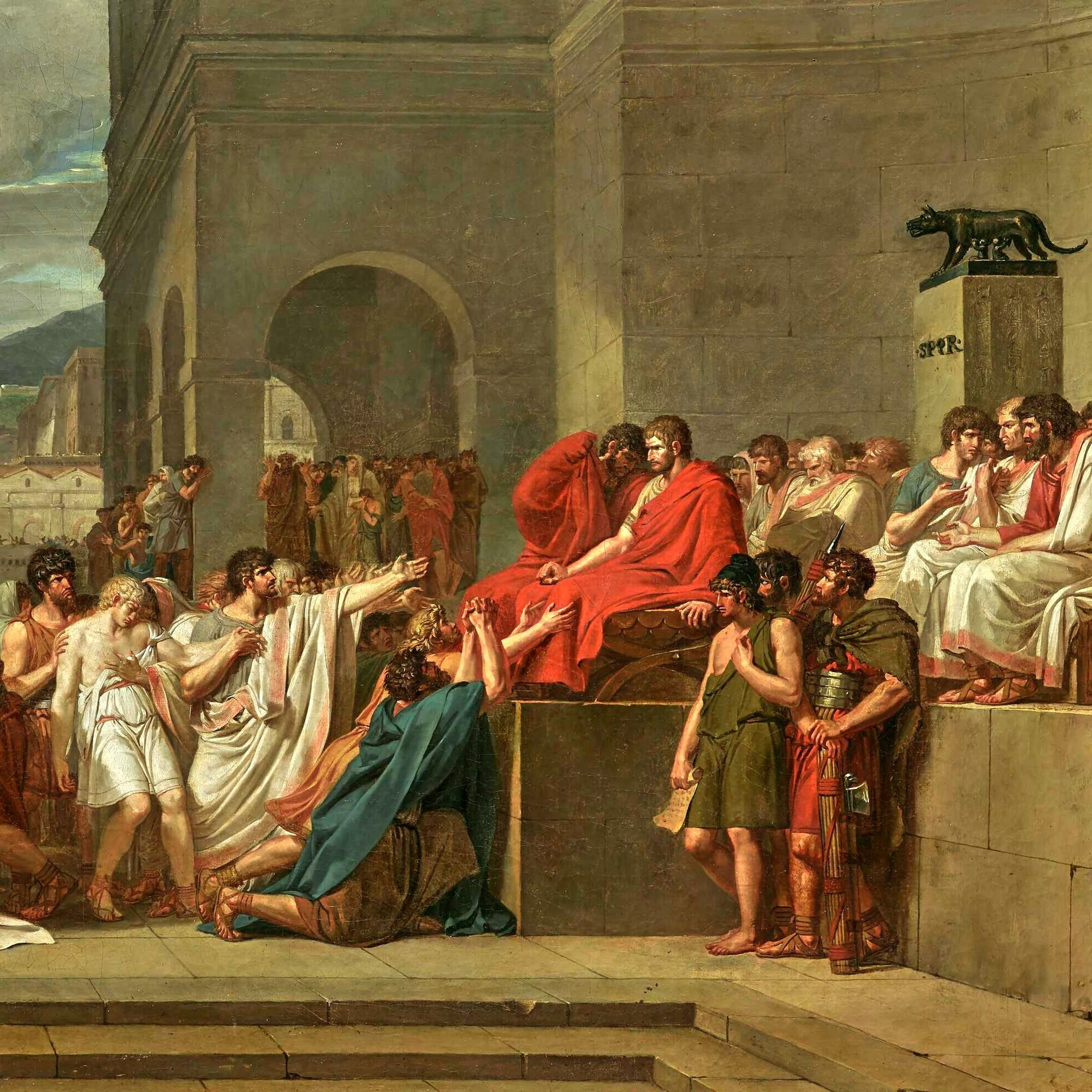
This did not mean Romans were inward in a modern, confessional way. Their emotional life was often read through signs, gestures, postures, and public forms. The body, in this world, mattered because it carried the strain of reputation. A lowered gaze, a bowed head, a blush, an outstretched hand, even the way one stood one’s ground; these were not trivial details.
They could reveal whether someone still possessed the self-command and presence on which honor rested. The body became one of the last places where dignity could be defended when words failed.
That helps explain why Roman moral language is so saturated with emotion. These emotions were not treated as irrational eruptions opposed to thought. They were motors of action. The desire for praise, the fear of shame, the hunger for distinction, the bitterness of insult, the need to repay a favor, the refusal to forget an injury; these formed part of the logic by which Roman society moved.
Cicero puts it plainly:
“With what earnestness they pursue their rivalries! How fierce their contests! What exultation they feel when they win, and what shame when they are beaten! How they dislike reproach! How they yearn for praise!”
Even more revealingly, he says this of boys. The emotions of honor were not confined to high office. They were woven into Roman social life from the start.
Nor did they belong only to the elite. Rank shaped the forms honor could take, but not the force of the feeling itself. The poor, the dependent, the enslaved, women, children; all could feel humiliation, pride, contempt, injury, and the desperate need to preserve some form of standing.
Poverty might reduce a person’s recognized status, but it did not erase the need for self-respect. If anything, it could sharpen it. The desire not to be treated as nothing, not to be openly scorned, not to lose face before others, reached far beyond the senate house.
This is one of the reasons Roman reputation mattered so much. It sat at the meeting point of status and feeling. Public honors, offices, crowns, statues, ancestral names, and visible esteem all belonged to the outward structure of Roman rank.
But behind them stood something harder to define and no less powerful: the emotional life attached to recognition. A Roman did not want only to possess honor in the form of rank. He wanted to be seen, acknowledged, deferred to, remembered, and protected from contempt.
When those forms weakened, the emotions did not disappear. They often became fiercer. A society can lose the language that once gave honor a stable shape and still remain deeply vulnerable to shame and insult. Indeed, those emotions may become more volatile when they can no longer be clearly expressed.
That is part of what gives Roman moral writing its unusual intensity. It is not merely lecturing about good and bad behavior. It is returning, obsessively, to a set of wounds and anxieties that lay close to the surface of Roman life.
So the Roman obsession with reputation was never simply vanity. It was a way of defending the self in a world where standing had to be seen, acknowledged, and constantly renewed. To lose reputation was not just to suffer embarrassment. It was to risk becoming smaller in the eyes of others, and therefore in one’s own. In that fear, Roman honor reveals itself not as a superficial code, but as one of the deepest emotional structures of Roman society.
Shame Had to Be Seen
In Rome, reputation did not live only in what people said about a person. It lived in what could be seen. Shame was not imagined as a purely inward feeling hidden in the mind. It was expected to appear on the body; in posture, voice, gesture, expression, and bearing. A damaged reputation did not remain abstract. It pressed itself onto the face and into the limbs.
This helps explain why Roman discussions of honor and disgrace are so often concerned with visibility. To have a sense of shame meant more than quietly knowing one had done wrong. It meant being willing to stand under judgment, to be exposed to the eyes of others, and to feel that exposure. Roman moral life was inseparable from witness. A person’s standing was tested not in isolation, but before an audience.
One of the clearest ancient formulations comes from Seneca, writing about the stage. Actors, he says, can imitate bashfulness by lowering the head, softening the voice, and fixing the eyes on the ground, but one thing they cannot reproduce at will is the blush.
“They cannot, however, muster a blush... It is a law unto itself.”
That detail matters. The blush becomes the sign of a body that still responds to judgment, a body that cannot entirely shield itself from shame. In Roman terms, this was not weakness in the modern sense. It was evidence that a person remained morally alive.
That is why shame could be valued even while it hurt. The person who felt no shame was dangerous, because nothing in him recoiled from reproach. The person capable of shame still recognized limits, debts, obligations, and the eyes of others. Roman thought could therefore treat shame not simply as a wound, but as one of the conditions of social life.
It restrained aggression, checked arrogance, and bound people to one another through the fear of deserving contempt. As one striking maxim puts it,
“The highest praise that one can give a man is that he is capable of doing harm but chooses not to.”
In other words, self-restraint mattered most when a person had the power to violate and did not.
This is also why Roman shame was never a calm or comfortable emotion. It was poised, tense, and unstable. The honorable person was not imagined as inwardly serene. Shame involved discomfort, pressure, and self-scrutiny. It belonged to a life lived in relation to others, where one could never fully forget how one appeared.
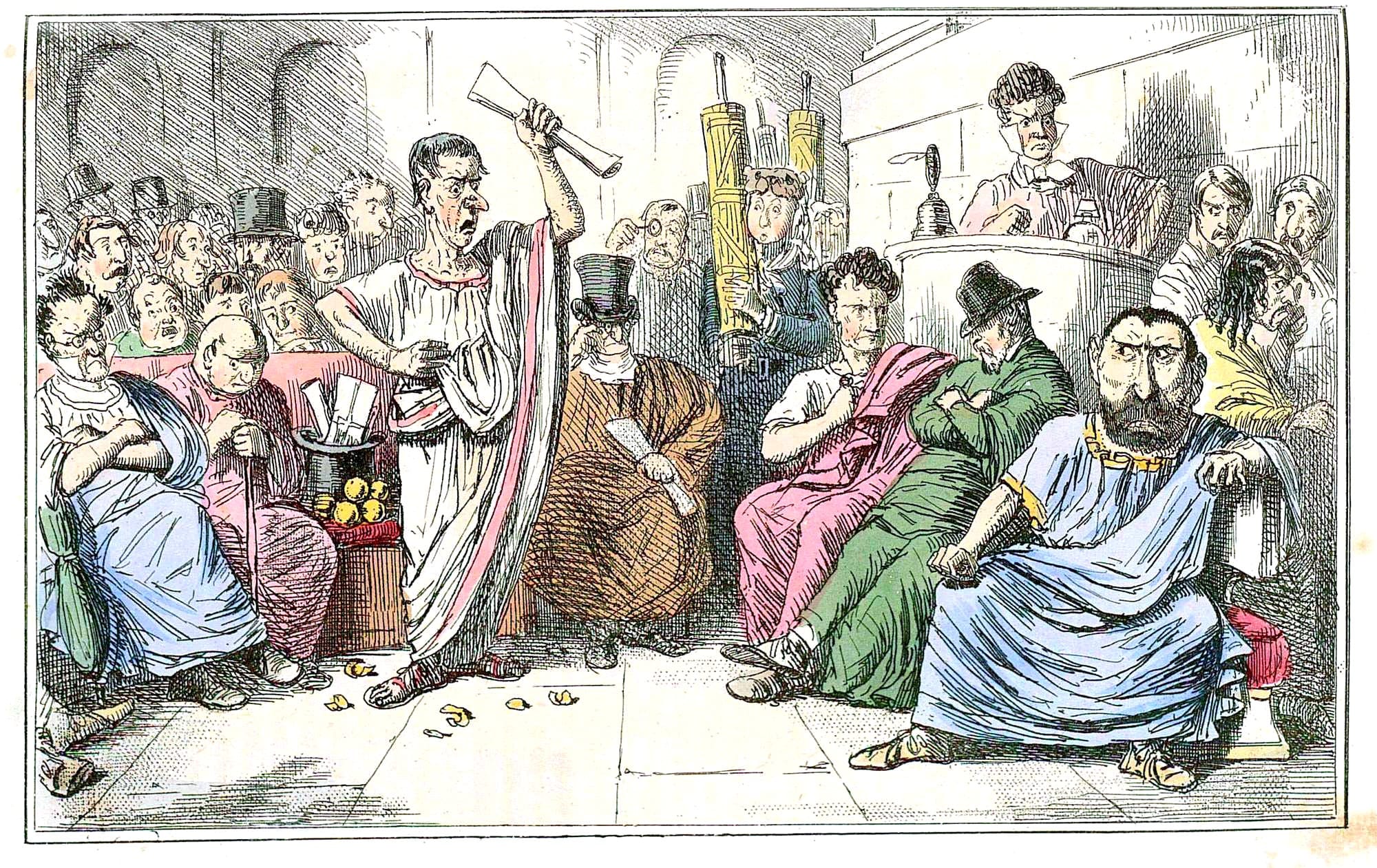
A Roman with pudor was not free from painful feeling; rather, that feeling was part of the price of being bound by obligations and by the need to remain worthy of recognition. To have a sense of shame is, as it were, a servitude.
Yet this same structure made shame dangerous. What could preserve social order could also poison a life. Once shame ceased to guide and began to overwhelm, it could become destructive. Roman texts return often to that darker possibility: the person who loses poise, who cannot recover from humiliation, who feels insufficiency not as a passing wound but as something permanent. In that condition, shame no longer holds a person upright. It drives him downward.
This is where Roman thought becomes especially severe. Defeat and disgrace were not treated as light matters that time would naturally soften. Humiliation could harden. The contrast is memorable: valor is fleeting and fragile, but dishonor can feel fixed, frozen, almost unending.
Victory is fleeting, but losing is forever. That is not simply rhetoric. It expresses a world in which public failure could become a lasting form of existence, something carried in the memory of others and in one’s own damaged sense of self.
Seen in that light, the Roman obsession with reputation was not only about ambition or vanity. It was also about the fear of visible shame. A person needed esteem because life under contempt was hard to bear. To be known, judged, and measured by others was unavoidable. The deeper question was whether one could still hold one’s shape under that pressure — whether the face, the voice, and the body could still bear witness to dignity when reputation trembled. In Rome, shame was painful because it was public, and public because it was written on the body. (“Roman honor. The fire in the bones” by Carlin A. Barton)
Reputation Lived in Public Opinion
In the late Roman Republic, reputation did not float in the air as something vague and ungraspable. Romans had several ways of talking about what we would call public opinion, above all fama, existimatio, and iudicium. The very richness of this vocabulary shows how much depended on what other people thought.
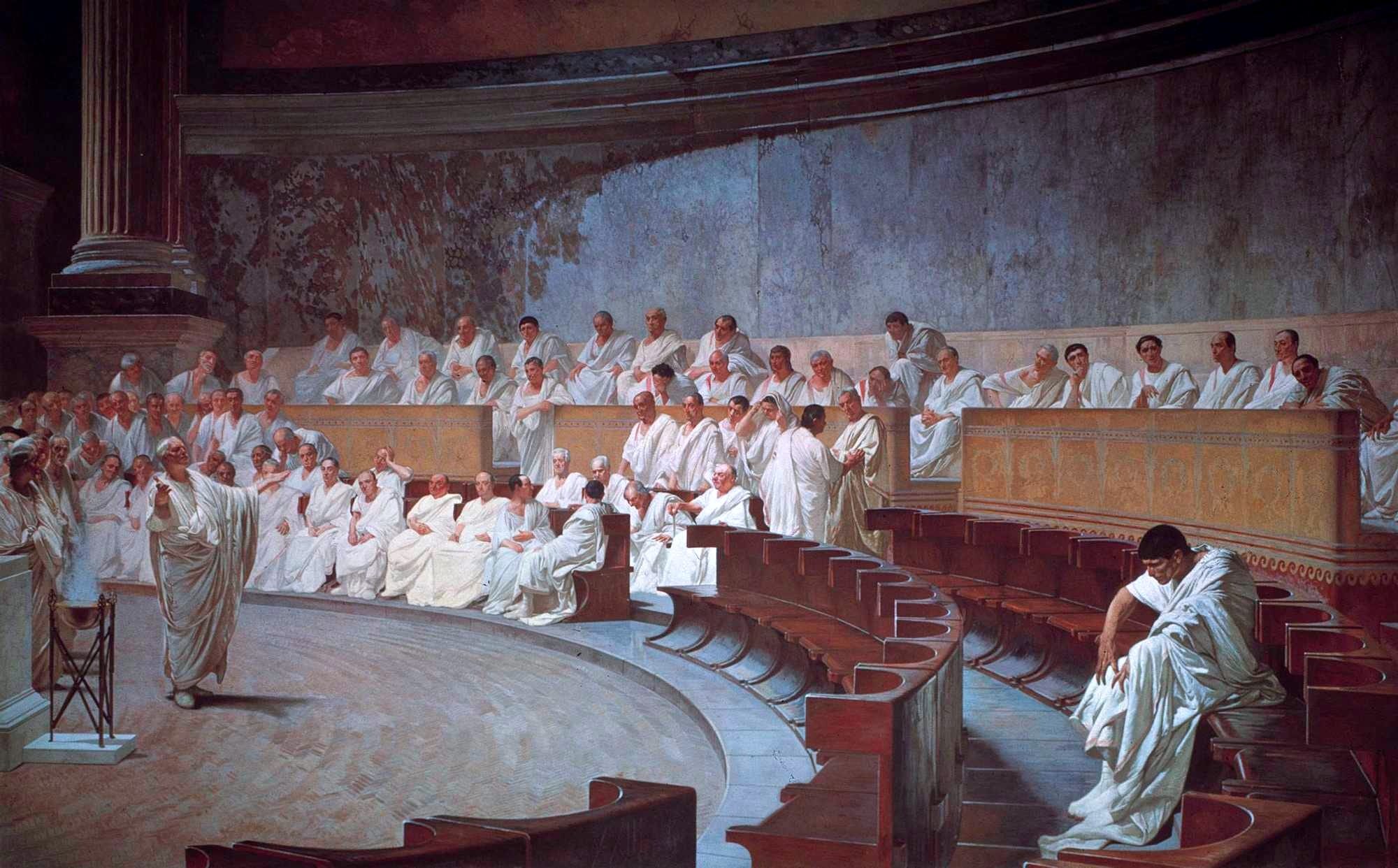
A politician’s standing was never secure simply because he had held office or belonged to a good family. Prestige had to be maintained, and public opinion was one of the chief forces that could strengthen it or destroy it.
That mattered because Roman political life was built on competition. Elections brought access to office, wealth, influence, and military command, but success did not end the struggle. Even after reaching the highest magistracies, a senator still had to protect his standing. Reputation remained exposed. One bad verdict, one unlucky rumor, one visible breach with public expectations could undo years of accumulated prestige.
The career of Hortensius shows just how precarious this could be. He was one of the most admired orators of his age and had reached the consulship, yet late in life, after defending his nephew on a charge of electoral corruption, he faced public outrage. The acquittal was widely felt to be intolerable.
The reaction was immediate: cries and shouts broke out at once, and the next day, in the theater, Hortensius was hissed and abused for the first time in his life. His reputation suffered because public opinion had turned against him. Roman prestige was public, and public displeasure could strike fast.
That helps explain why Cicero could define glory as a combination of frequens fama and praise. Glory was not simply inner merit waiting to be recognized. It depended on circulation, repetition, and approval. A Roman politician lived inside the opinions of others.
Courts, assemblies, streets, theaters, and dinner tables all helped shape what was being said about him. In that sense, reputation was never a private possession. It existed only so long as other people continued to acknowledge it.
The courts made this especially clear. Roman rhetorical handbooks taught orators how to attack a rival’s character by linking him with every vice that could be made to stick, whether or not it had anything to do with the actual case. Reputation often entered the courtroom before evidence did.
And yet this dependence on public standing was so obvious that, when an accused man already enjoyed a good name, one possible strategy was to insist that the facts alone should speak, and not fama. That very move reveals how powerful reputation had become. A politician was often judged long before the verdict.
This was one reason candidates lived in a state of nervous vigilance. A rumor, an unfortunate remark, a murmur among voters could change everything. Cicero evokes the anxious look of a candidate trembling at every whisper that might alter opinion. Roman electoral politics was not simply a contest of programs or alliances. It was a contest of impressions, and those impressions were unstable.
Among the key words Romans used for this world was existimatio, the impression a politician made on others and the opinion they held of him. It was the reputation attached to a man by the eyes and voices around him. Wealth and ancestry mattered, but they were not enough by themselves.

A Roman’s existimatio depended on what people were saying. It could belong not only to individuals but also to cities, social orders, and law courts. What mattered was not simply being important, but being thought important in the right way.
Alongside this stood fama, another crucial term. It could mean reputation, but also report, talk, rumor, or collective opinion formed around notable actions. It might elevate a man or darken him. Even when the distinction between fama and existimatio blurred in practice, both belonged to the same political world: one in which a public man was always being interpreted, discussed, and redefined by others.
Another important word was iudicium, judgment. This term could be especially useful when a politician wanted to dignify the opinions that supported him. Cicero was capable of speaking dismissively about popular feeling, yet when the crowd agreed with him, public opinion suddenly became sound judgment.
In one speech he points to three places where the will and opinion of the Roman people could supposedly be most clearly known:
“the contiones, the comitia, and the meetings at the games and at the gladiators.”
That formulation is revealing not because it truly captured all Roman public opinion, but because it tried to define which expressions of opinion counted and which did not.
The inconsistency is striking. At times applause was treated as cheap and demagogic; at other times, when it favored the right cause, it became the voice of the whole people. Cicero could describe supportive acclamations as
“an incredible unanimous will of the whole Roman people.”
Diversity of voices was then compressed into one collective judgment. Public opinion mattered, but its meaning was constantly fought over. Roman politicians did not simply respond to opinion; they tried to frame it, elevate some parts of it, and discredit the rest.
This can be seen in Cicero’s own anxieties. He could mock another man for fearing hisses at the games, yet few things troubled him more in private than these very public signals of approval or rejection. His letters show how attentively he watched such reactions. Even a philosopher’s pose could not protect a Roman statesman from the sting of open disfavor before a crowd.
Not everyone treated public opinion with Cicero’s mixture of contempt and dependence. Caelius gives a different picture, and in many ways a more practical one. For him, public opinion was not an embarrassing force to be brushed aside, but a normal and decisive element of politics. He collected it, compared it, and treated it as actionable intelligence.

Facts alone were not enough. He wanted to know what had happened, what people thought of it, and what expectations or rumors it had stirred up. In that approach, reputation becomes something almost measurable: a field of reactions to be tracked, interpreted, and used.
That also meant listening widely. Political information included conversations, hearsay, shifting expectations, and reports from different circles. Caelius’ letters move constantly through rumors, predictions, and the opinions of others. Sometimes he names his source; sometimes he simply reports what “is said.”
Even when apparently nothing major had happened, there was still a great deal to say, because Roman politics was not made only of events. It was made of interpretations.
This is one of the clearest signs of how deeply reputation structured Roman life. Information itself became a commodity. It could be exchanged, analyzed, and acted upon. What was Caesar thinking? What did Pompey intend? How were people reacting? What was being whispered? In a political world so sensitive to standing, access to such knowledge could shape a career. The successful Roman politician did not merely act. He watched, listened, interpreted, and adjusted.
In that sense, reputation in Rome was never passive. It was not something a man simply had. It was something being formed around him every day — in rumor, in applause, in hissing, in verdicts, in gossip, in theater crowds, in electoral whispers, and in the nervous calculations of those who knew that public judgment could change in an instant. (“Public opinion and politics in the late Roman republic” by Christina Rosillo-Lopez)
For the Romans, reputation was never something light or ornamental. It shaped political careers, social standing, and the way a person moved through the world under the eyes of others. Praise could elevate, hissing could humiliate, rumor could damage, and public judgment could cling with startling force. In that constant exposure lay one of the deepest tensions of Roman life: to be visible was necessary, but visibility also made a person vulnerable. A Roman’s good name was therefore never secure. It had to be guarded, renewed, and defended again and again.


About the Roman Empire Times
See all the latest news for the Roman Empire, ancient Roman historical facts, anecdotes from Roman Times and stories from the Empire at romanempiretimes.com. Contact our newsroom to report an update or send your story, photos and videos. Follow RET on Google News, Flipboard and subscribe here to our daily email.
Follow the Roman Empire Times on social media: