Opinion
Rome and Greece are the sources and models of our civilization
The past reveals successful systems for civilization survival.

Opinion
The past reveals successful systems for civilization survival.
Roman Empire Anecdotes
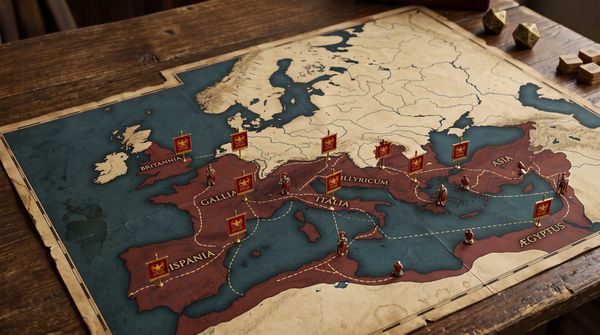
Rome’s colonies were more than new towns. They redistributed land, strengthened control and changed the balance between settlers and existing communities.
Roman Empire Anecdotes
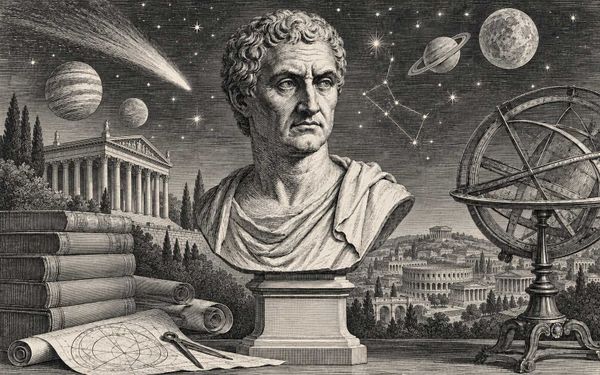
Roman astronomy was shaped by soldiers, statesmen, poets and natural philosophers who studied eclipses, stars, planets, calendars and comets.
Roman Empire Anecdotes
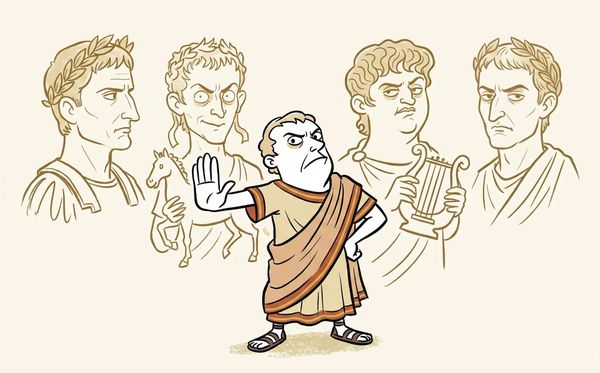
From Thrasea Paetus and Helvidius Priscus to Basil, Ambrose and Martin of Tours, six men were remembered for refusing imperial demands. Their stories reveal very different forms of resistance; and very different levels of historical certainty.
Roman Empire Anecdotes
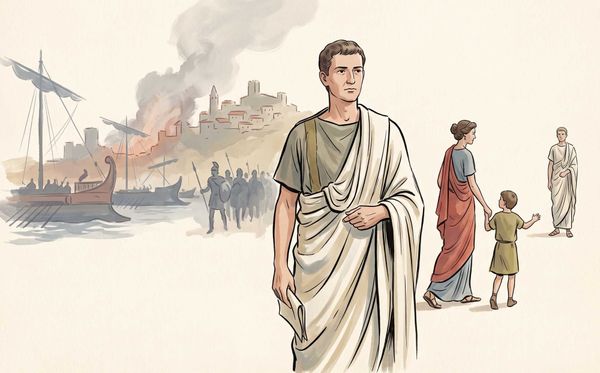
Tiberius Claudius Nero served Caesar, opposed Octavian, fled Italy with Livia, and became the father of Rome’s second emperor.
Roman Empire Historical Facts
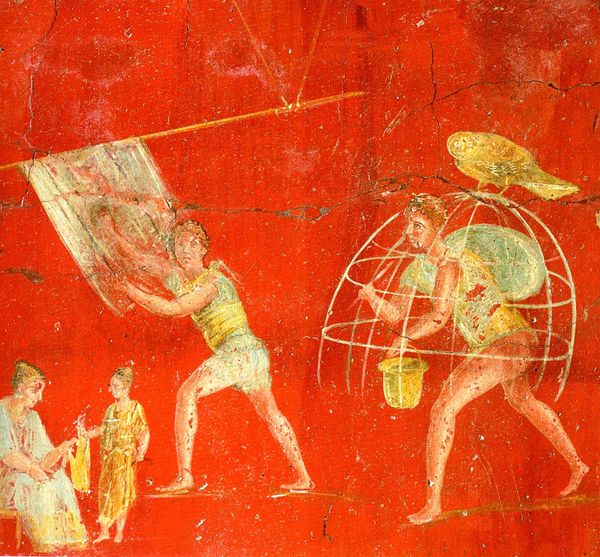
Roman fashion relied on spinners, weavers, dyers, fullers, tailors and traders, while clothing could signal status, citizenship, wealth and identity.
Roman Empire Historical Facts
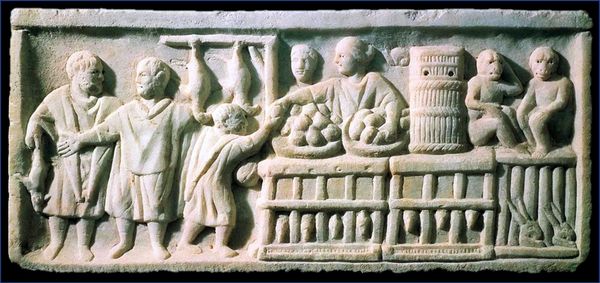
Roman women lent money, ran shops and workshops, owned productive property, took part in long-distance trade and managed agricultural estates. The surviving evidence reveals a much wider female presence in the Roman economy than the traditional image suggests.
Roman Empire Anecdotes
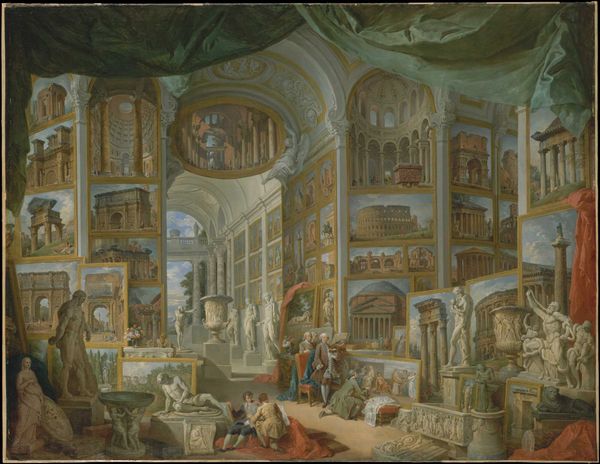
In an age exhausted by civil war, Rome did not want debate; it wanted certainty. Velleius Paterculus offered a history that moved fast, closed wounds, and presented the new order not as rupture, but as recovery.
Roman Empire Anecdotes
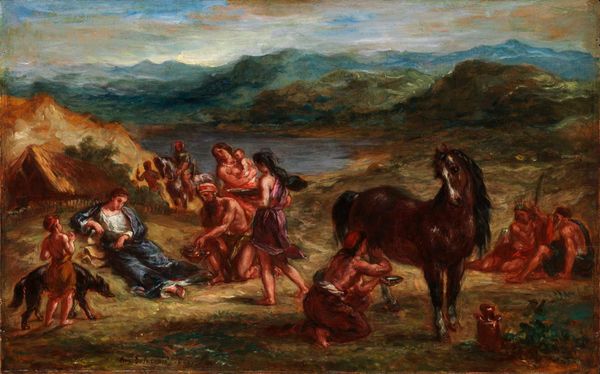
Exile in ancient Rome could mean escape, punishment, isolation or political survival. From Cicero to Ovid, Seneca and imperial prisoners, Roman exile took many forms.
Roman Empire Anecdotes
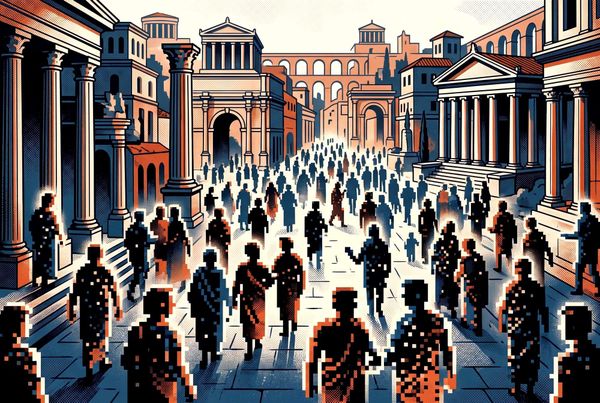
Romans had no single identity document. Names, census records, birth declarations, seals, witnesses and military diplomas could establish identity and legal status.
Roman Empire Anecdotes
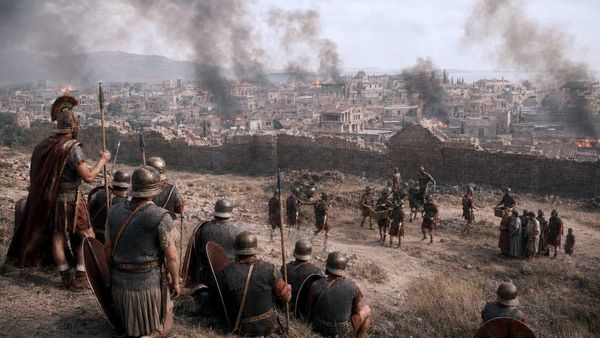
Capua, Carthage and Corinth defied Rome but did not receive the same punishment. Their different fates reveal how the Republic treated defeated cities.
Roman Empire Anecdotes
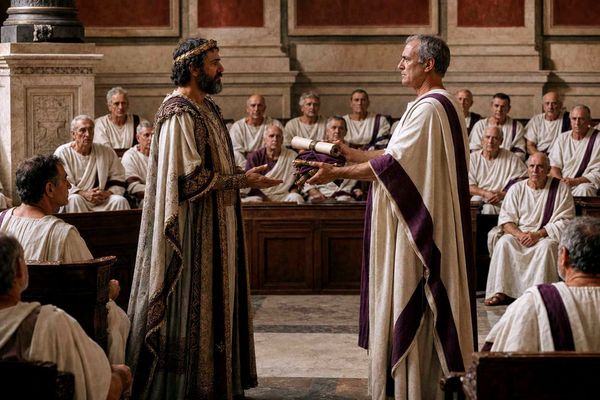
Rome often governed through allied kings rather than annexing their territories. The reigns of Massinissa, Deiotarus, and Herod show how this system operated.
Roman Empire Anecdotes
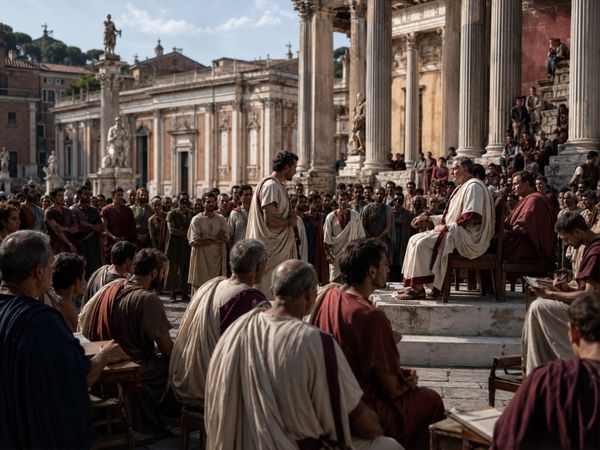
Roman trials were not quiet legal proceedings. In the late Republic, Cicero’s speeches show how law, reputation, humor, pity, and public performance shaped the courtroom.
Opinion
Governments often collapse without producing genuine systemic change. Drawing parallels between ancient Greece, Rome and the modern world, this opinion examines bureaucracy, competing powers, political elites, national debt and the uncertain future of the global order.
Roman Empire Anecdotes
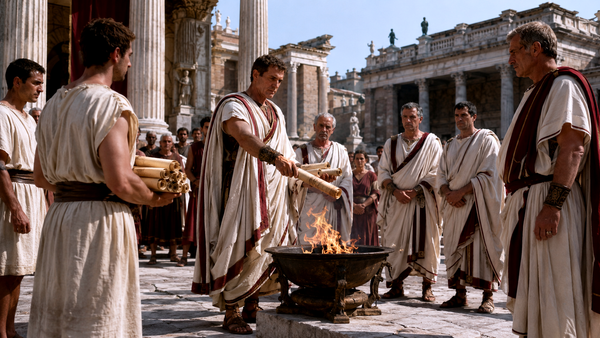
Ancient Rome did not burn books constantly. But when it did, the flames revealed what certain writings could do: authorize rites, predict the future, wound reputations, preserve memory, or prove dangerous truths.
Roman Empire Historical Facts
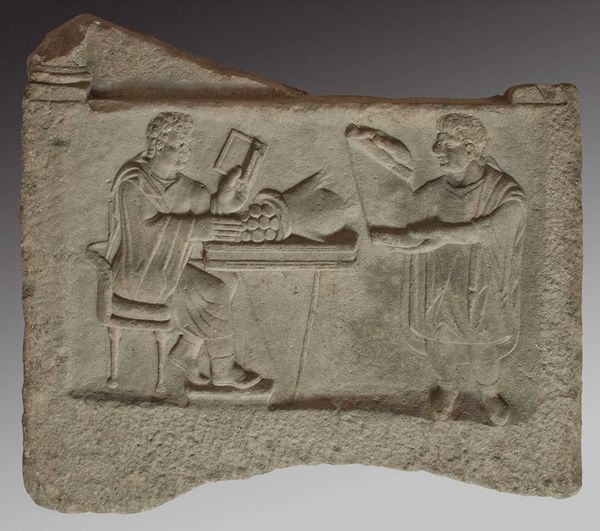
In ancient Rome, debt could expose property, reputation, friendship, and political ambition. To owe money was often to stand inside a relationship of power.