
Courtroom Drama in Ancient Rome: When Trials Became Theater
Roman trials were not quiet legal proceedings. In the late Republic, Cicero’s speeches show how law, reputation, humor, pity, and public performance shaped the courtroom.

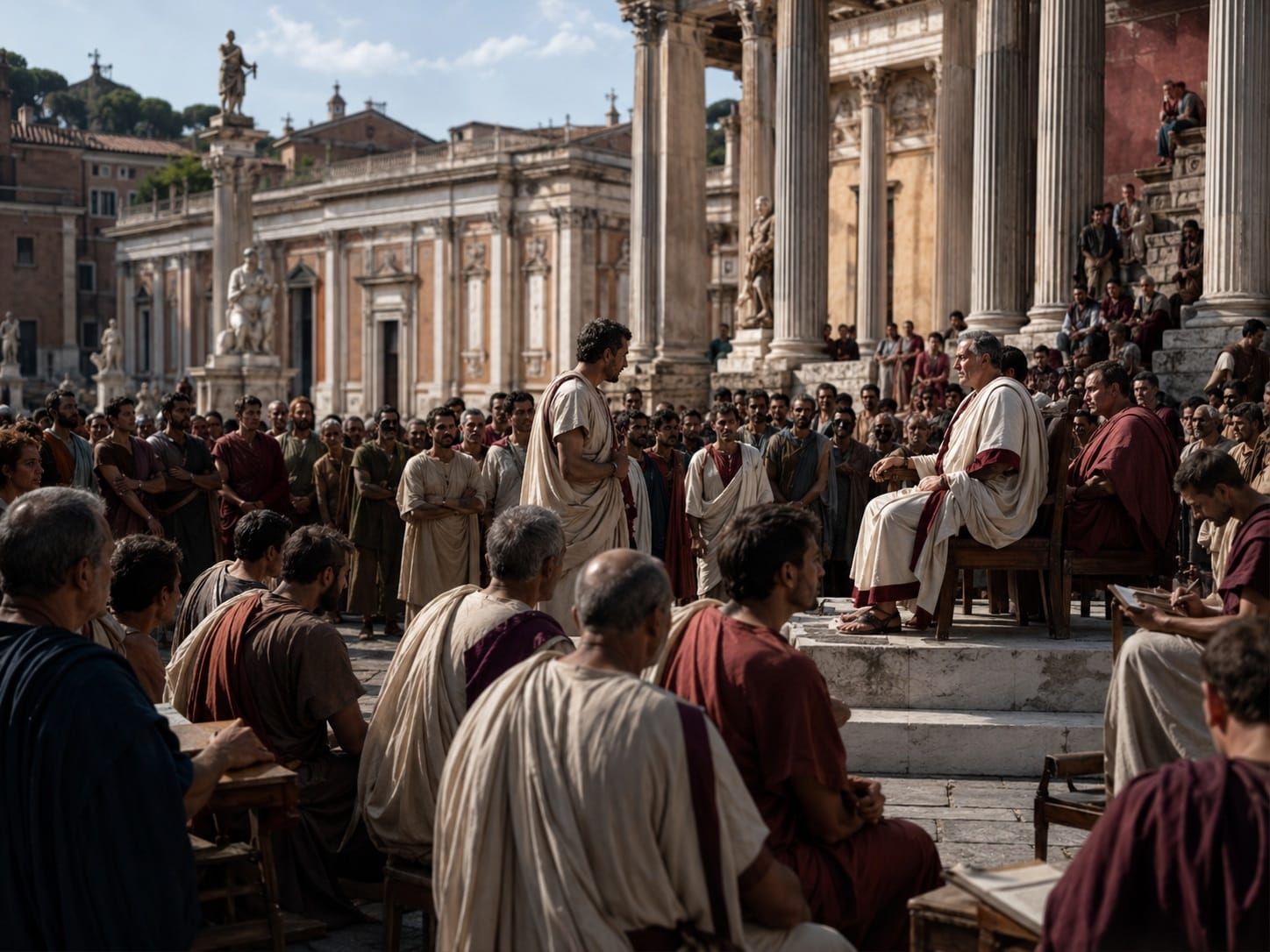
Roman public trials in the late Republic were not quiet legal proceedings built around written briefs, private deliberation, and modern rules of evidence. They were public events built around speech.
The Roman iudicia publica, or public courts, dealt with wrongs understood as injuries to the community. They were not exact equivalents of modern criminal courts. The Romans had public prosecutions, charges, laws, jurors, punishments and verdicts, but the modern category of crime does not fit their world neatly.
The courtroom was one of the places where Romans judged acts, but it was also one of the places where they judged people. A trial could ask whether a man had committed murder, bribery, violence, or extortion, while also asking what sort of man he was, what life he had lived, what company he kept, what people believed about him, and whether his conduct threatened the Roman community.
The law was there, but it stood alongside reputation, family, shame, humor, anger, pity, witnesses, spectacle, and memory. Cicero’s surviving courtroom speeches give the clearest view of this world, though they are not neutral transcripts. Some were revised for publication, some are defense speeches by a man trying to win, and one major prosecution, the case against Verres, was later expanded into speeches that Cicero would have delivered if the trial had continued.
The evidence is powerful, but it is not simple. Still, the speeches preserve one of the fullest surviving views of Roman trials. Cicero speaks to judges, imagines strangers entering the city, calls up ancestors, mocks enemies, presents witnesses, makes absent provinces visible, asks for pity, provokes laughter, and turns legal accusations into public portraits.
Courts Built Around Speech
The Republican public courts worked through oratory. Advocates spoke before lay jurors, who were not guided by a modern judge’s charge on law and evidence. They listened to speeches that shaped the case before them.
This made the advocate central. A Roman trial was not only a question of statutes and proof, because the jurors heard a story of the case, a story of the accused, a story of the accuser, and often a story of Rome itself.
Cicero knew that an advocate had to understand the minds of the jurors. In Pro Cluentio, he makes clear that an advocate must understand the common assumptions and instincts of the people he is addressing. The point belongs to a speech and is part of persuasion, but it also describes the orator’s task: the advocate had to know what the audience already feared, admired, hated, accepted, or suspected.
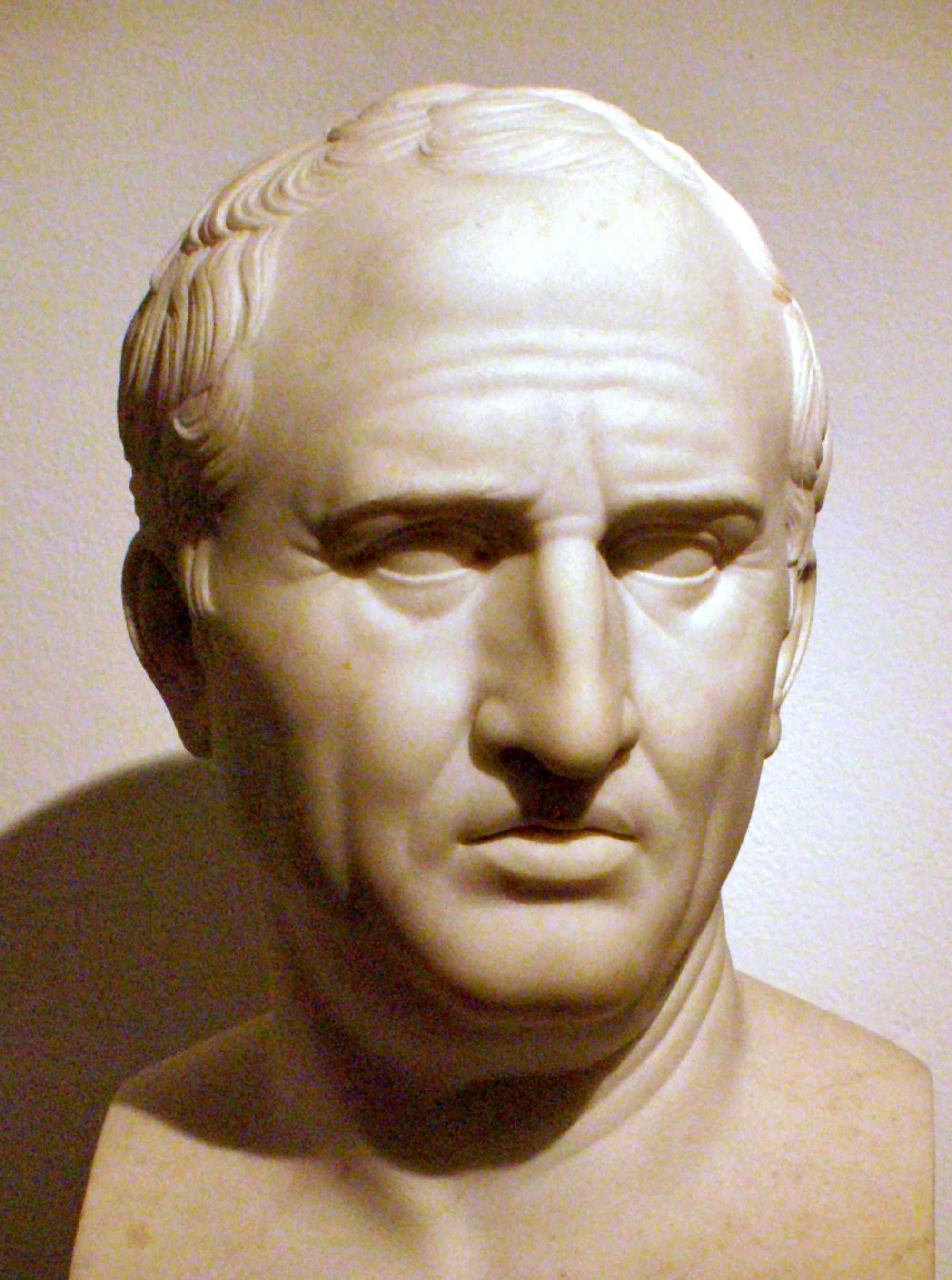
The surviving speeches show that Roman jurors could be asked to judge more than a charge. They could be asked to judge a character. A prosecutor did not always rely only on the alleged act, and a defense did not always answer only the legal accusation. Both sides could draw on life, reputation, previous behavior, public service, moral habits, associates, household, wealth, enemies, and social standing.
For a modern reader, that can look like a trial moving away from the case. In Roman oratory, those surrounding details could become part of the case. A charge of murder could lead into a man’s family, property, inheritance, and enemies. A charge of violence could lead into the state of the republic. A charge of extortion could lead into the treatment of Rome’s allies. A scandal involving a young man could lead into the reputation of a woman, the habits of a household, and the moral limits of elite youth.
Cicero and the Problem of the Evidence
Cicero is the main surviving voice, which is useful and dangerous at the same time. It is useful because the speeches preserve Roman courtroom material: names, charges, witnesses, laws, emotions, jokes, accusations, appeals, and legal settings. It is dangerous because the speeches give one advocate’s version of events. Cicero wanted acquittals for his clients and conviction for Verres, and he also wanted his speeches to preserve his own public image.
The speech for Milo is the clearest warning. Milo was tried after the killing of Publius Clodius Pulcher in 52 BC. The real trial took place amid public violence. Pompey surrounded the court with soldiers, Cicero’s defense failed, and Milo went into exile.
The speech that survives is the version Cicero later circulated, not the speech recorded as delivered at the trial. Ancient evidence already knew that a different speech had been delivered. The published version presents the killing as though the key question were whether Milo or Clodius laid an ambush, while other evidence presents the events as less clean than Cicero’s published version.
That does not make the speech useless. It makes it a written Roman courtroom performance. It shows how Cicero wanted the case remembered, and it also shows how a trial could be rebuilt through style, order, argument, and character.
The same caution applies to In Verrem. Verres left for exile before Cicero delivered the long second set of speeches. Cicero then published the speeches he would have used. The result is not a normal transcript, but it preserves a powerful Roman prosecution: theft, provincial abuse, stolen art, sacrilege, flogged citizens, witnesses, records, and outrage brought into the Roman court.
The trial speeches must therefore be read as advocacy. They may preserve evidence, but they also arrange that evidence into public performance.
When the Defendant Became the Story
Roman courtroom speeches often make the accused into a public type. Verres is not only a governor accused of extortion. He becomes the corrupt and cruel magistrate whose greed shames Roman rule. Milo is not only a man charged after a killing. He becomes either murderer or defender of the state, depending on which speech is believed.
Caelius is not only a young man accused in a scandal. He becomes a promising Roman youth attacked through the anger and reputation of Clodia. Sextus Roscius is not only a son accused of killing his father. He becomes a dispossessed man caught in the violence and property seizures of Sulla’s time.
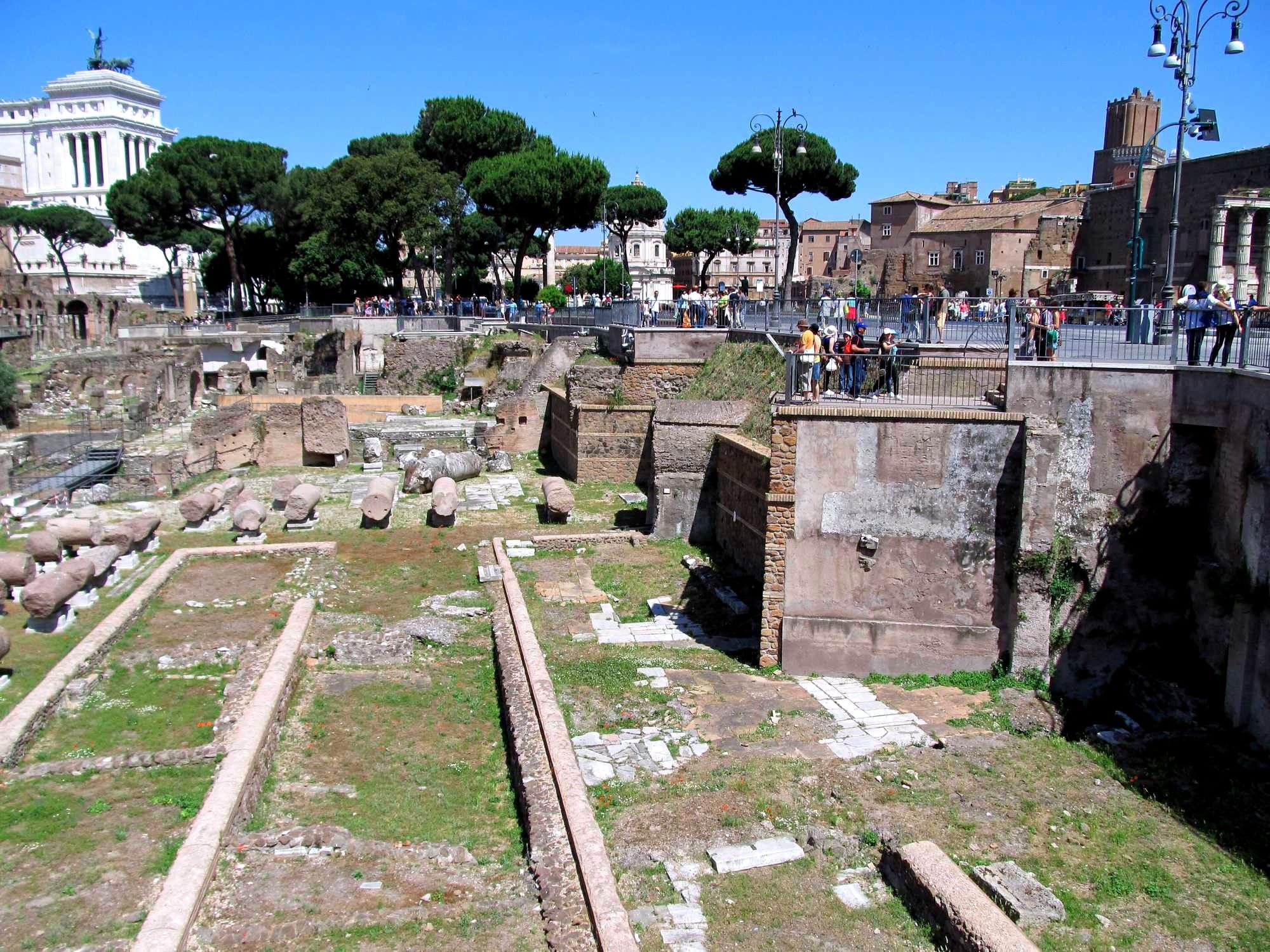
This kind of portrait was not separate from the legal case. In Roman public speech, the kind of person a defendant seemed to be could help jurors decide what was believable. A charge of murder could lead to questions about motive, opportunity, inheritance, household, and enemies. A charge of extortion could lead to the governor’s whole conduct in a province. A charge of violence could become a question of political danger.
Cicero often asks jurors to see the accused in a wider frame, placing the act inside a life. That also allowed the speaker to shape public sympathy. A defendant could be made pitiful, dangerous, ridiculous, noble, corrupt, youthful, reckless, loyal, shameless, or Roman. The courtroom turned legal accusation into civic portraiture.
When a Trial Became a Stage
The opening of Pro Caelio begins with a staged scene. Cicero asks the judges to imagine a stranger arriving in Rome, unfamiliar with Roman law and custom. This stranger sees that all other business has stopped for public games, but one trial is still going on. He would assume, Cicero says, that the charge must involve
“a crime of such enormity”
that, if it were neglected even briefly,
“the state could no longer stand upright.
The scene is carefully arranged. The calendar, the games, the court, the outsider, the judges, and the supposed seriousness of the case all appear before the legal details. Then the tone turns. If the stranger heard the facts, Cicero claims, he would not think the state was in danger. He would see a young man being attacked through private resentment and scandal.
The trial begins as public emergency and becomes, in Cicero’s hands, an overblown accusation. The opening asks the judges to feel the mismatch between the court’s seriousness and the prosecution’s case. This is courtroom theater, but not theater outside law. It is the way the defense frames the law.
The same habit appears elsewhere. In the case against Verres, Sicily is brought before Roman jurors through words. In the case for Milo, the Appian Way, the armed court, Clodius’ followers, Pompey’s troops, and the burning of the senate house stand behind the speech. In the case for Roscius, the shadow of Sulla’s proscriptions hangs over the charge of murder.
Clodia and the Trial of Reputation
Pro Caelio is one of the clearest examples of reputation inside a Roman trial. The case formally concerned accusations against Marcus Caelius, including violence and attempted poisoning. Cicero turns much of the speech toward Clodia, the woman he presents as the force behind the prosecution.
He does not only answer the charge. He attacks the world from which the charge comes. Clodia is treated through ancestry, sexuality, household, rumor, and ridicule. Cicero calls up the voice of Appius Claudius Caecus, one of her great ancestors, and imagines him rebuking her. A Roman trial suddenly contains a dead ancestral voice.
In that imagined rebuke, Cicero has the ancestor ask:
“why was Caelius so intimate with you?”
The question is followed by another:
“Was he a relation? a connection?”
The effect is not just argument. It puts Clodia before the judges as a woman judged by family memory and by the standards attached to a famous Roman house.
Then the speech shifts again. Cicero offers a lighter voice, an indulgent relative who speaks with less severity. The courtroom becomes a place of roles: stern ancestor, forgiving kinsman, accused young man, dangerous woman, laughing audience.
Cicero also attacks Clodia’s house. A household can become evidence of character. Slaves, visitors, parties, rumors, and private habits are pulled into public speech. The legal charge does not disappear, but the defense makes the credibility of the charge depend on the character of the woman behind it.
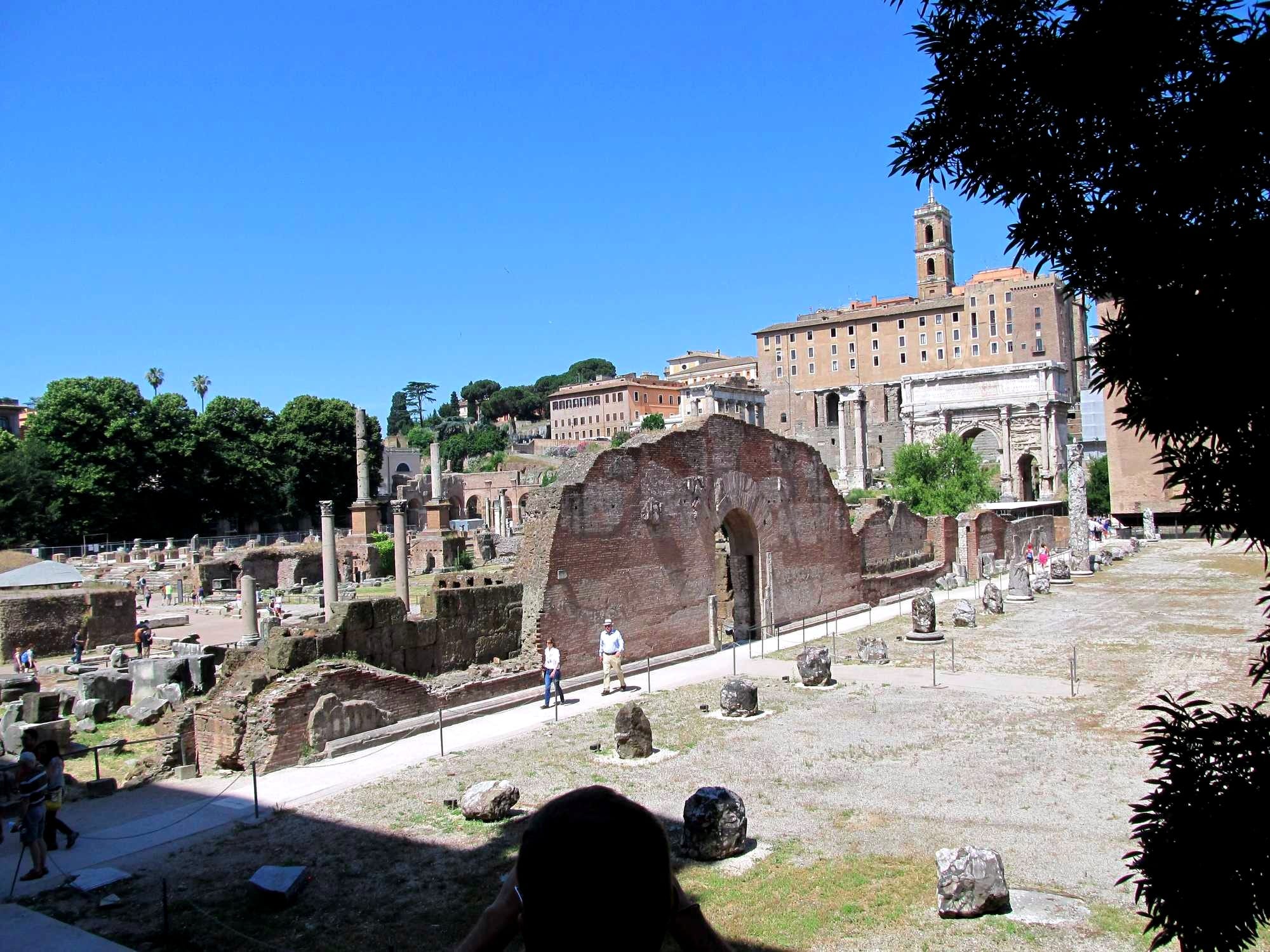
Cicero’s language is brutal. Clodia is not simply contradicted. She is displayed. Her ancestry is turned against her, her house is turned into a public scene, and her private life is made part of the trial. The young Caelius is defended partly by making Clodia unbelievable.
When Jokes Became Evidence
Laughter had a place in Roman public speech, but it was not always gentle. Roman humorous invective could make an opponent ridiculous, isolate him, and invite the audience to join in the humiliation. A joke could suggest that a man was not what a Roman public man should be.
The body could be mocked. A name could be twisted. A mouth, a face, a walk, a style of dress, a banquet habit, or a rumor of sexual conduct could become material for public attack. In political and courtroom speech, such mockery did not only entertain. It marked people, and the audience’s laughter helped confirm the judgment.
Quintilian later explains the courtroom use of laughter with practical clarity. He says it can
“dispels the graver emotions of the judge”
and
“frequently diverts his attention from the facts of the case.”
In other words, laughter was not only a decorative flourish. It could change the emotional direction of a trial.
But he also warns that jokes are dangerous. Jokes meant to raise laughter can be false, distorted, or damaging in ways that do not depend on strict reason. Their effect depends not only on the words themselves but on the audience, the case, the judge, the speaker, the target, and the moment.
He also gives limits. An accuser should not season a terrible case with jokes, and a defender should not laugh at a case that calls for pity. Great wickedness requires seriousness, while great misery requires compassion.
Roman humor in court was therefore controlled. A joke could wound, but it could also misfire. The courtroom speaker had to judge when laughter would help. A joke could break tension, but it could also make the speaker look cruel. It could diminish the opponent, but it could also diminish the case.
How Romans Turned Mockery into Judgment
Roman invective could use appearance as a public sign. In Cicero’s discussion of humor in De Oratore, one story tells how a speaker mocked Helvius Mancia by pointing to a painted figure on a shield: a distorted Gaul, tongue out, cheeks hanging. The joke made the crowd laugh because the figure seemed to resemble Mancia.
The attack worked through resemblance. The mocked man was made to look like a foreign caricature. The joke did not simply say he looked strange. It used his appearance to suggest what sort of person he was.
This kind of public mockery feels cruel to a modern reader. In Roman elite speech, bodily ridicule could carry moral meaning. The ugly, distorted, excessive, or uncontrolled body could be presented as a sign of the person within.
Names worked in a similar way. A name could be turned into a joke or a judgment. The orator could make the name seem to reveal the person. In a society where family name, rank, and public memory carried great weight, playing with a name could become more than wordplay.

The same logic appears in attacks on feasting and effeminacy. Banquets, luxury, dancing, sexual accusation, soft habits, and bodily display could be used to suggest that a man had failed the standards expected of an elite Roman male.
The courtroom was one place where those standards could be enforced through laughter. A man mocked for his body, name, speech, appetite, dress, or sexual rumors was not just being insulted. He was being placed before the audience as the wrong kind of Roman.
When Judges Were Moved by Emotion
Roman trials also used pity. Quintilian writes openly about the need to move judges. He says that proofs may make judges think one side has the better case, but emotional appeal does something else. His short explanation is direct:
“what they wish, they will also believe.”
He treats this not as an accident but as part of advocacy. The orator must know how to stir anger, hatred, envy, fear, pity, and favor. The judge moved by passion is no longer weighing the case in the same cold way. Quintilian compares him to a lover who cannot judge beauty because passion has taken control. A judge swept by anger, favor, hatred, or pity is carried by the emotion.
Tears have their place too. When tears rise in a judge’s eyes during the closing part of a speech, Quintilian treats that as a visible sign of victory. The judge is still sitting and listening, but his emotion already gives something away.
Roman rhetorical training was open about emotional pressure. The orator did not merely lay out facts. He made the judge feel. Laughter and tears belong in the same courtroom. Both move judgment away from plain calculation, and both can make the jurors see the case differently.
The advocate could use pity for a defendant, anger against an enemy, disgust toward an accuser, fear for the republic, or grief for a victim. The speech did not only give the jury information. It shaped the emotional path by which the jury reached judgment.
How Humor and Pity Shaped Roman Trials
Quintilian places laughter close to the courtroom’s emotional work. Humor can loosen anger, distract from facts, and refresh a tired listener. But it is risky. It depends on timing, nature, opportunity, speaker, case, judge, target, and the kind of remark made.
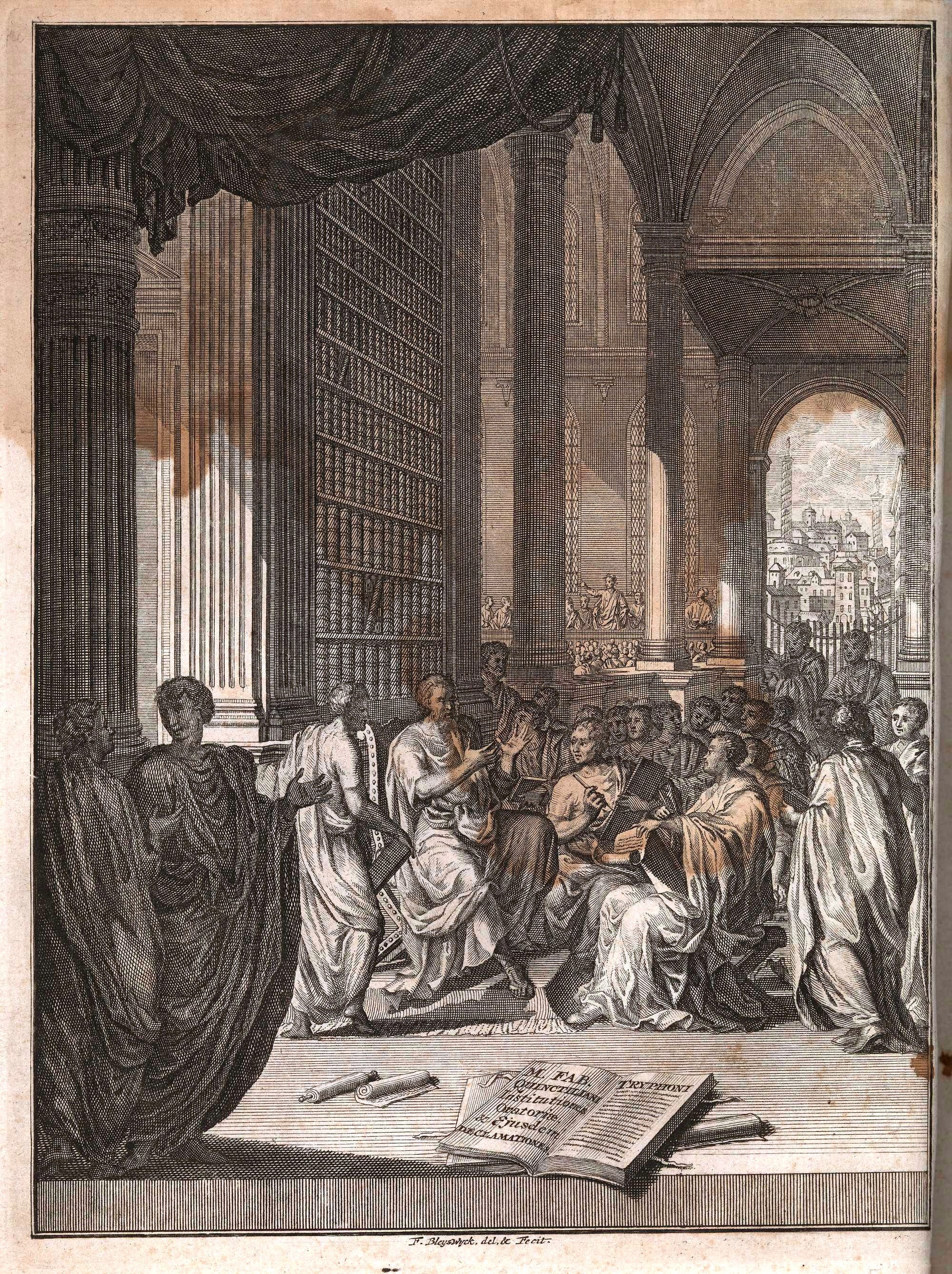
The orator must also avoid the wrong kind of performance. Quintilian warns against distorted facial expression, crude gestures, theatrical obscenity, and ribald jokes. Humor can be bitter or abusive in court, but not all jokes are fitting for an orator or respectable man.
The rule is practical. A man defending a pitiful client should not turn the trial into comedy, and a man prosecuting a terrible crime should not make the horror seem light. A joke must fit the case.
Roman courtroom laughter therefore belonged to judgment, not to casual amusement. It could weaken an opponent’s dignity, expose a contradiction, make false seriousness collapse, or reveal cruelty and bad taste in the speaker.
A trial could contain both kinds of pressure. The advocate might make the jurors laugh at one person and pity another. He might turn one household into a joke and another into a scene of suffering. This mixture is part of the Roman courtroom world, where shame and pity, mockery and tears, insult and appeal could stand beside the law.
Violence and the Case of Milo
The trial of Milo shows Roman courtroom performance under political pressure. The background was violent. Milo and Clodius were enemies. Their followers clashed. Clodius was wounded on the Appian Way and later killed. His supporters burned his body in the senate house. The state treated the disorder as a public crisis.
Milo was tried before a special court. Pompey placed soldiers around the tribunal, and Cicero had to speak in a court surrounded by armed force. The published Pro Milone opens with that atmosphere. Cicero addresses the sight of weapons and troops. The court is not cut off from the crisis. The soldiers, the crowd, Pompey’s authority, and the memory of Clodius are all present.
Cicero’s famous line gives the tone of the defense:
“For laws are silent among arms.”
The Latin, silent enim leges inter arma, has often outlived the case itself. The line does not remove law from the trial. It places the killing inside a world of violence and self-defense, asking the judges to think about what happens when public life is already armed.
The speech then turns strongly on character. Clodius is presented as violent, dangerous, shameless, and destructive. Milo is presented as the man who faced that danger. The published speech goes further than a narrow defense, presenting Clodius’ death as a benefit to the state and making the defense into a story of public deliverance.
The surviving speech is a crafted published version, not the failed speech as delivered. It gives a Roman example of how a case could be reshaped in writing after the courtroom was lost. The trial itself ended badly for Milo, while the speech survived as Cicero’s version of what the defense should have been.
Sicily on Trial in Rome
The case against Verres shows the prosecution side. Verres had governed Sicily. Cicero accused him of extortion, theft, sacrilege, cruelty, and abuse of Roman citizens and allies. The trial brought Sicily into the Roman forum.
The speeches are full of things that can be seen: stolen statues, temple treasures, grain, accounts, witnesses, cities, punishments, ships, and bodies. Provincial suffering becomes public Roman speech.
The most famous episode is the punishment of Publius Gavius. Cicero describes a Roman citizen beaten in the forum of Messana. The man’s only cry, amid pain and the sound of blows, was:
“I am a citizen of Rome.”
The Latin line, civis Romanus sum, became powerful because the whole passage turns on whether Roman citizenship could protect a man from a Roman magistrate.
Cicero repeats the horror. Gavius believed that the name of citizenship would protect him from rods and crucifixion. It did not. As he kept invoking his citizenship,
“a cross—a cross I say—was got ready”
for him.
The passage turns one man’s body into a test of Roman rule. If the cry of Roman citizenship has no force, Roman citizenship itself has been humiliated. The trial against Verres therefore does not only ask whether money was taken. It asks what Roman government means in the provinces, what protection citizenship gives, and whether a Roman magistrate can behave like a tyrant among allies.
The Sicilians appear as witnesses, victims, allies, and subjects of Roman power. Their suffering is not kept far away. It is placed before Roman jurors. Verres’ crime is presented as greed, but it is also presented as an injury to Rome’s name.
How Evidence Became a Public Story
Roman trials were not only speeches without evidence. The Verrines use witnesses, documents, accounts, city delegations, and detailed accusations. But the evidence entered through performance. Cicero had to arrange it, explain it, repeat it, and give it emotional shape. Records and witnesses did not speak by themselves. The advocate gave them force.
In In Verrem, the evidence was so strong that Verres went into exile before the second hearing. Cicero still published the long second action. The trial was over, but the public performance continued in writing.
That published performance allowed Cicero to present himself as the defender of Roman citizens, Sicilian allies, public justice, and senatorial honor. The case became part of his own public career.
The same mixture of evidence and performance appears in other speeches. A witness could be attacked through background. A household could be made suspicious. A missing slave could become part of the story. A written record could be made to seem decisive or corrupt.
Roman courtroom speech did not replace evidence. It gave evidence a public meaning. That is why the same kind of proof could look different in different hands. Records, witnesses, and facts entered a world of reputation and speech, and the advocate’s task was to make them visible, believable, and morally powerful.
When Murder Became a Question of Family and Power
Pro Roscio Amerino turns a murder case into a story of family, property, and civil-war danger. Sextus Roscius of Ameria was accused of murdering his father. Parricide was one of the most horrifying accusations a Roman could face. Cicero does not treat it as ordinary killing. It is a crime against the deepest bond of family.
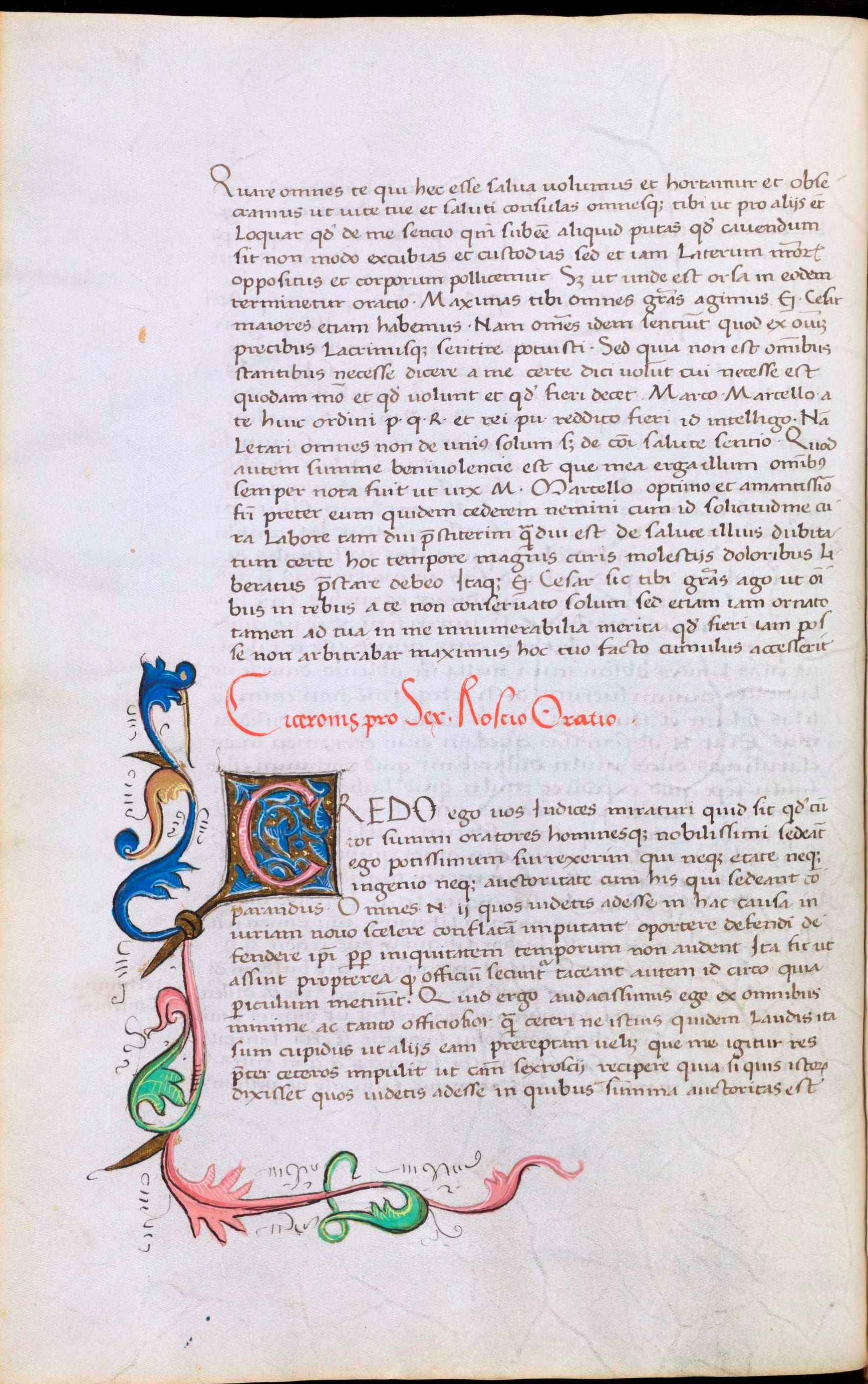
The defense asks who had motive. Cicero invokes the old judicial habit of asking,
“to whom it had been any advantage?”
The son, Cicero insists, gained nothing. The property had been seized and sold. The men around Chrysogonus, a powerful freedman connected with Sulla, had benefited. The argument turns from the son to those who profited.
Cicero also uses the rural life of Roscius. He presents him as a man of the fields, not the city; a man accustomed to work, not plots; a son made vulnerable by power.
The trial takes place under the shadow of the proscriptions. Property, fear, influence, and accusation are bound together. The murder charge becomes a way to finish the theft of an estate. Cicero’s defense therefore asks the judges to see the accused not as a monster son but as the victim of men who used violence, confiscation, and accusation together.
The horror of parricide gives the speech emotional force. The danger of Sulla’s aftermath gives it political force. The property seizure gives it motive. The defendant’s rural life gives it character. The case becomes more than whether the son killed the father. It becomes a question of how far violence and greed had entered Roman life.
A Young Man, a Scandal, and a Roman Trial
Pro Caelio uses another world: youth, city life, love, rumor, and scandal. Caelius was not presented as a rustic victim like Roscius. He was a young man in public life, gifted and exposed to attack. Cicero does not claim that youth is always pure. He admits that young men may pass through pleasures and errors. The question is whether those charges destroy the man or explain a stage of life.
Clodia becomes central because the prosecution’s story is tied to her. Cicero attacks her moral authority. If the accusation comes from a corrupt source, the charge loses force. The speech therefore fights over credibility. Who should be believed? The young man with public promise? The woman presented as angry and shameless? The household associated with scandal? The accusers connected to her?
The courtroom becomes a public contest of social reading. The judges are asked to read youth, womanhood, family ancestry, sexual rumor, and urban luxury. Cicero’s method is aggressive, but it is also revealing. A Roman trial could become a place where private life was dragged into public judgment.
Caelius’ youth does not remove all blame. Cicero does not present him as untouched by city life. He presents his faults as forgivable, ordinary, and not equal to the crimes alleged.
The Courtroom and the Crowd
Roman trials were not always closed legal events. They often unfolded before a wider public. The forum mattered. The calendar mattered. Public games mattered. Armed men mattered. Provincial visitors mattered. Political factions mattered.
In Pro Caelio, the public games help frame the opening. The trial continues while other business is interrupted, and Cicero makes the judges ask why. In Pro Milone, soldiers and crowds surround the tribunal. The violence outside the court enters the speech inside the court. In In Verrem, Sicily enters Rome through witnesses and accusation. The province is distant, but Cicero makes it present.
A Roman trial could therefore gather more than the parties. It could gather public memory, rumor, grief, anger, laughter, fear, and civic identity. The audience did not only listen. Its assumptions shaped what could be said.
That is why Cicero could use imagined spectators, ancestral voices, provincial cries, public shame, and crowd emotion. The trial was not sealed away from Roman public life. It was one of the places where public life spoke, and the crowd around the court might not cast the verdict, but it helped form the world in which verdicts were understood.
What the Public Court Judged
The Roman public court judged acts, but the act was often placed inside a larger story of the community. Bribery could threaten elections. Violence could threaten the state’s control of force. Murder could threaten family order and public safety. Extortion could threaten Roman rule abroad. A governor’s cruelty could make citizenship look powerless.
That is why Roman trials could sound so large. They were not simply private disputes. They dealt with public wrongs. This public scale helps explain the use of moral portraits. If the wrong harmed the community, the accused man’s relation to the community could be placed before the judges.
Was he greedy? Was he violent? Was he shameless? Was he luxurious? Was he loyal? Was he a danger? Was he believable? Was he the sort of man who could have done this? Roman advocacy did not always separate these questions from the formal charge.
The same habit explains the attacks on accusers and witnesses. A case did not rest only on what was said. It also rested on who said it, from what household, with what motive, with what reputation, and for whose benefit. The public court judged credibility as much as statement, and it judged people as well as claims.
Roman trials were law. They involved charges, statutes, jurors, evidence, and verdicts. They were also performances. Advocates staged scenes, shaped memories, provoked laughter, summoned pity, attacked bodies and names, exposed houses, praised ancestors, shamed enemies, and turned single acts into public stories.
Cicero’s speeches preserve that world better than any other surviving evidence. They must be handled carefully because they are speeches by an advocate, not neutral records. But that is also why they are valuable. They show Roman trials in the form in which Roman jurors met them: spoken, emotional, public, personal, and political.
Quintilian later described the tools openly. The orator could move judges through anger, favor, hatred, pity, laughter, and tears. Laughter could weaken seriousness, while tears could make a judge’s emotion visible before the verdict.
The Roman courtroom was therefore not a silent chamber of law alone. It was a public space where law met reputation, speech, shame, humor, violence, and the expectations of the community. The question before the court might be murder, extortion, violence, or scandal. Around that question stood another one: what kind of person could Rome accept, condemn, pity, laugh at, or fear?
Cicero, Pro Caelio, translated by C. D. Yonge.
Cicero, Pro Milone, translated by C. D. Yonge.
Cicero, In Verrem, translated by C. D. Yonge.
Cicero, Pro Roscio Amerino, translated by C. D. Yonge.
Cicero, Pro Cluentio, translated by C. D. Yonge.
Cicero, De Oratore, translated by E. W. Sutton and H. Rackham.
Quintilian, Institutio Oratoria, translated by H. E. Butler.
Andrew M. Riggsby, Crime and Community in Ciceronian Rome. University of Texas Press, 1999.
Anthony Corbeill, Controlling Laughter: Political Humor in the Late Roman Republic. Princeton University Press, 1996.



About the Roman Empire Times
See all the latest news for the Roman Empire, ancient Roman historical facts, anecdotes from Roman Times and stories from the Empire at romanempiretimes.com. Contact our newsroom to report an update or send your story, photos and videos. Follow RET on Google News, Flipboard and subscribe here to our daily email.
Follow the Roman Empire Times on social media: