Roman Empire Historical Facts
What Romans Thought Made a Man Weak
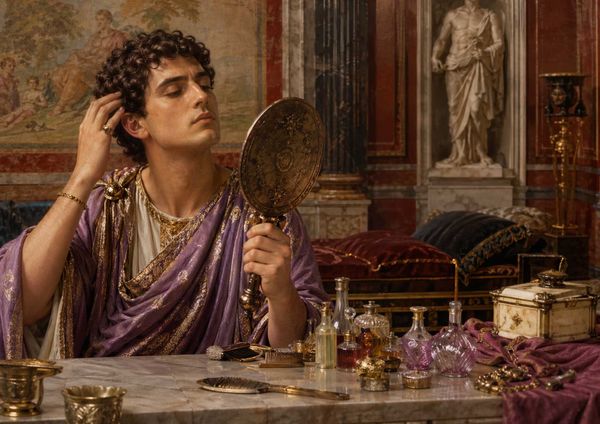
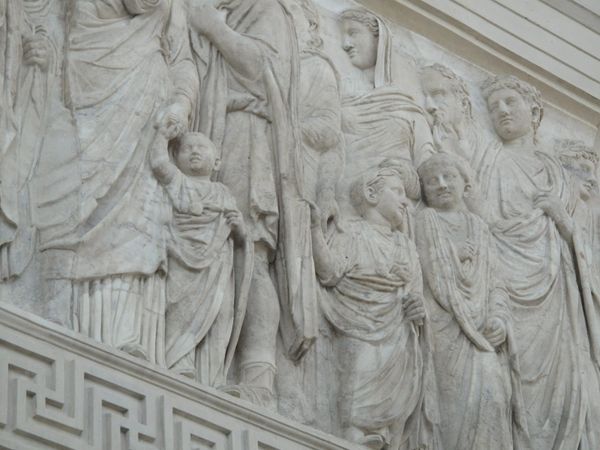
To the Romans, weakness in a man was never just physical. It could be seen in softness, luxury, dress, gesture, desire, and the failure to master oneself.
Roman Empire Historical Facts
To the Romans, weakness in a man was never just physical. It could be seen in softness, luxury, dress, gesture, desire, and the failure to master oneself.
Roman Empire Historical Facts
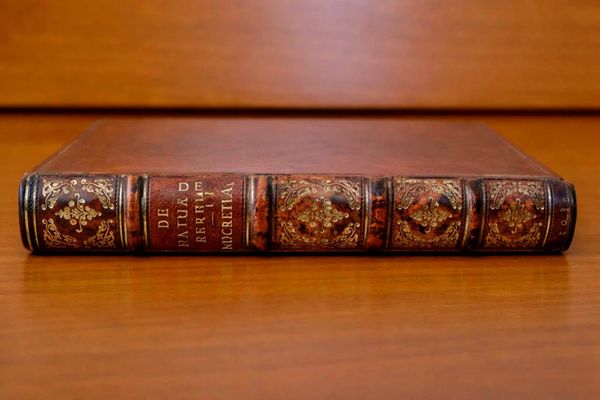
Lucretius left behind only one surviving work, but it was enough to reshape how later ages thought about nature, fear, and the place of humanity in the universe. His poem challenged superstition, questioned power, and gave Rome one of its boldest philosophical voices.
Roman Empire Historical Facts
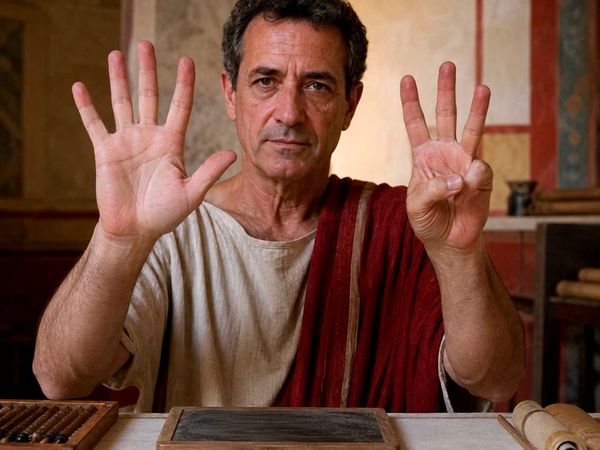
Some Roman decisions were made quietly, but their effects were permanent: names changed, heirs appeared, and obligations shifted hands. Behind the formal language of law stood a society trying to protect continuity in a world marked by mortality, status, and competing claims.
Roman Empire Anecdotes
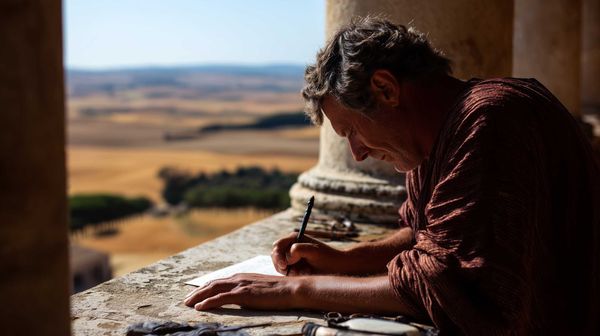
From Spain’s quiet frontier to Domitian’s court, Quintilian shaped Rome’s moral voice. His Institutio Oratoria united eloquence and virtue, teaching that only the good man can truly speak well.
Roman Empire Anecdotes
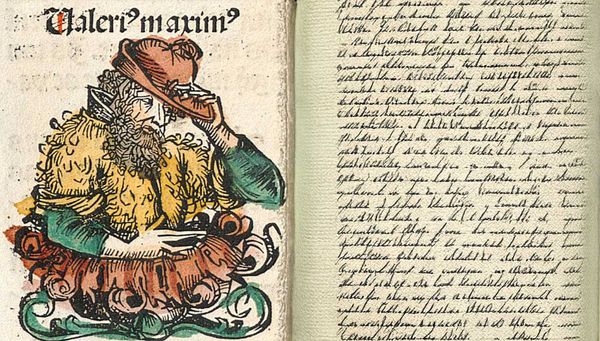
In Tiberius’ cautious age, Valerius Maximus turned Rome’s past into a manual of virtue. His exempla taught how to speak of courage, justice, and restraint—while his silences reveal the moral tensions of imperial power.