
Roman Colonies: How Rome Turned Conquest Into Control
Rome’s colonies were more than new towns. They redistributed land, strengthened control and changed the balance between settlers and existing communities.

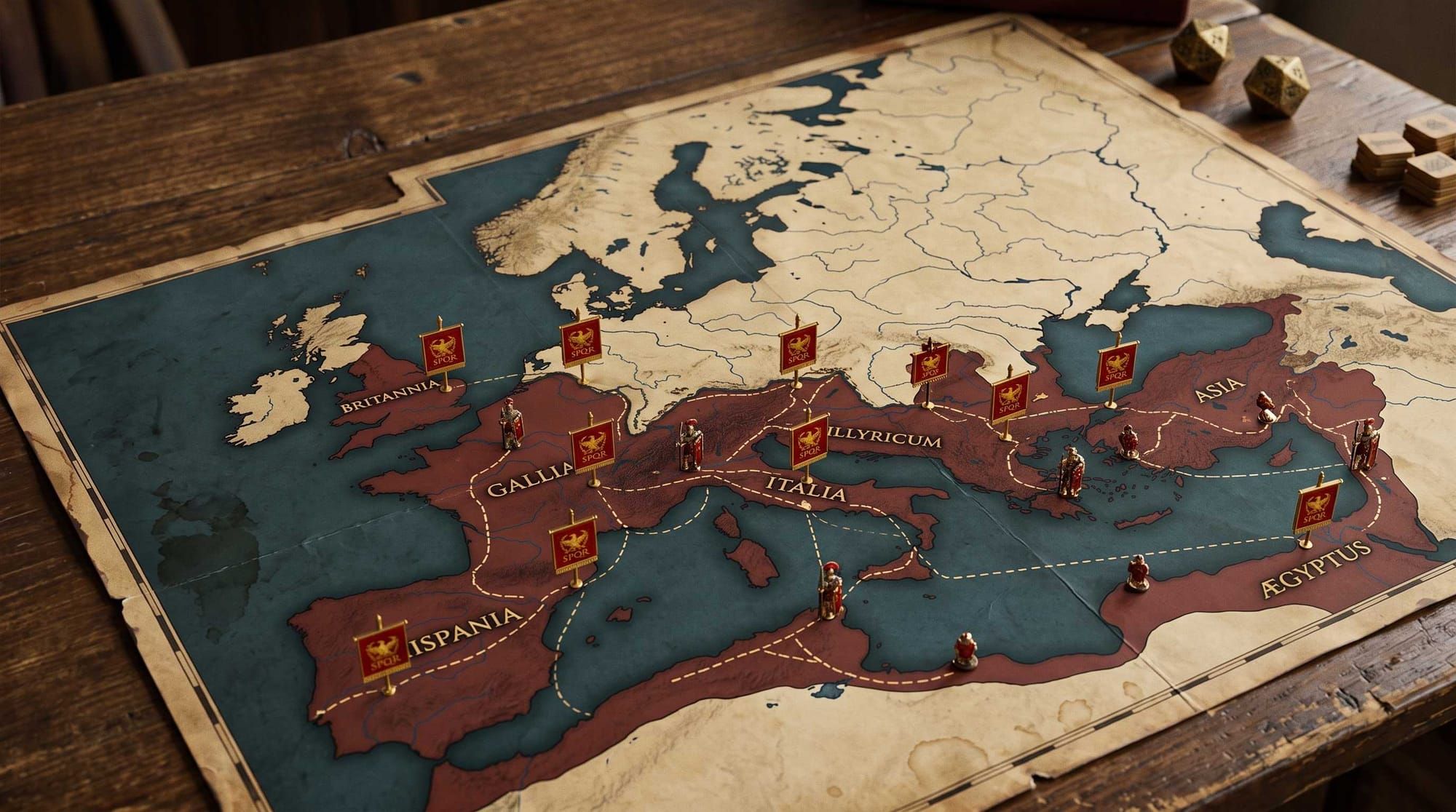
Rome's wars in Italy did not end when an enemy army surrendered. Victory created another set of problems. Land had changed hands, communities had lost political independence, and Rome had to decide how much territory to confiscate, what to do with it, and how to prevent recently defeated peoples from becoming dangerous again. Roads, coastlines and important routes had to remain secure, while Roman citizens and allies continued to expect access to land.
Colonies became one of the most useful ways of dealing with these problems. Rome could establish settlers on conquered territory, create a new civic community or introduce colonists into an existing town, and give them land that had previously belonged to another people.
A foundation could strengthen control of a difficult region, provide military manpower, redistribute valuable agricultural territory and establish a community whose interests were closely connected to Rome.
There was never one colonial formula, however. Latin colonies were different from colonies of Roman citizens, and both changed over the course of the Republic. Existing inhabitants were not automatically expelled when colonists arrived. Some foundations occupied older towns, while others created new centres on confiscated territory.
Some colonies became successful regional communities; others struggled to attract or retain enough settlers. By the first century BC, colonization had changed again, becoming one of the means by which victorious Roman commanders settled their own veterans after civil wars.
What a Roman colony actually was
The word colonia can make the institution sound far more uniform than it was. During much of the Republic, an important distinction existed between Latin colonies and colonies of Roman citizens, but neither category remained unchanged for centuries.
Latin colonies could be substantial communities with large territories, their own local institutions and an important place in Rome's Italian military system. Roman citizens who joined one did not simply continue as ordinary citizens of Rome living somewhere else. They entered a new civic community with Latin status, while retaining important legal connections with the Roman world.
The numbers preserved for several Latin colonies give some idea of their possible scale. Cales and Luceria are recorded with 2,500 colonists, Interamna and Sora with 4,000, and Alba Fucens, Placentia and Cremona with 6,000. These figures are not complete enough to establish a standard colonial population, but they show that a Latin colony could represent a substantial new community rather than a small military post.
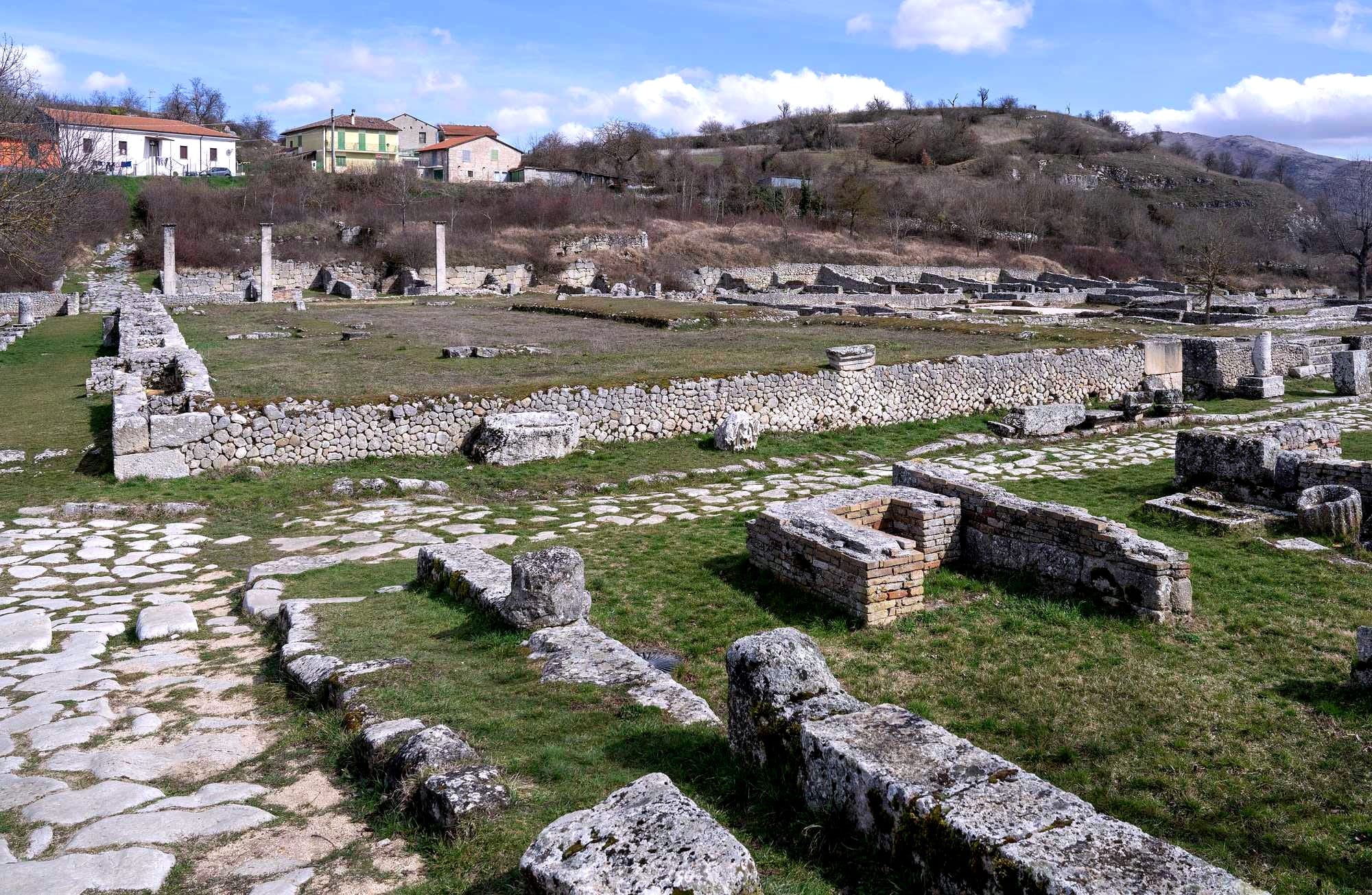
The earliest colonies of Roman citizens generally looked quite different. Several of the maritime foundations were small, and where the number of settlers is preserved it can be only a few hundred. The often-repeated figure of 300 colonists is actually attested in only a limited number of cases, so it should not be turned into an automatic rule for every early citizen colony.
After the Second Punic War, another form began to emerge. From the 180s BC, citizen colonies could contain around 2,000 settlers rather than the much smaller groups associated with earlier maritime foundations. Their colonists retained Roman citizenship, while their individual allotments could be considerably smaller than those offered in contemporary Latin colonies.
At Mutina the allotment was five iugera - an ancient Roman unit of land area equal to about 0.25 hectares (0.623 acres) - at Parma eight and at Saturnia ten. These changes make it difficult to speak of “the Roman colony” as though it were a single institution unchanged from the fourth century BC to Augustus.
Aulus Gellius, writing in the second century AD, was already dealing with confusion over the distinction between coloniae and municipia. He described colonies as communities sent out from Rome, almost like small representations of the Roman state.
That later description contributed to the familiar idea of colonies as “little Romes,” but it came centuries after many Republican foundations had been established and should not be projected backwards as a physical or political blueprint.
Republican colonies did not necessarily reproduce Rome in their street plans, buildings, political arrangements or cultural life from the moment of foundation. Existing roads, sanctuaries, farms and settlement patterns could survive, and the surrounding population could continue to influence the development of the community.
Even the idea that every colony was planned according to one centrally produced urban blueprint has depended heavily on a small number of particularly striking archaeological examples. The legal label mattered, but an individual colony also belonged to a particular place, war and political moment.
Conquest gave Rome land, and land gave Rome choices
Most Roman public land in Italy originated in conquest. A defeated community might surrender part of its territory, which then became ager publicus, land formally belonging to the Roman people. The next step was not automatically the creation of a colony.
Appian, writing centuries later, gives a broad description of how Romans understood the relationship between conquest, land and settlement:
The Romans, as they subdued the Italian peoples successively in war, used to seize a part of their lands and build towns there, or enrol colonists of their own to occupy those already existing, and their idea was to use these as outposts; but of the land acquired by war they assigned the cultivated part forthwith to the colonists, or sold or leased it.
Since they had no leisure as yet to allot the part which then lay desolated by war (this was generally the greater part), they made proclamation that in the meantime those who were willing to work it might do so for a toll of the yearly crops, a tenth of the grain and a fifth of the fruit. From those who kept flocks was required a toll of the animals, both oxen and small cattle. Appian, Civil Wars 1.7, trans. Horace White
Appian's account brings several different practices together, and they should not be converted into one automatic sequence. Rome could assign land to colonists, distribute it individually without creating a colony, sell it, lease it or leave it in public ownership. Large areas could remain ager publicus long after the original conquest rather than being immediately privatized.
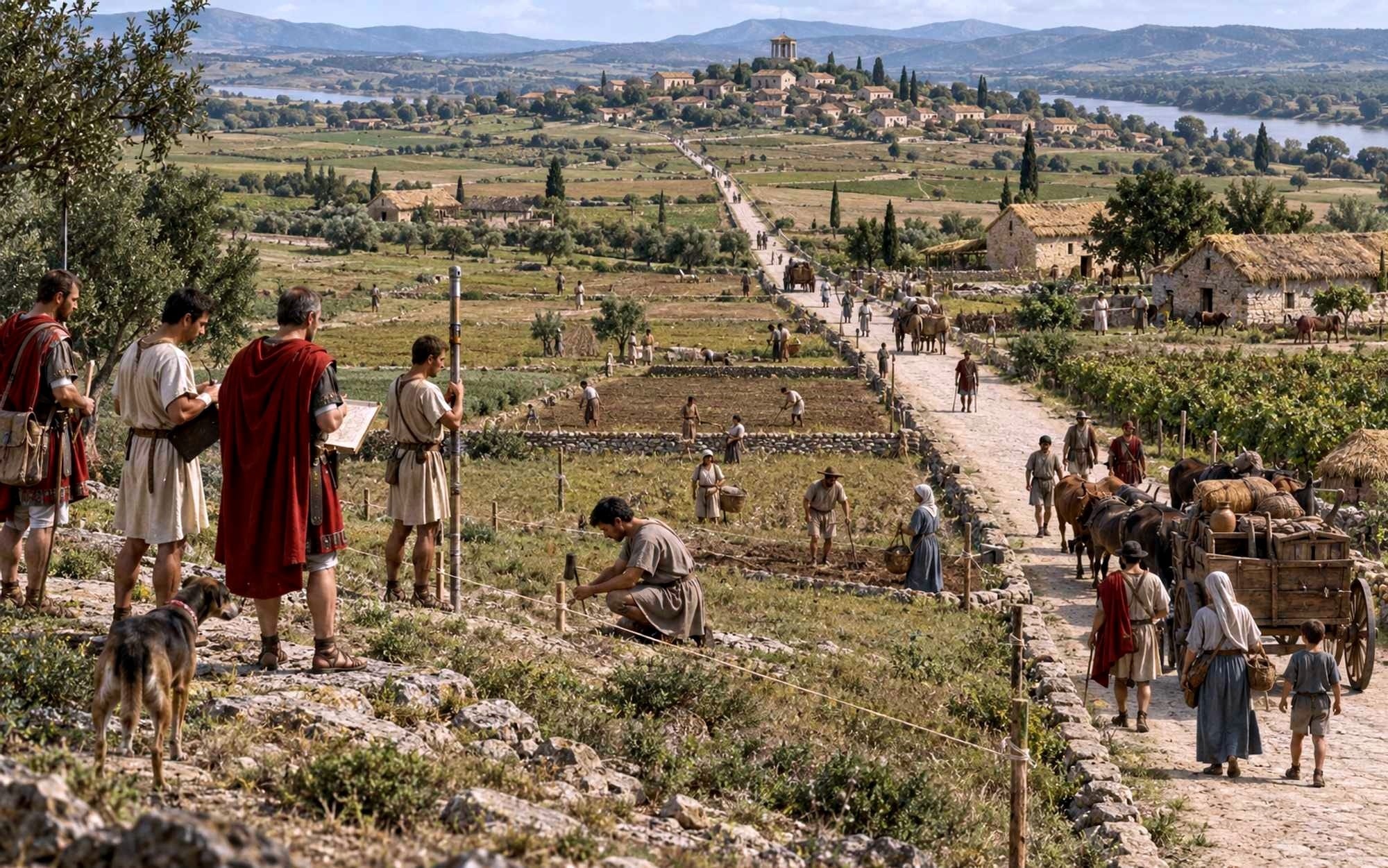
This distinction between ownership and occupation was important. Italians whose communities had formally lost territory could continue working land that now legally belonged to Rome. Public land therefore did not necessarily look abandoned, and its continued use by local populations did not restore their former title to it.
By the time of the Gracchi, some of this land had been occupied by Italian allies for generations. Attempts to redistribute it to Roman citizens could therefore affect people who regarded it as part of their established livelihood even though Roman law still treated it as public property. The resulting disputes became politically important in the decades before the Social War.
The land involved was also not necessarily poor or marginal. Much of the territory converted into ager publicus appears to have included good agricultural ground. Colonists needed farms capable of supporting households immediately, and fertile fields close to an existing settlement were much more useful than remote land requiring years of reclamation.
Republican centuriation is frequently found on good agricultural soil around colonial towns, and the land distributed by the Gracchan commission was also often productive terrain. Mountains, forests and pasture could become public land as well, but these areas were less likely to be distributed as individual farming allotments.
For the communities that lost territory, the distinction was significant. Land permanently assigned to colonists was effectively gone. Land left as ager publicus might remain in local use, but Rome retained the authority to reclaim, redistribute or regulate it. Roman conquest could therefore change the legal and economic balance of a region long before every field had a new occupant, while colonization was one particularly visible way of exercising that new authority.
Colonies could make rebellion harder
There is good reason for the traditional association between colonies and military control. Ancient writers themselves could describe colonial settlements as strongpoints, and in several regions the relationship between conquest, perceived danger and new foundations is difficult to miss.
Cicero used explicitly military language in 63 BC while attacking a proposed agrarian law. Looking back at earlier foundations, he praised what he presented as the careful choice of colonial sites:
What then? is every place of such a kind that it makes no difference to the republic whether a colony be established there or not, or is there a place which asks for a colony or which absolutely refuses it?
In that class of places, as in other parts of the republic, it is worth while to remember the carefulness of our ancestors, who established colonies in suitable places in such a manner that guarded them against all suspicion of danger, so that they appeared to be not so much towns of Italy as bulwarks of an empire. Cicero, De lege agraria 2.73
Cicero was not writing a neutral history of Republican colonization. He was making a political argument against contemporary land commissioners and contrasting their proposed powers with what he presented as sensible ancestral policy. His description nevertheless shows that Romans themselves could understand colonies as instruments of territorial security.
Livy's account of Alba Fucens offers the same problem from the perspective of a defeated people. The Aequi resented the establishment of a colony inside their territory in 303 BC and attacked it. A colonial community in such a position represented much more than a new group of neighbours: it changed the military and political balance within territory they regarded as their own.
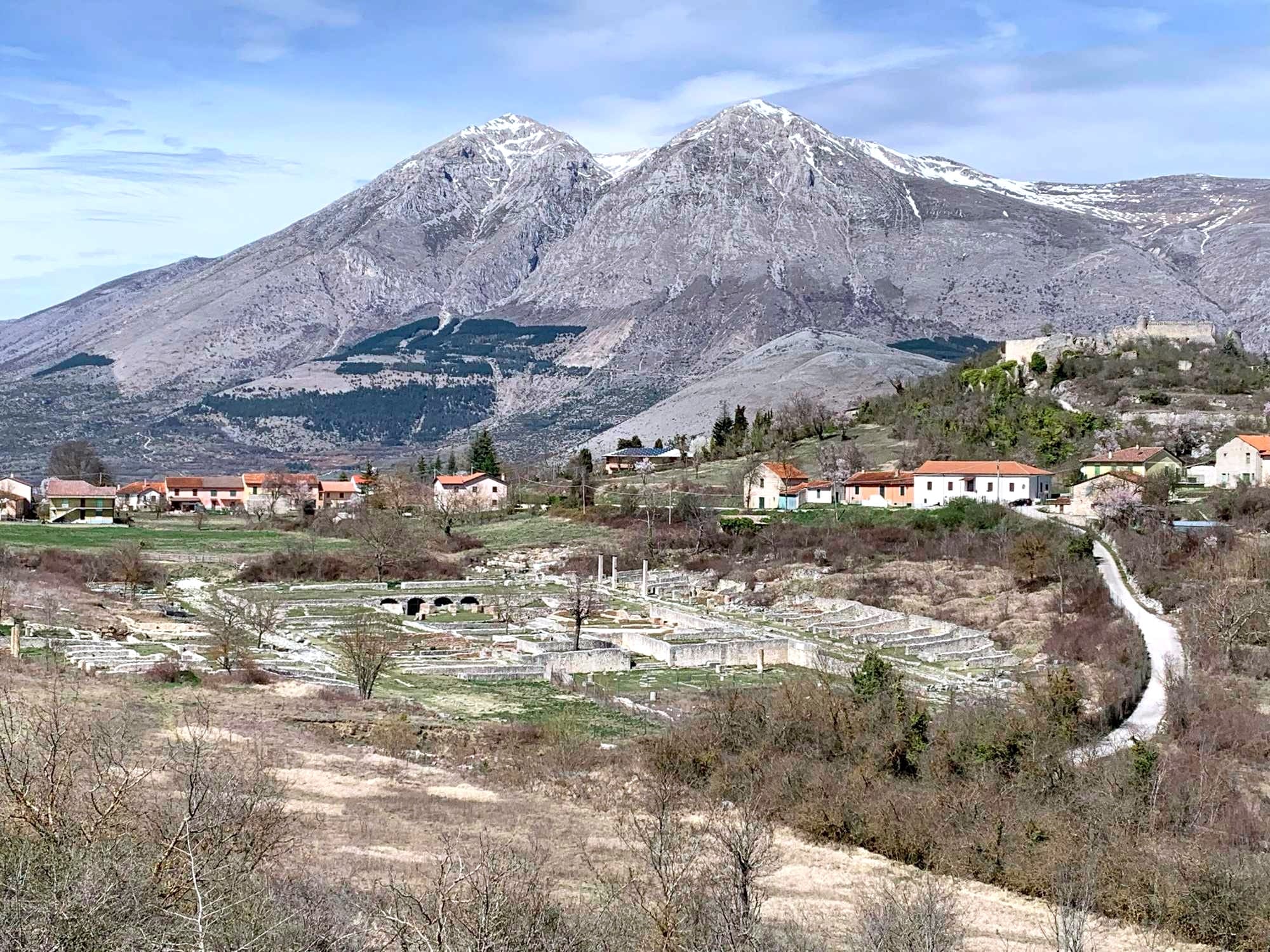
Similar patterns can be seen elsewhere. In Latium, the reorganisation of land and communities after conquest disrupted the older political structures of Rome's enemies. In Samnium, the presence of Roman and Latin colonies increasingly restricted the freedom of communities that had repeatedly fought Rome.
In Cisalpine Gaul, colonial territories and organised land division placed conquered territory under recognised Roman-controlled authorities even while substantial numbers of Gauls remained in the region.
The treatment of land could also vary according to how dangerous a defeated population appeared. Areas regarded as a continuing threat could see public land distributed or attached to settlements comparatively quickly, while elsewhere larger quantities could remain unallocated. In that sense, land policy itself could form part of the process of keeping defeated peoples under control.
The years immediately after the Second Punic War make this especially clear. Hannibal's invasion had shown that Rome's control of Italy was less secure than it appeared. A new wave of colonization strengthened the Roman presence in recently disturbed areas and in conquered Cisalpine Gaul. The surviving figures indicate that tens of thousands of people received land between 200 and 170 BC, including reinforcements sent to older foundations.
The strategic interpretation should not, however, become a universal explanation. A settlement beside a road can be said to guard that road, one on high ground can be described as dominating the surrounding territory, and one near a recently conquered population can be labelled a frontier stronghold. Used carelessly, the argument becomes circular because almost any successful colonial location can be made to appear strategically inevitable afterwards.
Colonies also supplied land, relieved pressure on existing agricultural resources and moved people into new territories. These social and economic functions did not have to compete with military ones. A single foundation could help stabilize a conquered region while simultaneously providing farms to settlers and enlarging Rome's manpower network.
Nor did the Republic operate under one colonial master plan for centuries. A foundation created during conflict with the Samnites belonged to different circumstances from one established after Hannibal or from a citizen colony founded in the 180s BC. Roman colonization was persistent, but its motives and forms changed.
Colonists usually entered landscapes where other people still lived
Roman conquest could be exceptionally violent. Communities could suffer destruction, enslavement, deportation and severe confiscation, particularly after repeated rebellion or determined resistance. Yet the normal preparation for a colony was not the wholesale removal of everyone already living in the territory.
In most cases, original inhabitants were not simply killed, enslaved or expelled. Roman expansion therefore produced situations in which colonists and former enemies had to inhabit the same broader landscape.
The settlement after the Latin War in 338 BC gives a useful literary example of how different Roman responses could be. Livy describes decisions being made community by community rather than through one universal formula.
Some peoples received Roman citizenship; others lost land or political privileges. At Velitrae, colonists were placed on land that had belonged to the local senators. At Antium, the inhabitants themselves were allowed to join the colony:
“The Veliterni, Roman citizens of old, were severely punished, because they had so often revolted... colonists were settled on the senators' lands, and on their enrolment Velitrae regained its former appearance of populousness. To Antium likewise a colony was dispatched, with an understanding that the Antiates might be permitted, if they liked, themselves to enroll as colonists...” Livy, 8.14.5–8
Livy's early Republican narrative was written centuries after the events and should not be treated as contemporary documentation. Even so, Roman tradition itself did not imagine colonization as requiring the total disappearance of the conquered population.
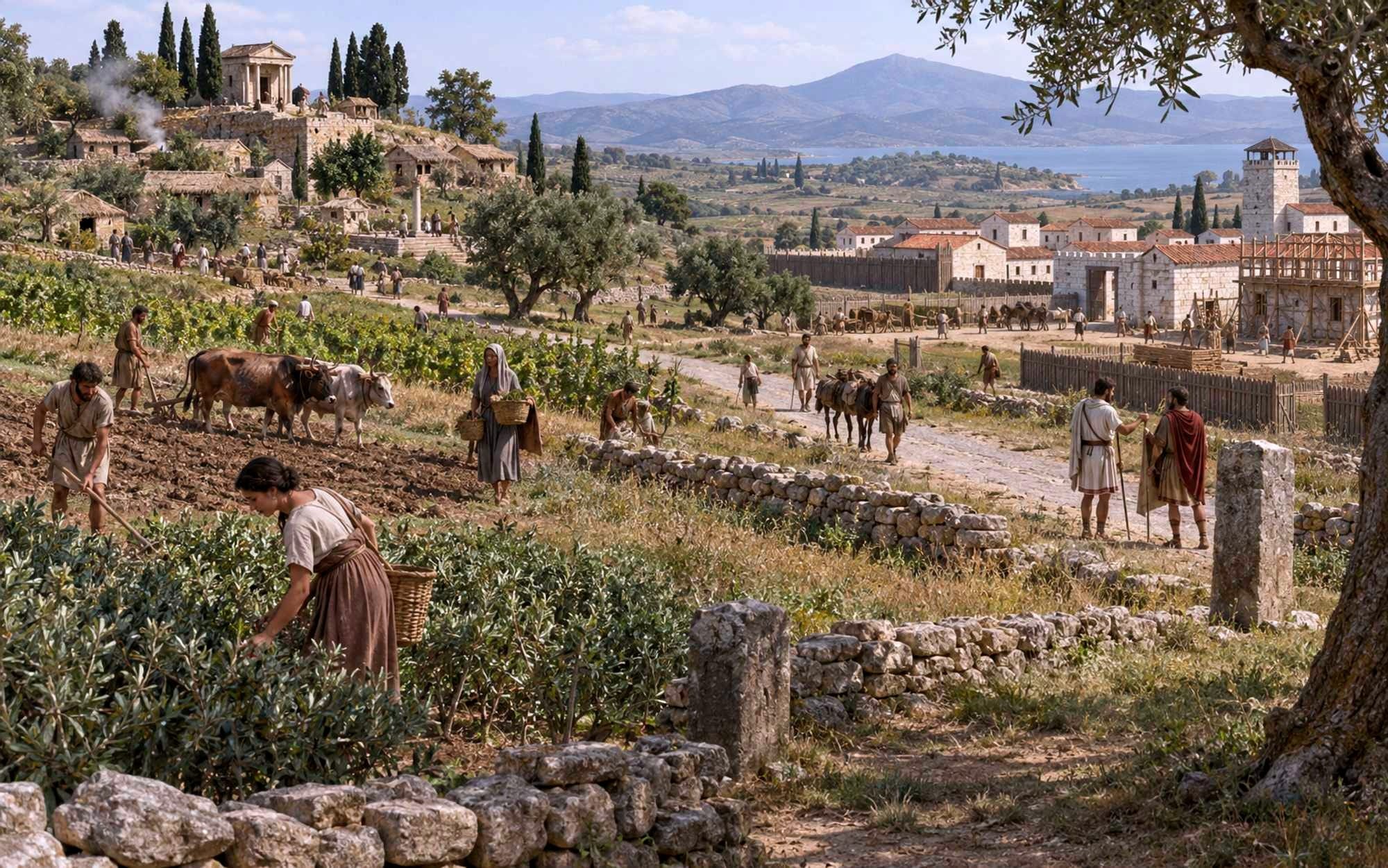
Several different arrangements were possible. Local inhabitants could be formally admitted into the new colony. Early traditions concerning Antium and Ardea preserve examples in which local people received colonial allotments alongside or even before incoming Romans. In other cases, older inhabitants remained outside the official body of colonists but continued living within the wider territory.
People could also retain private holdings while other parts of a community's territory were confiscated, or continue working land that had legally become ager publicus. These arrangements did not necessarily leave everyone in their previous economic position. Some lost property, others gained access to new land, and the Roman state now possessed rights that had previously belonged to an independent community.
Cisalpine Gaul is particularly useful because literary accounts can give the impression of almost complete displacement. Polybius could describe the Gauls as driven from the Po Valley, yet other evidence shows that substantial Gallic populations remained. Only part of the territory of some defeated peoples was confiscated, and local inhabitants continued to live and work inside the wider Roman-controlled landscape.
Continuity therefore should not be mistaken for leniency. A community could survive while losing some of its best agricultural land. A farmer might remain close to his ancestral home while the legal ownership of surrounding territory had changed, and a surviving local population could find itself living beside colonists with different rights and a different relationship to Roman authority.
Rome did not need to remove everyone in order to dominate a region; landholding, civic status and political authority could be transformed while much of the population remained physically in place.
Colonization changed the countryside as well as the town
The urban centre was only one part of a colonial foundation. Settlers needed farms, and the redistribution of the surrounding countryside could matter as much as whatever happened inside the walls.
Livy occasionally preserves unusually precise figures. Mutina and Parma, founded as Roman citizen colonies in 183 BC, each received two thousand colonists. The settlers at Parma received eight iugera apiece and those at Mutina five. Other citizen colonies of roughly the same period received allotments ranging from about five to ten iugera.
These figures show what colonization meant at household level. Thousands of settlers were given portions of territory from which they were expected to support themselves. Yet the numbers should not be generalized too far. Latin colonies could have much larger allotments, particularly after the Second Punic War, while the scale of earlier foundations remains much harder to reconstruct.
The amount of land transferred through colonization is itself uncertain. A cautious reconstruction suggests that thousands of square kilometres may have been privatized through colonies and individual distributions between the Latin War and the second century BC, while additional land remained communal property of colonies or continued as Roman ager publicus. The surviving evidence is not precise enough to turn those calculations into exact totals.
Centuriation creates another temptation to make the system look more uniform than it was. Roman surveyors could divide territory into regular grids, and Republican examples are frequently associated with distributions of public land.
The visible divisions around some colonies can be extensive, especially in Cisalpine Gaul, where the measured area could be much larger than what was required for individual colonial allotments.
That does not mean every visible grid dates from the original foundation of the colony. Land could be surveyed again later, and centuriation could serve purposes other than immediate colonial distribution. The regular lines visible in a modern landscape therefore cannot automatically be treated as the surviving footprint of a single foundation ceremony.
The location of the town itself also varied. Colonists sometimes occupied existing settlements, making use of houses and agricultural ground already there. Elsewhere a new colonial centre was established away from the older town. Cosa was built on territory confiscated from Vulci while Vulci itself continued to exist. Other colonies were placed in existing towns where much of the pre-colonial landscape remained usable.
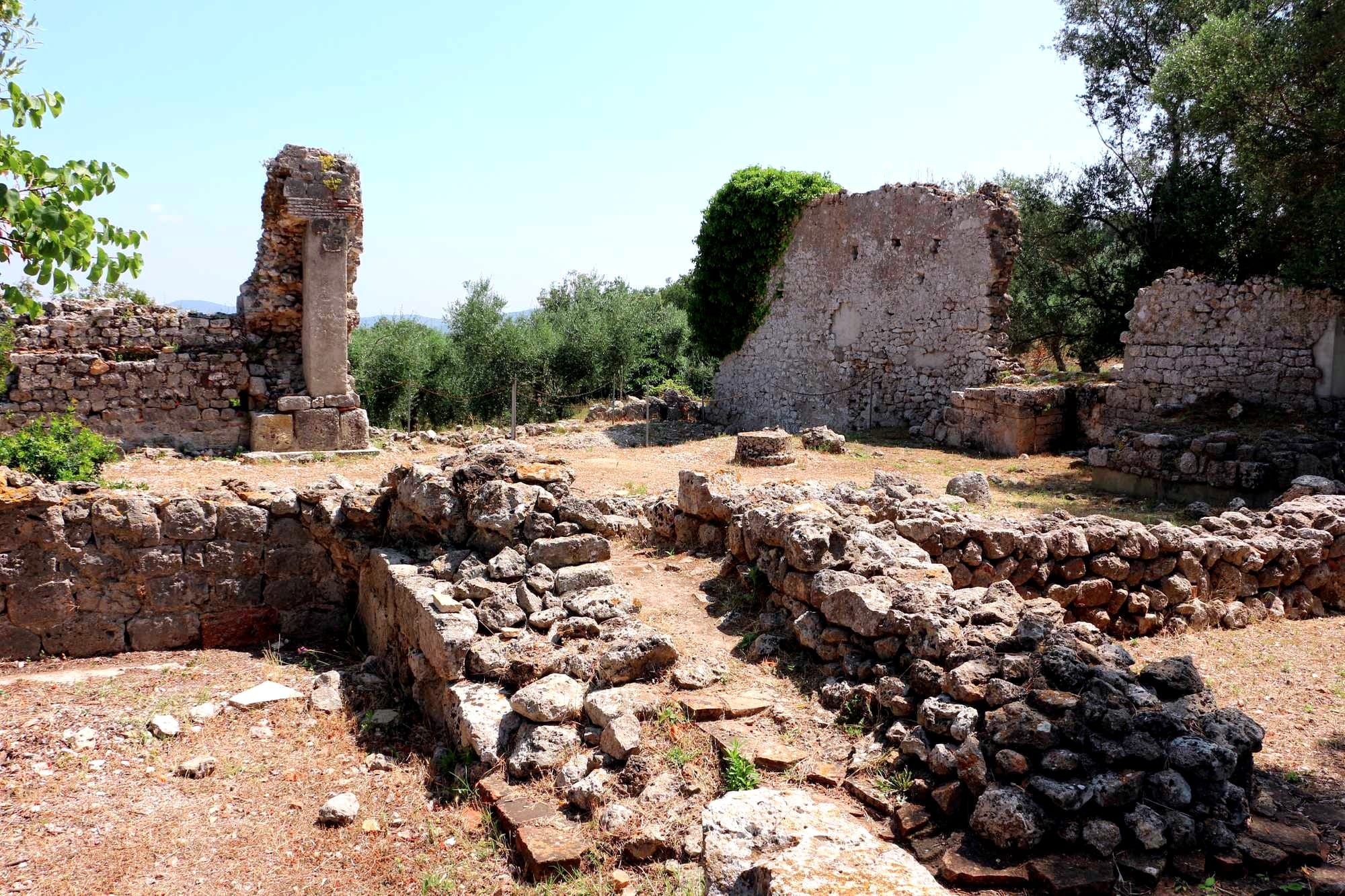
A colonial foundation therefore did not necessarily erase a landscape and rebuild it at once. Legal status, property ownership, land division, roads and urban development could change at different speeds, with new and older features existing together for generations.
Some colonies failed, while others had to change
Roman colonization looks systematic when viewed on a map after the conquest of Italy was complete. The contemporary experience could be less impressive. Rome might decide that a colony should exist, appoint commissioners and offer land, but settlers still had to agree to move there and remain.
The decades after the Second Punic War exposed this problem. Rome possessed large amounts of public land, but Italy had also suffered immense population losses. Recruiting enough settlers could be difficult, and Latins or other Italian allies were sometimes admitted when the available Roman citizen population could not fill the planned settlements.
At least 40,000 people are recorded as receiving land between 200 and 173 BC, and the real figure was probably higher because several distributions survive without complete numbers.
Some foundations quickly ran into trouble. Sipontum and Buxentum, both established after the war, were found abandoned in 186 BC only eight years after their foundation. New commissioners had to be appointed to recruit settlers.
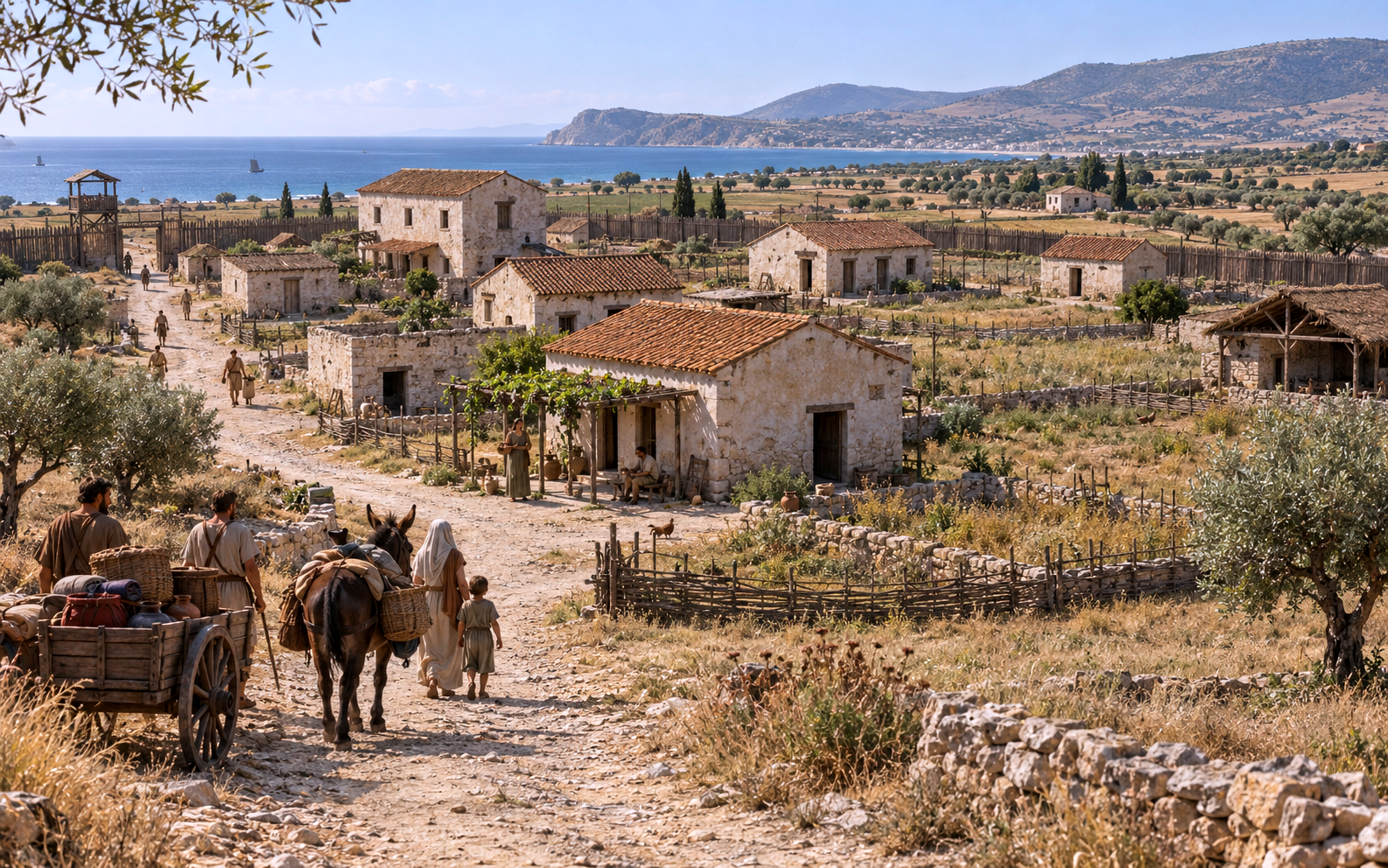
The abundance of available land probably contributed to the problem. Settlers offered an unattractive allotment or difficult location had other opportunities and could leave. The small citizen colonies were particularly vulnerable, while the very large grants available in some Latin colonies could be necessary to make settlement worthwhile.
This may help explain a significant change from 184 BC onward. Larger Roman citizen colonies appeared with perhaps around two thousand settlers rather than the much smaller groups associated with earlier maritime foundations. Their individual plots were smaller than those offered in contemporary Latin colonies, but the colonists retained Roman citizenship, which had become increasingly valuable.
Even successful colonization was therefore not static. Rome adjusted the scale and legal form of settlements as conditions changed, while colonies themselves could require reinforcement, replacement settlers or different incentives if the original arrangement did not work.
Colonies were only one part of Roman control
Italy contained municipia, allied communities, prefectures, fora, conciliabula, villages and other settlements alongside colonies. Colonization was never the only way Rome could incorporate or supervise territory.
After the Social War this variety became even more important. Most Italians acquired Roman citizenship, but their existing communities did not simply become colonies. Many became municipia with their own magistrates and councils, while some regions retained less easily classified local structures for considerable periods.
Municipalization was uneven. Areas without a fully developed municipium were not necessarily administrative blanks. Villages, pagi, sanctuaries and smaller centres could continue performing local functions, while communities used institutions that had existed before Roman citizenship. The political map of Italy therefore remained much more complicated than a neat division into colonies and municipia suggests.
Local magistrates and councils performed much of the daily work of government. Roads, walls, water supplies, public buildings, finances and religious obligations could all be handled locally, allowing Rome to exercise authority across Italy without managing every settlement directly from the capital.
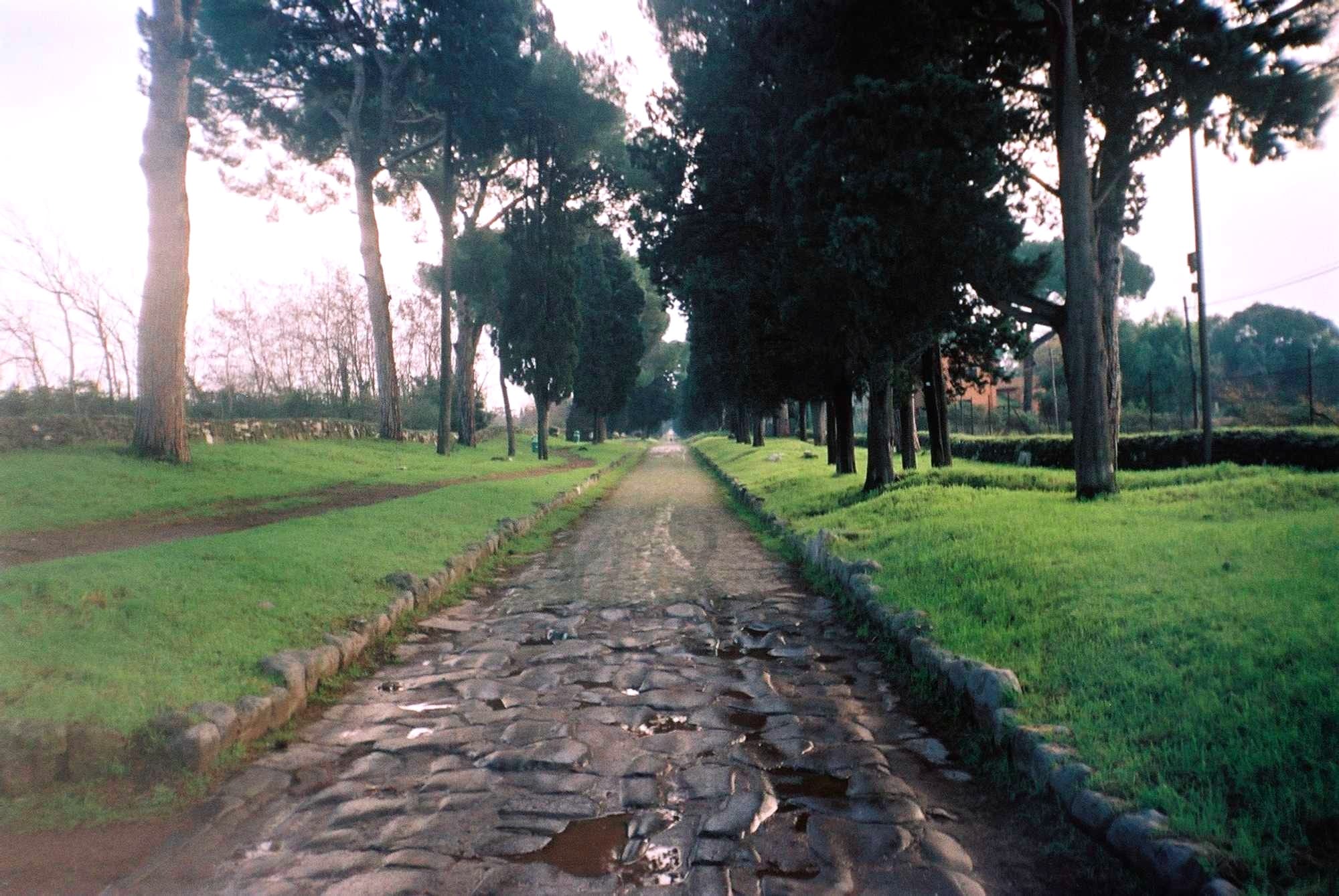
Roads also tied these communities into a wider system. Colonies could stand on or near major routes, but roads should not automatically be treated as proof that a colony had been founded solely to guard them. In some cases the colony pre-dated the road, while elsewhere later communications increased the value of an existing settlement.
Roads connected colonies to Rome, neighbouring towns, markets and military theatres, but the relationship between road building and colonization varied from place to place.
Colonies fitted into this broader structure rather than replacing it. Rome could confiscate territory without creating a colony, distribute land individually, grant citizenship to an existing community, maintain an allied town or use local institutions to administer a district. The colony was particularly useful because land distribution, settlement and political organisation could be combined, but Roman control never depended on colonies alone.
Civil war changed what colonization meant
By the first century BC, the institution was operating in a very different Italy. The Social War had extended Roman citizenship across most of the peninsula, while successive civil wars created armies whose veterans expected substantial rewards. Land remained one of the most valuable things a commander could give them.
The remaining supply of Italian ager publicus was no longer sufficient for the scale of veteran settlement demanded by the competing armies. Generals therefore had to purchase land or confiscate it from existing owners, tying colonization to personal military loyalty and to the punishment of communities that had supported the losing side.
Sulla's victory provides one of the clearest examples. Appian describes the treatment of Italian communities associated with his enemies:
When charges against individuals failed Sulla took vengeance on whole communities. He punished some of them by demolishing their citadels, or destroying their walls, or by imposing fines and crushing them by heavy contributions.
Among most of them he placed colonies of his troops in order to hold Italy under garrisons, sequestrating their lands and houses and dividing them among his soldiers, whom he thus made true to him even after his death.
As they could not be secure in their own holdings unless all Sulla's system were on a firm foundation, they were his stoutest champions even after he died. Appian, Civil Wars 1.96
This was still colonization being used to secure territory, but the people whose land was being taken were now Roman citizens. Veterans received farms because they had fought for a Roman commander against other Romans, and their continued possession of those farms tied their interests to the survival of the political settlement created by the victor.
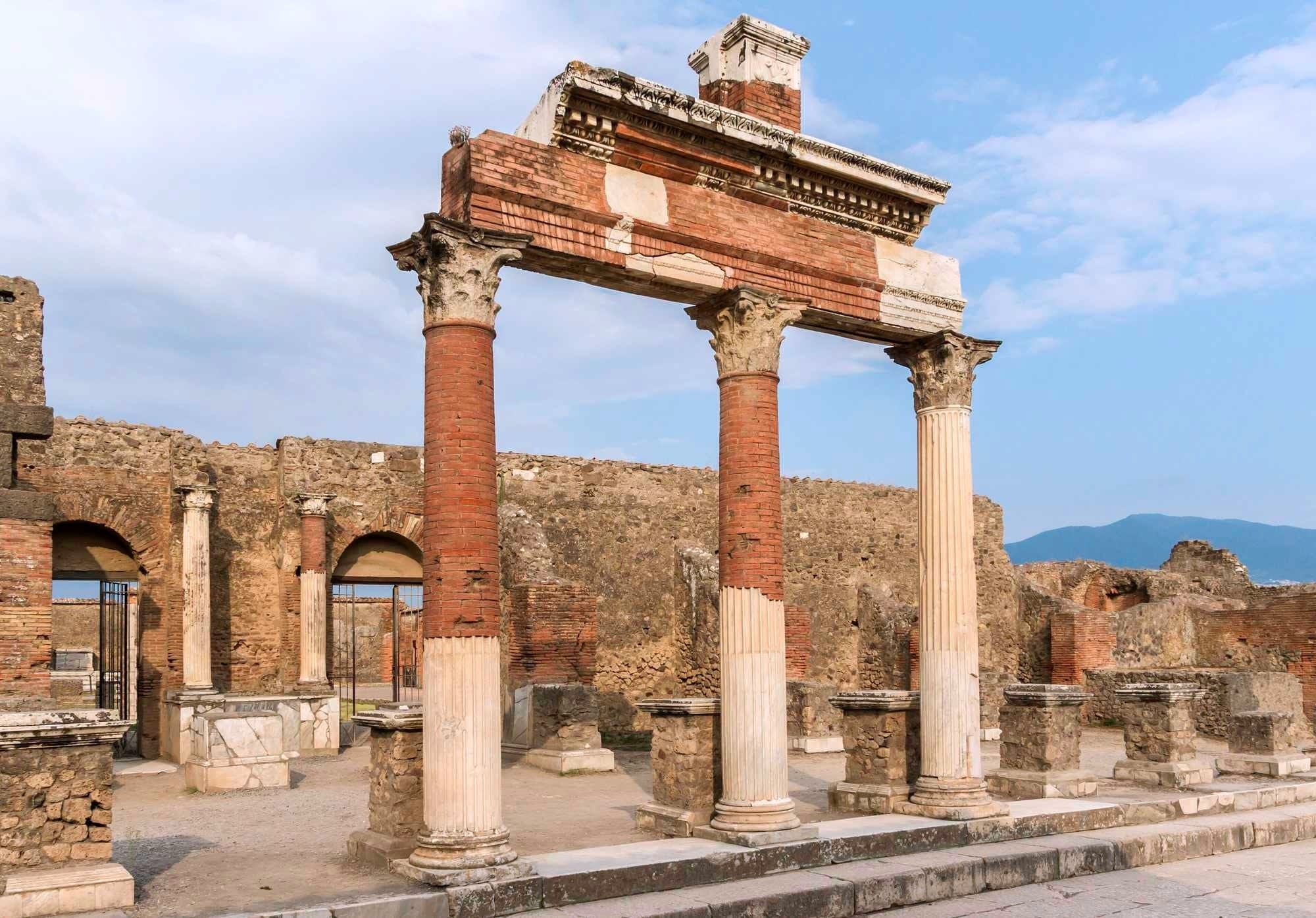
The arrival of veterans did not necessarily erase the older population. Pompeii provides a particularly useful case. After the Sullan colony was founded, colonists and the existing Pompeians appear to have retained separate identities and institutions for a time. Cicero's Pro Sulla refers to disagreements between them, including disputes concerning voting rights. Over the following decades the distinction gradually faded, but the integration was a process rather than an automatic consequence of settlement.
Comparable situations existed elsewhere. Evidence from Arretium, Faesulae, Nola and other towns indicates that older inhabitants and colonial settlers could continue side by side, although the precise constitutional arrangements were not identical everywhere. At Faesulae, at least some of the earlier population seems to have remained in the old Etruscan centre while colonists occupied fortified settlements elsewhere in the territory.
The memory of Sullan confiscations remained politically sensitive. When Caesar later dealt with veterans demanding land, Appian has him promise that he would not simply dispossess existing landowners in the same way. Public land, his own property and purchases were to be used where possible rather than turning settled populations out of their farms. Whatever the limits of that promise in practice, the contrast shows how deeply the Sullan experience had affected Italian attitudes toward veteran colonization.
After Caesar's death, the problem returned on an even larger scale. The triumvirs had promised land to large numbers of soldiers, while Italian communities faced the prospect of confiscation despite being populated by Roman citizens. Appian describes people travelling to Rome with their families to protest:
They came to Rome in crowds, young and old, women and children, to the forum and temples, uttering lamentations, saying that they had done no wrong for which they, Italians, should be driven from their fields and their hearthstones, like people conquered in war. Appian, Civil Wars 5.12, trans. Horace White
The comparison with conquered peoples was particularly sharp because that was exactly how colonization had operated earlier in Roman history. An institution once used to consolidate victories over Aequi, Samnites, Gauls and other Italian peoples was now being used after wars between Roman citizens.
By the end of the Republic, colonia therefore covered communities created under circumstances separated by centuries of political change. A Latin colony founded during Rome's expansion through central Italy, a small maritime citizen settlement, a larger second-century agricultural colony and a Sullan veteran foundation were not interchangeable institutions.
What connected them was the use of land and settlement to establish durable political relationships. Colonies could make rebellion harder, alter ownership of valuable agricultural territory, establish new civic communities and put settlers into regions Rome wanted more firmly under its control. They could coexist with older populations, absorb existing settlements, fail to retain their inhabitants or become important towns in their own right.
Their purpose changed because Rome's problems changed. The Republic did not follow one colonial blueprint for centuries; it repeatedly adapted colonization to different wars, territories and populations. The result was a patchwork of new settlements, older towns, redistributed fields and surviving local communities through which military victory became something much more difficult to reverse.
Edward Bispham, From Asculum to Actium: The Municipalization of Italy from the Social War to Augustus. Oxford University Press, 2007.
Jeremia Pelgrom and Tesse D. Stek, “Roman Colonization under the Republic: Historiographical Contextualisation of a Paradigm,” in Roman Republican Colonization: New Perspectives from Archaeology and Ancient History, 2014.
Saskia T. Roselaar, Public Land in the Roman Republic: A Social and Economic History of Ager Publicus in Italy, 396–89 BC. Oxford University Press, 2010.
Appian, Civil Wars 1.7; 1.96; 2.94; 5.12
Aulus Gellius, Attic Nights 16.13.
Cicero, De lege agraria 2.73.
Cicero, Pro Sulla 60–62.
Livy, Ab Urbe Condita 8.14; 10.1; 39.23; 39.55.
Polybius, Histories 2.21.



About the Roman Empire Times
See all the latest news for the Roman Empire, ancient Roman historical facts, anecdotes from Roman Times and stories from the Empire at romanempiretimes.com. Contact our newsroom to report an update or send your story, photos and videos. Follow RET on Google News, Flipboard and subscribe here to our daily email.
Follow the Roman Empire Times on social media: