Roman Empire Anecdotes
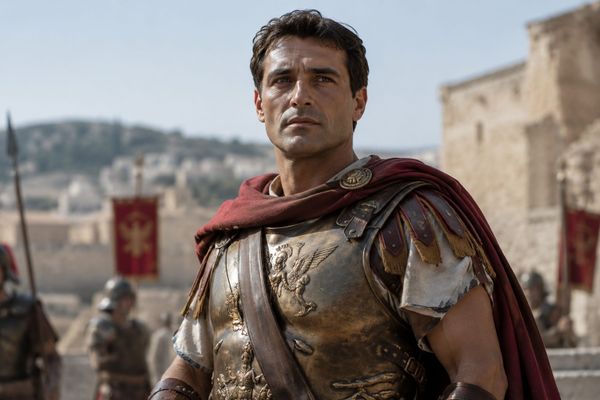
Scipio Aemilianus: The Roman Who Destroyed Carthage and Numantia
Born an Aemilius and adopted into the house of Scipio, Scipio Aemilianus built his reputation in Spain before becoming the conqueror of Carthage and Numantia.

Roman Empire Anecdotes
Born an Aemilius and adopted into the house of Scipio, Scipio Aemilianus built his reputation in Spain before becoming the conqueror of Carthage and Numantia.
Roman Empire Anecdotes
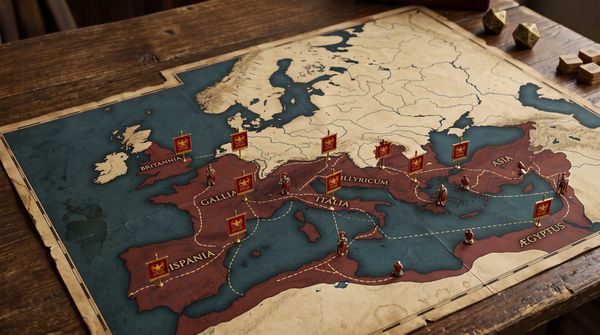
Rome’s colonies were more than new towns. They redistributed land, strengthened control and changed the balance between settlers and existing communities.

Roman Empire Historical Facts
The rudis marked a gladiator’s release from compulsory service in the arena, but it did not always mean legal freedom. From training weapon to retirement award and referee’s staff, its meaning reveals much about gladiatorial careers, status and life after combat.
Roman Empire Anecdotes
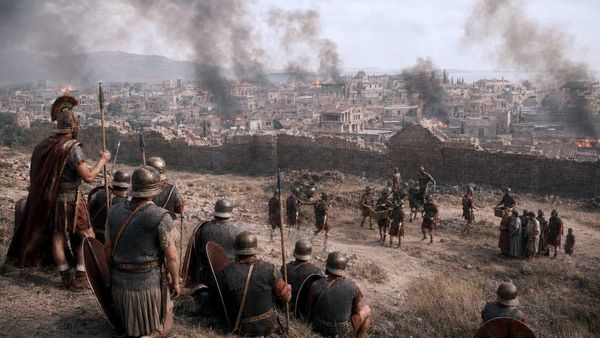
Capua, Carthage and Corinth defied Rome but did not receive the same punishment. Their different fates reveal how the Republic treated defeated cities.
Roman Empire Anecdotes
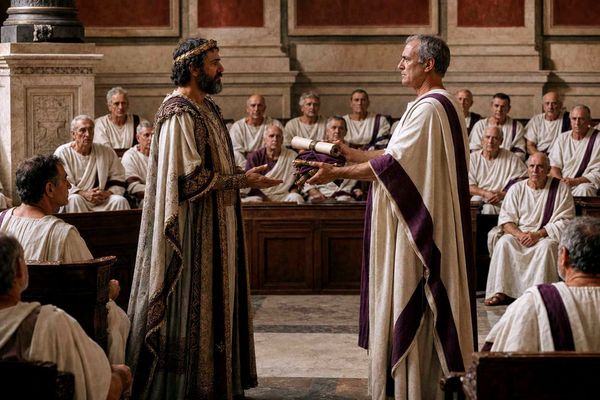
Rome often governed through allied kings rather than annexing their territories. The reigns of Massinissa, Deiotarus, and Herod show how this system operated.
Roman Empire Anecdotes
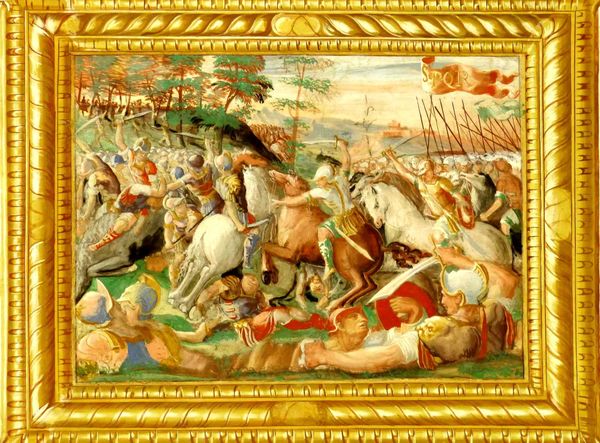
In 217 BC, Hannibal trapped and destroyed a Roman consular army between the hills and Lake Trasimene. Ancient accounts describe the ambush, the death of Gaius Flaminius and Rome’s response to the defeat.
Roman Empire Historical Facts
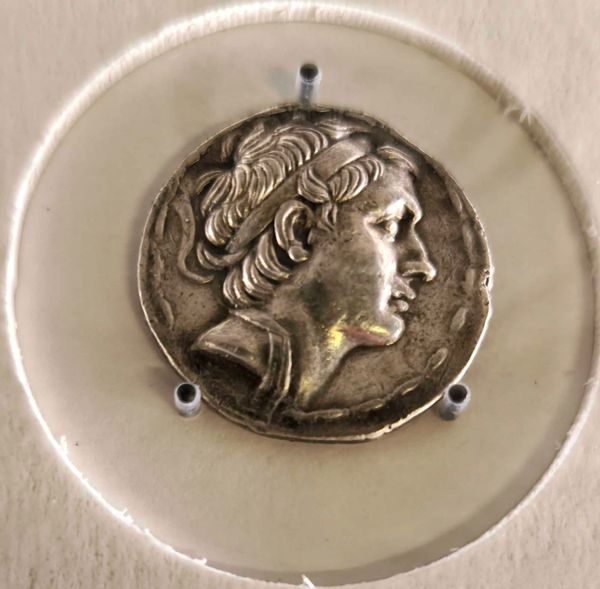
Antiochus III entered Greece as a would-be liberator and rival to Rome, but his campaign exposed the limits of Seleucid power against Rome’s armies, navy, and diplomacy.
Roman Empire Anecdotes
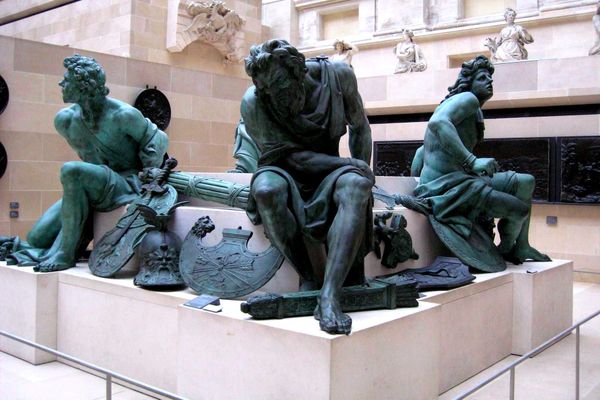
Rome’s hostage system turned royal sons, noble youths, and local elites into living pledges of loyalty, peace, and political control.
Roman Empire Anecdotes
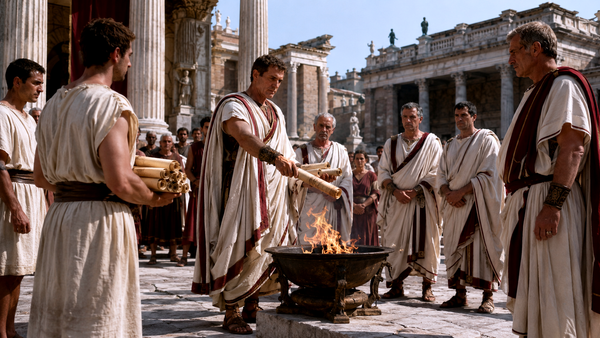
Ancient Rome did not burn books constantly. But when it did, the flames revealed what certain writings could do: authorize rites, predict the future, wound reputations, preserve memory, or prove dangerous truths.
Roman Empire Anecdotes
Augustus called one private retreat “Syracuse,” a strange nickname that opened onto Archimedes, conquest, tyranny, Sicily, and imperial memory.
Roman Empire Historical Facts
Rome is remembered for roads and legions, but its navy helped defeat Carthage, protect sea routes, move armies, and turn the Mediterranean into a Roman highway.

Roman Empire Historical Facts
In the second century CE, Appian of Alexandria set out to explain how Rome conquered the world — and how it turned against itself. His Roman History remains the most sustained ancient account of the civil wars that transformed republic into empire.
Roman Empire Historical Facts
In 255 BCE, as Rome advanced toward Carthage itself, a Spartan mercenary took command of a collapsing army. One battle later, the Roman invasion lay in ruins — and Xanthippus vanished from history almost as suddenly as he had appeared.

Roman Empire Historical Facts
Roman sundials did not divide the day into fixed hours. They followed the sun, stretching time in summer and compressing it in winter, shaping daily life through light rather than numbers.
Roman Empire Historical Facts
From Illyria to Corinth, Rome conquered Greece not in a day but through decades of alliances, wars, and diplomacy. Yet while the legions won the land, Greek culture won Rome — transforming its conqueror into its greatest disciple.

Roman Empire Anecdotes
From Braga to Jerusalem, Orosius carried letters, relics, and arguments—but his legacy rests on the Historiae, a sweeping Christian vision of world history that shaped medieval thought.