
The Fashion and Textile Industry of Ancient Rome
Roman fashion relied on spinners, weavers, dyers, fullers, tailors and traders, while clothing could signal status, citizenship, wealth and identity.

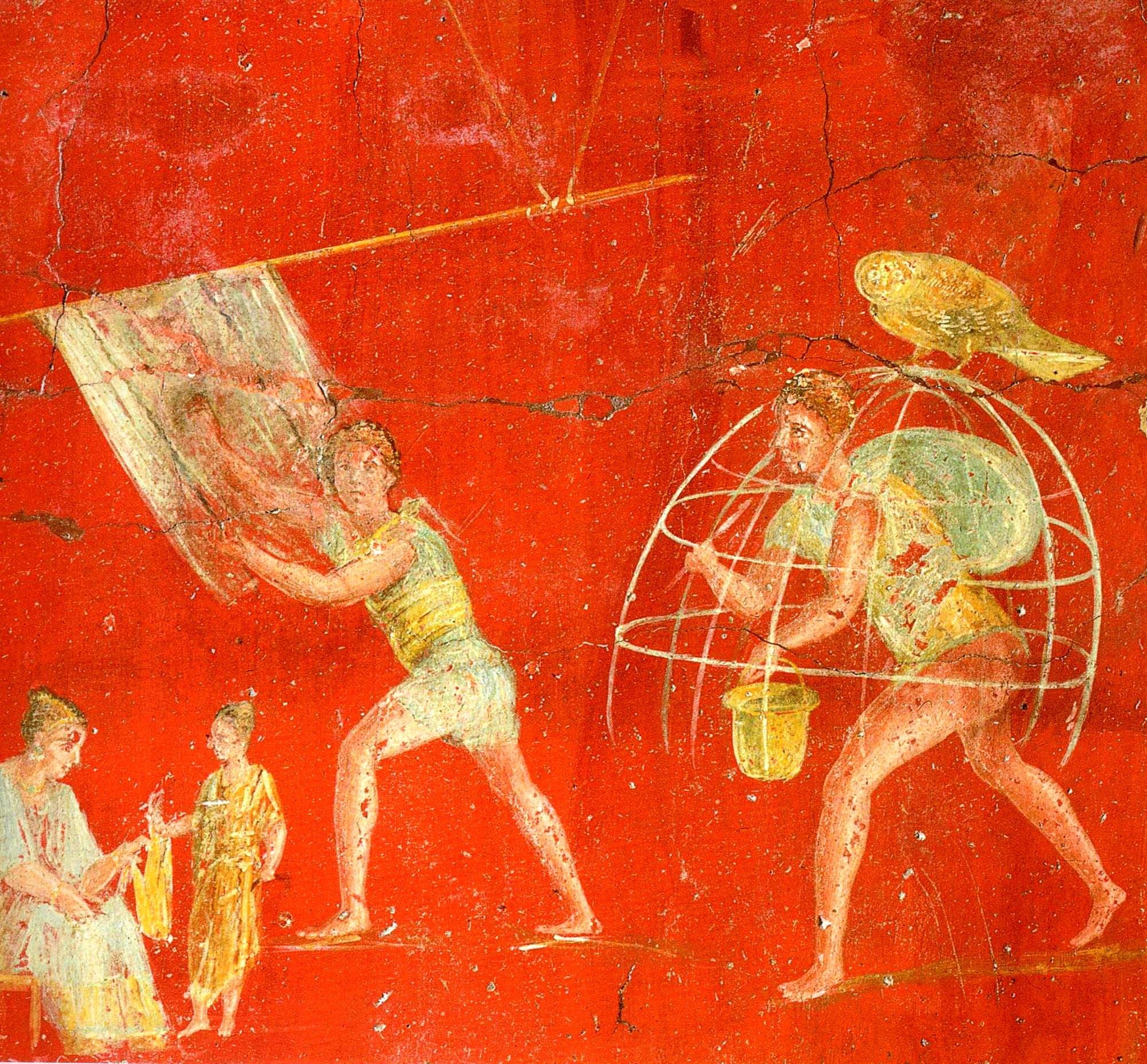
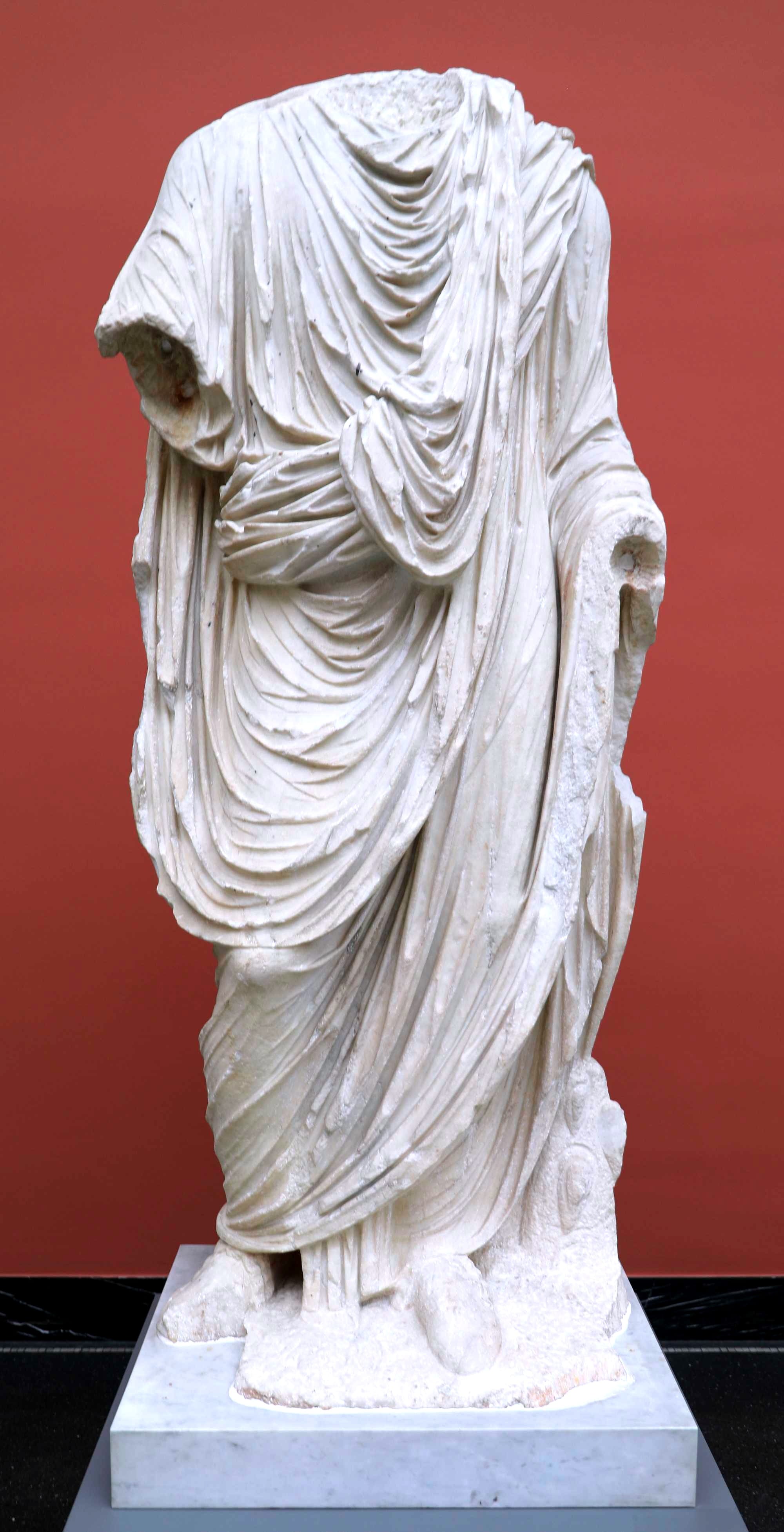
Clothing in the Roman world varied greatly in material, quality, colour, decoration, manufacture and price. The tunic was the basic garment for men, women and children, but tunics themselves differed in shape, length, sleeves and decoration. Cloaks and mantles appeared in numerous forms, while particular varieties of the toga were associated with citizenship, age, public office and ceremonial roles.
The toga virilis was the plain toga of the adult male citizen, the purple-bordered toga praetexta was worn by freeborn children and by certain magistrates and priests, and political candidates wore the specially whitened toga candida.
The evidence for Roman clothing is scattered across long periods and many regions. Names used for garments could vary, and similar terms were not always employed consistently by ancient writers or later translators. Surviving visual and literary evidence can therefore establish broad patterns of dress, but apparent changes in style can sometimes represent regional variation rather than a fashion adopted throughout the empire.
There was nevertheless evidence for changing tastes. Pliny the Elder preserves an account attributed to Cornelius Nepos describing successive preferences in expensive purple dyes. Nepos recalled:
“When (quoth he) I was a young man, the light violet purple was rife and in greater request”
He then describes the later popularity of Tarentine red-purple and, after that, the much more expensive twice-dyed purple of Tyre.
Changes also occurred in decoration, garment form and the ways clothing was worn. In Late Antiquity, decorative bands and roundels could include elaborate figures, animals and plants, while some wealthy consumers wore garments made from extensively patterned fabric. Colourful and decorated clothing was not limited entirely to elites: mosaics and paintings also depict servants in brightly coloured dress.
The Edict on Maximum Prices issued under Diocletian in AD 301 gives an unusually detailed picture of the range within the textile market. Of its more than one thousand listed goods and services, hundreds relate to clothing and textiles, encompassing raw materials, dyed fabrics, textile labour and finished garments. Garments could be distinguished by their colour, decoration, quality and place of origin.
From Fleece to Fashion
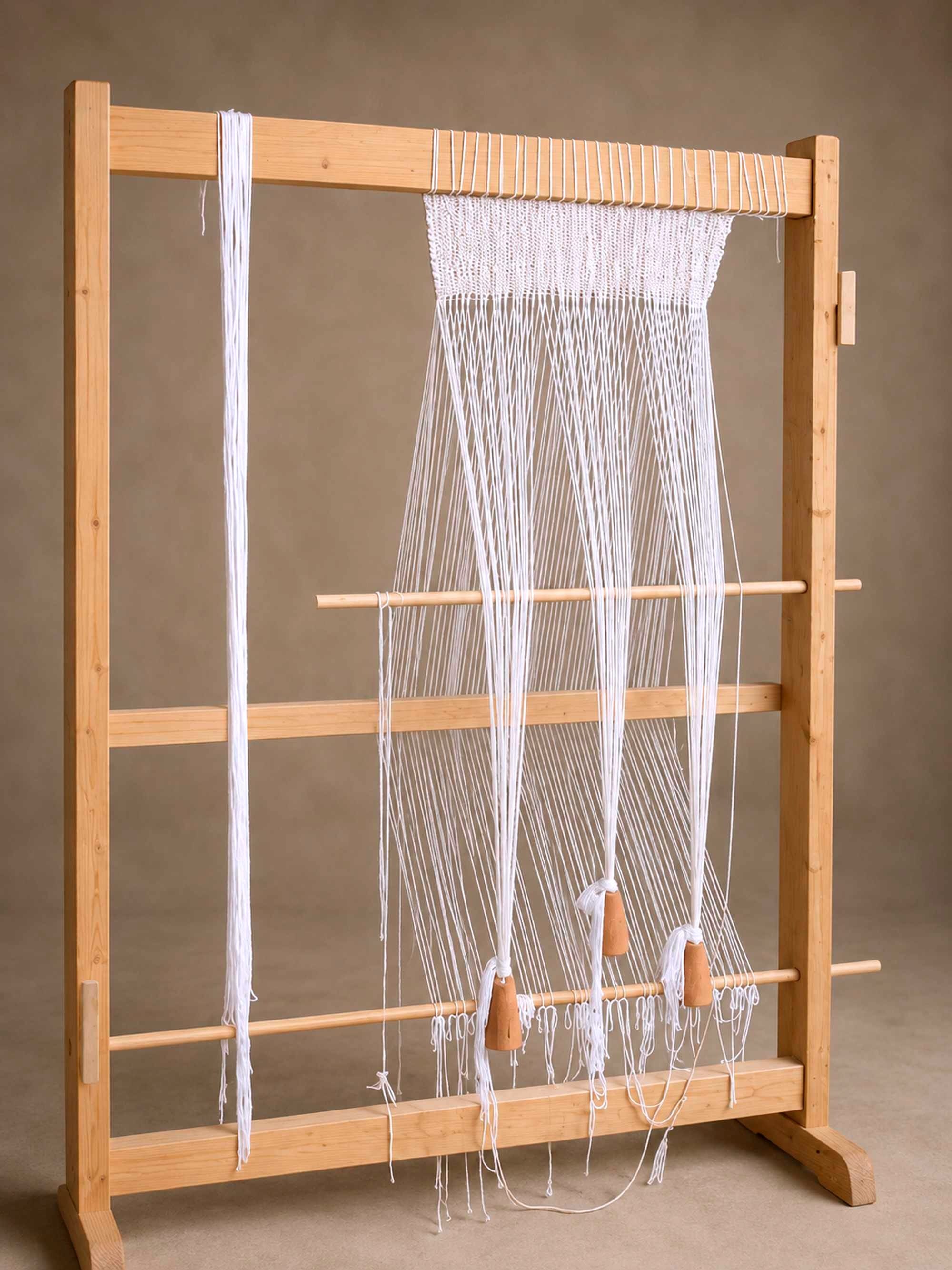
Wool occupied a central position in Roman textile production. Linen was also widely used, while silk and cotton reached Roman markets through trade networks extending beyond the Mediterranean. Producing woollen cloth involved preparing and cleaning the fleece, spinning the fibres into thread, weaving and finishing the resulting textile. Flax likewise required preparation before it could be spun and woven.
The occupational record preserves a large number of specialists involved at different stages. Among them were fullers, spinners, wool workers, linen weavers and other weavers, dyers, purple specialists, clothiers, embroiderers, felt-makers, cloak makers and menders.
Footwear production was divided among still more specialists, including makers of boots, slippers and other particular forms of shoe. Other occupational names refer to people making fringes, decorative borders and specialised garments.
Weaving could require formal training. Apprenticeship documents from Roman Egypt show that the skill could be taught under contracts applying to free and enslaved workers and to men and women. One second-century agreement from Oxyrhynchus placed the enslaved Thermuthion in a four-year apprenticeship to learn weaving. The length and formal character of such arrangements show that weaving could be treated as a commercially valuable skill.
Some garments could be woven substantially to shape rather than cut from a large finished piece of cloth. The surviving evidence for tunics includes examples woven from sleeve end to sleeve end as a single textile. Other garments required cutting and sewing, while trousers, socks and similar fitted items required pieces to be shaped and joined. Professional tailoring is also recorded in Diocletian's Edict.
Professional tailors could make garments from cloth supplied or purchased by customers. Evidence from papyri and the Edict also allows for alteration and repair, including the possibility that worn adult garments were remade for children.
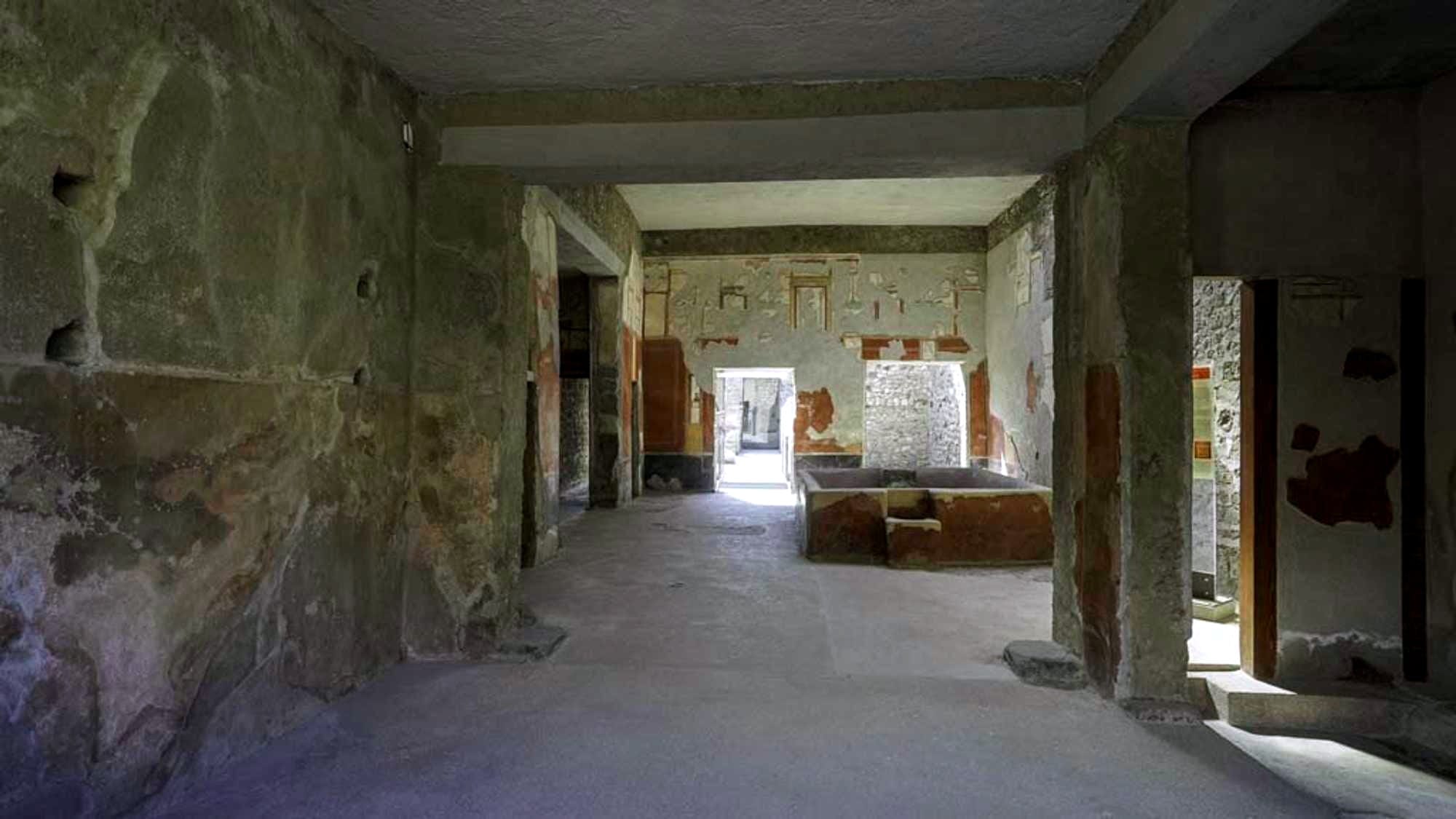
Archaeological evidence for some stages of the industry survives at Pompeii. Excavated textile-working premises contain boilers and installations connected with cleaning and dyeing wool. One complex contained equipment for cleaning wool together with nine boilers used for dyeing fibres, while another workshop combined wool preparation with an adjacent dyeing area.
The organization of production was not uniform. Evidence exists for work carried out within households, in small workshops and in businesses involving several different textile activities. Letters from fourth-century Kellis in Egypt include accounts concerning weaving, tailoring and textile trading and discuss wool and dye prices, weaving payments and charges for cutting garments. The documents have been interpreted as belonging to a business that may have been operated by one family.
The People Behind Roman Fashion
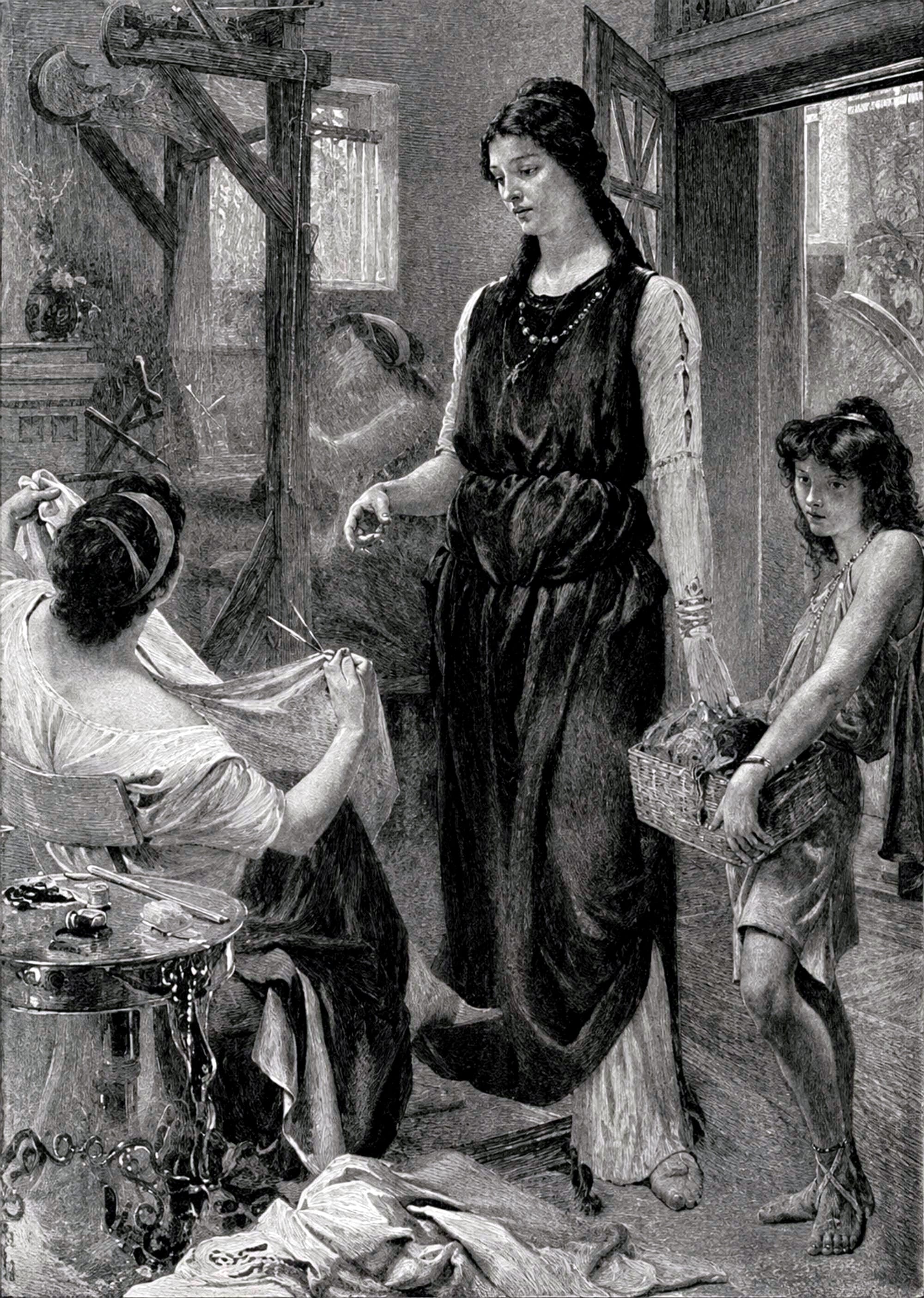
Textile work also possessed a strong place in Roman ideals concerning the household. Wool-working was traditionally associated with the respectable Roman matron, and Augustus was presented as maintaining that practice within his own family. Suetonius says:
“In bringing up his daughter and his granddaughters he even had them taught spinning and weaving”
Suetonius also reports that Augustus wore ordinary household clothing made by his sister, wife, daughter or granddaughters.
Household production continued alongside the commercial clothing trade. The household of the Statilii included enslaved weavers, spinners, dyers and fullers, while Roman legal sources refer to enslaved women producing clothing on rural estates. At the same time, evidence assembled from Cato, Roman Egypt and the Edict of Diocletian indicates that clothing for ordinary workers and slaves could also be bought rather than manufactured on an estate.
Men and women both appear among professional textile workers. Inscriptions associated with the Statilii preserve female spinners, two male weavers and a female weaver, and women are also attested as wool supervisors. Female clothes-menders and tailors occur elsewhere in the epigraphic record.
These inscriptions cannot be used to calculate the proportions of men and women working in textiles. Occupational commemoration favoured some workers more than others, while women were often commemorated through family identities rather than occupations. Supervisory positions appear more frequently than low-status spinning and weaving, even though those activities must have required many workers.
Rome’s Market for Ready-Made Clothes
A commercial market in clothing can be documented during the Republic. Cato advised estate owners to buy inexpensive clothing in Rome for enslaved agricultural workers, while Livy preserves two unusually large examples of clothing procurement for Roman armies. These episodes do not identify the individual producers, but they demonstrate that finished garments could be obtained in very large numbers.
In 204 BC Roman forces in Africa needed clothing. Livy describes arrangements made in Sardinia and records the result:
“The matter was promptly attended to and in a short time 1200 togas and 12,000 tunics were sent off.”
The preceding sentence explains that the army lacked clothing and that officials had been instructed to determine whether the garments could be made and dispatched from the island. The source does not describe the organization of the producers who fulfilled the order.
In 169 BC another military requirement was larger: 6,000 togas and 30,000 tunics were contracted for shipment from Rome to Roman forces in Macedonia. The modern source analysis explicitly notes that neither Livian episode identifies the workers who manufactured the garments.
The evidence therefore establishes large-scale procurement without establishing large centralized factories. Elsewhere the surviving material points toward small shops, household production, apprentices, hired workers and enslaved labour. Older attempts to reconstruct large textile factories at Pompeii remain debated, and the evidence can also fit commercial textile production operating from households or relatively small premises.
Manufacture and retail could also overlap. Occupational terms such as vestiarii, centonarii and purpurarii do not always produce a clear modern separation between a person who made a product and one who sold it. Evidence from the clothing and footwear trades shows that production and sale could take place through the same business.
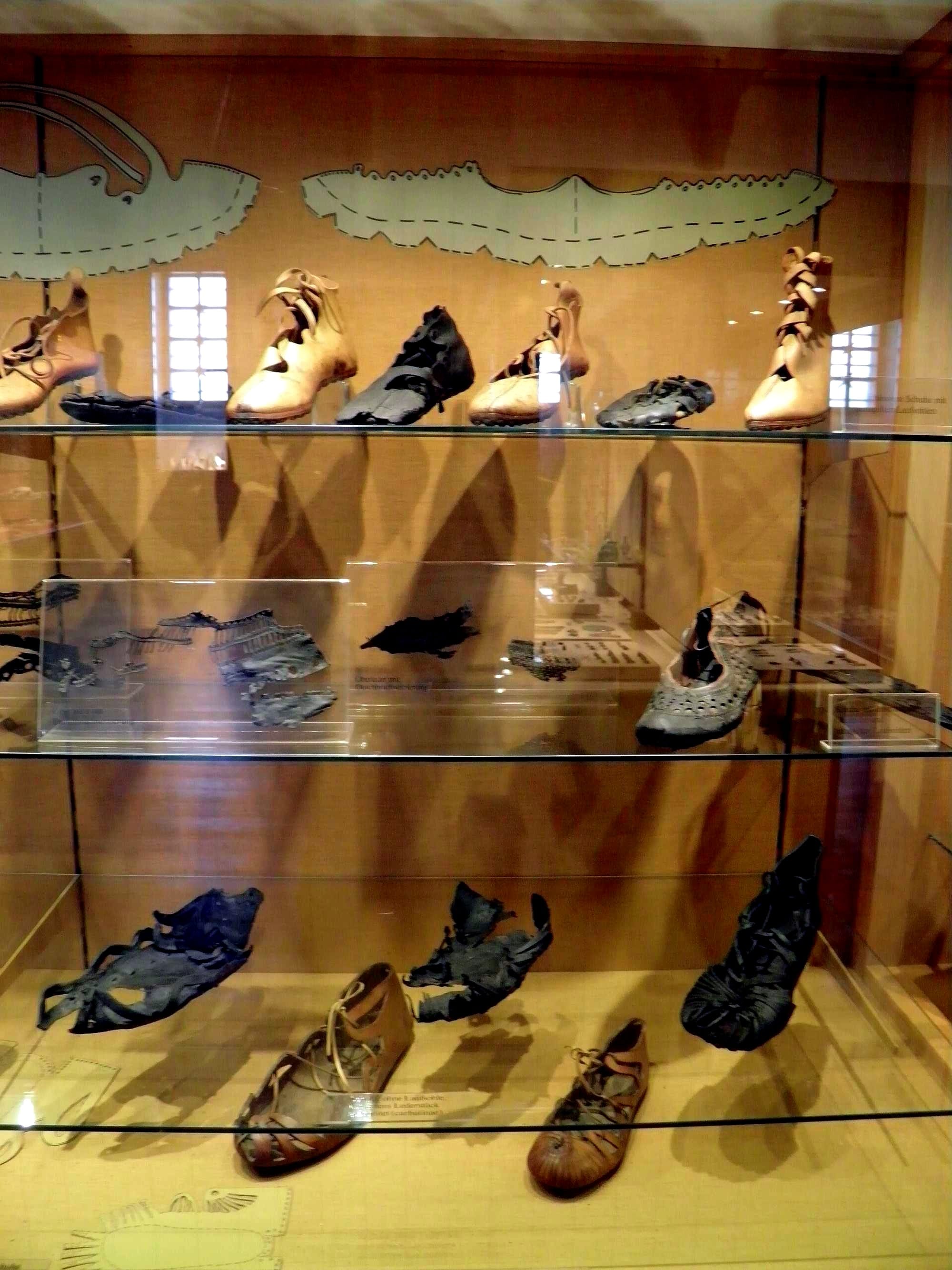
Shoemaking provides particularly clear evidence. Shoemakers could acquire leather, manufacture footwear and sell it from relatively small premises. Shops associated with shoemakers are known from several areas of Rome, including the Argiletum and Vicus Sandalarius, as well as locations in the Subura and elsewhere in the city.
Roman legal texts also recognize commercial agents acting for merchants. The Digest refers to circitores connected with clothing and linen businesses and to agents employed in textile-related trade. Clothing could therefore circulate beyond the workshop in which it was manufactured.
Rome’s Famous Textile Regions
Some garments and textiles were identified with particular places. Diocletian's Edict lists clothing described as Britannic, Noric, Numidian, Laodicean and Phrygian. Other entries associate cloth and garments with centres including Byblos, Laodicea, Scythopolis and Tarsus.
A papyrus refers to a garment made in Egypt “after the Tarsic fashion.” The wording shows that a style connected with one centre could be reproduced elsewhere.
Regional names could also reflect reputations for wool or particular types of textile. The surviving evidence names a wide range of production regions, but it does not mean that most Roman clothing was manufactured only in a small number of major centres.
Egyptian documentation and other evidence indicate widespread local and small-scale production alongside garments and materials whose place of origin carried a specific reputation.
Late Roman evidence provides an indication of the scale that textile production could reach even in centres not famous enough to be named in the Edict. A third-century customs register from Oxyrhynchus has been used to estimate an annual textile output of more than 100,000 items, although Oxyrhynchus itself does not appear among the Edict's named textile centres.
When Colour Meant Status
Roman textiles were produced in many colours. Papyri refer to coloured garments, surviving textiles preserve dyed wool and decoration, and Roman literary sources describe a wide range of colours available for dress. In Book 3 of the Ars Amatoria, Ovid advises women on choosing colours, mentioning blue like a clear sky, golden yellow, sea-green, saffron, myrtle, amethyst and pale rose before comparing the available range with the flowers appearing in spring.
He writes:
“As fields you find, with various flowers o'erspread,
When vineyards bud, and winter's frost is fled;
So various are the colours you may try,
Of which the thirsty wool imbibes the dye.”
Some colours were substantially more expensive to produce than others. Shellfish purple and brilliant scarlet derived from kermes were particularly costly, while purple also became associated with social and political status. Other purplish colours could be obtained with different dyes, including combinations of indigo and madder, and therefore did not necessarily represent the most expensive shellfish purple.
Pliny gives extensive descriptions of shellfish purple, its preparation, its different shades and the prices associated with them. He also records successive fashions in purple during the late Republic and early imperial period, including the move from a lighter violet purple to Tarentine red-purple and then to the costly double-dyed Tyrian variety.
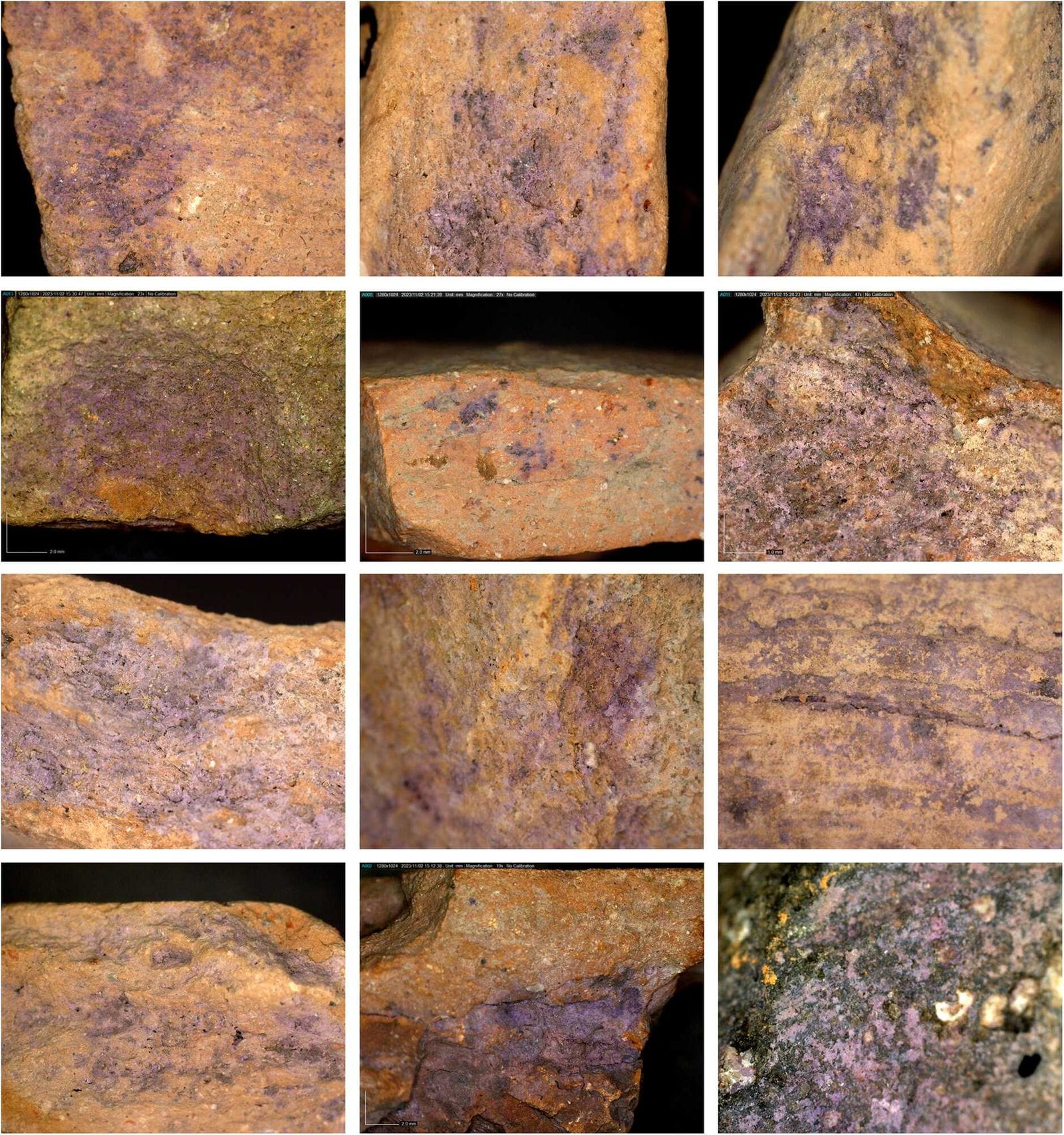
The production of purple left archaeological remains. Substantial deposits of shells used for dye manufacture at Andriake in southwestern Asia Minor indicate local purple production, with comparable deposits found at other Mediterranean sites, including North Africa.
People identified as purpurarii are recorded in inscriptions from Rome and other Italian cities, including Puteoli, Capua, Parma, Chiusi, Sarsina and Aquileia. The occupational term is not entirely precise. It has been interpreted as referring to producers or dealers in purple dye, purple cloth or other purple products, and the evidence should not be reduced to one fixed occupation.
By Late Antiquity some purple dyes and garments became subject to imperial restrictions. Laws also regulated silk, gold-and-silk borders and workers attached to imperial textile production. The repeated legislation demonstrates continued official attempts to restrict particular luxury products and their manufacture or distribution.
From India to the Roman Wardrobe
Silk became a fashionable material in imperial Rome. Inscriptions from Rome and its vicinity identify specialists associated with silk, including sericarii, while at least one woman, Thymele, is described as a sericaria. Aulus Plutius Epaphroditus is identified in inscriptions from Gabii as a negotiator sericarius, a silk merchant.
Silk formed only one part of Roman trade in eastern textiles. Egypt connected Mediterranean markets with Red Sea routes leading to Arabia and India. The Periplus of the Erythraean Sea records textile goods moving through these networks and distinguishes between different qualities and kinds of cloth.
The Periplus of the Erythraean Sea gives a glimpse of the textiles moving through Red Sea trade. Among the goods it lists were:
“undressed cloth made in Egypt for the Berbers; robes from Arsinoe; cloaks of poor quality dyed in colors”
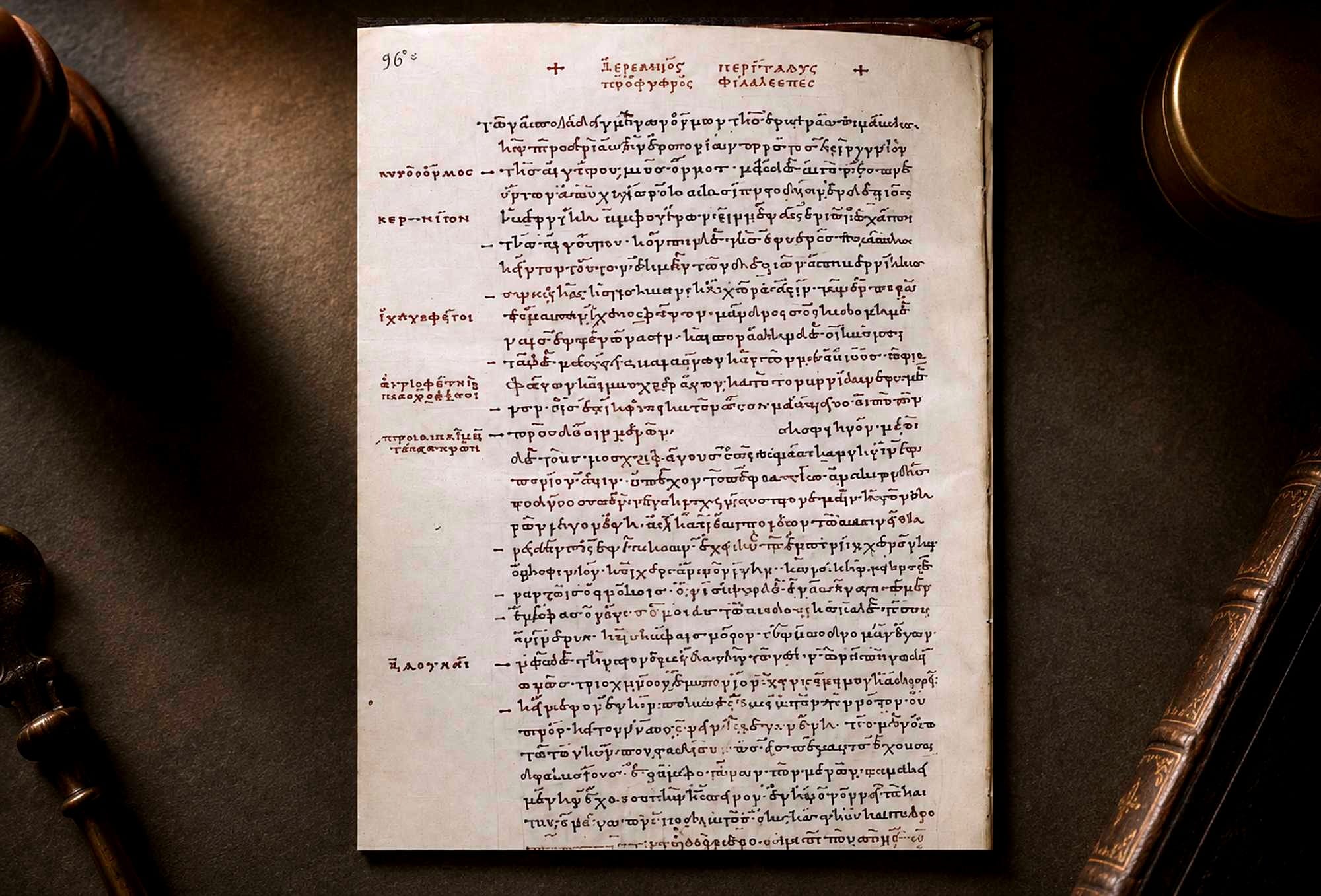
These goods were listed for trade at Adulis, an important Red Sea port.
The same passage continues with double-fringed linen mantles and, among goods arriving from across the sea, Indian cotton cloth, different broad cloths, mallow-coloured cloth and muslins.
The text therefore records both higher-value and ordinary textile goods within eastern commerce. At Malao it lists tunics and cloaks from Arsinoe that had been dressed and dyed, while elsewhere Egyptian garments and fabrics were exported to other markets around the Red Sea and Indian Ocean.
Evidence assembled for the eastern trade also includes merchants and shipowners operating between Egypt, Arabia and India. A papyrus documenting a voyage associated with Muziris preserves the commercial and customs arrangements of a high-value cargo, although a word formerly interpreted as cloth in that document has subsequently been reread and should not be used as certain evidence for textiles in that particular cargo.
The evidence for cotton is important because imported textiles cannot all be classified as luxury goods. Cotton fragments found at Red Sea ports and the cotton products listed by the Periplus belong to the same broad trading system as more expensive textiles, without possessing the same status or value as luxury silk.
Fullers, Dyers and Clothing Maintenance
Newly manufactured cloth could undergo further treatment before sale. Fulling was used in preparing cloth, but fullers also cleaned worn garments. Dyers likewise worked with textiles at different stages, including the treatment of older clothing. Fulleries and dyeing establishments are among the textile workplaces that leave relatively visible archaeological remains.
Fulling could be harsh on clothing. Late antique evidence indicates that repeated professional cleaning could damage textiles, particularly highly decorated garments, while the treatment of worn clothing nevertheless remained worthwhile because cloth retained substantial value.
Surviving garments preserve evidence for extensive wear. Frayed edges, patches, darning, re-hemming and other repairs show that many pieces remained in use for long periods rather than being discarded after damage.
Documentary evidence also records repairs as paid work. A Vindolanda account refers to repairs and re-hemming, while an Oxyrhynchus household account records the cost of mending a cloak shortly after its purchase. The sequence has been interpreted as suggesting that the cloak may have been bought second-hand and needed repair.
The quality of surviving repairs varies considerably. Some stitching displays highly skilled workmanship consistent with professional repair; other examples are much rougher. Professional tailors and menders therefore existed alongside household repair.
Second-Hand Clothing, Repair and Reuse
Clothing could retain economic value after prolonged use. Documentary evidence records garments among dowries and wills and as goods that could be pawned or used as security. Used clothing also entered commercial circulation.
The Periplus provides direct evidence for the sale of used garments. In one instance clothing is described as having been cleaned by fulling, while another entry refers to cloaks from Arsinoe that had been cleaned and dyed.
Garments could also be altered for different wearers. Wide waist tucks preserved on some tunics have been interpreted as alterations required when a second-hand or handed-down garment did not fit its new wearer. Children's clothes in particular could be made from recycled textiles or altered from older garments.
Decoration could be reused separately from the garment itself. Tapestry-woven bands and panels were sometimes removed from older clothing and attached to another textile. Radiocarbon dating has confirmed several cases in which decorative elements were substantially older than the garment carrying them. One tunic in Brussels has ornamental roundels at least a century older than the tunic itself, while another example preserves silk trim older than the wool garment to which it was attached.
Woollen textiles could also be cut into smaller pieces, felted and reused in new objects. Archaeological examples include children's clothing assembled from reused material and smaller textile objects made from older pieces of cloth.
The role of the centonarii remains disputed. They have traditionally been connected with rags and second-hand textiles, but cento and centones could also describe patchwork, heavy woollen clothing, blankets, protective clothing and felt-like textiles.
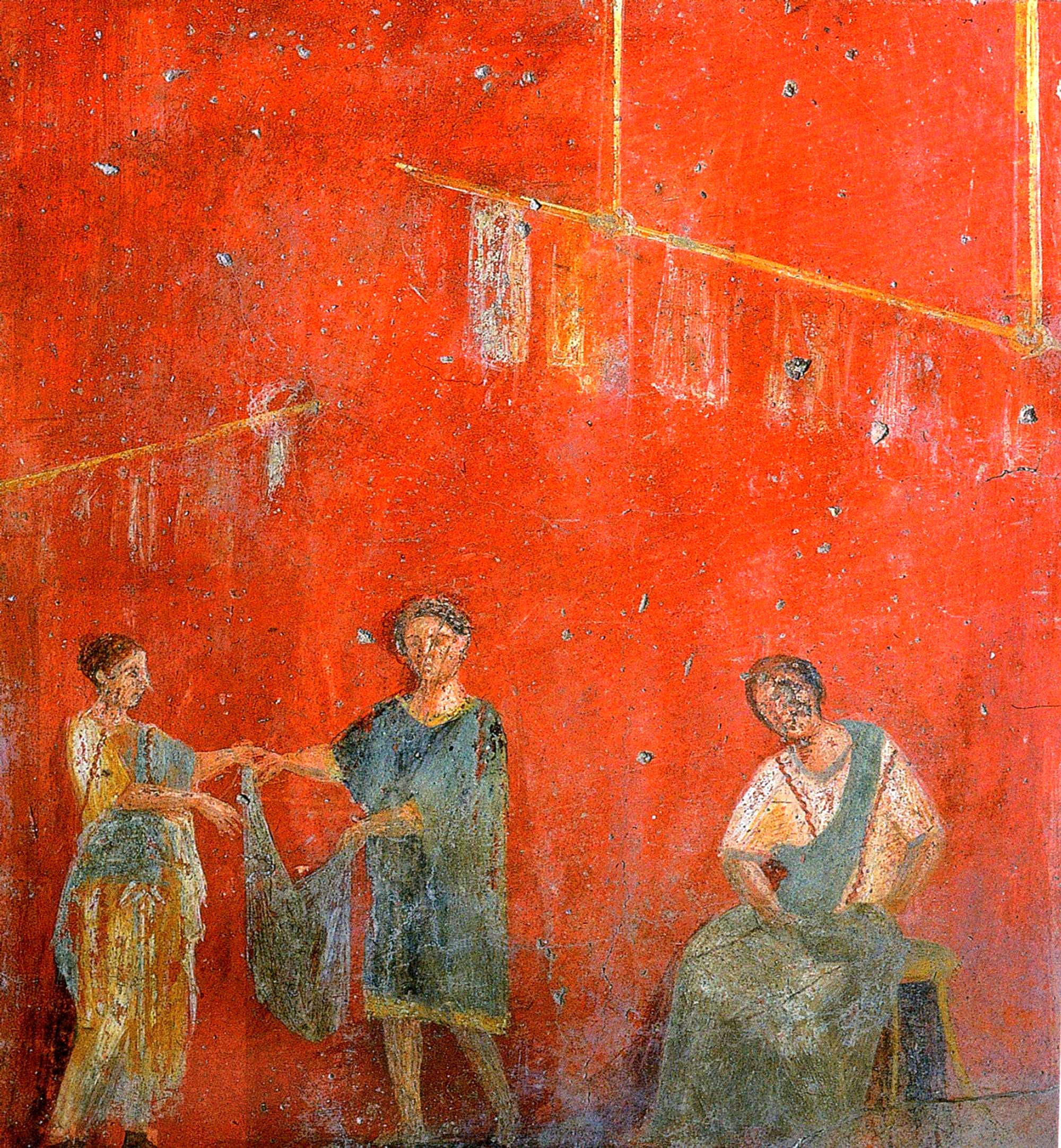
A broader interpretation identifies centonarii with the manufacture or distribution of low- and medium-quality woollen textiles and clothing, and that interpretation does not exclude involvement with reused material.
What Your Clothes Said About You
The clothing available within the Roman world ranged from coarse garments for common people and enslaved workers to expensive dyed wool, silk and highly decorated luxury textiles. Diocletian's Edict lists a coarse linen tunic specifically as being for “common people or slaves,” while other entries distinguish much more expensive qualities of cloth and finished clothing.
Material and decoration contributed to those distinctions, but the meanings attached to clothing were not always exclusive. Purple-coloured textiles, for example, are found archaeologically outside elite contexts, even though particular grades of shellfish purple were closely associated with high status. Less expensive dyes could produce related colours, while reused high-quality clothing and decorative textiles could pass to different owners.
Roman clothing also carried distinctions connected with legal and social position. Different forms of the toga identified adult citizens, magistrates, priests, candidates and freeborn children in particular contexts, while other garments and forms of dress could be associated with occupation, gender or region.
The surviving evidence records household textile production alongside professional weaving; large orders for finished garments alongside very small workshops; local production alongside textiles identified with famous centres; luxury silk and shellfish purple alongside coarse garments; and new clothing alongside repair, alteration, resale and reuse. The organization of these activities varied according to place, period, product and the status of those producing and consuming the textiles.
Alexandra Croom, Roman Clothing and Fashion.
Faith Pennick Morgan, Dress and Personal Appearance in Late Antiquity: The Clothing of the Middle and Lower Classes.
A. H. M. Jones, “The Cloth Industry under the Roman Empire.”
Marjorie Jerrard, “Organisation of the Roman Clothing and Textile Industry: Skill, Occupation, and the Gender-Segmented Workforce.”
Lena Larsson Lovén, “Female Work and Identity in Roman Textile Production and Trade: A Methodological Discussion.”
Lena Larsson Lovén, “Women, Trade, and Production in Urban Centres of Roman Italy.”
Kerstin Droß-Krüpe, “Textiles and their Merchants in Rome’s Eastern Trade.”
Pliny the Elder, Natural History
Livy, History of Rome
Cato the Elder, De Agricultura
Suetonius, Augustus
Columella, De Re Rustica
The Periplus of the Erythraean Sea
The Digest
Diocletian's Edict on Maximum Prices.
Ovid, Ars Amatoria

About the Roman Empire Times
See all the latest news for the Roman Empire, ancient Roman historical facts, anecdotes from Roman Times and stories from the Empire at romanempiretimes.com. Contact our newsroom to report an update or send your story, photos and videos. Follow RET on Google News, Flipboard and subscribe here to our daily email.
Follow the Roman Empire Times on social media: