
Follow the Money: What 4 Million Ancient Roman Coins Tell Us
Buried money traces Rome’s growing reach; and the civilian activity that helped coins remain in use long after they left the mint.

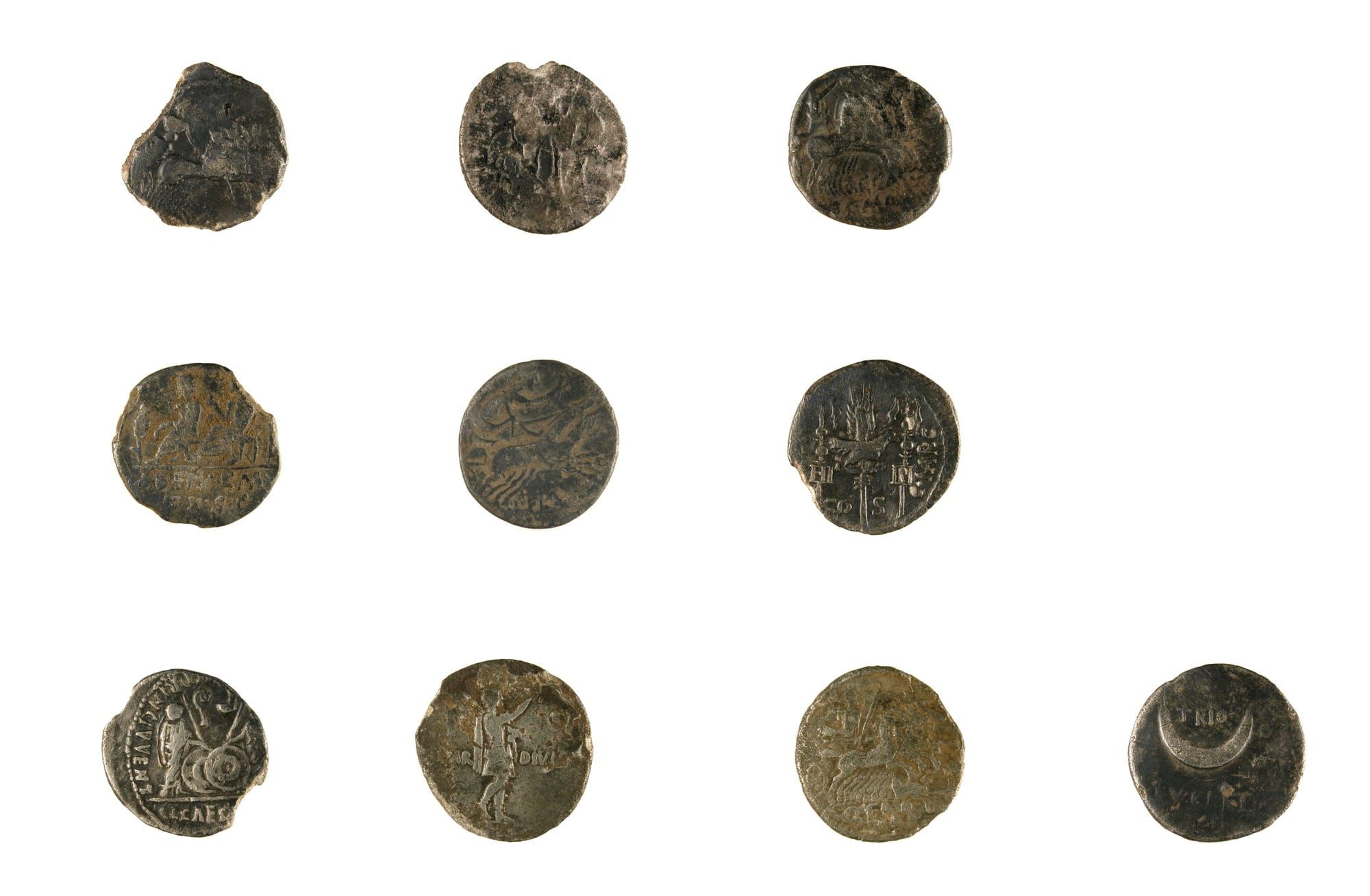
Roman money could travel with an army and settle into civilian life far from the place where it was struck. A study drawing on almost four million ancient coins finds that the geography of buried money was closely associated with towns, economic activity and civic institutions. Following those connections reveals how Roman currency became established across an expanding Mediterranean world.
Published in Humanities and Social Sciences Communications on 9 June 2026, the research examines coin-hoard evidence spanning 155 BC to AD 2, across the late Republic and the beginning of imperial rule. It connects minting places with findspots, then compares those patterns with archaeological information about settlements and transport networks.
The central question is what happened after money entered a region. Military expenditure helped distribute currency, while local institutions provided reasons to keep using and accumulating it. The coin record points towards a growing monetary network with strong regional differences, linking the movement of Roman power to the places where money remained.
A soldier’s payment could become a town’s money
Military pay and provisioning moved money into areas of conquest and occupation. Soldiers, suppliers and the communities around them participated in exchanges that could redistribute those payments beyond the army. The study places this military spending within a wider economy of households, landowners, merchants and public authorities, each receiving and spending resources through different relationships.
Yet the models found a much less consistent relationship between military installations and nearby coin finds than between coin finds and civic or economic infrastructure. Military sites sometimes showed no statistically significant association; some estimates were negative. The strongest local concentrations therefore require an explanation extending beyond the presence of troops.
The researchers interpret this as a difference between introducing currency and sustaining demand for it. Payments could move rapidly away from their initial recipients, while towns offered more enduring settings for monetary use and accumulation. This connection had earlier Republican roots: around 200 BC, state payments to veterans and contractors helped supply cash for expanding retail trade and deposit banking.
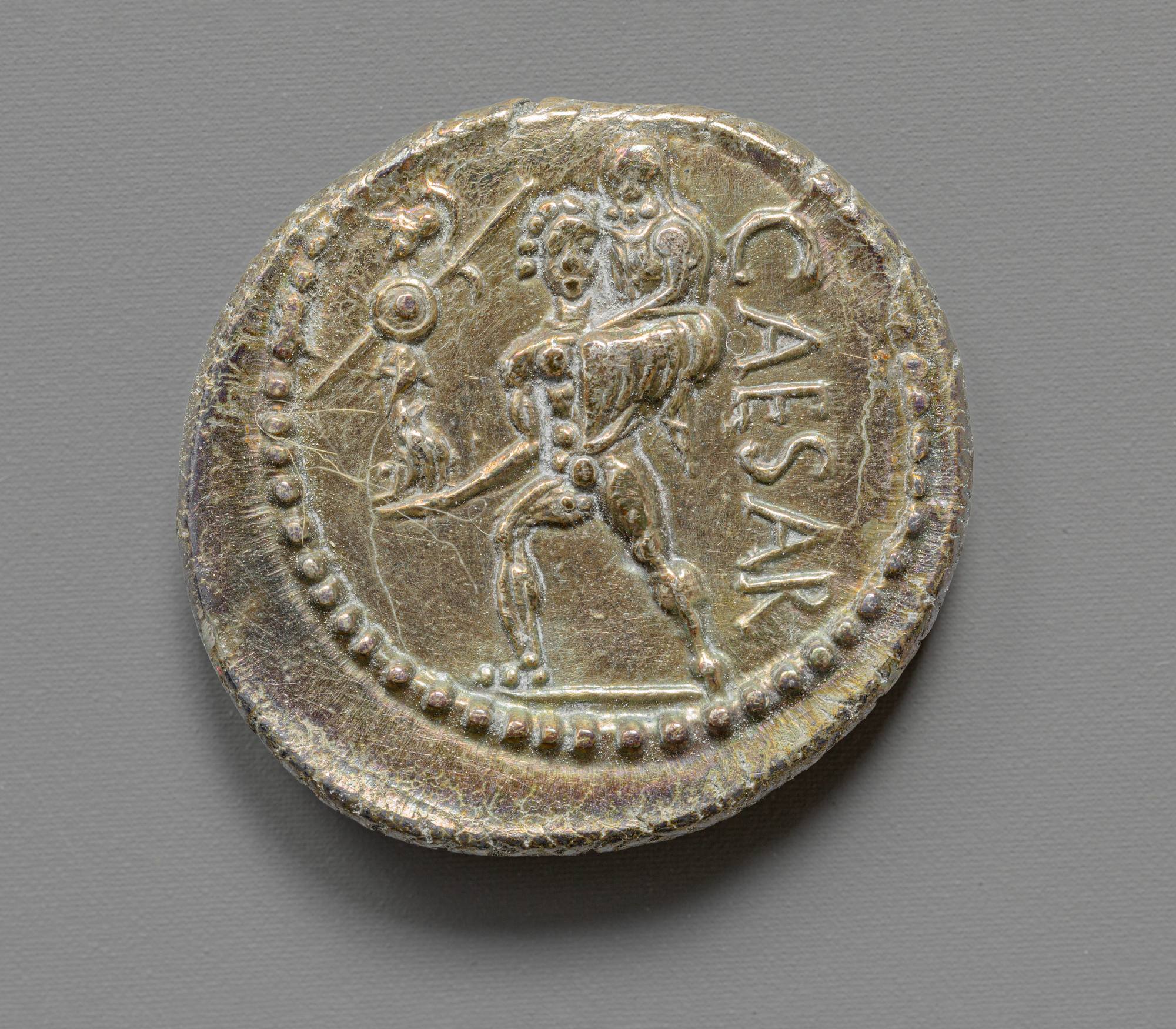
Four million coins, counted in a different way
The selected material comprises 3,988,711 coins with identifiable mints and findspots, drawn from Coin Hoards of the Roman Republic Online. Silver accounts for more than 99 per cent of that selection. The evidence belongs chiefly to the monetary world of the silver denarius, within the longer history of Roman coinage and its changing denominations.
Rather than allowing the largest recovered treasures to dominate the analysis, the researchers worked with records of coin issues associated with particular mint–findspot connections. Their density measure captures the variety of coin types represented at a location. A deposit containing many identical coins consequently contributes different information from a deposit bringing together numerous issues.
A hoard preserves a group of coins accumulated before burial or concealment. Its contents connect production somewhere with eventual deposition elsewhere, sometimes after a long interval. These are traces of monetary presence and retention, rather than a count of purchases, so the patterns describe where currency reached and accumulated without measuring the value of ancient trade.
Rome’s coins reached outward; and stayed close
Coins struck at Rome had a broad geographical distribution, consistent with the capital’s importance in state finance and redistribution. At the same time, a substantial concentration remained in central Italy. Rome appears in this evidence both as a source sending currency outward and as a centre attracting and retaining money.
The mapped concentrations also followed major Italian corridors. Clusters extended along the Via Appia and Via Flaminia and included Capua, Beneventum and Brundisium. The pattern connects monetary activity with established routes and urban centres, placing the capital within a network of settlements through which people, supplies and payments could move.
As the analysis follows Roman-minted issues over time, a larger share of the records appears farther from the central Italian core. The authors relate this changing distribution to the geographical expansion of state expenditure and administration. Money’s reach widened as newly incorporated territories became more closely involved in Roman fiscal and commercial relationships.
Regional mints had their own reach
The wider network also contained distinct regional concentrations. Coins associated with mints such as Narbo, modern Narbonne in southern France, and Massalia, modern Marseille, tended to cluster around their own areas. These distributions gave different places recognisable monetary connections within the larger system.
For Narbo, 55.3 per cent of the 311 findspots tabulated in the study lay within approximately 1,000 kilometres (621 miles) of the mint. That is a broad regional radius, encompassing much more than a town and its immediate countryside. The comparison concerns the geographical concentration of the records, rather than the original output of the mint.
The authors interpret these regional patterns as evidence that local monetary needs persisted alongside flows from Rome. A mint could serve exchanges and public demands within its surrounding region while participating in broader connections. Increasing integration therefore coexisted with local concentrations, rather than producing an identical pattern everywhere.
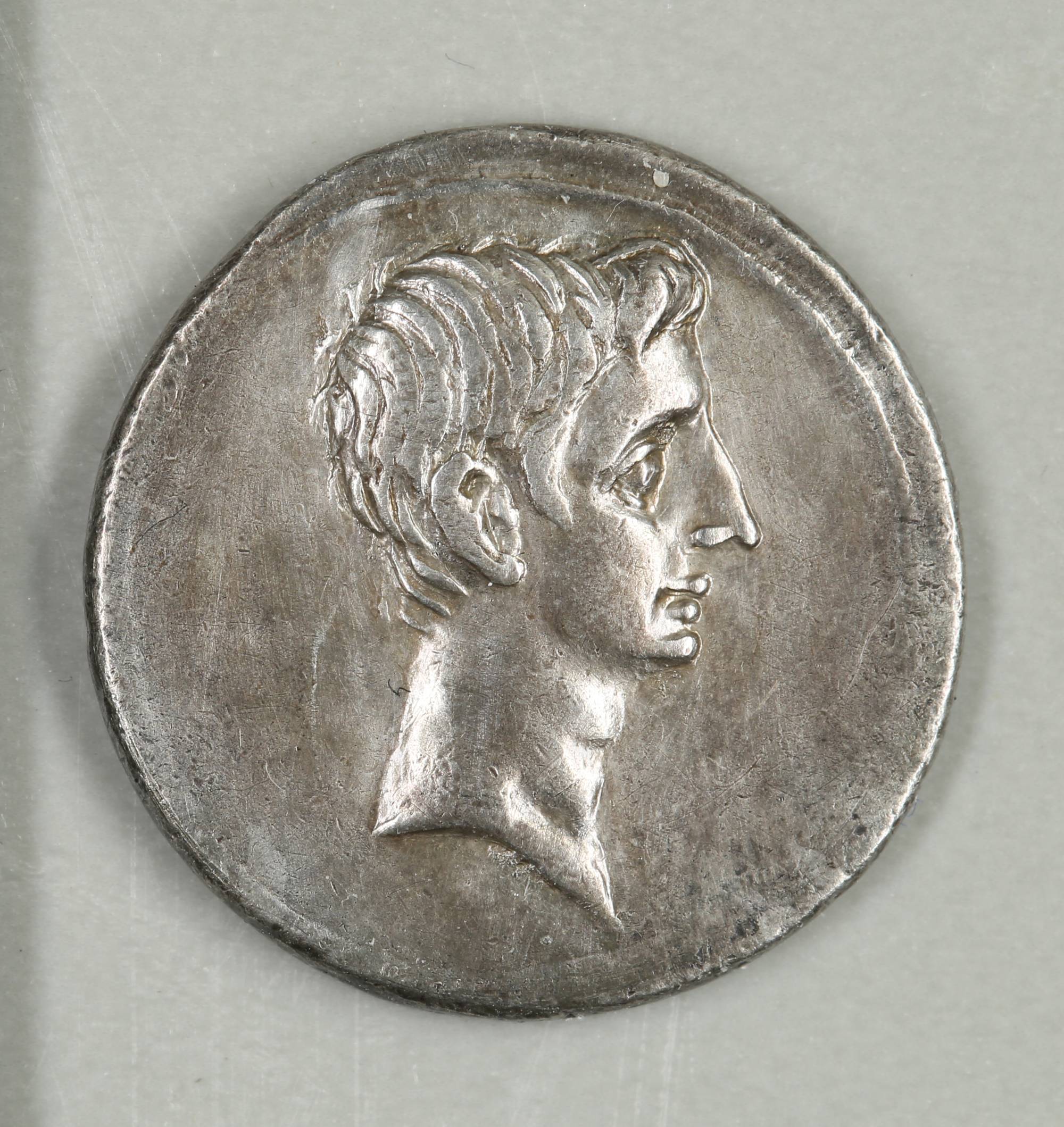
The journey mattered more than the straight line
To compare mints and findspots, the researchers used estimated travel time from Stanford’s ORBIS model. A journey through the Roman world could combine roads, navigable rivers and sea routes. Measuring the connection in travel days allows the analysis to account for accessibility more usefully than a simple line drawn between two points.
ORBIS represents a transport network centred on conditions around AD 200, later than the hoards examined here. The study uses it as an approximate framework for connectivity. Within that framework, coins generally became less likely to appear as travel time from their mint increased, while nearby finds from the same mint helped predict their presence.
The distance relationship weakened in the study’s later overlapping time windows. The authors read this as evidence consistent with growing monetary integration as Roman infrastructure and institutions developed. It complements research into the Roman road network’s regional hubs: connections between provincial centres could matter alongside the routes leading towards the capital.
The places that kept currency in use
Civic and economic infrastructure showed positive relationships with the density of coin records. Religious infrastructure also appeared in the analysis, connecting monetary presence with another kind of place where people repeatedly gathered. The findings associate accumulated currency with the durable settings of local activity, administration and exchange.
The authors describe a system shaped jointly by public expenditure and civilian demand. State payments helped introduce money into circulation; established communities provided continuing uses for it.
Following the money therefore brings the expanding Roman world into view through its towns and regional connections as well as its armies. The research describes wider monetary reach alongside persistent local concentrations. Its proposed next step – closer comparisons of individual places, coin deposits and building histories – would bring that broad pattern closer to the communities that produced it, and the exact reasons why they used it.


About the Roman Empire Times
See all the latest news for the Roman Empire, ancient Roman historical facts, anecdotes from Roman Times and stories from the Empire at romanempiretimes.com. Contact our newsroom to report an update or send your story, photos and videos. Follow RET on Google News, Flipboard and subscribe here to our daily email.
Follow the Roman Empire Times on social media: