
Roman Inscription Hidden in a Fortuna Wall May Date to the First Roman Emperor
A reused stone at Fortuna’s Roman baths preserves oversized letters, part of a name and a possible clue to a monumental building project.

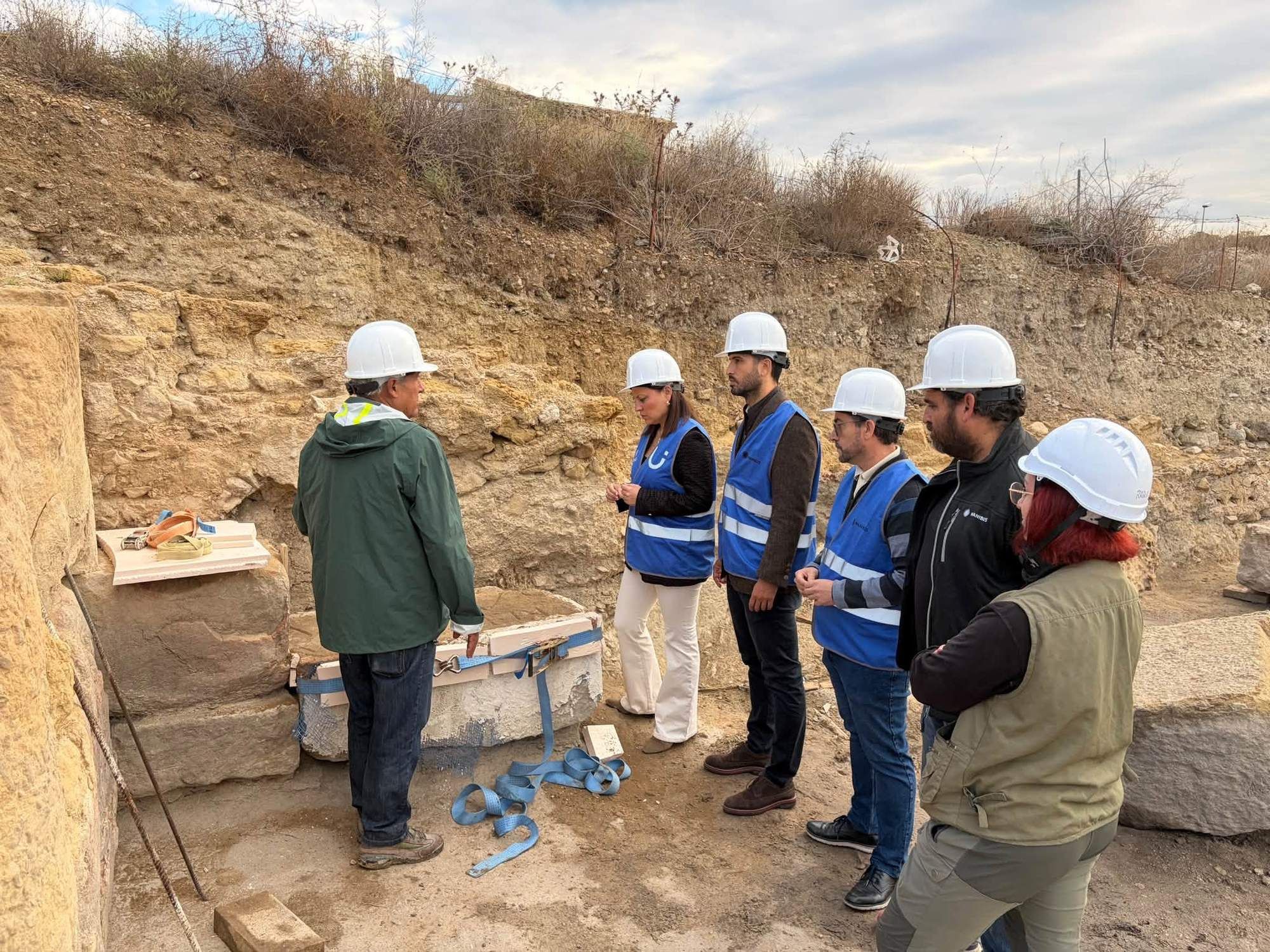
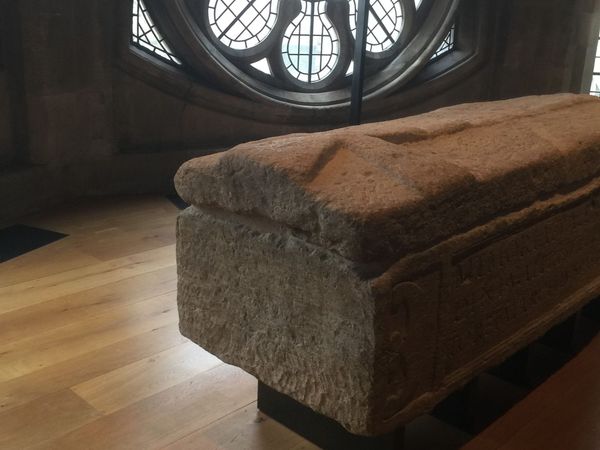
A stone reused in a wall at the Roman baths of Fortuna, in southeastern Spain, has yielded part of a monumental Latin inscription. Its largest letters reach 23 centimetres (9.1 inches) in height, and excavators estimate that the complete text originally extended for at least 4.8 metres (15.7 feet).
The find, announced on 20 October 2026, is being investigated by a University of Murcia team led by Gonzalo Matilla. A preliminary assessment of the letter forms suggests a possible connection with the time of Rome's First Emperor, Augustus. The surviving text includes part of a Roman personal name and an architectural clue.
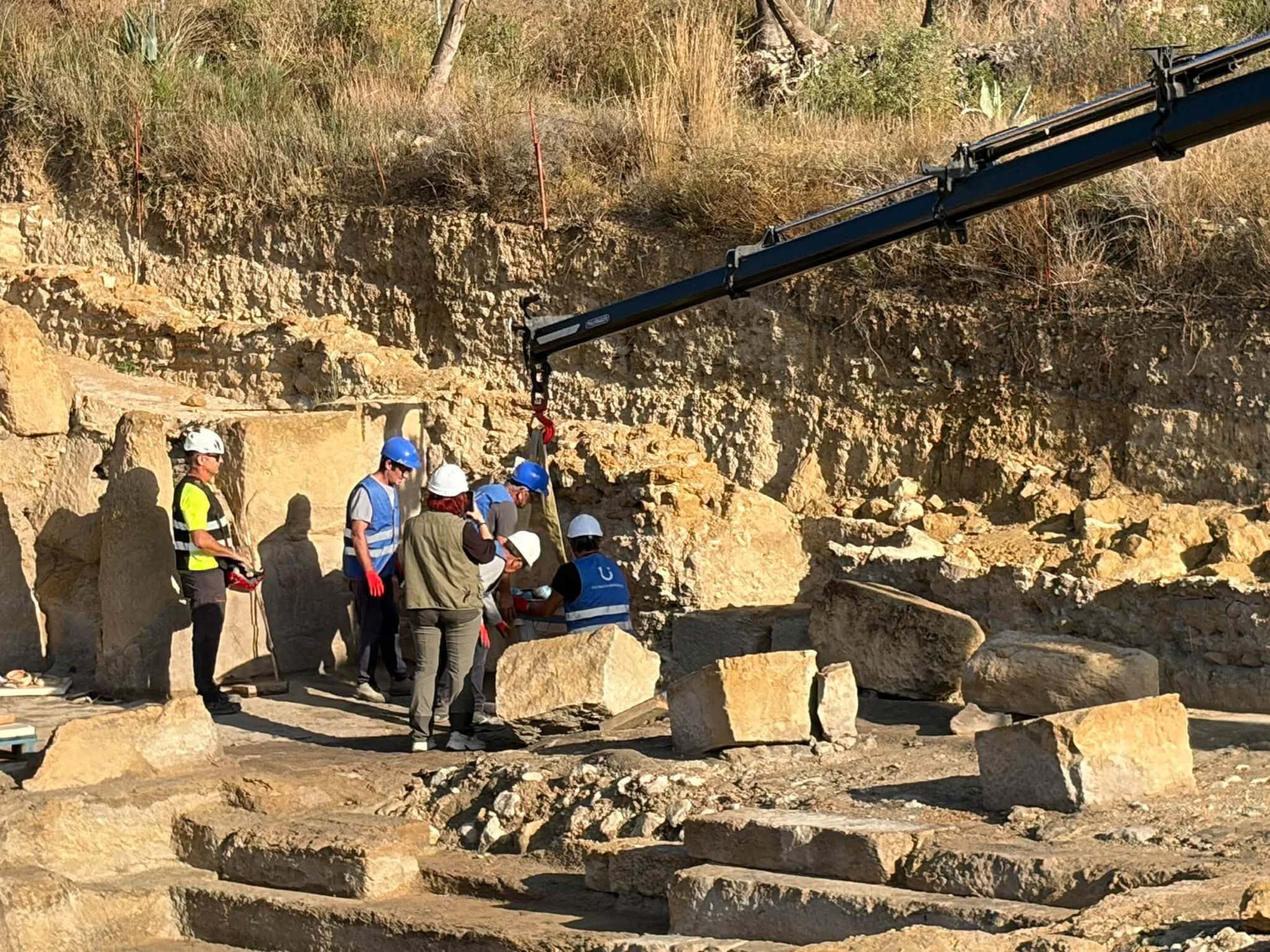
The stone is to be transferred to the Archaeological Museum of Murcia for study, documentation and conservation. Its recovery accompanies further clearance of the bathing pool and the outline of the main building, bringing a new written record into the investigation of the ancient thermal complex.
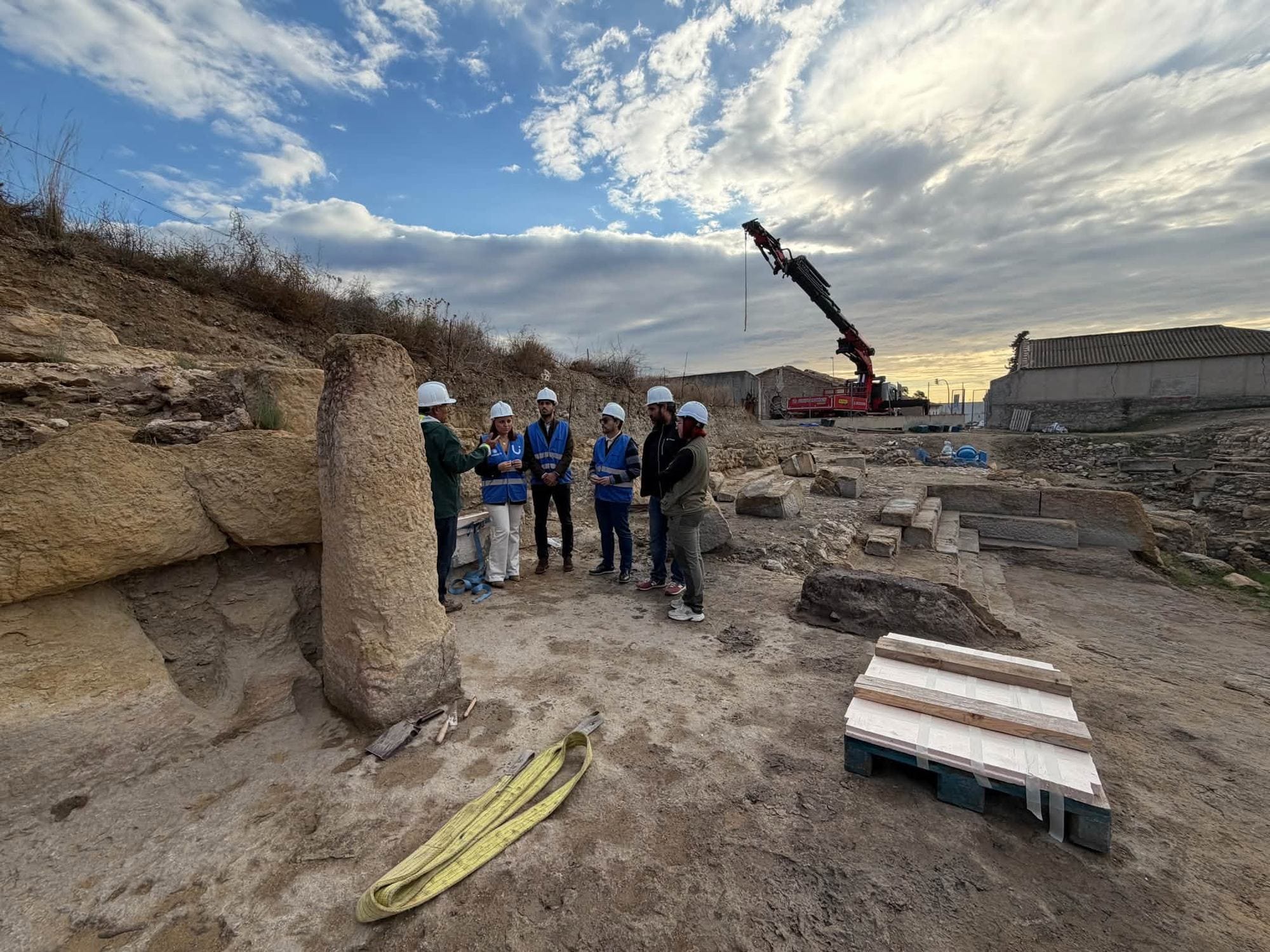
Two lines of unusually large letters
The inscription has two lines framed by mouldings above and below. Beneath the main line, the smaller letters are approximately 13 centimetres (5.1 inches) high. The excavation team places the lettering among a small group of monumental examples known from the Iberian Peninsula.
Within the Murcia region, the announcement identifies three inscriptions with similarly large characters, all from Cartagena, the ancient Carthago Nova. This is a comparison of letter size: the proposed length of the Fortuna inscription is a reconstruction from the surviving block and its lettering.
The municipal account reports the ending of a cognomen, an element of a Roman personal name. It also identifies a word connected with an architrave, the horizontal beam carried above columns, in the lower line. These details support the team's proposal that the text commemorated a monumental architectural intervention.
The possible connection with Augustus
The proposed Augustan connection comes from the preliminary examination of the carved letters. We must stress that the date remains under study, but still raises the possibility that the text belongs to the period of Rome’s first emperor Augustus, an era already considered important in the sanctuary’s development.
Earlier excavation research had already assigned the sanctuary's major rock-cutting and construction works to the Augustan period. A report published in 2003 drew on pottery, coins and building techniques for that assessment, and placed the complex's most intensive use throughout the first century AD.
The new block was found while archaeologists cleared material from a collapsed structure. It had been incorporated into a wall initially interpreted as the baths' northern enclosure. Its reuse shows that the wall contained older architectural elements; the inscription's original position remains to be established.
A sanctuary built around the spring
At Fortuna, naturally hot water lay at the heart of the architecture of the Roman baths. Excavations revealed a building partly cut into the hillside and partly constructed in stone, organised across descending levels around the source of the thermal water.
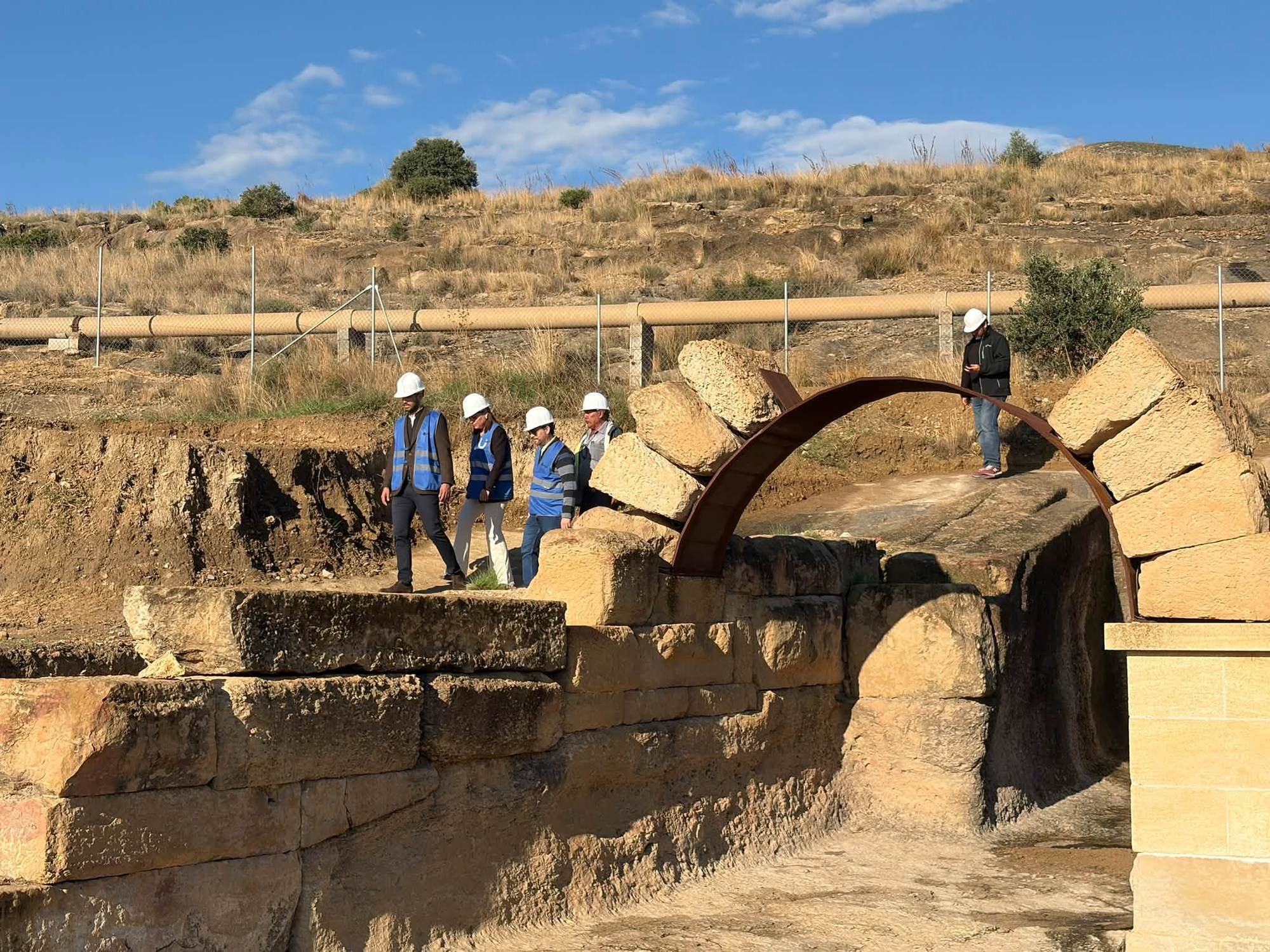
The excavated sanctuary included a semicircular arrangement of rock-cut steps around the fissure from which the water issued. Rectangular chambers opened on either side. Where the natural slope provided insufficient height, the builders completed the structure with carefully squared stone blocks. The report also documented a partially preserved lined channel alongside one of the lateral chapels, part of the route by which spring water was guided through the complex.
The earlier excavation report reconstructed a monumental entrance with arches and substantial masonry supports. A raised platform and a short flight of steps marked the approach. The researchers interpreted this frontage as a division between the sacred spring precinct and the rest of the bathing complex.
Visitors left coins and words beside the water
Coins recovered from the spring fissure and the channel leading away from it provided evidence for offerings (possibly of a religious nature), similar to today's 'good luck' fountain coin drops. The excavators interpreted them as gifts to the sanctuary's protective divinities, associated with visitors seeking healing from the waters.
The same report recorded fragments from two altars, adding another form of dedication to the archaeological record. One preserved its upper part with a small central opening for offerings and libations; the other survived through its lower portion. These objects belonged to the sanctuary's earlier excavated evidence.
Nearby Cueva Negra preserves Latin texts painted on its walls, including writing interpreted as votive testimony. Its cold springs and the baths’ thermal waters led researchers to examine how the two sacred places might have functioned together. The cave writing provides a local counterpart to the wider evidence of Latin inscriptions at Roman sanctuaries in Spain.
Excavations moved from rooms to the source
The baths have been investigated since the beginning of the 1990s. Early work concentrated on a rectangular building with rooms around a central space, interpreted as accommodation for visitors. Later analysis also considered storage or service functions connected with the nearby sacred complex. Two oval cisterns were also identified. Their proposed uses included storing drinking water or serving irrigation, while the functions of the surrounding rooms remained part of the investigation.
In 1999, excavation shifted northwards and located the ancient thermal spring. Subsequent campaigns exposed the rock-cut sanctuary, channels and architectural remains surrounding the water. This change of excavation area established the spring itself as a central part of the site's archaeological investigation.
The current intervention has completely cleared the bathing pool and made the perimeter of the main building easier to recognise. Alongside the recovery of the inscription, those results give the team a clearer view of the arrangement of the complex and its successive construction phases.
Museum study follows the stone’s extraction
The regional government has allocated €150,000 to this phase of work at Fortuna. The programme includes excavation in different parts of the site, recovery and documentation of structures and architectural blocks, and measures intended to improve conservation and the future presentation of the remains.
The baths have held Bien de Interés Cultural status, a Spanish cultural heritage designation, since 2016. The latest intervention continues years of University of Murcia research into the complex's development, its buildings and the exploitation of the thermal waters around which they were arranged. Back at the museum, specialists will be able to examine and document the inscribed stone under appropriate technical conditions, possibly providing us more detailed answers in the near future.
About the Roman Empire Times
See all the latest news for the Roman Empire, ancient Roman historical facts, anecdotes from Roman Times and stories from the Empire at romanempiretimes.com. Contact our newsroom to report an update or send your story, photos and videos. Follow RET on Google News, Flipboard and subscribe here to our daily email.
Follow the Roman Empire Times on social media: