
Roman Cave in Spain Holds at Least 120 Latin Inscriptions
A sanctuary at Cova Dones may hold the Roman Empire’s largest known collection of Latin cave inscriptions, with women’s names and vows to a goddess.

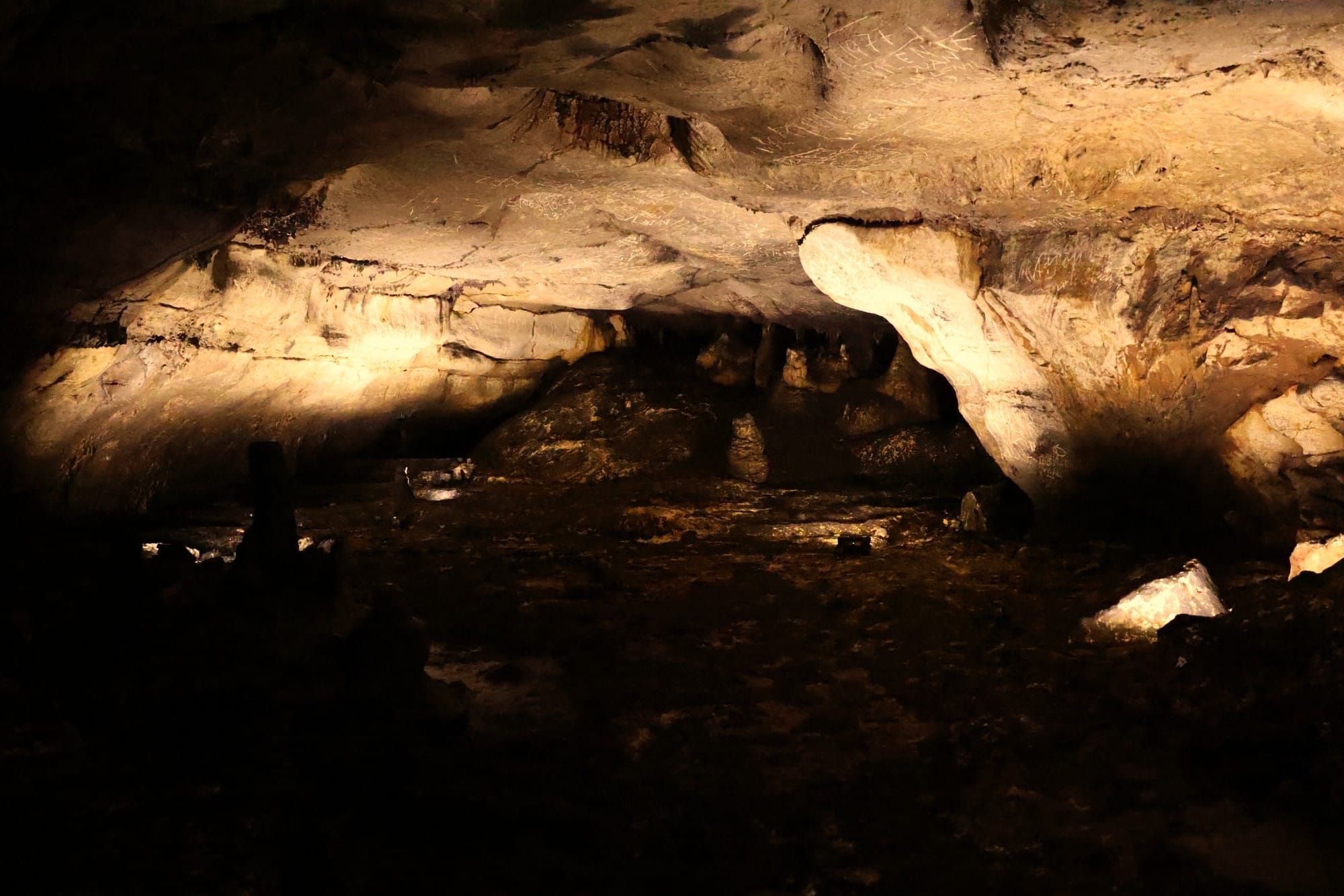
At least 120 Latin inscriptions have been recorded inside Cova Dones, a cave sanctuary at Millares in Spain’s Valencia province. Most are provisionally dated to the first and second centuries AD. The research team says the collection could be the largest known from a cave sanctuary anywhere in the Roman Empire, with several texts revealing women’s participation in the worship of a goddess.
The findings come from the May and June 2026 campaign of the DONARQ project, led by the universities of Alicante and Zaragoza. The Spanish universities announced the results on 27 July; the University of Southampton, which also participates in the research, issued its account on 20 October.
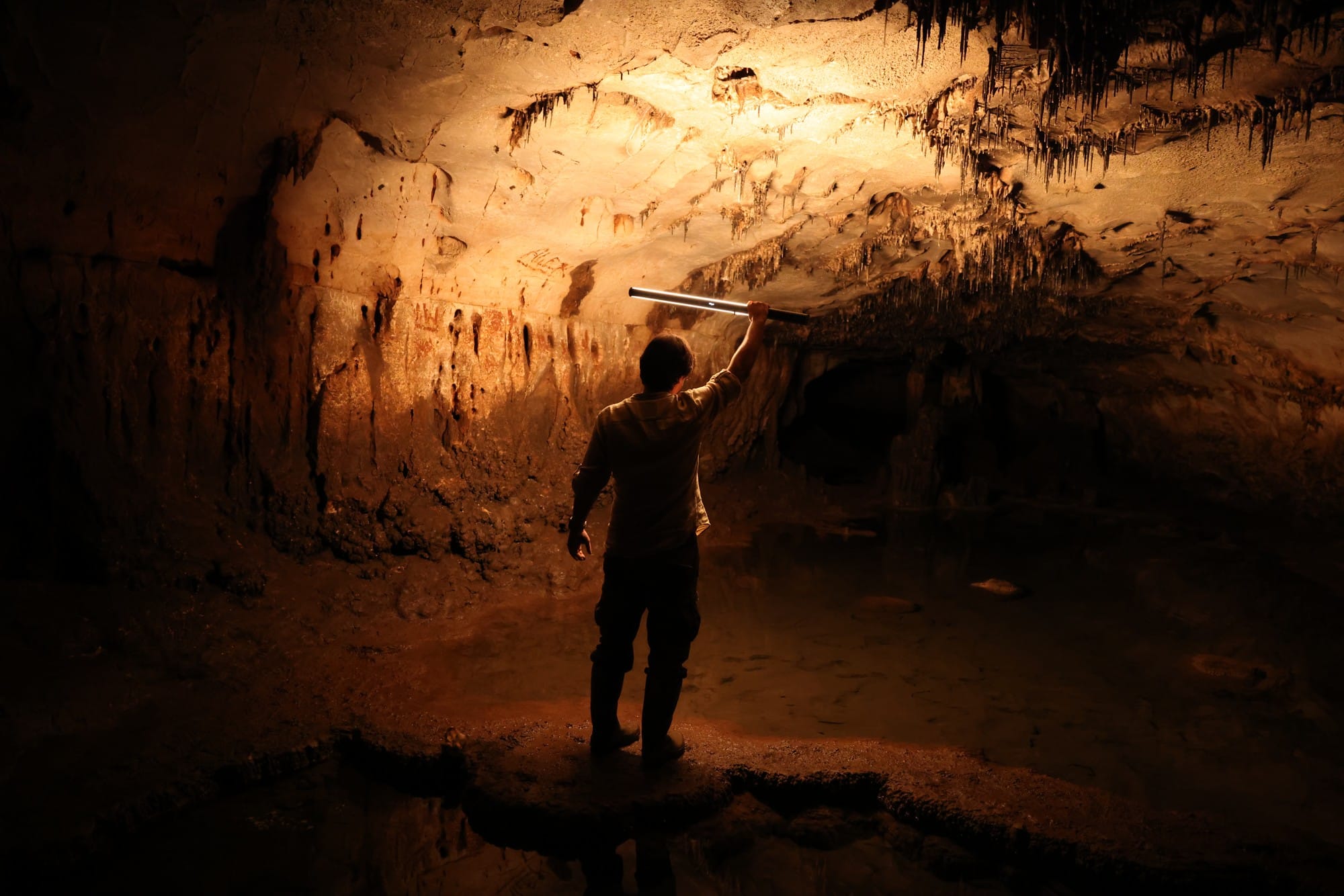
The sanctuary occupies a chamber more than 200 metres from the entrance. Inscriptions survive on its walls and ceiling, while objects interpreted as offerings remain within the same underground setting. Together, the writing and archaeological material are allowing researchers to investigate both the deity worshipped there and the people who visited her sanctuary.
The inscriptions that changed the count
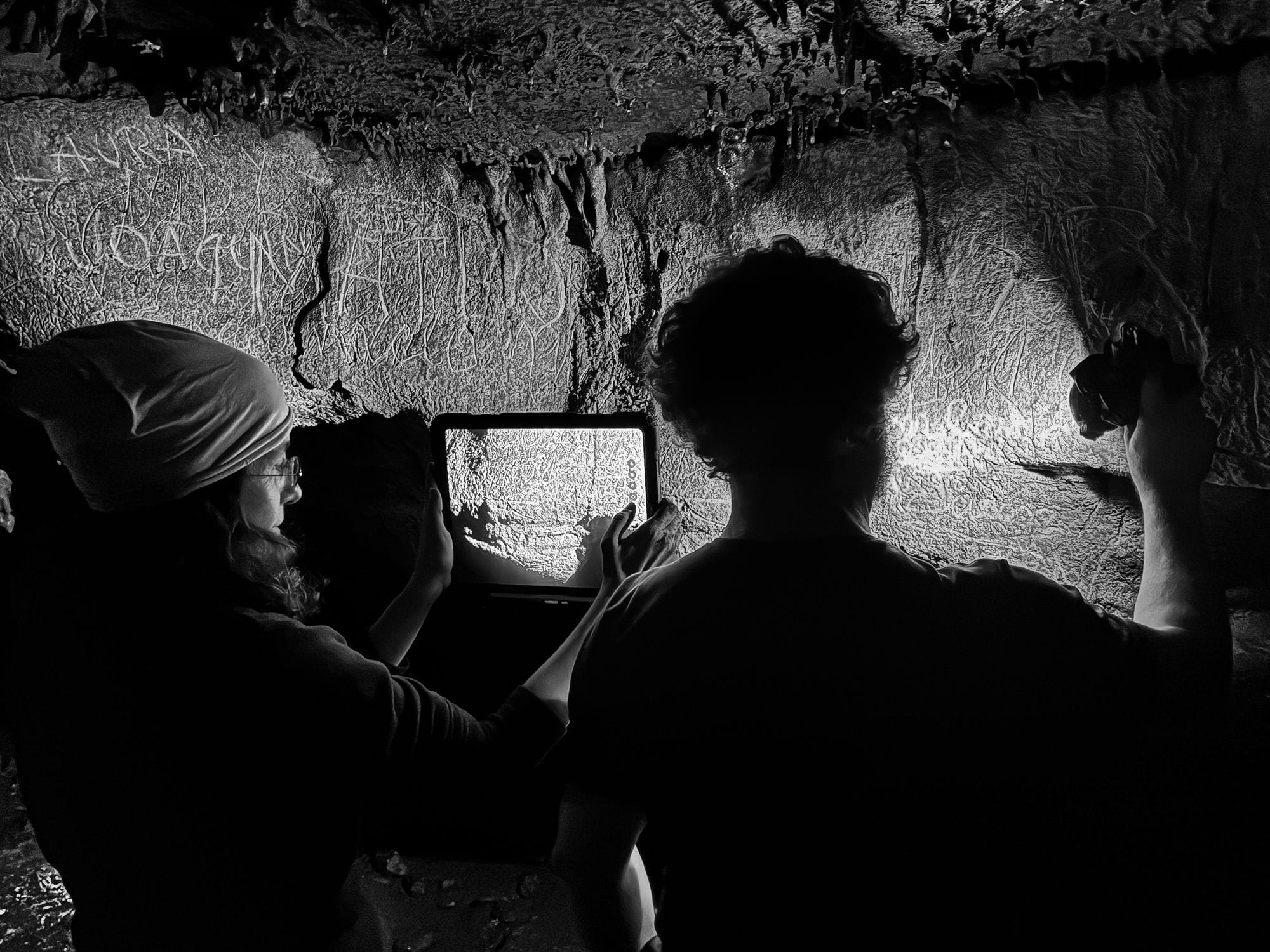
About fifteen Roman inscriptions were initially reported after the sanctuary’s identification in 2024. The latest campaign has expanded that total to at least 120. Many marks are exceptionally difficult to distinguish with the naked eye, making detailed recording essential to recognising the extent of the collection.
High-resolution photogrammetry helped the team identify previously unnoticed writing and separate inscriptions that had been treated as parts of a single text. These close examinations of scratched writing in the Roman world can change both the reading of individual messages and the number of texts recognised on a rock surface.
Southampton’s announcement compares the new total with La Griega, a cave sanctuary near Pedraza in Segovia, whose recorded collection numbers 107 inscriptions. That comparison concerns Latin writing in cave sanctuaries. Cova Dones is being assessed within this particular archaeological category, with the readings and final inventory still in progress.
A goddess called “the Lady”
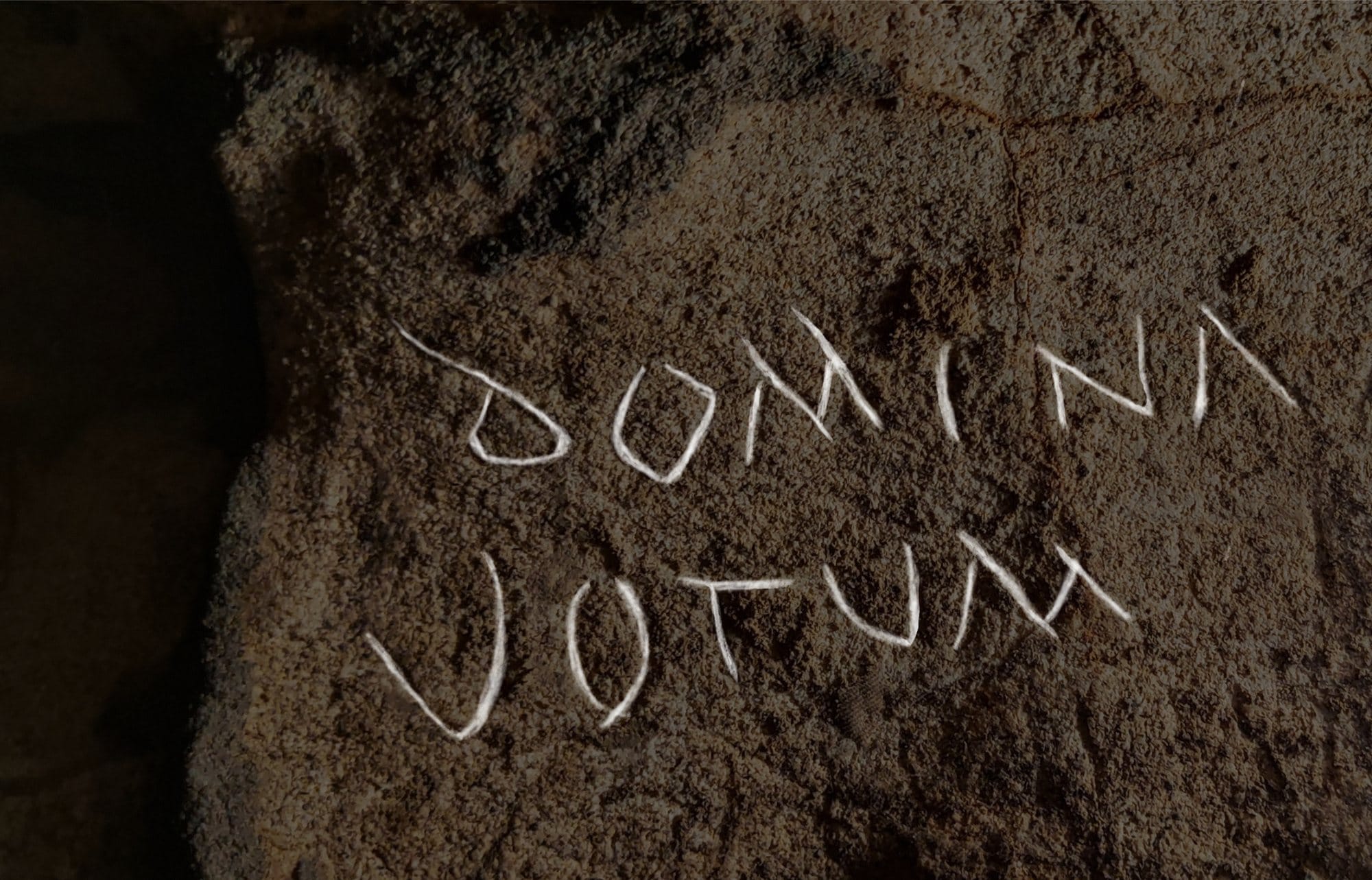
Five votive inscriptions provide the clearest evidence for the sanctuary’s Roman cult. They address a female deity as Domina, translated by the researchers as “the Lady”. The repeated dedication identifies a particular divine recipient for worship within the chamber, alongside the names of some of those who took part.
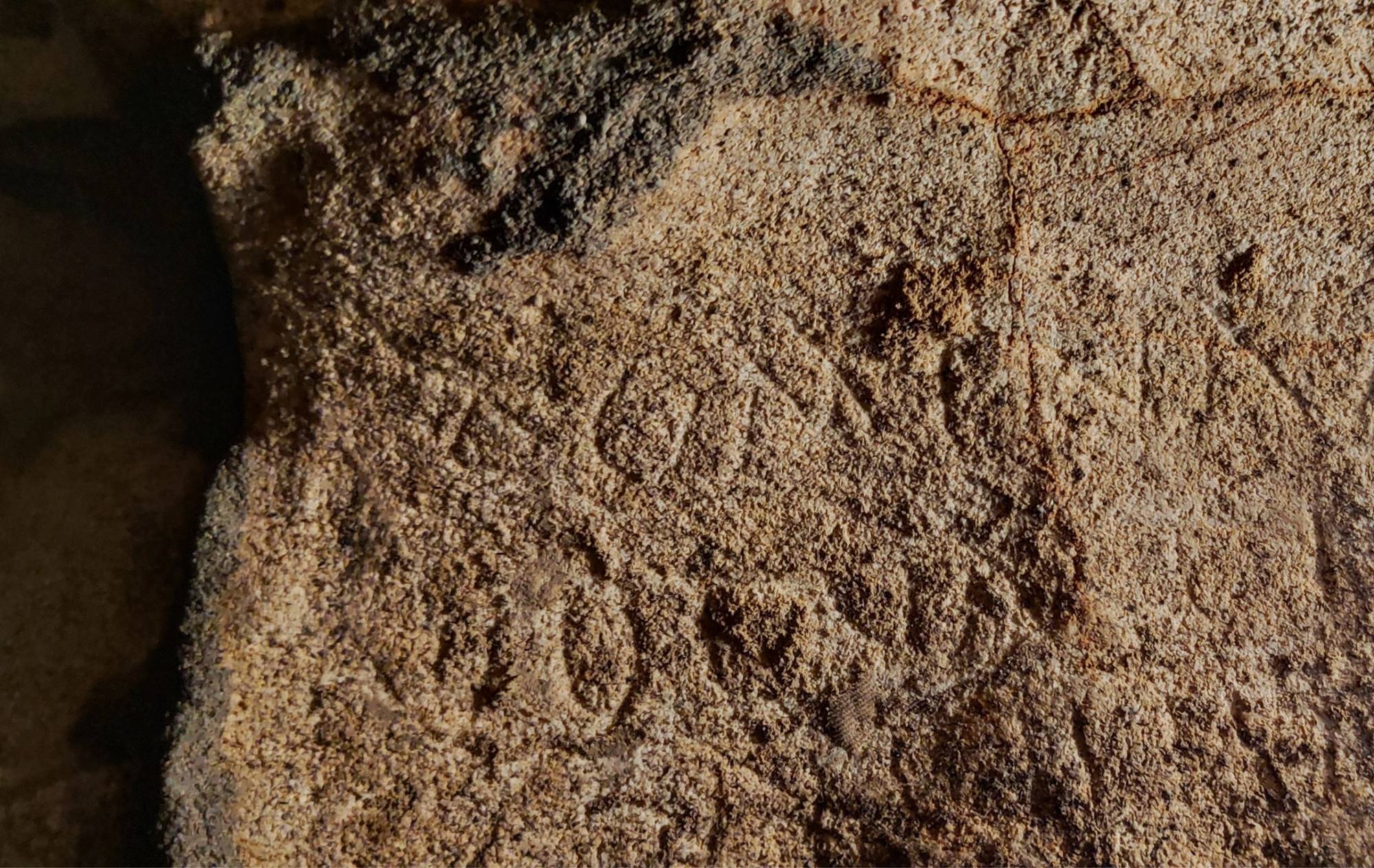
In three of these texts, the team reads the sequence “MALACI”. The Spanish announcement describes it as a previously unrecorded designation associated with the goddess. Its precise reading and meaning remain under investigation, including the possibility that the cult title had a connection with water.
The dedications cluster in a defined area well inside the cave. Researchers interpret the combination of a repeated divine title and a concentrated group of texts as evidence for an organised cult. The focus of their analysis is therefore the worship of this particular goddess in a specific underground space.
Women’s names and textile offerings
Several of the inscriptions contain female names, giving the team direct evidence that women frequented the sanctuary. Preliminary readings also suggest that some women wrote their own vows. This is one of the questions being examined as specialists work through the individual texts and their lettering.
The objects recorded in the chamber include numerous spindle whorls, components of implements used in Roman textile work. The project’s archaeologists interpret them as probable offerings of spindles. Because spinning was traditionally associated with women in antiquity, they see these finds as consistent with the female participation documented in the inscriptions.
Southampton reports that only one female name occurs in La Griega’s corpus. A scholarly re-examination of that site read the name as Valeria, revising an earlier suggested male reading. At Cova Dones, several women’s names can now be studied alongside the sanctuary’s material offerings.
Rings, pottery and a coin of Claudius
Water forms part of the sanctuary’s physical setting. Small natural pools, known as gours, retain water moving through the cave’s galleries. The team interprets these pools as places where visitors deposited offerings, bringing the natural features of the chamber into the study of its religious use.
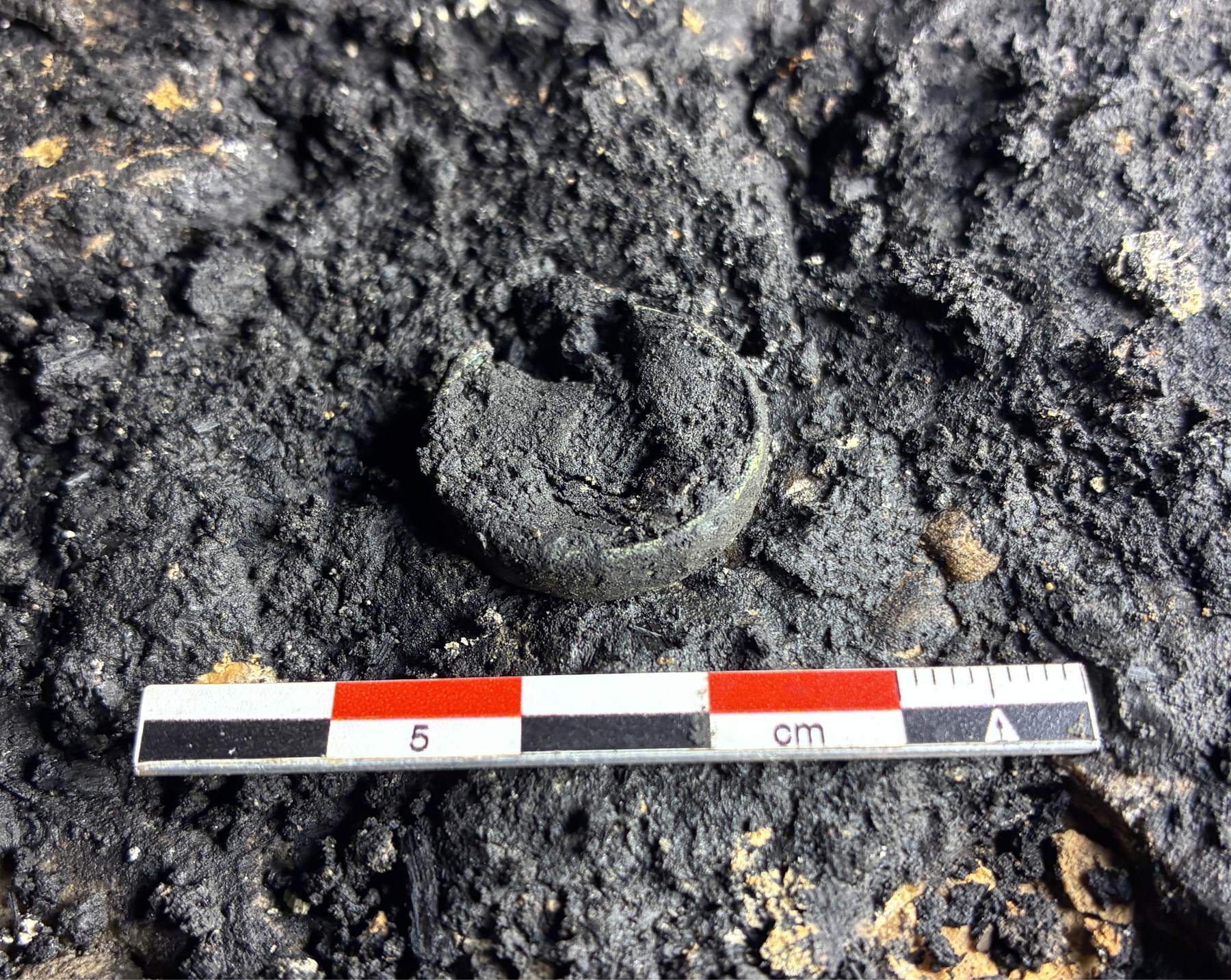
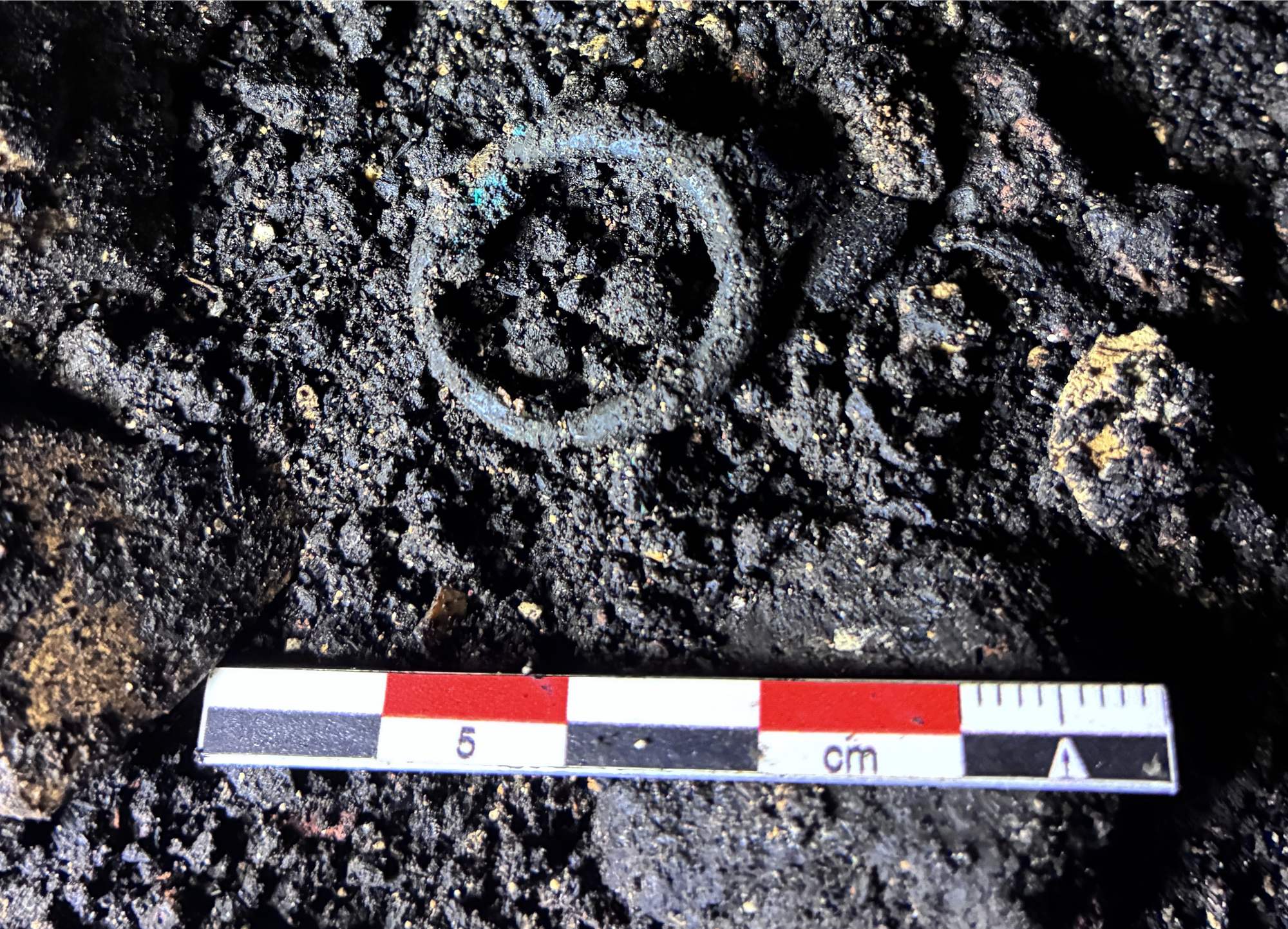
The 2026 campaign documented two bronze rings, a bracelet, chalice-shaped vessels, spindle whorls, pottery fragments and animal remains on the surface of the sanctuary area. The rings were found beneath the rock inscriptions. Recording the objects in their existing positions allows their relationship with the writing and the chamber to be investigated together.
An earlier find was a coin from the reign of Emperor Claudius, located during the 2024 work. The January 2025 announcement describes it as an offering placed between a fissure and a stalactite in the ceiling. Specialists at the Valencia Museum of Prehistory subsequently carried out its recovery and conservation.
Roman worship in a much older cave
Cova Dones consists of a gallery approximately 500 metres long, opening onto a steep canyon at Millares. Archaeological finds had led to its classification as an Iberian cave sanctuary by the 1960s. A peer-reviewed study published in 2025 records Iron Age material, Neolithic pottery and the newly identified Roman inscriptions within its longer history of use.
The cave’s Palaeolithic art was recognised in 2021 and presented in Antiquity in 2023. That study documented more than 110 painted and engraved motifs, including horses, deer and aurochs. Stylistic comparisons and a cave-bear claw mark overlapping finger-made traces led the authors to estimate that at least part of the art was over 24,000 years old.
Roman religious activity in an older decorated cave has a close parallel at La Griega. Academic study places its Roman inscriptions between the late first and third centuries AD and records dedications to local deities and offerings on natural ledges. These sites preserve evidence for Roman-period worship through both writing and the use of the cave’s surfaces.
The sanctuary’s next chapter
Much of Cova Dones still awaits detailed investigation, and numerous inscriptions remain to be read. The DONARQ project brings together specialists in Roman religion and epigraphy, three-dimensional recording, cave formations and prehistoric art. Their work examines the inscriptions alongside the objects and natural features that survive around them.
The universities have also announced conservation and public-access work for 2026, including improvements to the entrance, safety measures, a digital twin and cataloguing of the Palaeolithic imagery. The project is supported by the Valencian government’s Pla Restaura programme and Millares town council, with virtual visits among the intended ways of sharing the cave.
The expanding inscription collection gives the Roman sanctuary a much clearer religious identity: repeated vows to a goddess, women named among its visitors and offerings preserved beneath the writing. Further readings will help establish the meaning of her distinctive cult title and develop the picture of how people worshipped in this chamber.


About the Roman Empire Times
See all the latest news for the Roman Empire, ancient Roman historical facts, anecdotes from Roman Times and stories from the Empire at romanempiretimes.com. Contact our newsroom to report an update or send your story, photos and videos. Follow RET on Google News, Flipboard and subscribe here to our daily email.
Follow the Roman Empire Times on social media: