
Rome’s Priests Used the Secret Sibylline Books in Times of Disaster
A guarded collection of Greek verses helped Rome prescribe rituals during war and crisis. Its history runs from a royal legend to Augustus’s temple.

Rome kept a collection of prophetic verses under official guard and consulted it when the state faced war, disease or alarming signs. Known as the Sibylline Books, these writings gave a select priesthood a way to recommend religious action. Their contents were closely protected, even when the ceremonies that followed involved much of the population.
The books belonged to Roman public religion, where maintaining a favourable relationship with the gods was a responsibility of government. Senators decided when a crisis required a consultation; the priests examined the verses and returned their advice. Our account of how Romans worshipped their gods places those official obligations alongside household and civic practice.
The institution lasted beyond the Republic and became part of the religious arrangements of the emperors. Its history combines a famous story about a king buying three books, documented consultations during wartime, and a collection rebuilt after a destructive fire. The restriction on reading the verses coexisted with rituals performed openly in Rome.
The King Who Bought the Last Three Books
The traditional purchase story concerns Tarquinius Superbus, Rome’s last king. In the account preserved by Dionysius of Halicarnassus, a foreign woman offered him nine books of Sibylline oracles. He rejected her price. She burned three, returned with six, and demanded the original sum. A second refusal led her to burn another three.
Tarquinius then consulted the augurs, religious specialists who interpreted signs. They advised him to buy the remaining volumes at the price originally requested. The woman handed them over and disappeared. This is an ancient foundation legend: it explains the exceptional value attributed to the collection and the duty to protect it, rather than supplying a verified record of the transaction.
Dionysius says the king entrusted the books to two distinguished citizens assisted by two public slaves. The same narrative gives a severe punishment for a custodian accused of betraying his trust. Later scholarship treats that punishment story as an expression of the ideal of secrecy; the historical record also contains occasions when an oracle reached the public.

A Priesthood With Restricted Access
The guardians’ title changed as their numbers increased. The original two became a college of ten in 367 BCE, with five places reserved for plebeians alongside five patricians. Under Sulla the number rose to fifteen. These later guardians were the quindecimviri sacris faciundis, the fifteen men responsible for conducting sacred rites connected with the books.
Their work followed an official procedure. The Senate ordered a consultation on a public matter; the priests read the collection in private with the assistance of public slaves. They transmitted a response to the senators, who decided whether to accept it and instruct the magistrates to carry out its prescriptions. Consultation generated written decisions as well as religious ceremonies.
Many members of the college also belonged to Rome’s political elite. A peer-reviewed examination of consultations between 367 and 104 BCE argues that the Senate used the priesthood to pursue political objectives through religious authority. The institutional connection was direct: the body requesting advice also controlled the public action taken in response. Dionysius described the guarded collection in Roman Antiquities:
In short, there is no possession of the Romans, sacred or profane, which they guard so carefully as they do the Sibylline oracles.
Private Verses, Public Ceremonies
The war against Hannibal repeatedly brought the books into use. After the defeat at Trebia in 218 BCE, Livy describes alarming reports from Rome and Italy and a programme of expiation. Religious acts included sacrifices, offerings, public supplication and a lectisternium, a ceremonial banquet in which couches were prepared for divine guests.
After Hannibal’s ambush at Lake Trasimene in 217 BCE, the dictator Fabius Maximus asked the Senate to order another consultation. The priests’ recommendations included a vow to Mars, games for Jupiter, and temples for Venus Erycina and Mens, a deity associated with understanding. Livy also describes public supplication and a three-day banquet for twelve gods.
The secrecy concerned access to the verses, while these responses were highly visible. Modern scholarship interprets the wartime ceremonies as a means of addressing popular fear and bringing the community into collective religious action. In Livy’s narrative, the government answered a military emergency with a programme that required vows, expenditure and participation throughout the city.
An Oracle Brought the Great Mother to Rome
One consultation prompted the arrival of a new state cult. In 205 BCE, while Hannibal remained in Italy, reports of showers of stones led to an examination of the books. Livy relates that the priests found a prediction connecting victory over a foreign invader with bringing the Idaean Mother from Pessinus to Rome.
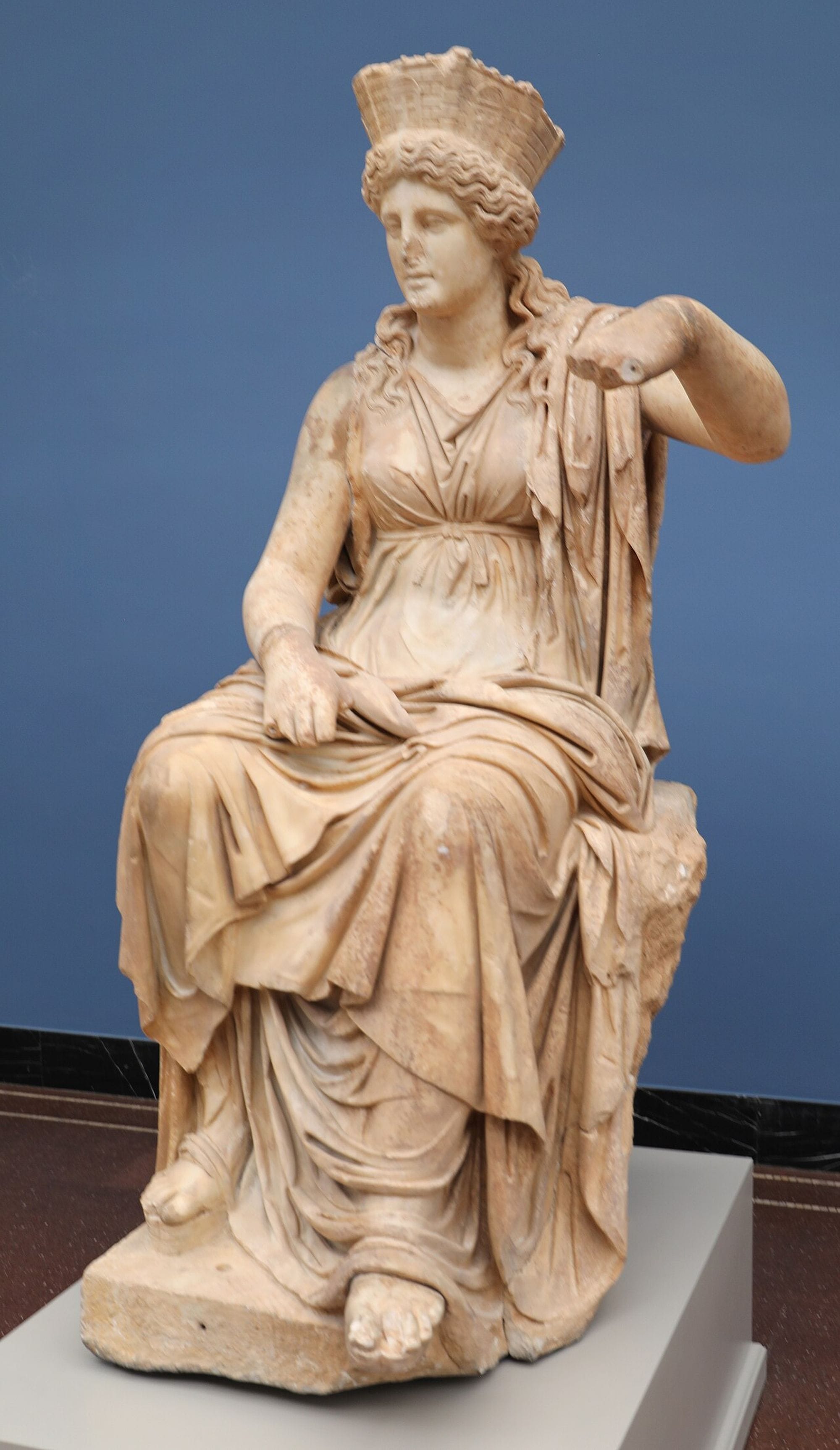
The Idaean Mother was the goddess worshipped by the Romans as Magna Mater, the Great Mother, and commonly identified with Cybele. Pessinus lay in Phrygia, in present-day Turkey. Rome sent an embassy eastward, consulted Apollo’s oracle at Delphi on the journey, and sought help from King Attalus. Livy describes the object handed over as a sacred stone.
The goddess reached Rome in 204 BCE. Publius Cornelius Scipio Nasica was selected to receive her, and Roman matrons helped bring her into the city. Livy records offerings, prayers and a feast. A consultation conducted by a restricted group had therefore produced a diplomatic mission and a public reception, extending well beyond the room where the books were read.
The Collection Was Rebuilt After a Fire
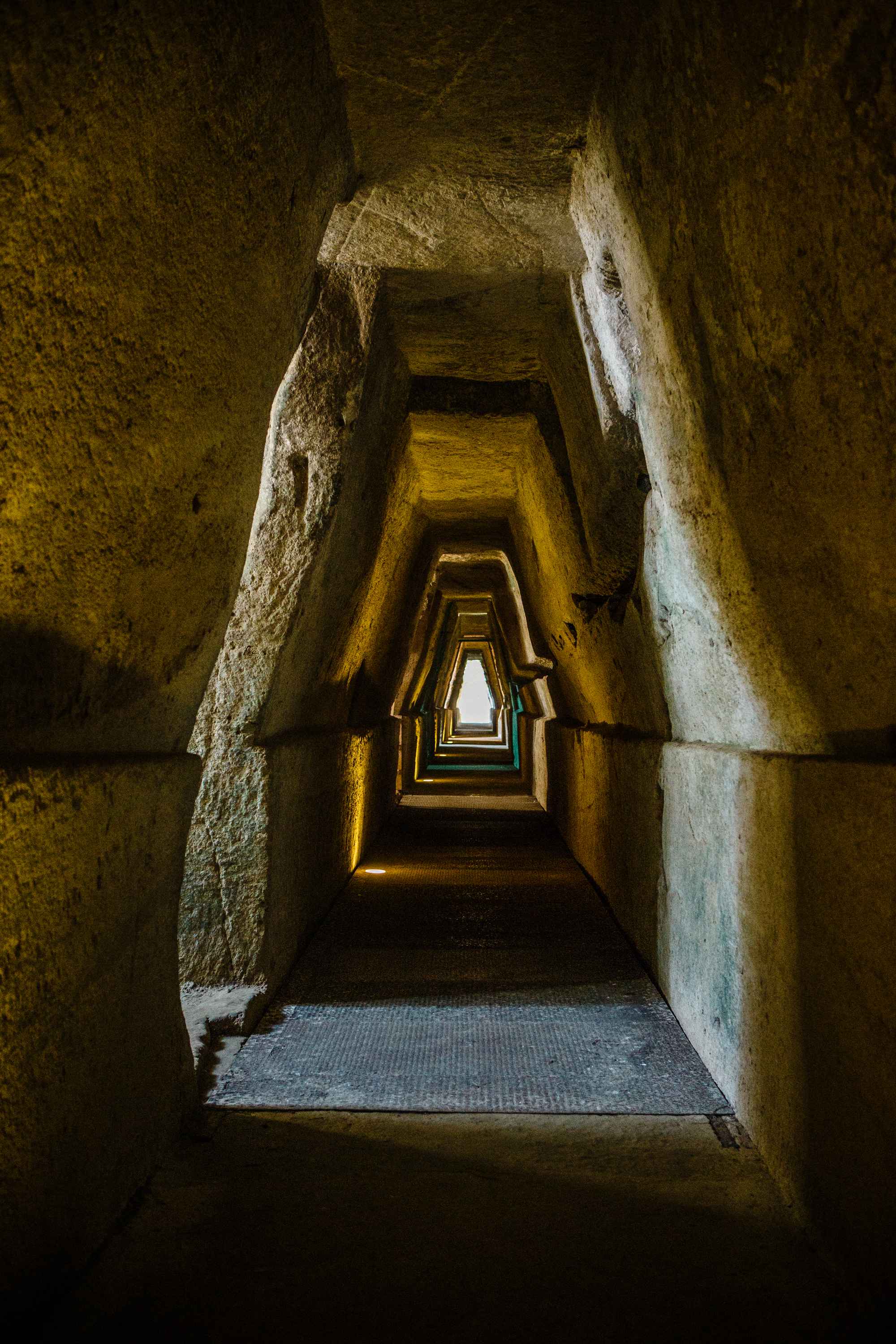
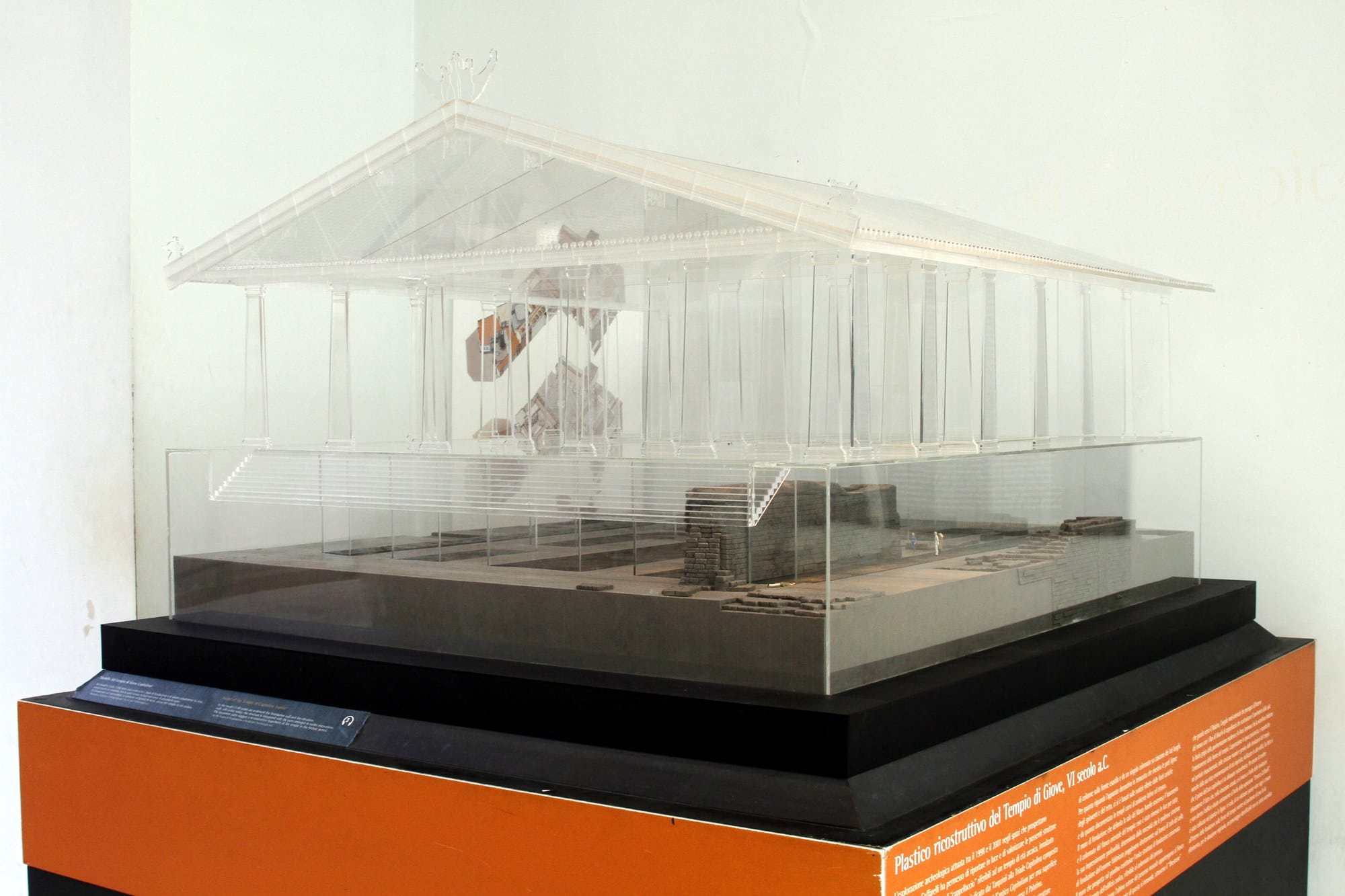
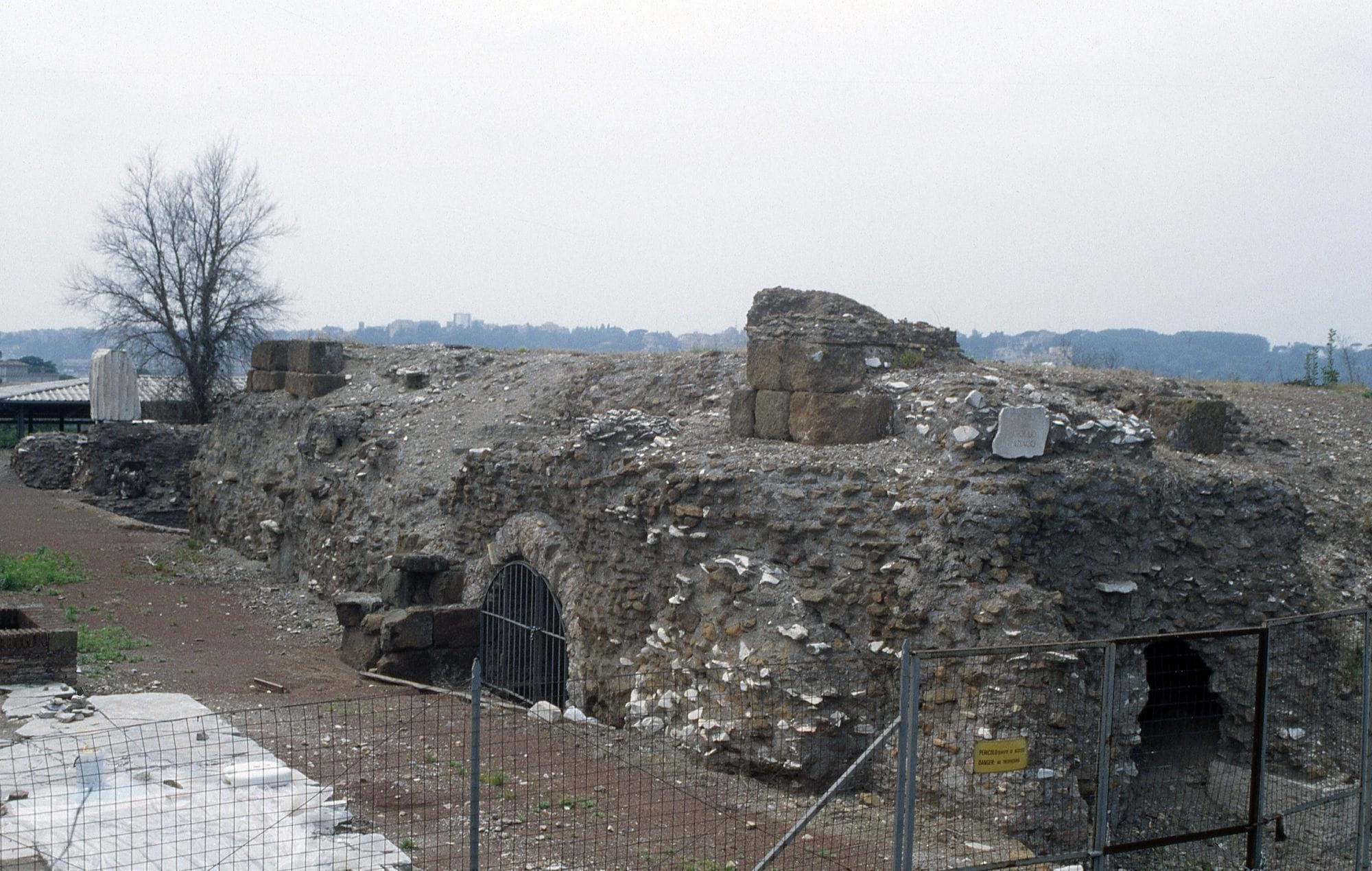
The original Roman collection was destroyed when the Temple of Jupiter on the Capitoline Hill burned in 83 BCE. Dionysius describes the books as having been kept underground in the temple, inside a stone chest. The fire consumed the oracles together with the offerings stored in the sanctuary, ending the history of that particular collection.
Rome assembled replacements from several locations. Ancient testimony names cities in Italy and Erythrae, on the Aegean coast of present-day Turkey, among the sources. A senatorial commission collected verses in 76 BCE, and the priests had to assess material circulating under the Sibyl’s name. Dionysius mentions acrostics as a way of distinguishing genuine verses from interpolations.
Scholarly analysis of the priestly archive emphasizes the official recognition of these replacement texts. The collection’s authority depended on acceptance by the priests and Senate, and the process of divination continued with a reconstructed body of material. The institution survived the loss of the earlier books because Rome gathered and approved verses to take their place.
Augustus Placed the Books Beneath Apollo
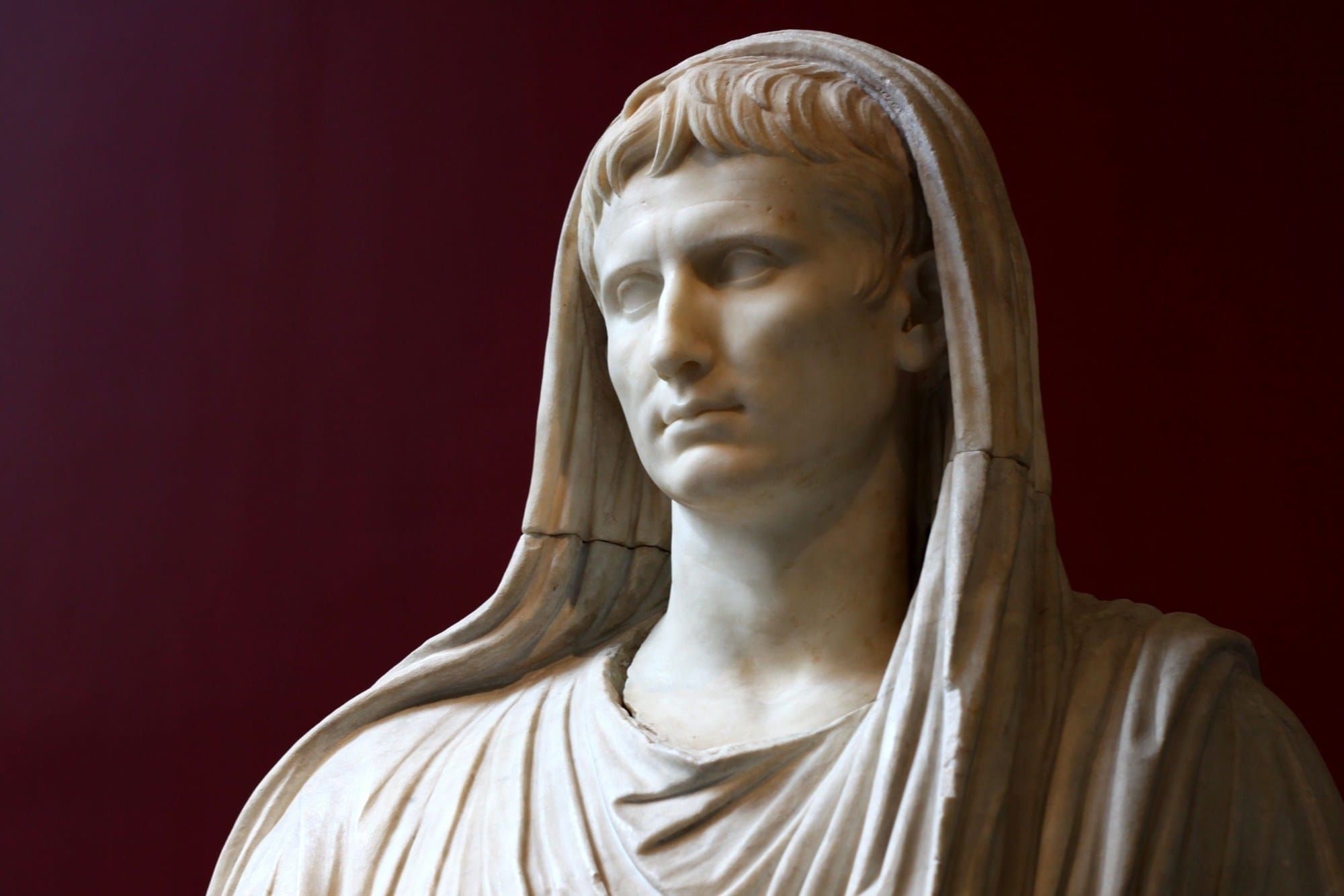
The collection acquired a new setting under Rome’s first emperor Augustus. Suetonius associates his handling of prophetic writings with his assumption of the office of pontifex maximus, Rome’s chief priest. He says Augustus collected anonymous or poorly attributed Greek and Latin predictions and burned more than two thousand, retaining the Sibylline Books after further selection.
The approved books were deposited in two gilded cases beneath the pedestal of Apollo’s statue in the god’s Palatine temple. Suetonius describes that temple as adjoining Augustus’s residence, with colonnades and Greek and Latin libraries. The guarded oracles now occupied a sanctuary closely connected with the emperor’s home and religious activity.
Across these changes, the recurring arrangement remained restricted reading followed by official action. Scholarship on secrecy argues that controlling the verses protected the authorities’ ability to interpret them, while occasional publication shows that the boundary could be crossed. Rome’s response to disaster depended on who could read the books, who approved the answer, and which ceremonies the public was instructed to perform.
Renee Nicole O’Brien and Frederik Juliaan Vervaet, “Priests and Senators: The Decemuiri Sacris Faciundis in the Middle Republic (367–104 BCE),” Revue des Études Anciennes 122.1 (2020), 85–106.
Susan Satterfield, “Notes on Phlegon’s Hermaphrodite Oracle and the Publication of Oracles in Rome,” Rheinisches Museum für Philologie 154 (2011), 117–124.
John Scheid, “Les Livres Sibyllins et les archives des quindécemvirs,” in La mémoire perdue: Recherches sur l’administration romaine (1998), 11–26.
Dionysius of Halicarnassus, Roman Antiquities 4.62; translated by Earnest Cary, Loeb Classical Library, volume II (1939).
Livy, History of Rome 21.62 and 22.9–10; translated by D. Spillan and Cyrus Edmonds (1868).
Livy, History of Rome 29.10–11 and 29.14; translated by Cyrus Edmonds (1850).
Suetonius, Life of Augustus 29 and 31; translated by J. C. Rolfe, Loeb Classical Library (1914).

.jpg)


.jpg?ref=romanempiretimes.com)
About the Roman Empire Times
See all the latest news for the Roman Empire, ancient Roman historical facts, anecdotes from Roman Times and stories from the Empire at romanempiretimes.com. Contact our newsroom to report an update or send your story, photos and videos. Follow RET on Google News, Flipboard and subscribe here to our daily email.
Follow the Roman Empire Times on social media: