
Rome's Water Rules and How they Served Cities, Sanctuaries and Farmers
A polluted stream, a sacred spring and unstable riverbanks show how Roman authorities weighed health, worship, ownership and the work of cultivators.

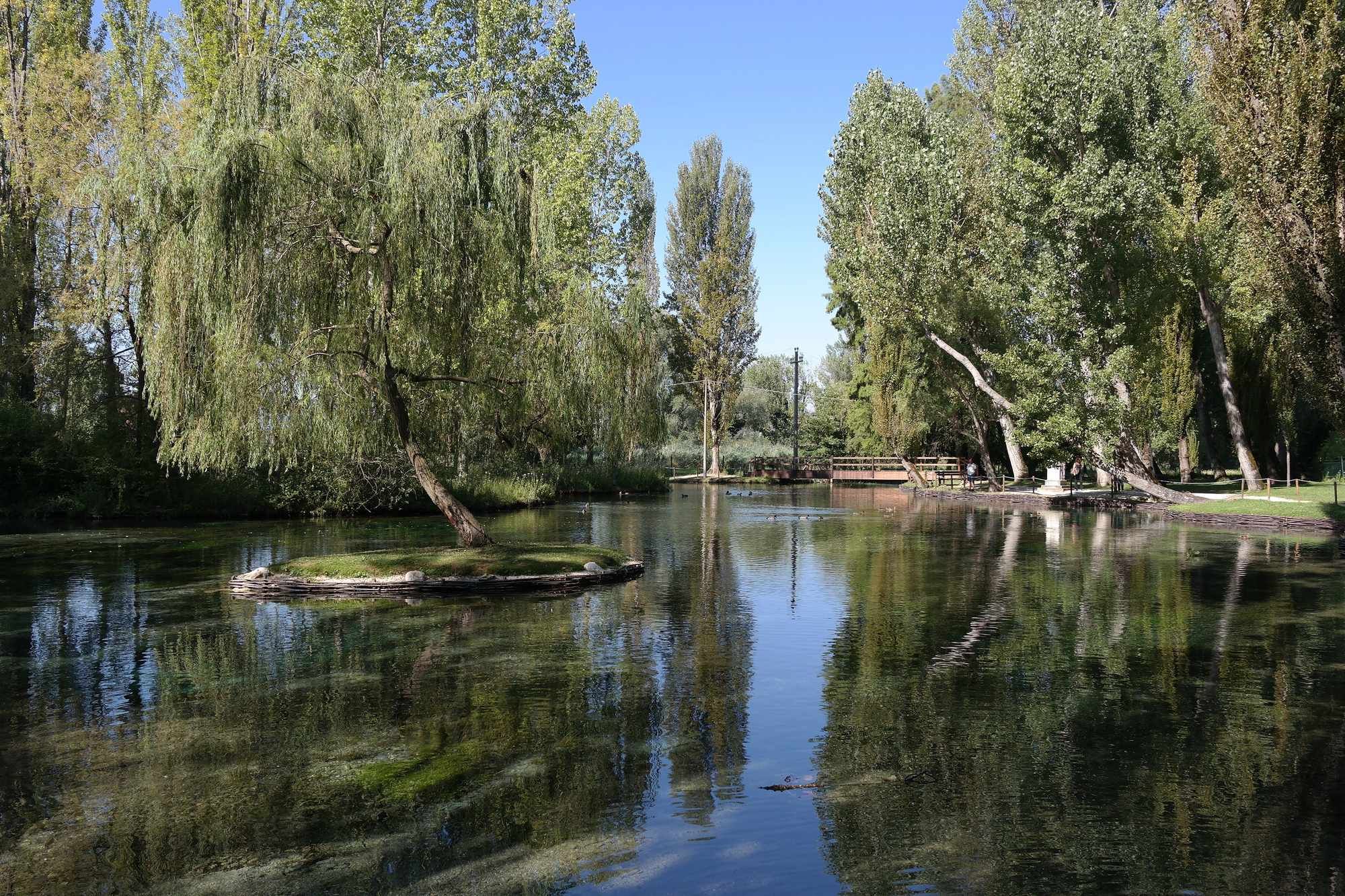
At Amastris, a polluted watercourse ran beside one of the city's principal streets. Pliny the Younger described its offensive appearance and smell to the emperor Trajan and asked permission to cover it. The exchange records a practical Roman response to an unhealthy urban environment, with attention to the money needed for the work.
Elsewhere, water prompted different decisions. At the spring of Clitumnus, religious rules restricted swimming near a sanctuary. Along rivers that washed away fields and deposited fresh ground, officials faced disputes over ownership and taxation. A changing riverbank could alter both a household's resources and the demands made upon it.
By the fifth century CE, imperial law protected people cultivating unstable riverbanks and rewarded the conversion of marsh or pasture into fields. These measures connected the movement of water with ownership, taxation and agricultural production. The interests recognised in them included the security of cultivators and the continued use of their holdings.
A foul watercourse reached the emperor
Pliny's description of Amastris begins with the city's beauty and a long, impressive street. The water running along it then becomes the subject of his complaint. Its condition offended the senses, and Pliny associated its smell with danger to health. He presented enclosing the channel as a necessary civic improvement.
The proposed work would enclose the channel running beside the street. Pliny sought the emperor's permission and undertook to ensure that sufficient funds would be available. His request placed the civic improvement before the emperor while leaving the arrangements for obtaining the necessary money with the governor.
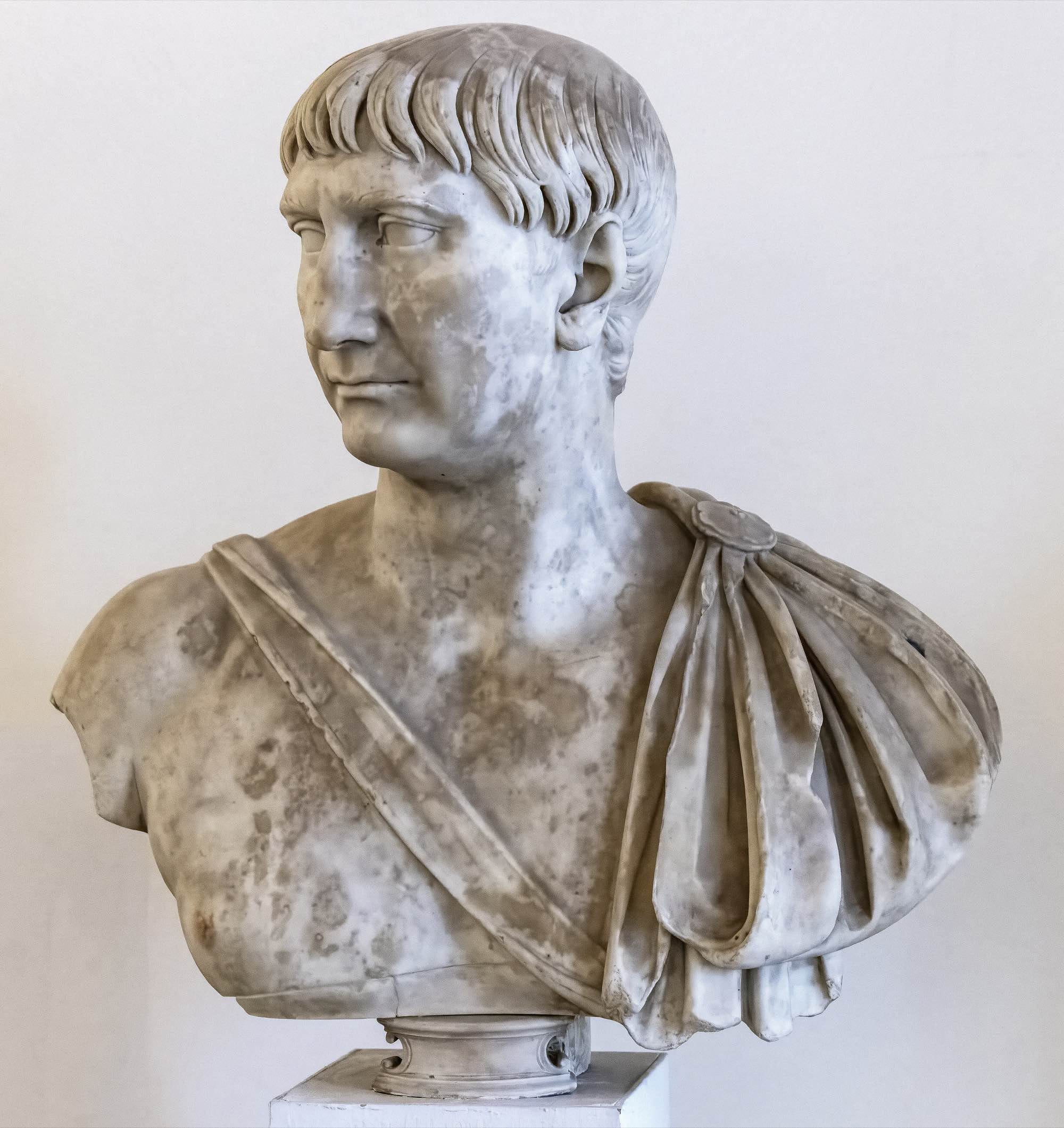
Trajan approved the proposal on the stated grounds of the inhabitants' health. His reply also returned to the practical question of paying for the work. He told Pliny to ensure that the necessary money would be available (Pliny, Letters 10.99):
“It is highly reasonable, my dearest Secundus, if the water which runs through the city of Amastris is prejudicial, while uncovered, to the health of the inhabitants, that it should be covered up. I am well assured you will, with your usual application, take care that the money necessary for this work shall not be wanting.”
A bridge marked the limit for bathers
In a letter to Romanus, Pliny described the source of the Clitumnus. A wooded hillside, clear water and trees reflected in the stream formed part of its attraction. The setting also contained an ancient temple, an image of the river god and smaller shrines associated with other divinities and springs.
The rules of Roman worship shaped the permitted uses of the water. A bridge separated the sacred area from the stretch available for ordinary activities. Pliny recorded different rules for boats and swimmers in his letter to Romanus (Letters 8.8):
“For, besides the principal spring, which is, as it were, the parent of all the rest, there are several other lesser streams, which, taking their rise from various sources, lose themselves in the river; over which a bridge is built that separates the sacred part from that which lies open to common use. Vessels are allowed to come above this bridge, but no person is permitted to swim except below it.”
Local provision accommodated those visitors. Pliny credited the Hispellates, to whom Augustus had given the place, with providing a public bath and hospitality at their own expense. Villas stood along the river, and inscriptions celebrated the spring and its divinity. Sacred restrictions operated within a landscape that people visited, inhabited and enjoyed.
Flood damage reached the tax office
A different problem appears in an Egyptian petition from around 214 CE. Aurelius Hierax and the heirs of Aline held a vineyard near the Nile in the district of Hermopolis. The river had eroded part of their property, leaving them with a smaller area than the holding previously recorded for fiscal purposes.
They asked an official to measure the vineyard again because they wanted the tax demand to reflect the land that remained. The petition's outcome is unknown. The request identifies a concrete consequence of river erosion: owners could continue to face charges associated with ground that the water had removed.
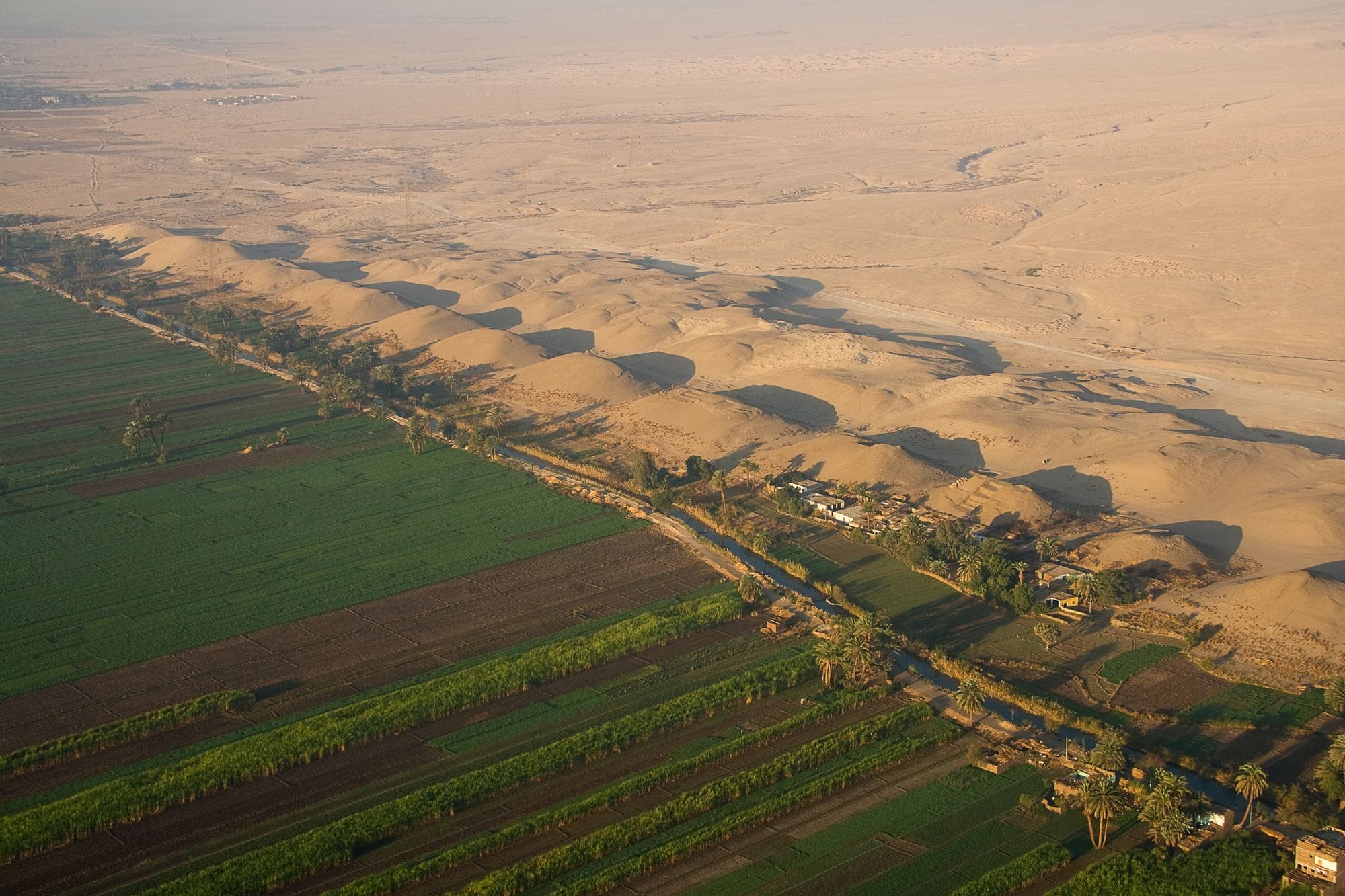
Roman surveyors also considered the damage caused by changes in a river's course. Agennius Urbicus described a river breaking through a farm and creating an island between its former and new channels. Such changes could divide a holding and reduce its cultivable area, requiring an assessment of the altered ground and the rights attached to it.
Riverbanks produced difficult ownership cases
Rivers could enlarge an estate as well as diminish it. Roman jurists examined the accumulation of soil, the detachment of pieces of land and the formation of islands. Their classifications addressed different physical processes, each of which could affect the relationship between neighbouring owners and the boundaries of their properties.
Gaius distinguished a gradual addition of soil from an identifiable piece torn from another estate. In the first case, the accumulating ground became part of the recipient's land; in the second, the detached piece remained the original owner's. The legal question depended on how the river had changed the holding.
Surveyors examined another difficulty: the material deposited downstream could be sand, stones and mud, while the land lost upstream had been fertile and cultivated. Agennius discussed whether someone who had lost ground could cross the river and claim what appeared on the other bank. The character of the soil helped explain the resulting ownership dispute.
Theodosius shielded cultivators from new claims
On 21 September 440, legislation issued in the names of Theodosius II and Valentinian III addressed land acquired through river deposits. Its introductory description stressed the instability of such ground: material could accumulate beside a holding, move again or dissolve under renewed inundation. The provision expressly extended beyond Egypt to other provinces.
The law prohibited the treasury from selling these additions and prevented private applicants from petitioning to obtain them. It also barred separate assessment and compulsory obligations upon the newly acquired ground. These protections limited the administrative and private claims that could confront people occupying land beside a changing river.
The policy appears intended to secure cultivation and possession on vulnerable ground. Protection against competing claims and additional burdens encouraged occupants to keep working their holdings. Securing their position also served an effort to prevent the abandonment of land and the loss of population from the countryside.
Marshes were rewarded for becoming fields
The same law extended protection to land previously registered as marsh or pasture that occupants had made productive through their expenditure and labour. It prohibited its sale, competing petitions and separate assessment as fertile ground. Imperial policy rewarded the effort invested in bringing these areas into agricultural use.

The protection was backed by a substantial gold penalty for violations, including misconduct by the prefect's staff. Officials could be penalised for promoting the prohibited arrangements or preparing a claimant's petition. The provision thus addressed the conduct of the administration as well as the interests of neighbouring landholders.
Related measures followed during the same decade. In 443, the emperor protected border soldiers' possession of fields they continued to cultivate, including marshland. In 444, a further provision protected those who accepted unproductive imperial land on agreed fiscal terms against subsequent increases. The legislation sought to sustain their work by giving them security over both possession and the charges their holdings would bear.




About the Roman Empire Times
See all the latest news for the Roman Empire, ancient Roman historical facts, anecdotes from Roman Times and stories from the Empire at romanempiretimes.com. Contact our newsroom to report an update or send your story, photos and videos. Follow RET on Google News, Flipboard and subscribe here to our daily email.
Follow the Roman Empire Times on social media: