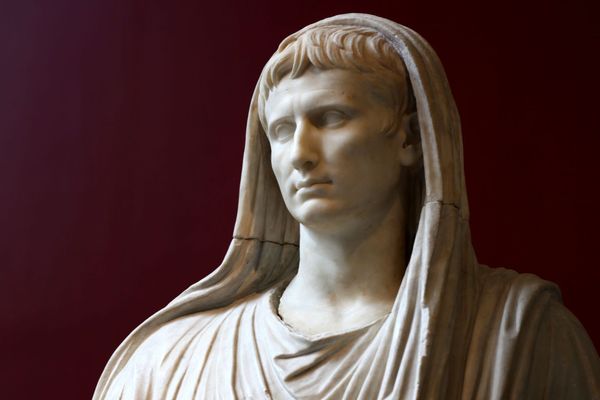
Roman Empire Historical Facts
Rome’s Priests Used the Secret Sibylline Books in Times of Disaster
A guarded collection of Greek verses helped Rome prescribe rituals during war and crisis. Its history runs from a royal legend to Augustus’s temple.

Roman Empire Historical Facts
A guarded collection of Greek verses helped Rome prescribe rituals during war and crisis. Its history runs from a royal legend to Augustus’s temple.
Roman Empire News
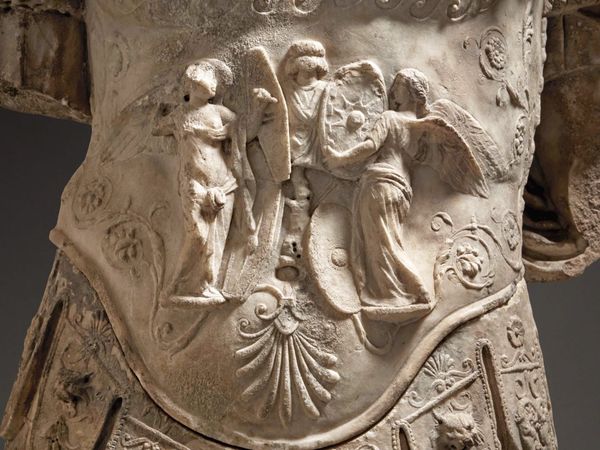
A first-century marble torso returns to auction on 21 October. Its sun chariot and Victories are clear; the emperor it represented and its exact setting are still debated.

Roman Empire News
Excavations at Kapersburg in Germany’s Taunus reveal a Roman temple, votive stones and a Victoria figure, while later finds raise questions about life beyond the Limes.
Roman Empire Anecdotes
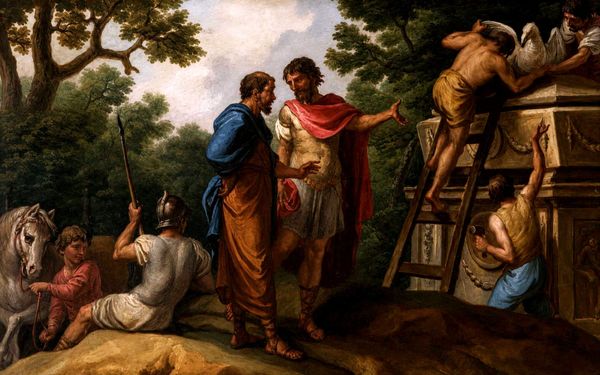
Diodorus Siculus attempted to gather the history of the inhabited world into one vast work, preserving material from many sources that later disappeared.
Roman Empire Anecdotes
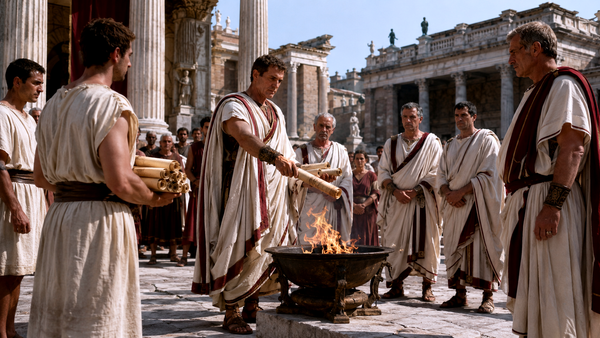
Ancient Rome did not burn books constantly. But when it did, the flames revealed what certain writings could do: authorize rites, predict the future, wound reputations, preserve memory, or prove dangerous truths.
Roman Empire Historical Facts
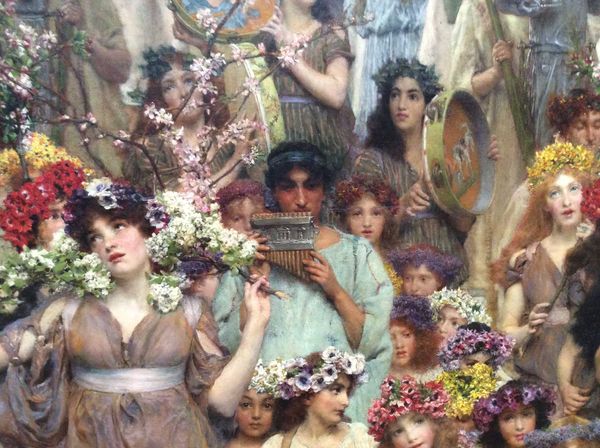
The first of May in Rome opened a month of flowers, sacrifice, purification, and old divine presences. The season felt bright, but the sacred atmosphere was never simple.
Roman Empire Historical Facts
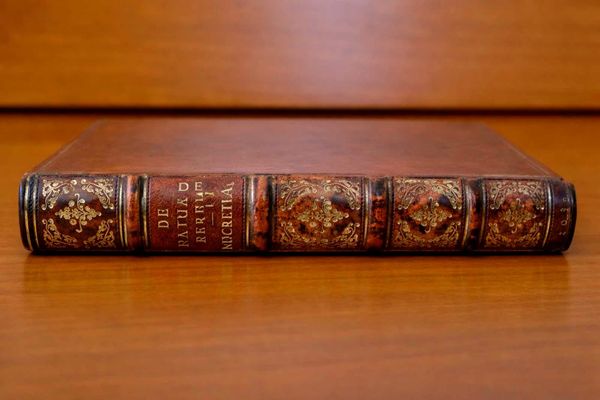
Lucretius left behind only one surviving work, but it was enough to reshape how later ages thought about nature, fear, and the place of humanity in the universe. His poem challenged superstition, questioned power, and gave Rome one of its boldest philosophical voices.
Roman Empire Historical Facts
When death arrived by sea, Constantinople fell silent. Streets filled with the dead, incense rose over empty markets, and even the emperor took to his bed. The first pandemic of recorded history began with prayer—and an empire waiting for an answer.
Roman Empire Historical Facts
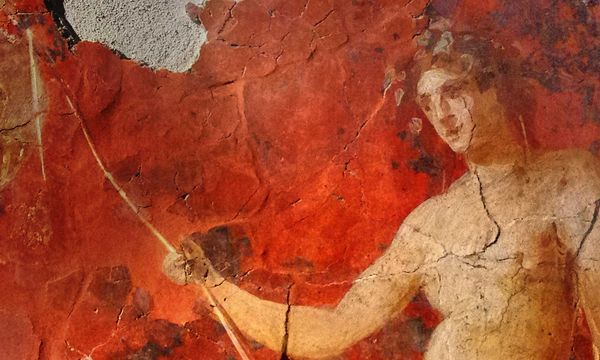
In ancient Rome, religion was a public duty, not a private creed. Through ritual, sacrifice, and the worship of countless gods, Romans sought divine favor to sustain both state and soul, blending piety, power, and tradition into the fabric of empire.