Roman Empire Anecdotes
Rome’s Client Kings: How the Empire Ruled Without Annexing
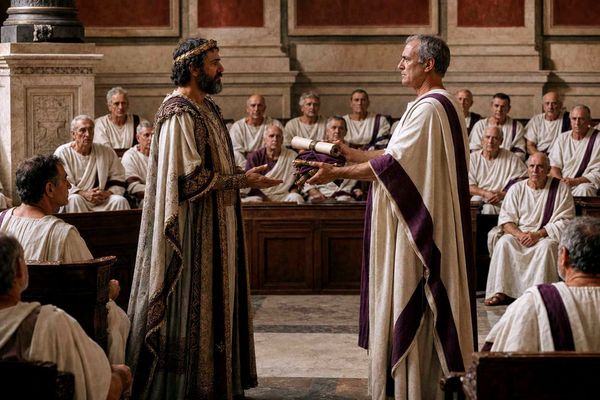
Rome often governed through allied kings rather than annexing their territories. The reigns of Massinissa, Deiotarus, and Herod show how this system operated.
Roman Empire Anecdotes
Rome often governed through allied kings rather than annexing their territories. The reigns of Massinissa, Deiotarus, and Herod show how this system operated.
Roman Empire Anecdotes
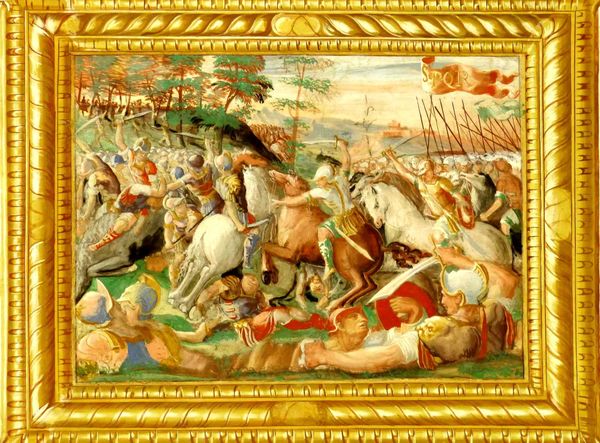
In 217 BC, Hannibal trapped and destroyed a Roman consular army between the hills and Lake Trasimene. Ancient accounts describe the ambush, the death of Gaius Flaminius and Rome’s response to the defeat.
Roman Empire Anecdotes
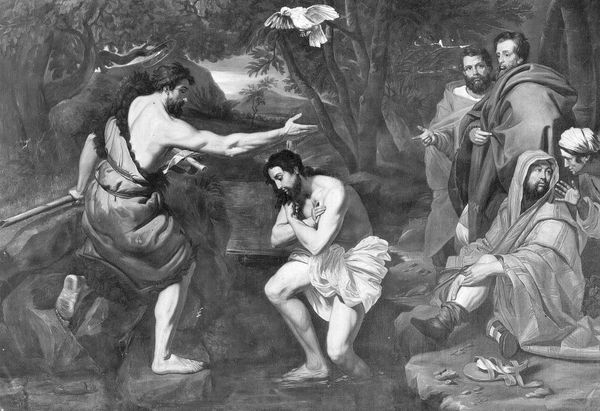
In the Roman world, “Son of God” was not an empty phrase. Before Christians used it for Jesus, emperors had already claimed divine sonship through power, public honor, family ideology, and imperial succession. That background changes how the title was first heard.
Roman Empire Historical Facts
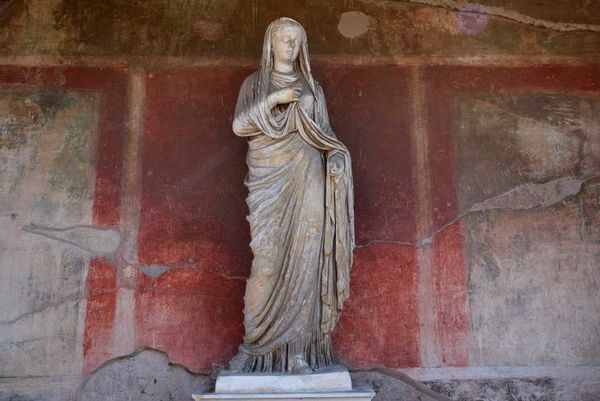
In Pompeii, Eumachia did something few women in the Roman world could do so visibly: she turned wealth, priesthood, and family ambition into stone. Her building on the Forum and the honors paid to her by the fullers reveal a woman who stood at the center of civic life, not at its edges.
Roman Empire Historical Facts
The Romans did not leave one fixed doctrine of the universe. Ovid, Lucretius, Cicero, and Manilius offered competing answers about creation, human origins, cosmic order, and fate—showing that Roman cosmology was a field of argument, not a single creed.
Roman Empire Historical Facts
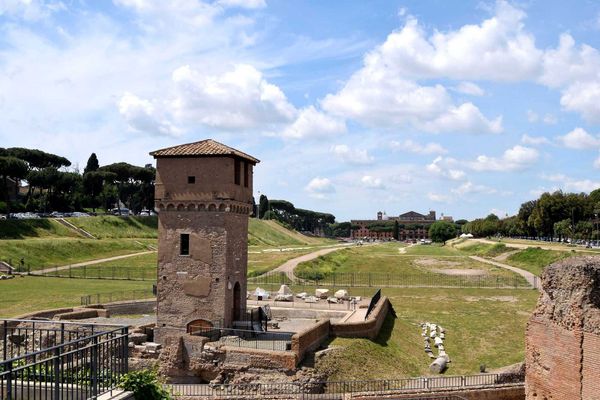
What survives now is only the emptiness of a vast space, yet it carries the weight of a city’s anticipation and the memory of its most restless hours.
Roman Empire Historical Facts
In ancient Rome, religion was a public duty, not a private creed. Through ritual, sacrifice, and the worship of countless gods, Romans sought divine favor to sustain both state and soul, blending piety, power, and tradition into the fabric of empire.