
Roman Oracle at Kibyra Matched Knucklebone Throws to 56 Life Predictions
A newly published inscription from Turkey preserves advice on travel, illness and trade, selected by casting five animal knucklebones.

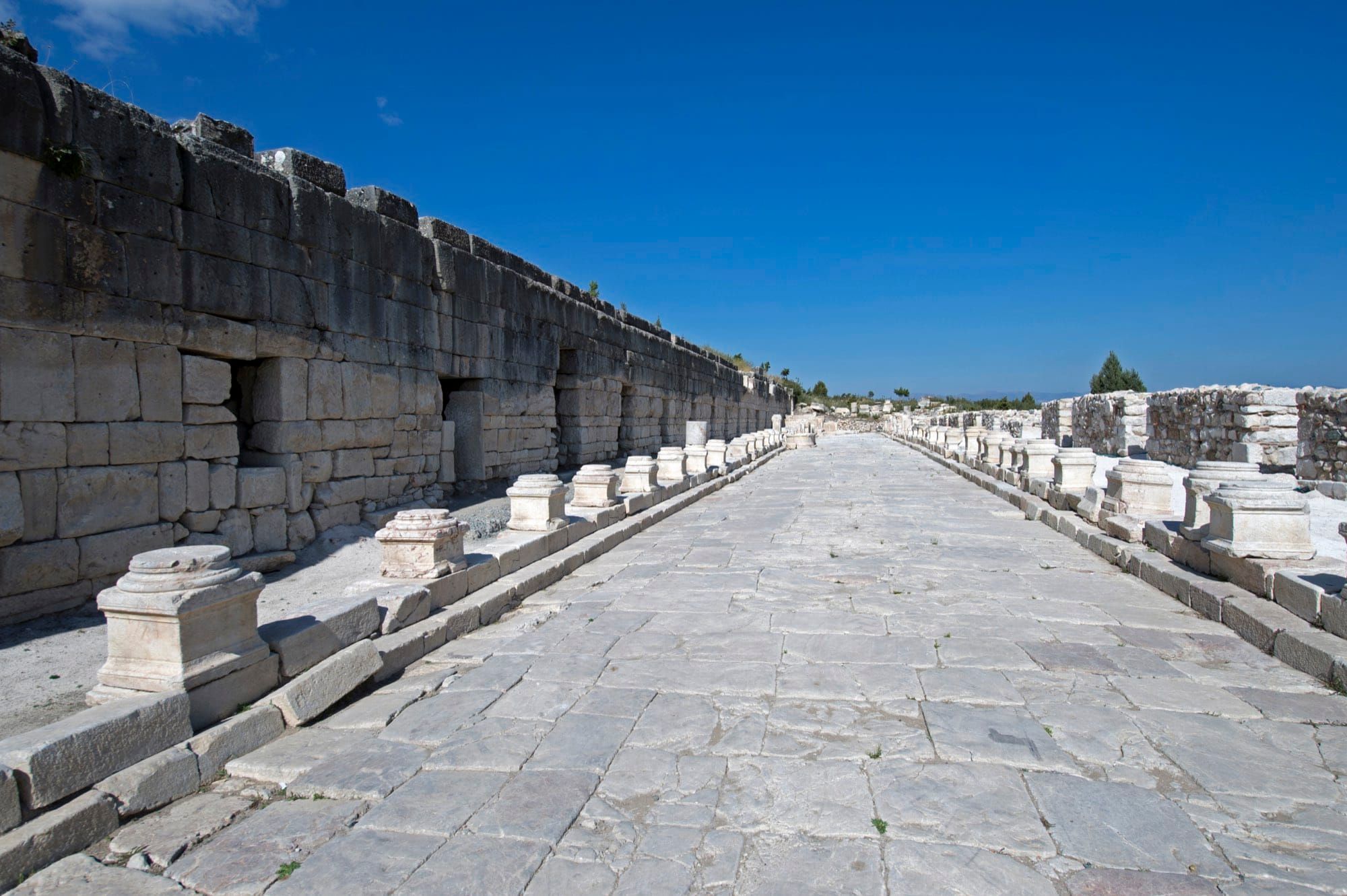
A Roman-period oracle at Kibyra, in southwestern Turkey, linked the throw of animal knucklebones to a system of 56 possible answers. A newly published study of its Greek inscription shows how the monument offered guidance on illness, journeys and commercial decisions. Parts of 48 responses survive on the recovered stone, allowing its text to be compared with related oracles across southern Asia Minor.
The limestone block was found in 2024, reused in the wall of a later chapel within the city’s agora, its public and commercial centre. The study appeared in Gephyra on 7 October 2026. It dates the inscription to the second or third century CE, placing this particular consultation system within the religious life of the Roman Empire.
The messages combine practical instructions with divine names and poetic images. Some encourage action; others advise waiting, staying home or postponing a purchase. They belong to the wider world of divination in Roman religious life, here expressed through a written set of answers selected by casting bones.
Recovered from a Chapel Wall
Excavators recovered the block from the north wall of a chapel on the agora’s third terrace. By then, an object made for consultation had become building material. The reused block retains a substantial part of the inscription.
The surviving block stands 1.24 metres (4.1 feet) high and carries writing on all four faces. It has cracks, worn surfaces and gaps where parts of the text have disappeared. Additional blocks bearing the missing upper and lower portions of the inscription have not yet been recovered.
Comparison with other copies makes the surviving sequence intelligible. The new edition numbers the entries within the established series of 56, leaving gaps where Kibyra’s text is lost. Some responses retain their numerical heading and complete advice; others preserve only fragments of the message or the line describing the throw.
Five Knucklebones Produced 56 Combinations
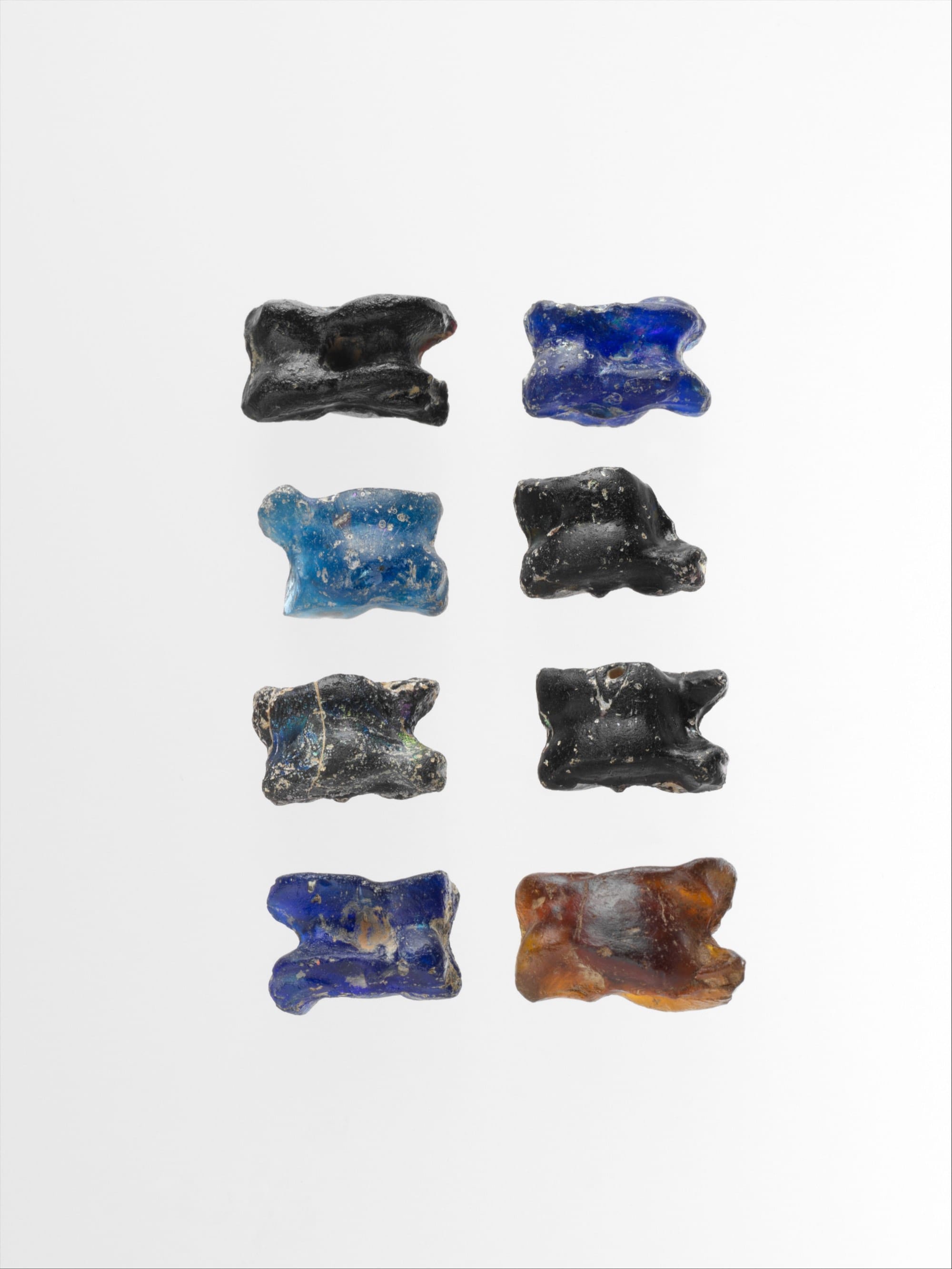
The casting pieces were astragali, small bones from the hind-leg joints of animals such as sheep, goats and calves. Their irregular shape gives them four usable landing faces, assigned the values one, three, four and six. Two faces are broad and two narrow, so the possible outcomes were not equally likely.
A consultation used five bones thrown together, or a single bone cast five times. The order of the results did not matter. These four possible values produce 56 different five-result combinations, each associated with an answer. The same objects also belonged to Roman games of chance, where the fall of the bones served a different purpose.
The combination was essential because different throws could produce the same total. Each entry identified the five values, their sum and an associated deity. A verse describing the cast followed, then the advice itself, normally expressed in three lines of Greek hexameter verse.
Advice to Travel, Wait or Stop Trading
The contrast appears even among throws adding up to ten. Four ones and a six lead to an answer associated with the Greatest Daimon, telling the consultant to fulfil a vow and naming Demeter and Zeus as saviours. Three ones, a four and a three lead instead to advice associated with Tyche: avoid the intended undertaking.
Other responses return repeatedly to timing. One combination produces encouragement to follow a desired journey, with Zeus Ammon as protector. Another warns against hurrying into action and combines that delay with reassurance about a sick person and someone abroad. The same answer could therefore address several concerns a visitor brought to the monument.
Five fours produced one of the more discouraging messages, associated with the unyielding Fates. Its imagery moves from sunset into darkness before advising the questioner to stop and avoid buying or selling. Elsewhere, an answer warns against putting a hand into a wolf’s mouth, using an image of danger to reinforce advice against travel and purchases.
A Benefactor’s Gift to Hermes
A dedication appears in larger letters above the first group of answers. The study reconstructs its damaged beginning as referring to the oracle monument and a statue of Hermes, together with a pedestal and surrounding adornment. The preserved wording records that the donor paid from their own resources.
Hermes had a central place in this regional tradition of casting lots. The Kibyra series includes an answer associated with Hermes Kerdenporos, an epithet connected with gain or trade, while other entries refer to Apollo’s oracular authority. The monument brought numerous divine associations into a consultation system closely connected with Hermes.
The researchers propose that it originally stood in the agora, near the location where it was eventually reused. They also suggest that its donor may have been a market official, as at Termessos. This reconstruction connects the gift with known examples of civic benefaction, although the donor remains unidentified.
Shared Verses Took Different Forms
The new inscription belongs to a regional family represented at places including Kremna, Termessos, Sagalassos and Perge. An earlier study of fragments from northwest Pisidia likewise identified the same numerical system and shared responses. The Kibyra monument adds another local version to a tradition already known from multiple settlements.
Its closest textual relationship, according to the new comparison, is with the copy from Kremna. Yet Kibyra also preserves distinctive wording, altered verses and grammatical mistakes. These differences help researchers examine how the answers were copied, adapted and engraved, rather than treating every monument as an identical reproduction.
One response uses a verse placed much earlier in other copies; another has words transposed and a phrase omitted, disrupting its metre. Kibyra also keeps the explanatory cast lines through its surviving sequence, where some other versions omit them or stop recording them. Those lines preserve the connection between a particular throw and its message.
Consulting the Gods Close to Home
Related forms of consultation also appear in ancient literature. In Description of Greece 7.25.10, Pausanias describes an oracle of Hercules near Bura, in Achaea in mainland Greece. His account uses four casting pieces rather than Kibyra’s five and places the consultation before a divine image. He writes:
And as you descend from Bura to the sea is the river called Buraicus, and a not very big Hercules in a cave, surnamed Buraicus, whose oracular responses are ascertained by dice on a board. He that consults the god prays before his statue, and after prayer takes dice, plenty of which are near Hercules, and throws four on the board.
The Kibyra study places its monument within a network serving concerns such as sickness, trade, travel and loss. It interprets these local systems as an accessible alternative to journeys to distant oracular centres. The proposed agora setting would have brought consultation into the same public environment in which residents and travelling merchants conducted business.
Questions about the relationship between gaming objects and worship also arise in the ritual-dice mystery at Grand. At Kibyra, the inscription makes the religious use explicit: combinations of bones led to named divine associations and written advice. The study recovers that procedure while the monument’s original position and the identity of its benefactor remain open historical questions.


About the Roman Empire Times
See all the latest news for the Roman Empire, ancient Roman historical facts, anecdotes from Roman Times and stories from the Empire at romanempiretimes.com. Contact our newsroom to report an update or send your story, photos and videos. Follow RET on Google News, Flipboard and subscribe here to our daily email.
Follow the Roman Empire Times on social media: